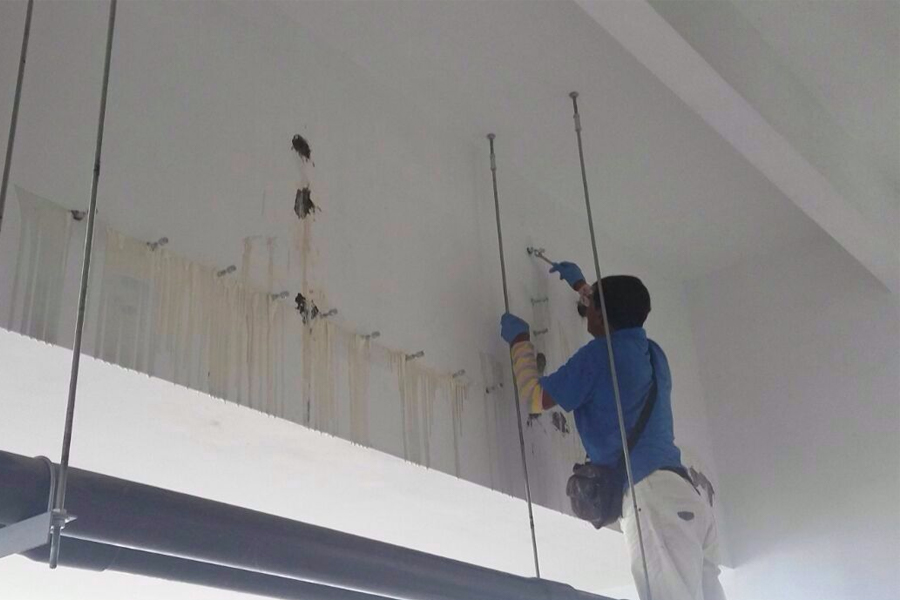
Bathroom leaks in Subang homes and commercial units often start quietly: a damp ceiling below the bathroom, peeling paint near the door frame, hollow tiles, or a musty smell that returns after cleaning. Because many Subang properties include terrace houses, condominiums, shop offices, and older renovated units, leakage can come from several sources—not only damaged waterproofing. Heavy rain, high humidity, pipe movement, and ageing cement finishes can all make the problem harder to trace without proper inspection.
In this article, we’ll explain why bathroom waterproofing fails, how leaks travel through building structures, what to check before repair, and how a free leak inspection helps property owners in Subang choose the right waterproofing solution.
Why Bathroom Leaks Are Common in Subang Properties
Bathroom leakage is common in Subang because many buildings combine daily water exposure with frequent renovation changes. In condominiums and apartments, bathrooms are often located above bedrooms, kitchens, or living areas, so even a small waterproofing defect can affect the ceiling below. In terrace houses, leaks may appear around ground-floor bathrooms, upstairs toilets, pipe shafts, or wall corners shared with another room.
One common mistake is assuming that every bathroom leak comes from cracked tiles. Tiles are only the surface finish; they are not the waterproofing layer. Water can pass through tile joints, floor traps, wall-floor corners, pipe penetrations, or poorly sealed shower areas. Once moisture reaches the screed below the tiles, it may spread sideways before appearing at the weakest point.
This is why a proper Malaysia waterproofing assessment should not focus only on the visible stain. The inspection needs to identify where water enters, how it moves, and whether the original waterproofing system has failed.
How Bathroom Waterproofing Failure Happens
Bathroom waterproofing failure usually develops over time. When the waterproofing layer is applied too thinly, not extended high enough on walls, or not reinforced at corners, it may perform for a few years before signs appear. Movement from the building structure, vibration, or pipe repair works can also create small gaps that allow water to enter.
What causes water to leak even when tiles look fine? The answer is capillary movement. Water can travel through tiny gaps in grout, cement screed, and wall-floor junctions. It may not drip immediately. Instead, the floor area becomes saturated, and moisture slowly moves toward cracks, pipe sleeves, or ceiling joints below.
In Subang, bathrooms with poor ventilation often make this worse. Constant moisture slows down drying, so the substrate remains damp for longer periods. Over time, this can lead to mould, ceiling stains, swollen timber doors, and repeated paint peeling. A Waterproofing Service should therefore include both leak detection and evaluation of the bathroom’s actual moisture condition.
What a Free Leak Inspection Should Check
A free leak inspection is useful when it is more than a quick visual look. For bathroom cases, the goal is to separate waterproofing failure from plumbing leakage, drainage issues, or surface sealing defects. Each cause requires a different repair method, so guessing can lead to repeated work.
Before deciding on a bathroom waterproofing repair, property owners should check:
• Whether the leakage appears only after shower use or continuously
• If water stains are directly below the bathroom or slightly away from it
• Whether floor traps, pipe penetrations, and wall-floor corners show gaps
• If tiles sound hollow, crack, or move when tapped
• Whether previous repairs used surface sealants without treating the base issue
• If the bathroom has enough ventilation for long-term drying
This checklist helps identify whether the issue is active leakage, trapped moisture, or a damaged waterproofing layer. A reliable Waterproofing Solution Provider will also consider the age of the building, past renovation history, and accessibility before recommending hacking, partial repair, surface treatment, or full re-waterproofing.
Why Surface Repairs Often Do Not Last
Many bathroom leaks return because the repair only blocks the visible symptom. Applying sealant around the floor trap or coating over existing tiles may help temporarily if the problem is very minor, but it will not solve saturated screed or failed waterproofing beneath the tiles.
For example, if water has already entered below the tile layer, sealing the surface may trap moisture inside. The bathroom may look dry for a short period, but stains can reappear when water finds another path. In some cases, trapped moisture pushes against weak joints and creates new leakage points.
What should contractors check before applying waterproofing materials? They should check surface cleanliness, water source, substrate condition, drainage slope, crack movement, and whether the area can dry properly. QingLong Waterproofing, as a Malaysian Waterproofing Manufacturer and Waterproofing Supplier, develops materials for different conditions, but even good materials need correct diagnosis and application to perform well.
Case Study: Bathroom Leak in a Subang Condominium Unit
On a condominium unit in Subang, the owner noticed brown water stains on the kitchen ceiling directly below the master bathroom. The first assumption was a leaking pipe, but the stain became worse only after long shower use. During inspection, the floor trap area looked normal, but several wall-floor joints near the shower screen had fine gaps and the tile grout had deteriorated.
The challenge was that the owner had already tried surface sealant twice, and the leakage returned after a few months. The inspection showed that moisture had entered the screed layer and spread toward the pipe penetration zone.
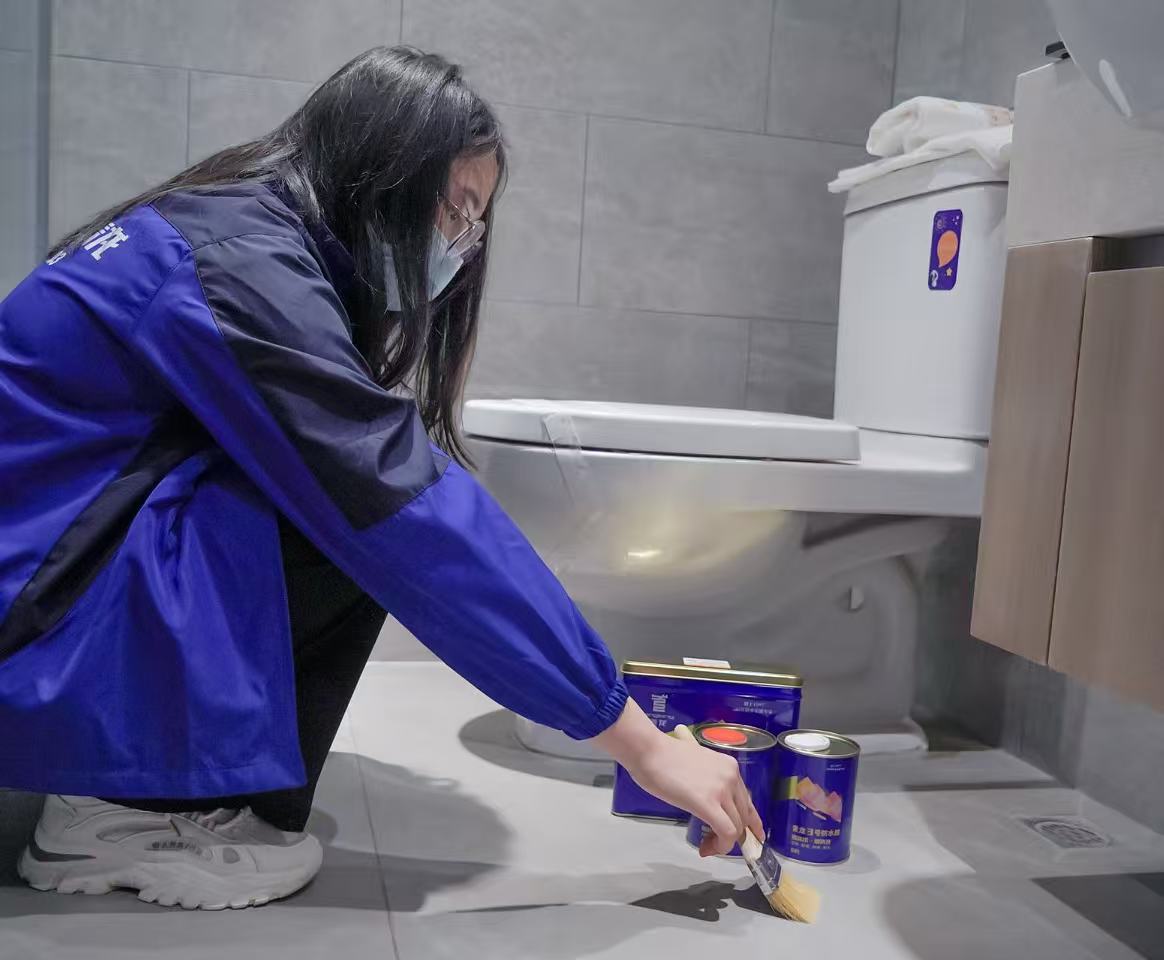
The solution was to remove the affected tiles in the shower area, allow the damp base to dry, repair weak corners, and apply a suitable waterproofing system with reinforced treatment at junctions and penetrations. After reinstating the finishes and testing the area, the ceiling below remained dry during follow-up. This project showed that targeted repair can work when the leak path is correctly identified before waterproofing starts.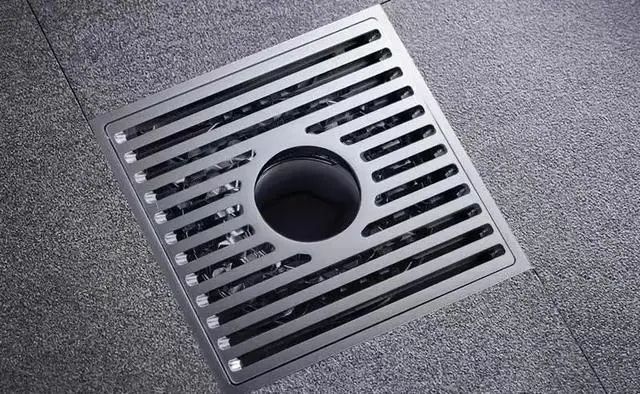
When Full Bathroom Re-Waterproofing Is Necessary
Full bathroom re-waterproofing is usually needed when leakage affects multiple areas, tiles are hollow across a large section, or the original waterproofing layer has failed widely. It may also be necessary after major renovation works, especially when floor levels, plumbing points, or shower layouts have changed.
Partial repair may be enough for small corner defects or isolated pipe penetration issues. However, if water has spread under most of the bathroom floor, patching one point may simply move the leak to another location. This is where an experienced Malaysia waterproofing team can explain the practical difference between short-term sealing and proper system repair.
The right approach depends on the bathroom condition, budget, urgency, and how long the owner expects the repair to last. A professional inspection helps avoid unnecessary hacking while also preventing under-repair.
Conclusion
Bathroom waterproofing in Subang should begin with proper leak diagnosis, not guesswork. A stain on the ceiling may be caused by failed waterproofing, cracked joints, pipe penetrations, poor drainage falls, or moisture trapped beneath tiles. The most effective repair is the one that matches the actual water path and site condition.
QingLong Waterproofing supports property owners with practical inspection, suitable material recommendations, and waterproofing service experience for residential and commercial buildings. If your bathroom is leaking or you need a clearer assessment before repair, you can contact QingLong Waterproofing to arrange a free leak inspection and receive suitable recommendations for your property.
Frequently Asked Questions (FAQs)
1. How do I know if my bathroom waterproofing has failed?
Common signs include ceiling stains below the bathroom, damp walls, peeling paint, hollow tiles, mould smell, or leaks that appear after shower use.
2. Can bathroom leaks be repaired without hacking tiles?
Some minor surface defects may be repaired without hacking, but leaks caused by saturated screed or failed waterproofing usually need more detailed repair.
3. Why does my bathroom leak come back after applying sealant?
Sealant may only block the visible gap. If water has already entered beneath the tiles, moisture can travel and reappear at another weak point.
4. Does QingLong Waterproofing provide bathroom leak inspection in Subang?
Yes. QingLong Waterproofing provides site inspection and waterproofing recommendations for bathroom leakage issues in Subang and surrounding areas.