You received a waterproofing quotation—but did the contractor inspect where the water entered, or only look at the ceiling stain?
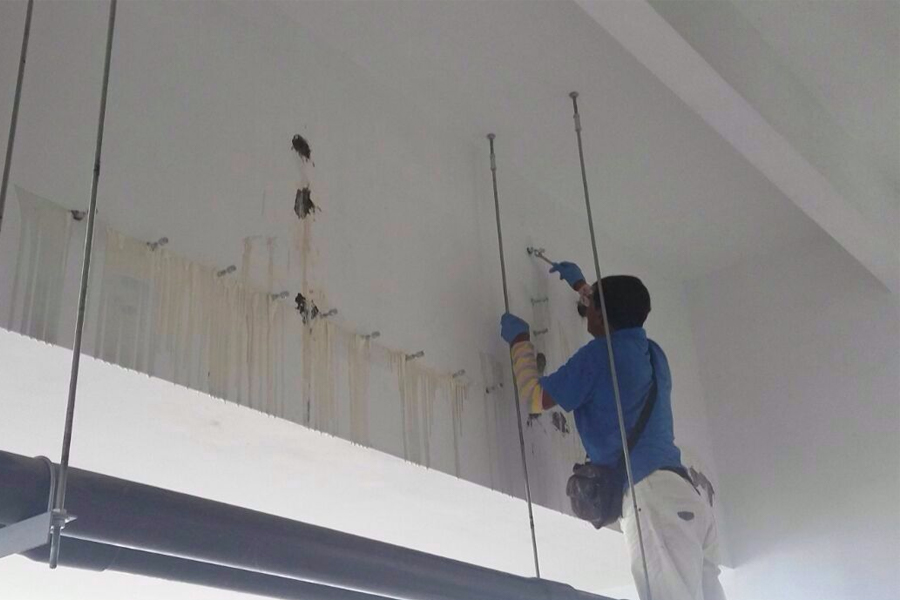
This matters because the wet patch may not be directly below the source. Water can enter through a roof joint, balcony outlet, exterior wall crack or pipe sleeve before travelling along the concrete slab. Repairing the nearest surface may stop the dripping temporarily without solving the actual problem.
In Kuantan, heavy rain, coastal exposure and wind-driven rain can make the source even harder to identify. Some walls and roofs only leak when rain comes from a particular direction or continues for several hours.
Before approving the repair, check whether the waterproofing quotation answers these four important questions.
1. Is the Stain Still Wet- or Is It From an Old Leak?
A ceiling stain tells you that moisture reached the surface at some point. It does not confirm that water is still entering the building today.
Some stains remain after an earlier leak has already stopped. Others become darker only during heavy rain, when a bathroom is used or when water collects on a balcony. Understanding this pattern helps the contractor separate an active leak from old moisture.
During the inspection, the contractor should ask:
• When did the stain first appear?
• Does it become darker during or after rain?
• Does the area drip or only feel damp?
• Does it happen after using the bathroom?
• Is there peeling paint, mould or a damp smell?
Photos and videos taken while the leak is happening can be helpful. A stain that appears only during wind-driven rain may point towards an exterior wall, flashing or roof junction. Leakage that follows bathroom use may require a plumbing check before waterproofing work is proposed.
Without this information, the contractor may recommend a repair based only on what is visible during one short visit.
2. Where Is the Water Actually Entering?
The stain is where water becomes visible. The entry point may be somewhere else.
In a landed house, rainwater can travel along roof structures, beams or electrical conduits before reaching the ceiling. In a shoplot or commercial building, it may move through slab cracks, construction joints or service ducts before appearing inside another unit.
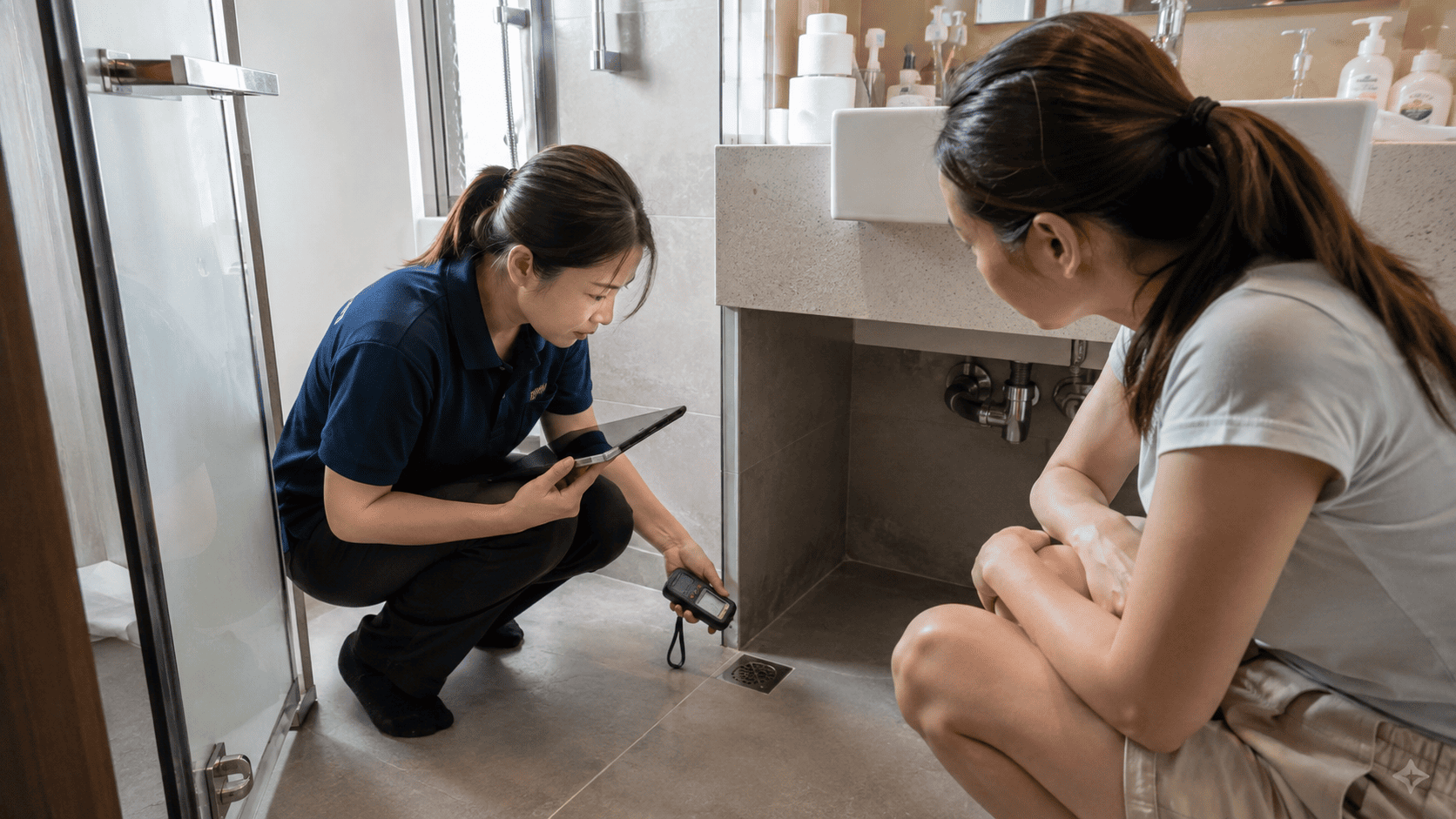
The contractor should therefore inspect the surrounding building details, not only the stained area.
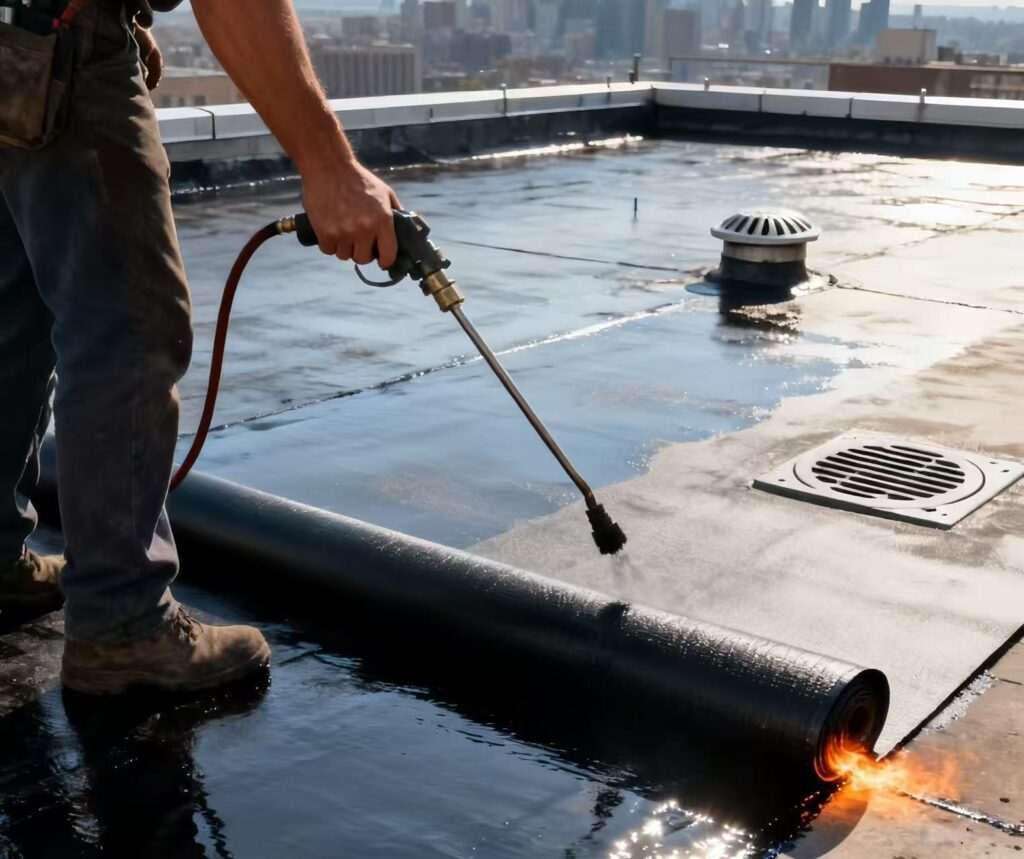
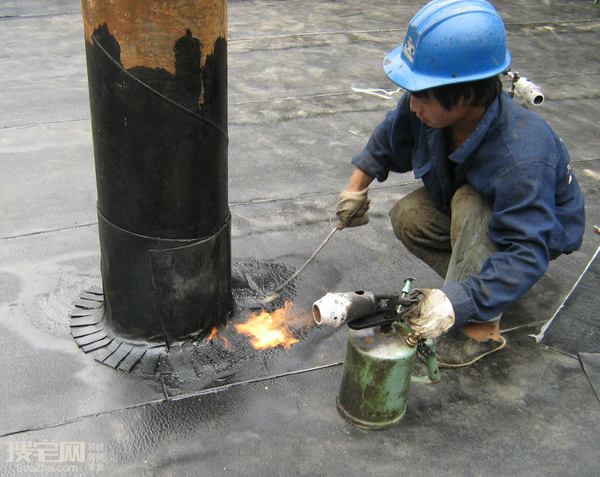
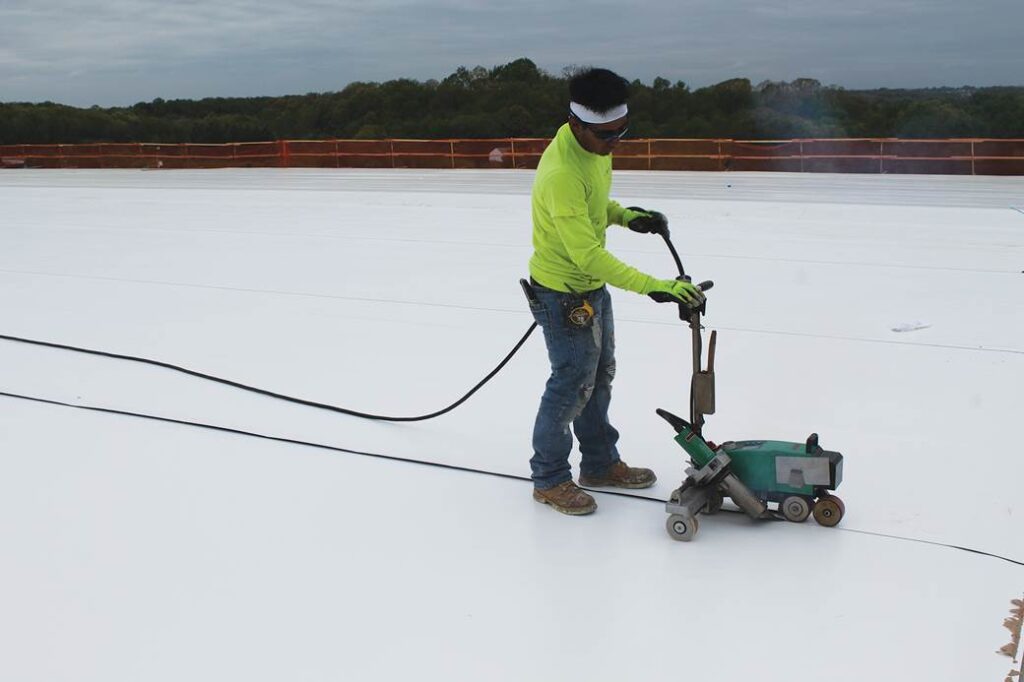
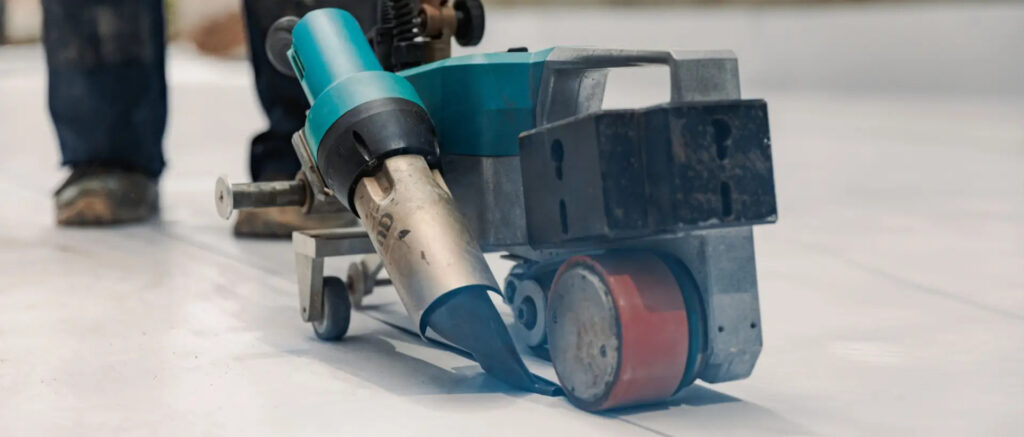
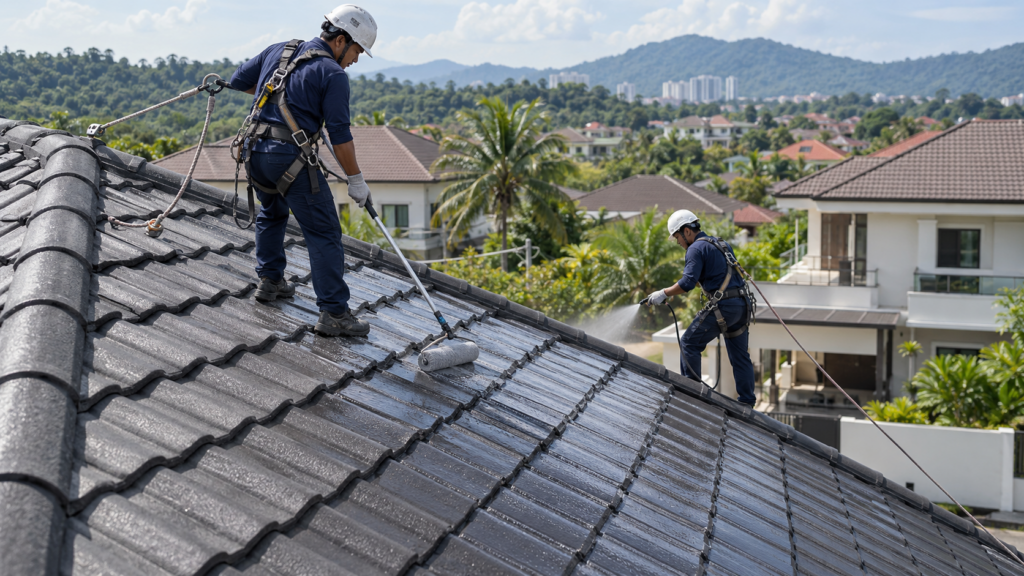
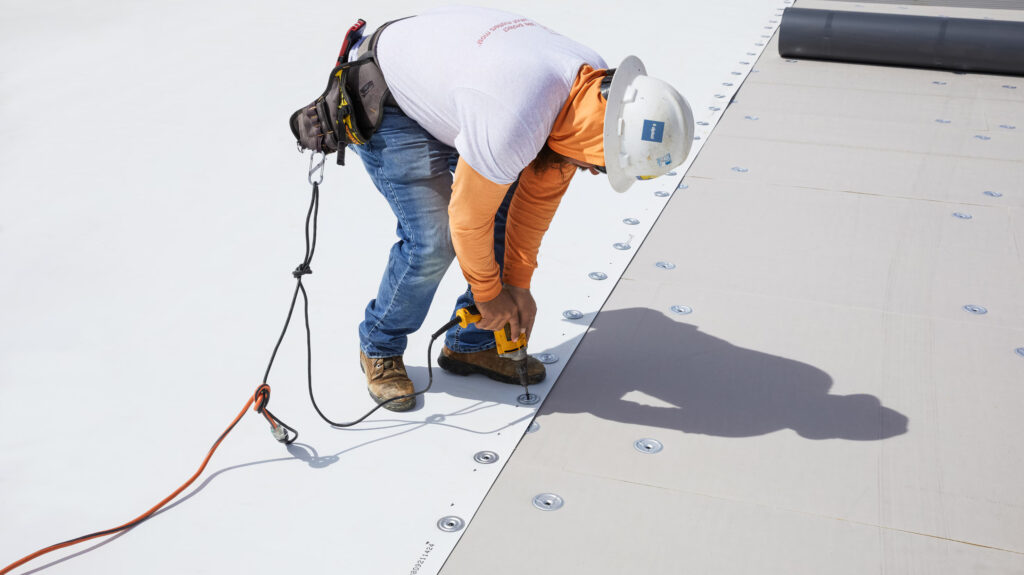
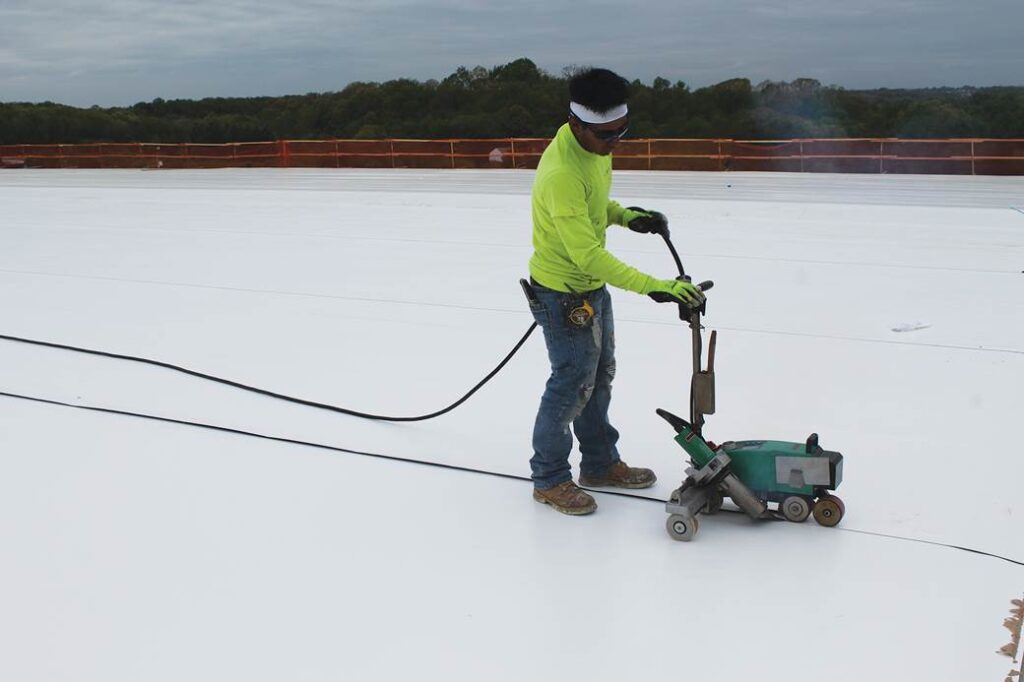
For a roof leak, this may include flashing, fasteners, membrane joints, penetrations, parapet walls and drainage outlets. For a balcony, the contractor should check grout lines, wall-floor junctions, door thresholds, cracks and the drain area.
Bathroom leakage may come from a failed waterproofing layer, but it can also involve plumbing pipes, floor traps or pipe penetrations. Exterior wall seepage may be related to cracks, window joints, porous surfaces or failed sealant.
If the quotation simply says “apply waterproof coating” without identifying the suspected entry point, ask the contractor to explain why that area is being treated. A proper recommendation should be connected to observations made during the inspection.
3. Can the Existing Surface Hold the Proposed Materials?
Choosing a waterproofing product is only part of the repair. The existing surface must also be able to support it.
New waterproofing material applied over loose paint, dusty concrete, trapped moisture or weak old coating may peel, blister or lose adhesion. If the substrate is not properly prepared, even a suitable product may fail earlier than expected.
For concrete roofs and balconies, the inspection should check for cracks, hollow areas, old coating condition, ponding water and the direction of drainage. On tiled surfaces, the contractor should assess the grout, tile bonding and screed below the tiles before recommending a non-hacking treatment.
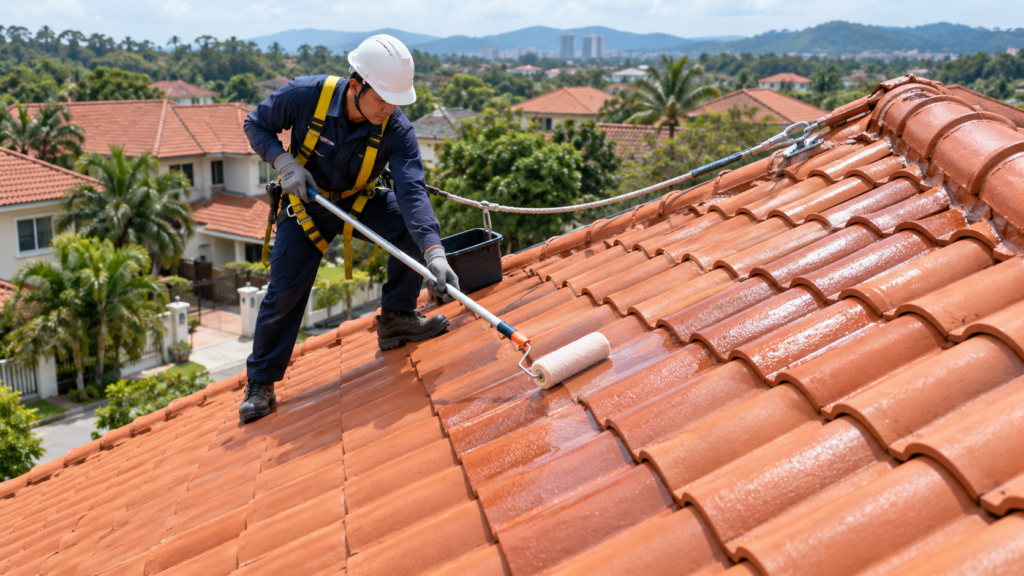
For metal roofs, rust, loose fasteners, damaged washers and movement at sheet joints should be treated before applying sealant or coating. Covering these defects without proper preparation may hide the problem instead of repairing it.
QingLong Waterproofing manufactures and supplies coatings, cement-based slurry systems, sealants and other waterproofing materials for different building conditions. The appropriate material depends on the substrate, moisture condition, exposure and expected movement of the area.
The quotation should therefore explain both the proposed material and the required surface preparation.
4. Is One Small Patch Raeally Enough?
A local repair can be suitable when the entry point is clearly identified and the surrounding waterproofing remains in good condition.
For example, one failed pipe collar, open joint or isolated crack may only require treatment around that specific area. There is no reason to replace an entire waterproofing system when the defect is genuinely localised.
However, a small patch may not be enough when several defects are connected. Imagine a balcony above a living room. Water may be entering through several grout lines, the wall junction and the drain area. Sealing only one visible crack could reduce the leak temporarily, but water may later appear at another weak point.
The same applies to an ageing flat roof with several cracks, peeling coating and multiple ponding areas. Repeatedly patching individual spots may cost less each time, but the combined cost can become higher if the wider waterproofing layer has already deteriorated.
A good inspection should explain whether the problem appears isolated or affects a larger connected area. This is not about automatically recommending the biggest job. It is about making the repair area large enough to address the way water is actually entering.
Conclusion
The lowest waterproofing quotation is not necessarily the cheapest solution if it only covers the visible symptom.
Before accepting a quote in Kuantan, check whether the contractor has identified the likely water-entry path, assessed the existing surface and explained whether the defect is localised or connected to a wider area. The proposed material, preparation work, warranty and exclusions should all be stated clearly.
If you are dealing with roof, balcony, bathroom or exterior wall leakage, you can discuss your property condition with QingLong Waterproofing and arrange an inspection before deciding on the appropriate repair scope.
Frequently Asked Questions (FAQs)
1. Can a free inspection confirm the exact leak source every time?
Not always. Some leaks need water testing, opening works or monitoring during rain. A free inspection should at least narrow the likely source and explain what cannot yet be confirmed.
2. Is roof coating always the solution for rain leaks?
No. Roof leaks may come from joints, penetrations, flashing, rusted fasteners or poor drainage. Coating helps only when it matches the actual defect and surface condition.
3. Can waterproofing be repaired without hacking tiles?
Sometimes. A non-hacking method may be possible when the tiles, joints and underlying substrate remain suitable. Hacking may be required if multiple tiles are hollow, water is trapped below the screed or the original waterproofing has failed extensively.
4. Does a free inspection include a quotation?
Yes. After inspecting the area, QingLong Waterproofing can prepare a quotation showing the proposed repair area, required surface preparation, recommended materials and included warranty. Any condition that cannot be confirmed during the initial inspection should also be stated clearly.