Car porch leaks in Kuching are often underestimated because the area looks simple compared with a roof, bathroom, or basement. In reality, a car porch is exposed to frequent rain, strong afternoon heat, vehicle movement, drainage blockage, and moisture rising from surrounding surfaces. Once water starts entering cracks, tile joints, pipe penetrations, or slab edges, the damage can spread to ceilings, columns, wall finishes, and electrical points before the owner notices the real source.
In this article, we’ll explain why car porch waterproofing fails, how leakage develops in Kuching homes, what to check before repair, and how a proper waterproofing approach can help avoid repeated costly leaks.
Why Car Porch Leaks Are Common in Kuching Homes
Kuching’s wet climate creates a tough environment for exposed car porch areas. Heavy rain can arrive quickly, and if the surface has poor falls, water may remain on tiles or concrete for hours. Over time, standing water finds weak points such as cracked grout, hollow tiles, construction joints, or small gaps around columns.
Many terrace houses, semi-detached homes, and renovated properties in Kuching use tiled car porch finishes. Tiles may look waterproof, but the grout lines and bedding layer beneath them are not always watertight. If the original waterproofing layer is missing, thin, poorly applied, or damaged during renovation, water can travel below the tiles and appear at another location. This is why a leak stain may show near the porch ceiling edge even though the actual entry point is several feet away.
How Water Enters Through a Car Porch Surface
Water leakage usually begins with small defects, not large openings. A hairline crack on concrete, a loose tile joint, or a weak seal around a drain can allow rainwater to enter slowly. Once water reaches the bedding layer, it moves sideways through voids and porous cement. This hidden movement is one reason car porch leakage can be difficult to diagnose by visual inspection alone.
What should homeowners check before repairing a car porch leak? The important point is to identify both the entry point and the path of water movement. If only the visible stain is patched, the leak may return after the next heavy rain. A proper Malaysia waterproofing approach should consider surface condition, drainage, material compatibility, and long-term exposure instead of only applying a quick coating on top.
Common Warning Signs Before Major Leakage Happens
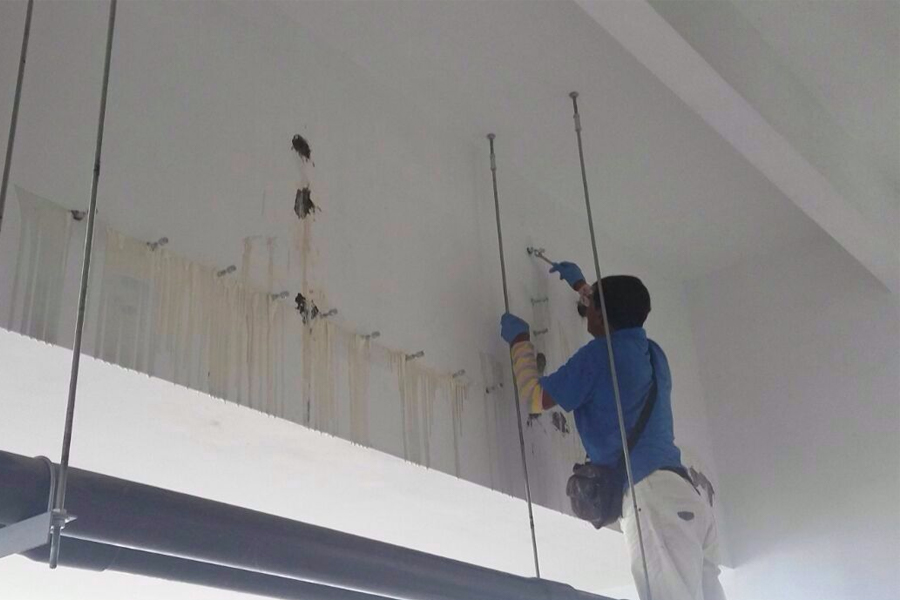
Car porch waterproofing problems often show early symptoms before serious water damage appears. In Kuching properties, we commonly see damp patches on the underside of porch slabs, peeling paint near beam edges, white salt stains, mouldy corners, and water dripping after prolonged rain. Some homeowners also notice tiles sounding hollow when tapped, which may indicate moisture or poor bonding beneath the surface.
Another sign is recurring repair failure. If sealant, cement patching, or tile regrouting works for only a few weeks, the problem is likely deeper than the surface joint. This does not always mean the whole car porch must be hacked, but it does mean the repair method should be selected after proper inspection.
What to Inspect Before Choosing a Waterproofing Method
Before choosing a Waterproofing Service for a car porch in Kuching, the inspection should be practical and site-specific. The goal is to understand whether the issue is caused by surface cracking, poor slope, tile failure, drainage weakness, or an old waterproofing layer that has lost performance.
• Check whether rainwater ponds on the car porch after heavy rain
• Inspect tile joints, cracks, slab edges, wall junctions, and drain outlets
• Look for hollow tiles or loose finishes that may trap water underneath
• Confirm whether the leak appears during rain only or remains damp for days
• Review past repairs to avoid repeating ineffective patching methods
• Consider whether the porch is exposed concrete, tiled, or coated surface
This simple evaluation helps determine whether the solution should involve surface coating, joint treatment, localized repair, tile removal, or a more complete waterproofing system.
Suitable Waterproofing Approaches for Car Porches
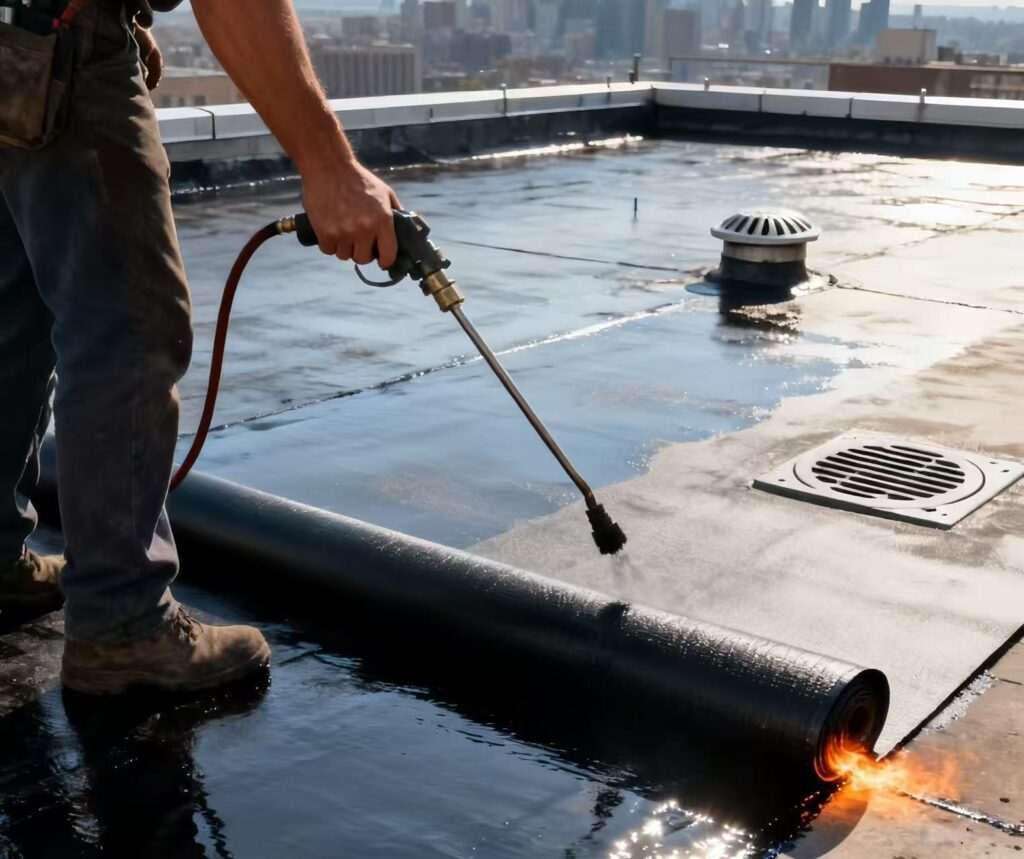
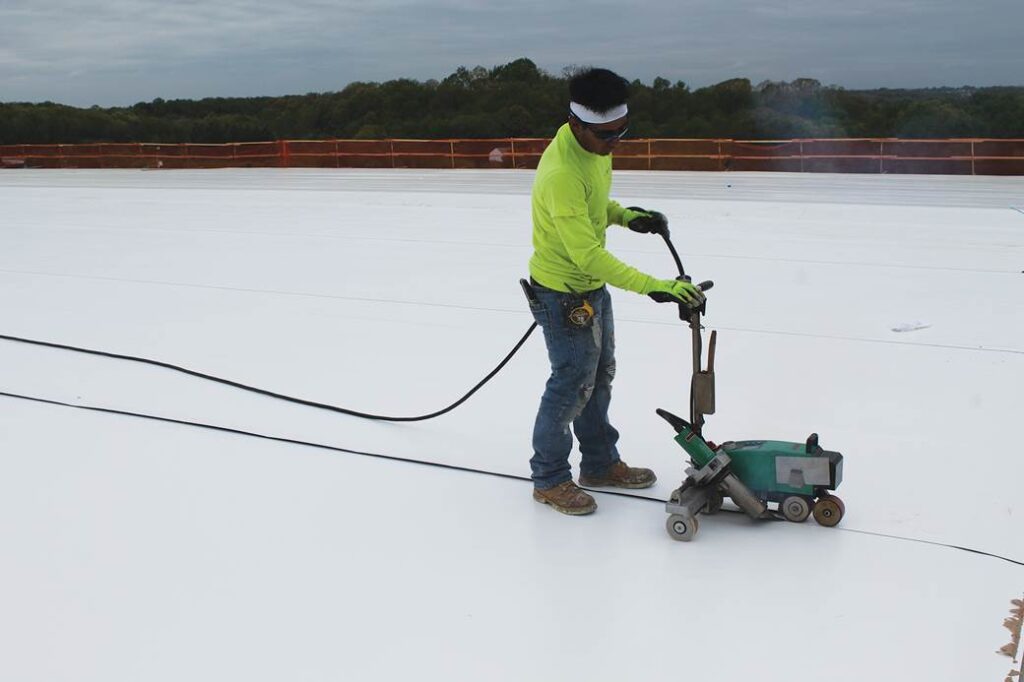
There is no single product that solves every car porch leakage problem. For exposed concrete surfaces, a flexible waterproofing coating may be suitable when the surface is stable, clean, and properly prepared. For tiled areas, the contractor must decide whether the existing tiles can remain or whether damaged sections need removal. Applying waterproofing over weak, hollow, or contaminated surfaces usually leads to poor adhesion.
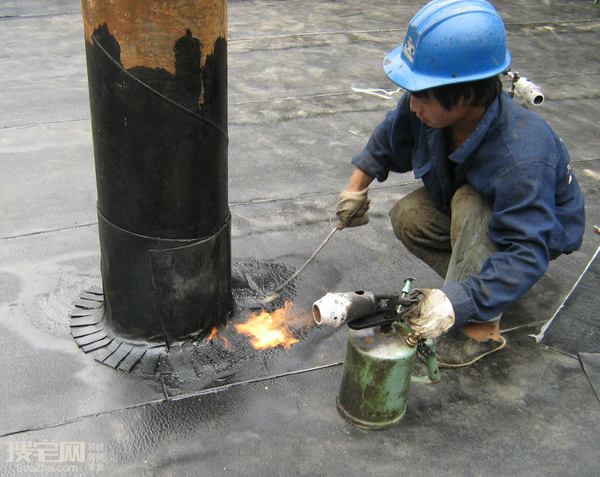
At corners, slab edges, and wall junctions, reinforcement is often needed because these areas move differently from the main floor area. Drain outlets also require careful detailing because water naturally concentrates there. A Waterproofing Supplier can provide materials, but correct application remains just as important as the product itself. Surface grinding, crack treatment, primer use, proper thickness, curing time, and protection from rain during application all affect the final result.
As a Waterproofing Manufacturer and Waterproofing Solution Provider, QingLong develops products for different site conditions, but in real projects, the material must still match the actual defect. A transparent coating, cementitious slurry, sealant, or roof-grade coating may each have a place, depending on the car porch structure and exposure.
Case Study: Car Porch Leak Repair in a Kuching Residential Property
On a residential car porch repair project in Kuching, the owner had repeated water stains along the beam line near the entrance. Previous patching focused only on the visible crack below the slab, but the leak returned after heavy rain. During inspection, the main issue was found on the top surface: shallow ponding near the drain, deteriorated tile grout, and a small gap at the wall-floor junction.
The repair involved removing loose grout and weak sealant, treating the junction area, improving the drainage path, and applying a suitable waterproofing layer to the affected zones after surface preparation. The result was not just a cleaner finish, but a more controlled water flow across the porch surface. After rainfall testing and follow-up monitoring, the leakage did not reappear at the original beam line.
How to Reduce Future Car Porch Leakage
Good car porch maintenance is simple but often ignored. Keep drainage outlets clear, wash away mud buildup, repair cracked grout early, and avoid drilling into waterproofed areas without resealing the penetration. If the porch surface has been coated, check for wear caused by tyres, cleaning chemicals, or long-term sun exposure.
Why do car porch waterproofing systems fail after repair? In many cases, the surface was not dry enough, the water source was not fully identified, or the chosen material could not handle movement and outdoor exposure. A lasting repair depends on diagnosis first, then product selection, then workmanship.
Conclusion
Car porch waterproofing in Kuching should not be treated as a minor touch-up when leakage has already appeared. The local combination of heavy rainfall, humid conditions, tiled finishes, and drainage stress makes proper inspection essential. A successful repair begins by understanding how water enters, where it travels, and why the previous protection failed.
For homeowners, the best way to avoid costly leaks is to act before damp patches spread to ceilings, walls, and structural edges. If your car porch is leaking or showing early warning signs, you can contact QingLong Waterproofing to arrange a professional site inspection and receive suitable waterproofing recommendations.
Frequently Asked Questions (FAQs)
1. Why is my car porch leaking during heavy rain in Kuching?
Car porch leaks often happen because rainwater enters through cracked grout, weak slab joints, poor drainage areas, or gaps around wall junctions. Kuching’s frequent rainfall makes these weak points more noticeable.
2. Can waterproofing be applied over existing car porch tiles?
It depends on the tile condition. If the tiles are hollow, loose, contaminated, or trapping water underneath, surface application may not last without proper preparation or partial removal.
3. What is the best waterproofing solution for a car porch?
The best method depends on the water source, surface condition, drainage, and exposure level. A site inspection is needed before choosing coating, sealant, slurry, or localized repair.
4. When should I call a waterproofing specialist for car porch leakage?
You should seek professional inspection when stains return after patching, water drips after rain, tiles sound hollow, or damp patches spread along beams, walls, or ceiling edges.