A leaking car porch slab is often easy to overlook because the area is semi-outdoor and exposed to rain. Many homeowners only notice the problem when water stains appear under the slab, paint starts peeling, or damp marks show up near beams and columns. In Malaysia, frequent heavy rain, hot afternoon sun, and movement from parked vehicles can slowly weaken old coatings, tile joints, and concrete surfaces. Once water enters the slab, the leak may travel far from the original entry point.
In this article, we’ll explain why car porch slab leaks happen, how water moves through concrete, what to inspect before repair, practical waterproofing methods, and how proper maintenance can reduce repeated leakage.
Why Car Porch Slab Leaks Happen in Malaysia
Car porches in Malaysia face a difficult combination of weather and daily use. During rain, water can sit on flat or poorly sloped surfaces. After that, strong heat causes expansion and drying. This repeated wet-dry cycle slowly opens small cracks, weakens tile grout, and causes old waterproofing layers to lose adhesion.
Many car porch slabs are finished with tiles, cement screed, pebble wash, or coating. These finishes may look solid, but they are not always waterproof by themselves. Tile joints, hairline cracks, pipe penetrations, floor-wall junctions, and drainage areas are common weak points. If the original waterproofing was thin, poorly bonded, or damaged during renovation, water can pass through the finish and enter the concrete below.
Another common issue is vehicle load. A car porch is not just a walking area; it carries the weight and movement of cars, motorcycles, and sometimes storage items. Over time, slight movement in the slab or surface finish can create microcracks. These small openings may not be visible from above but can still allow water ingress during long rain.
How Water Travels Through a Car Porch Slab
Concrete is strong, but it is not completely waterproof unless protected correctly. When rainwater enters through cracks or joints, it follows the easiest path inside the slab. This may be along steel reinforcement, construction joints, honeycombed concrete, or old shrinkage cracks.
Why does a leak sometimes appear far away from the actual source?
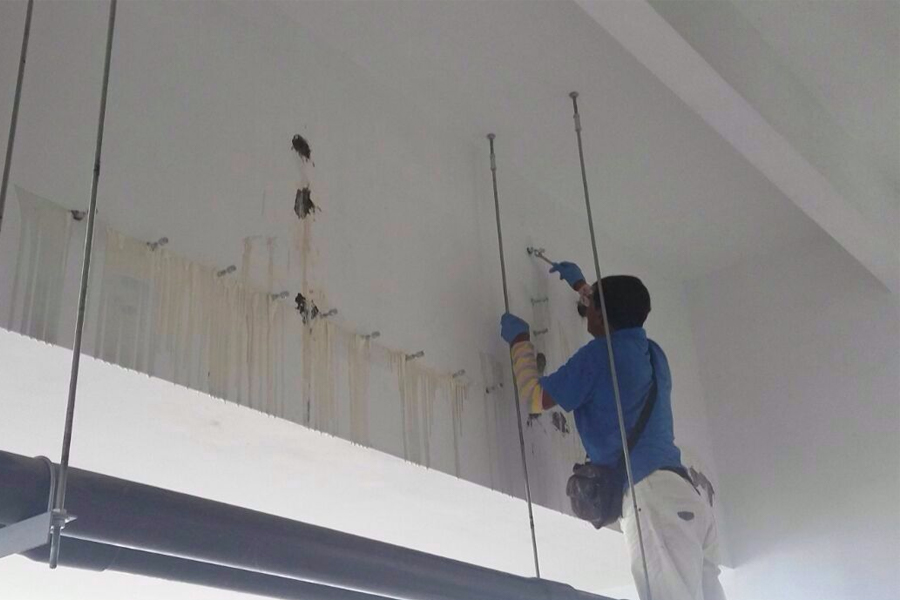
Water can move horizontally inside the slab before dripping downward. This is why a ceiling stain below the car porch does not always show the exact entry point above. In many site inspections, the visible damp patch is only the end of the water path, not the beginning.
If water remains inside the slab for a long period, it can also lead to reinforcement corrosion. Rust expands and creates internal pressure, which may cause concrete spalling, cracks, or hollow patches. At that stage, the repair is no longer just a surface waterproofing issue; concrete repair may also be needed before applying a new waterproofing system.
What to Check Before Repairing a Leaking Car Porch
Before choosing a waterproofing method, the surface and water source should be properly assessed. A quick coating over an unknown leak source may give temporary relief, but it often fails after the next heavy rain.
Before repairing a car porch slab leak, check:
• Whether water is ponding after rain
• The condition of tile grout, cracks, and floor joints
• Drainage outlets and whether they are blocked or too small
• Floor-wall junctions near columns, beams, and porch edges
• Signs of hollow tiles, loose screed, or debonded coating
• Damp stains under the slab and how far they extend
• Whether previous repair layers are peeling or trapping moisture
This inspection helps determine whether the problem is caused by surface cracks, drainage defects, failed coating, damaged tile joints, or deeper concrete defects. For Malaysia waterproofing projects, correct diagnosis is especially important because tropical rain can quickly expose weak repair work.
Practical Waterproofing Methods for Car Porch Slabs
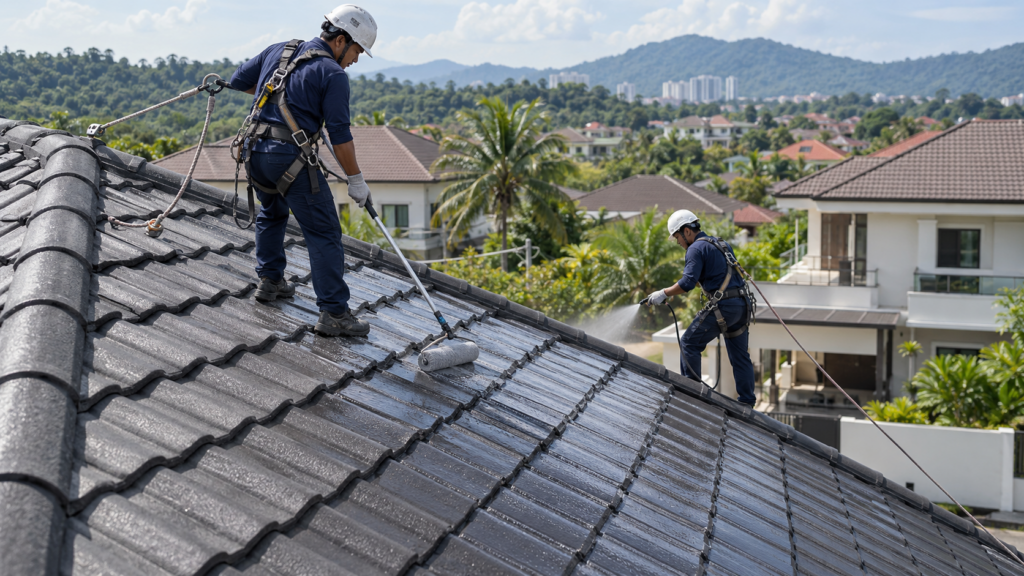
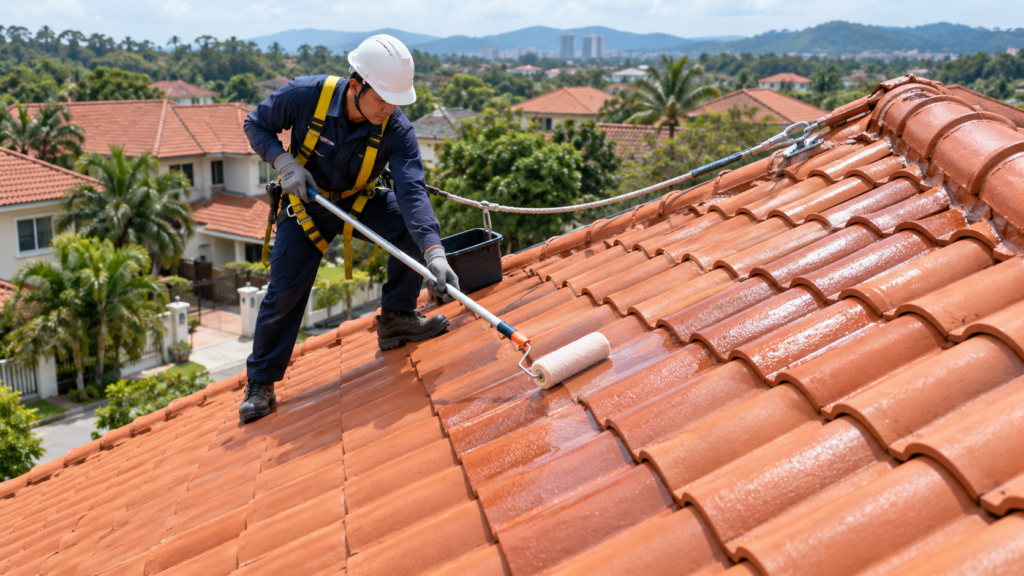
The right waterproofing method depends on the surface condition and how the car porch is used. If the tiles are still firm and the leakage is minor, targeted treatment may involve resealing tile joints, treating cracks, and applying a suitable transparent or protective coating where appropriate. However, this approach depends heavily on surface preparation and is not suitable if tiles are loose or water is already trapped underneath.
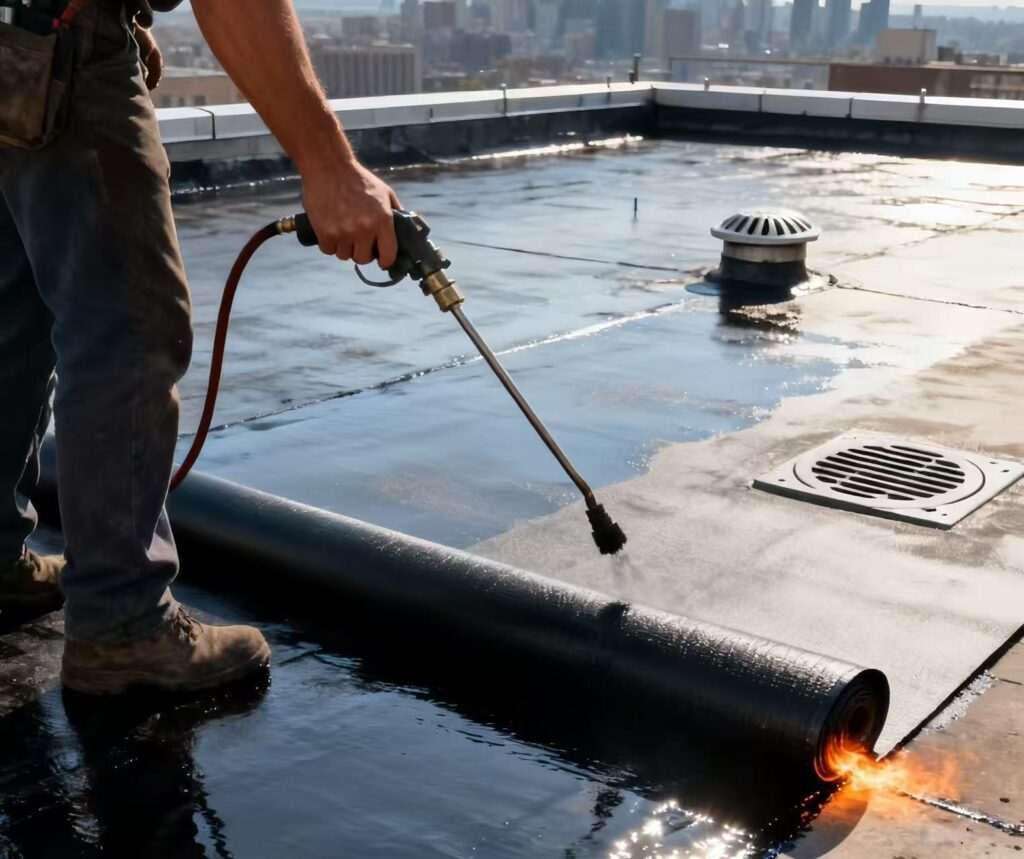
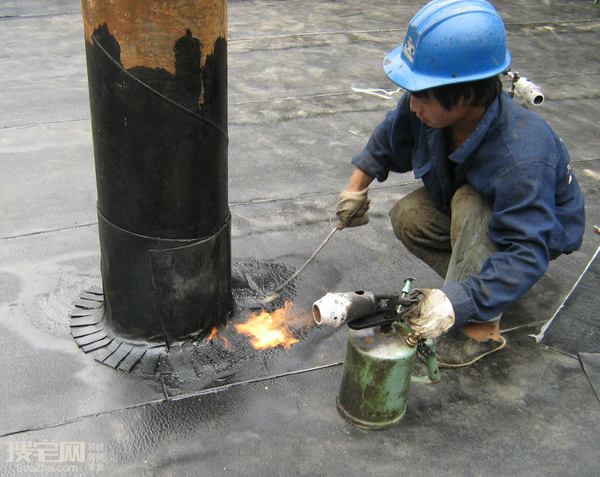
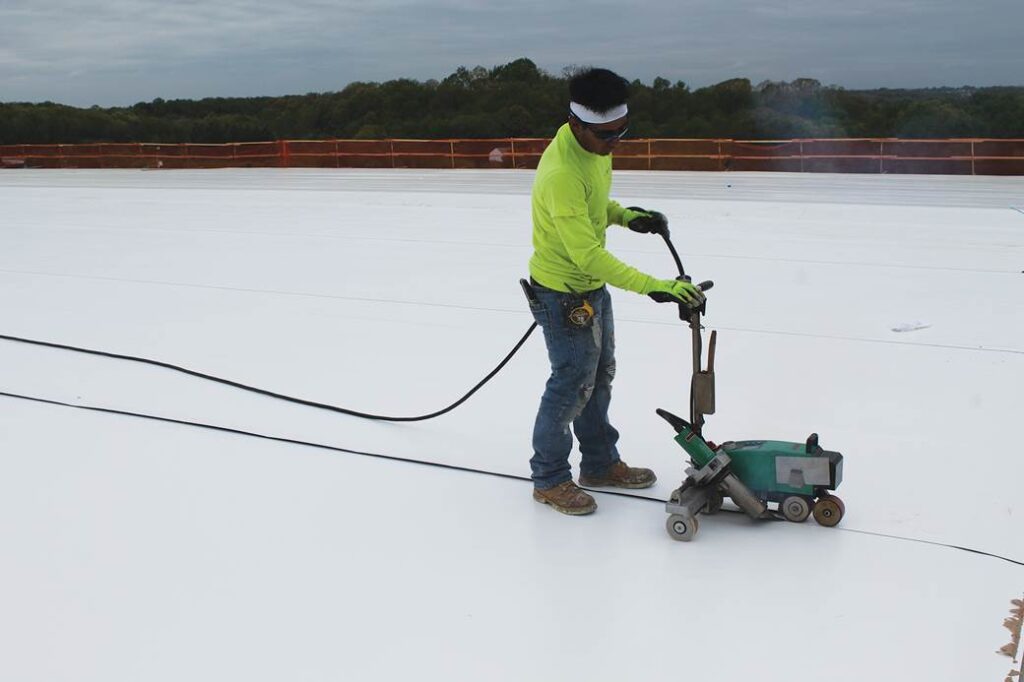
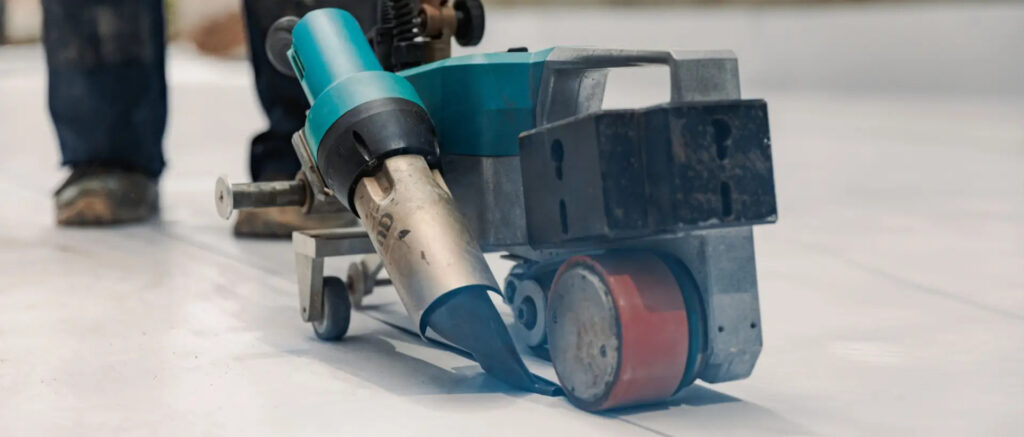
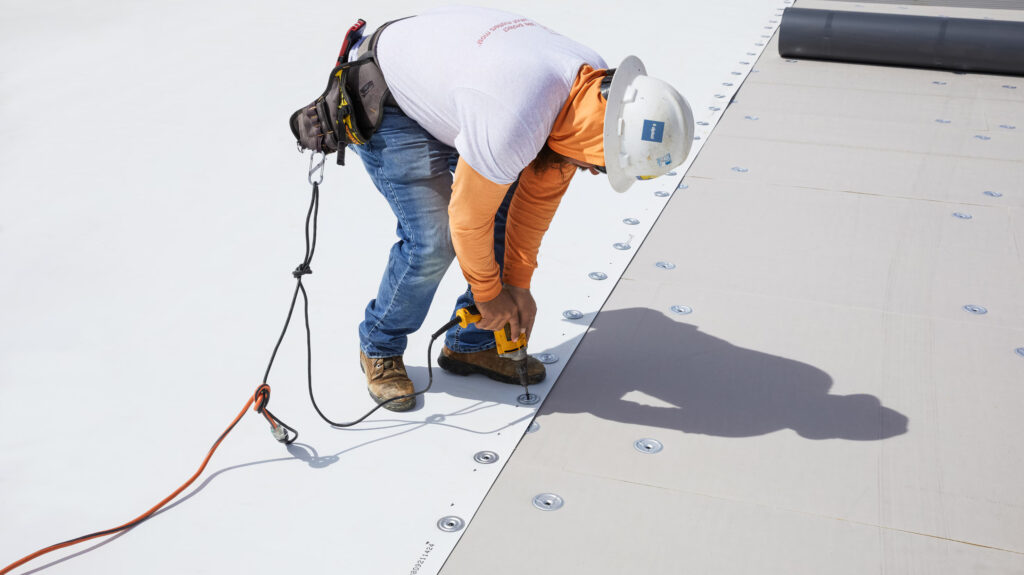
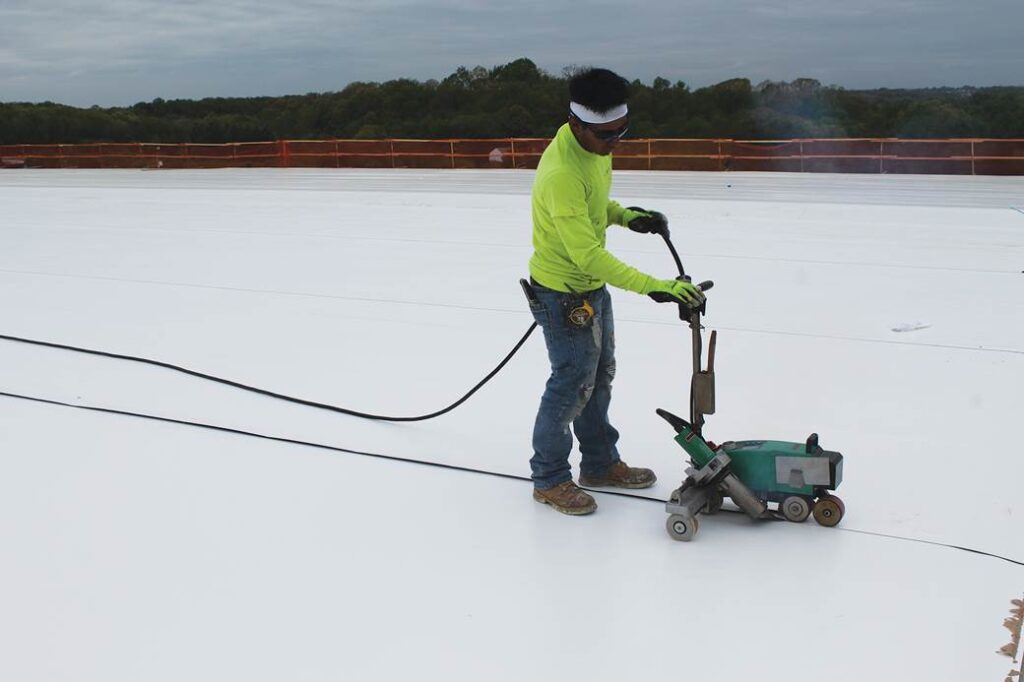
For more serious leakage, the better solution may involve removing defective finishes, repairing cracks, improving the slope, and applying a new waterproofing layer before reinstating the surface. Cementitious waterproofing slurry, flexible waterproof coatings, sealants, and joint tapes are commonly used depending on the detail. Areas around corners, pipe penetrations, and drainage outlets need extra care because these are the first places where leakage usually returns.
What should contractors check before applying waterproofing materials?
They should check moisture level, surface strength, cleanliness, cracks, slope, and compatibility between the substrate and the selected system. A good Waterproofing Solution Provider will not only recommend a product but also consider how the material performs under heat, rain exposure, vehicle traffic, and future maintenance.
QingLong Waterproofing, as a Waterproofing Manufacturer and Waterproofing Supplier in Malaysia, develops different waterproofing materials for roofs, external walls, bathrooms, balconies, and slab areas. For car porch repair, the key is not simply choosing the strongest product, but matching the system to the actual leak condition.
Case Study: Terrace House Car Porch Slab Leak
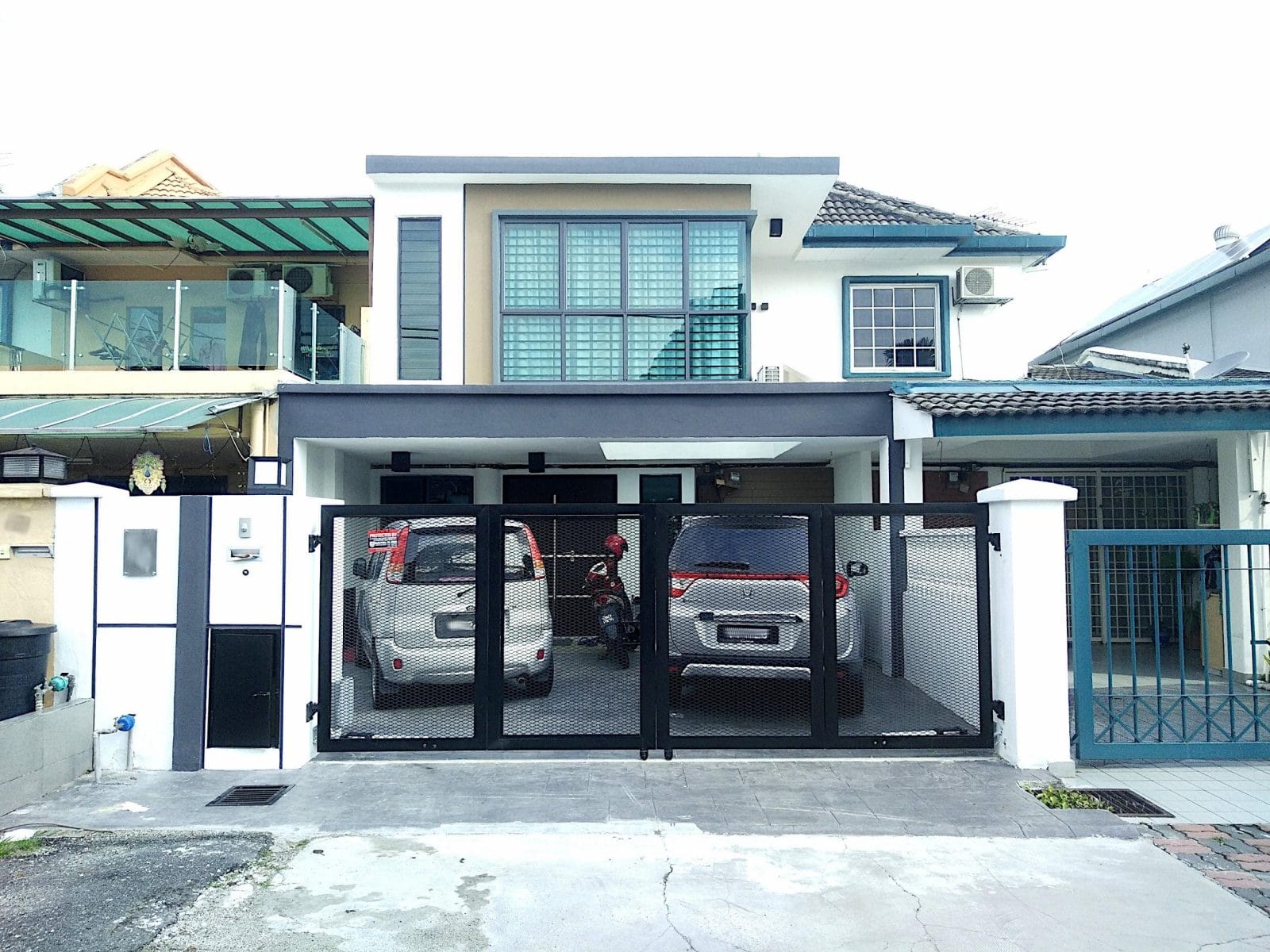
On a terrace house project in Selangor, the homeowner noticed brown water stains on the ceiling below the front car porch after several rounds of heavy rain. The top surface was tiled and looked acceptable at first glance, but water testing showed seepage near the porch edge and drainage outlet.
The main challenge was that previous patch repairs had been applied only on visible tile cracks. The actual leakage came from deteriorated grout lines and a weak floor-wall junction. Some tiles also sounded hollow, which indicated poor bonding beneath the surface.
The repair involved removing loose tiles in the affected area, cleaning the substrate, treating cracks, improving the drainage detail, and applying a compatible waterproofing system before reinstating the finish. After curing and water testing, the ceiling below remained dry during follow-up rain. The result showed that proper leak tracing and surface preparation were more important than simply adding another coating layer.
Maintenance Practices That Reduce Future Leaks
Car porch waterproofing should not be treated as a one-time job with no follow-up. Even a well-applied system needs basic maintenance because the area is exposed to rainwater, UV, dirt, vehicle movement, and occasional impact.
Homeowners should clear drainage outlets regularly, especially during the monsoon season. Leaves, sand, and small debris can slow water discharge and create ponding. It is also useful to inspect tile joints and slab edges every few months. Small cracks should be repaired early before water reaches the concrete.
Avoid drilling into the slab or installing fixtures without sealing the penetration properly. Many leaks start after renovation works, awning installation, gate upgrades, or pipe changes. If the waterproofing layer is punctured and not resealed, water will eventually find the opening.
Conclusion
Car porch slab leaks usually develop from a combination of surface cracks, weak joints, poor drainage, and ageing waterproofing layers. Because water can travel inside concrete, the visible stain below the slab may not reveal the true entry point. Proper inspection, surface preparation, suitable material selection, and careful detailing around edges and drains are the most reliable ways to prevent repeated leakage.
For homeowners dealing with car porch water seepage, the best first step is to identify the source before starting repairs. If you need a professional assessment, you can contact QingLong Waterproofing to arrange a site inspection and receive suitable waterproofing recommendations.
Frequently Asked Questions (FAQs)
1/ Why is my car porch slab leaking after heavy rain?
Car porch slab leaks usually happen because water enters through cracks, tile joints, drainage areas, or floor-wall junctions. Heavy rain makes these weak points more obvious.
2. Can I waterproof a car porch without removing tiles?
It depends on the condition of the tiles and the leak source. If tiles are loose, hollow, or water is trapped underneath, removal and proper substrate repair may be required.
3. What is the best waterproofing method for a car porch in Malaysia?
The best method depends on the surface condition, drainage, cracks, and vehicle use. A proper inspection is needed before choosing a coating, slurry, sealant, or full waterproofing system.
4. How can I prevent car porch waterproofing from failing again?
Keep drains clear, repair small cracks early, check tile joints regularly, and avoid unsealed drilling or renovation work that may damage the waterproofing layer.