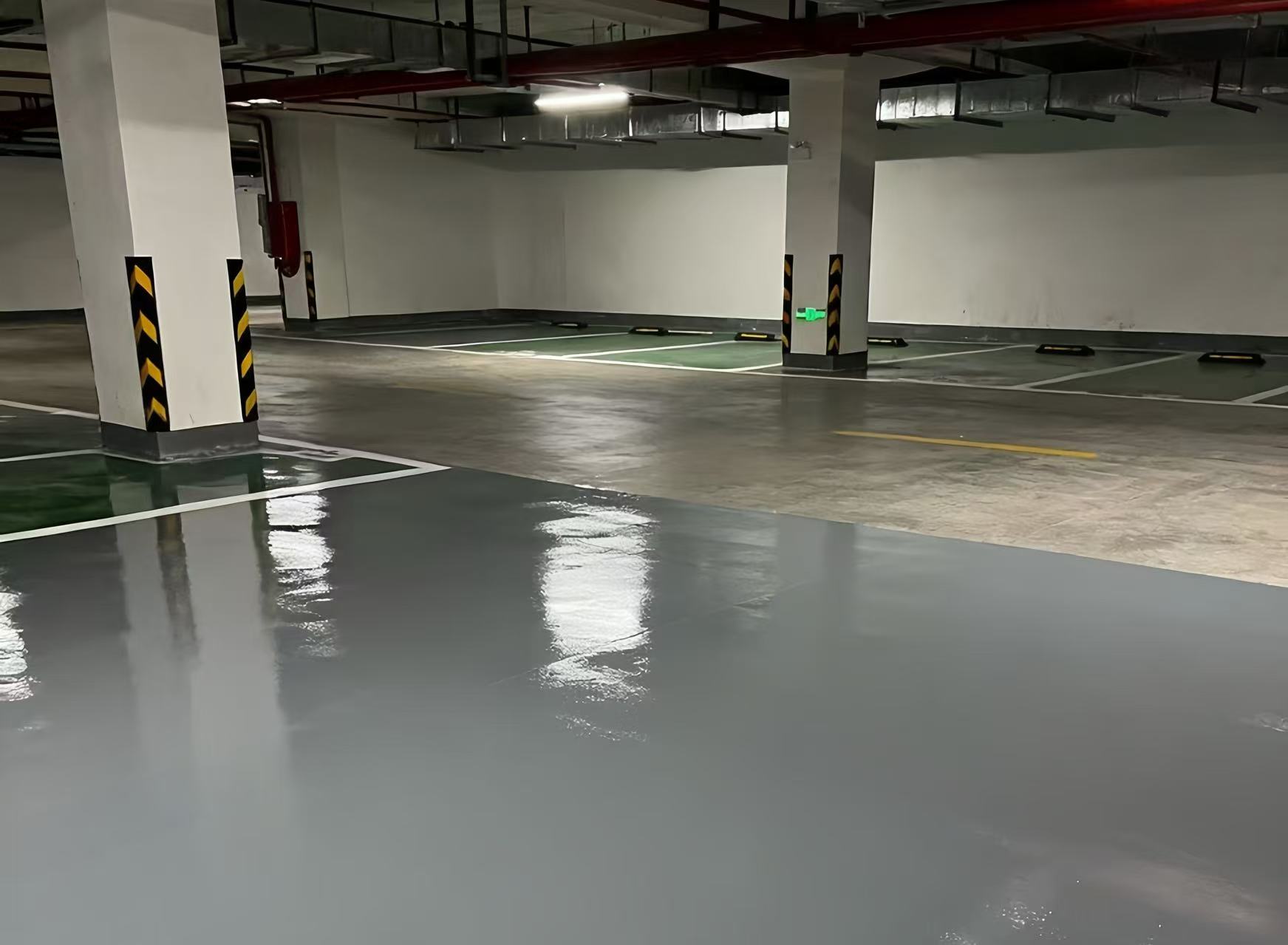
A carpark floor coating usually fails in the places that work the hardest first: the ramp, the turning bay, the entrance lane, the wheel path near ticket barriers, or the area where water keeps collecting after rain. From a distance, the failed coating may look like a simple peeling or flaking problem. On site, it often tells a more specific story about traffic load, moisture, surface preparation, contamination, movement joints, or a coating system being used outside its intended duty.
For building owners and property managers considering carpark floor protection in Johor Bahru, the key question is not only which coating to apply next. It is why the previous coating lost adhesion, wore through, blistered, cracked, or discoloured in the first place.
A Carpark Coating Is Not Just a Decorative Floor Finish
A carpark floor protection system has to deal with conditions that an ordinary floor coating may not be designed for. Vehicles do not simply roll across the surface. They brake, turn, accelerate, reverse, and create repeated tyre shear on the coating. This is especially demanding on ramps, tight corners, entrance lanes, and parking bays near lifts or retail access points.
The floor may also be exposed to oil drips, tyre marks, cleaning chemicals, standing water, and grit carried in by vehicles. If the coating is selected mainly for appearance, it may look acceptable after application but fail once it is exposed to daily vehicle movement.
For a carpark floor, coating failure is often a suitability problem, not just an application problem. The protection system must match the traffic intensity, ramp gradient, substrate condition, moisture exposure, cleaning method, and required slip resistance. A coating that performs on a light-duty internal floor may not survive turning tyres and vehicle load in a busy carpark.
This distinction matters because repainting the same failed area with the same type of coating usually only resets the failure cycle.
The Concrete May Look Solid but Still Be a Poor Substrate
Many carpark coating failures begin at the concrete surface. The slab may look hard and dry, but the surface may be dusty, weak, contaminated, too smooth, damp, or previously treated with incompatible materials.
Coatings need a prepared surface that allows proper adhesion. If the coating bonds only to laitance, dust, old loose coating, oil residue, or a weak cement skin, the failure will happen at the interface rather than within the coating itself. This is why peeling sheets of coating often reveal a clean-looking underside: the coating never achieved a strong bond to the concrete.
Common substrate-related issues include:
oil or grease contamination in parking bays and wheel paths;
moisture rising through the slab or trapped below an old coating;
weak topping screed separating from the structural slab;
smooth power-floated concrete that was not mechanically prepared;
old coating layers with unknown compatibility;
patch repairs that are harder, softer, or more absorbent than the surrounding floor.
In Johor Bahru commercial and residential buildings, carpark repair work is often carried out in stages because the facility must remain operational. This makes preparation quality even more important. If one section is rushed so traffic can resume quickly, the coating may not receive the surface profile, cleaning, or curing time it needs.
Ramps and Turning Areas Expose the Wrong System Quickly
If the same coating fails repeatedly at ramps but remains acceptable in low-traffic bays, the problem is unlikely to be random workmanship. The location is giving a clue.
Ramps place higher stress on carpark floor protection because tyres grip, twist, and brake on an inclined surface. A coating that is too brittle may crack or chip. A coating that is too soft may wear quickly or pick up tyre marks. A system without suitable texture may become slippery when wet, but excessive broadcast texture can also trap dirt and become harder to clean.
Turning areas create another problem. When a vehicle turns slowly, the tyre does not simply roll forward; it twists against the floor. This shear action can lift weak coatings, especially where adhesion is already compromised by contamination or moisture.
The coating build-up for these zones may need to differ from low-stress areas. A practical carpark specification may treat ramps, turning bays, entry lanes, pedestrian walkways, and standard parking bays as different exposure zones rather than applying one uniform coating everywhere.
Water Can Attack the Coating from Edges, Joints and Below
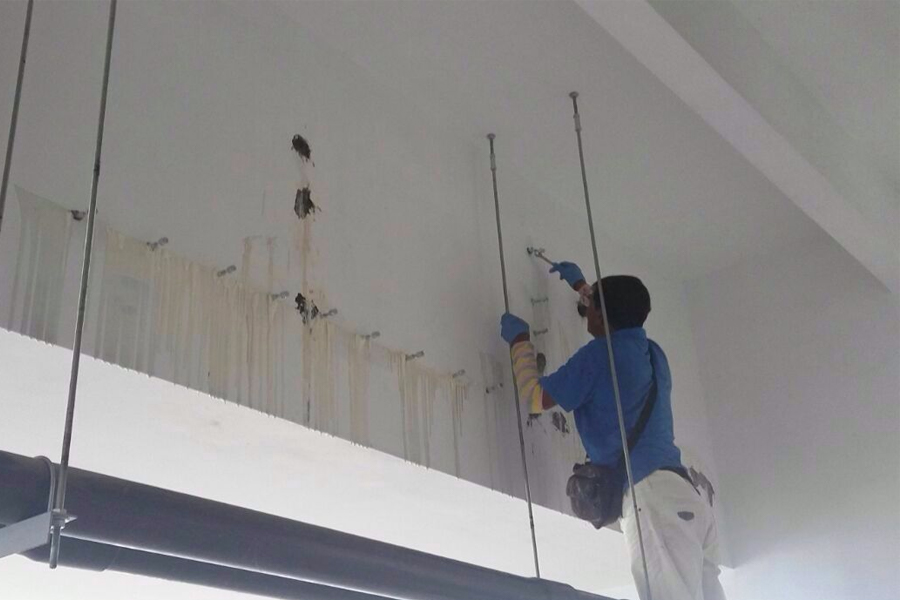
Not every carpark floor coating failure starts from the top surface. Water can reach the coating from slab cracks, construction joints, movement joints, drainage channels, pipe penetrations, wall-floor junctions, or moisture vapour from below the slab.
This is particularly important in basement and semi-basement carparks, where dampness may be influenced by the surrounding structure, groundwater pressure, poor drainage, or water migration through joints. On suspended carpark decks, water may enter through cracks, failed joint sealants, or ponding areas and then move under the coating.
Once water reaches the bond line, it can cause blistering, debonding, whitening, or local softening depending on the coating type and site condition. If the coating is reapplied without resolving the water path, the new layer may trap moisture and fail again.
A practical inspection should pay attention to details such as:
cracks that continue through the coating;
failed sealant at movement joints;
ponding near drainage outlets;
damp patches that return after cleaning;
coating bubbles that appear after rain or washing;
failure starting from floor edges or drain channels.
These observations help separate surface wear from moisture-related failure. The repair approach is different.
Previous Repair Failure Usually Means the Scope Was Too Narrow
When a carpark coating fails after a previous repair, it does not automatically mean the repair material was poor. Sometimes the repair scope was too local, while the real defect was part of a larger floor condition.
For example, patching a peeled area may be reasonable if the failure is isolated and caused by local impact. But if the surrounding coating is already hollow, brittle, contaminated, or poorly bonded, a patch becomes only a cosmetic repair. The edge of the patch can then become the next weak point.
Likewise, coating over cracks without understanding movement can lead to reflective cracking. Filling a joint with rigid material may look neat at first, but if the joint is designed to move, the repair may split or transfer stress into the coating nearby.
The decision is not simply “repair or recoat”. The property manager needs to establish whether the existing coating is still a reliable base. If adhesion is poor across a wide area, overcoating may only attach a new layer to a failing old layer.
Before recoating a failed carpark floor, the existing coating should be treated as part of the diagnosis. If the old layer is weak, contaminated, damp, or incompatible, the new coating may fail even if the new product is suitable. The repair must address the bond line, not only cover the visible defect.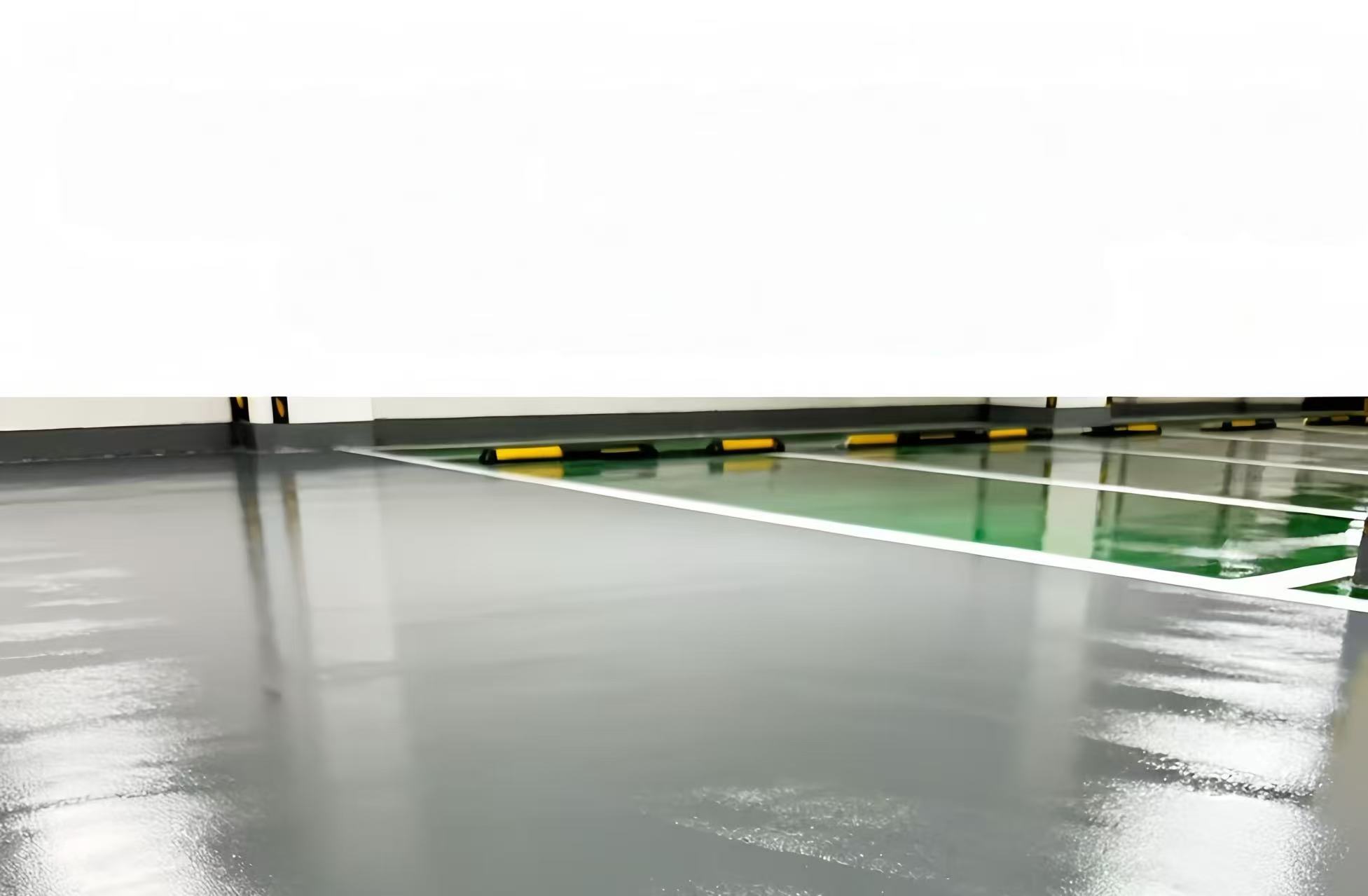
What to Check Before Approving the Next Carpark Floor Protection System
The next coating decision should be based on the actual duty of the carpark, not only on colour, price, or a general “heavy-duty” label. A useful specification should connect the system to the site condition.
For a property manager or building owner, the important questions include:
Which areas carry the highest turning, braking, or ramp traffic?
Is the concrete slab dry, sound, clean, and mechanically prepared?
Are there active leaks, damp patches, or moisture vapour issues?
Are movement joints, cracks, drains, and wall-floor junctions included in the repair scope?
What curing time is needed before vehicles can return?
Does the finish need slip resistance, line marking, easy cleaning, or chemical resistance?
Will the work be staged, and how will edges between work phases be treated?
These checks help prevent a common mistake: selecting a coating product before understanding the carpark floor. A technically suitable system still depends on preparation, detailing, coverage, curing, and site control.
For occupied buildings in Johor Bahru, staging also affects the decision. If a carpark cannot be closed fully, the chosen system must fit the available access windows. However, shortening preparation or curing time beyond the product requirement usually transfers risk to the coating performance.
When QingLong Waterproofing Can Help
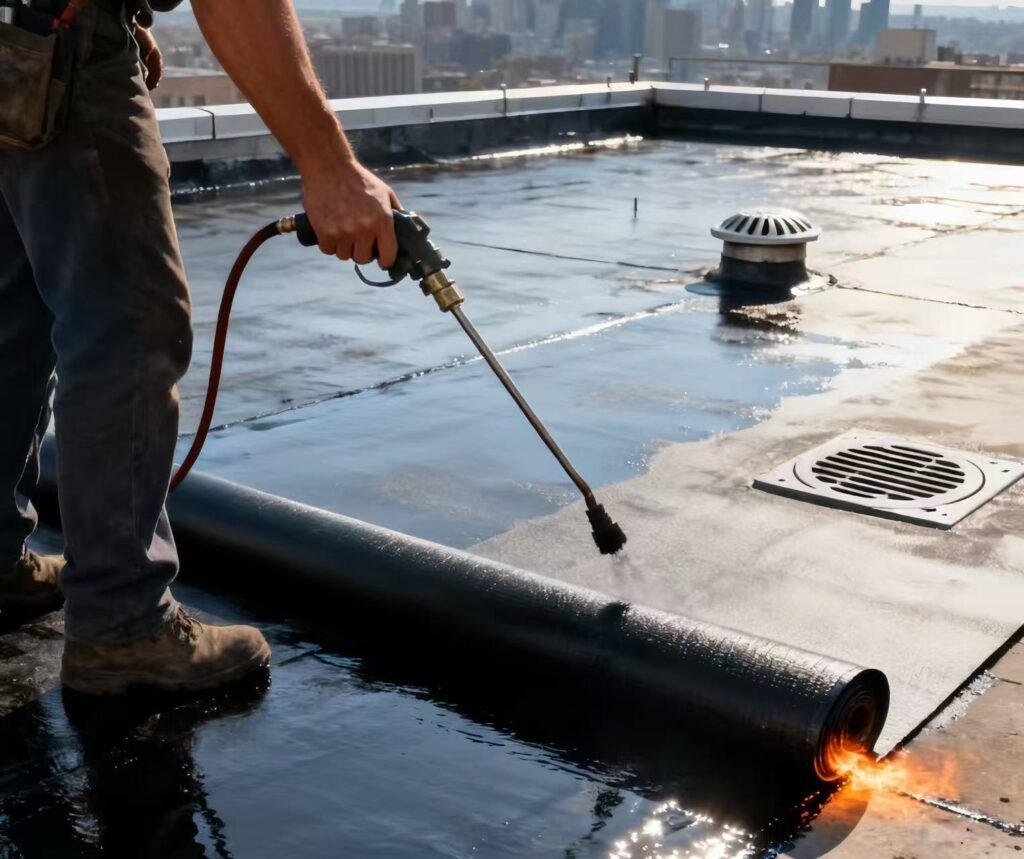
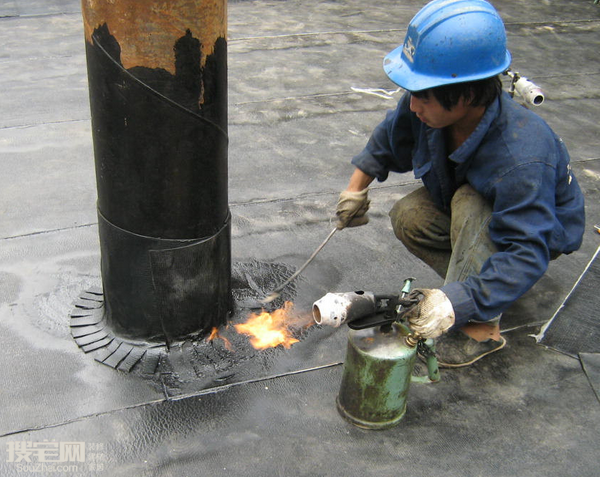
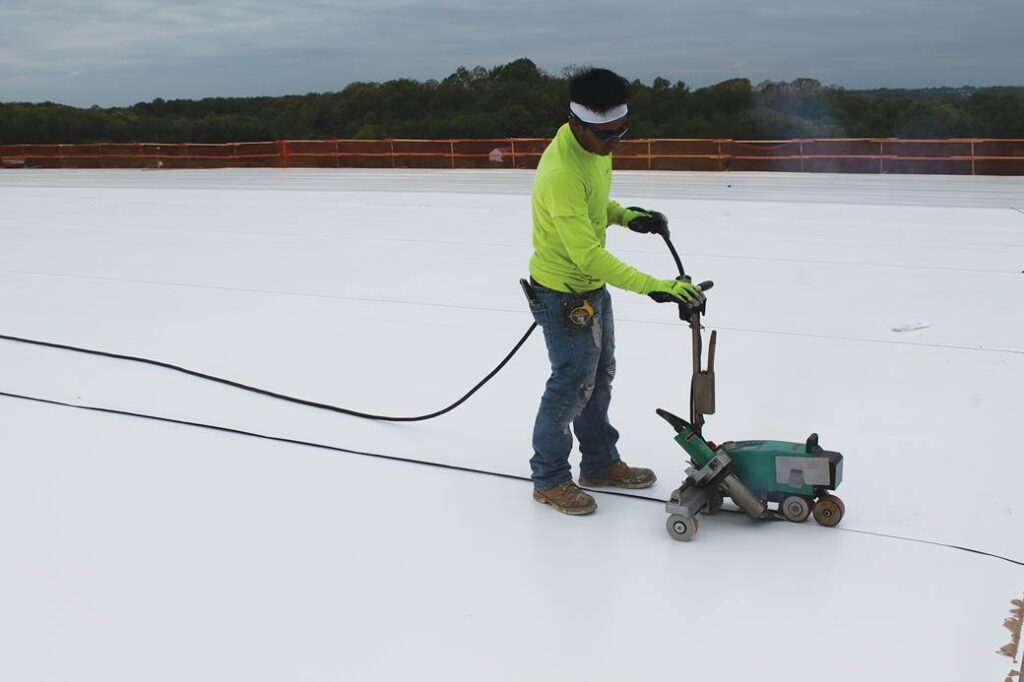
QingLong Waterproofing manufactures waterproofing materials and provides waterproofing services for residential, commercial, industrial, and infrastructure projects. For carpark floor protection, the useful starting point is a site-specific assessment: where the coating failed, what the substrate condition shows, how water moves through the area, and what traffic duty the floor must withstand.
QingLong can review the carpark condition and recommend a suitable waterproofing or floor protection approach based on the required application, substrate condition, and project constraints. If your building is dealing with repeated peeling, blistering, damp patches, or worn traffic lanes, you can contact QingLong Waterproofing for a site discussion.
Conclusion
A failed carpark coating is not only a surface problem. It is evidence that the floor, water movement, traffic pattern, preparation method, or coating system must be reviewed together. The most useful repair decision is made before the next coating is applied: confirm whether the concrete is sound, whether moisture is controlled, whether high-stress zones need a different build-up, and whether the existing coating is still a reliable base. That investigation is what separates a durable carpark floor protection plan from another short-term repainting job.
Frequently Asked Questions (FAQs)
1. Why does carpark floor coating peel even after repainting?
Peeling after repainting usually means the new coating did not bond properly to the substrate or old coating. The cause may be poor preparation, moisture, contamination, weak concrete, or incompatibility between coating layers.
2. Can a failed carpark coating be repaired only in damaged areas?
Local repair may work if the failure is isolated and the surrounding coating is sound. If adhesion is weak across a larger area, patching only the visible damage may lead to repeated edge failure.
3. Why do ramps fail faster than flat parking bays?
Ramps experience stronger tyre grip, braking, turning force, and sometimes more water movement. These stresses can expose weak adhesion or an unsuitable coating system faster than low-traffic areas.
4. Is waterproofing needed for a carpark floor coating?
It depends on the carpark type and exposure. Basement carparks, suspended decks, wet areas, cracks, joints, and drainage details may require waterproofing attention before or together with floor protection.
5. How long should a carpark coating cure before vehicles return?
Curing time depends on the product system, thickness, temperature, ventilation, and site condition. The requirement should be verified from the current technical data sheet and not shortened just to reopen the carpark quickly.