Newsletter

CIDB-Certified PU Injection in Johor Bahru for Leaks

CIDB-Certified PU Injection in Johor Bahru for Leaks

Water leakage is one of the most common building maintenance problems in Johor Bahru. Heavy rainfall, high humidity, underground water pressure, and continuous expansion and contraction of concrete can gradually create cracks, construction joint openings, and hidden voids that allow water to enter a building. Although the first visible sign may be a ceiling stain, damp wall, or dripping water, the actual leak source is often located elsewhere inside the structure. 

PU injection has become one of the most widely used waterproofing repair methods because it can stop active water movement inside concrete without extensive hacking or demolition. However, successful PU injection depends on far more than simply injecting resin into a crack. Accurate diagnosis, proper drilling positions, suitable polyurethane materials, and experienced workmanship all play important roles in achieving a lasting repair.

In this article, we'll explain why PU injection is widely used for water leakage repairs in Johor Bahru, how the injection process works, why CIDB-certified workmanship matters, what should be inspected before repairs begin, when PU injection is the right solution, and when it should be combined with other waterproofing systems for better long-term protection.
图片

Why PU Injection Is Commonly Used for Water Leakage Repairs in Johor Bahru

Johor Bahru's tropical climate exposes buildings to frequent heavy rainfall, high humidity, strong sunlight, and constant temperature changes throughout the year. Residential homes, condominiums, factories, commercial buildings, and underground structures are continuously subjected to moisture, causing concrete to expand, contract, and gradually develop small cracks or weakened joints over time.

Water commonly enters through construction joints, shrinkage cracks, honeycombed concrete, pipe penetrations, retaining walls, lift pits, basement walls, roof slabs, and wall-floor junctions. Once water finds an internal pathway, it can travel a considerable distance before becoming visible inside the building, making the leak source much more difficult to identify.

PU injection is commonly selected when water is already moving through concrete because it seals the internal water pathway instead of simply covering the visible stain. This makes it particularly effective for active basement seepage, retaining wall leakage, lift pit seepage, car park walls, roof slab cracks, and localized structural leakage.

Why do some leak repairs fail even after PU injection?

In many cases, the resin is injected into the visible crack instead of the actual water pathway. Other failures occur because ongoing structural movement, poor drainage, or deteriorated waterproofing systems continue allowing water to enter elsewhere. Effective Malaysia waterproofing always begins by identifying the true source of water ingress rather than focusing only on where the leak appears.

图片How PU Injection Stops Water Movement

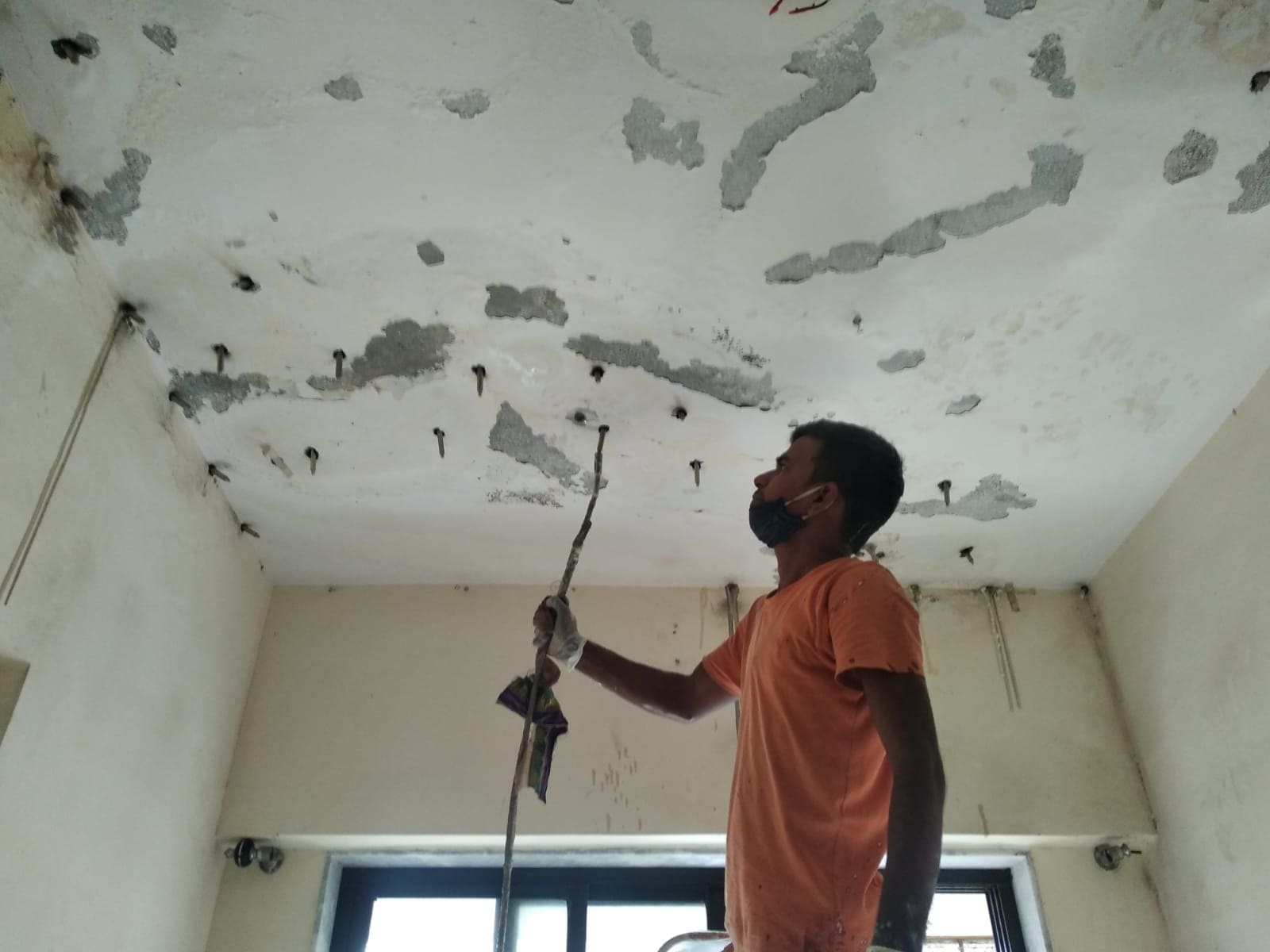
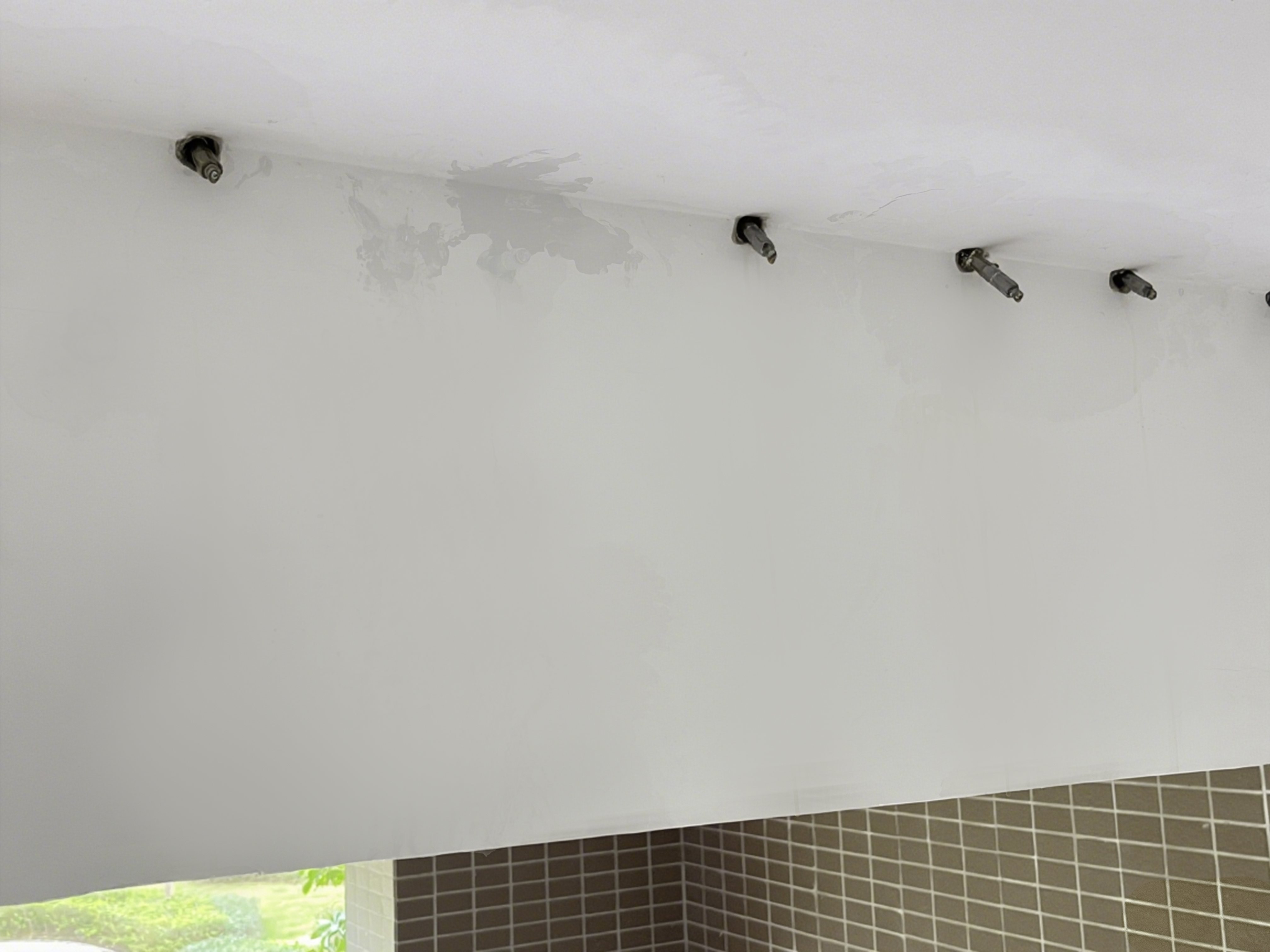
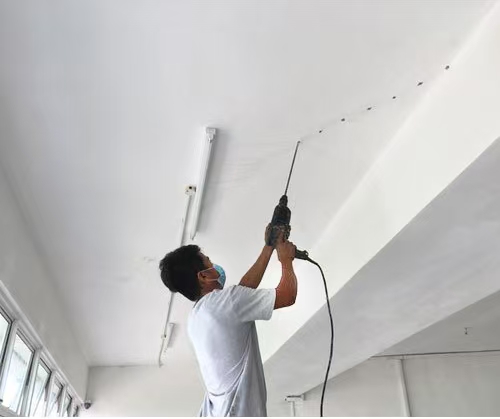
PU, or polyurethane, is a specialised waterproofing resin used to seal active water pathways inside concrete structures. During the repair process, holes are drilled into the affected area and injection packers are installed. Polyurethane resin is then injected under controlled pressure until it reaches the internal cracks, joints, honeycombs, or voids where water is travelling.

When the resin comes into contact with moisture, it reacts and expands, filling the internal spaces and blocking the water pathway. Because the sealing takes place inside the concrete instead of on the surface, PU injection can effectively stop active seepage even while water is still flowing.

This ability to react under damp conditions makes PU injection particularly suitable for basement walls, retaining walls, lift pits, underground structures, car parks, tunnel walls, roof slab cracks, and other reinforced concrete elements exposed to groundwater or rainwater pressure.

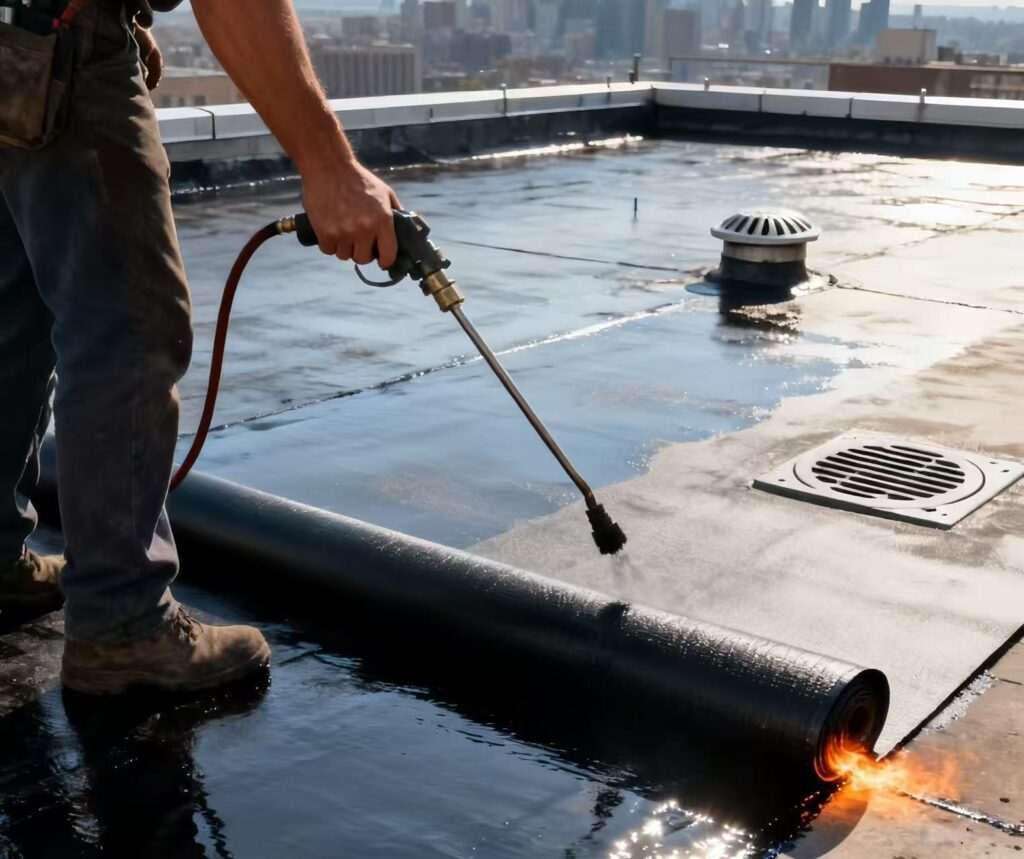
However, PU injection is not intended to solve every waterproofing problem. It cannot rebuild damaged concrete, correct poor drainage, repair structural movement, or replace failed exposed waterproofing membranes. For example, if a roof has extensive waterproofing failure or an external wall contains numerous rain-exposed cracks, additional waterproofing systems such as protective coatings, sealants, or membrane replacement may still be required after the injection work has been completed.
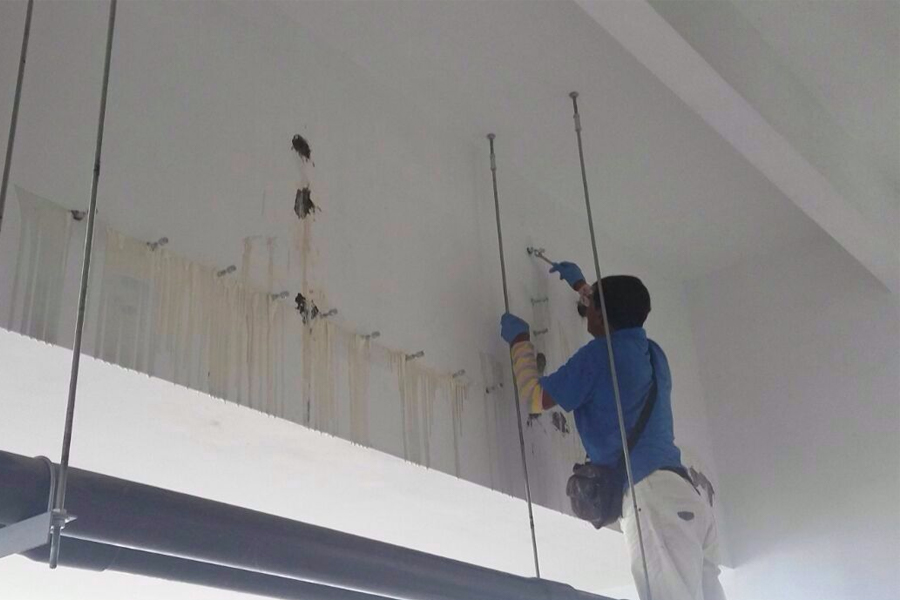
What CIDB Certification Means for PU Injection Work

For property owners, facility managers, and project teams, selecting a CIDB-certified contractor provides greater confidence that waterproofing work is carried out according to recognised construction industry requirements. PU injection involves drilling into reinforced concrete, handling specialised chemical materials, operating high-pressure injection equipment, and working safely within occupied buildings or active construction sites.

Before recommending any repair method, an experienced waterproofing team should first determine why the leakage is occurring. Active leaks may originate from structural cracks, failed waterproofing membranes, construction joints, pipe penetrations, groundwater pressure, or external drainage defects. Treating every leak with PU injection alone may result in recurring leakage if the underlying water source remains unchanged.

A professional Waterproofing Service team should assess water pressure, crack direction, structural movement, concrete condition, accessibility, surrounding waterproofing systems, and safety requirements before beginning work. This systematic inspection allows the repair method to be tailored to the actual building condition instead of relying on assumptions.

As both a Waterproofing Manufacturer and Waterproofing Supplier, QingLong Waterproofing supports projects through material expertise, application guidance, technical consultation, and practical waterproofing recommendations. Effective PU injection depends not only on quality materials but also on correct diagnosis, suitable repair methodology, and experienced field workmanship.

Site Checks Before PU Injection Begins

Before injection work starts, the inspection should be specific. Guessing from visible water stains can lead to unnecessary drilling or incomplete repair. In some Johor Bahru buildings, water travels along conduits, beams, tile bedding, or construction joints before appearing at a completely different location.

Before choosing a PU injection solution, check:

• Whether the leak is active, intermittent, or only visible after rain
• The exact location of cracks, joints, pipe penetrations, or honeycombed concrete
• Whether water pressure is coming from behind a wall, below a slab, or above a roof
• The concrete condition, including loose areas, hollow sections, or previous failed repairs
• Whether follow-up waterproofing coating, sealant, or drainage correction is needed

This evaluation helps determine injection spacing, drilling angle, resin type, and whether PU injection alone is suitable. A Waterproofing Solution Provider should not treat every leak with the same method because each building has different exposure, construction details, and maintenance history.

Case Study: Basement Leakage in a Johor Bahru Commercial Building

A commercial basement in Johor Bahru experienced recurring leakage along a wall-floor construction joint following prolonged periods of heavy rainfall. Although surface patching had previously been carried out, damp areas continued to reappear because groundwater pressure was forcing water through the retaining wall from behind the structure.

Following a detailed inspection, the repair team identified the active seepage line and traced moisture movement along the construction joint. Injection holes were drilled at controlled intervals, and polyurethane resin was injected through packers until the expanding resin successfully sealed the internal water pathway.

Once the active leakage had stopped, the repaired area was cleaned, monitored, and reinstated. The property management team was also advised to maintain surrounding drainage systems and monitor any future structural movement to reduce the risk of new seepage developing.

The repair successfully eliminated the active leak without extensive hacking, allowing normal building operations to continue with minimal disruption. This project demonstrates that successful PU injection depends not only on the material itself but also on accurate diagnosis, proper injection techniques, and appropriate follow-up maintenance.

When PU Injection May Not Be Enough

PU injection is highly effective for stopping active water movement inside concrete, but it is not suitable for every type of waterproofing problem.

For example, widespread roof membrane failure cannot usually be solved by injecting individual cracks alone. Bathroom leakage caused by deteriorated waterproofing beneath floor finishes may require complete waterproofing reinstatement. External walls exposed to wind-driven rain often benefit from crack repair followed by protective waterproof coatings. Similarly, leaking balconies, planter boxes, and areas affected by poor drainage frequently require surface waterproofing improvements rather than injection alone.

Where necessary, QingLong Waterproofing may recommend combining PU injection with waterproof coatings, cementitious waterproofing systems, joint sealants, crack repairs, or drainage improvements. The most effective waterproofing solution is always the one that addresses the true water source, building condition, and expected long-term performance rather than relying on a single repair method for every situation.

Conclusion

CIDB-certified PU injection provides an effective solution for stopping active water leakage through concrete cracks, construction joints, and hidden voids commonly found in Johor Bahru buildings. However, achieving a successful repair depends on much more than the injection material itself. Proper diagnosis, experienced workmanship, suitable repair methods, and thorough site inspections all contribute to long-term waterproofing performance.

Choosing the correct repair method is often more important than choosing the repair material. A professional site inspection helps identify the true water pathway, allowing the most suitable waterproofing solution to be recommended while reducing the likelihood of recurring leakage.

If you're experiencing recurring water leakage in your property, contact QingLong Waterproofing to arrange a professional site inspection. Our team can assess the root cause of the leakage and recommend the most suitable waterproofing solution based on your building's condition. 

Frequently Asked Questions (FAQs)

1. Is PU injection suitable for active water leaks in Johor Bahru buildings?  

Yes. PU injection is commonly used to stop active water leakage through concrete cracks, construction joints, honeycombed concrete, basements, car parks, lift pits, retaining walls, and roof slabs. It is most effective when the actual water pathway is accurately identified during a professional site inspection rather than simply treating the visible damp area.

2. Why should I choose a CIDB-certified contractor for PU injection? 

Choosing a CIDB-certified contractor provides greater confidence that the work is carried out according to recognised construction industry requirements. PU injection involves concrete drilling, high-pressure injection equipment, specialised polyurethane materials, and proper safety procedures. Experienced workmanship and correct diagnosis are essential for achieving an effective and long-lasting waterproofing repair.

3. Can PU injection permanently solve all waterproofing problems?  

Not always. PU injection is designed to seal active water pathways inside concrete, but it does not repair failed waterproofing membranes, improve poor drainage, or correct structural movement. Depending on the source of the leakage, additional waterproofing systems such as roof waterproofing, protective coatings, sealants, or drainage improvements may also be required for a long-term solution.

4. Does QingLong Waterproofing provide PU injection services in Johor Bahru?

 Yes. QingLong Waterproofing provides professional PU injection services, waterproofing products, technical consultation, and site inspections for residential, commercial, industrial, and infrastructure projects in Johor Bahru and throughout Malaysia. After assessing the source of the leakage, our team will recommend the most suitable waterproofing solution based on your building's condition.

Share:

Facebook
Pinterest
LinkedIn

Let Us Know How We Can Help

Simply fill out the details below and we will be in contact with you as soon as possible to discuss your needs.