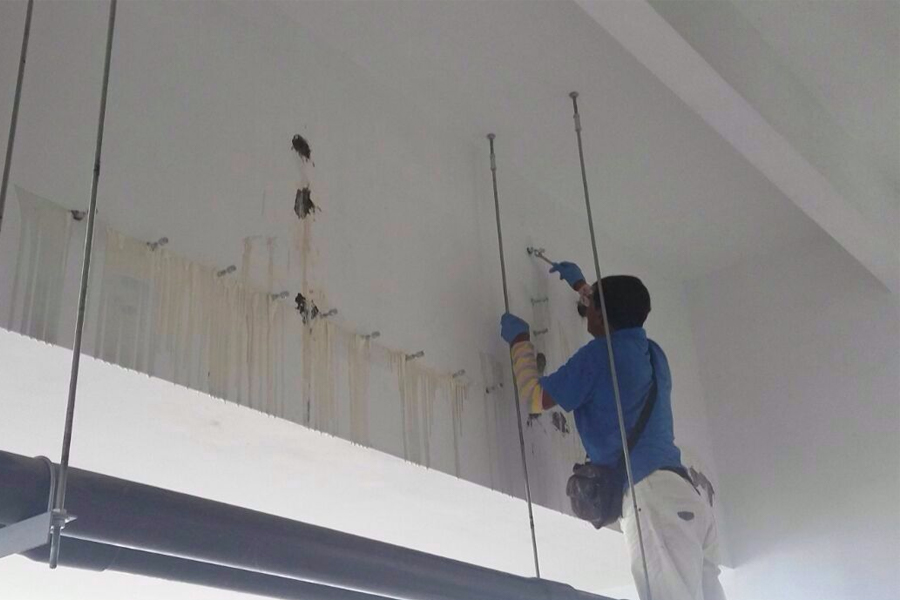
External walls form the first line of protection between a building’s interior and rainwater. Once cracks, porous surfaces, failed joints, or deteriorated finishes allow water to penetrate, the problem may appear indoors as damp patches, peeling paint, water stains, mould growth, or recurring leakage.
External wall waterproofing is therefore not simply about covering a wall with a waterproof coating. An effective solution starts by identifying where water is entering, repairing the defects, preparing the substrate correctly, and applying a waterproofing system suitable for the wall condition and exposure.
Whether for a landed house, bungalow, condominium, commercial building, factory, or other property, proper exterior wall waterproofing can help control water ingress and protect the wall system from further deterioration.
What Is External Wall Waterproofing?
External wall waterproofing is the process of protecting a building’s exterior walls from water penetration. It creates a protective barrier that helps prevent rainwater and moisture from entering through cracks, joints, porous surfaces, and other vulnerable areas of the wall.
Waterproofing exterior walls is an important preventive measure that helps protect the wall system and surrounding building materials from moisture-related deterioration. The process typically includes surface preparation, crack and joint repair, and the application of a suitable waterproof coating or membrane, depending on the wall material, existing condition, exposure, and source of water ingress.
By waterproofing external walls correctly, building owners can reduce water seepage, protect interior finishes, minimise future repair requirements, and extend the service life of the wall system.
Why Is Exterior Wall Waterproofing Important?
External walls are continuously exposed to rain and moisture, making cracks, joints, and porous surfaces potential entry points for water. While early signs of seepage may appear minor, repeated water penetration can gradually damage wall finishes, plaster, coatings, and the underlying substrate.
Prevents Water Seepage
A properly applied waterproofing system creates a protective barrier that helps prevent rainwater from penetrating through porous surfaces, hairline cracks, joints, and other vulnerable areas of the external wall.
Protects Interior Finishes
Water entering through an external wall can lead to peeling or blistering paint, water stains, damaged plaster, and discolouration on interior surfaces. Controlling water ingress from the exterior helps protect these finishes and reduces recurring repair work.
Helps Control Dampness and Mould
Persistent water seepage can leave wall surfaces continuously damp, creating conditions where mould may develop. Addressing the source of water ingress helps keep the affected areas drier and improves the overall condition of the internal environment.
Reduces Progressive Wall Deterioration
When water repeatedly enters through cracks or defective areas, it can gradually weaken plaster, coatings, sealants, and other wall materials. Timely waterproofing and repair help limit moisture-related deterioration before it spreads to surrounding areas.
What Are the Methods for Waterprooding External Walls?
External wall waterproofing usually involves a combination of surface preparation, defect repair, and the application of a suitable waterproofing system. The appropriate method depends on the wall substrate, existing condition, type of cracks, and source of water ingress.
1. Surface Preparation
Proper surface preparation is essential for good adhesion and waterproofing performance. The external wall should be cleaned to remove dust, dirt, loose paint, weak plaster, and other contaminants that may affect the bonding of the waterproofing material
2. Crack and Joint Repair
Cracks, gaps, construction joints, and damaged areas should be identified and treated before waterproofing. Suitable repair materials or sealants can be used depending on the type and condition of the defect. This helps prevent water from continuing to enter through existing weak points.
3. Application of Waterproofing Material
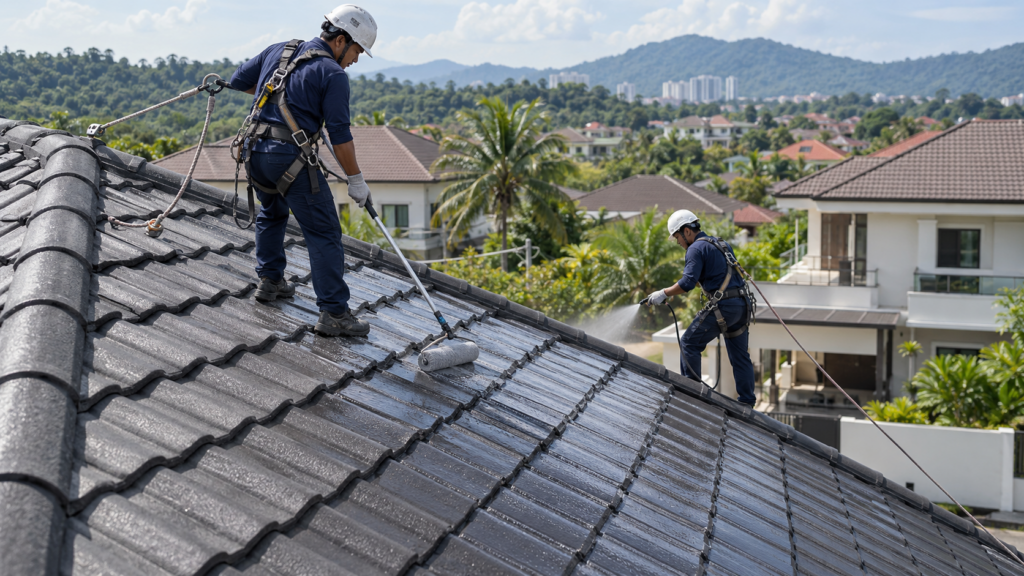
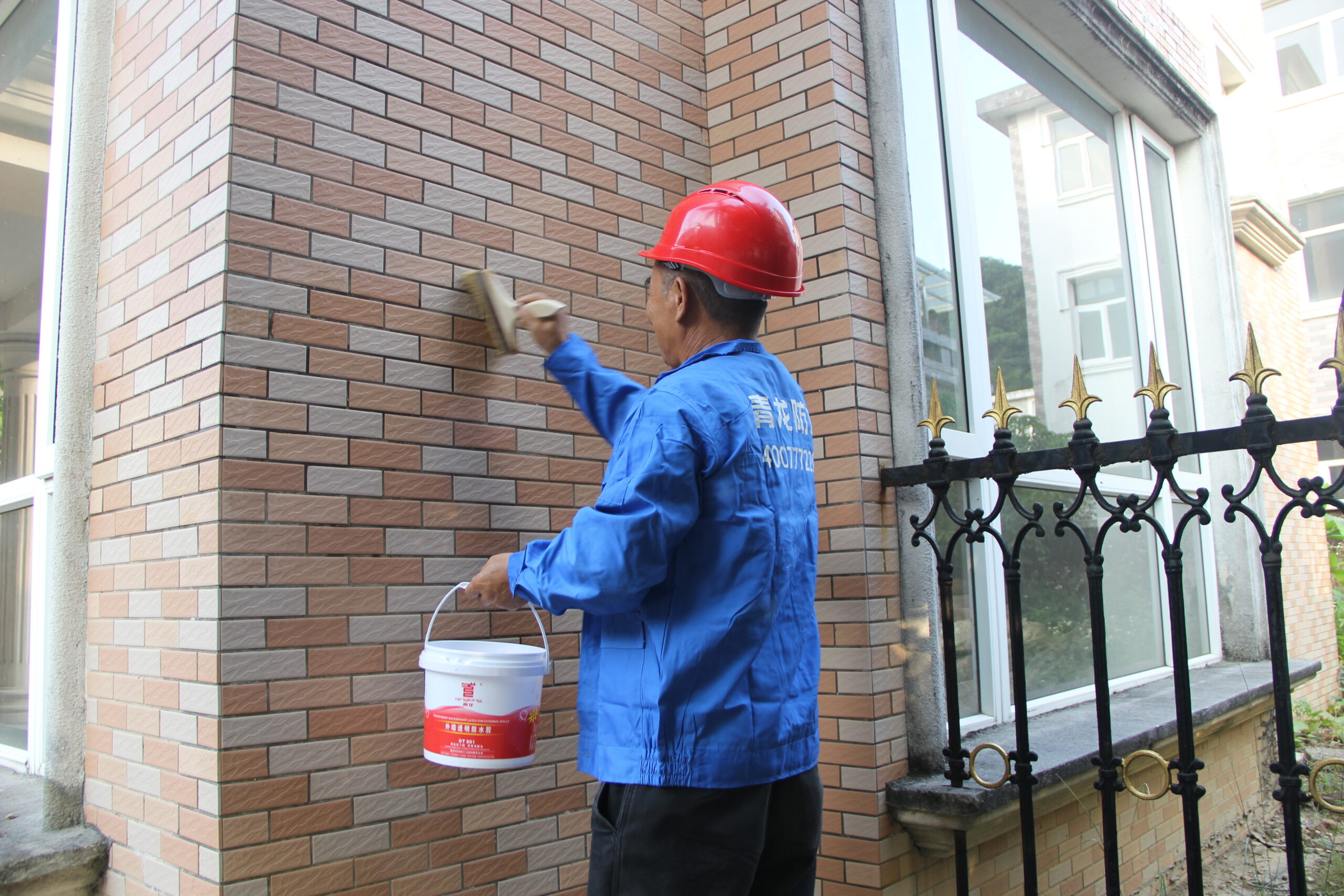
After surface preparation and crack repair, a suitable waterproofing material is applied to protect the external wall from water penetration. QL-Exterior Wall Transparent Waterproof Coating and OT801 Exterior Wall Transparent Waterproof Coating provide transparent protection while maintaining the original colour and appearance of the façade.
About QingLong Waterproofing Malaysia
With 30 years focused on waterproofing, QingLong Waterproofing provides reliable waterproofing products and technical solutions for residential, commercial, industrial, and infrastructure projects.
Whether you are dealing with external wall water seepage, façade cracks, damp patches, or recurring leakage, our team can recommend suitable waterproofing solutions based on your project requirements. Contact us today for a free consultation, professional advice, and quotation for your external wall waterproofing project.
Frequently Asked Questions (FAQs)
1. Can external wall waterproofing stop rainwater leakage?
Yes, when the actual water-entry points are correctly identified and treated. Cracks, failed joints, porous surfaces, and defective details should be repaired before or together with the waterproofing application.
2. How long does external wall waterproofing last?
Service life varies according to the waterproofing system, substrate preparation, application quality, exposure conditions, maintenance, and movement of the building. Following the product's specified application requirements is important for long-term performance.
3. Can waterproof coating be applied over wall cracks?
Minor cracks may be accommodated by certain flexible waterproof coatings, but visible or larger cracks should be properly repaired before waterproofing to reduce the risk of recurring leakage.
4. Can I Use Paint on My Exterior Wall for Waterproofing?
No. Ordinary exterior paint is mainly used to improve the appearance of the wall and does not provide proper waterproofing protection. To prevent water penetration, a suitable external wall waterproofing coating should be applied.