A wall can stay dry through normal rain, then suddenly show damp patches when a storm comes with strong wind. The ceiling line near a window darkens, paint bubbles beside a column, or water appears on an internal wall that never had a plumbing pipe inside it. This is why exterior wall waterproofing services in Malaysia should not only look at “rain exposure” in general. Wind-driven rain behaves differently. It pushes water against vertical surfaces, into small cracks, around window frames, through old sealant lines and behind weak paint films that may look acceptable on a dry day.
The more useful question is not simply whether the wall needs coating, but which part of the façade is letting pressured rain enter.
Sideways Rain Tests the Wall Differently From Normal Rain
Most exterior walls are designed to shed water downward. Under light or vertical rain, the wall surface may become wet but still dry out without much trouble. During wind-driven rain, water does not only run down the face of the wall. It is forced sideways into openings that are normally too small to notice.
This changes the inspection logic. A hairline crack that looked cosmetic can become an entry route when rain is pushed into it for 20 or 30 minutes. A window sealant line that only has minor shrinkage may leak when wind pressure drives water into the gap. A façade joint that drains well during normal rain may hold moisture when water arrives from an angle.
In Malaysia, this situation is often seen on exposed elevations of landed homes, condominiums and commercial buildings. Corner units, upper floors, walls facing open land, sea breeze corridors or wide roads may receive stronger rain impact than sheltered elevations. Two walls in the same property can behave very differently.
Short answer: If leakage appears mainly during heavy rain with strong wind, the suspected area is usually the wind-facing exterior wall system rather than only the roof or internal plumbing. A proper inspection should check cracks, window perimeters, sealant joints, wall penetrations, paint adhesion and the way water is being driven across the façade.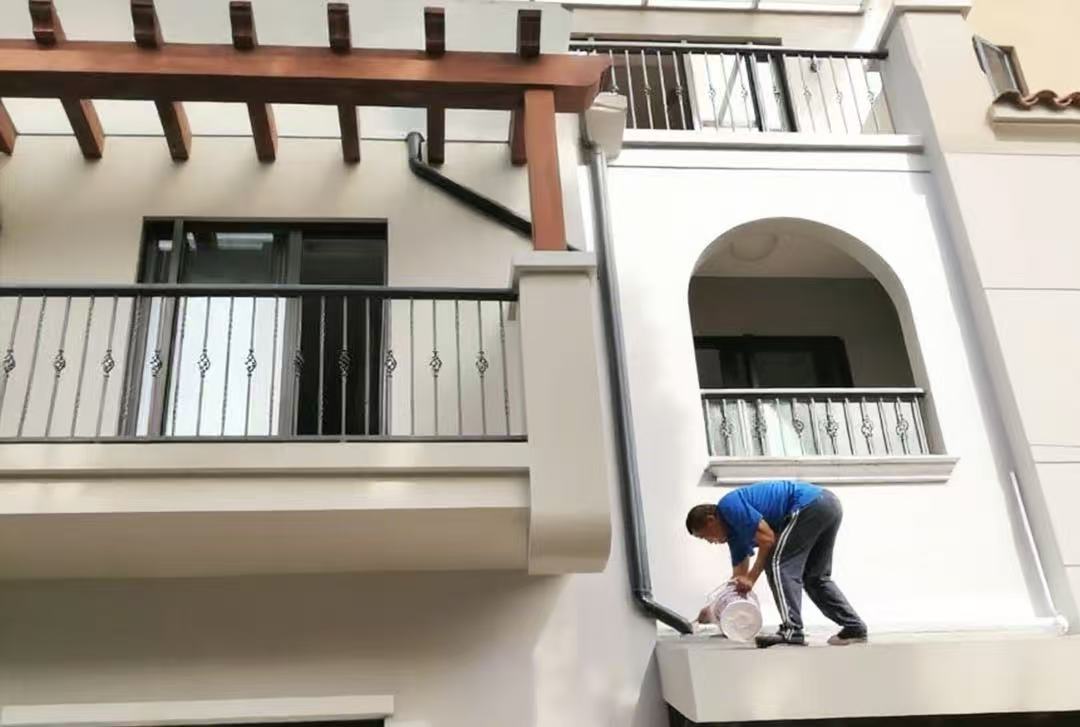
The Wet Patch May Not Be Directly Behind the Defect
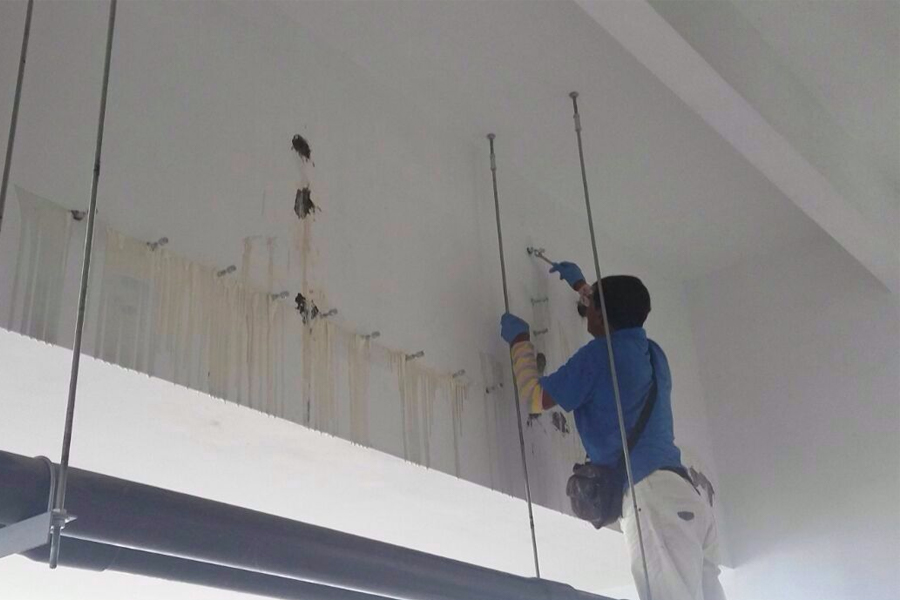
One common mistake is assuming that the visible stain shows the exact entry point. With exterior wall seepage, water may enter at one level and appear somewhere else inside the property. It can travel behind skim coat, along beam edges, beside embedded conduits, across hollow render or around window frames before it becomes visible.
For example, a damp patch below a window does not always mean the bottom window track is the only problem. Water could be entering from the side jamb, the head of the frame, a crack above the opening, or a failed sealant line where the frame meets the wall. On some buildings, water enters through the wall surface and only becomes visible at the nearest weak internal paint area.
This is why good exterior wall waterproofing services in Malaysia should include site reasoning, not only product application. The contractor should ask when the dampness appears, which direction the rain came from, whether the problem happens during every rain or only storms, and whether previous sealing attempts changed the pattern.
Useful observations include:
• The side of the building exposed during the leaking event
• Whether dampness appears quickly or hours after rain
• Condition of window sealants, wall cracks and paint film
• Signs of hollow plaster, debonded coating or trapped moisture
• Penetrations such as pipes, brackets, air-conditioner openings and façade fixtures
These details help separate surface seepage from roof overflow, pipe leakage or condensation.
Why Window Perimeters Often Deserve Early Attention
During sideways rain, window and door openings become weak points because they interrupt the wall surface. The frame, sealant, plaster return and paint coating all meet at one detail. If any part has movement, shrinkage or poor bonding, water can enter even when the open wall area looks sound.
Older sealant may harden, crack or separate from aluminium frames. Some previous repairs apply new sealant over dusty or damp surfaces, so the joint looks sealed but has poor adhesion. In other cases, the sealant is only placed on the visible front line while the side return or upper corner remains open.
Window tracks also need careful judgement. Water inside the track is not automatically a waterproofing failure because many window systems are designed with drainage paths. The issue is whether those drainage paths are blocked, whether wind pressure is pushing water beyond the intended drainage route, or whether the frame-to-wall joint has failed.
A coating applied across the wall may reduce surface absorption, but it will not properly solve a separated window joint unless that joint is prepared and sealed correctly. For this reason, exterior wall repairs often combine crack treatment, joint sealing and suitable wall coating instead of relying on one material for every detail.
Coating the Whole Wall Is Not Always the First Decision
When owners search for exterior wall waterproofing, they often expect a coating recommendation. Coating can be effective when the wall surface is porous, hairline-cracked or weathered, but it is not the answer to every sideways rain problem.
Before coating, the wall condition matters. If the existing paint is chalky, peeling or poorly bonded, a new waterproof layer may only stick to a weak surface. If plaster is hollow, moisture is trapped behind the wall finish, or cracks are still moving, surface coating alone may fail early. If water enters mainly through a window perimeter, façade joint or pipe penetration, those details must be treated first.
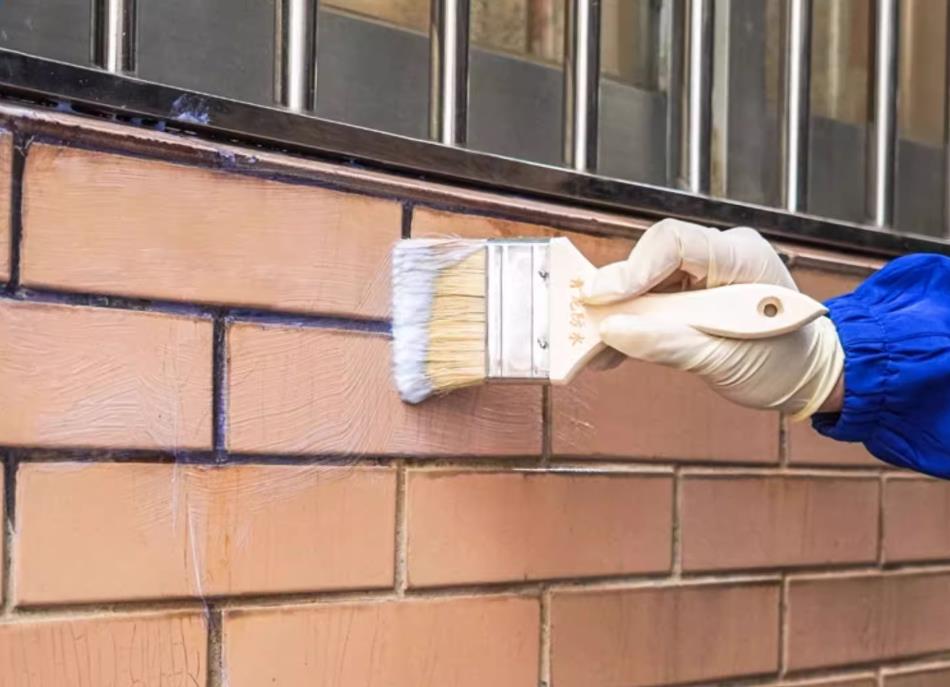
The choice of system also depends on whether the owner wants to retain the existing appearance. For some walls, a transparent exterior wall waterproof coating may be considered where the finish should remain visible, provided the substrate is suitable and the surface can accept the coating. For painted walls with broader weather exposure, an exterior waterproofing coating system may be more appropriate after surface preparation.
QingLong Waterproofing supplies and applies different waterproofing materials for residential and commercial wall conditions, including transparent exterior wall waterproof coating, sealants and coating systems. The suitable option depends on inspection findings, not only on the product name.
Access and Building Use Can Shape the Repair Method
For landed houses, the repair may be straightforward if the affected wall is reachable by ladder, scaffold or mobile access equipment. For condominiums, shoplots or commercial buildings, access can become one of the main project constraints. The technically preferred treatment may require management approval, safe access planning, work timing and coordination with occupants.
This is especially important when the leak affects an occupied bedroom, office, retail unit or tenant area. The owner may want the fastest possible repair, but exterior wall work still needs a dry enough surface, correct preparation and suitable curing conditions. Applying coating just before another storm may not give the system enough time to perform as intended.
For strata properties, responsibility can also be unclear. A damp wall inside a unit may be caused by common façade areas, private renovation penetrations, window modifications or air-conditioning pipe openings. Before spending on repeated internal repainting, it is better to establish whether the source is part of the exterior wall envelope.
A practical repair plan should balance:
The most likely water entry route
Safe access to the affected elevation
Weather window for preparation and application
Whether occupants can tolerate noise, odour or temporary disruption
Whether the repair is localised or part of a larger façade maintenance scope
The best method is not always the largest method. It is the method that addresses the actual route of wind-driven rain entry.
What a Proper Exterior Wall Assessment Should Establish
A useful assessment should narrow down the leakage path before recommending a coating, sealant or repair scope. The contractor should not only look at the internal stain and quote for painting. The exterior elevation, wall finish, cracks, joints, openings and drainage behaviour all need to be considered together.
For wind-driven rain, timing is also important. Photos or videos taken during the leaking event can help show rain direction, affected wall areas and how quickly water appears. If the leak happens only during storms from one direction, that information is valuable. It prevents unnecessary hacking or coating of areas that were never exposed to the actual problem.
Direct answer: Exterior wall waterproofing for sideways rain should focus on the rain-facing façade details first. The inspection should confirm whether water is entering through cracks, porous wall surfaces, window-frame joints, façade penetrations or failed coatings. Once the entry route is identified, the repair may involve targeted sealing, crack treatment, surface preparation and a compatible waterproof coating system.
Conclusion
Sideways rain leakage is not just a wall problem; it is a façade performance problem under pressure. The repair decision should be guided by where the rain hits, how water travels and which details are weak under wind load. Coating may be part of the answer, but only after cracks, joints, penetrations and surface condition are properly checked.
If your property leaks mainly during wind-driven rain, you can discuss the site condition with QingLong Waterproofing and request a suitable assessment through our contact page.
Frequently Asked Questions (FAQs)
1. Why does my wall leak only when rain comes with strong wind?
Wind-driven rain creates pressure against the wall and can push water into small cracks, joints and window perimeters. These weak points may not leak during normal vertical rain.
2. Can waterproof paint solve exterior wall seepage?
It can help when the wall surface is porous or hairline-cracked, but it will not solve every issue. Failed sealant joints, hollow plaster, moving cracks or window-frame gaps need proper treatment before or together with coating.
3. Should I repair from inside or outside?
For wind-driven rain, outside repair is usually more logical because it treats the entry side. Interior patching may hide stains temporarily but does not stop water from entering the wall.
4. How can I help the contractor diagnose the problem?
Take photos during rain, note the wind direction, record how long after rain the dampness appears, and mark the affected internal areas. This information helps narrow the inspection area.
5. Is transparent waterproof coating suitable for all exterior walls?
No. It depends on the wall finish, surface cleanliness, absorption, existing coating condition and crack condition. A site assessment is needed before deciding whether transparent coating or another system is more suitable.