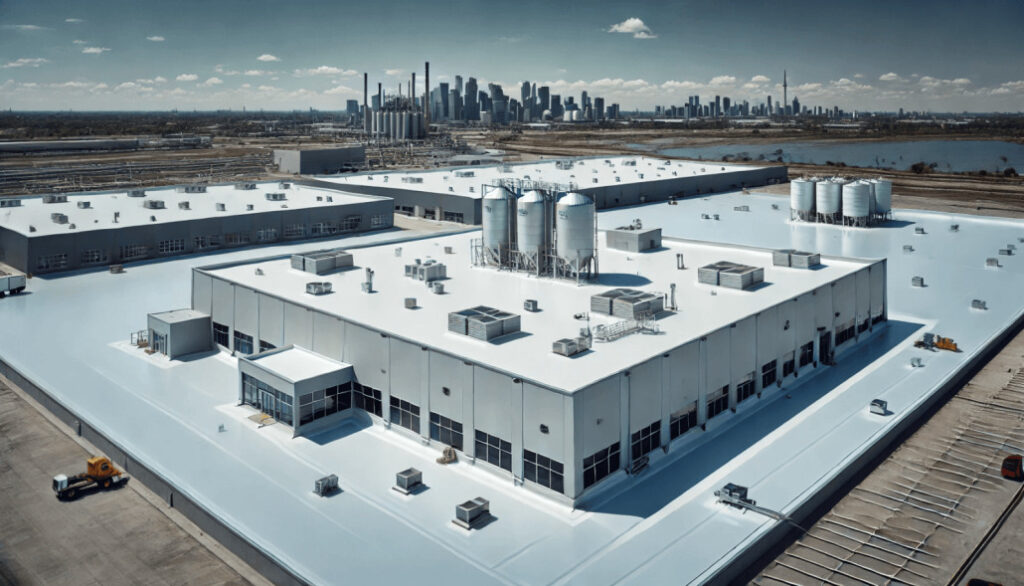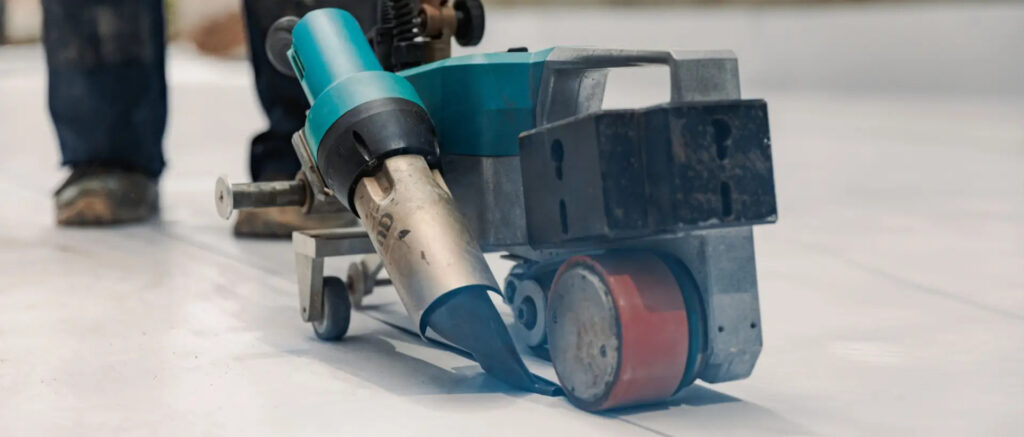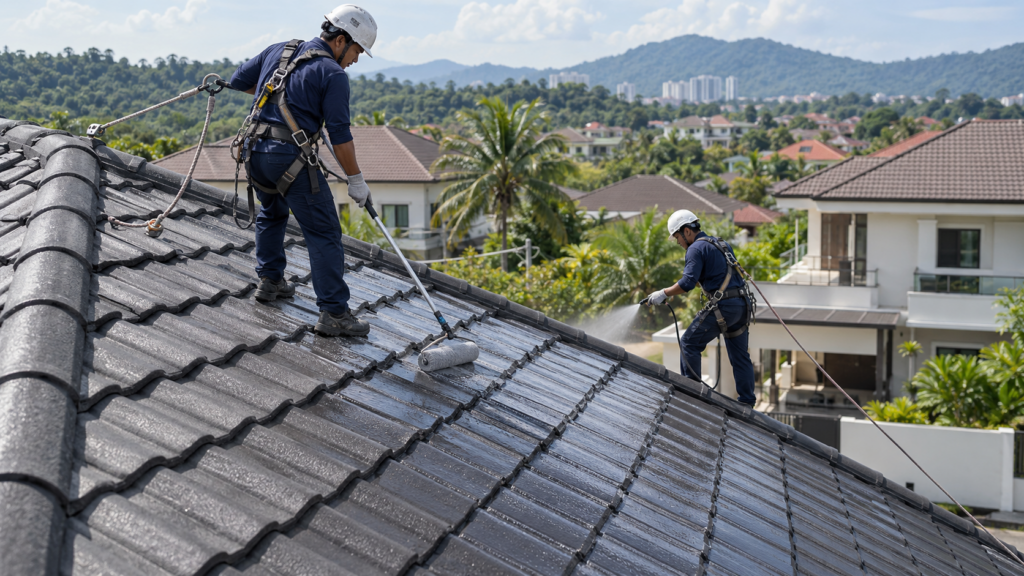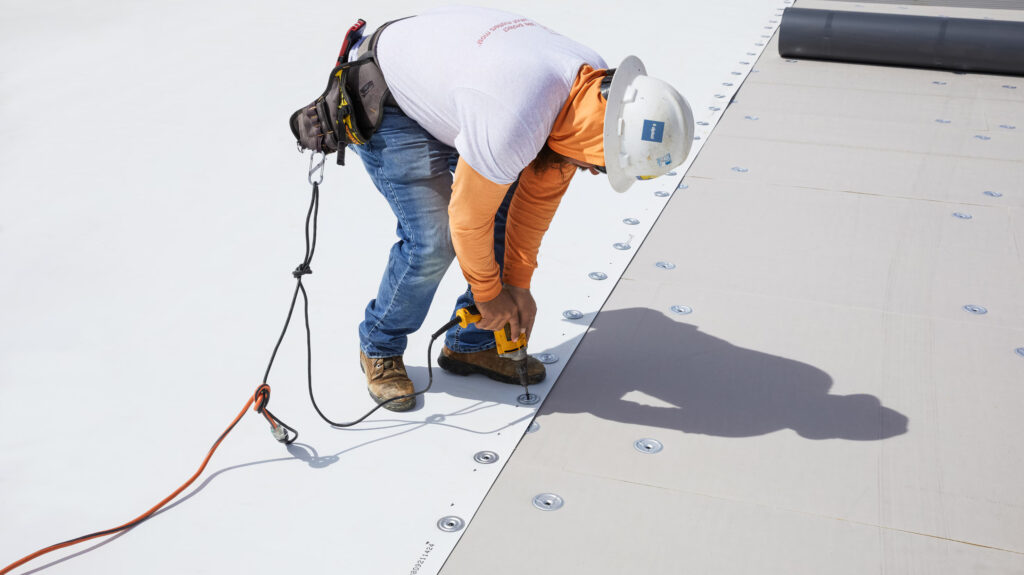
A factory roof leak is more than a building maintenance problem. Water entering an industrial facility can affect machinery, electrical systems, stored materials, packaging areas and production schedules. For factories in Johor Bahru, waterproofing therefore needs to be planned around both the condition of the building and the way the facility operates.
The most effective factory waterproofing solution starts by identifying the actual water-entry point, assessing the roof and substrate condition, and selecting a repair system that can withstand movement, water exposure and factory operating conditions.
This is especially relevant as Johor continues to attract investment in manufacturing, logistics, digital infrastructure and other high-value industries. Johor recorded RM110 billion in approved investments in 2025, according to Invest Johor, reinforcing the importance of reliable industrial facilities and maintenance infrastructure across the state.
Why Factory Roof Leaks Need a Different Waterproofing Approach
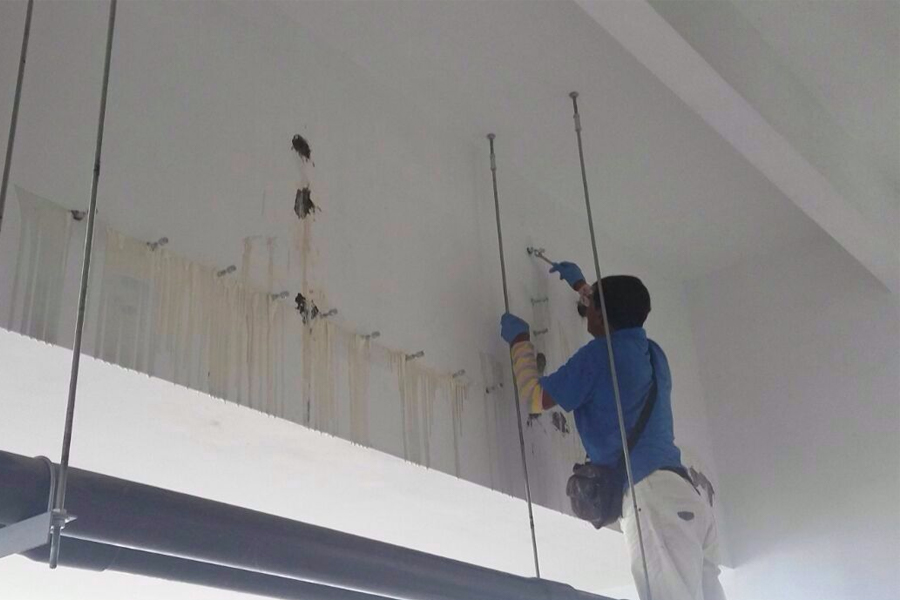
Factory roof leaks can affect machinery, electrical systems, stored goods and daily operations, making them more serious than ordinary building leaks. The visible drip point may not be the actual source. Water can enter through fasteners, roof joints, skylights, gutters or penetrations before travelling to another area.
A factory waterproofing inspection in Johor Bahru should identify the actual entry point, check the surrounding roof condition and determine whether the issue is localised or more widespread. This helps decide whether the factory needs a local repair, partial waterproofing treatment or full system renewal.
What Causes Factory Roof Leakage?
Factory roof leakage commonly occurs at details where different materials, surfaces or building components meet. Typical problem areas include:
1. Metal Roof Fasteners
Screws and washers can deteriorate, loosen or move as the metal roofing expands and contracts. Small openings around fasteners may eventually allow rainwater to enter.
2. Metal Roof Lap Joints
Overlapping roof sheets experience movement and repeated weather exposure. Failed sealants, gaps or poorly treated joints can become leakage points.
3. Box Gutters
Industrial roofs often discharge large volumes of rainwater through gutters. Corrosion, blocked outlets, failed gutter joints or inadequate drainage can result in water accumulation and leakage.
4. Skylights
The junction between skylights and surrounding roof sheets requires careful sealing and detailing. Ageing sealant or movement can create openings around the perimeter.
5. Pipe and Service Penetrations
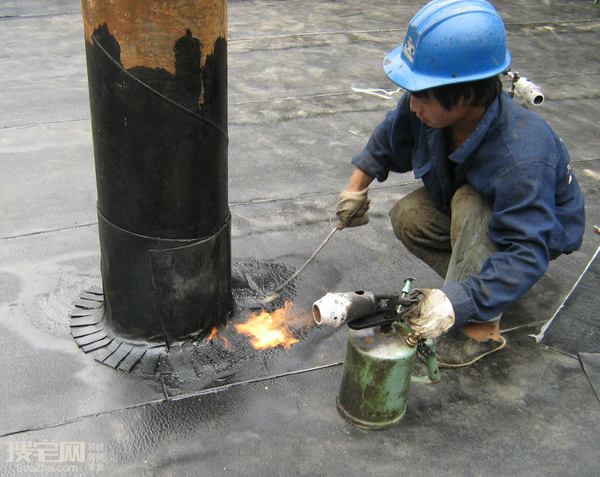
Pipes, ducts, vents, cable supports and other penetrations interrupt the continuity of the roof system. Incorrect detailing around these areas can allow water to enter.
6. Concrete Roof Cracks
On reinforced concrete roofs, leakage may develop through cracks, failed joints, deteriorated waterproofing layers or defective membrane terminations.
7. Ponding Water
Low areas, blocked outlets or inadequate roof falls can cause water to remain on concrete roof surfaces. Persistent ponding places additional stress on the waterproofing system.
Factory Waterproofing Is More Than Applying a Wateproofing Coating
A waterproof coating cannot correct every roof problem. Before selecting a waterproofing product, the contractor should evaluate the roof type, substrate condition, existing waterproofing, drainage, joints, contamination and expected movement.
For example, a coating applied over an oxidised metal roof may initially appear complete. However, adhesion can eventually fail if rust, loose paint, dust, oil or deteriorated coating remains underneath.
A concrete roof requires a different assessment. Cracks, hollow screed, ponding areas, weak substrates, trapped moisture and existing membrane condition should be inspected before applying another waterproofing layer.
The waterproofing material should match the condition of the roof—not the other way around.
Metal Roof Waterproofing for Factories in Johor Bahru
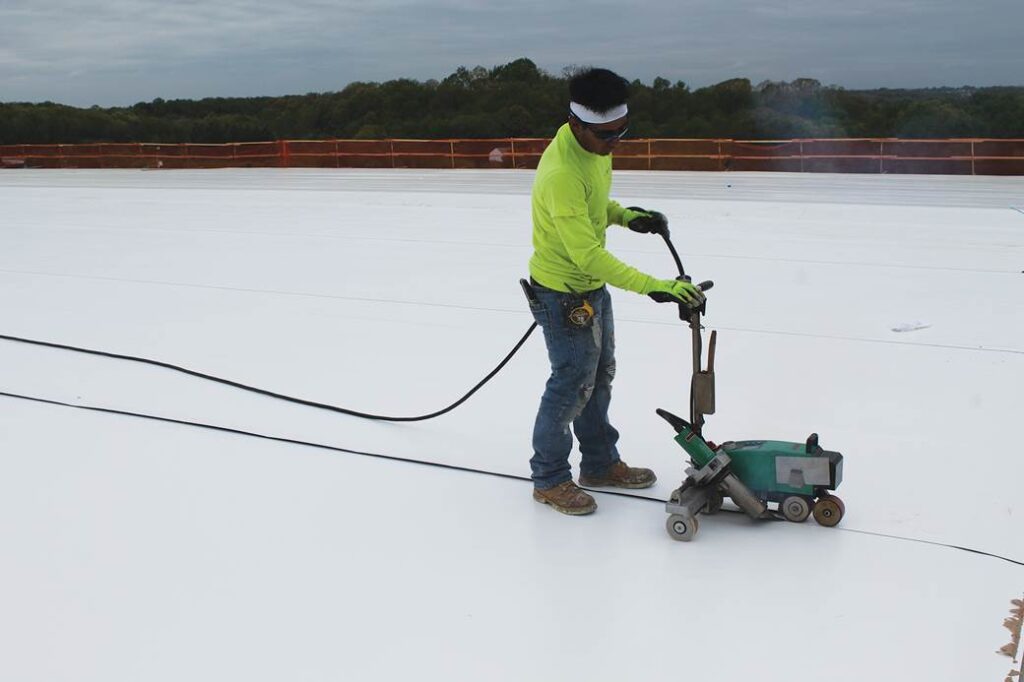
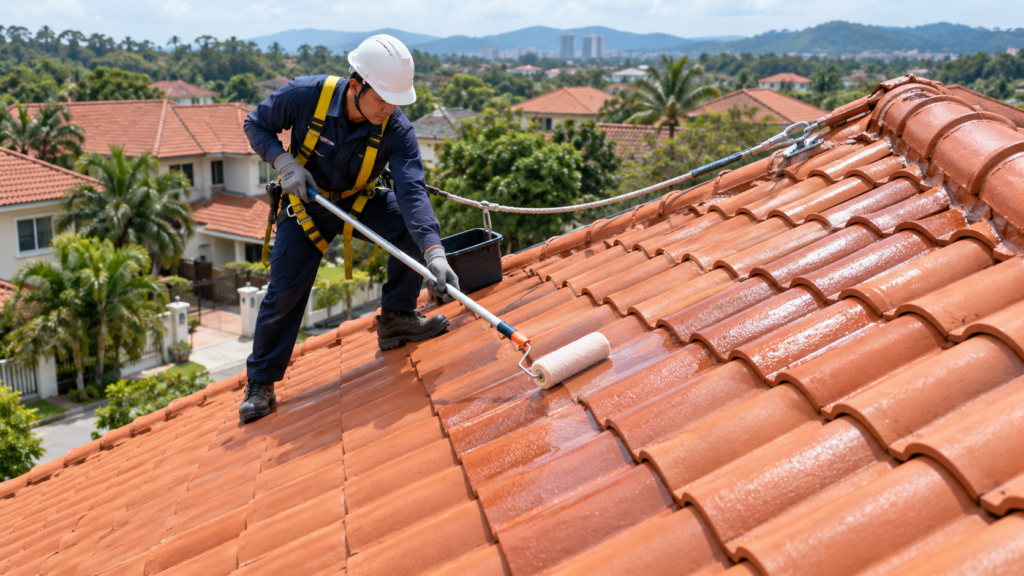
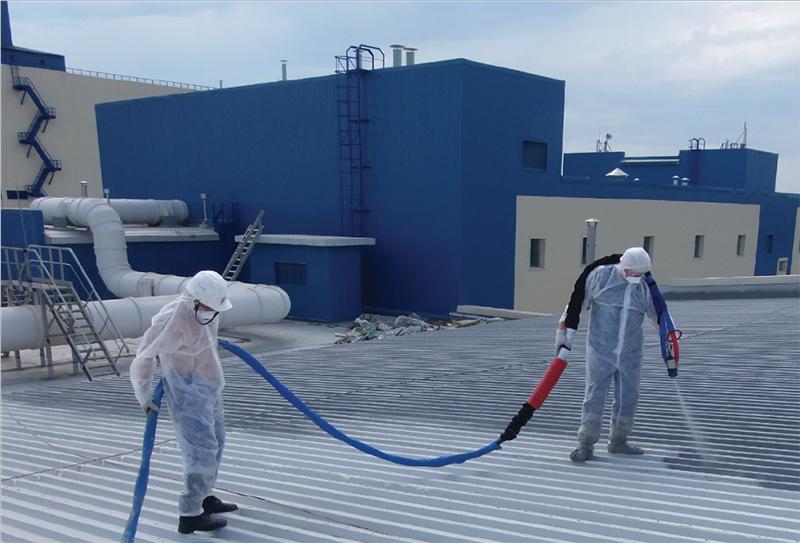
Metal roofs are commonly used for factories and warehouses, but constant expansion and contraction can weaken fasteners, joints and sealants over time.
Before waterproofing, the roof should be checked for corrosion, loose fasteners, failed washers, open lap joints, damaged flashing, skylights, gutters and roof penetrations. Rust, oil, loose coatings and other contaminants must also be properly removed to ensure good adhesion.
Critical joints or movement areas may require additional reinforcement and joint treatment, rather than relying on waterproof coating alone.
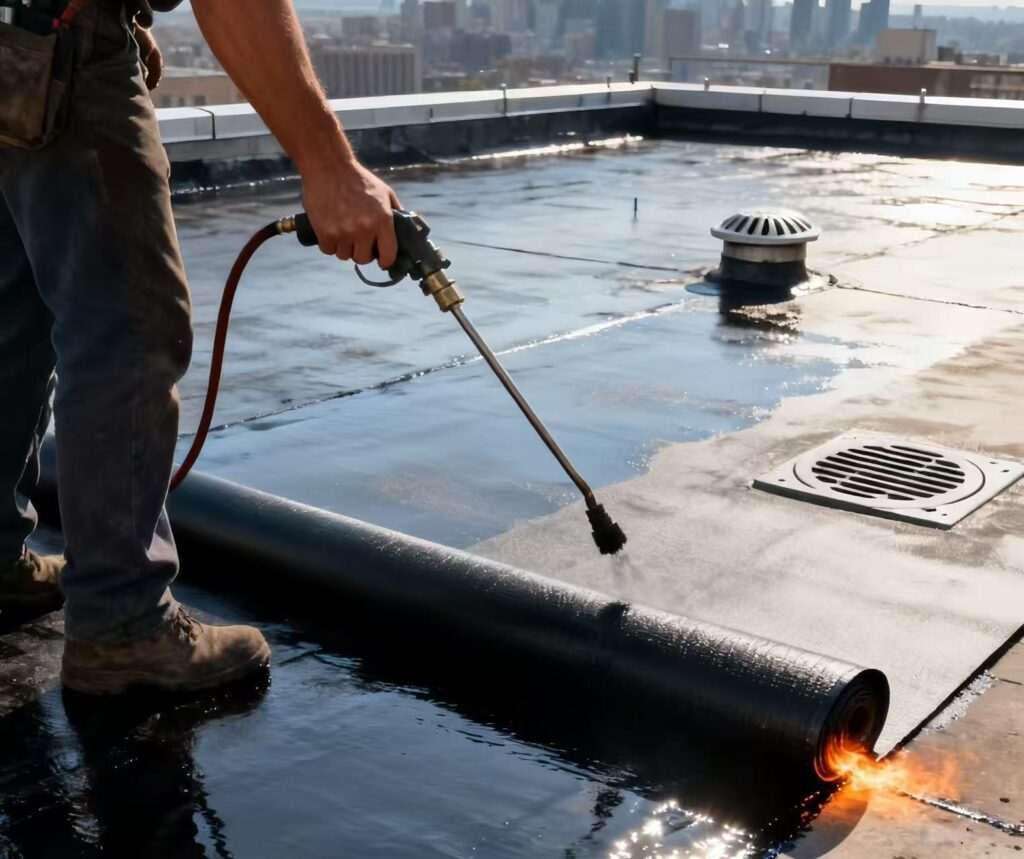
Concrete Factory Roof Waterproofing
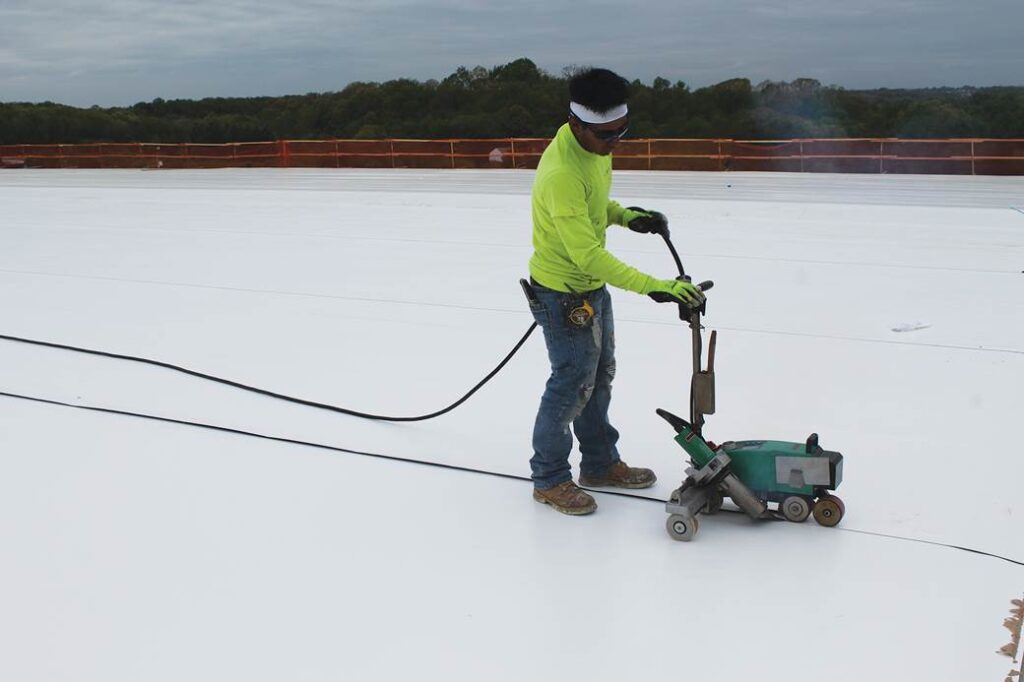
Concrete factory roofs can develop leakage through cracks, ponding water, failed membranes, weak screed, roof outlets, parapet junctions and pipe penetrations.
Before applying a new waterproof coating, the existing surface should be checked for loose areas, trapped moisture and poor adhesion. Applying a new layer over an unstable substrate may only hide the problem temporarily. Proper surface assessment and preparation are therefore essential before recoating or carrying out wider waterproofing work.
Local Repair, Recoating or Complete Waterproofing Renewal?
Not every factory roof leak requires complete waterproofing. The repair method should depend on the extent of roof deterioration and the condition of the existing waterproofing system.
A local repair may be suitable for isolated problems such as failed fasteners, small cracks, damaged sealant or individual joint defects. Recoating is more appropriate when the existing waterproofing is ageing across a larger area but the substrate remains stable and suitable for a new coating.
A full waterproofing renewal may be required when there are recurring leaks, widespread cracking, severe corrosion, debonding, trapped moisture or multiple failed joints. The best choice should not be based only on the lowest cost, but on which repair method provides the most reliable long-term protection.
Waterproofing Work Should Fit Factory Operations
Factory waterproofing should be planned around daily operations, especially where production, machinery, electrical systems or sensitive materials cannot be interrupted.
For larger facilities, work may be carried out in phases or separate roof zones to reduce disruption. Roof access, safety, production schedules, weather conditions and coating curing time should also be considered.
A good waterproofing plan should therefore provide reliable protection while allowing factory operations to continue as smoothly as possible.
Factory Waterproofing Solutions from QingLong Waterproofing
QingLong Waterproofing provides waterproofing products and solutions for commercial, industrial and infrastructure projects, including factory roofs, concrete surfaces, metal roofing, joints, gutters and pipe penetrations.
For factory waterproofing, the system should be selected according to the roof condition, substrate, leakage source and project requirements, rather than relying on one product for every application.
QingLong also has experience in industrial waterproofing projects, including the MY07 Data Centre Project in Johor Bahru, where waterproofing materials were applied across multiple critical areas. Effective factory waterproofing should combine proper surface preparation, joint treatment, reinforcement, application and curing to achieve reliable long-term protection.
Get a Factory Waterproofing Assessment in Johor Bahru
Recurring factory roof leakage should not be treated only at the point where water becomes visible. The source of water entry, roof condition, substrate, drainage, joints, existing waterproofing and factory operating requirements should all be assessed before deciding on the repair method.
For factories, warehouses, production facilities and industrial buildings in Johor Bahru and surrounding Johor areas, QingLong Waterproofing can provide waterproofing product recommendations and project-specific waterproofing solutions.
Need help with a leaking factory roof? Contact QingLong Waterproofing for a site assessment, waterproofing consultation and project quotation in Johor Bahru.
Frequently Asked Questions (FAQs)
1. What is the best waterproofing solution for a factory roof?
There is no single waterproofing product that is best for every factory. The correct solution depends on whether the roof is metal or concrete, the condition of the substrate, the source of leakage, roof movement, drainage and the condition of existing waterproofing.
2. Can a leaking factory roof be repaired without replacing the whole roof?
Yes, when the problem is localised and the surrounding roof remains structurally and functionally sound. Failed fasteners, joints, cracks, flashing or penetrations may sometimes be repaired individually. Widespread deterioration may require recoating or larger-scale renewal.
3. Can waterproof coating be applied directly over an old factory roof?
Not automatically. The existing surface must first be assessed for rust, loose coating, dirt, oil, moisture, debonding and other defects. Waterproofing applied over an unstable substrate may eventually lose adhesion.
4. How do you find the source of a factory roof leak?
The inspection should examine the area above and surrounding the visible leakage, including roof fasteners, sheet overlaps, gutters, skylights, penetrations, cracks, flashing and drainage points. The visible drip location inside the building may be different from the actual water-entry point.
5. How much does factory waterproofing cost in Johor Bahru?
The cost depends on the roof area, roof type, access conditions, substrate preparation, extent of damage, waterproofing system and whether the project requires local repairs, recoating or full renewal. A site assessment is usually necessary before an accurate scope and quotation can be prepared.
6. Should I repair or completely waterproof an ageing factory roof?
Local repair may be sufficient when defects are isolated and the rest of the roof remains reliable. If leakage is recurring across multiple areas or the existing waterproofing has widespread deterioration, a broader waterproofing renewal may provide a more practical long-term solution.