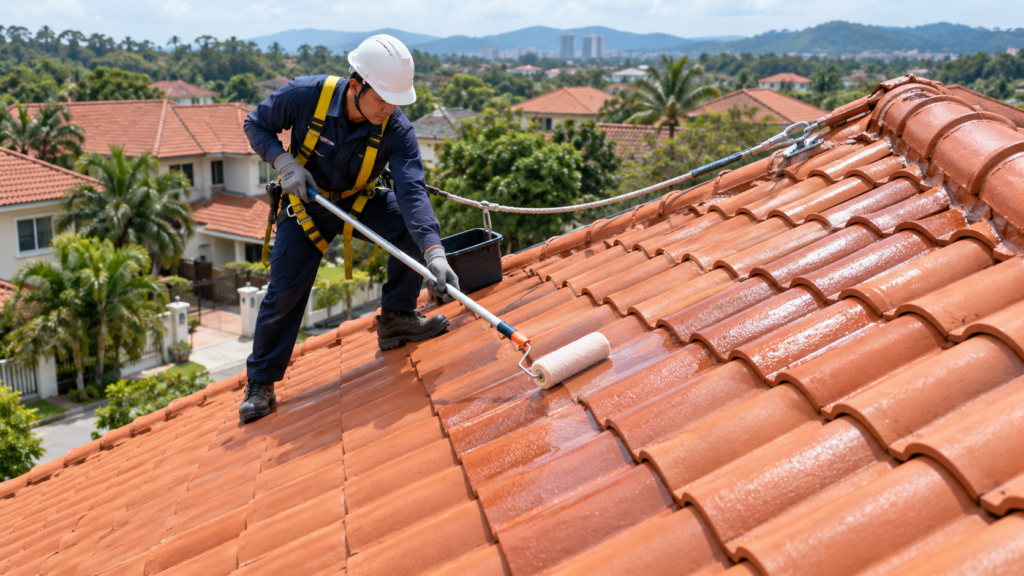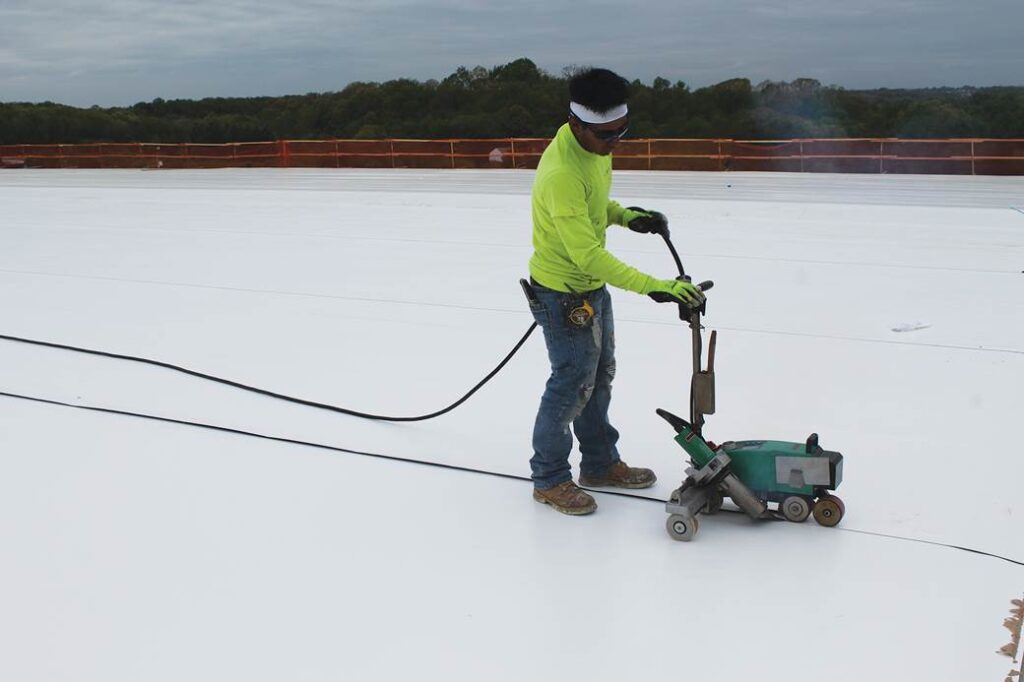
Water leakage in Johor Bahru buildings often becomes urgent during heavy rain, especially when water starts dripping through ceilings, basement walls, pipe penetrations, or concrete cracks. In many cases, the leak does not wait for a dry day. This is where fast-curing PU injection becomes useful. It is commonly used to stop active water seepage from inside the structure without immediately removing large areas of tiles, concrete, or finishes.
In this article, we’ll explain how PU injection works, why leaks develop in Johor Bahru’s climate, what property owners should check before choosing this method, and how a proper repair process can reduce the chance of repeated leakage.
Why Water Leaks Are Common in Johor Bahru Buildings
Johor Bahru experiences frequent rainfall, high humidity, strong UV exposure, and constant temperature fluctuations throughout the year. These weather conditions place continuous stress on concrete structures, waterproofing systems, sealants, and construction joints.
As buildings repeatedly expand during hot afternoons and contract after rain or cooler evenings, small cracks can gradually develop around concrete joints, balconies, roofs, pipe penetrations, retaining walls, and external walls. Once water enters these openings, it often travels inside the concrete before appearing somewhere else indoors.
This explains why ceiling stains, peeling paint, or damp walls are often not located directly beneath the actual leak source.
Properties throughout Johor Bahru, including Iskandar Puteri, Skudai, Tebrau, Gelang Patah, Mount Austin, and surrounding industrial areas, commonly experience leakage caused by ageing waterproofing systems, blocked drainage, deteriorated sealants, construction movement, or previous repairs that only treated the visible surface.
Most waterproofing failures are not caused by rain alone. They usually occur because water is allowed to pond, drainage is ineffective, cracks were left untreated before waterproofing, or the original waterproofing system has reached the end of its service life.
How Fast-Curing PU Injection Stops Active Leaks
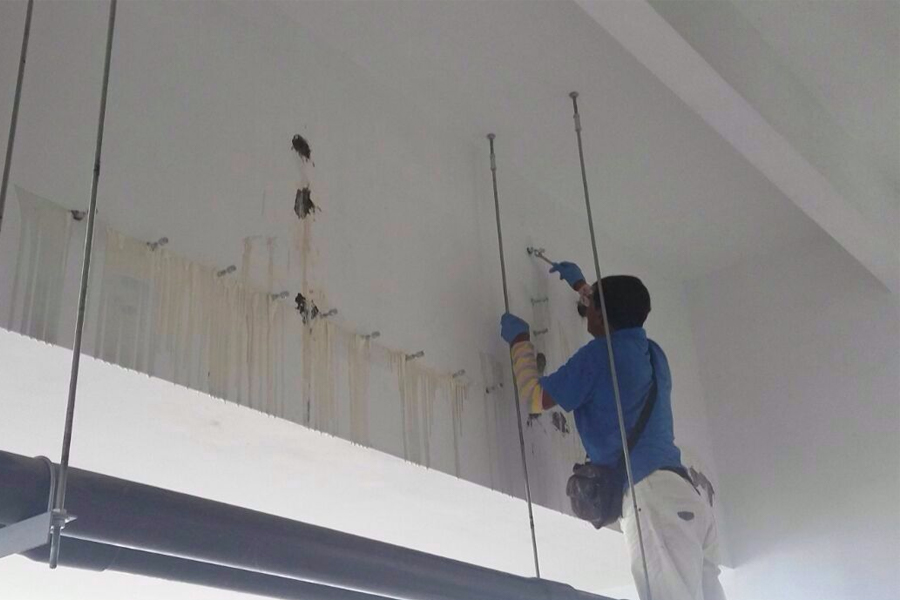
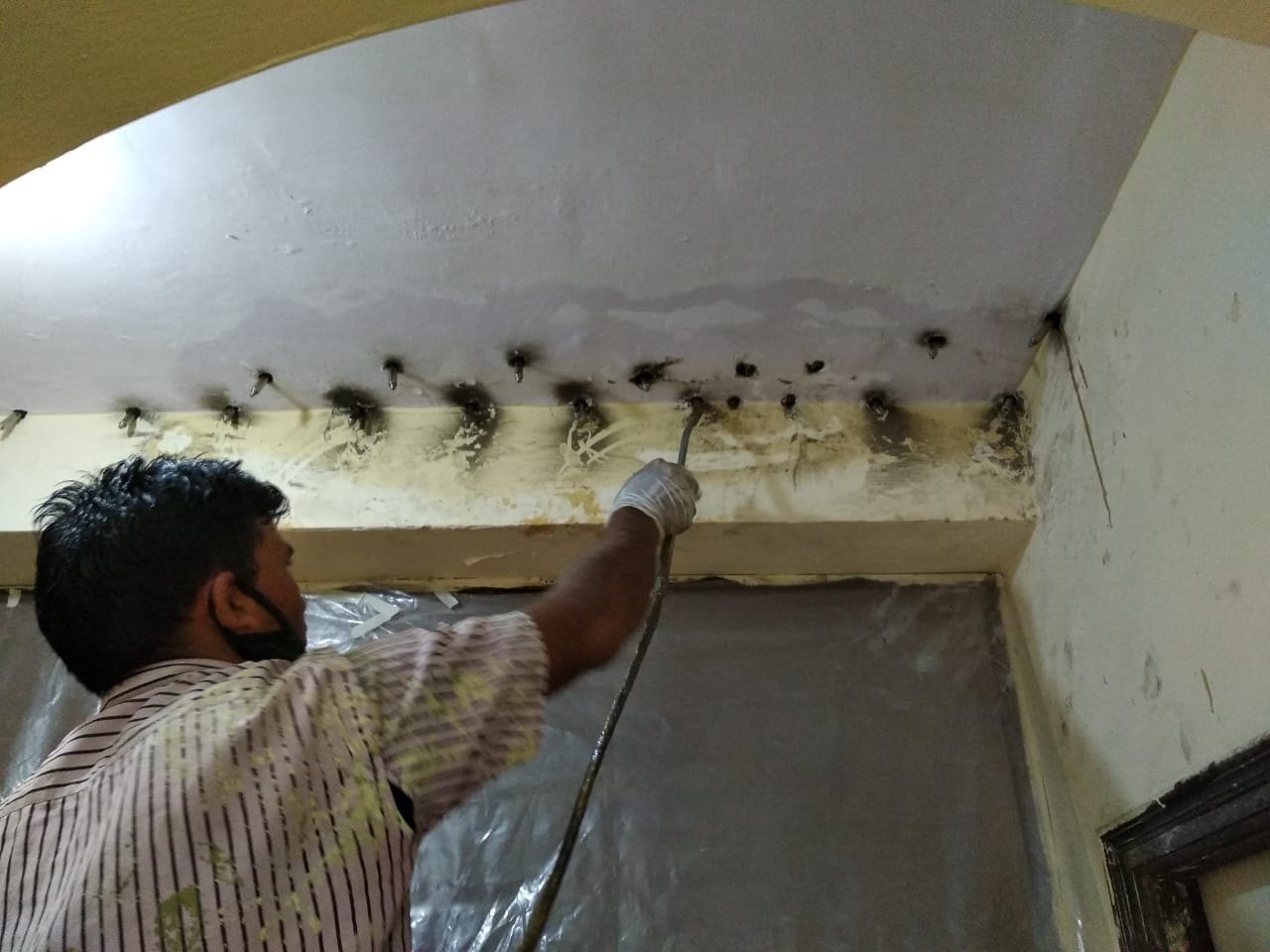
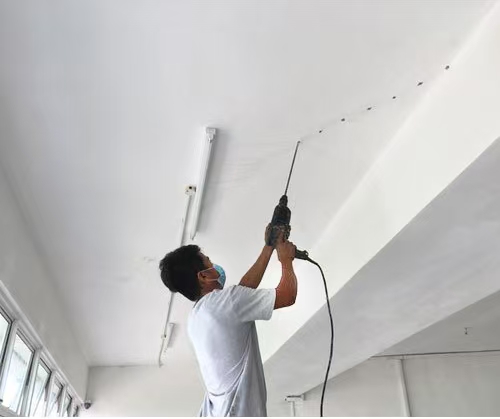
PU injection, or polyurethane injection, is a leak repair method used to seal hidden water paths inside cracks, honeycombs, and concrete joints. Small holes are drilled along the suspected leakage line, and injection ports are installed. A PU resin is then injected under controlled pressure so it can move into the crack or void where water is passing through.
When the resin reacts with moisture, it expands and forms a foam-like seal inside the water path. Fast-curing PU is especially useful when water is actively flowing because the material reacts quickly after contact with moisture. Instead of only covering the surface, the repair targets the internal route that water is using.
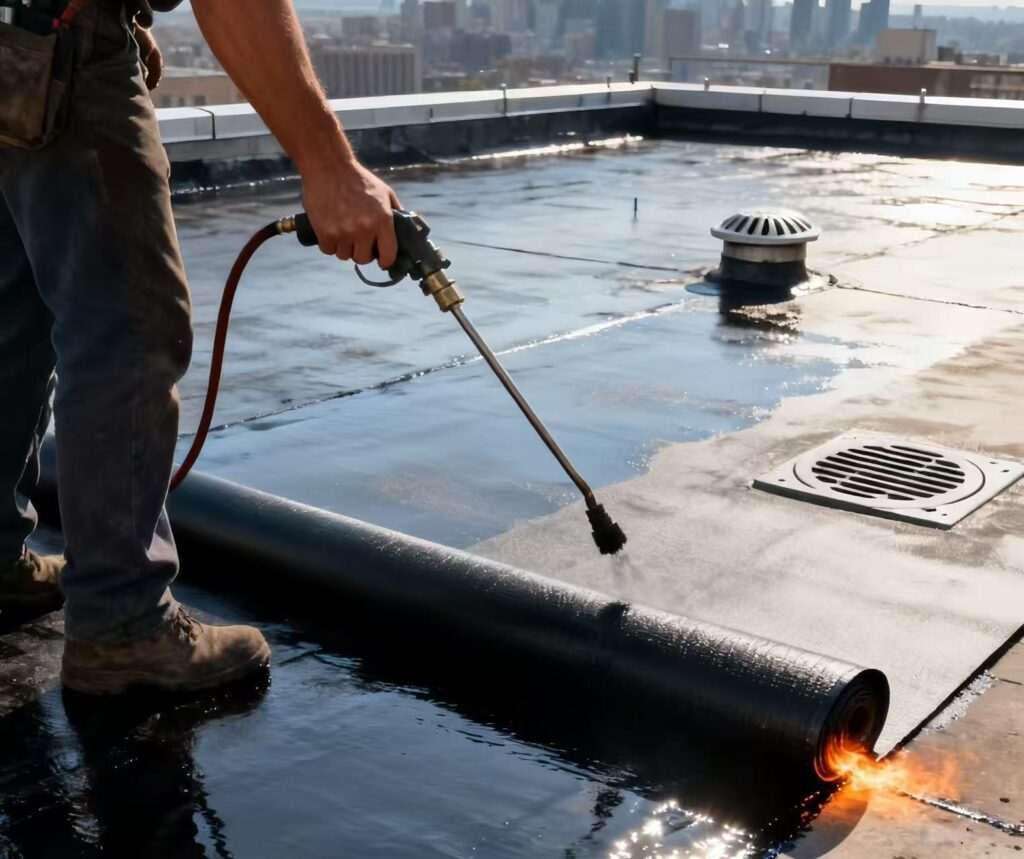
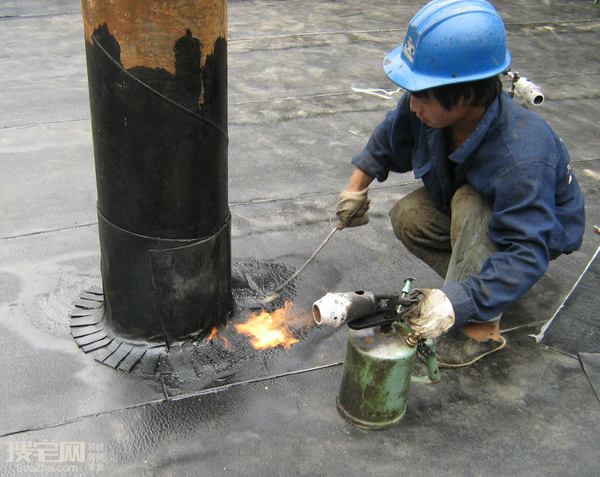
This method is often applied to basement seepage, concrete wall cracks, roof slab cracks, lift pits, retaining walls, pipe penetrations, and construction joints. However, PU injection is not a decorative surface coating, and it should not be treated as a complete roof waterproofing replacement when the entire exposed slab or membrane has already deteriorated.
When PU Injection Is the Right Waterproofing Solution
PU injection performs best when leakage is concentrated at a specific crack, construction joint, pipe penetration, or localised concrete defect.
It is especially useful when accessing the external side of the structure is difficult. For example, basement retaining walls often receive continuous groundwater pressure from outside, making internal injection the most practical repair option.
However, contractors should first determine whether the leak originates from a single defect or whether it is part of a larger waterproofing failure.
If a roof has widespread ponding water, multiple structural cracks, deteriorated waterproofing coatings, or failed movement joints, sealing one leak may simply cause water to emerge somewhere else.
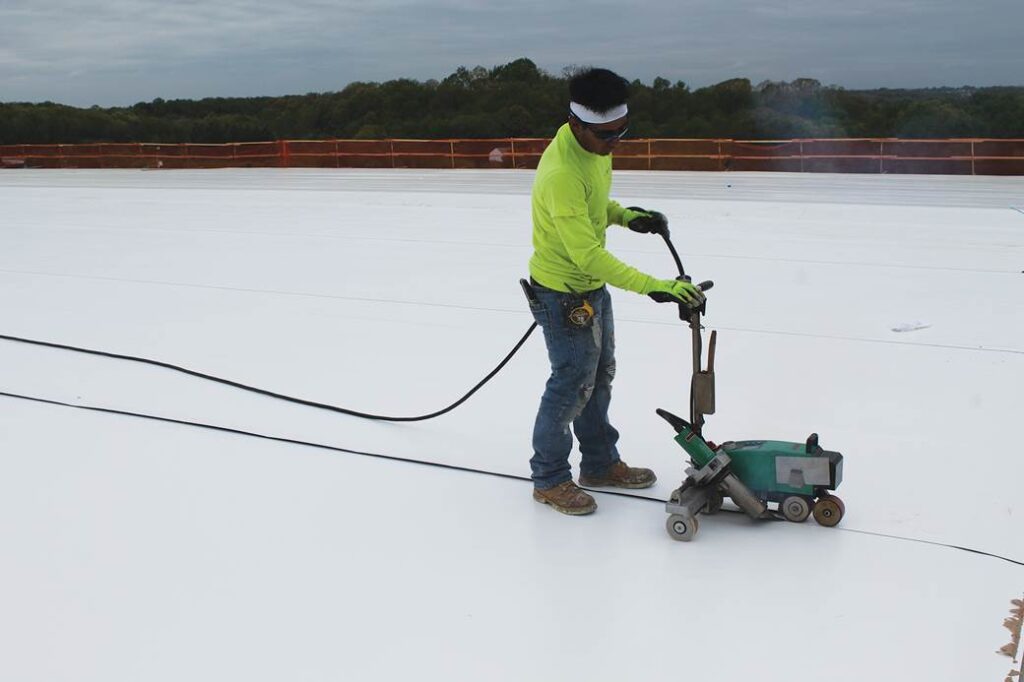
In these situations, PU injection should form part of a complete waterproofing solution together with roof waterproofing, joint treatment, sealant replacement, or drainage improvements.
Accurate diagnosis is therefore just as important as the repair itself.
What should contractors check before applying PU injection?
The important point is to confirm whether the leak is localised or part of a wider waterproofing failure. If a roof slab has widespread ponding, multiple cracks, and an old coating that has lost adhesion, injection may stop one leak but another point may open later. In that situation, PU injection should be combined with surface waterproofing, drainage improvement, or joint treatment.
For homeowners, this distinction matters because repeated small repairs can become more expensive than a proper diagnosis. A responsible Waterproofing Service should identify the leak route, building movement, water pressure, and condition of surrounding materials before recommending injection.
Checklist Before Choosing PU Injection Repair
Before deciding whether fast-curing PU injection is the right waterproofing solution, property owners and facility managers should review a few practical points:
• Identify whether the leakage is active during rain, continuous, or only appears after ponding water.
• Check if the leak comes from a crack, construction joint, pipe penetration, basement wall, or roof slab.
• Inspect nearby drainage outlets, gutters, and floor falls for blockage or poor water discharge.
• Review whether previous repairs were only surface patches without treating the internal crack.
• Confirm whether the surrounding concrete is stable enough for injection pressure.
• Ask whether additional waterproofing coating or joint sealing is needed after injection.
This checklist helps avoid using PU injection as a shortcut when the building actually needs a broader repair plan. In Malaysia waterproofing work, the best result usually comes from matching the method to the actual water path rather than choosing the fastest-looking option.
Case Study: Commercial Leak Repair in Johor Bahru
A commercial facility in Johor Bahru experienced recurring water seepage through a reinforced concrete wall surrounding several service pipe penetrations. The tenant first noticed damp patches after heavy rainfall, but the external waterproofing area was difficult to access because of installed mechanical equipment and completed external finishes.
Site inspection showed that water was travelling inside hidden concrete voids before appearing on the internal wall surface.
Instead of immediately applying surface patching, the repair team traced the moisture pattern, inspected the pipe penetrations, and installed injection packers along the suspected water path.
Fast-curing PU resin was then injected under controlled pressure until the active seepage stopped. After curing, the injection ports were removed, repaired, and the wall surface was reinstated.
Subsequent inspections during heavy rainfall confirmed that the repaired area remained dry. The assessment also identified ageing sealant around nearby penetrations, allowing preventive maintenance to be carried out before additional leakage developed.
Choosing the Right PU Injection Material
Not every polyurethane resin performs the same.
Material selection should consider crack width, water pressure, concrete condition, curing speed, flexibility, and long-term movement of the structure.
Using a resin that reacts too slowly may not stop active seepage effectively, while excessive injection pressure can force water into nearby untreated areas or damage weakened concrete.
Selecting the appropriate PU resin is therefore an important part of achieving durable waterproofing performance.
Conclusion
Fast-curing PU injection is an effective solution for stopping active water leaks in Johor Bahru when water is travelling through concrete cracks, construction joints, pipe penetrations, or localised structural voids. By sealing the hidden water path rather than covering only the visible stain, it can reduce unnecessary hacking and restore dry conditions with minimal disruption.
However, successful waterproofing depends on more than the injection material alone. Proper diagnosis, suitable resin selection, controlled application, and assessment of the surrounding waterproofing system all contribute to long-term performance.
If you are experiencing recurring ceiling leaks, basement seepage, wall dampness, or difficult-to-trace water leakage in Johor Bahru, contact QingLong Waterproofing to arrange a professional site inspection and receive repair recommendations based on your building’s actual condition.
Frequently Asked Questions (FAQs)
1. Can PU injection stop active water leaks in Johor Bahru buildings?
Yes. Fast-curing PU injection is highly effective for stopping active water leaks caused by concrete cracks, construction joints, pipe penetrations, and voids. The polyurethane resin reacts with moisture, expands inside the water path, and helps prevent further seepage without extensive hacking.
2. Is PU injection suitable for all roof leakage problems?
No. PU injection is suitable for localised roof slab cracks, construction joints, and specific leakage points. If the roof has widespread waterproofing failure, ponding water, or deteriorated waterproofing membranes or coatings, additional roof waterproofing and drainage improvements may be required for a long-term solution.
3. Why does the same leak return after a quick patch repair?
Surface patching often seals only the visible damp area instead of the actual water path inside the concrete. If the underlying crack, joint, or void remains untreated, water can continue travelling through the structure and reappear at the same location or nearby.