A small ceiling stain, damp wall, or occasional water drip may not seem like a serious problem at first. Many property owners in Johor Bahru only notice these signs after a heavy afternoon storm and assume the area will dry once the weather improves. Unfortunately, by the time paint begins peeling, mould starts growing, or water stains become more obvious, moisture may already have travelled through roof slabs, wall cavities, balconies, or ceiling spaces.
Johor Bahru's tropical climate brings frequent heavy rainfall, high humidity, and intense heat throughout the year. These conditions constantly stress waterproofing systems and gradually expose weak points that may not be visible from the surface. A leak that appears inside a living room, office, or shop may actually originate several metres away from the visible stain.
In this article, we'll explain why leaks are common in Johor Bahru buildings, how waterproofing failures develop, what a proper waterproofing inspection should include, and why identifying the real source early can save significant repair costs.
Why Do Leaks in Johor Bahru Buildings Get Worse After Heavy Rain?
Johor Bahru's frequent heavy rain, high humidity, and intense heat place constant stress on roofs, balconies, external walls, bathrooms, and other exposed building areas. Over time, even well-maintained properties can develop weak points such as hairline cracks, aged sealants, blocked drainage, ponding water, deteriorated waterproofing, or poorly sealed pipe penetrations, allowing water to enter the building.
When rainwater cannot drain properly, it remains on the roof and gradually penetrates these weak areas. Wind-driven rain can also seep through cracks around windows, façade joints, and exterior walls, particularly in older buildings where waterproofing systems have aged or previous patch repairs have begun to fail.
Why does the leak appear far from the actual source?
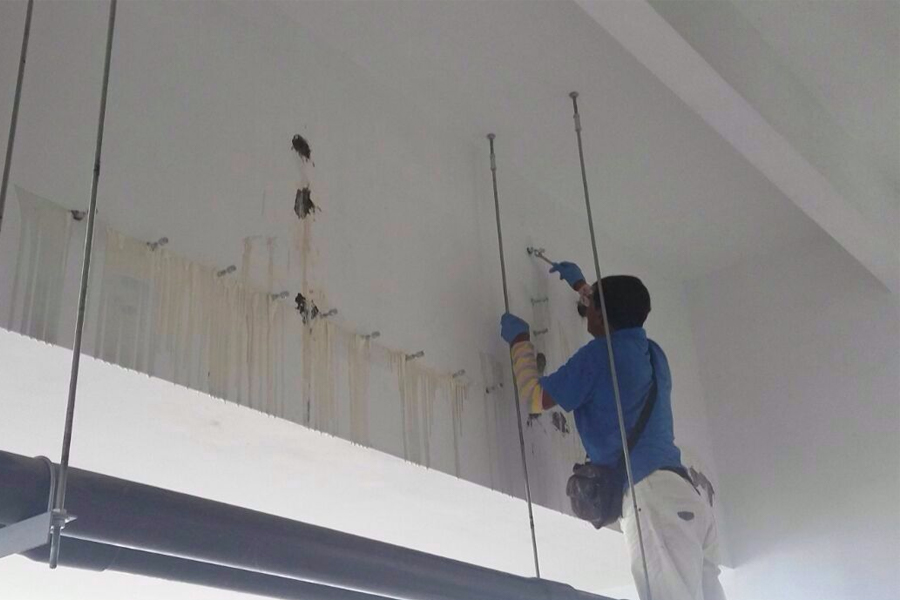
Water rarely travels in a straight line. Once it enters a building, it can move through concrete, ceiling voids, wall cavities, and tile bedding before becoming visible indoors. A ceiling stain or damp wall may actually be caused by a roof crack, balcony outlet, or external wall several metres away, which is why identifying the true source of the leak is essential before any waterproofing repair begins.
How Waterproofing Failure Develops Over Time
Waterproofing failure rarely happens overnight. Most problems develop gradually as buildings are exposed to years of heat, heavy rain, humidity, structural movement, and natural ageing. Over time, waterproofing materials can lose their flexibility and adhesion, allowing water to penetrate through hairline cracks, joints, corners, or pipe penetrations. Once moisture gets beneath the waterproofing layer, it can spread unnoticed before signs such as ceiling stains, damp walls, peeling paint, mould, or recurring leaks begin to appear.
What should property owners avoid?
One of the most common mistakes is applying quick surface patches without identifying the actual source of the leak. While temporary sealants or cement patches may stop dripping for a short time, they rarely solve the underlying problem. A lasting waterproofing repair starts with proper diagnosis to determine where the water is entering before selecting the most suitable repair method.
What Should a Free Waterproofing Inspection Include?
A useful inspection is not just a quick look at the ceiling stain. It should trace the possible water source, check the building condition, and recommend a repair method that matches the actual leakage mechanism. For Johor Bahru properties, the inspection should also consider rain direction, drainage condition, building age, and previous repair history.
Before choosing a waterproofing repair, check:
• Where the water mark appears and when it becomes worse
• Whether the leak happens during rain, after rain, or continuously
• Roof drainage, gutter blockage, cracks, and ponding areas
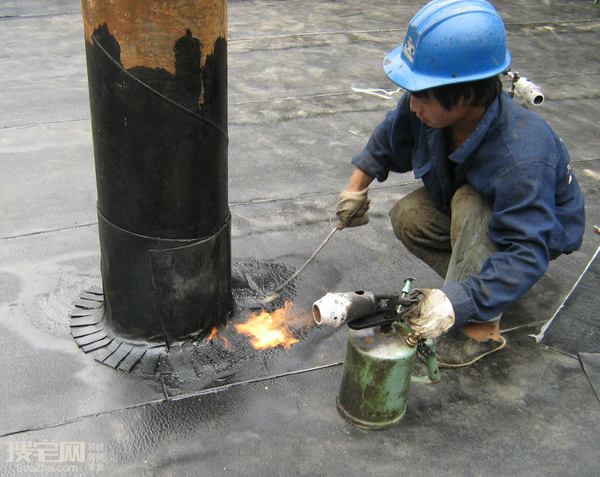
• Wall cracks, window joints, balcony edges, and pipe penetrations
• Existing waterproofing condition, surface adhesion, and previous patch repairs
Why Early Leak Diagnosis Saves Repair Cost
The earlier a leak is identified, the easier and more affordable it is to repair. Once moisture remains inside concrete slabs, walls, ceilings, or floor finishes for an extended period, secondary damage often begins to develop. This may include mould growth, deteriorated plaster, swollen timber, rusting reinforcement, damaged ceiling boards, electrical risks, and unpleasant indoor conditions.
The cost difference between early repair and delayed repair can be significant. A newly developed roof crack may only require cleaning, sealing, and localized waterproofing treatment. However, once moisture has spread beneath floor finishes or ceiling systems, repairs may involve hacking, drying, waterproofing replacement, reinstatement, and interior finishing.
For property managers, landlords, and homeowners, identifying the true source early also helps eliminate repeated repair cycles. Instead of repairing the same stain every few months, it is more effective to diagnose the water entry point first and apply a waterproofing system designed specifically for that condition.
How QingLong Waterproofing Helps Property Owners in Johor Bahru
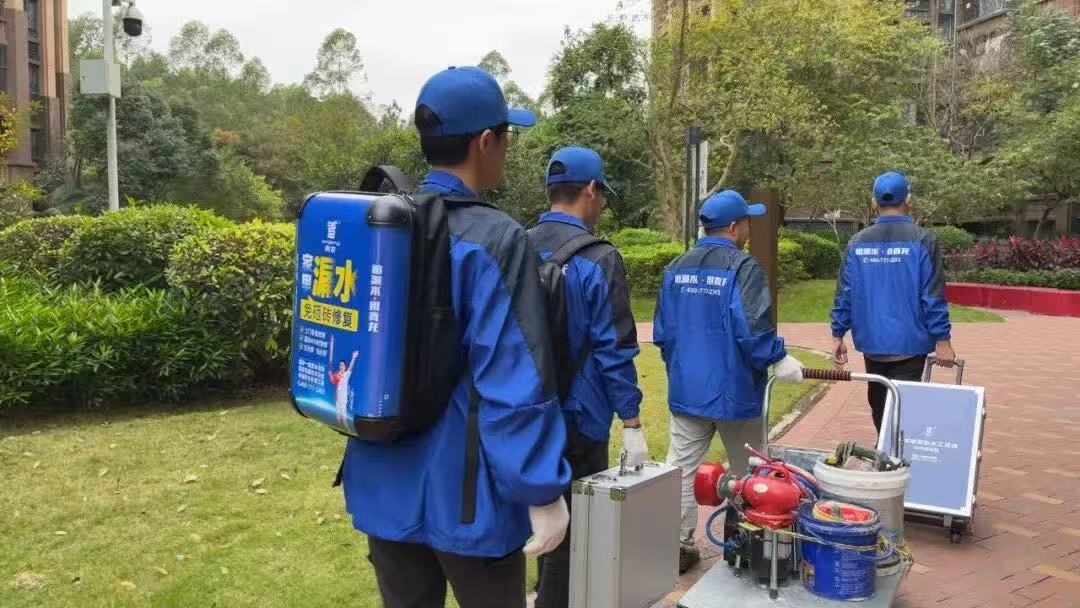
QingLong Waterproofing has extensive experience supporting residential, commercial, industrial, and infrastructure projects across Malaysia. As a Waterproofing Manufacturer, Waterproofing Supplier, and professional Waterproofing Service provider, QingLong combines technical expertise with practical site experience to recommend repair solutions based on the actual cause of the leakage rather than simply treating the visible symptoms.
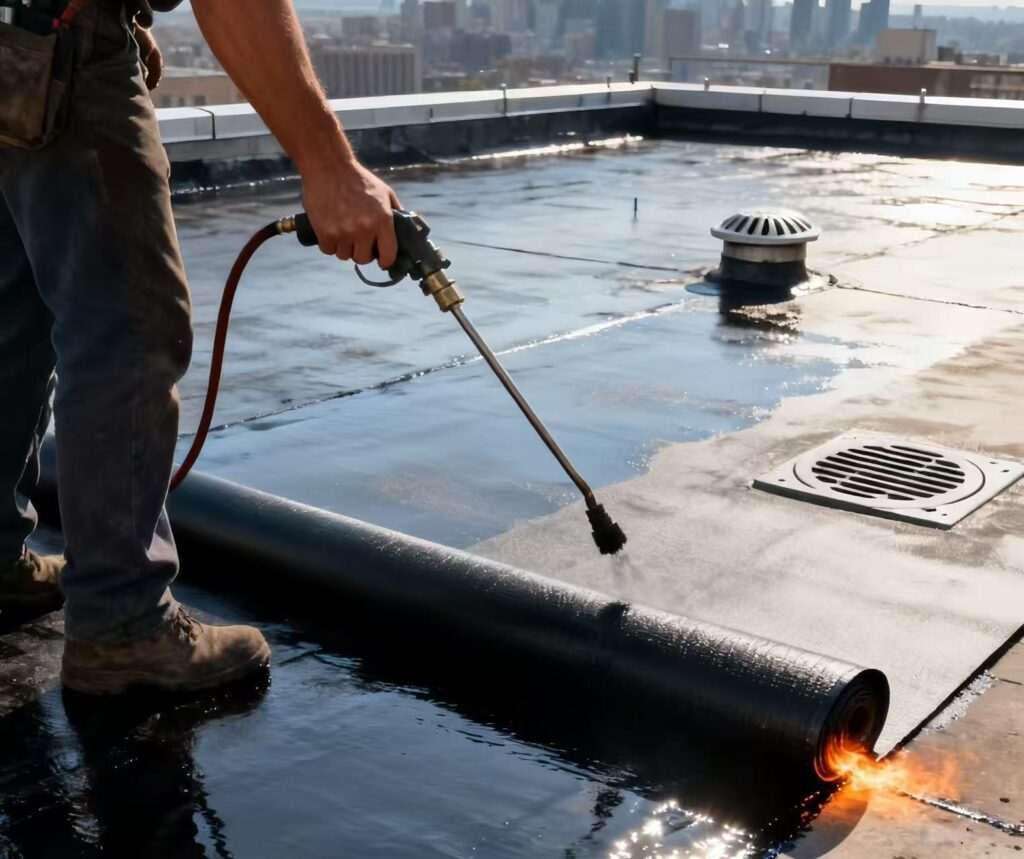
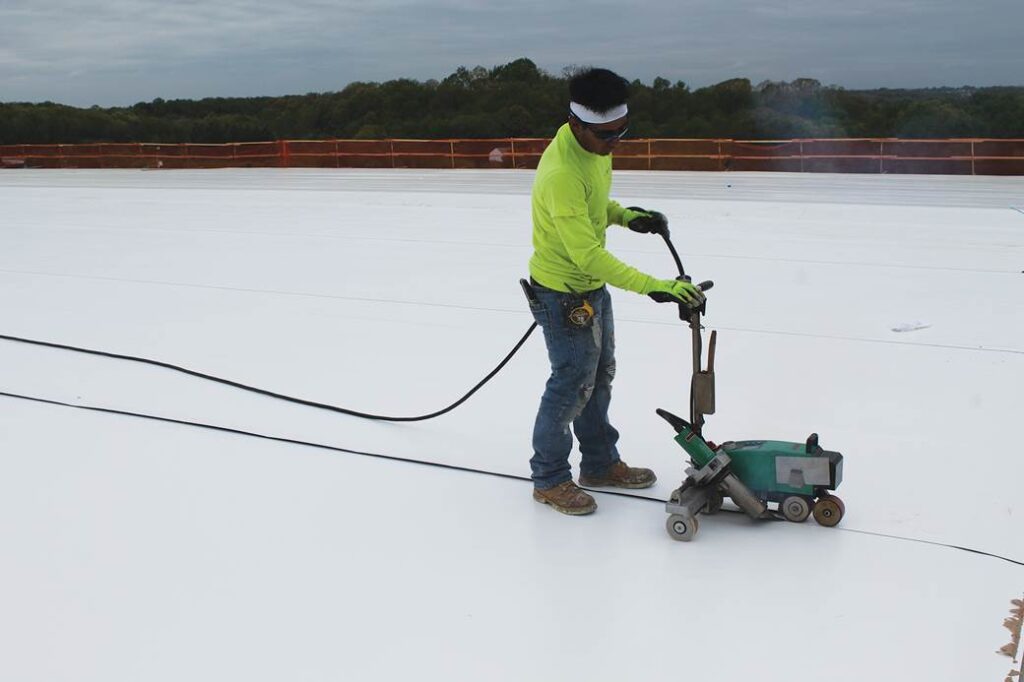
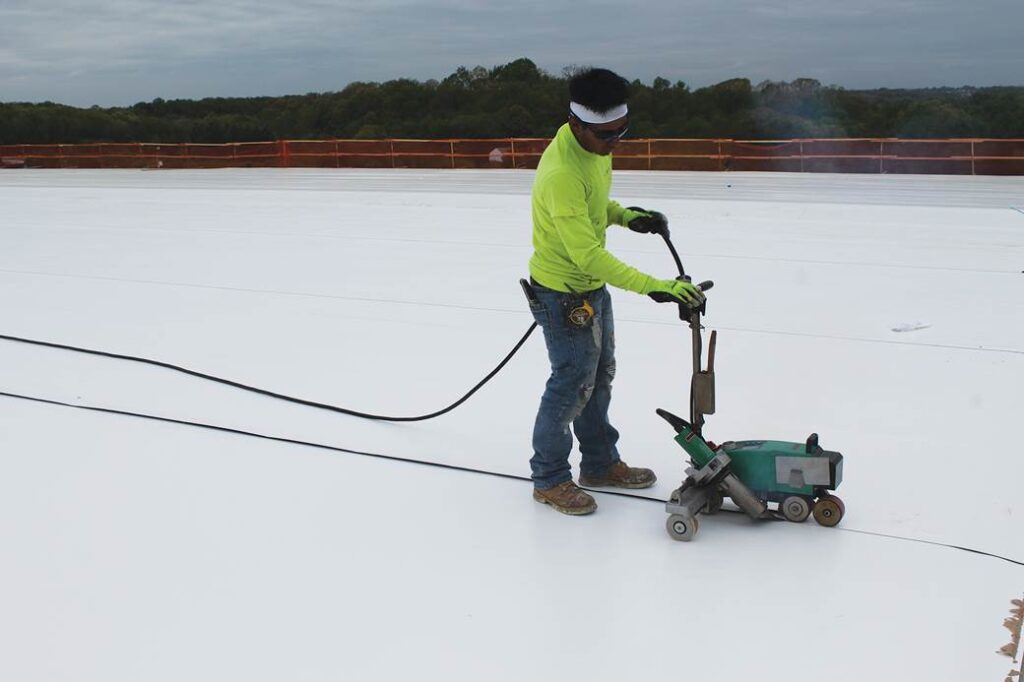
Every building has different waterproofing challenges, so the recommended solution depends on the inspection findings and the condition of the structure. This may include flexible waterproofing coatings, crack sealing, PU injection, waterproofing membranes, drainage improvements, joint treatment, or a combination of repair methods.
The goal of every inspection is to identify the true source of the leak, explain the repair process clearly, and recommend a suitable long-term waterproofing solution that helps reduce recurring leaks and protects the building for years to come.
Conclusion
Water leakage rarely disappears on its own. In Johor Bahru's tropical climate, delaying repairs often allows moisture to spread further through roofs, walls, ceilings, and structural elements, leading to more extensive damage and higher repair costs
A professional waterproofing inspection helps determine whether the problem originates from the roof, balcony, external wall, bathroom, pipe penetration, or another hidden area before selecting the most appropriate repair method. Accurate diagnosis, proper surface preparation, and choosing a waterproofing system that matches the building's condition remain the keys to achieving long-lasting waterproofing performance.
If you've noticed ceiling stains, damp walls, roof seepage, or recurring leaks after heavy rain, contact QingLong Waterproofing for a free professional site inspection. Our team will help identify the source of the problem and recommend a practical waterproofing solution based on your property's actual condition.
Frequently Asked Questions (FAQs)
1. Why does my home leak only during heavy rain?
Heavy rain increases water pressure on roofs, balconies, external walls, and drainage systems. Water can enter through small cracks, failed sealants, blocked gutters, or deteriorated waterproofing layers that may remain unnoticed during lighter rainfall.
2. Can a ceiling stain show the exact location of the leak?
Not necessarily. Water often travels through concrete slabs, ceiling cavities, insulation, and wall voids before becoming visible indoors. The stain is usually the final exit point rather than the actual source of the leak.
3. What does a professional waterproofing inspection include?
A professional inspection typically examines roofs, gutters, balconies, external walls, drainage systems, window joints, pipe penetrations, existing waterproofing layers, previous repair work, and other potential water entry points to determine the most suitable repair method.
4. Is a free waterproofing inspection worthwhile before starting repairs?
Yes. A proper inspection helps identify the root cause of the leak before repair work begins. This reduces unnecessary repairs, prevents repeated patching, and allows the waterproofing solution to be matched to the actual site condition.
5. When should I contact a waterproofing specialist?
It's best to arrange an inspection as soon as you notice ceiling stains, damp walls, peeling paint, mould growth, recurring roof leaks, or water seepage after rain. Early diagnosis usually prevents more extensive damage and helps reduce long-term repair costs.