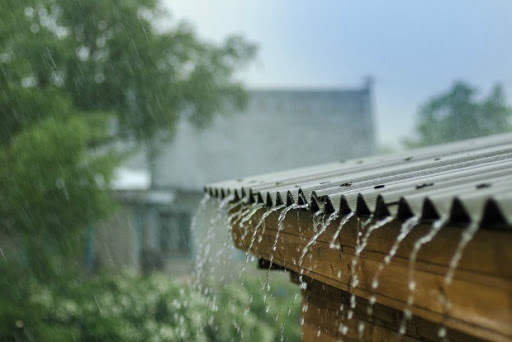
Your home's exterior is the first line of defence against Malaysia's heavy rain, high humidity and year-round exposure to the weather. When exterior walls are properly protected, they can help reduce the risk of rainwater penetrating into the building and causing damp patches, peeling paint, mould growth and interior wall leakage.
However, exterior waterproofing is not simply about applying waterproof paint to the outside of your house. Cracks, porous surfaces, damaged plaster, open joints, window frames and other vulnerable areas can all provide pathways for water to enter.
Over time, exterior walls can also deteriorate due to prolonged exposure to rain, heat and UV rays. Small hairline cracks that seem harmless may gradually allow more water to penetrate, particularly during heavy rain or thunderstorms.
That is why it is important to inspect the exterior of your home, identify potential water-entry points and choose a suitable waterproofing solution before the problem becomes more serious.
Assessing Your Home for Waterproofing Needs
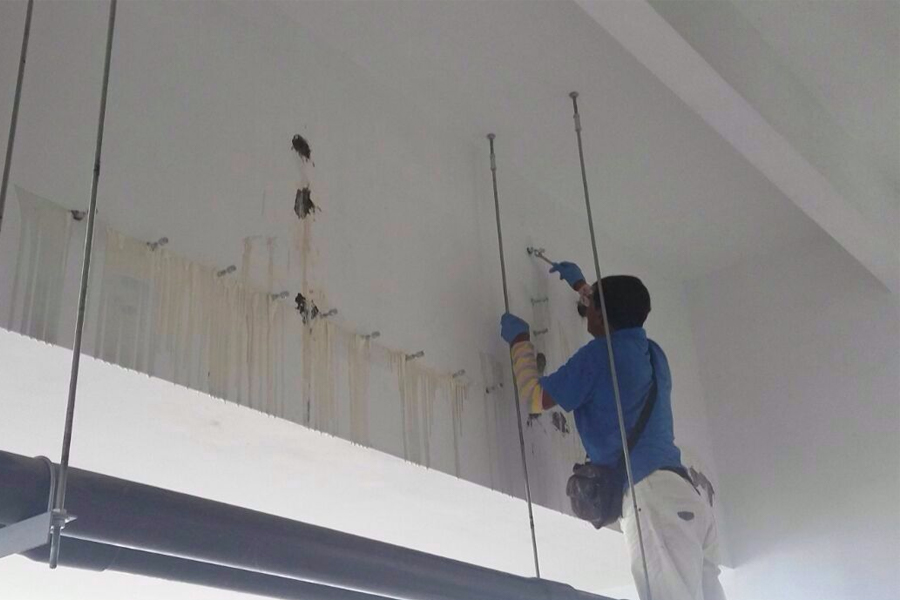
Before applying any exterior waterproofing product, inspect your home carefully to identify where water may be entering. Pay particular attention to exterior walls, window sills, roof edges, gutters, downpipes, wall joints and areas around pipe penetrations. Look for visible cracks, peeling or bubbling paint, damp patches, discolouration, damaged plaster and water stains that appear after heavy rain. Keep in mind that the location of an indoor water stain may not be the actual point where water enters, as rainwater can travel through cracks and joints before appearing inside the house. Identifying the source of the problem first allows you to choose the right waterproofing method and avoid simply covering up the symptoms.
Exterior Wall Waterproofing Methods
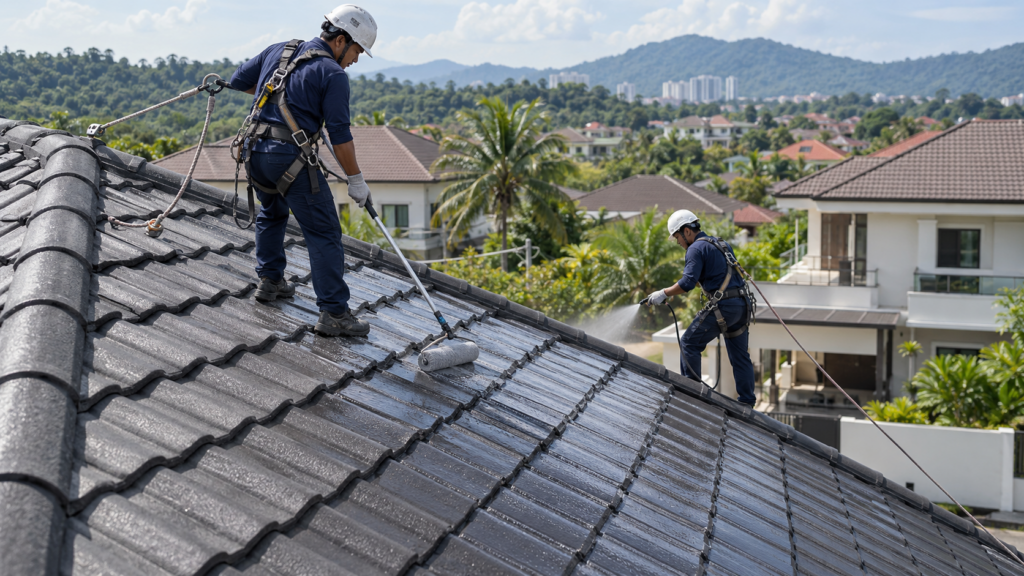
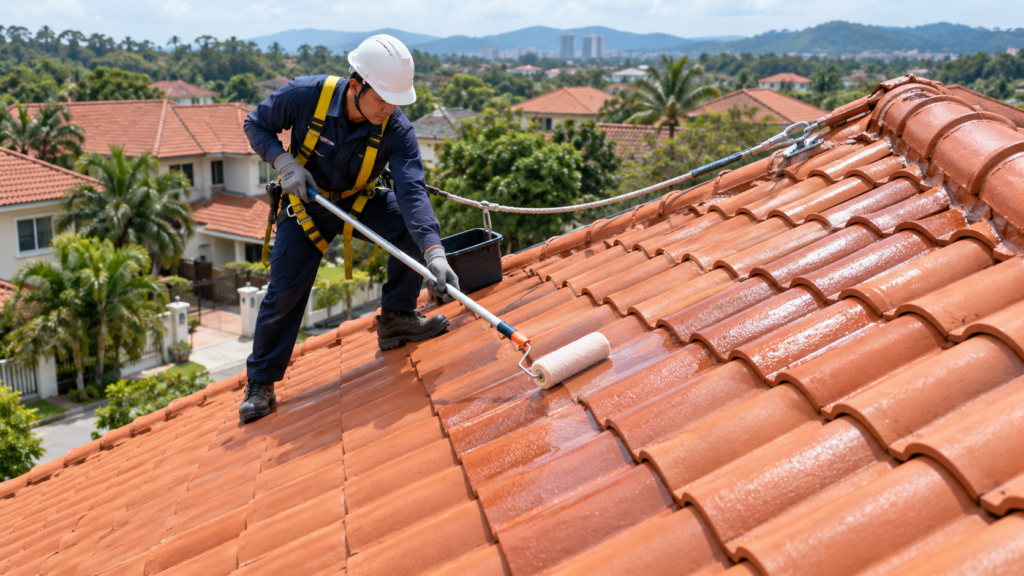
Once you identify potential leaks, the next step is to protect the exterior walls with a suitable waterproofing solution. Common options include liquid-applied waterproof coatings, transparent waterproof coatings and sealants. Liquid coatings can be applied by brush or roller to form a protective barrier against rainwater and moisture. For walls where you want to maintain the original colour and appearance, a transparent exterior wall waterproofing coating can be a suitable option.
Cracks in Bricks and Concrete
Cracks in brick, plaster or concrete can allow rainwater to penetrate the wall. Before applying waterproofing, repair cracks, damaged areas and open joints with suitable fillers or sealants. Proper surface preparation is important to ensure the waterproofing coating adheres well and provides effective protection.
Foundation Waterproofing Techniques
Foundation waterproofing helps protect the structure from moisture entering through concrete, cracks and joints. There are two main approaches: exterior foundation waterproofing and interior waterproofing. Depending on the foundation condition and application, QingLong offers waterproof coatings and membrane systems for different waterproofing requirements.
Exterior Foundation Coatings
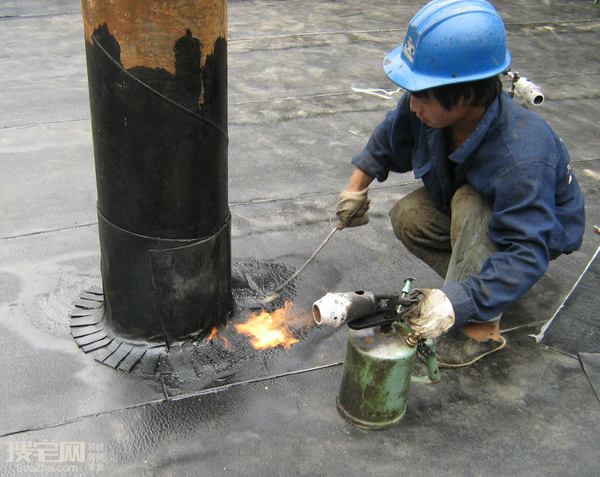
Exterior waterproofing is applied to the outside of the foundation to prevent water from reaching the structure. Depending on the substrate and project requirements, QingLong K11 Waterproof Slurry, JS Waterproof Coating, Polyurethane Waterproof Coating and waterproof membranes can be considered for suitable exterior applications. These systems help create a protective barrier against moisture and water penetration.
Interior Waterproofing
When the exterior foundation cannot be accessed, interior waterproofing may be used to manage moisture that has already entered the structure. QingLong K11 Waterproof Slurry and suitable waterproof coating systems can be applied to compatible interior concrete surfaces to help reduce water penetration. However, interior waterproofing does not always prevent water from reaching the foundation, so the source of moisture should be identified before selecting the appropriate solution.
Importance of Proper Drainage
Good drainage is an important part of any waterproofing system. Even with a suitable waterproof coating or membrane, water can continue to cause problems if it is allowed to pool around the foundation. Make sure gutters, downpipes and surface drains are working properly and direct rainwater away from the building. Combining waterproofing with effective drainage can provide better long-term protection against moisture penetration.

Roof & Gutter Protection
Your roof and gutter system also play an important role in preventing water leakage. Leaves, dirt and debris can block gutters and downpipes, causing rainwater to overflow onto exterior walls or collect around the foundation. Regular cleaning and inspection can help maintain proper water flow.
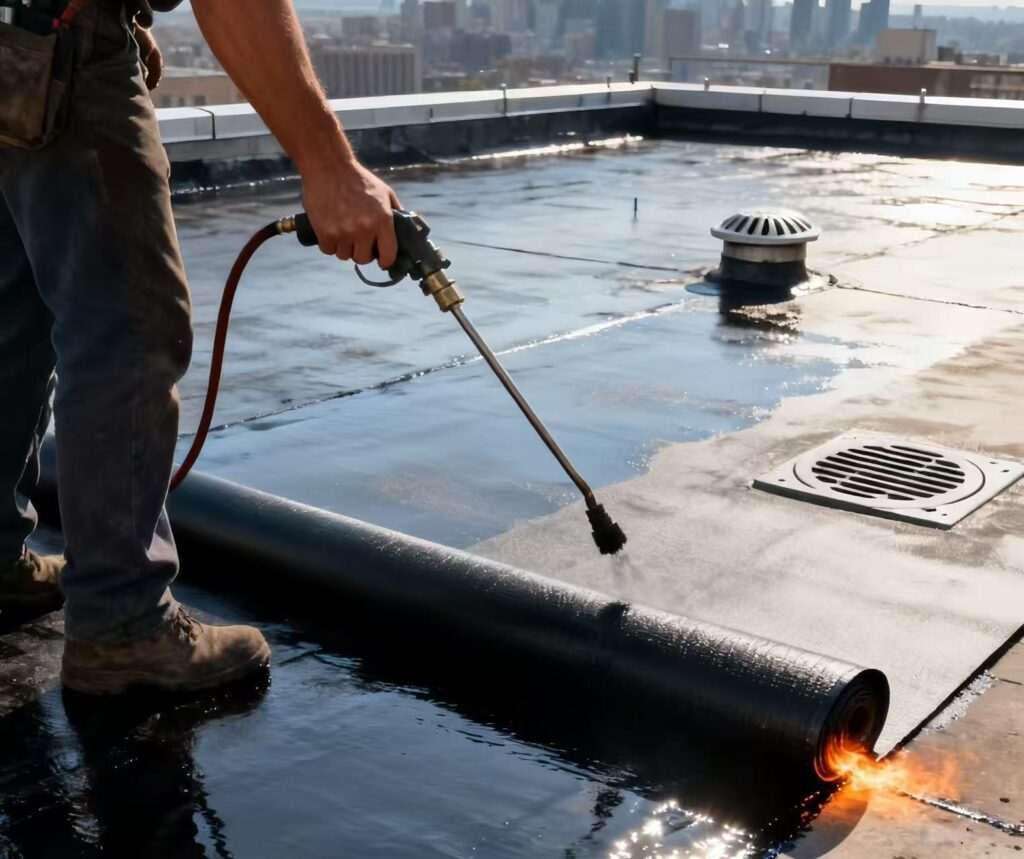
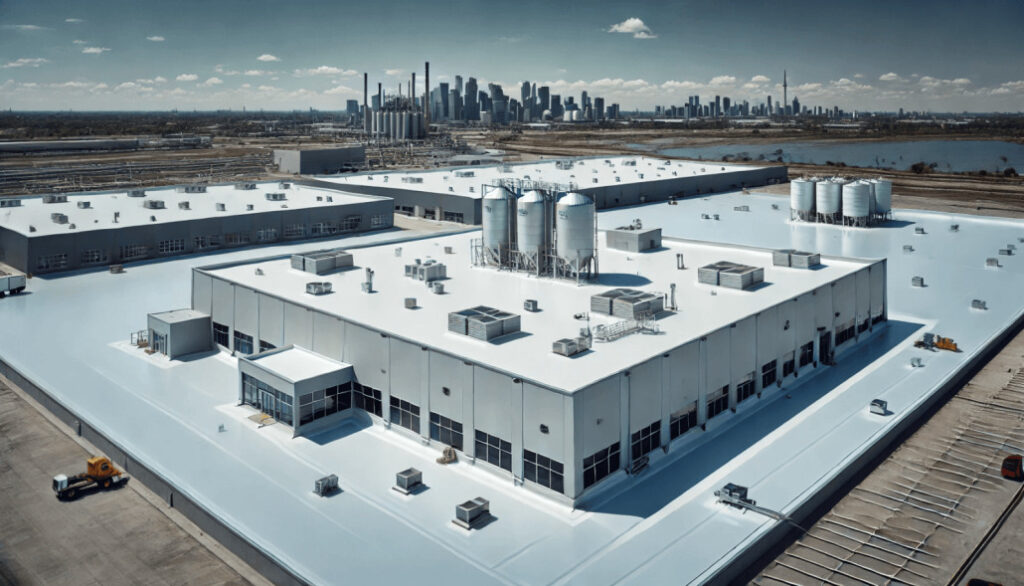
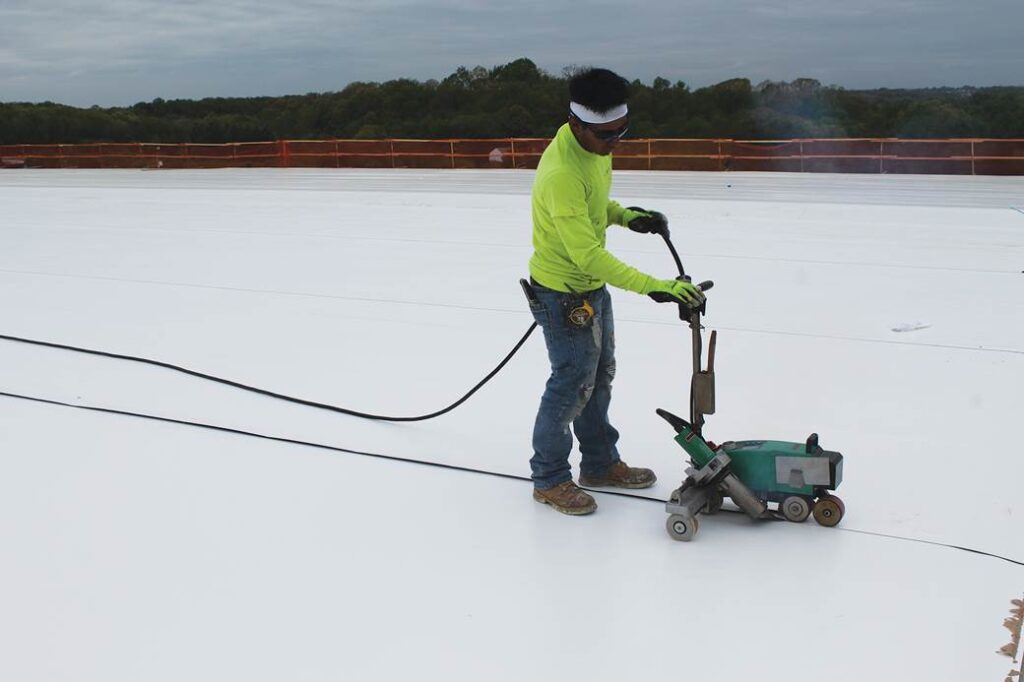
Roof flashing, roof joints, parapet walls and other vulnerable areas should also be checked for gaps or deterioration. For suitable roof surfaces, a roof waterproofing coating can provide an additional protective layer against rainwater. Proper roof slope and drainage should also be considered to minimise water ponding and reduce the risk of recurring leaks.
DIY vs Professional Waterproofing
Some minor waterproofing maintenance can be handled as a DIY project, but more complex or recurring leaks are better assessed by a professional. Waterproofing performance depends on proper surface preparation, product selection, application and drainage. A small mistake can allow water to continue penetrating behind the waterproofing layer.
Common waterproofing mistakes include:
• Poor surface preparation
• Applying the wrong waterproofing product
• Incorrect coating thickness or application
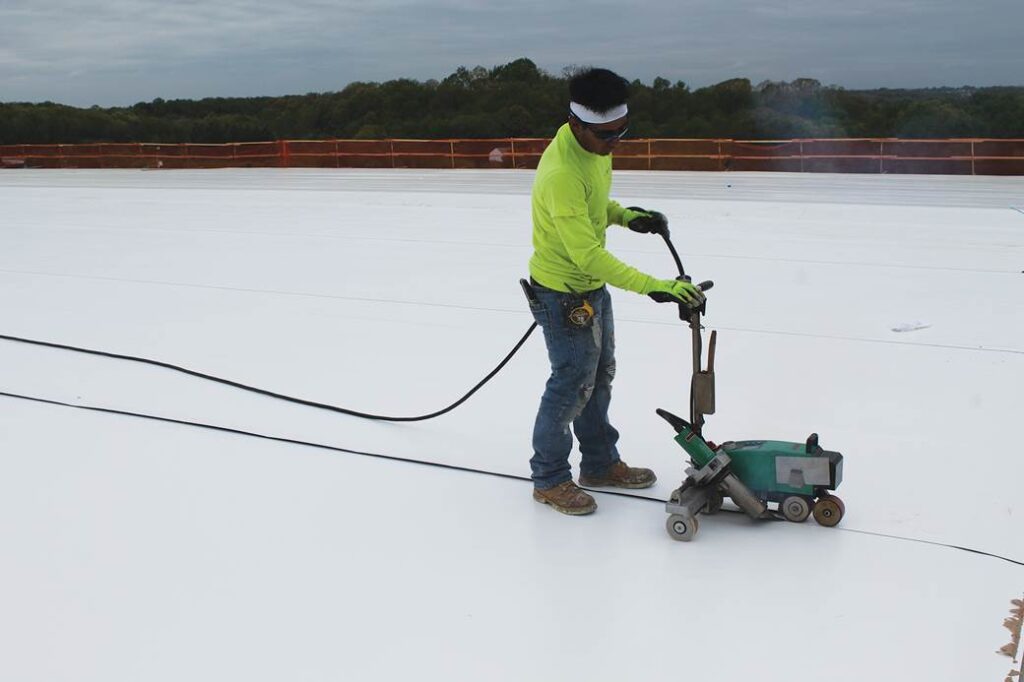
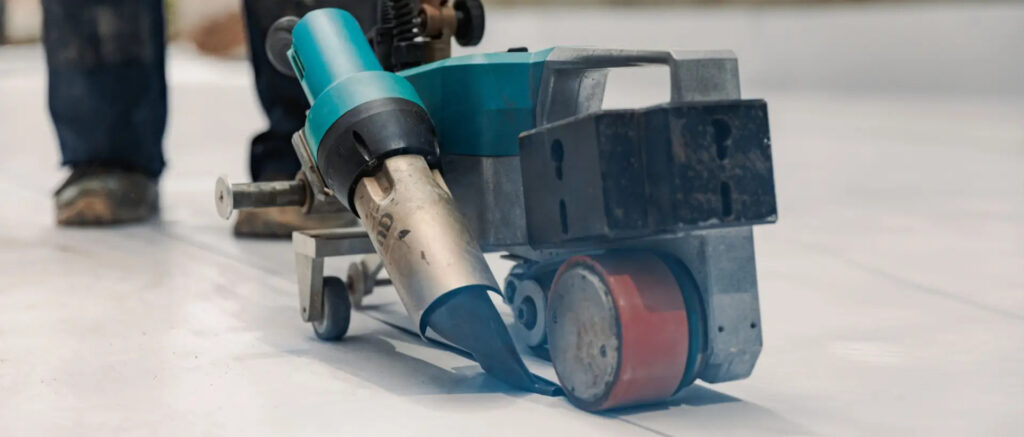
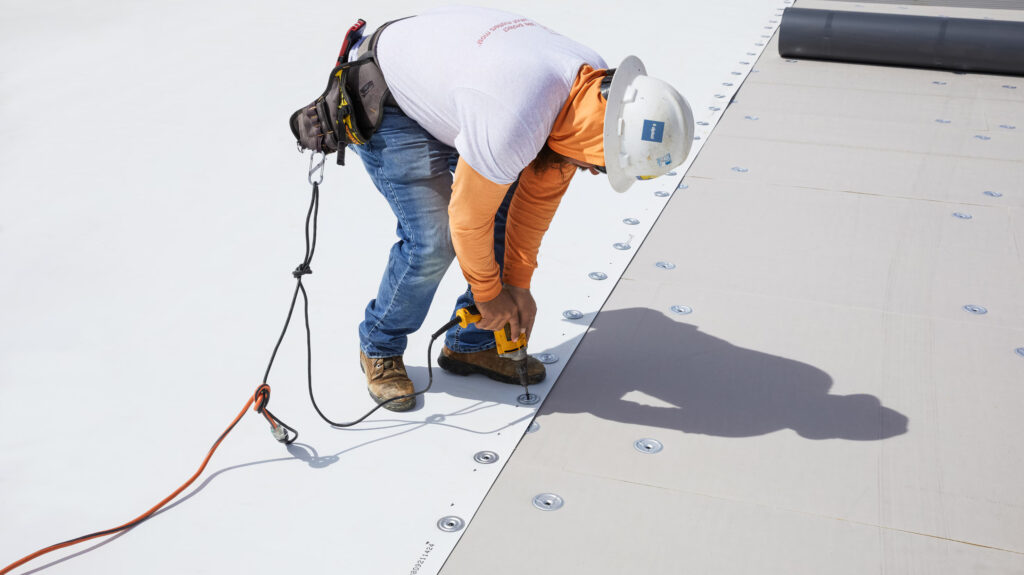
• Improper membrane installation
Hiring a professional can help ensure the waterproofing system is properly assessed, prepared and applied, especially for critical areas such as basements, foundations and exterior walls. They can also identify the source of water penetration and recommend a suitable waterproofing solution based on the condition of the building.
Long-Term Maintenance & Prevention
Regular inspection and maintenance can help extend the effectiveness of your waterproofing system and identify problems before they become more serious. Check exterior walls, roofs, gutters and drainage areas regularly, especially after heavy rain or storms. Look for new cracks, peeling coatings, damaged sealants, water stains or areas where water is pooling.
Keeping gutters and downpipes clear is also important to ensure rainwater flows away from the building properly. Where necessary, inspect and maintain waterproofing coatings, membranes and sealants to help protect your home from moisture penetration over the long term.
Conclusion
Effective waterproofing starts with identifying the source of water penetration, preparing the surface properly and choosing the right waterproofing system. Regular maintenance is equally important to keep your home protected from Malaysia's heavy rain and changing weather conditions.
Whether you need exterior wall, roof, foundation or other waterproofing solutions, choosing the right products and application method can help prevent recurring leakage and costly repairs. If you are unsure which waterproofing solution is suitable for your home, speak to the QingLong Waterproofing Malaysia team for professional advice tailored to your property's needs.
Frequently Asked Questions (FAQs)
1. How to Waterproof the Exterior of a House?
To waterproof the exterior of a house, first identify the source of water penetration and repair any cracks, damaged surfaces or open joints. Then apply a suitable exterior waterproofing coating, sealant or membrane to the properly prepared surface.
2. What Is the Best Waterproofing for Outside?
The best waterproofing solution depends on the surface, location and severity of the water problem. For exterior walls, liquid-applied waterproof coatings or transparent waterproof coatings can be suitable options.
3. What Is the Cheapest Way to Waterproof Walls?
For minor exterior wall problems, a suitable waterproof coating or sealant can be a cost-effective option. However, the wall must be properly cleaned and prepared first. Applying waterproofing over cracks, loose paint or damaged surfaces may only provide a temporary result.
4. What Is the Cheapest Method of Waterproofing?
The most affordable waterproofing method depends on the type and severity of the problem. Simple DIY applications of suitable waterproof coatings or sealants may cost less for minor repairs, but professional waterproofing may be more cost-effective for recurring or serious leaks by reducing the risk of repeated repairs.