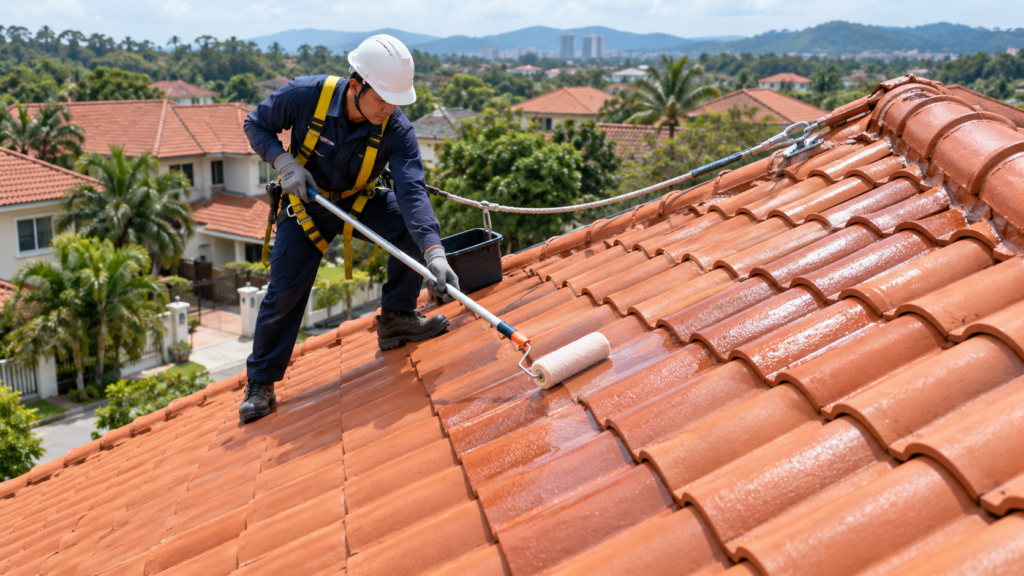
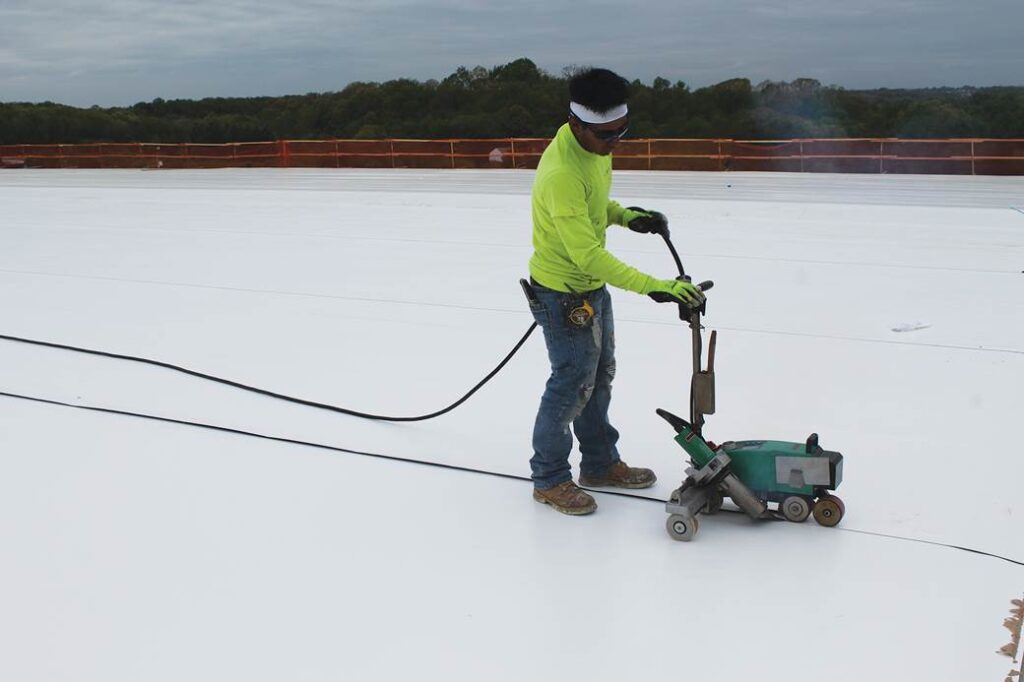
A waterproofing product may look simple when it arrives in a bucket, bag or roll. However, its final performance depends on several controlled stages before it reaches the construction site.
Raw-material quality, formulation accuracy, production conditions, testing, packaging, storage and transportation can all affect adhesion, flexibility, curing and water resistance. In this article, we explain how professional waterproofing manufacturers control product quality from raw-material selection to final delivery.
Quality Control Begins With Raw Materials
Different waterproofing products require different materials. These may include polymers, cement, bitumen, reinforcement carriers, fillers, additives and protective surface materials.
Before production, a waterproofing manufacturer should confirm that incoming materials meet the required specifications. Depending on the material, the inspection may examine its appearance, moisture level, viscosity, consistency or other relevant properties.
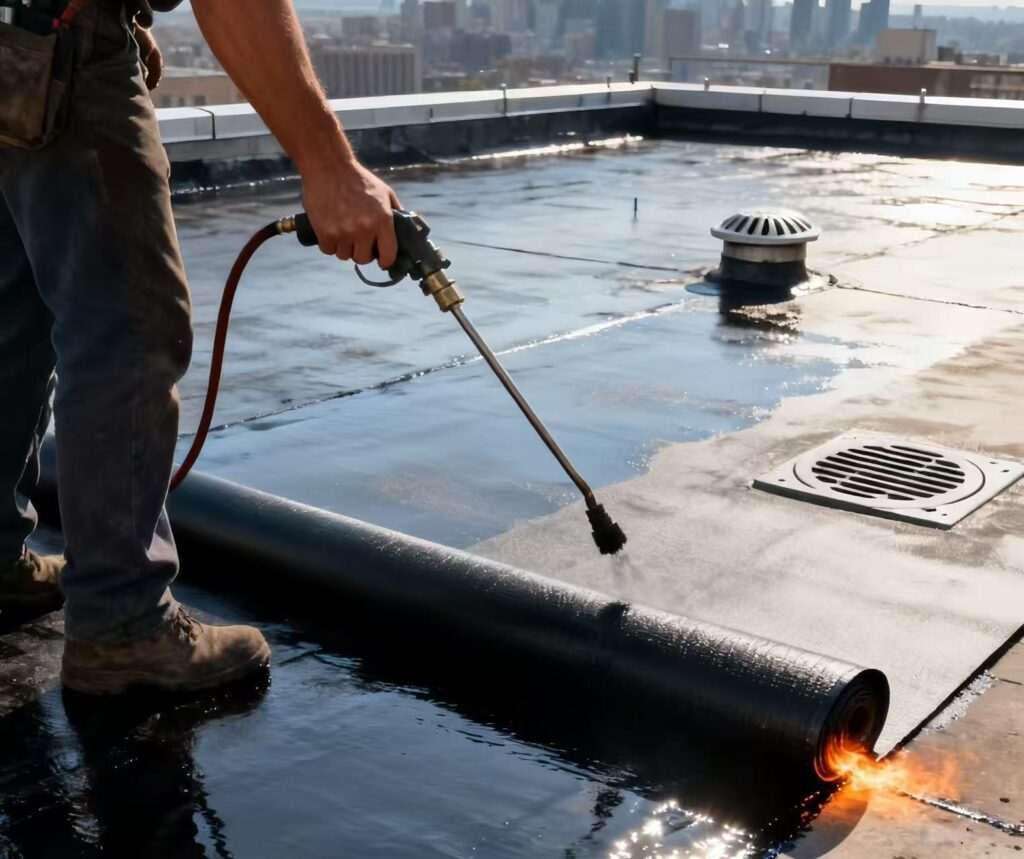
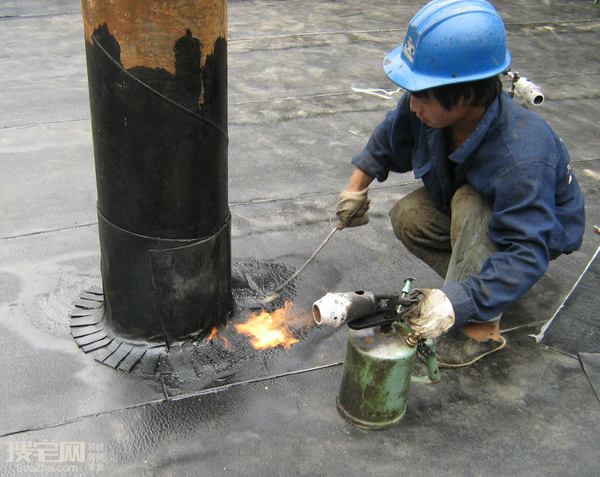
This is important because a variation in one component can affect the finished product. Changes in a polymer may influence the adhesion and flexibility of a liquid waterproofing coating. For a torch-on membrane, the quality of the bitumen compound and reinforcement carrier may affect its thickness, strength and resistance to tearing.
Maintaining supplier and material records also allows the manufacturer to trace the source of a material if an unusual product condition is reported.
Accurate Formulation Creates Consistent Products
After the raw materials are approved, they must be measured and processed according to the product formulation. Waterproofing manufacturing is not simply about combining the correct ingredients. The quantity of each component, mixing sequence, processing temperature and production time may all affect the final result.
Liquid waterproofing coatings require proper mixing to achieve an even consistency. Cementitious waterproofing materials need accurate proportions of cement, polymers, fillers and additives. Torch-on membranes require control over the bitumen compound, reinforcement carrier, membrane thickness and surface finish.
Batch Testing Confirms Product Quality
A professional waterproofing manufacturer should not rely on the formulation alone. Samples from a production batch may be inspected or tested before the products are approved for packaging.
The type of testing depends on the waterproofing material. A liquid coating may be checked for appearance, viscosity, density, solid content, drying behaviour and adhesion. A waterproofing membrane may be examined for thickness, weight, tensile strength, elongation and dimensional consistency.
Not every test is suitable for every product. A cementitious waterproofing slurry has different requirements from an exposed roof coating, sealant or torch-on membrane.
Buyers should therefore avoid comparing products based on only one specification. Waterproofing quality should be considered together with the intended application, recommended thickness, suitable substrate and expected site conditions.
Product Development Considers Actual Conditions
Batch testing checks whether production is consistent, while product development evaluates how a material performs under particular conditions. Depending on the product, manufacturers may study adhesion, flexibility, water resistance, temperature changes, UV exposure and compatibility with common construction surfaces.
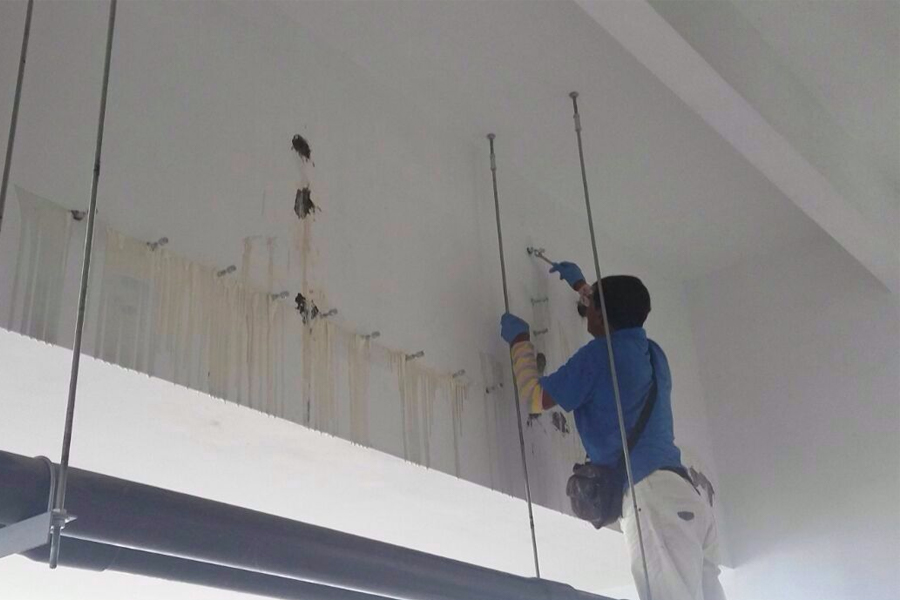
These factors are especially important in Malaysia, where buildings face heavy rainfall, strong sunlight, high humidity and repeated temperature changes. A material designed for an internal bathroom should not automatically be applied to an exposed roof. Similarly, a rigid waterproofing product may not be suitable for a joint that experiences regular movement.
Packaging and Storage Protect the Product
Once a production batch meets the required specifications, the waterproofing material must be packaged properly. Packaging protects it against contamination, moisture, leakage and physical damage.
Cement-based materials must remain dry, while liquid coatings require securely sealed containers. Waterproofing membranes should be wrapped and handled carefully to prevent punctures or deformation.
Product labels should clearly show the product name, batch number, net weight, manufacturing information, shelf life and storage requirements. Batch information is particularly important because it allows the manufacturer to refer to the relevant production records if a quality issue arises.
Storage conditions also affect product quality. Liquid coatings may be damaged by excessive heat or contaminated containers. Cement-based products may harden after contact with moisture, while membrane rolls can become deformed when stacked incorrectly.
Final Inspection Before Delivery
Before delivery, the warehouse team should confirm that the products and quantities match the customer’s order. The labels, batch information, packaging condition and loading arrangements should also be checked.
Waterproofing materials must be loaded carefully to prevent crushed containers, leaking buckets, punctured packaging or damaged membrane edges.
Contractors should inspect the shipment when it arrives at the project site. Missing labels, damaged packaging or unusual product conditions should be reported before application begins.
QingLong's Waterproofing Manufacturer
Since 1997, QingLong Waterproofing Group has been involved in the research, production, supply and application of construction waterproofing materials. QingLong Malaysia operates a local production base in SILC Industrial Area, Iskandar Puteri, Johor. The company supports residential, commercial, industrial and infrastructure projects through waterproofing material supply, system recommendations and technical assistance.
QingLong is more than a waterproofing material supplier. Its experience in manufacturing and site application helps the team recommend materials according to the substrate, moisture, weather exposure, movement, drainage and intended use of each area.
Frequently Asked Questions (FAQs)
1. Is product certification enough to confirm quality?
Certification and test reports provide useful supporting evidence, but buyers should also review the product specifications, suitable applications, limitations and application instructions.
2. Can waterproofing materials be damaged during delivery?
Yes. Moisture exposure, excessive heat, damaged packaging or improper loading can affect certain products. Materials should always be inspected before application.
3. How should contractors inspect waterproofing materials after delivery?
Contractors should check the product name, batch number, packaging condition, shelf life and quantity before application. Materials that appear damaged, contaminated, hardened or different from their normal condition should not be used until the manufacturer has been consulted.
4. Does proper manufacturing guarantee that waterproofing will not fail?
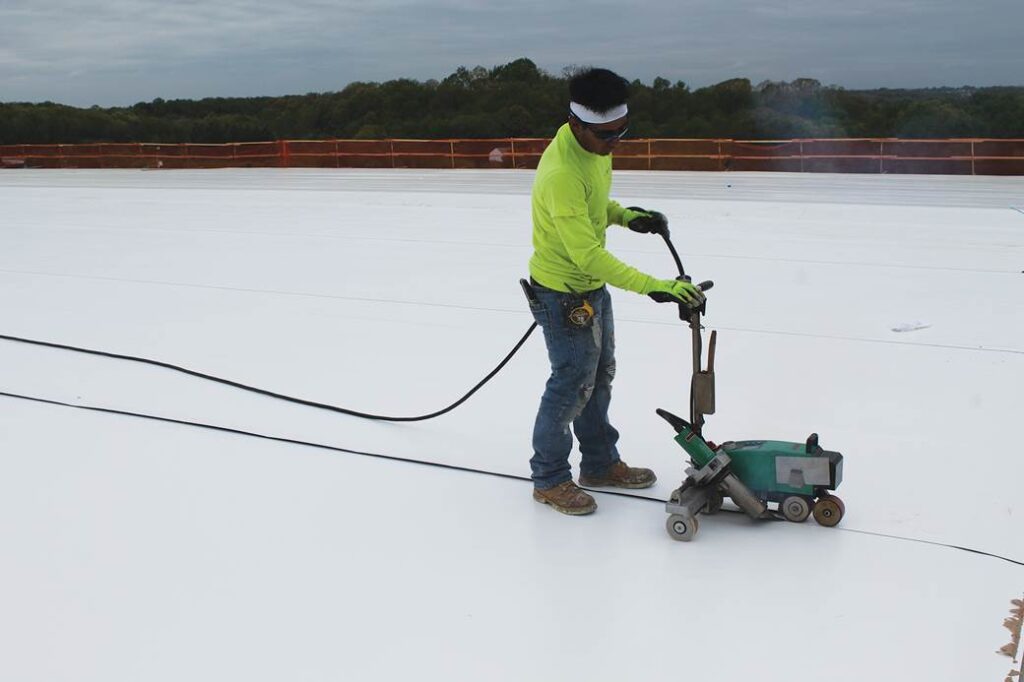
No. Manufacturing quality is only one part of the waterproofing system. Performance also depends on correct product selection, substrate condition, surface preparation, application thickness, workmanship, drainage and weather conditions during installation.