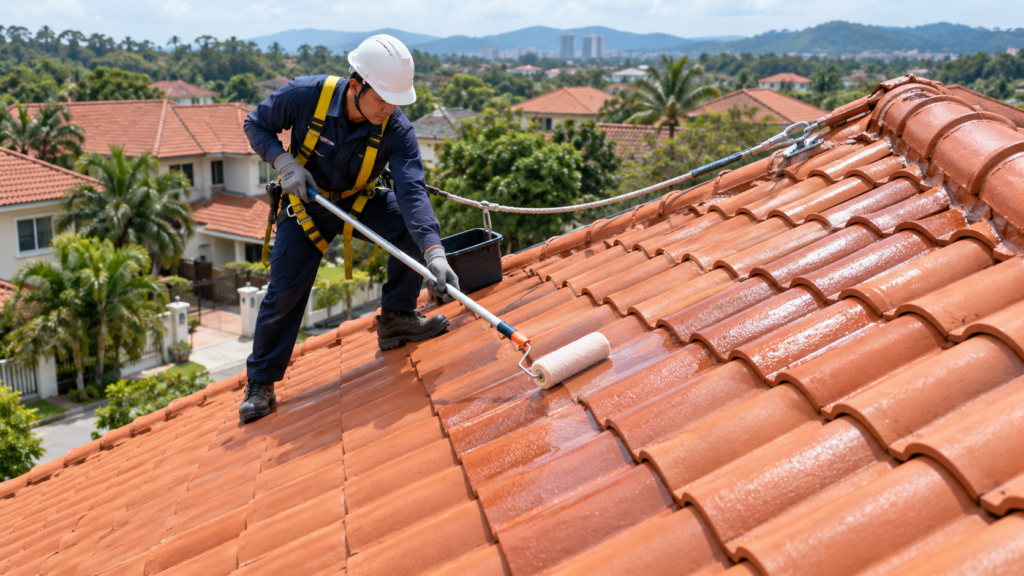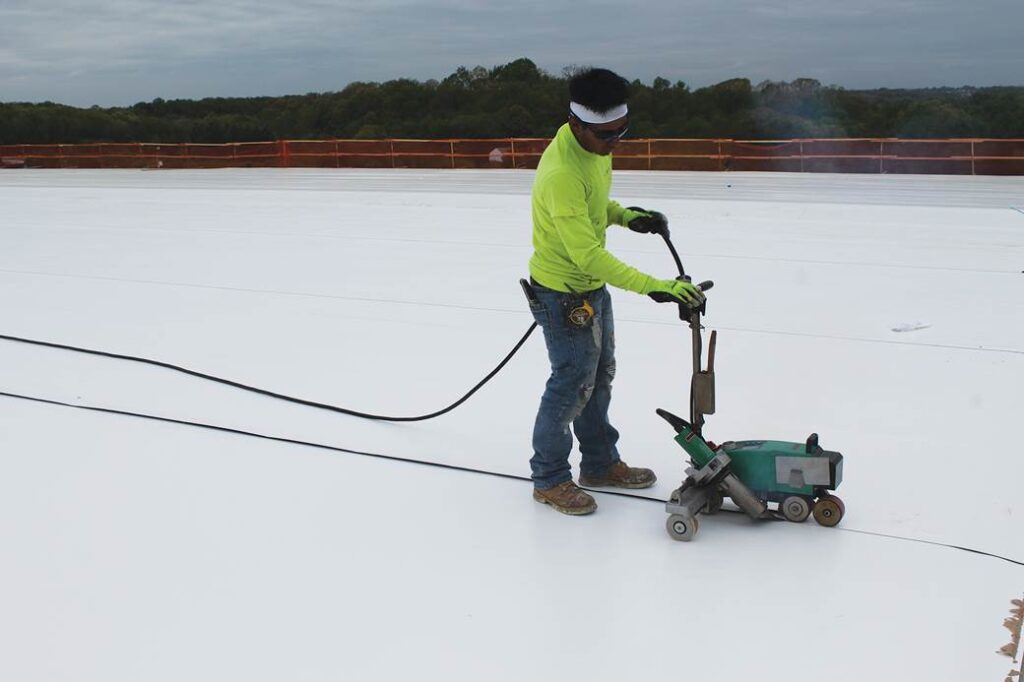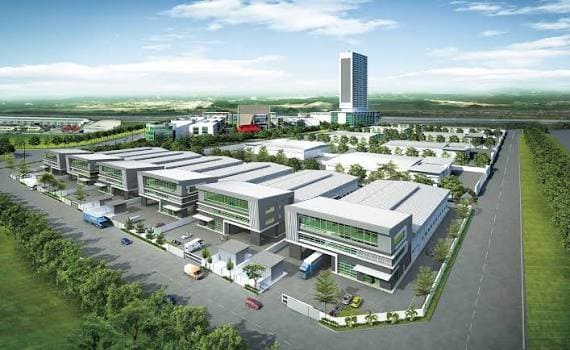
Industrial buildings such as factories, warehouses, and manufacturing plants rely on effective waterproofing to protect operations, equipment, and inventory. In Malaysia’s hot, humid climate and heavy rainfall, roofs, walls, gutters, and concrete structures are constantly exposed to weather that can lead to leaks and costly damage.
Many factory leaks are only discovered after water enters the building, but the actual source is often hidden. Proper factory waterproofing starts with a professional inspection, accurate leak diagnosis, and a waterproofing system that matches the building’s condition.
This guide covers common factory waterproofing problems in Malaysia, suitable waterproofing solutions for industrial buildings, and maintenance practices that help prevent leaks and extend building lifespan.
Why Factory Waterproofing Matters
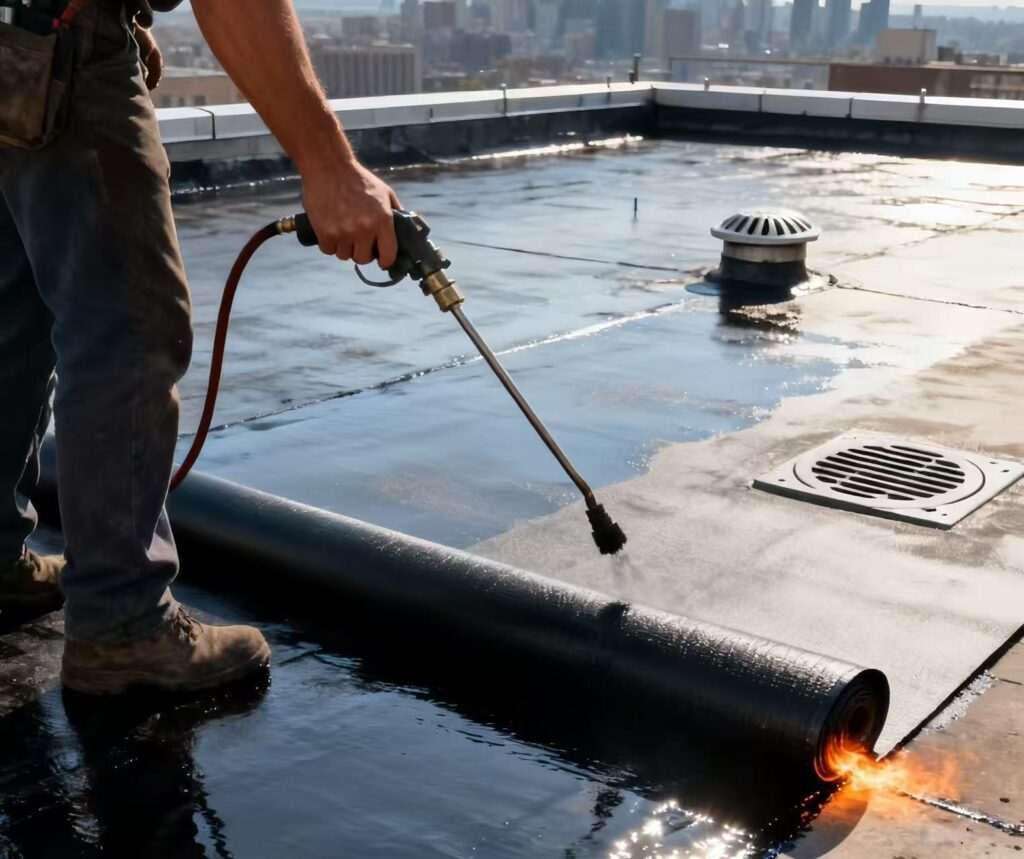
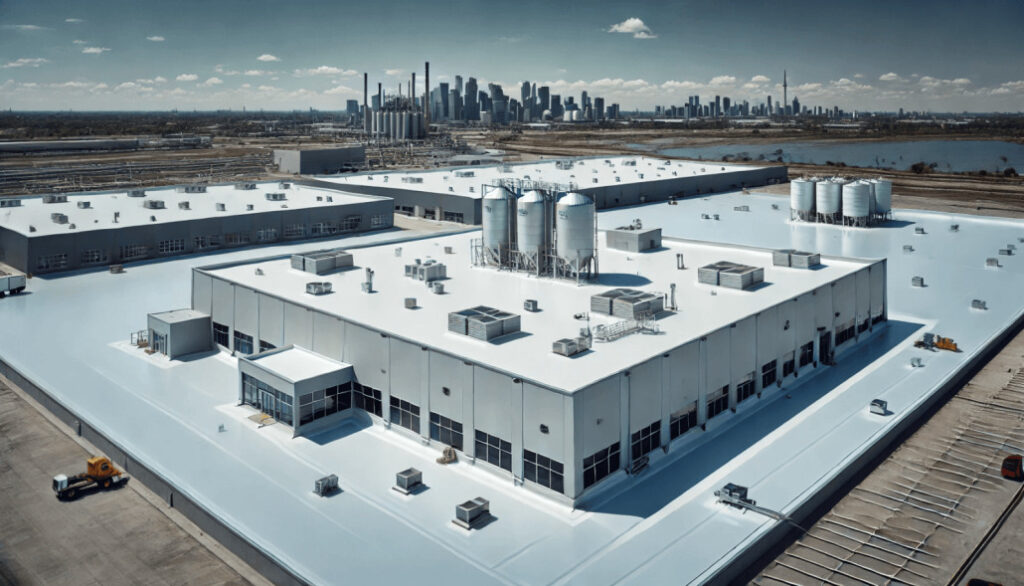
Factory waterproofing protects more than just the building—it safeguards production, equipment, inventory, and business operations. Industrial facilities have large roofs, expansion joints, gutters, skylights, and roof penetrations that are all vulnerable to water leakage if not properly waterproofed.
Malaysia’s hot, humid climate, heavy rainfall, and constant thermal movement accelerate wear on roofs and waterproofing systems, increasing the risk of leaks over time.
A well-designed waterproofing system helps prevent costly downtime, reduce maintenance expenses, protect valuable assets, and extend the lifespan of industrial buildings.
Common Factory Roof and Building Leakage Problems
1. Metal Roof Leakage
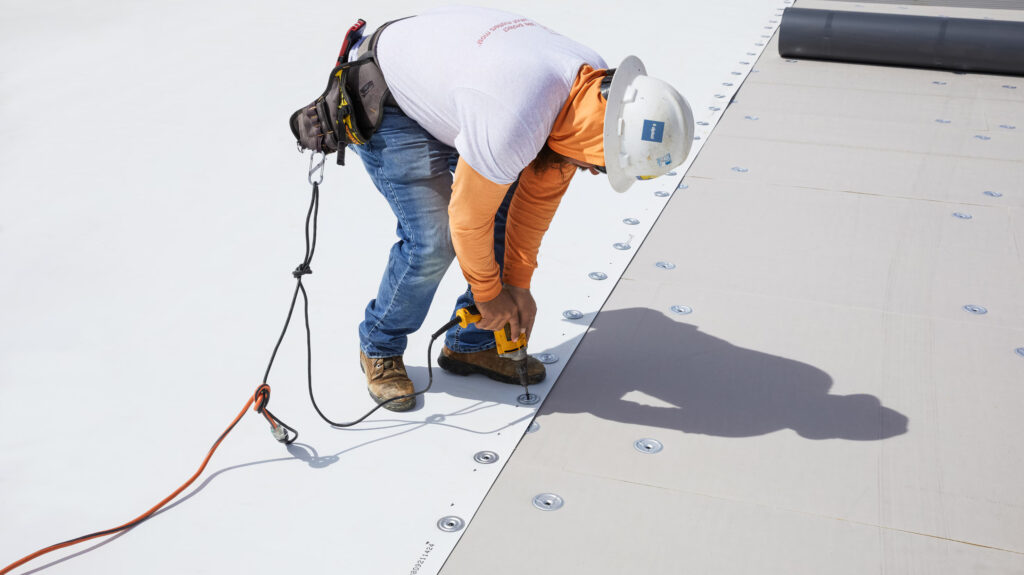
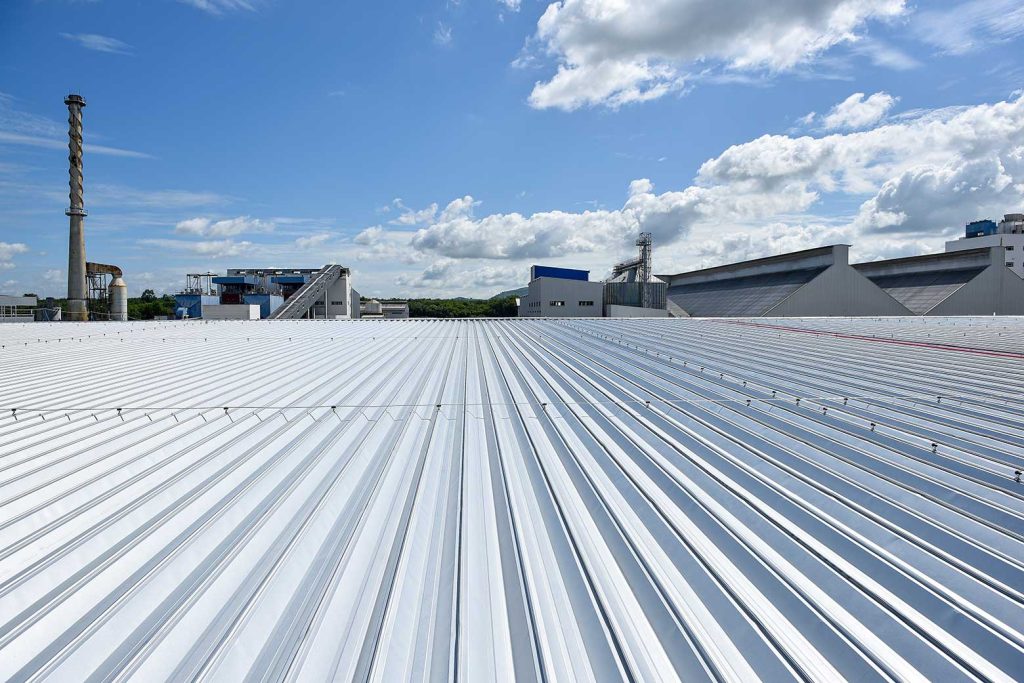
Metal roofs are durable and widely used for factories, but constant heat, rain, and thermal movement can cause fasteners to loosen, sealants to crack, and roof joints to open over time, leading to water leaks.
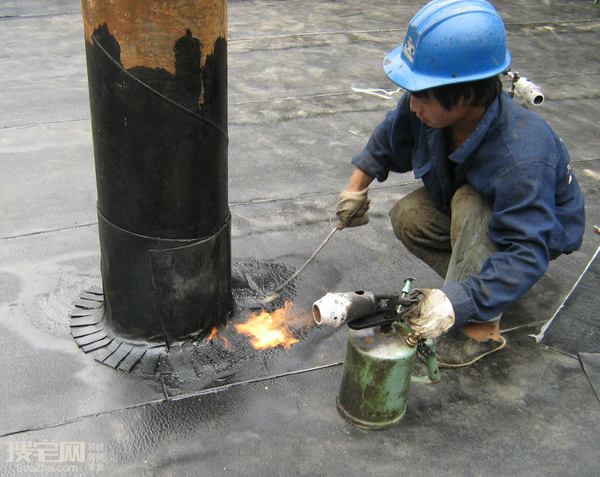
Common leakage areas include roof screws, rubber washers, lap joints, flashing, skylights, pipe penetrations, gutters, and corroded metal sheets. Since water can travel beneath the roof sheets, repairing only the visible leak often fails to solve the actual problem. A complete inspection and proper waterproofing system are essential for long-term protection.
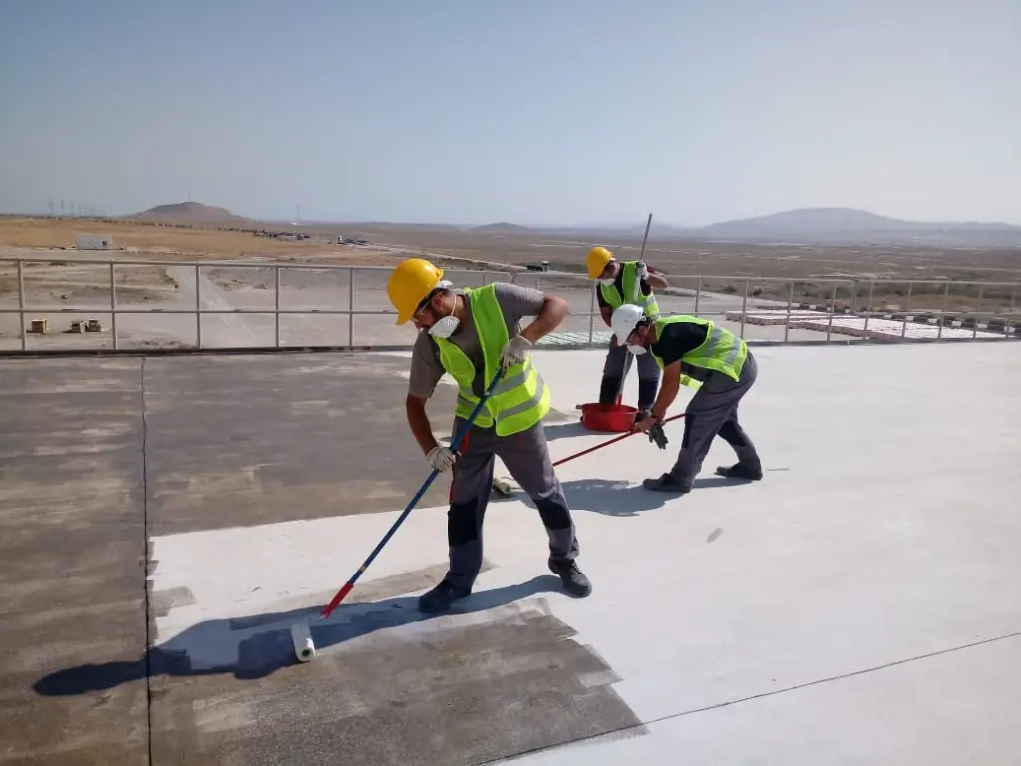
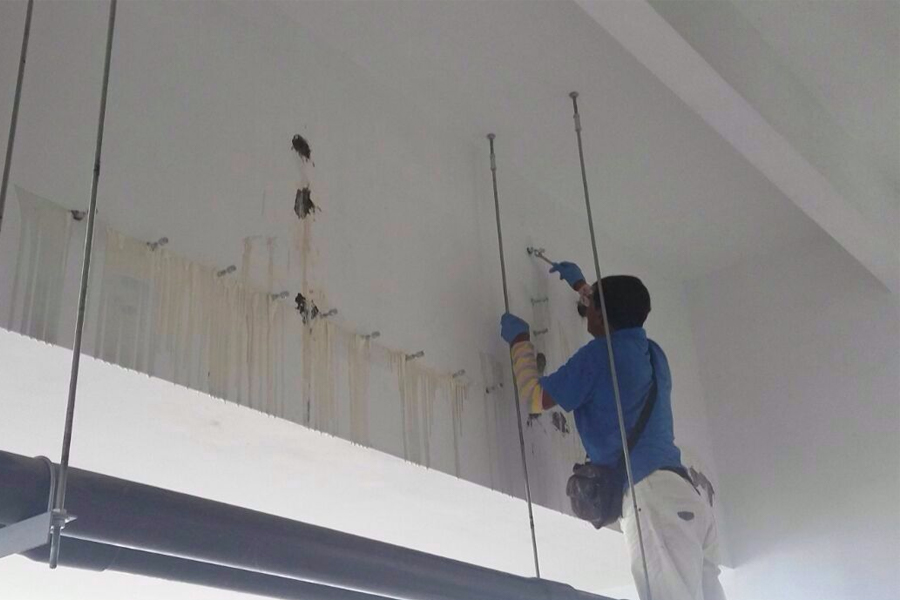
Factories with reinforced concrete roofs may experience gradual water seepage rather than sudden leakage. Concrete naturally develops shrinkage cracks over time, while aging waterproofing membranes slowly lose flexibility and adhesion.
Standing water caused by inadequate roof slopes further accelerates deterioration by increasing water pressure on the waterproofing layer. Eventually, moisture penetrates into the concrete slab, causing damp ceilings, peeling paint, efflorescence, and corrosion of embedded reinforcement bars.
If left untreated, concrete deterioration may eventually affect structural durability and require significantly more expensive repairs.
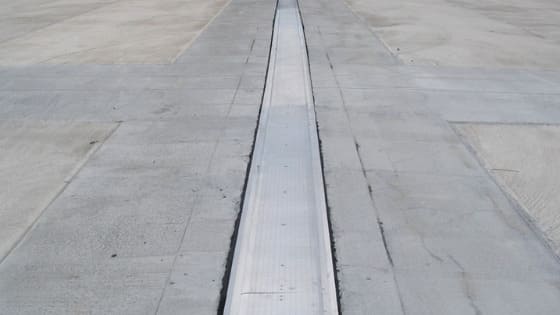
Industrial buildings are intentionally designed with expansion joints that allow the structure to move safely under changing temperatures and loading conditions.
These joints depend on flexible sealants and waterproofing systems to remain watertight. Unfortunately, continuous movement combined with UV exposure and weathering causes sealants to become brittle over time. Once cracking occurs, rainwater can easily enter through the joint and spread into adjacent structural components.
Expansion joint leakage is particularly common in older factories where maintenance has been delayed for several years.
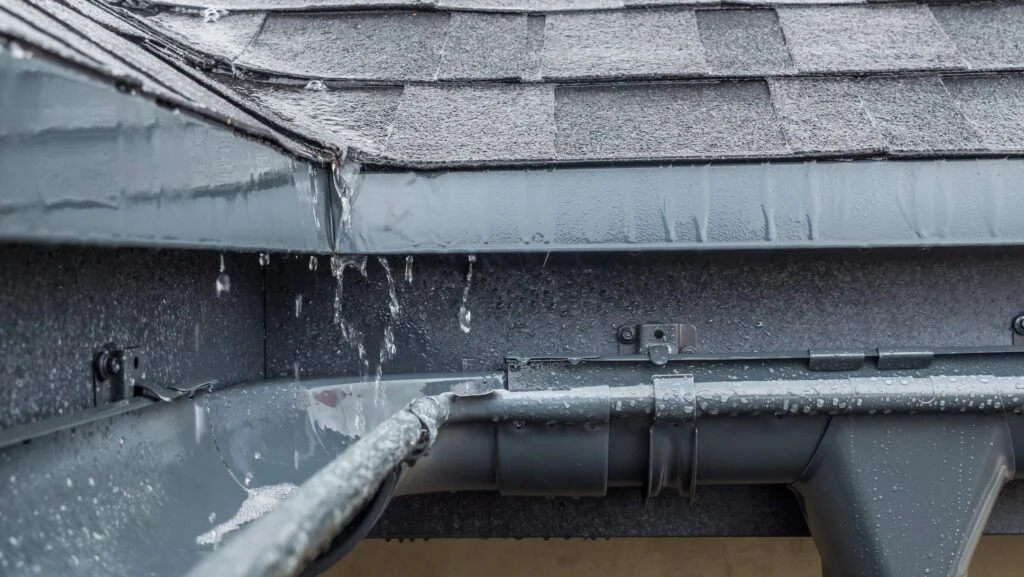
Industrial roofs collect large volumes of rainwater during Malaysia’s frequent storms, so gutters and downpipes must function efficiently. Blocked gutters, corrosion, loose joints, damaged downpipes, poor drainage design, and standing water can all lead to water overflow and roof leaks.
Regular gutter inspection and maintenance help prevent water damage, reduce costly repairs, and keep the waterproofing system performing effectively.
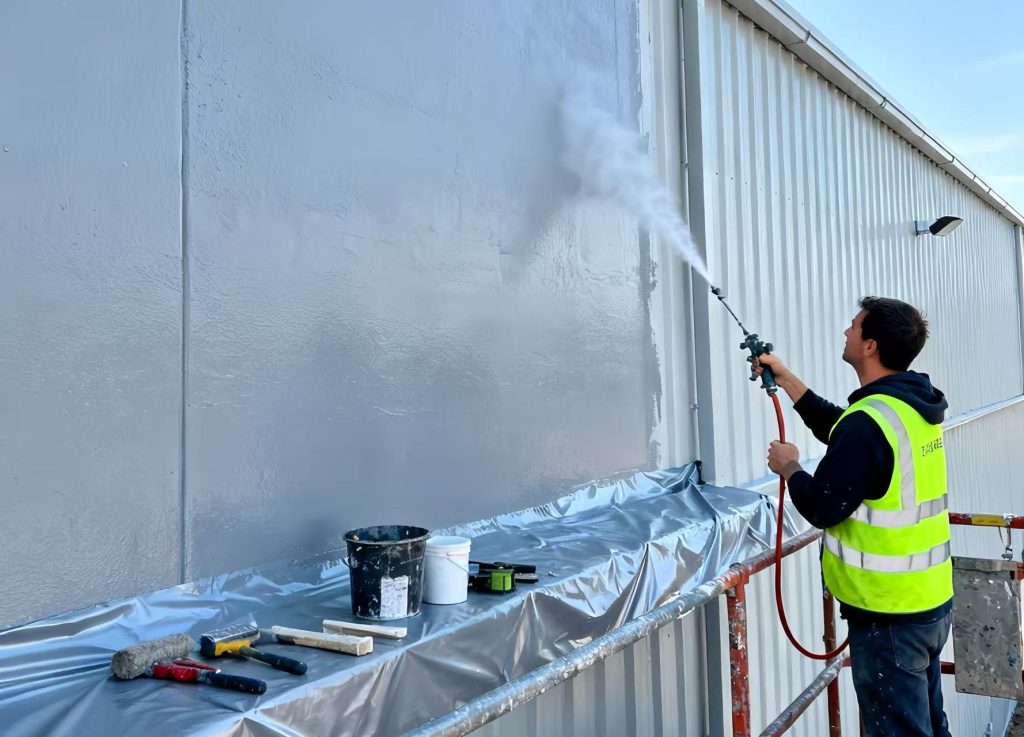
5. External Wall Leakage
Water does not always enter through the roof. Many factories experience leakage through external walls due to deteriorated sealants, wall cracks, poorly sealed windows, curtain wall joints, or service penetrations.
Wind-driven rain can force water through surprisingly small openings, particularly during heavy storms. Because wall leakage often develops gradually, it may remain unnoticed until internal paint begins peeling or mould appears inside the building.
Common Causes of Factory Waterproofing Failure
Many recurring leaks are not caused by poor-quality waterproofing products. Instead, they usually result from improper diagnosis or installation.
The most common causes include:
• Incorrect waterproofing system selection
• Poor surface preparation
• Existing rust left untreated
• Inadequate waterproofing thickness
• Failure to reinforce joints and detailing
• Improper drainage design
• Delayed maintenance
• Repairs that only treat visible leaks
Effective waterproofing begins by identifying the actual source of water ingress before selecting the appropriate repair system.
Preventive Maintenance Strategy for Factory Waterproofing
Many industrial leaks can be prevented through scheduled inspections and maintenance instead of waiting for water damage to appear.
An effective maintenance programme should include:
1. Regular Roof Inspections
Inspect roofs at least once or twice a year for loose fasteners, deteriorated sealants, damaged coatings, and signs of corrosion.
2. Clean Gutters and Drainage
Remove leaves, debris, and sediment regularly to ensure efficient rainwater discharge.
3. Repair Minor Defects Early
Small cracks, loose joints, or damaged sealants should be repaired promptly before they develop into larger waterproofing failures.
4. Monitor Roof Movement
Check expansion joints, flashing, and penetrations for signs of movement-related deterioration.
5. Conduct Professional Waterproofing Assessments
Periodic inspections by experienced waterproofing specialists help identify hidden issues before they become costly repairs.
Preventive maintenance is generally far more cost-effective than emergency leak repairs or production downtime.

Why Choose QingLong Waterproofing?
With more than 30 years of waterproofing expertise, QingLong Waterproofing is a trusted waterproofing manufacturer, supplier, and solutions provider in Malaysia. We provide factory-direct waterproofing materials and complete waterproofing solutions for residential, commercial, industrial, and infrastructure projects nationwide.
Our experienced team evaluates the root cause of water leakage before recommending the most suitable waterproofing system, helping businesses avoid unnecessary repairs and maximise long-term performance.
We provide:
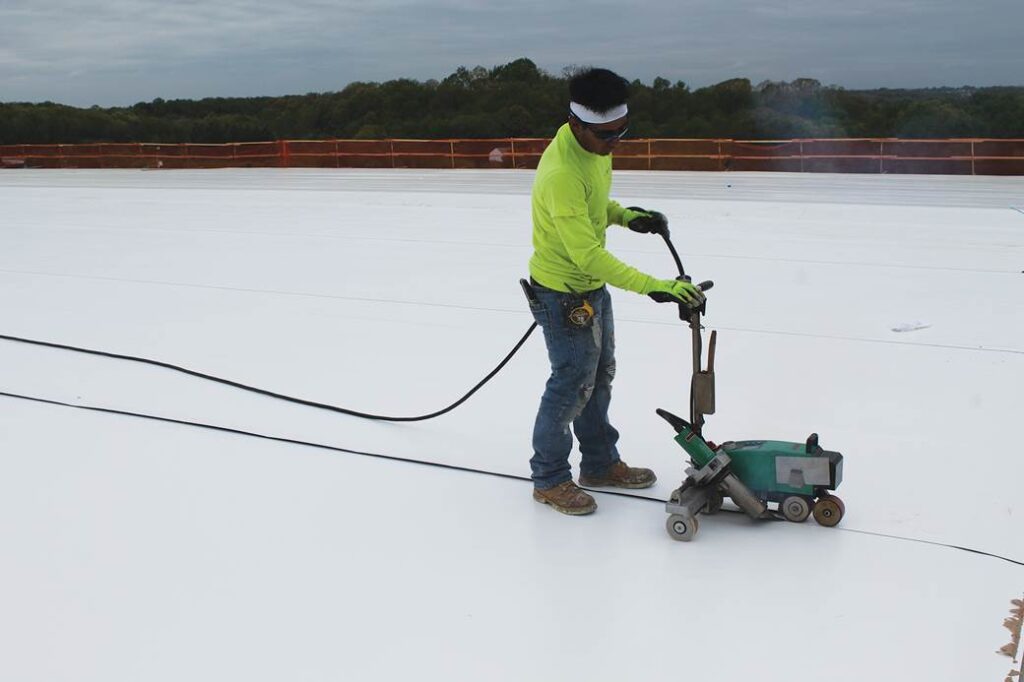
Factory roof waterproofing solutions
Metal roof waterproofing systems
Expansion joint waterproofing
Waterproofing inspection
Whether you operate a manufacturing plant, warehouse, logistics hub, or industrial facility, QingLong Waterproofing delivers reliable waterproofing systems designed to withstand Malaysia’s demanding climate while protecting your operations for years to come.
Frequently Asked Questions (FAQs)
1. What is the best waterproofing system for factory roofs?
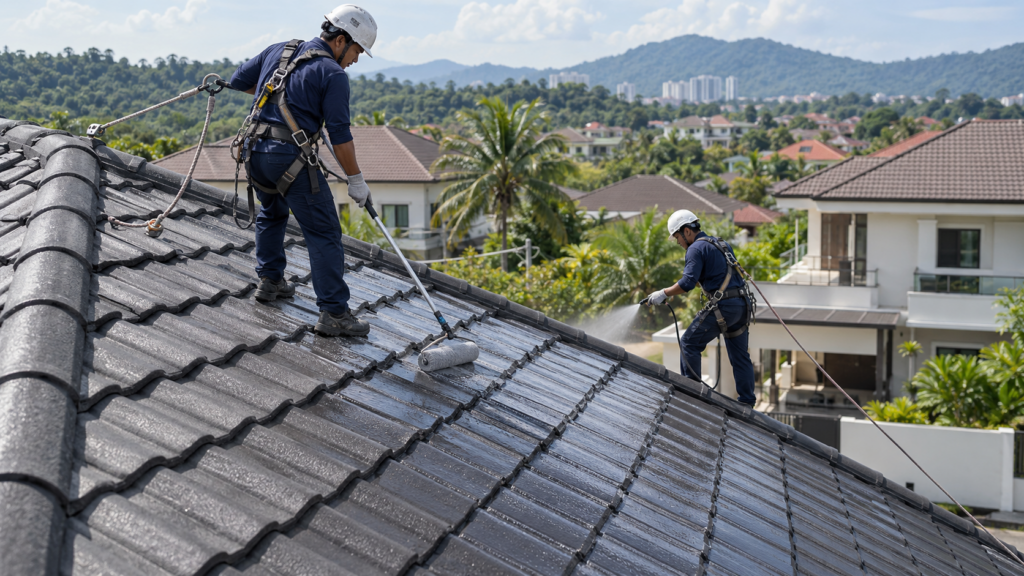
The best system depends on the roof type, substrate condition, and leak source. Metal roofs often require flexible elastomeric coatings, while concrete roofs may require polyurethane, acrylic, or cementitious waterproofing systems.
2. How often should factory roofs be inspected?
Industrial roofs should be professionally inspected at least once or twice a year, especially before and after the monsoon season.
3. Can waterproofing be applied without replacing the entire roof?
Yes. Many waterproofing systems can restore protection over existing roofs after proper inspection, cleaning, and surface preparation, avoiding the cost of full roof replacement.
4. Why do factory roof leaks keep returning?
Recurring leaks usually occur because only the visible leak is repaired. Without identifying the true source of water ingress and treating the surrounding waterproofing defects, leakage is likely to reappear.
5. Does waterproofing reduce maintenance costs?
Yes. Preventive waterproofing helps minimise emergency repairs, protects equipment and inventory, extends roof lifespan, and reduces overall building maintenance costs.