Bathroom leakage can be frustrating because the place where water appears is not always where the problem started. A ceiling stain below the bathroom, damp wall, peeling paint or recurring moisture may come from failed waterproofing beneath the tiles, weak floor-wall joints, floor trap areas, pipe penetrations or even concealed plumbing.
This is why repeatedly applying sealant or regrouting the tiles may not solve the problem. For homeowners in Johor Bahru, proper bathroom waterproofing starts with identifying the source of the leakage before deciding how to repair it.
In this article, we explain why bathroom waterproofing fails, how a proper waterproofing system works, what an up to 10-year warranty depends on, and what to check before arranging a bathroom waterproofing service.
Why Bathroom Waterproofing Fails in Johor Bahru Homes
Bathroom waterproofing is hidden beneath the finished surface, so problems are often only noticed after water has already travelled into the surrounding floor slab, ceiling or walls.
One common mistake is treating only what can be seen.
Cracked grout, gaps around the floor trap or deteriorated sealant may allow water to enter, but they are not always the main cause. If the waterproofing layer beneath the tiles has deteriorated, detached or was poorly applied during construction or renovation, surface repairs may provide only temporary improvement.
Common failure points include floor-wall junctions, shower areas, floor traps, pipe penetrations and areas where different building materials meet.
Poor surface preparation, inadequate waterproofing coverage, insufficient curing, damaged substrates and later renovation work can also affect the performance of the waterproofing system.
This is why the source should be checked before deciding whether the bathroom needs a minor repair, partial waterproofing or a more complete waterproofing treatment.
How Does a Proper Bathroom Waterproofing System Work?
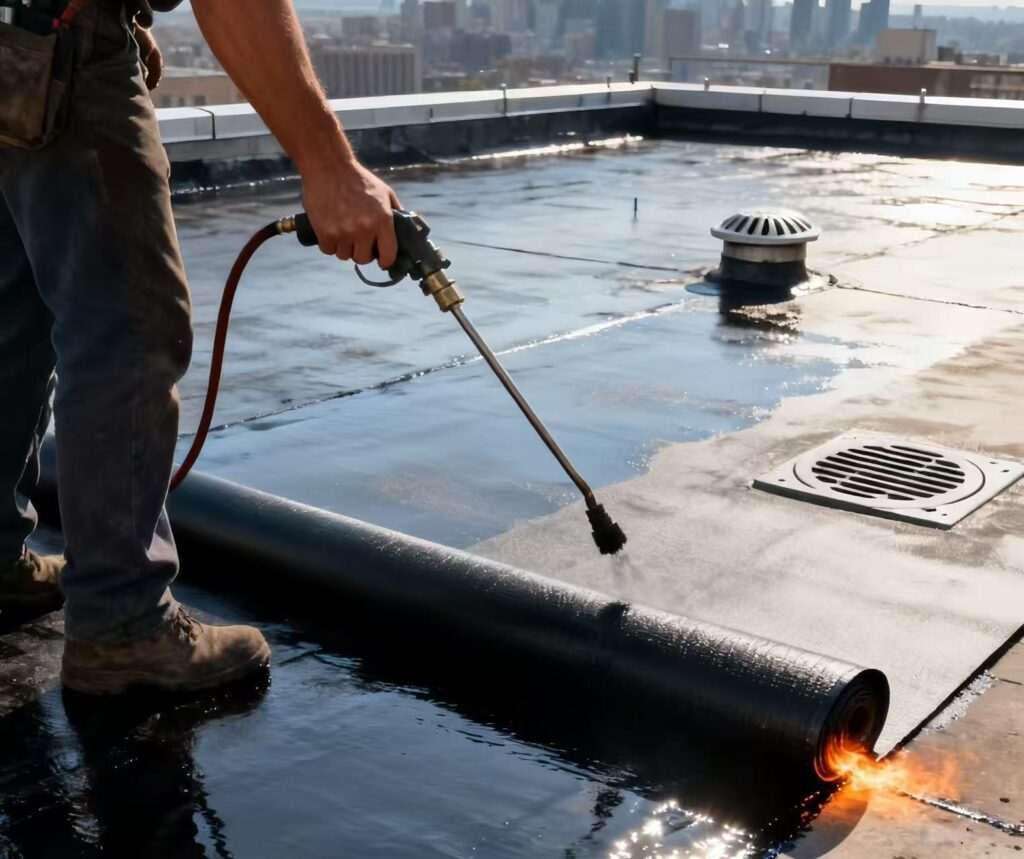
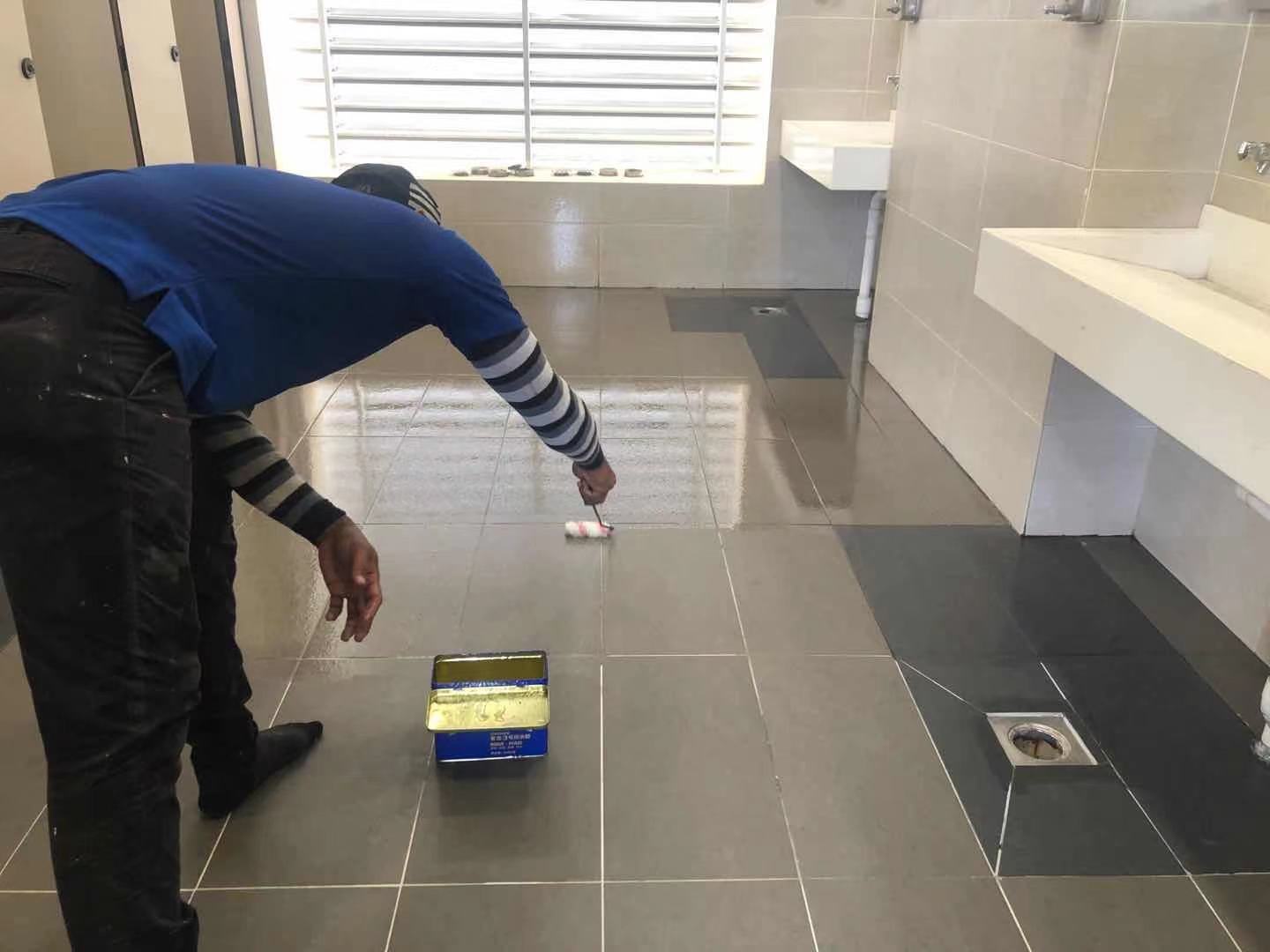
Bathroom waterproofing is more than applying a waterproof coating over the floor. The substrate should first be inspected and properly prepared. Loose screed, cracks, hollow areas and unsuitable surfaces may need to be repaired before waterproofing begins.
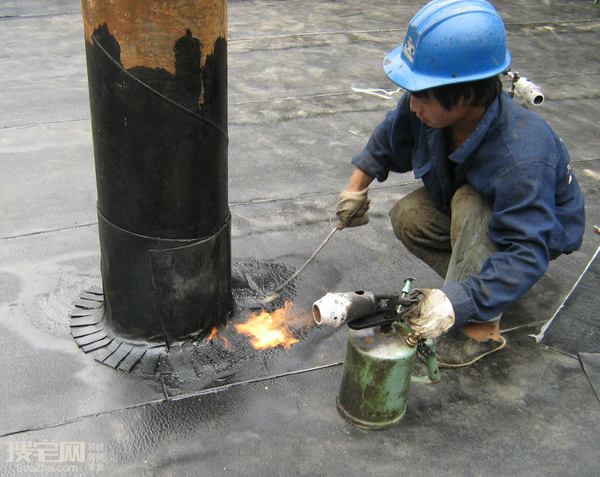
Extra attention is then required at vulnerable areas such as floor-wall junctions, corners, floor traps and pipe penetrations. Depending on the bathroom design and waterproofing specification, the system may also need to extend onto relevant wall areas, particularly around wet zones.
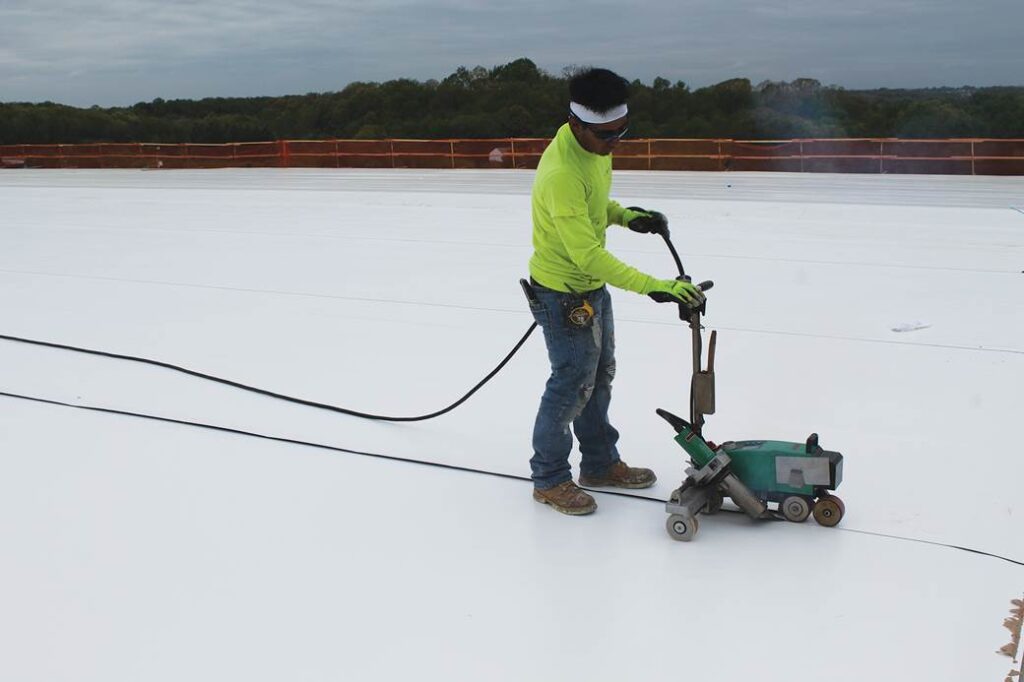
The waterproofing material must be applied according to the required coverage, thickness and curing conditions. Once completed, testing should be carried out where applicable before tiles or other finishes are reinstated.
QingLong Waterproofing combines waterproofing material manufacturing with practical site solutions. Depending on the bathroom condition, the recommended system may include cementitious waterproofing materials, interface treatment, joint reinforcement and compatible sealants. The objective is not simply to use more waterproofing material. It is to build the right system around the actual leakage condition.
What Does an Up to 10-Year Warranty Really Depend On?
An up to 10-year waterproofing warranty does not automatically apply to every bathroom repair. Warranty coverage depends on factors such as the waterproofing system used, existing substrate condition, repair scope, installation method and applicable warranty terms.
For example, a bathroom where tiles are removed and the substrate can be properly prepared may allow a more complete waterproofing system to be installed. An older bathroom with concealed pipe leakage, hollow screed, structural movement or other existing defects may require additional repair work first.
This is also why inspection should come before warranty discussion. If the actual problem comes from a concealed water pipe, drainage connection or another plumbing issue, applying waterproofing alone may not solve the leakage.
Homeowners should therefore understand what work is included, what the warranty covers and what conditions or exclusions apply before proceeding.
Do Bathroom Tiles Need to Be Removed for Waterproofing?
Not necessarily. Whether tiles need to be removed depends on where the leakage is coming from and the condition of the existing bathroom.
For minor surface-related problems, a less invasive repair may sometimes be suitable. However, if the waterproofing layer beneath the tiles has failed, the screed is hollow or damaged, or leakage has repeatedly returned after surface repairs, tile removal may be necessary to access and repair the underlying system properly.
This is why it is better to diagnose the problem before deciding to hack the bathroom. Removing tiles unnecessarily increases renovation cost and disruption. On the other hand, repeatedly applying surface treatments to a failed underlying waterproofing system may only delay the problem.
Case Study: Recurring Bathroom Leakage in a Johor Bahru Apartment
On a bathroom repair project in a Johor Bahru apartment, the owner noticed water stains on the kitchen ceiling below the master bathroom. The previous repair had involved regrouting the floor tiles, but the stain returned after several months. During inspection, the main issue was found around the floor-wall joint and floor trap area, where the original waterproofing layer had become weak.
The bathroom tiles were removed in the affected wet area, and the substrate was cleaned and repaired. QingLong applied a compatible bathroom waterproofing system with reinforced treatment at corners and pipe penetrations. After curing, the area was tested before tile reinstatement. The result was a more controlled repair, reduced risk of recurring seepage, and clearer warranty coverage based on the completed waterproofing scope.
This type of project shows why proper diagnosis matters. In Malaysia waterproofing work, especially for bathrooms, the visible leak is only the symptom. The real failure is often hidden below tiles, inside joints, or around service openings.
When Should You Arrange a Professional Bathroom Inspection?
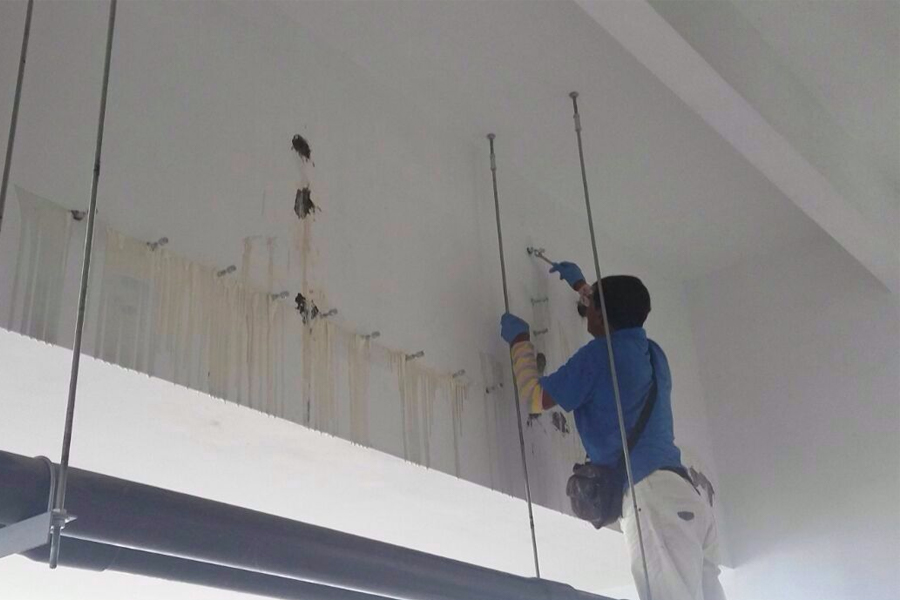
A professional inspection is recommended when leakage returns after simple repairs, when water stains spread slowly over time, or when dampness appears on walls beside the bathroom. These signs suggest that water may already be travelling through the slab or wall system.
QingLong Waterproofing, as a Waterproofing Solution Provider, can assess whether the bathroom needs full hacking, partial repair, surface waterproofing, or pipe investigation before work begins. For Johor Bahru homeowners, this helps avoid unnecessary renovation while still addressing the root cause properly.
Conclusion
Bathroom waterproofing in Johor Bahru should start with finding the source of the leakage, not simply covering the visible problem. Recurring ceiling stains, damp walls or leakage after previous repairs may indicate problems beneath the tiles, around floor-wall junctions, near floor traps or within the plumbing system.
A proper waterproofing solution considers the substrate condition, vulnerable joints, waterproofing materials, application method, curing and testing before the bathroom is put back into use.
Selected QingLong bathroom waterproofing works may come with warranty coverage of up to 10 years, subject to the waterproofing system, repair scope, site condition and applicable warranty terms.
If your bathroom is leaking or previous repairs have not solved the problem, contact QingLong Waterproofing to arrange a site inspection and determine the appropriate repair method.
Frequently Asked Questions (FAQs)
1. Why does my bathroom still leak after regrouting?
Grout is not the main waterproofing layer of a bathroom. If water is entering through failed waterproofing, floor-wall joints, floor traps, pipe penetrations or plumbing, regrouting alone may not stop the leakage.
2. How can I tell whether the problem is waterproofing or a leaking pipe?
The timing and pattern of the leakage can provide clues, but they may not be enough to confirm the source. Site inspection and appropriate testing can help determine whether water is coming from the waterproofing system, plumbing or drainage
3. Do bathroom tiles always need to be removed for waterproofing repair?
Not always. Some cases may allow surface treatment, but serious leakage, weak substrate, or failed waterproofing below tiles may require tile removal.
4. How do I know if my bathroom waterproofing has failed?
Common signs include ceiling stains below the bathroom, damp adjoining walls, peeling paint, recurring moisture or leakage that returns after regrouting or sealant repairs. An inspection may be required to confirm whether the problem comes from waterproofing or plumbing.