A damp basement wall or dripping underground car park joint can make the repair look obvious: coat the wet area and stop the leak. In practice, underground waterproofing is rarely that simple. Water may appear at one wall-floor junction while entering through a pipe sleeve, construction joint, crack, honeycomb area or failed external membrane some distance away. For Johor Bahru buildings with occupied basements, pump rooms, underground tanks or service areas, finding the true water entry point is the decision that affects every repair method after that.
The Wet Patch Shows the Exit Point, Not Always the Entry Point
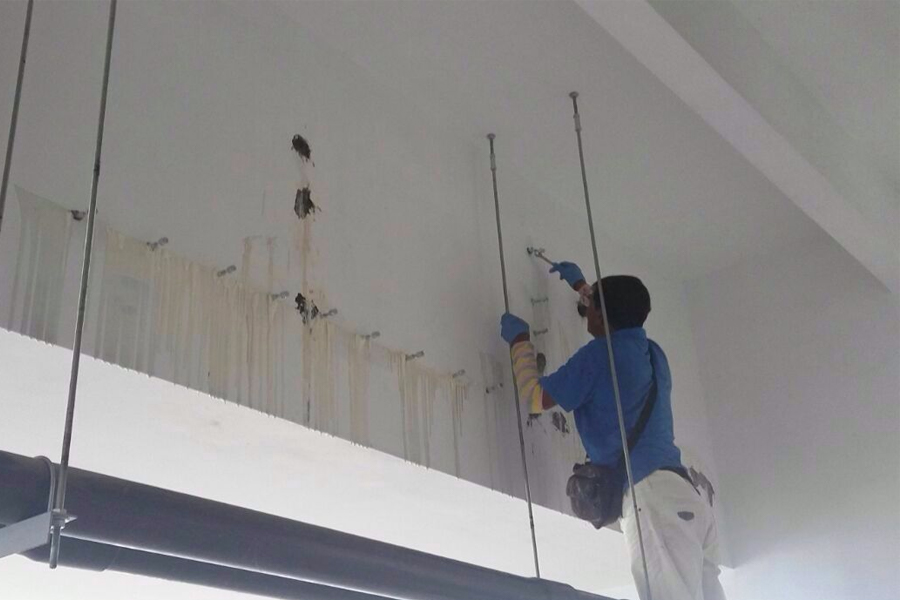
In underground structures, the visible leak is often the place where water escapes into the room, not necessarily where it first entered the structure. Water can travel along the slab interface, reinforcement path, cold joint, pipe penetration or membrane defect before showing as staining, efflorescence or dripping.
For Johor Bahru underground waterproofing, the first task is to distinguish the water exit point from the water entry point. Repairing only the visible damp patch may fail if hydrostatic pressure continues to push water through an untreated joint, crack, penetration or external defect behind the structure.
This matters because the correct repair may not be a surface coating at all. If pressurised water is entering through a construction joint, an internal coating over the wet face may blister or debond. If seepage is coming through a pipe penetration, the pipe sleeve and surrounding annular gap need attention. If the problem is linked to a failed drainage system outside the wall, waterproofing work alone may reduce symptoms but not address the water load.
The question should not be, “Where is the wall wet?” It should be, “What path allows water to reach this point?”
Underground Details That Usually Deserve First Inspection
A proper underground waterproofing inspection starts with building details, not only with the stain. Certain parts of basements and buried structures are more likely to become water paths because they interrupt the continuity of concrete or waterproofing.
The wall-floor junction is one of the first areas to check. In many basements, the base slab and retaining wall are cast at different times. This creates a construction joint, and if the original waterstop, membrane or joint treatment is weak, water may enter under pressure. The leak may appear as a line of dampness, a small bead of water, or white mineral deposits along the corner.
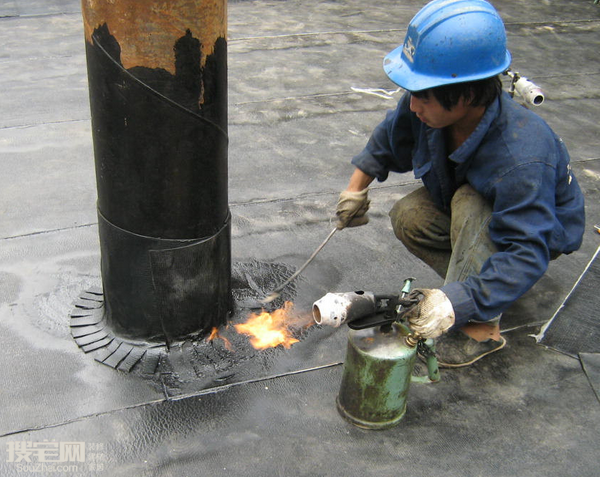
Pipe penetrations also deserve close attention. Underground rooms often contain drainage pipes, electrical conduits, pump lines, sleeves and service openings. Even when the pipe itself is not leaking, the gap around the pipe can become a water path if sealing, grouting or detailing is incomplete.
Other inspection points include:
• construction joints and cold joints in retaining walls or base slabs
• expansion joints and movement joints
• cracks that remain damp after the surrounding surface dries
• honeycombed or poorly compacted concrete areas
• tie-rod holes, bolt penetrations or formwork-related holes
• sump pits, drain channels and pump room edges
• areas where previous patching, injection or coating has failed
These details help narrow the diagnosis. A random damp area on a plain wall may suggest seepage through porous concrete, but a damp line following a joint tells a different story. A localised leak around a pipe sleeve requires different treatment from general moisture rising through a slab.
Timing and Water Behaviour Can Change the Diagnosis
The way water appears is often as important as where it appears. A leak that starts only after heavy rain suggests a different source from constant seepage that remains even during dry weather. A stain that grows from the floor upward may indicate water pressure or rising damp at the slab level, while droplets forming on cold surfaces may need to be separated from true water ingress.
In Johor Bahru underground projects, this observation is especially useful for occupied commercial and industrial buildings. Facility managers may notice that leakage becomes worse after a storm, when surface drainage, perimeter drains or external ground water load increases. If seepage continues steadily regardless of weather, the structure may be exposed to persistent groundwater pressure or a constant water source nearby.
Condensation should also be ruled out before waterproofing is specified. Underground rooms with poor ventilation, cold walls, equipment heat or air-conditioning differences may show surface moisture that looks like seepage. Condensation usually appears as widespread dampness or droplets on cooler surfaces, while water ingress is more likely to follow cracks, joints, corners and penetrations.
Drainage backflow is another possible confusion. If water appears near floor traps, sump pits or drainage channels, the inspection should include discharge flow, pump operation, blocked outlets and drain condition. Coating the wall will not correct water returning through a failed drainage route.
Positive-Side Access and Internal Repair Are Not the Same Decision
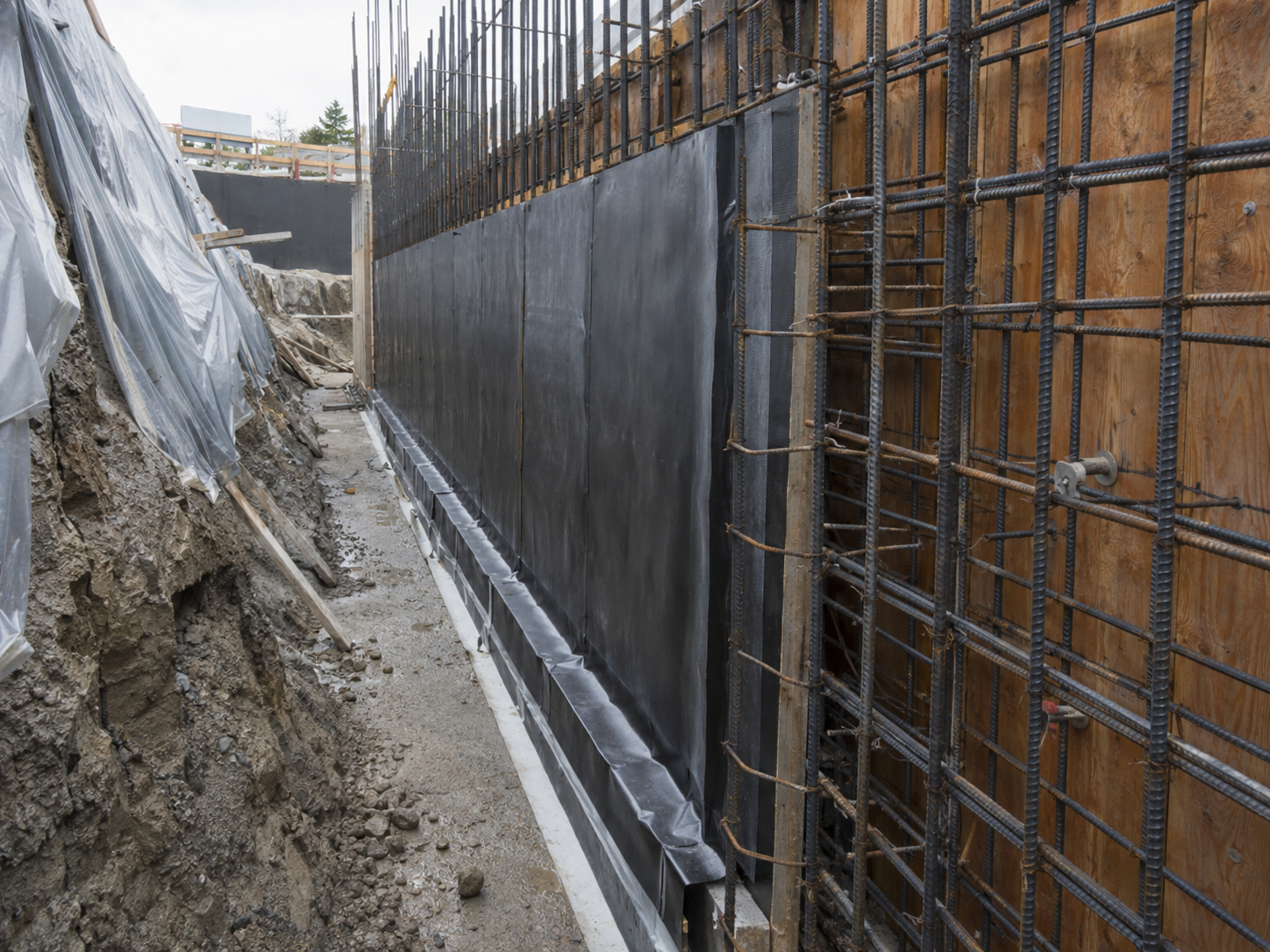
Once the likely water path is identified, the next decision is whether the repair can address the entry side of the structure or must be done from the inside. In waterproofing, positive-side work means treating the side where water pressure originates, usually the external face of the basement wall or the top side of a slab. Negative-side work means treating from the interior face where water appears.
Positive-side repair is generally more direct because it stops water before it enters the structure. However, in existing Johor Bahru buildings, external access may be restricted by roads, neighbouring lots, car parks, landscaping, structural walls or operating facilities. Excavation may be costly, disruptive or impossible.
Internal repair is often more practical for occupied basements, pump rooms and underground car parks, but it must be selected carefully. Injection grouting may be suitable for active cracks, joints or water paths where the aim is to seal the route inside the concrete. Cementitious waterproofing slurry may be appropriate for prepared internal masonry or concrete surfaces where the substrate condition allows bonding and the water pressure is within the system’s intended use. Fast-setting leak-stop materials can help with active water points, but they are normally part of a broader repair sequence, not the whole solution.
The method should follow the evidence. A moving expansion joint cannot be treated like a static crack. A wet pipe penetration cannot be solved by coating only the surrounding wall. A wall with widespread debonded old coating needs preparation and removal of weak layers before any new system is considered.
The Repair Scope Should Follow the Water Path, Not the Stain Size
A small leak does not always mean a small repair. If water is entering through one section of a construction joint and travelling along the joint line, patching only the drip point may leave the same water pressure to emerge nearby. This is why repeated “spot repairs” sometimes move the leak rather than solve it.
The repair scope should consider how far the vulnerable detail extends. For example, a leaking wall-floor junction may require treatment along a continuous length rather than a small patch. A pipe penetration repair may need removal of weak mortar or sealant around the sleeve before proper sealing. A cracked underground wall may need confirmation that the crack is static before rigid materials are used.
Surface preparation also affects success. Underground surfaces may contain efflorescence, algae, laitance, oil contamination, old coatings or damp cement patches. These conditions can weaken adhesion. If the substrate is still actively leaking, the repair sequence may need temporary water control before a waterproofing layer is applied.
For product selection, the technical data sheet should always be checked against the site condition. A product suitable for damp internal walls may not be suitable for active pressurised water. A quick-setting repair material may stop a leak point but may still require joint treatment, coating or injection to complete the waterproofing system.
 What to Prepare Before Requesting an Underground Waterproofing Assessment
A useful assessment becomes easier when the building owner or facility manager records the leak pattern before the site visit. Photos are helpful, but they should show context, not only close-up stains. Include the floor level, nearby joints, pipes, drains, sump pits and any previous repair area.
Before contacting a waterproofing specialist, prepare:
• when the leakage appears: after rain, continuously, or during pump operation
• where water first becomes visible: joint, crack, pipe, floor, wall or ceiling
• whether previous injection, coating or patching was done
• whether the area is accessible during working hours
• whether the basement, car park, pump room or service area must remain operational
• drawings, if available, showing retaining walls, slabs, joints and drainage
QingLong Waterproofing provides waterproofing products, system recommendations and professional waterproofing services for residential, commercial, industrial and infrastructure projects. In Johor Bahru, QingLong’s project experience includes the MY07 Data Centre Project, where waterproofing works covered critical areas such as roofs, external walls, base slabs, pipe penetrations, internal and external corners, expansion joints and underground structures.
For an existing underground leak, the useful starting point is still site evidence. The correct waterproofing system depends on whether the water path is a crack, joint, penetration, slab interface, drainage issue or broader substrate failure.
Conclusion
Underground waterproofing should not begin with the question, “Which coating should we apply?” It should begin with, “Where is water entering, how is it travelling, and what pressure is driving it?” Once the entry path is understood, the repair can be matched to the actual condition: injection, joint treatment, penetration sealing, internal waterproofing, external repair or drainage correction. If your basement, pump room or underground structure in Johor Bahru is showing seepage, you can contact QingLong Waterproofing for a site-specific assessment before deciding on the repair scope.