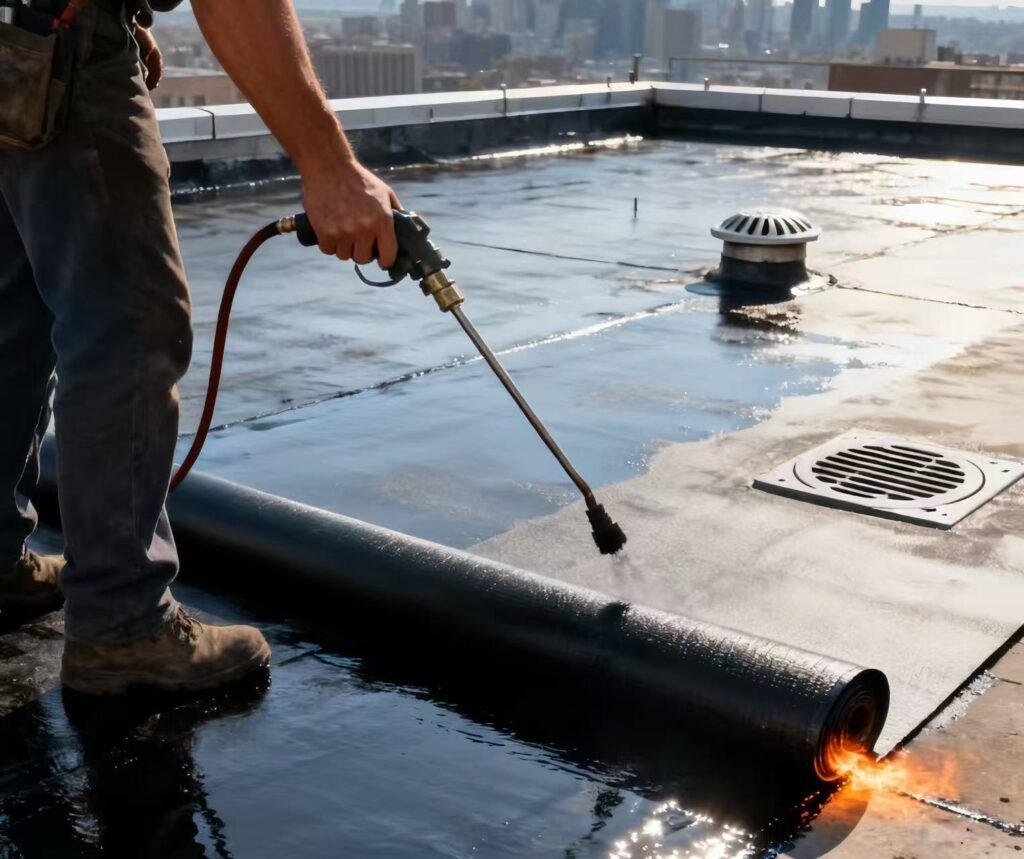
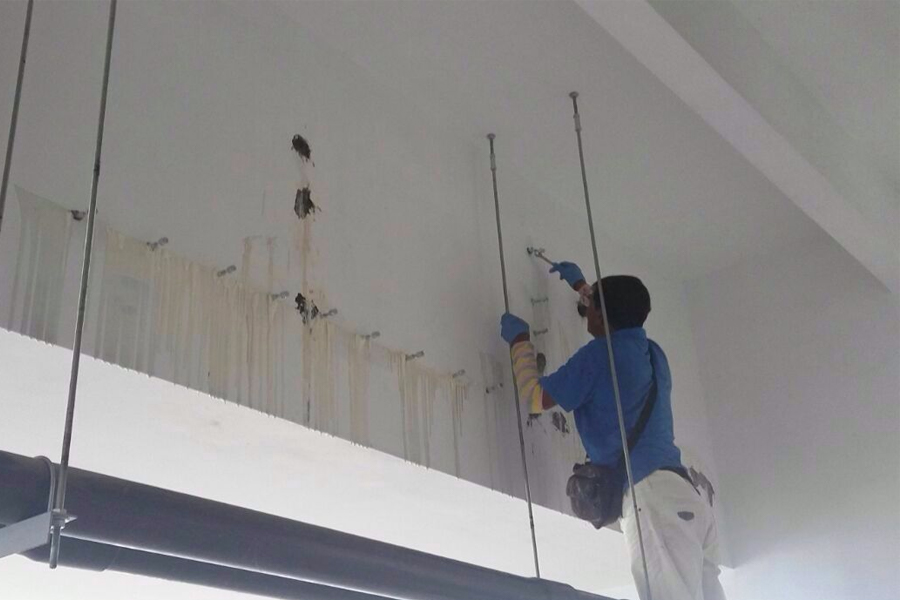
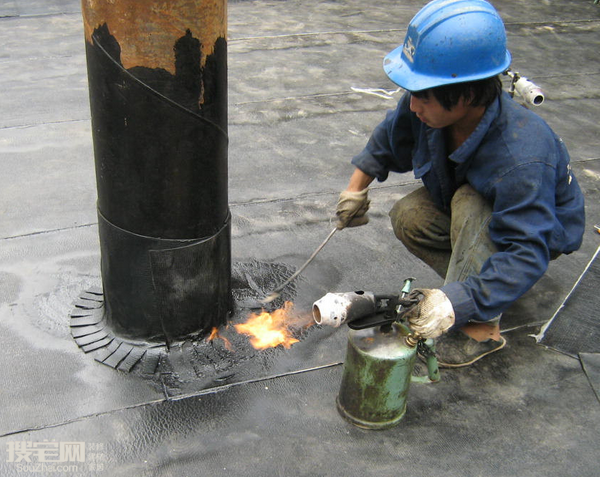
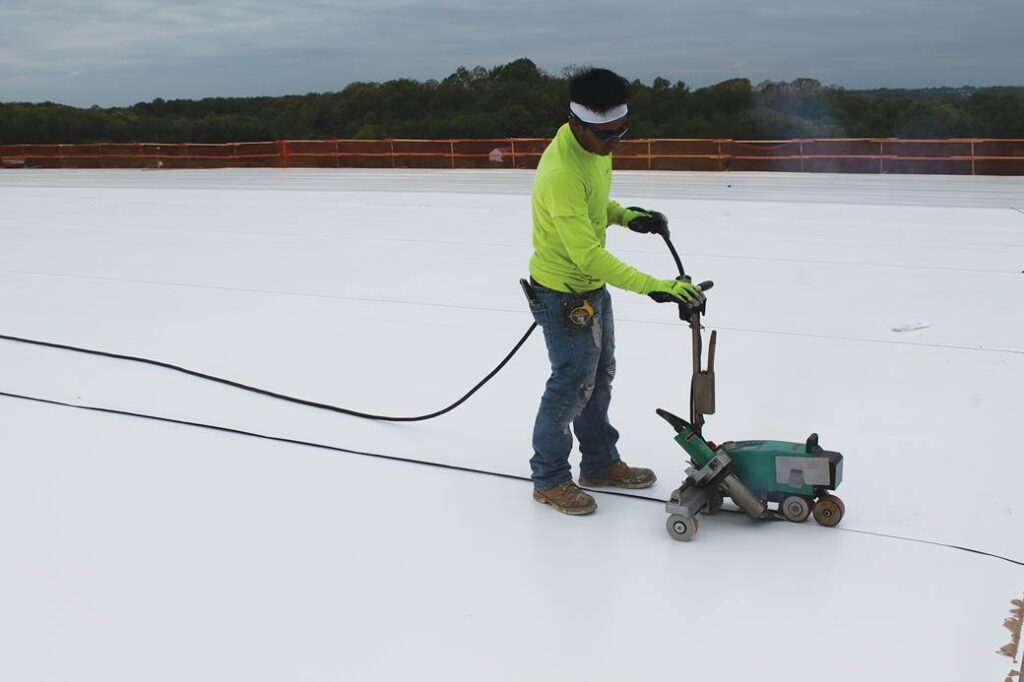
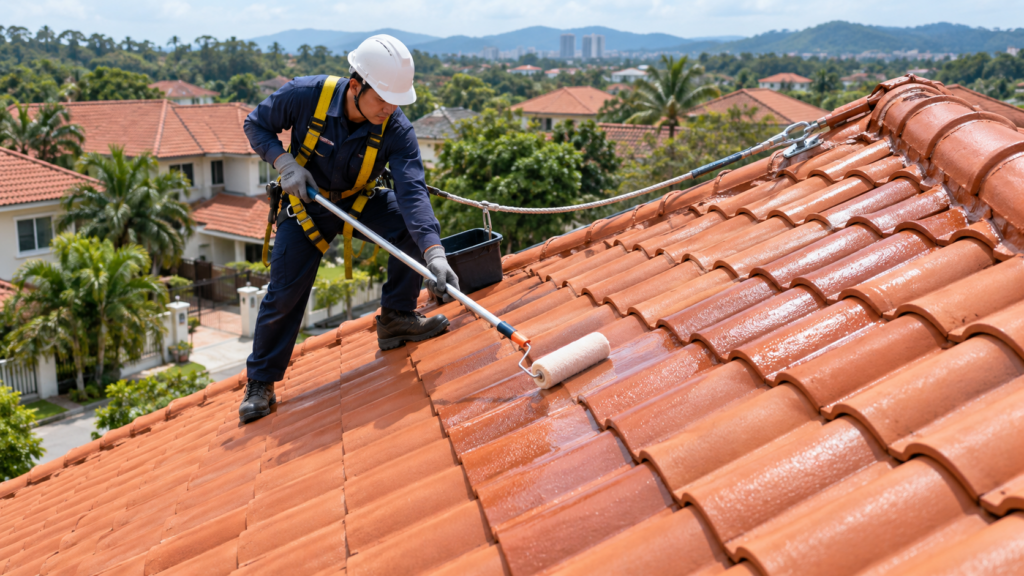
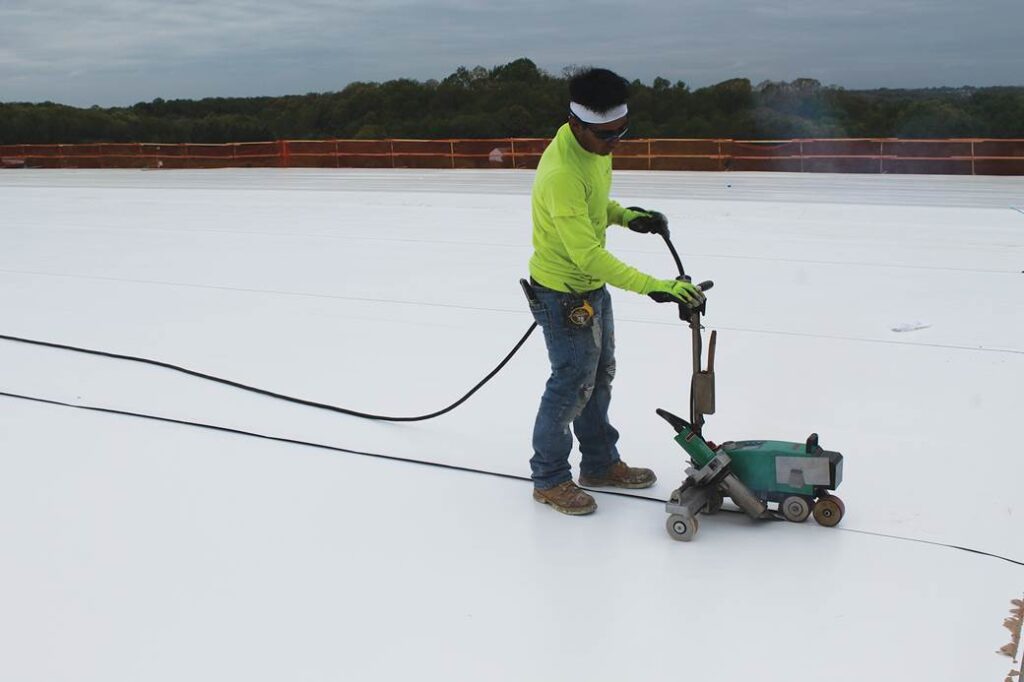
A ceiling stain, damp wall or roof leak can push a property owner to approve waterproofing work quickly, especially when tenants, stock or household areas are affected. But before confirming any waterproofing leak repair in Johor Bahru, one basic check should not be skipped: the contractor’s CIDB status. CIDB registration does not prove that a contractor has correctly diagnosed the leak, but it helps you confirm that the company is properly recognised to carry out construction-related work in Malaysia. That matters before you allow hacking, coating, membrane installation or repair work on your property.
CIDB Status Confirms Legitimacy, Not the Whole Repair Quality
For property owners, CIDB status is a first-layer verification. It helps you check whether the contractor is registered with the Construction Industry Development Board Malaysia and whether the registration is still valid. This is especially important when the proposed waterproofing work involves roof access, concrete repair, screed hacking, tile removal, wet area waterproofing or work at height.
Before approving waterproofing leak repair, CIDB status should be checked to verify that the contractor is currently registered and operating under a recognised construction framework. However, CIDB registration does not automatically confirm that the leak diagnosis, waterproofing material, application method or repair scope is correct. Those still need separate technical review.
This distinction is important. A registered contractor may still propose an incomplete repair if the leak source is not properly traced. At the same time, an attractive quotation from an unverified party may leave the owner exposed if the work is poorly documented or difficult to follow up later.
For Johor Bahru property owners managing terrace houses, shoplots, commercial units or small industrial premises, the practical issue is simple: you want the repair to be traceable, properly scoped and handled by a party that can be identified if there is a dispute or follow-up issue.
What to Check on the CIDB Registration Before Saying Yes
Checking CIDB status should not be treated as a formality. Ask for the contractor’s company name, CIDB registration number and current certificate, then verify the information through official CIDB channels where possible. The name on the quotation should match the registered entity or be clearly connected to it.
Pay attention to a few details:
Whether the CIDB registration is still valid, not expired.
Whether the registered company name matches the party issuing the quotation.
Whether the grade and category are appropriate for the type and scale of work proposed.
Whether the contractor can explain who will supervise the actual waterproofing work.
Whether the quotation, invoice and warranty document come from the same responsible party.
The grade or registration status should not be interpreted as a technical waterproofing specification. It only helps you understand whether the contractor has a recognised registration standing. You still need to ask what repair method will be used and why it fits the leak condition.
For example, a small bathroom leakage repair, a tiled balcony above a room and an exposed metal roof repair are not the same job. A contractor’s registration helps establish legitimacy, but the proposed method must still match the actual substrate, water path and site condition.
A Proper Leak Repair Quotation Should Explain the Diagnosis
Many leakage disputes begin because the quotation only says “waterproofing work” or “apply waterproofing coating” without explaining where the water is entering. This is risky because visible dampness is often not the entry point.
A ceiling stain below a balcony may be caused by failed waterproofing under tiles, cracked grout, weak wall-floor junctions, poor outlet detailing or water travelling through the screed before appearing indoors. An exterior wall stain may relate to cracks, window perimeter joints, porous render, failed paint film or water entry from a parapet above. A roof leak may come from fasteners, laps, gutters, penetrations or cracked concrete details rather than the whole roof surface.
A useful quotation should show that the contractor has considered these site details. It does not need to be a long engineering report, but it should clearly state the suspected source, affected area, surface preparation, waterproofing material, number of coats or membrane build-up where relevant, curing requirement and finishing condition.
If the contractor cannot explain why a certain area is being repaired, the work may become a cosmetic treatment rather than a leak repair. CIDB status helps you filter basic legitimacy, but the quotation reveals whether the contractor has actually understood the leakage problem.
Waterproofing Method Must Match the Existing Surface
Before leak repair starts, the existing surface condition matters as much as the product name. A waterproofing coating applied over weak paint, dusty screed, hollow tiles, oily surfaces or trapped moisture may not perform as intended. This is why a responsible contractor should inspect the substrate before recommending a system.
For tiled balconies or bathrooms, the owner may want to avoid hacking. This can be possible only if the tiles are firmly bonded, the surface can accept the selected treatment and the water entry points are accessible. If tiles are hollow, cracked or the waterproofing failure is beneath the screed, surface treatment may only delay the problem.
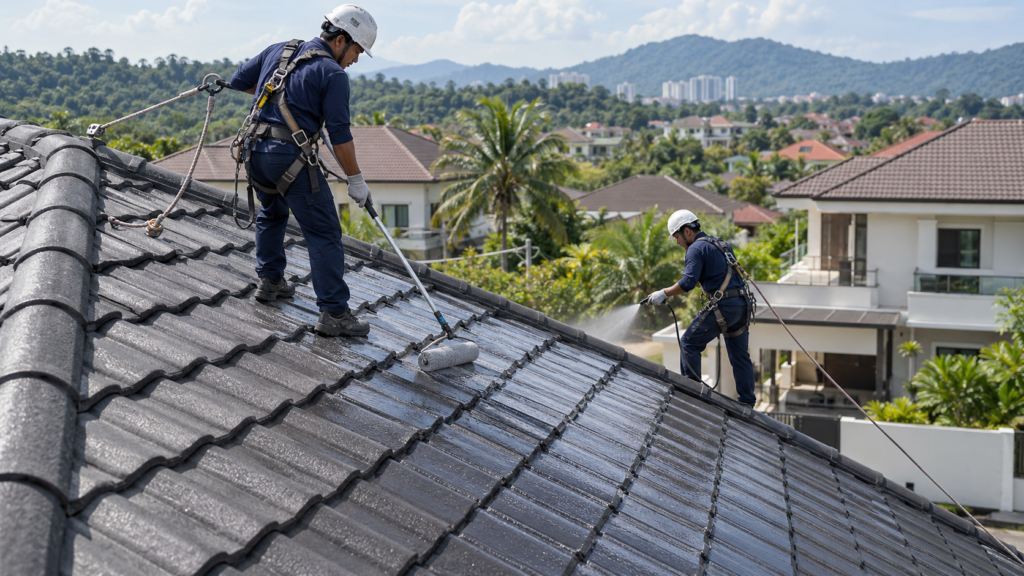
For roof slabs, the contractor should check ponding water, outlet levels, cracks, previous coating adhesion, upturns, pipe penetrations and parapet details. Applying a new coating over a failed old layer without testing adhesion can trap the weakness under a fresh finish.
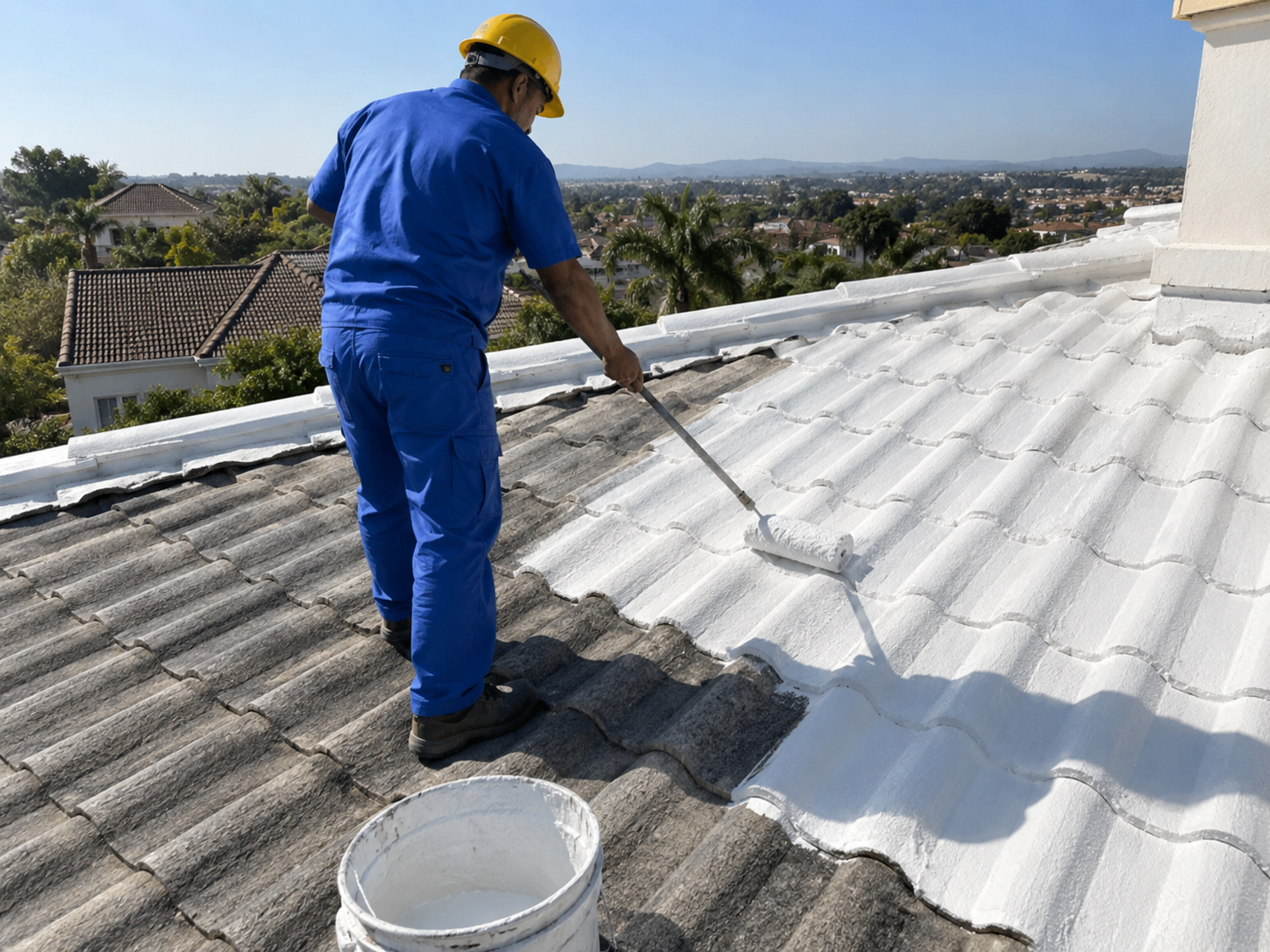
For exterior walls, a transparent waterproof coating may be suitable only when the surface is stable enough to receive it. If the render is loose, paint is peeling or cracks are still moving, those issues should be repaired first. QingLong’s exterior wall transparent waterproofing products, for example, are intended for appropriate wall surfaces, not as a substitute for structural crack repair or poor substrate preparation.
The right waterproofing leak repair method depends on the surface receiving the system. Existing tiles, old coatings, damp screed, roof outlets, wall cracks and pipe penetrations can all change the repair approach. A product that works on a prepared surface may fail early if applied over contamination, weak bonding or trapped moisture.
Warranty Terms Should Be Connected to the Actual Work Scope
Property owners often ask for a warranty before they understand what the warranty covers. This can create confusion later. A warranty for waterproofing leak repair should be linked to the repaired area, the system used, the preparation completed and any exclusions caused by unrelated defects.
For example, if only one roof penetration is repaired, the warranty should not be assumed to cover all future roof leakage. If a balcony is treated without tile removal, the owner should understand whether hidden defects under the tiles are excluded. If an exterior wall coating is applied but window frame sealants are not replaced, future leakage around the window may not belong to the coating scope.
Before confirming the job, ask the contractor to clarify:
The exact area covered by the repair.
The waterproofing material or system used.
Whether hacking, crack treatment, sealant replacement or drainage correction is included.
What maintenance or usage conditions may affect the warranty.
Who is responsible for follow-up inspection if leakage continues.
This protects both sides. The owner knows what is being paid for, and the contractor is not expected to guarantee areas that were never repaired.
 When CIDB Status Is Only One Part of a Safer Decision
A careful owner should not choose a waterproofing contractor based on CIDB status alone, just as they should not choose based only on the lowest price. The safer decision comes from combining registration verification with technical clarity.
Before waterproofing leak repair in Johor Bahru, the minimum practical standard should be: verify the contractor’s CIDB status, understand the suspected water entry path, confirm the surface preparation, check the proposed waterproofing system and obtain written documentation for the repair scope.
This approach is especially useful when the property has already gone through repeated patching. If previous work failed, simply applying another layer over the same area may not solve the issue. The contractor should identify what remained unresolved, such as movement cracks, untreated joints, poor falls, blocked outlets, incompatible old coating or leakage from an adjacent detail.
QingLong Waterproofing supports waterproofing projects through product manufacturing, system knowledge and practical leak repair experience for residential, commercial and industrial properties. Where QingLong products are specified, the correct application still depends on substrate condition, preparation and suitability for the actual waterproofing area.
Conclusion
CIDB status is not a waterproofing diagnosis, but it is an important first check before allowing repair work on your property. For leak repair, the better question is not only “Is the contractor registered?” but also “Has the contractor identified why this area is leaking and proposed a method that fits the surface condition?” When both the registration and technical scope are clear, the repair decision becomes much less risky.
If you are planning waterproofing leak repair and want the site condition reviewed before confirming the method, you can contact QingLong Waterproofing for a suitable recommendation.