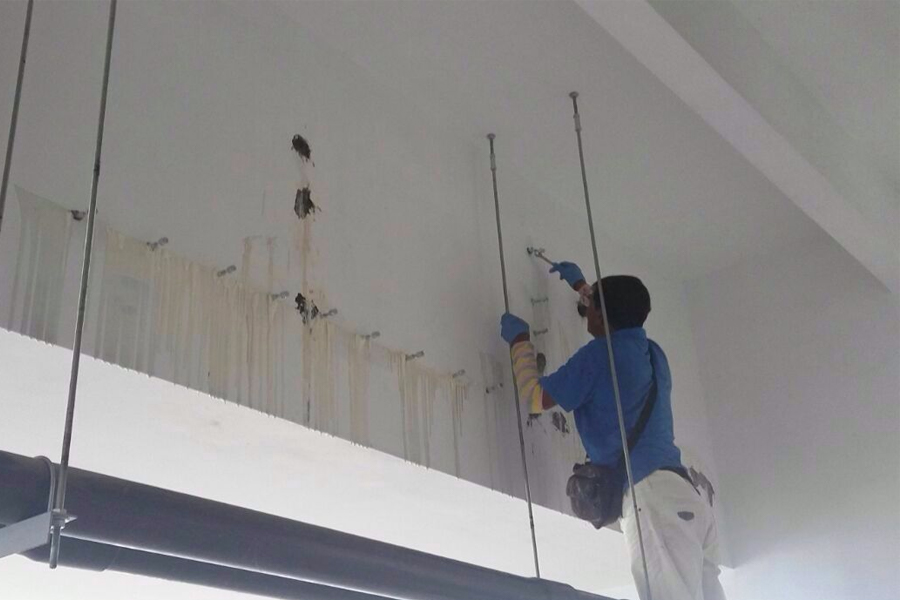
A ceiling stain after rain can look like a simple roof leak. In many Kota Kinabalu properties, however, the actual entry point may be somewhere else: a wall crack, balcony outlet, pipe penetration, roof joint, parapet detail or failed sealant line. If repair starts only where water is visible, the work may hide the symptom without stopping the leak. A good Kota Kinabalu waterproofing contractor should first inspect how water is entering, how it is travelling, and which building detail has failed before recommending any coating, sealant or membrane system.
The Visible Stain Is Not Always the Leak Source
Water rarely follows the path that property owners expect. A brown mark on the ceiling may appear below a roof slab, but the water could have entered through an external wall, moved along the slab surface, crossed a beam line, and finally dripped at the lowest weak point. In apartments or commercial buildings, water may also travel through screed layers, pipe sleeves, service ducts or construction joints before becoming visible.
This matters because surface repairs based only on the stain location can miss the actual defect. For example, repainting a damp internal wall does not solve wind-driven rain entering through hairline cracks outside. Sealing one roof crack does not help if the leak is coming from an outlet collar or a poorly terminated membrane at the parapet.
A waterproofing contractor should not treat the stain as the diagnosis. The stain is only evidence that water has reached that location. The inspection must still identify the entry point, the travel path and the failed detail before deciding whether local repair, joint sealing, recoating or system renewal is needed.
For Kota Kinabalu buildings near exposed elevations or open coastal-facing areas, wind-driven rain can make this more confusing. Water may be pushed into façade cracks, window perimeters or wall-floor junctions even when the roof itself is not the primary problem.
What a Contractor Should Check Before Proposing Waterproofing Work
A proper leak-source inspection should be structured. It is not simply looking at the wet area and recommending a waterproof coating. The contractor should check the likely water-entry zones connected to the symptom.
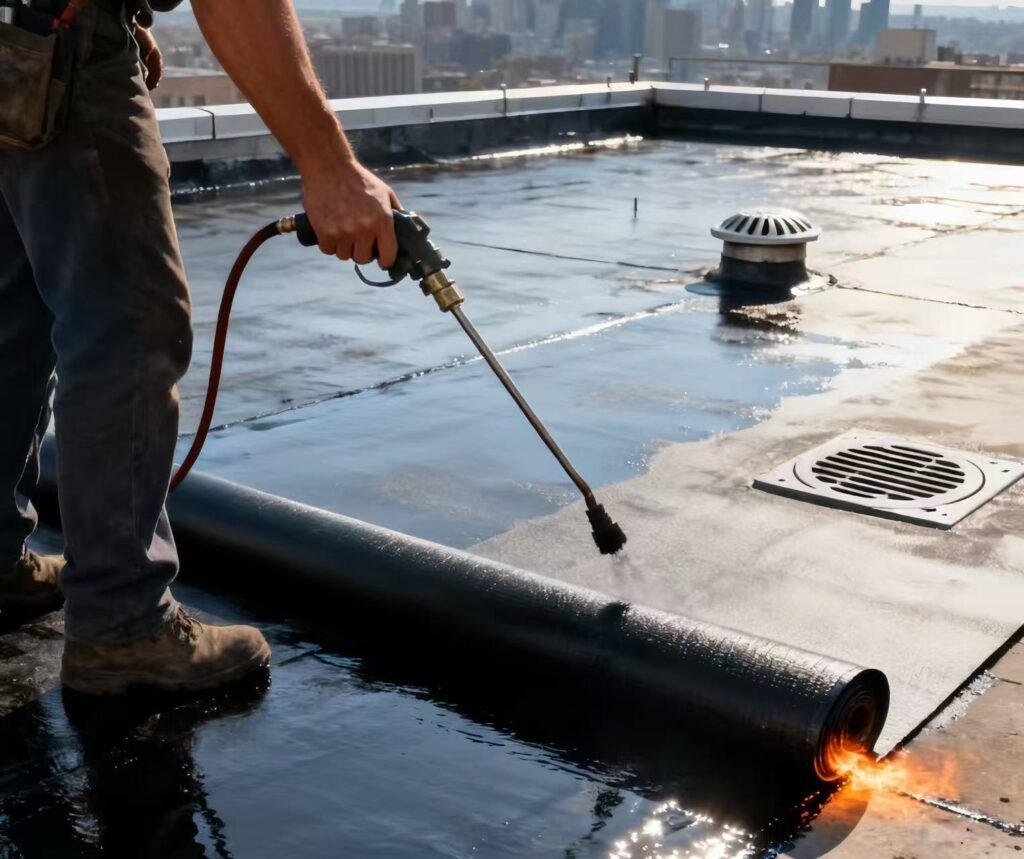
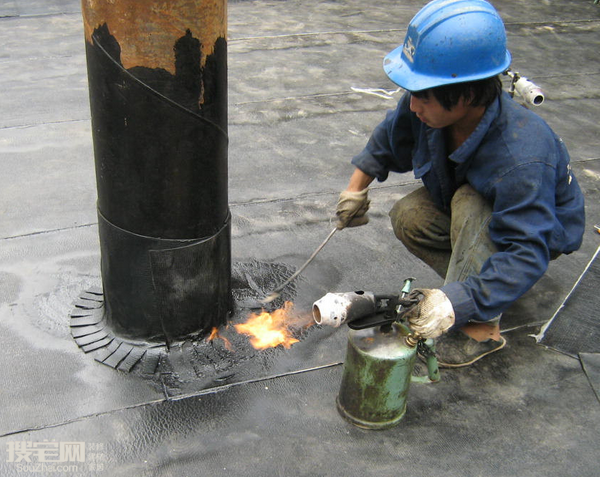
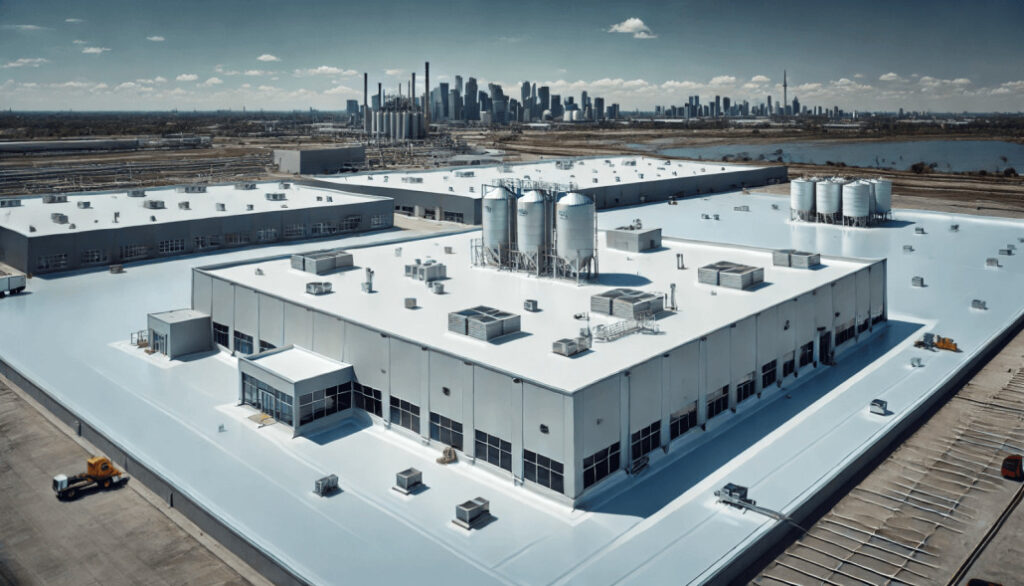
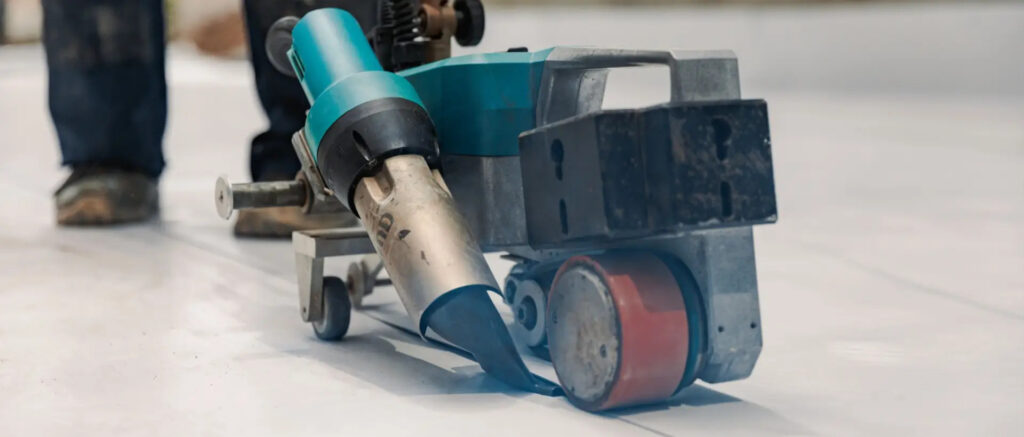
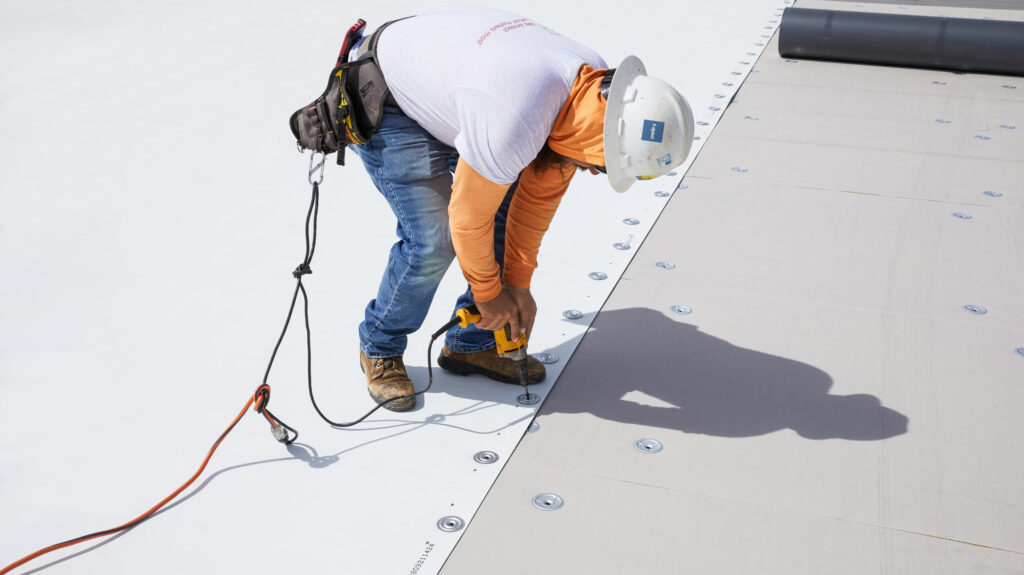
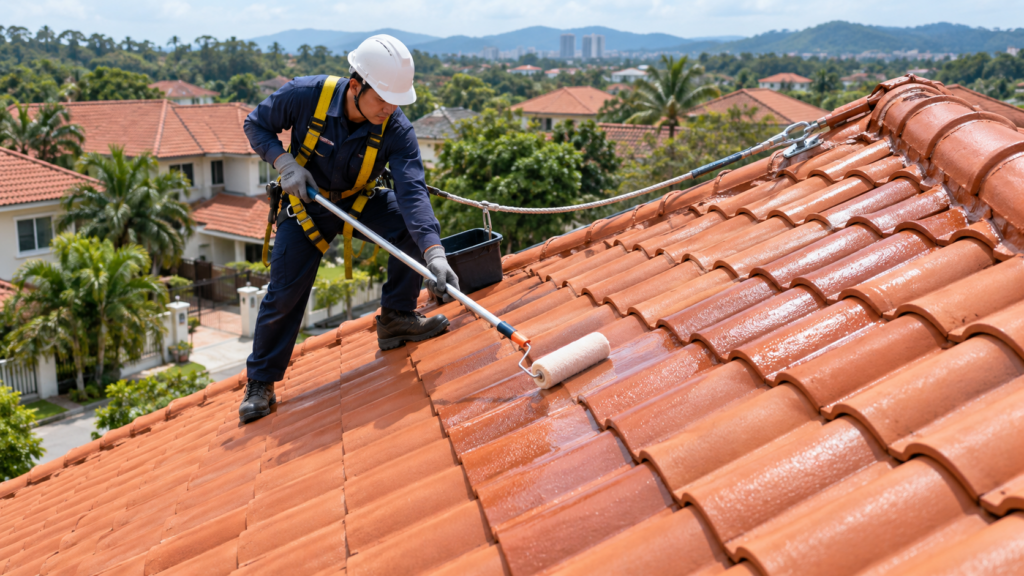
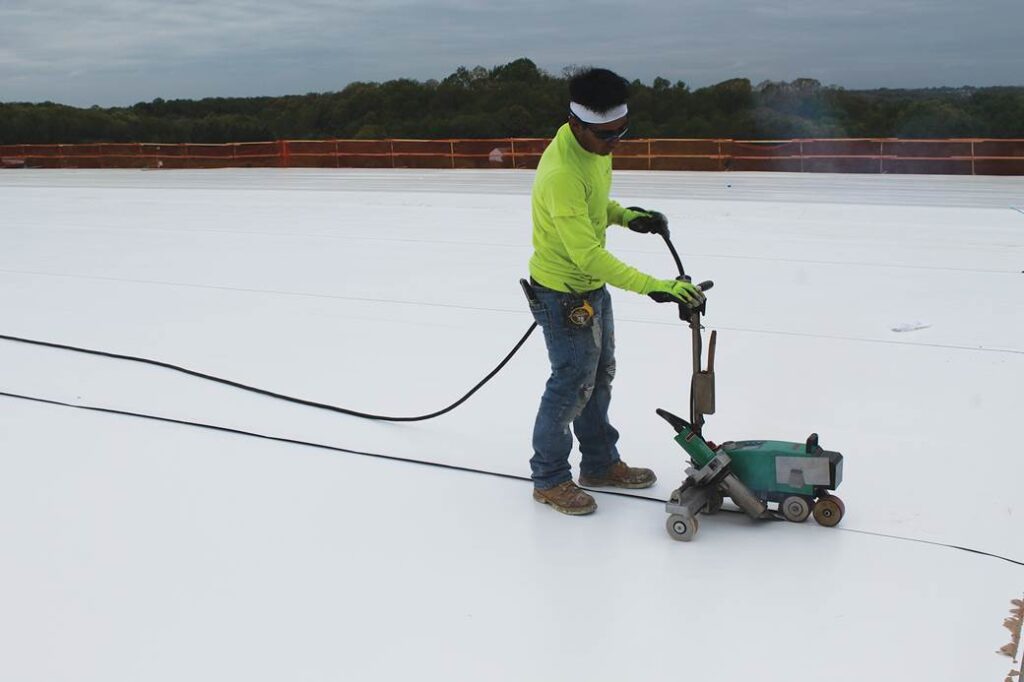
For roof leakage, the inspection should include roof falls, outlets, ponding areas, membrane laps, cracks, pipe penetrations, fasteners, parapet upstands and previous patch repairs. On metal roofs, the condition of screws, washers, overlaps, ridge caps and rusted sections should be reviewed because small fixing failures can allow water entry during heavy rain.
For balcony or flat roof areas, the contractor should look closely at wall-floor junctions, tile condition, hollow screed, drainage outlets, door thresholds and movement cracks. A balcony leak above an occupied room is often not just a “floor coating” problem. The outlet detail, skirting termination and screed moisture condition may influence whether the existing finish can be retained.
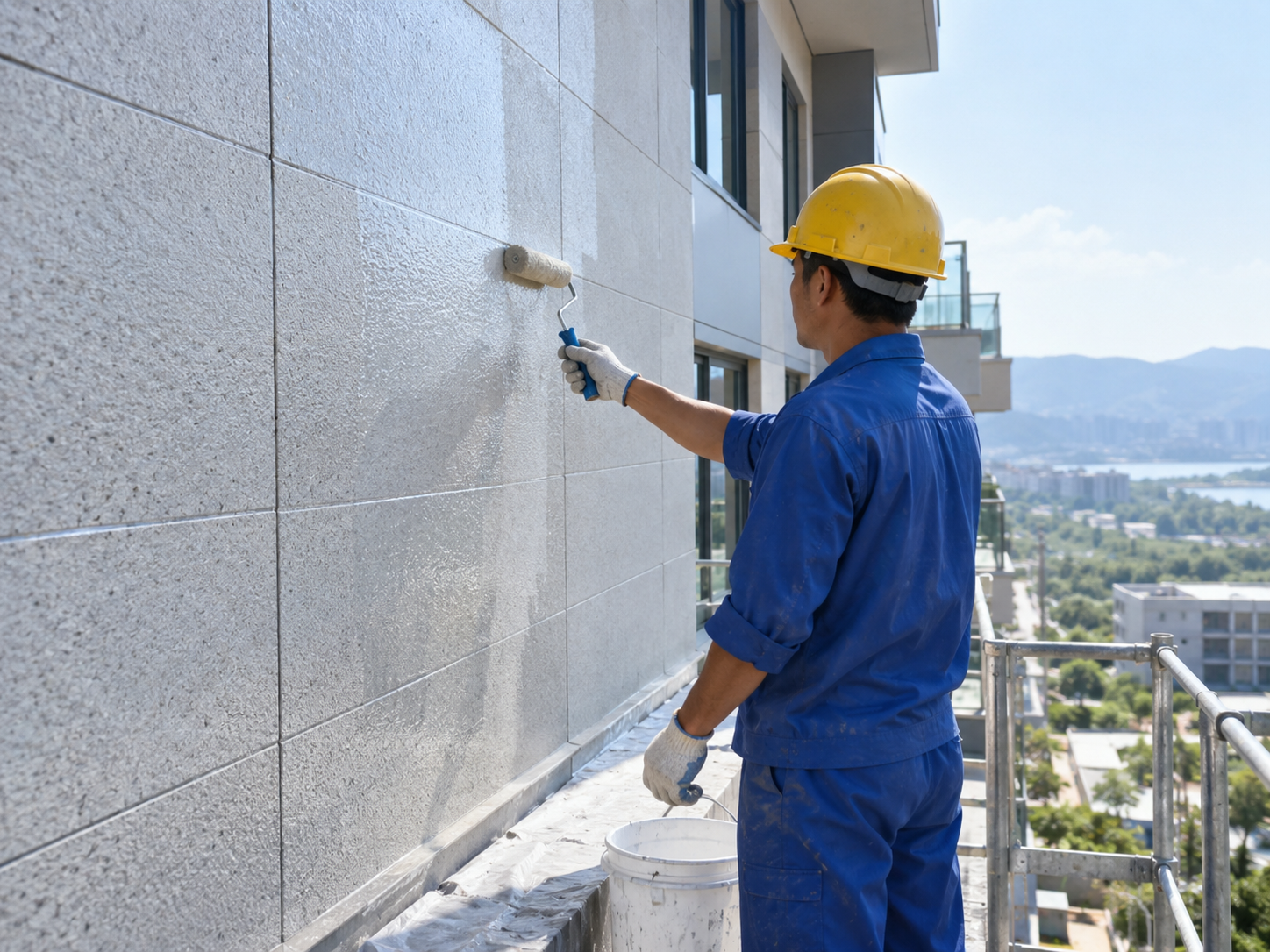
For exterior wall seepage, the inspection should focus on hairline cracks, peeling paint, hollow plaster, window frame perimeters, sealant joints, pipe openings and areas where previous coatings have lost adhesion. Transparent waterproof coatings may be useful for some exterior wall situations, but only when the substrate is sound enough and the source is compatible with that type of repair.
A practical inspection usually asks:
• Where does water first enter the building envelope?
• Is water travelling through the slab, screed, wall cavity, joint or pipe opening?
• Is the affected substrate dry, sound and suitable for coating or sealing?
• Are there signs of previous repair failure, trapped moisture or poor adhesion?
• Will the repaired area remain exposed to UV, traffic, ponding water or movement?
These questions help prevent a repair scope that looks cheaper at first but fails because the real defect was left untreated.
Why Previous Repairs Often Fail When the Source Was Not Confirmed
Many leakage problems in homes, shoplots, apartments and commercial buildings have already been repaired once before. A contractor may have applied sealant over a visible crack, coated a small roof patch, injected a damp ceiling area, or repainted an exterior wall. These actions can appear reasonable because they address what is easy to see.
The risk is that the visible defect may be secondary. A crack on the inside wall may be the result of moisture movement, not the entry point. A wet ceiling patch may be below the water exit point, not below the actual roof defect. A failed external paint film may indicate trapped moisture behind the wall, not only poor paint quality.
Previous repairs also fail when the waterproofing material is used outside its intended condition. For example, a coating applied over dusty, damp or weak plaster may peel. A sealant placed over moving joints without proper preparation may split. A membrane installed without proper termination at corners or penetrations may allow water to bypass the system.
This does not mean every failed repair was careless. Sometimes the initial evidence was incomplete, or access was limited. But before paying for another repair, the property owner should ask the contractor what has changed in the diagnosis. If the second repair is based on the same assumption as the first, the result may be similar.
The Repair Method Should Follow the Leak Path, Not the Product Preference
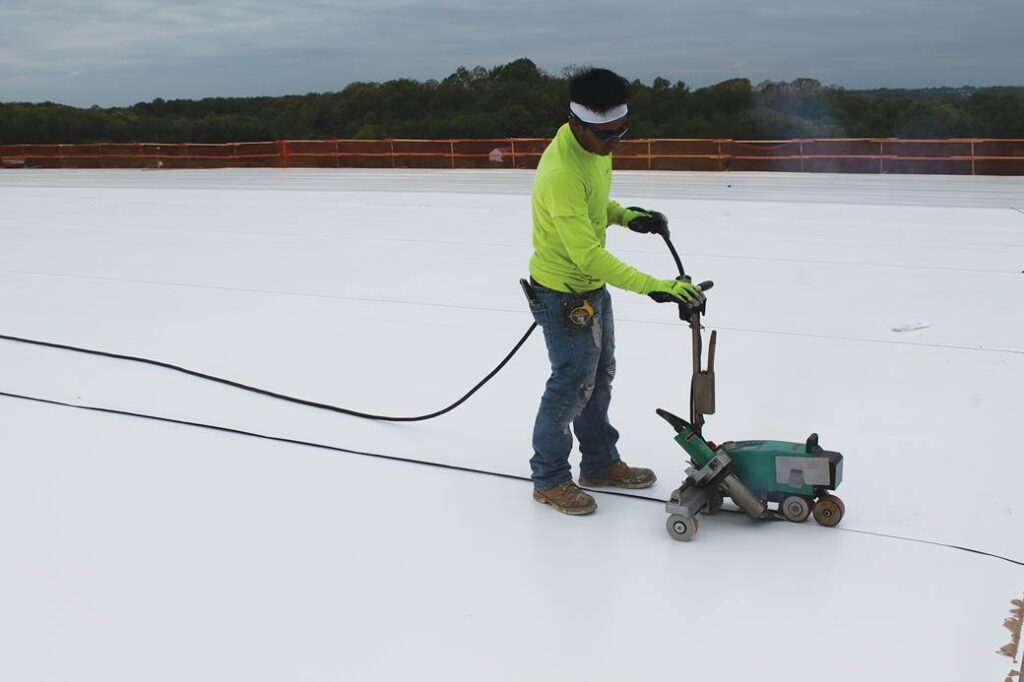
A waterproofing contractor may have many possible materials: roof coating, cementitious slurry, liquid membrane, sealant, transparent wall coating, joint tape or fast-setting leakage repair material. The correct choice depends on the leak path and site condition, not simply on which product is available.
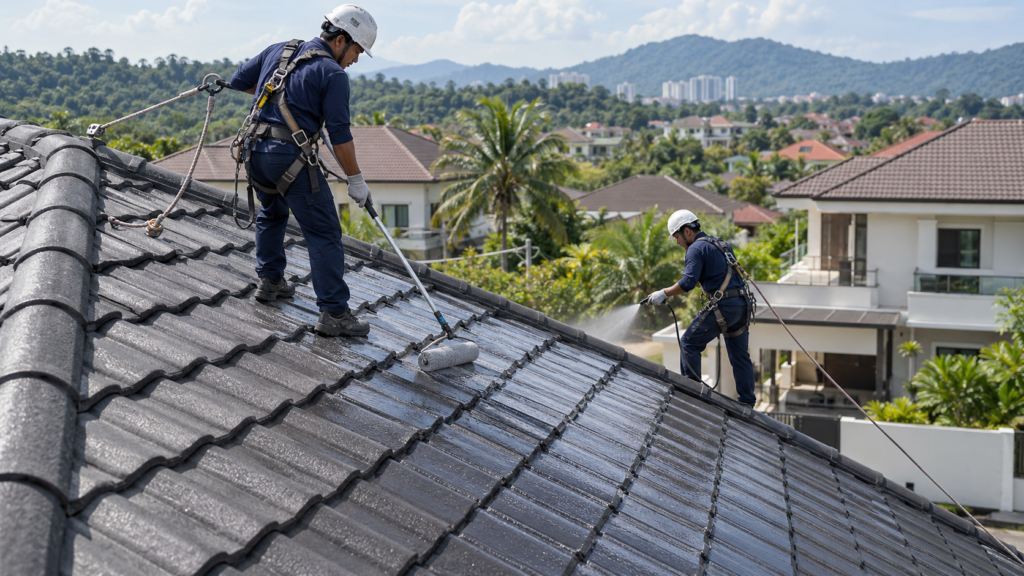
If the problem is an exposed concrete roof with surface cracking and weathered coating, a roof waterproofing coating may be suitable after proper cleaning, crack treatment and substrate preparation. If the problem is a wet internal bathroom slab, the correct approach may involve removing finishes and treating the floor-wall junctions before retiling. If water is entering through an exterior wall with decorative paint that the owner wants to keep, a transparent coating may be considered only after checking adhesion, cracks and surface contamination.
For active water seepage, a quick-setting leakage fix may help stop water temporarily or treat a specific point, but it should not be mistaken for a complete waterproofing system if water pressure, cracks or joints remain unresolved. Emergency repair and permanent waterproofing are not always the same scope.
QingLong Waterproofing supplies and applies different waterproofing systems for roofs, exterior walls, bathrooms, basements, joints and other building areas. The important point is that the product should be matched to the inspected condition. A coating cannot compensate for poor drainage, weak substrate, untreated movement or water entering from an adjacent detail.
 Inspection Helps Define the Real Scope and Cost Risk
Many property owners want an immediate price because they are worried about repair cost. That is understandable, especially when leakage affects tenants, ceilings, electrical fittings, stock, furniture or daily operations. But a price given before understanding the source may exclude important work.
A low quote may cover only visible patching. It may not include removing loose coating, repairing hollow plaster, treating joints, clearing outlets, addressing ponding water, or preparing contaminated surfaces. When these items appear later, the repair becomes more expensive than expected. Worse, if they are not included at all, the waterproofing system may not perform properly.
Inspection also helps separate localised defects from wider system failure. A single failed pipe penetration may need targeted treatment. A roof with widespread coating breakdown, ponding, cracks and poor outlet details may need broader refurbishment. Treating both situations with the same “standard coating package” is not good waterproofing judgment.
For commercial and strata properties in Kota Kinabalu, inspection also helps plan access, noise, working hours, safety requirements and disruption. A hotel roof, shoplot façade or occupied apartment block may need staged work rather than one simple repair visit.
What to Ask a Kota Kinabalu Waterproofing Contractor After Inspection
After the inspection, the contractor should be able to explain the problem in practical terms. The explanation does not need to be overly technical, but it should connect the evidence to the proposed repair.
Useful questions include:
• What is the most likely water entry point?
• What evidence supports that conclusion?
• Is there any uncertainty that requires further testing or opening-up work?
• Which areas are included and excluded from the repair scope?
• What preparation is required before applying the waterproofing material?
• What site conditions could affect the result, such as ponding water, movement, weak substrate or access limitations?
If the answer is only “we will apply waterproofing here”, the diagnosis may be incomplete. A stronger recommendation should explain why that area is being treated and how the selected material addresses the actual leak path.
QingLong Waterproofing can review roof leaks, wall seepage, balcony leakage, bathroom leakage and other water ingress problems, then recommend a suitable waterproofing approach based on the inspected site condition. If you need help checking the source before committing to repair, you can contact QingLong Waterproofing for an assessment.
Conclusion
For leakage repair, the most important step is not choosing the coating first. It is confirming where water enters, how it travels and which detail has failed. In Kota Kinabalu properties, especially exposed roofs, façades, balconies and service penetrations, the visible stain may be far away from the actual source. A careful inspection reduces the risk of paying for repeated patching and helps define a repair scope that matches the real condition of the building.