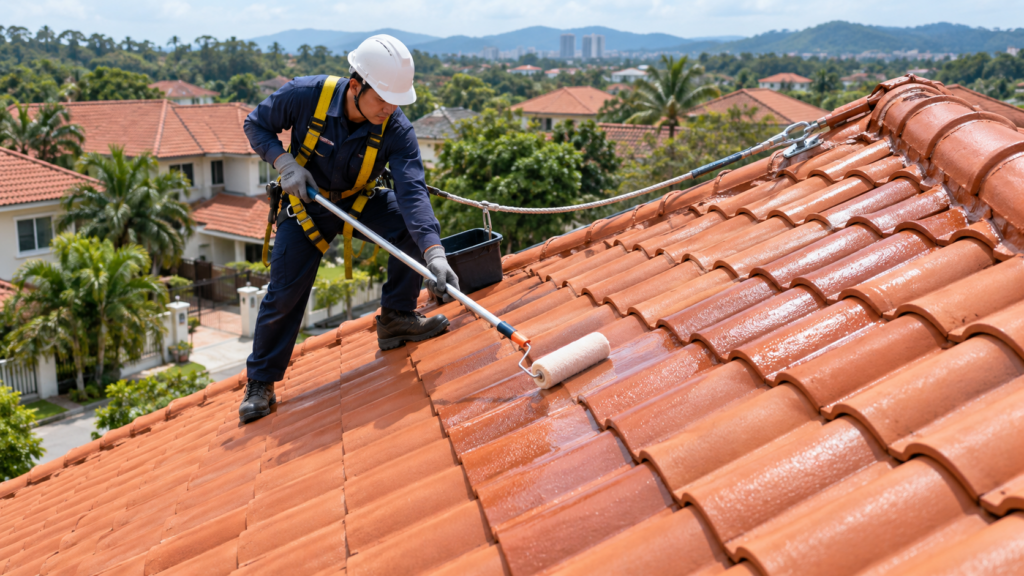
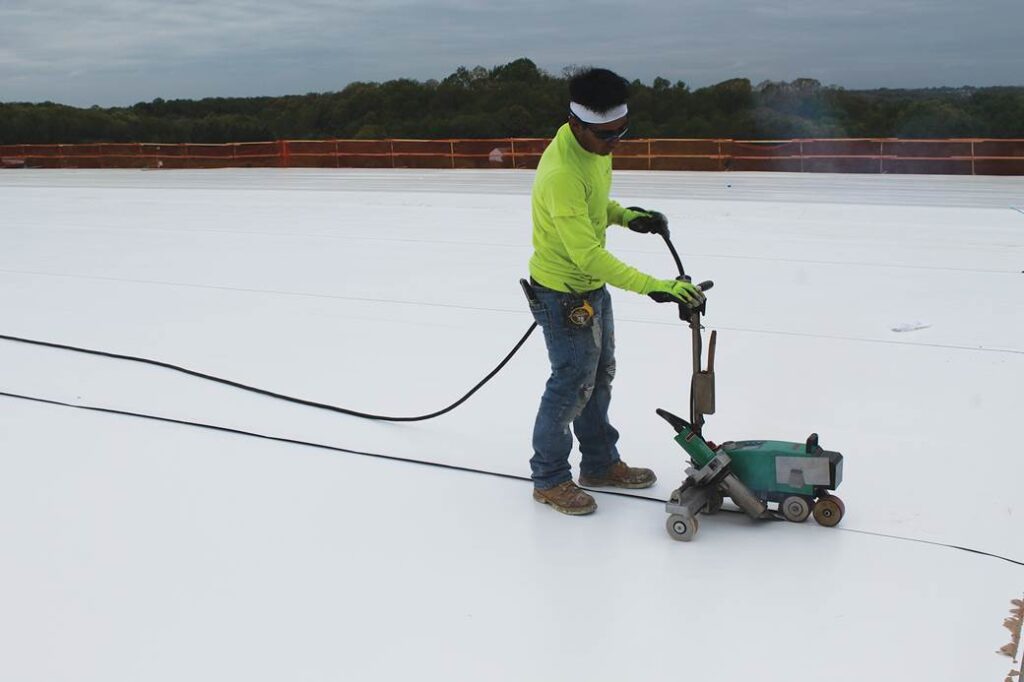
A ceiling stain after rain can make the repair look obvious: call a waterproofing contractor, coat the area above it, and wait for the next storm. But many leaks do not appear directly below the entry point. Water can travel along a slab, beam, screed layer, roof sheet, wall joint or pipe penetration before it finally becomes visible indoors. For property owners in Malacca, especially where homes, shoplots and renovated extensions often combine old and new building details, checking the leak source first is not a delay. It is the step that prevents the wrong repair from being approved.
The Visible Stain Shows the Exit Point, Not Always the Entry Point
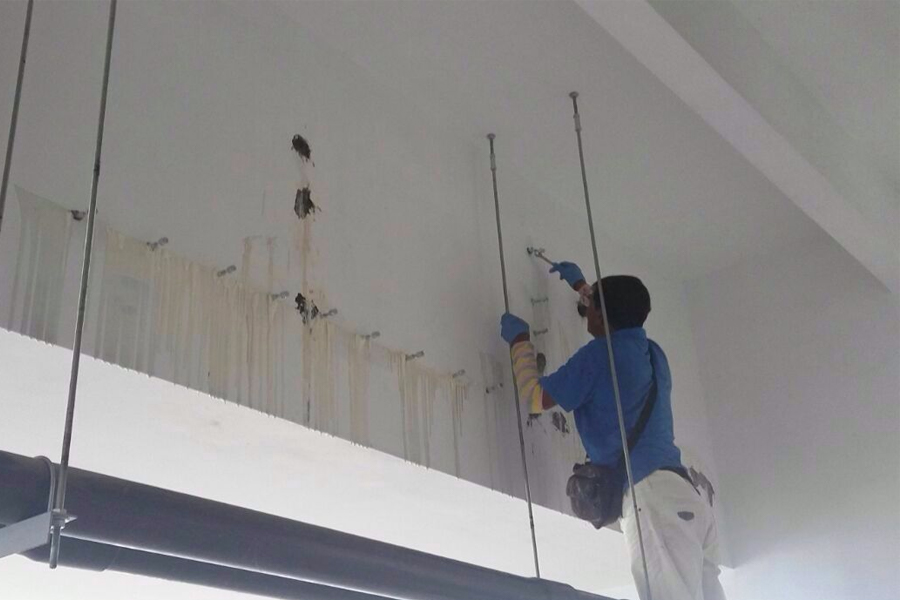
A water mark on a ceiling or wall tells you where moisture has become visible. It does not automatically identify where rainwater entered the building.
For example, a stain near the middle of a ceiling may come from a roof joint several metres away. Water may run along the underside of a roof sheet, follow a beam, collect at a slab depression, then drip at the weakest point. In a bathroom or balcony leak, water may move through the screed layer before appearing below. On an external wall, seepage may enter through cracks, window frame gaps or poorly sealed pipe penetrations before spreading behind paint or plaster.
A waterproofing contractor in Malacca should confirm the leak source before recommending a repair system. The visible stain is only the water exit point; the entry point may be at a roof lap, balcony outlet, wall crack, pipe sleeve or failed joint. Repairing the stain area alone may hide the symptom without stopping water ingress.
This is why a proper waterproofing inspection should not start with product selection. It should start with tracing the water path.
Why Leak Sources Can Be Harder to Identify in Malacca Properties
Malacca has many property types where waterproofing details are not always straightforward. Older terrace houses may have rear extensions, added metal roofing, enlarged bathrooms or altered drainage paths. Shoplots may have shared walls, upper-floor wet areas, flat roof sections, air-conditioning penetrations and signage fixings. Newer homes may still face leakage where balconies, roof gutters, external walls and bathroom floors meet.
The difficulty is not simply age. It is the combination of original construction and later alteration.
A roof extension, for instance, may discharge rainwater onto an older wall that was never designed as an exposed waterproofing surface. A balcony tile finish may look intact, but cracked grout or a blocked outlet can allow water to stay in the screed. A window frame on an external wall may have failed sealant, while the visible damp patch appears lower down inside the room.
In these situations, applying a coating over the most obvious surface may not solve the leakage. The contractor needs to understand how water is entering, where it is travelling, and which construction detail has failed.
What Should Be Checked Before Quoting the Repair
Before a waterproofing contractor proposes a coating, membrane, sealant or injection repair, several site conditions should be checked. The purpose is not to create a long inspection report for every small leak, but to avoid repairing the wrong location.
Key checks may include:
•Whether the leak happens only during rain, after water use, or continuously
• Roof condition, including laps, fasteners, gutters, outlets, flashing and roof-wall junctions
• Balcony or bathroom tile condition, including hollow tiles, cracked grout, failed sealant and floor falls
• External wall cracks, paint condition, window-frame joints and pipe penetrations
• Signs of trapped moisture, efflorescence, mould or plaster delamination
• Any recent renovation, plumbing work, air-conditioning installation or roof extension
• Whether water can be safely tested in sections to narrow down the entry point
The timing of the leak matters. If water appears only after wind-driven rain, the likely source may be an external wall, window joint or roof edge detail. If dampness appears after bathroom use, the issue may involve floor waterproofing, wall-floor junctions, pipe penetrations or plumbing. If seepage continues even during dry weather, plumbing or trapped moisture should be considered before assuming roof leakage.
A responsible quotation should connect the proposed repair method to the observed evidence. If the repair recommendation is “coat everything” without explaining the likely source, the property owner may be paying for surface coverage rather than a targeted solution.
Wrong Diagnosis Can Make a Reasonable Repair Fail
Many failed waterproofing repairs are not caused by bad material alone. They fail because the repair method did not match the leak source.
A ceiling injection from below may stop dripping temporarily, but it may not protect the top of the slab from continued water entry. A transparent coating over balcony tiles may help only if the tiles are stable, the surface can bond properly, and the problem is from surface seepage. If the screed underneath is saturated or tiles are hollow, sealing the surface may trap moisture and lead to future debonding.
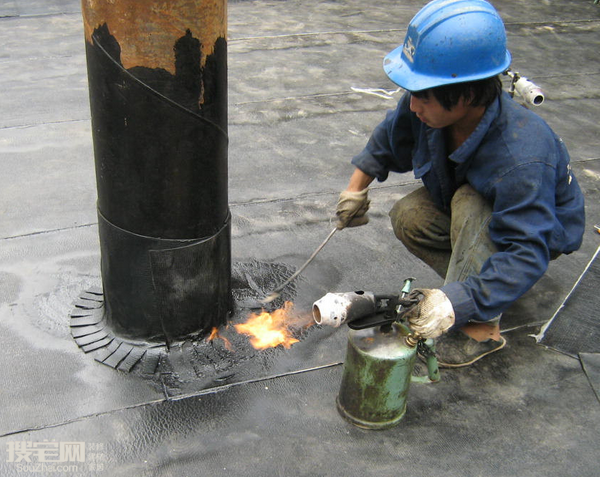
Similarly, recoating a whole roof may not solve leakage if the actual source is an unsealed pipe penetration, defective flashing, loose fasteners or water backing up from a blocked outlet. On external walls, repainting over damp plaster can improve appearance for a short time, but peeling may return if cracks, window joints or wall penetrations remain untreated.
The costly assumption is that more coverage automatically means a better repair. In waterproofing, coverage helps only when it addresses the actual water-entry path.
The Repair Method Should Follow the Confirmed Source
Once the leak source is narrowed down, the repair scope becomes more logical.
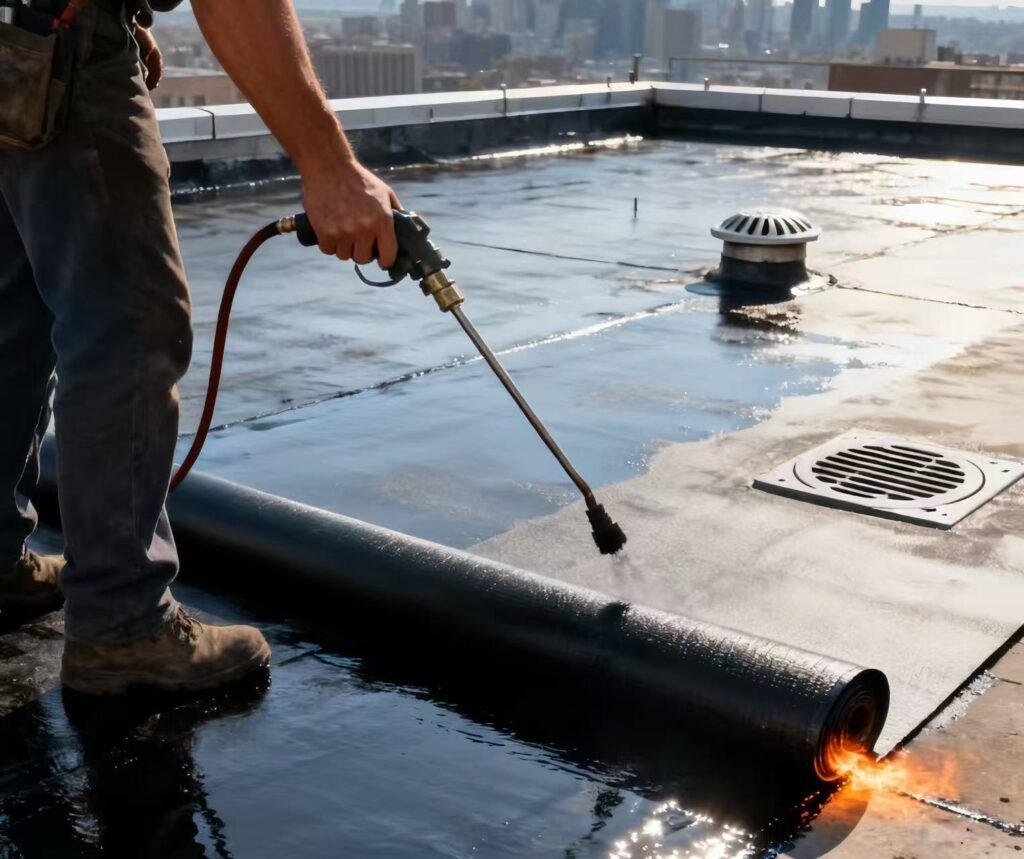
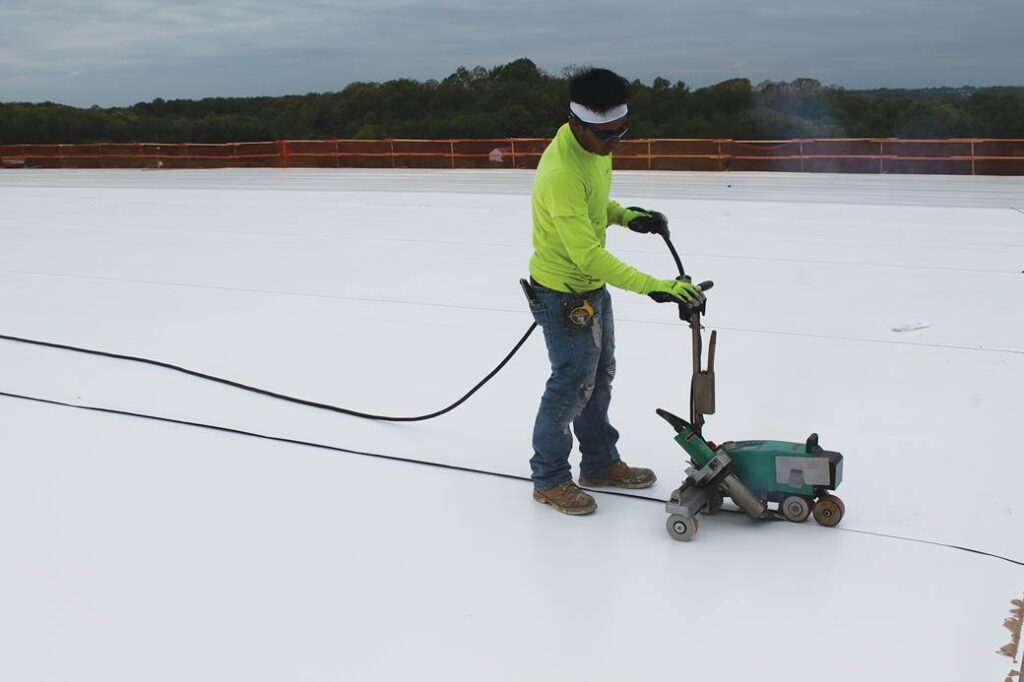
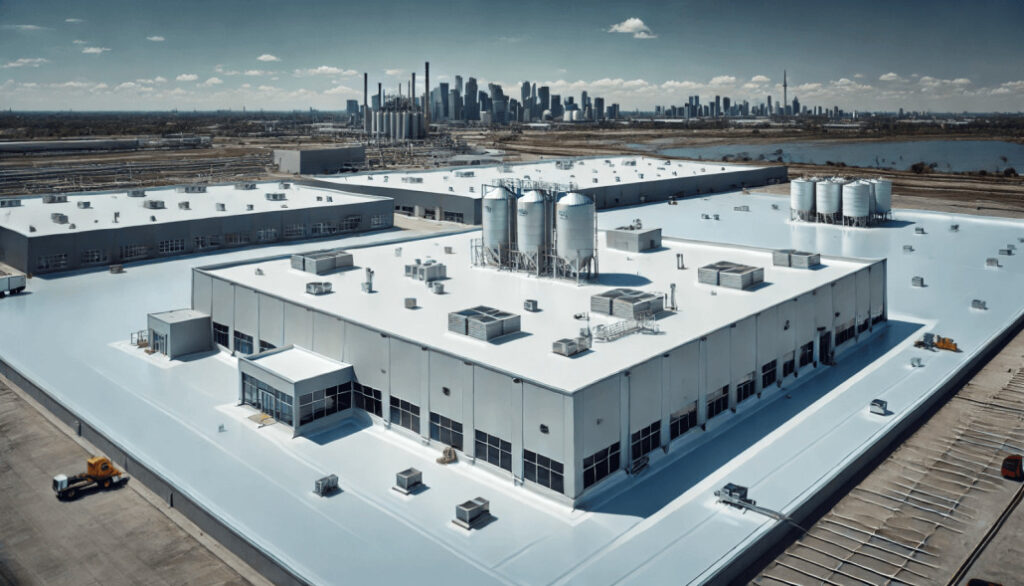
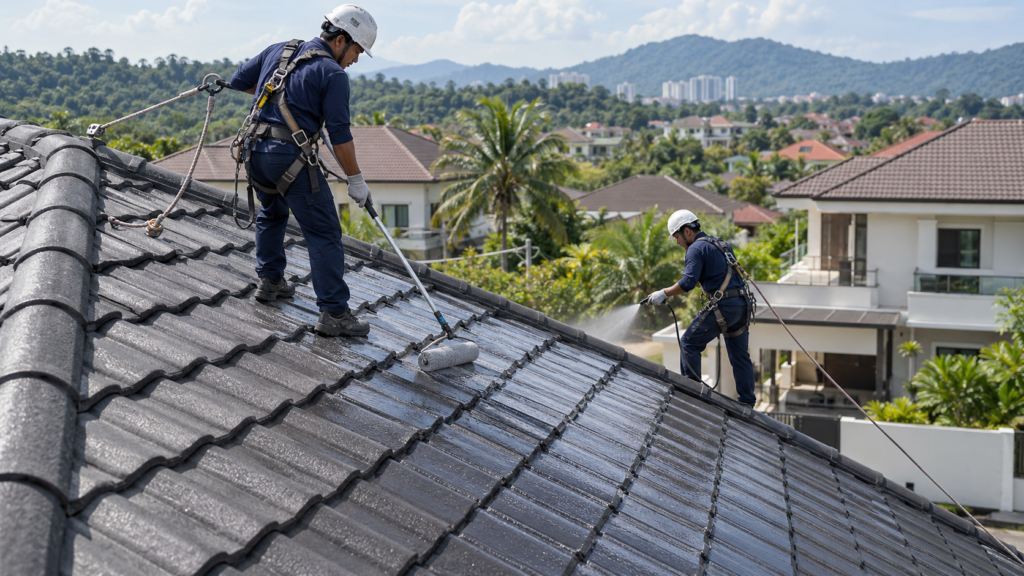
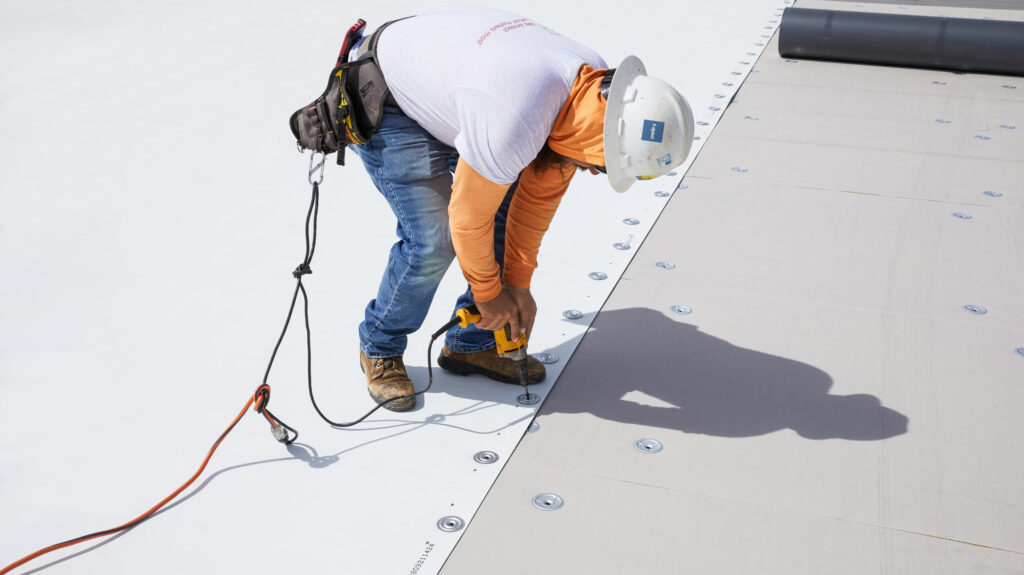
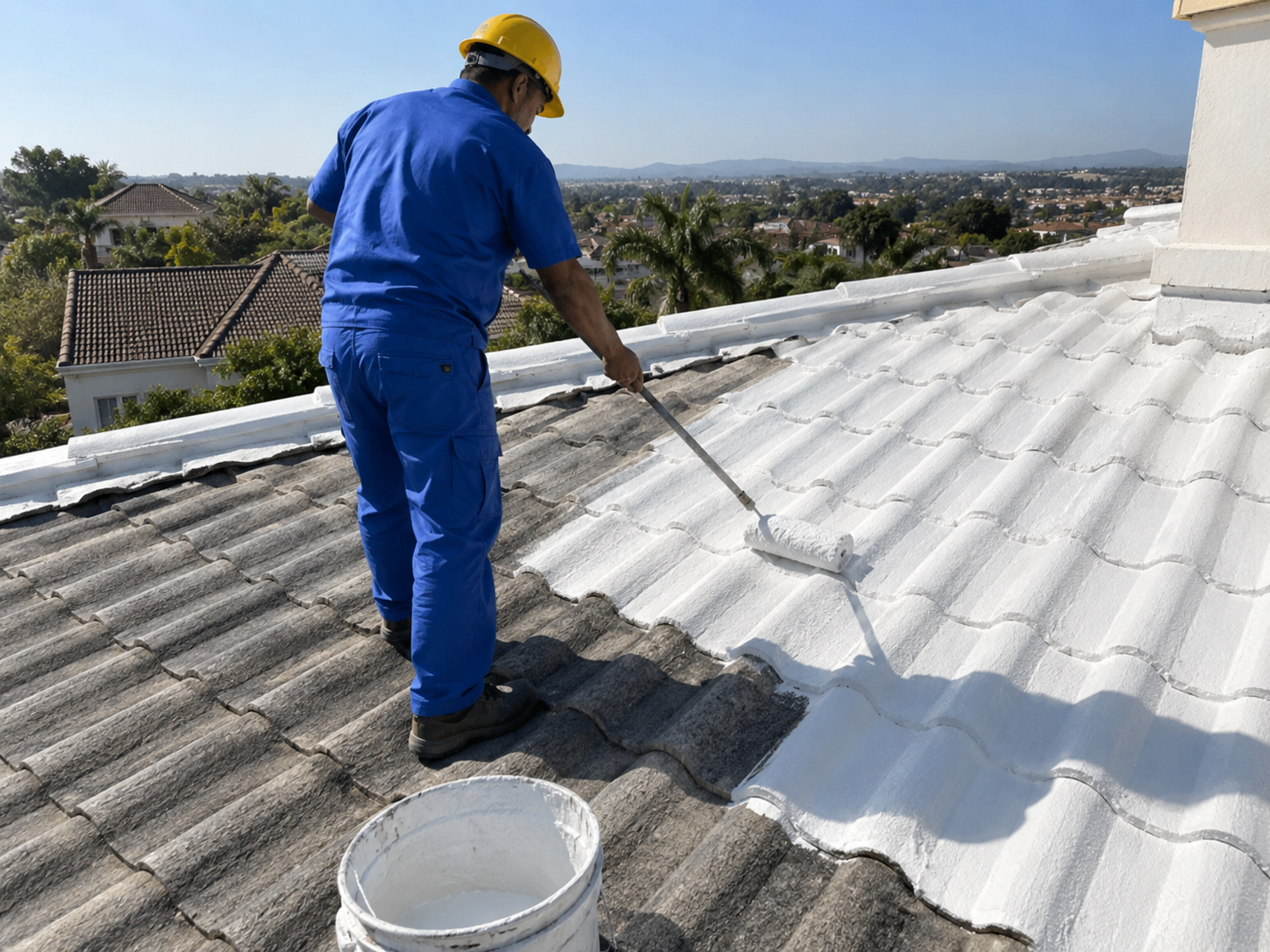
For roof leakage, the repair may involve treating laps, fasteners, roof-wall junctions, gutters, outlets or deteriorated coating areas. A roof waterproof coating may be suitable where the substrate is sound and surface preparation can achieve proper adhesion. However, if roof sheets are badly corroded, loose or structurally weak, coating alone may not be enough.
For external wall seepage, the method depends on whether the issue comes from hairline cracks, porous surfaces, window frame gaps or failed sealant joints. A transparent waterproof coating may be considered where the existing decorative finish should remain visible, but the wall surface must be clean, stable and suitable for adhesion.
For balcony, bathroom or wet-area leakage, the contractor should check the floor-wall junction, drainage outlet, tile condition and pipe penetrations. If the tile system is stable and the leakage is surface-related, a suitable surface-applied system may be possible. If the existing tiles are loose, hollow or hiding saturated screed, removal and proper waterproofing build-up may be required.
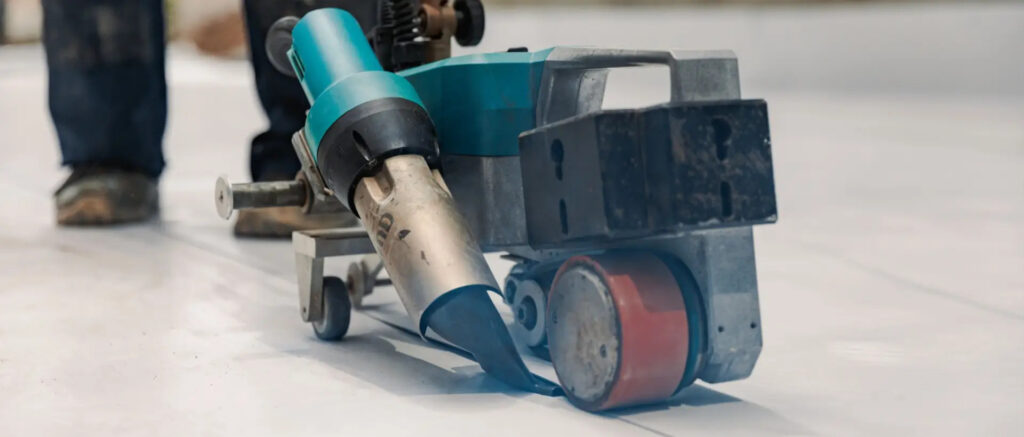
The correct waterproofing method depends on the confirmed leak source. Roof leakage, external wall seepage, balcony tile leakage and pipe penetration failure require different repair details. A coating, sealant, slurry or membrane should be selected only after the substrate condition, water path and exposure conditions are understood.
This approach is more practical than choosing a product first and forcing the site to fit the product.
What Property Owners Should Expect From a Waterproofing Contractor
A property owner does not need to become a waterproofing specialist. But before approving repair work, it is reasonable to expect the contractor to explain three things clearly: where the water is likely entering, what evidence supports that view, and how the proposed repair addresses that location.
The explanation should be specific. “Roof problem” is too broad if the actual issue is a parapet joint, gutter overflow or roof penetration. “Wall seepage” is too broad if the likely entry point is a window frame corner. “Bathroom waterproofing failure” is incomplete if plumbing leakage has not been ruled out.
QingLong Waterproofing provides waterproofing products and waterproofing services for residential, commercial and industrial projects in Malaysia. Where a leak source is uncertain, the useful first step is to review the site condition before selecting the repair system. If you need help assessing a roof leak, wall seepage, bathroom leak or balcony leakage in Malacca, you may contact QingLong Waterproofing for a suitable recommendation.
Conclusion
For Malacca property owners, the most important waterproofing decision is often not which product to apply first. It is whether the leak source has been understood well enough to justify the repair. A stain, peeling paint or damp patch gives a clue, but it does not prove the water-entry point. The better repair is the one that follows the water path, checks the relevant construction details, and matches the waterproofing method to the actual failure condition.