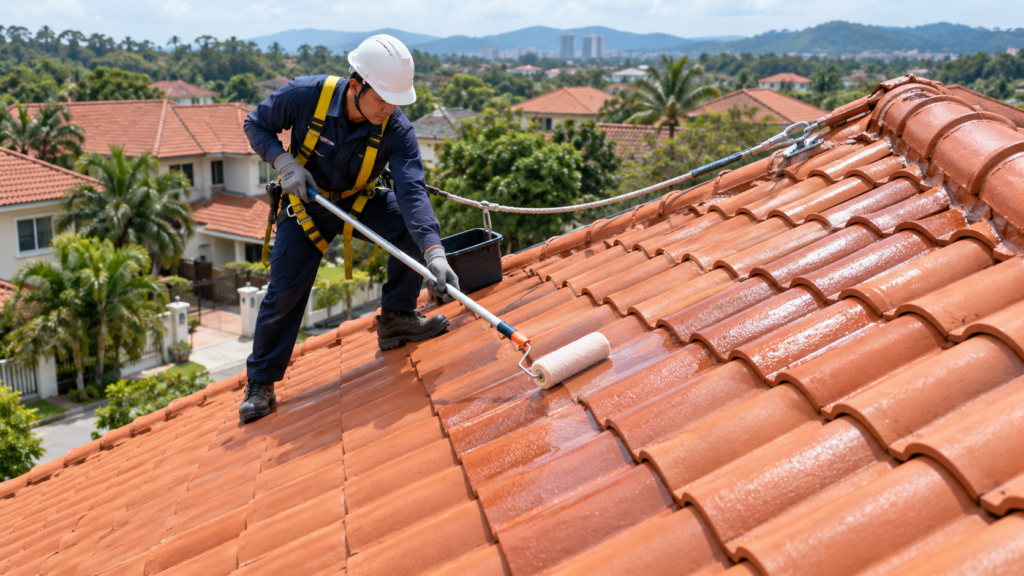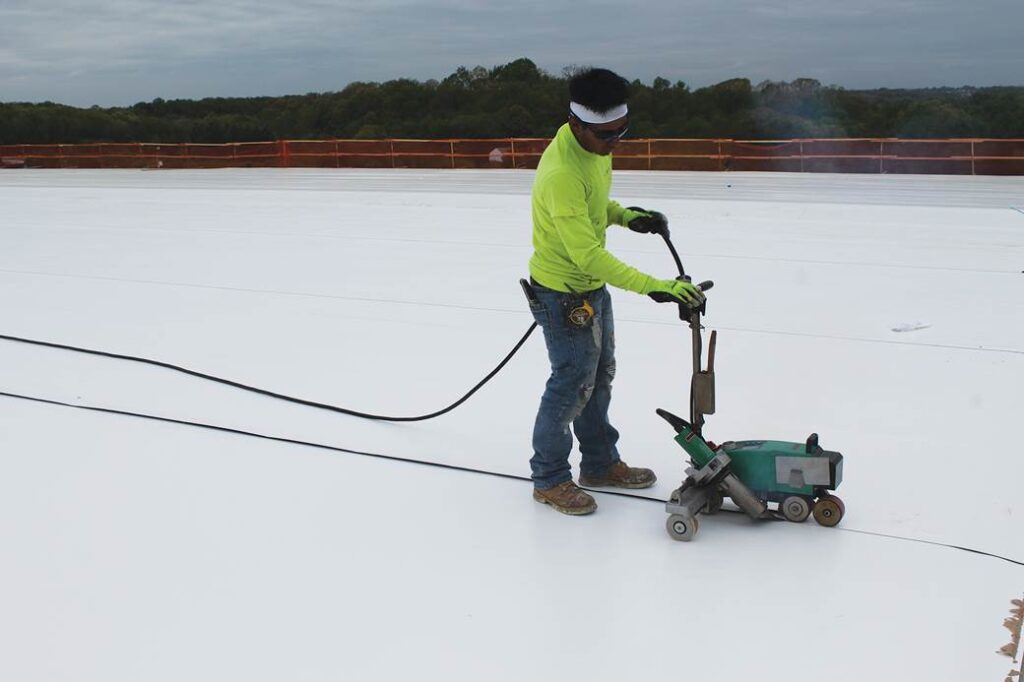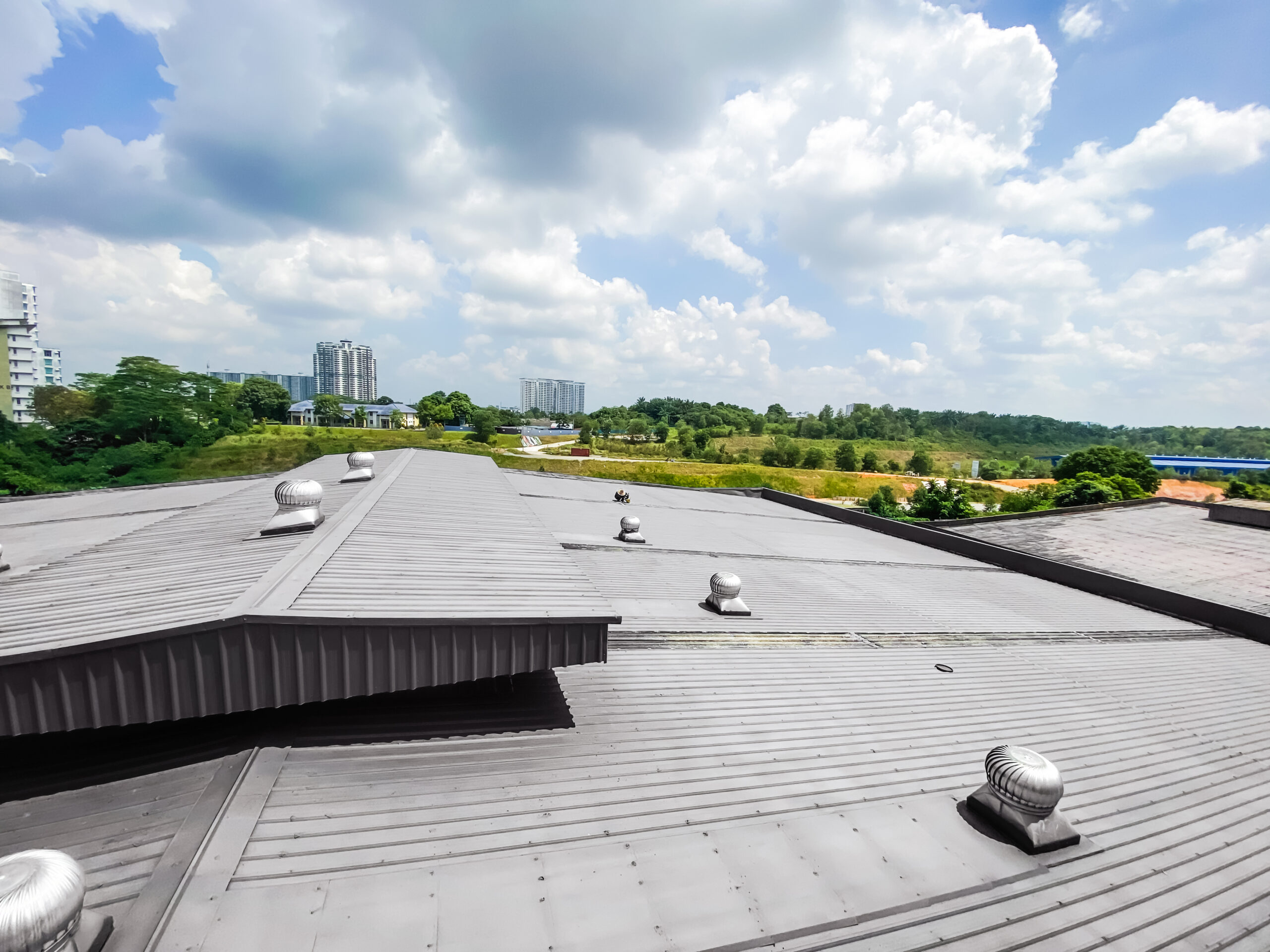
Metal roof leakage is one of the most common waterproofing problems in Johor Bahru, affecting factories, warehouses, and shop lots. Although metal roofing is durable and widely used across Malaysia, it remains exposed to constant heat, heavy rainfall, high humidity, and strong winds throughout the year. Over time, these conditions gradually weaken the roof’s waterproofing performance, allowing water to enter through screws, joints, flashings, and other vulnerable areas.
A leak may begin as a small drip during heavy rain, but it rarely stays that way. Once water reaches insulation, ceiling boards, electrical systems, machinery, or stored inventory, repair costs can increase significantly. More importantly, recurring leakage often indicates that water has already travelled beyond the visible stain, making a quick patch only a temporary solution.
Unlike concrete roofs, metal roofs are designed to move. Every sunny afternoon, the roof expands as temperatures rise. At night and during rain, it contracts again. After years of continuous movement, screws loosen, rubber washers harden, sealants crack, and lap joints gradually lose their ability to keep water out. This is why successful metal roof waterproofing is about more than simply applying another layer of coating.
In this article, we’ll explain why metal roofs leak in Johor Bahru, how waterproofing systems fail over time, what should be inspected before repairs begin, how to choose the right waterproofing solution, and why proper diagnosis is the key to achieving longer-lasting results.
Why Metal Roofs Leak in Johor Bahru
Johor Bahru’s tropical climate creates one of the toughest environments for exposed metal roofing. Heavy rain is often accompanied by strong winds that drive water beneath roof laps and flashing details. At the same time, prolonged UV exposure causes roofing materials to expand, contract, and gradually deteriorate.
Most metal roof leaks are not caused by one large opening. Instead, they usually develop from several smaller defects that appear over many years. Common causes include deteriorated screw washers, rusted fasteners, cracked sealants, loose roof sheets, damaged flashings, blocked gutters, and ageing waterproof coatings.
Buildings located near coastal areas, Pasir Gudang, or industrial zones may experience faster corrosion because humidity, airborne salt, and industrial pollutants accelerate metal deterioration. Even newer roofs can develop leakage if installation details were poor or routine maintenance has been neglected.
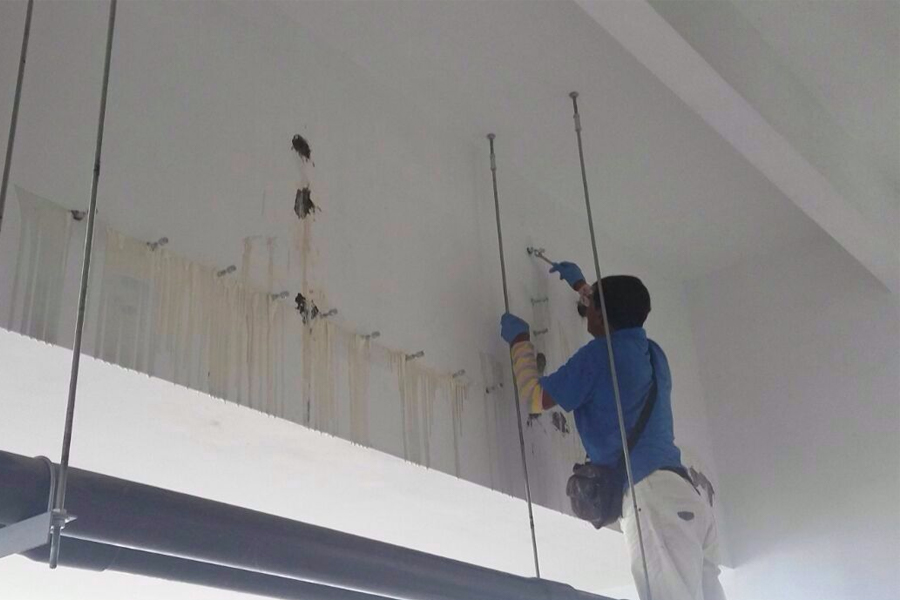
For homeowners, the first warning signs are often ceiling stains, peeling paint, damp walls, or water dripping during heavy rain. In factories and warehouses, leakage can damage production equipment, inventory, office spaces, and electrical systems, leading to costly operational interruptions. This is why identifying the actual source of water ingress is far more important than simply repairing the location where water becomes visible indoors.
How Metal Roof Waterproofing Failure Happens
Metal roof waterproofing rarely fails overnight. In most cases, the deterioration begins slowly at movement points before spreading to surrounding areas.
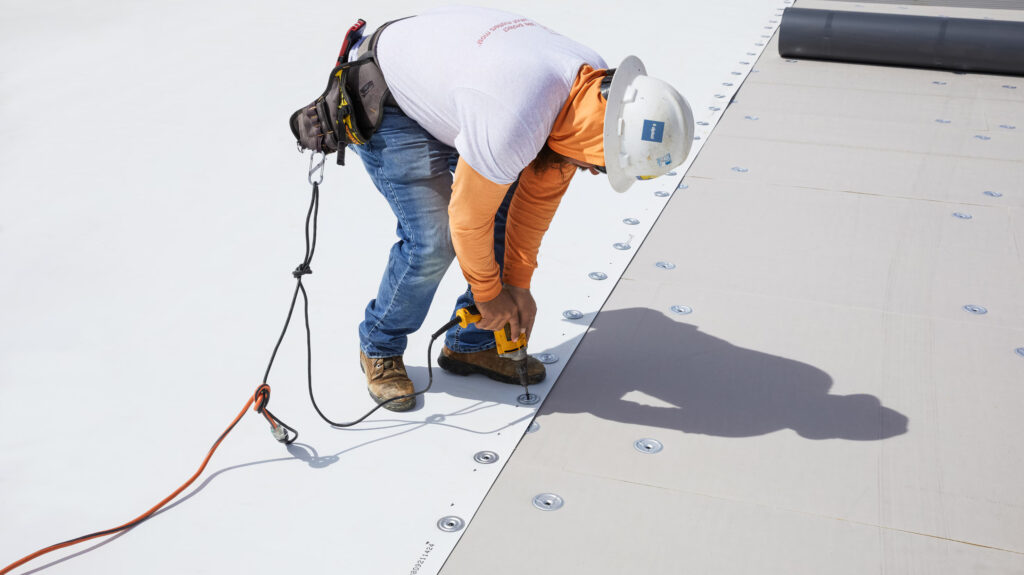
Roof screws are one of the most common failure points. As the roof repeatedly expands and contracts under changing temperatures, screw holes gradually become larger. The rubber washer beneath each screw eventually loses its elasticity, allowing rainwater to penetrate around the fastener.
Roof lap joints are another frequent source of leakage. If overlaps are insufficient, sealants have deteriorated, or wind-driven rain regularly reaches these areas, water can travel through narrow gaps by capillary action. This means water moves between two closely connected surfaces even when gravity appears to direct it elsewhere.
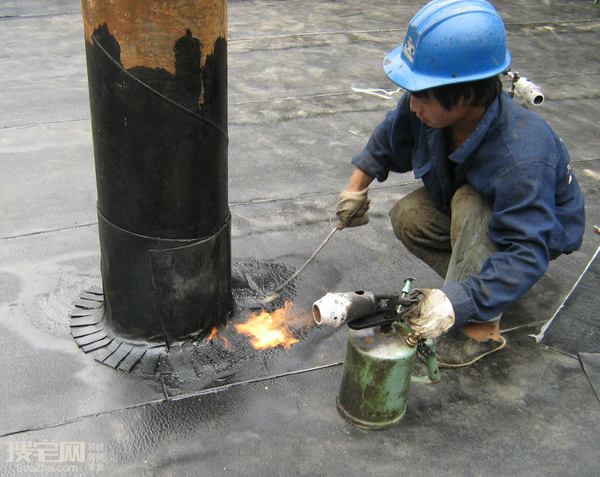
Other vulnerable locations include ridge caps, valley gutters, wall flashings, skylights, pipe penetrations, exhaust vents, solar panel brackets, and air-conditioning supports. These areas experience constant movement and weather exposure, making them more susceptible to waterproofing failure.
Many building owners believe applying another waterproof coating will automatically solve the problem. In reality, coating performance depends heavily on surface preparation. If waterproof materials are applied over rust, dust, grease, moisture, or loose paint, adhesion becomes weak. Once adhesion fails, water can travel beneath the coating, causing blistering, peeling, and hidden corrosion that may not become visible until significant damage has already occurred.
A reliable Malaysia waterproofing system therefore depends on three equally important factors: proper diagnosis, correct surface preparation, and suitable waterproofing materials designed to accommodate continuous roof movement.
What Should Be Checked Before Repair Work Starts
Before selecting any waterproofing solution, a thorough roof inspection should always be carried out. Treating only the visible leak often results in recurring problems because water rarely travels in a straight line through a metal roofing system.
Rainwater may enter through one section of the roof, flow along purlins, insulation, roof laps, or structural steel members, and finally appear several metres away inside the building. This is why the ceiling stain is often not the true leak source.
A professional inspection should evaluate:
• Roof sheet condition, including corrosion, holes, deformation, and loose panels.
• Screws, fasteners, and rubber washers for ageing, rust, looseness, or missing components.
• Roof laps, ridge caps, flashing, valleys, gutters, and drainage outlets.
• Pipe penetrations, skylights, vents, solar panel supports, and equipment brackets.
• Existing waterproof coating for peeling, blistering, chalking, and poor adhesion.
• Interior signs including damp insulation, mould growth, ceiling stains, and recurring leakage locations.
This inspection helps determine whether the roof requires localised repairs, fastener replacement, rust treatment, joint reinforcement, waterproof coating, or a complete roof restoration system. Rather than applying the same repair method to every leak, the waterproofing approach should always match the roof’s actual condition.
Choosing the Right Metal Roof Waterproofing Method
There is no universal waterproofing system suitable for every leaking metal roof. The most effective repair depends on the age of the roof, the extent of corrosion, the amount of structural movement, and the overall condition of the roofing system.
For isolated leaks around several screws or small penetrations, replacing damaged fasteners and carrying out targeted sealing may be sufficient. However, where widespread leakage, deteriorated coatings, or multiple failing joints are present, a reinforced waterproof coating system generally provides a more reliable long-term solution.
A good metal roof waterproofing system should offer excellent adhesion, UV resistance, flexibility, weather resistance, and the ability to accommodate continuous expansion and contraction without cracking prematurely.
As a Waterproofing Manufacturer, Waterproofing Supplier, and Waterproofing Solution Provider, QingLong Waterproofing provides waterproofing materials suitable for residential, commercial, and industrial roofing projects throughout Malaysia. Rather than recommending one product for every situation, the appropriate system should always be selected after understanding the roof’s construction, movement, and leakage pattern.
For factories and warehouses, waterproofing work should also consider production schedules, worker safety, equipment protection, and weather conditions to minimise disruption during repairs.
Case Study: Factory Metal Roof Leakage in Johor Bahru
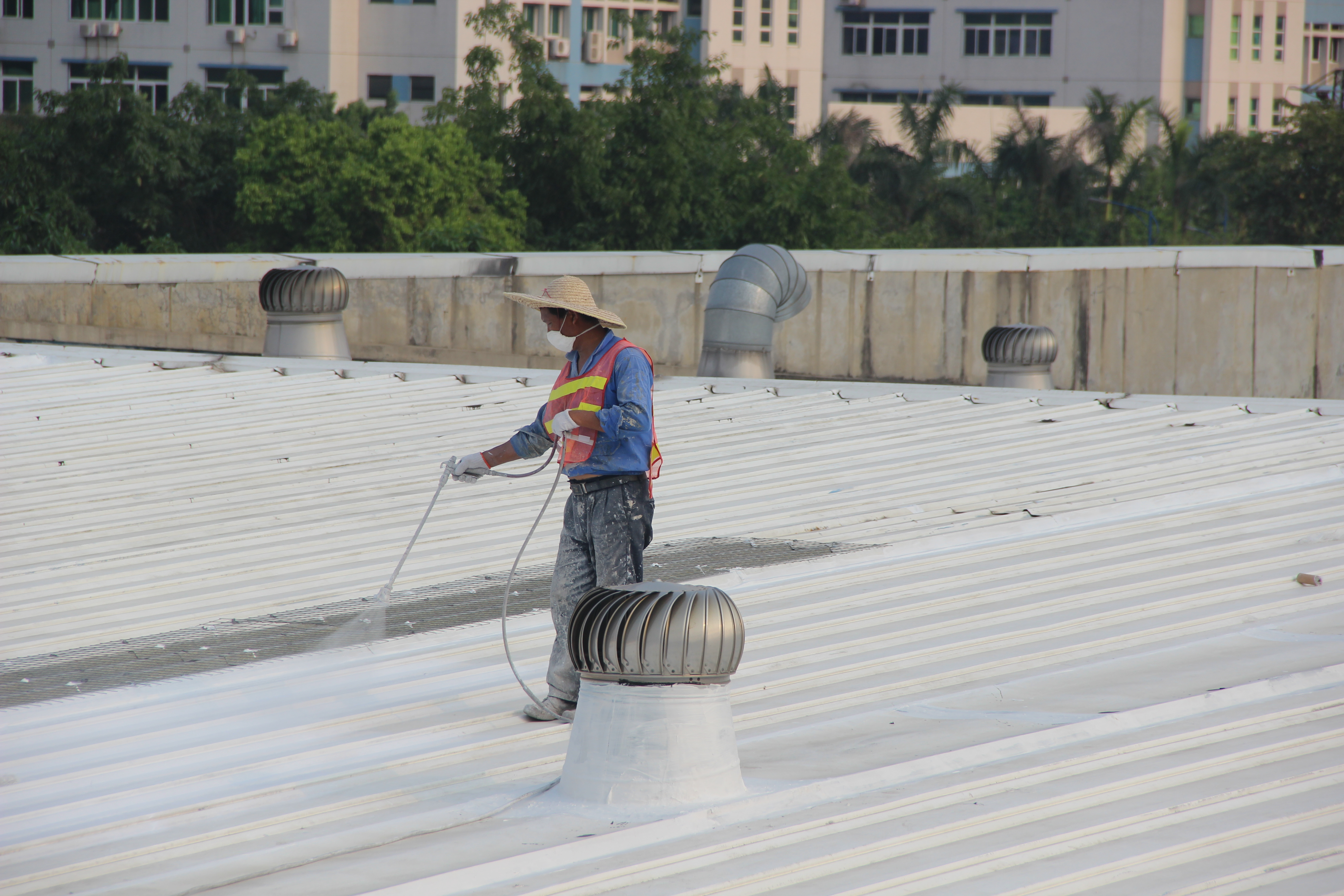
A factory owner in Johor Bahru contacted QingLong Waterproofing after experiencing recurring roof leaks above the production area. During every heavy rainstorm, water dripped onto machinery and walkways, forcing workers to place buckets around the affected areas. Several patch repairs had been carried out previously, but the leaks continued to return within a few months.
A detailed inspection showed that the roof sheets themselves were still in relatively good condition. The real problems were ageing screw washers, loose fasteners, deteriorated sealant around roof penetrations, minor corrosion surrounding exposed screws, and weakened lap joints that allowed wind-driven rain to enter. Water was then travelling beneath the roof sheets before dripping into the factory, making the visible leak different from the actual entry point.
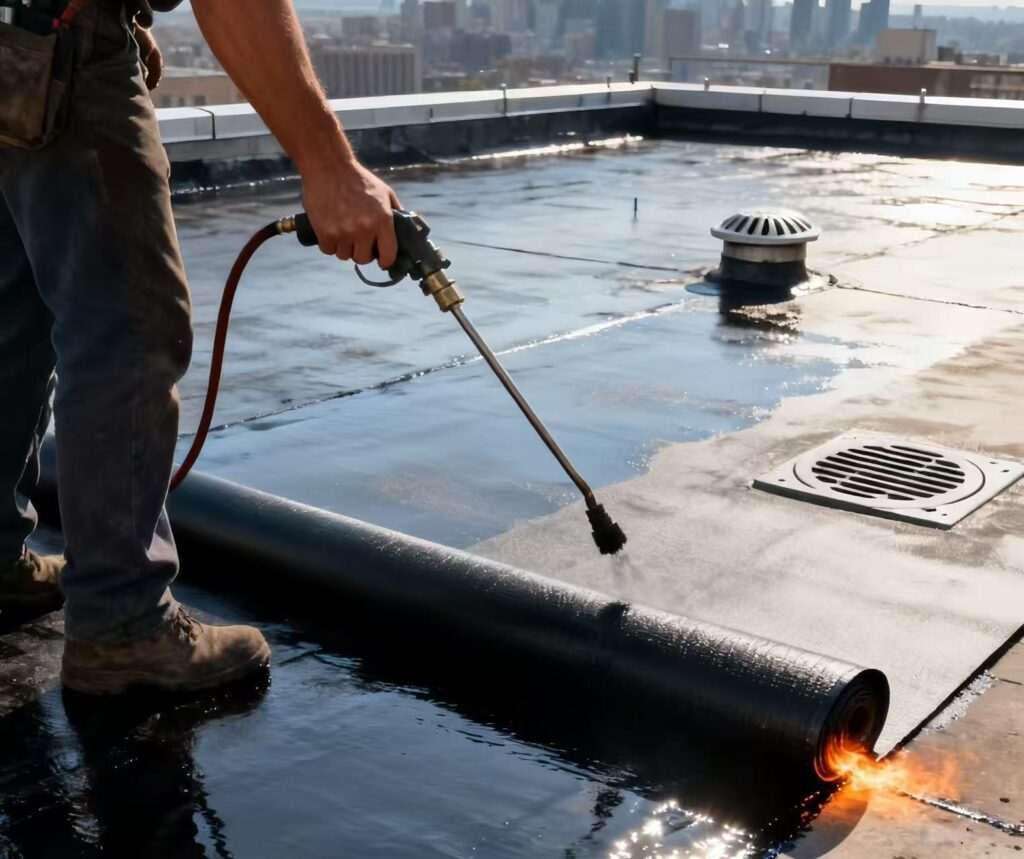
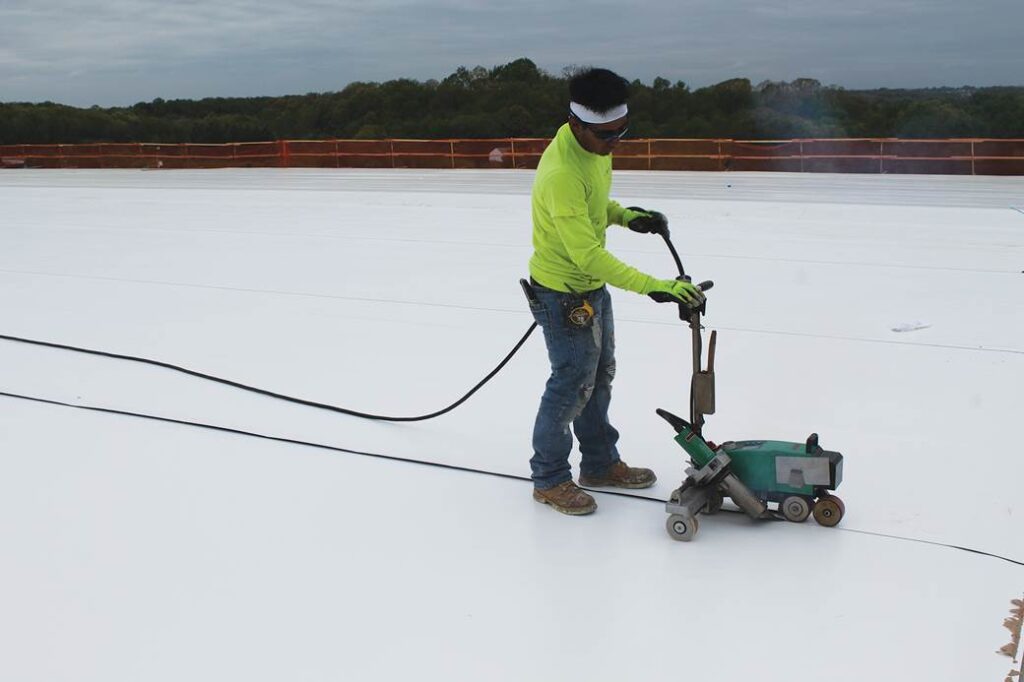
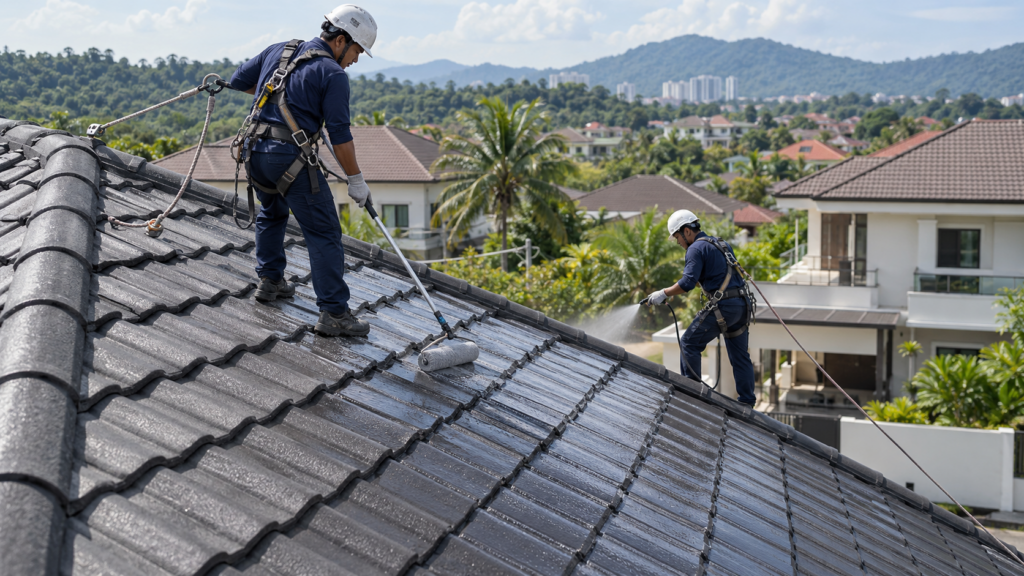
The repair began with a thorough roof inspection to identify every vulnerable area. Loose screws and damaged washers were replaced, rusted sections were cleaned and treated, and weakened joints, flashings, and penetrations were reinforced. After proper surface preparation, a suitable waterproof coating system was applied across the affected roof sections to create a continuous protective layer while maintaining flexibility for future roof movement.
Following the repair, the factory experienced several periods of heavy rainfall without further water intrusion into the production area. More importantly, the owner avoided repeated emergency repairs because the entire leakage path had been addressed rather than simply sealing the location where water became visible indoors.
The project highlights an important lesson: successful metal roof waterproofing is not about applying more sealant or thicker coating. It begins with understanding how water enters the roof, how it travels through the roofing system, and which components have failed. Solving the root cause almost always delivers a longer-lasting result than repeatedly patching the symptoms.
How to Maintain a Waterproofed Metal Roof
Even after waterproofing work has been completed, regular maintenance is essential to maximise the lifespan of the roofing system. Metal roofs remain exposed to heat, rain, humidity, wind, airborne contaminants, and occasional foot traffic, all of which gradually affect waterproofing performance over time.
For factories, warehouses, and commercial buildings, a roof inspection should ideally be carried out before and after the monsoon season. Routine maintenance allows small issues to be identified before they develop into expensive leakage problems that interrupt daily operations.
A maintenance programme should include:
• Cleaning gutters, valleys, and rainwater outlets to prevent water ponding.
• Checking screws, fasteners, and rubber washers for signs of ageing or loosening.
• Inspecting flashings, ridge caps, and lap joints for movement or deterioration.
• Removing leaves, dirt, and debris that trap moisture against the roof.
• Repairing small coating defects before corrosion spreads beneath the waterproofing layer.
Building owners should also pay attention after installing solar panels, air-conditioning units, exhaust systems, satellite equipment, or cable trays. New penetrations created after the original roof installation are among the most common causes of future leakage because they are often sealed incorrectly or without compatible waterproofing materials.
For residential properties, early warning signs include ceiling stains, peeling paint, musty smells, rust marks along roof edges, or water dripping only during heavy rain. Addressing these symptoms early usually limits the repair area and helps avoid more extensive structural damage.
Conclusion
Metal roof leakage in Johor Bahru is usually caused by roof movement, aged fasteners, cracked joints, corrosion, and poor drainage rather than one obvious defect. A lasting repair depends on proper inspection, correct surface preparation, flexible waterproofing materials, and careful detailing around screws, laps, flashings, and penetrations. Temporary patching may help in an emergency, but repeated leaks usually need a more complete repair approach.
As a Waterproofing Manufacturer, Waterproofing Supplier, and Waterproofing Solution Provider, QingLong Waterproofing supports residential, commercial, and industrial projects throughout Malaysia with professional waterproofing materials, technical expertise, and practical repair recommendations. If your roof is leaking or showing early signs of water entry, contact QingLong Waterproofing to arrange a professional site inspection and suitable repair advice.Frequently Asked Questions (FAQs)
1. What causes metal roof leaks in Johor Bahru?
Metal roof leaks are commonly caused by deteriorated screw washers, loose fasteners, rust, cracked sealants, weakened lap joints, blocked gutters, and continuous expansion and contraction caused by Johor Bahru’s hot, humid, and rainy climate. In many cases, several minor defects combine to create recurring leakage.
2. Can waterproof coating stop metal roof leakage?
Yes, a waterproof coating system can effectively reduce leakage when the roof is properly inspected, cleaned, repaired, and prepared beforehand. Critical areas such as screws, lap joints, flashing, gutters, and penetrations should also be repaired as part of the waterproofing system to achieve better long-term performance.
3. Why does my metal roof keep leaking after previous repairs?
Many repairs only treat the visible leak instead of identifying the actual water entry point. Rainwater can travel beneath roof sheets, insulation, purlins, or structural members before becoming visible inside the building. A proper roof inspection helps identify the complete leakage path and the most suitable repair method.
4. When should I arrange a professional metal roof waterproofing inspection?
You should arrange an inspection if you notice ceiling stains, water dripping during rain, peeling paint, damp smells, rust marks, mould growth, or recurring leaks after previous repairs. Early inspection allows problems to be corrected before they become more extensive and costly to repair.