Newsletter

PU injection specialist in Petaling Jaya: stop active leaks

PU Injection Specialist in Petaling Jaya: How to Stop Active Leaks Properly

Active water leakage is one of the most urgent waterproofing problems affecting residential, commercial, and industrial buildings in Petaling Jaya. Once water begins dripping or flowing through concrete cracks, construction joints, retaining walls, or basement structures, the problem can worsen rapidly, causing damage to finishes, electrical systems, equipment, and interior spaces. Unlike damp patches caused by surface moisture, active leaks usually indicate that water is already travelling through hidden paths inside the concrete under pressure.

In Petaling Jaya, frequent heavy rainfall, ageing buildings, high-rise developments, underground car parks, and complex drainage systems all contribute to recurring leakage issues. Many buildings have undergone years of thermal expansion, contraction, renovation work, and structural movement, allowing small cracks to gradually develop into channels that allow water to penetrate the structure.

PU injection is one of the most effective repair methods for stopping active water ingress without extensive demolition. However, successful repair depends on identifying the actual water path rather than simply treating the visible wet area.

In this article, we’ll explain how PU injection works, when it is suitable, what property owners should check before repair, and how a proper waterproofing service can stop active leaks with better long-term control.

Why Active Leaks Happen in Petaling Jaya Buildings

Active leaks usually happen when water finds a weak path through concrete, joints, pipe penetrations, or construction gaps. In Petaling Jaya, many commercial buildings, condominiums, and shoplots have gone through years of heat, rain, vibration, renovation work, and structural movement. Over time, small cracks can become direct channels for water ingress.

Why does water continue leaking even after patching the surface? 

The reason is simple: the visible stain or dripping point is often only the exit point, not the source. Water may enter from the upper slab, exterior wall, planter box, roof area, or underground soil pressure before travelling through hidden voids. If only the surface is sealed, water pressure may push the leak to another nearby area.

This is why active leakage repair needs diagnosis before treatment. A PU injection specialist in Petaling Jaya should identify the leakage pattern, moisture direction, crack condition, and water pressure level before deciding the injection method.

How PU Injection Stops Running Water

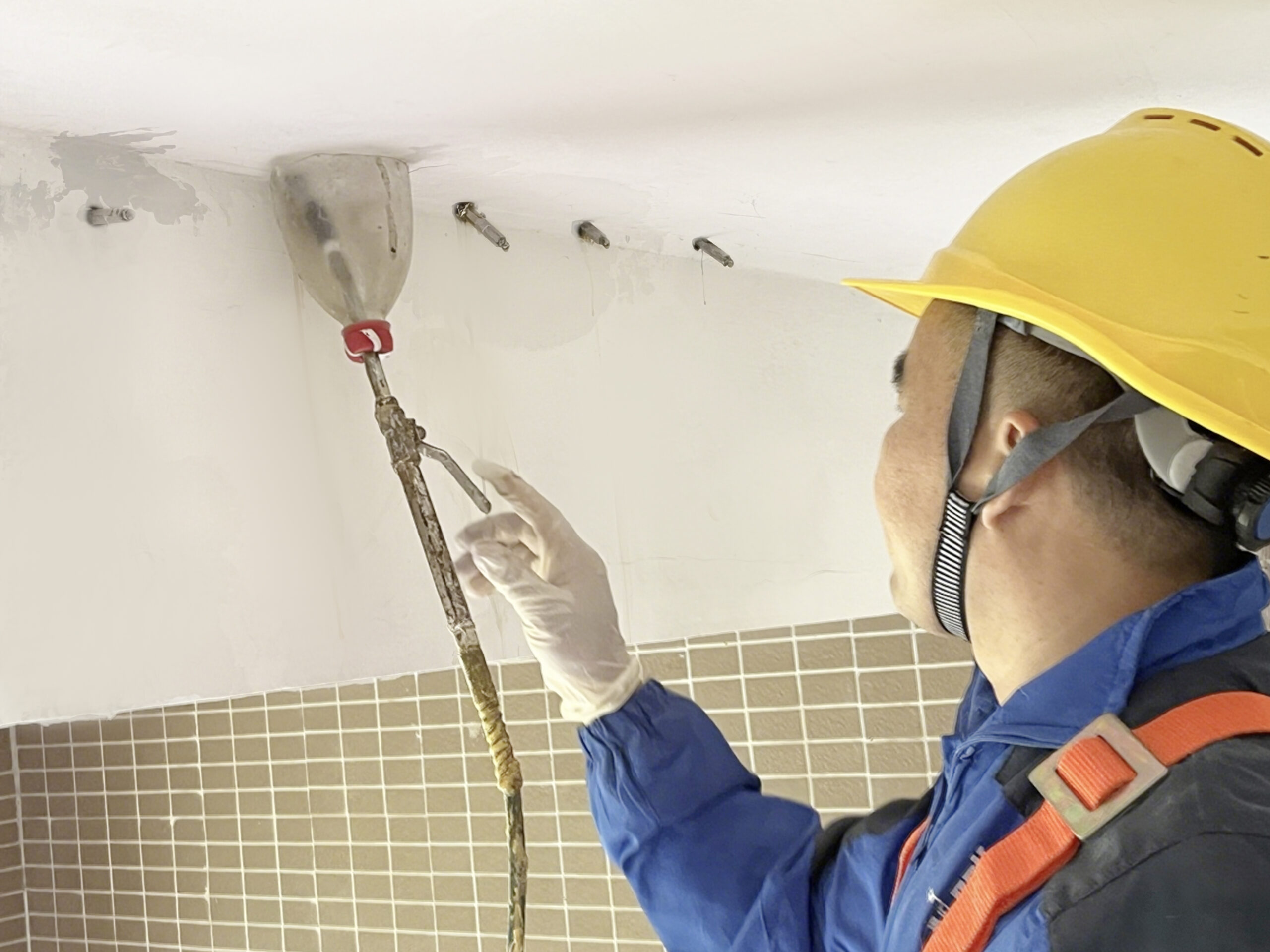
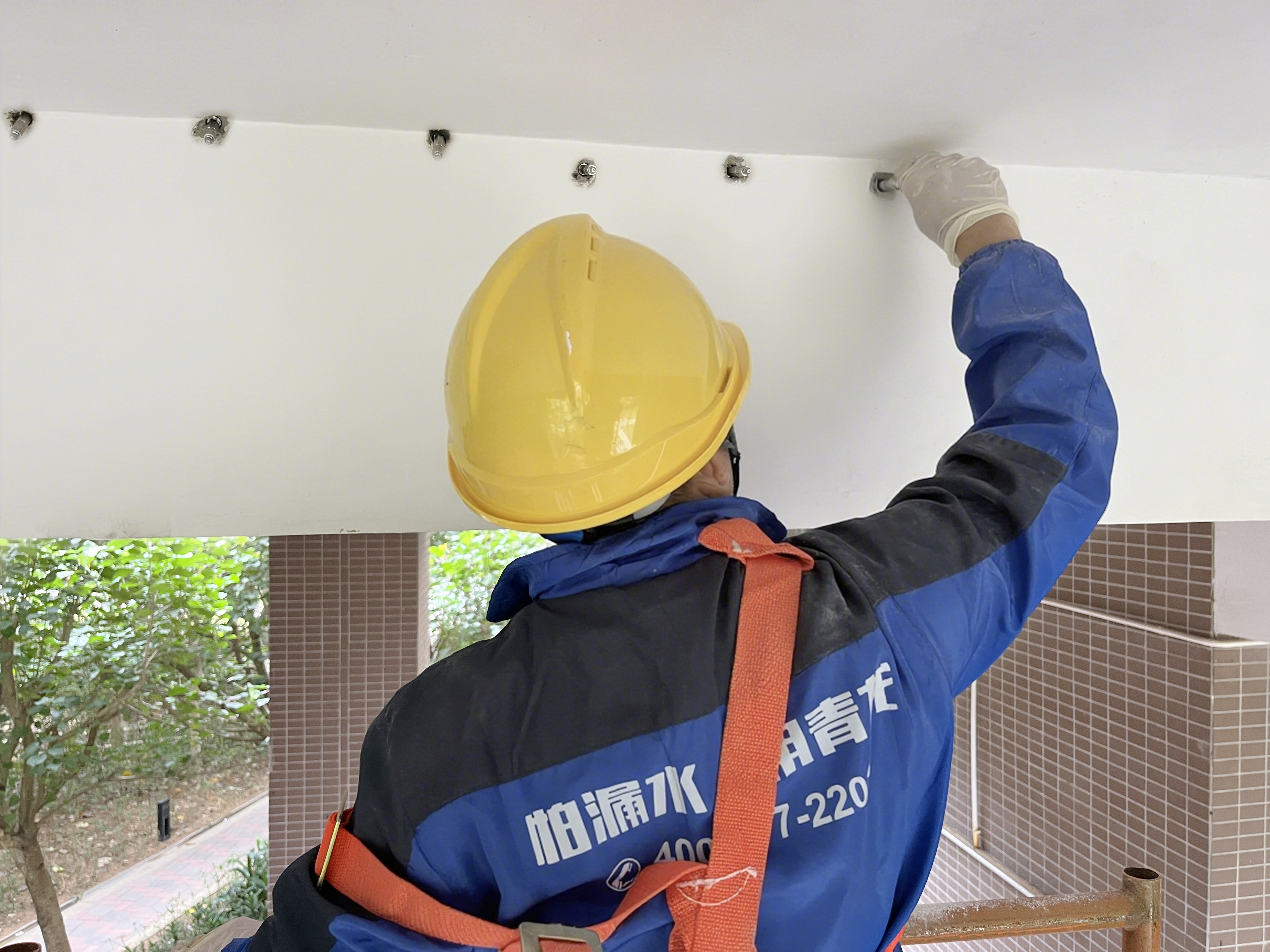
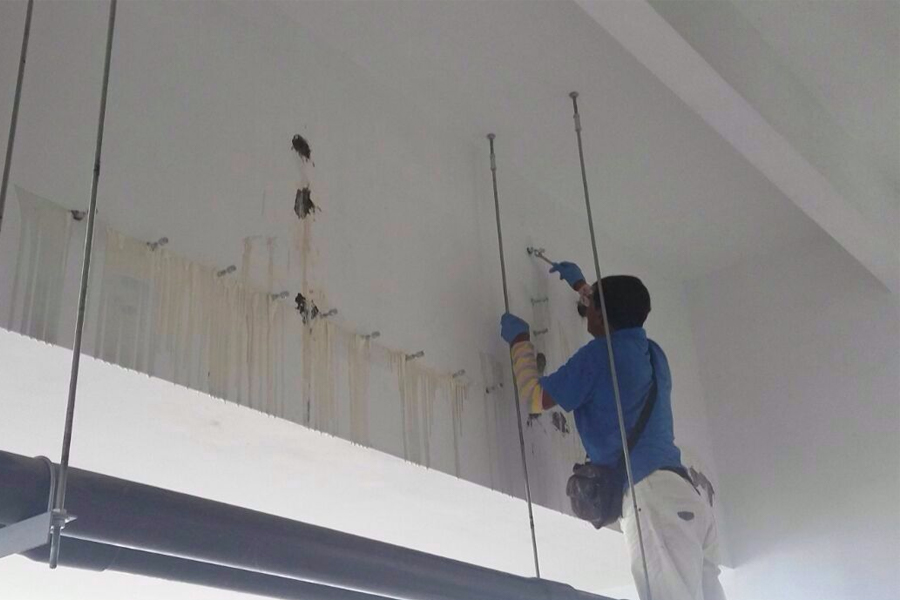
PU injection, also known as polyurethane injection, is a method used to seal active leaks from inside the structure. The applicator drills small injection points along the crack or leaking joint, installs injection packers, and pumps PU resin into the leakage path. When the resin reacts with moisture, it expands into foam or flexible material, filling gaps and blocking water movement.

The main advantage of PU injection is that it can work even when water is still present. This makes it useful for basement walls, lift pits, underground car parks, water-retaining areas, and concrete cracks where waiting for a dry surface is not practical.
图片

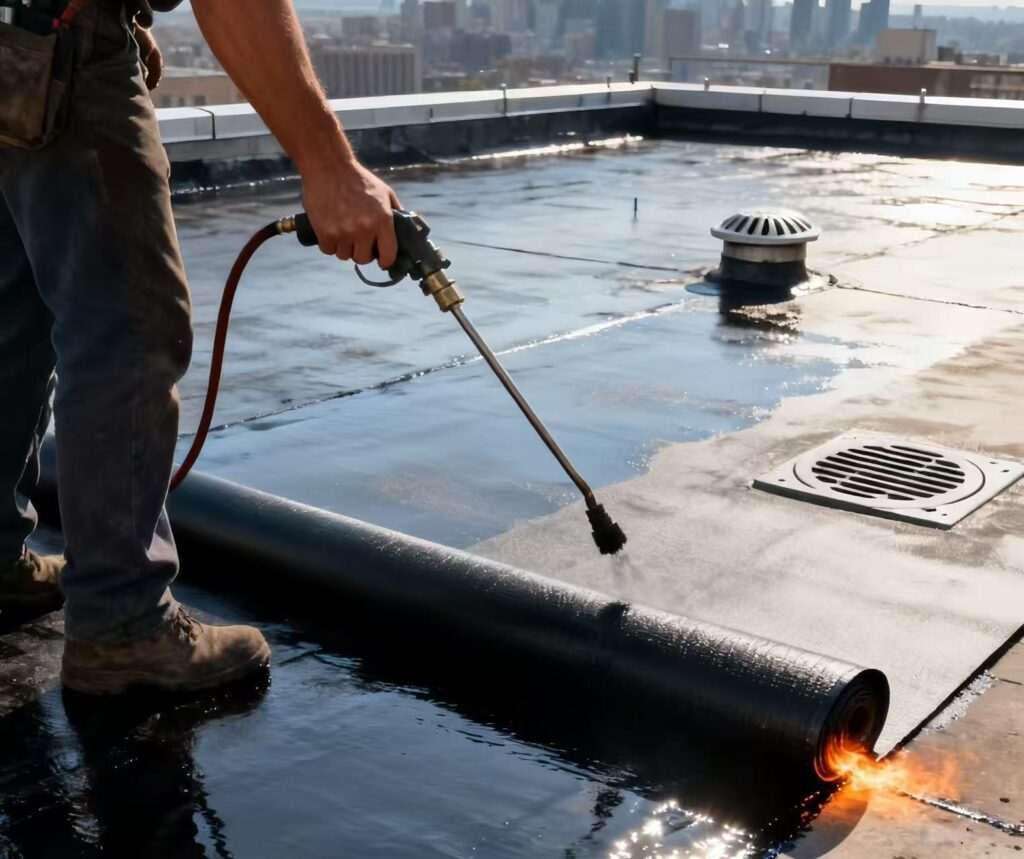
However, PU injection is not a decorative finish and should not be treated as a general coating system. It is a targeted leak-stopping method. If the surrounding waterproofing system has already failed, PU injection may stop the active water path, but additional waterproofing repair may still be needed to protect the surface from future seepage.

When PU Injection Is Suitable for Leak Repair

PU injection is suitable when the leakage comes through cracks, joints, honeycombed concrete, pipe penetrations, or construction defects where water is already entering the building. It is commonly used in Petaling Jaya buildings with basement seepage, car park wall leaks, ceiling cracks below wet areas, and water ingress near structural joints.

What should contractors check before applying PU injection materials? 

They should confirm whether the leak is caused by a pressurised water path or by a larger waterproofing failure. For example, if water is entering through a cracked retaining wall, injection can seal the crack. But if the external waterproofing membrane has failed across a wide area, injection alone may only solve part of the problem.
图片

As a Malaysia waterproofing industry practice, the correct repair method should match the structure, water source, and expected movement. A flexible injection material is often preferred where small movement may continue, while stronger filling control may be needed for stable concrete defects.
What to Check Before Starting PU Injection

Before appointing a waterproofing team, property owners and facility managers should look beyond the dripping point. A careful inspection helps reduce repeated drilling, unnecessary repairs, and short-lived results.

Before choosing a PU injection solution, check:

• Whether the leak is active only during rain or continuous throughout the day
 • Whether the water comes from a crack, joint, pipe area, slab edge, or wall penetration
 • Whether there are signs of concrete honeycomb, hollow areas, or previous failed patching
 • Whether the area has structural movement, vibration, or expansion joints
 • Whether follow-up surface waterproofing is required after injection

This checklist is especially useful for Petaling Jaya property management teams handling basement car parks, retail lots, and strata buildings where leaks can affect tenants, electrical rooms, storage areas, or customer-facing spaces.

Case Study: Basement Wall Leak Repair in Petaling Jaya

On a basement car park repair project in Petaling Jaya, the main issue was water seepage along a vertical wall crack after heavy afternoon rain. The building team had previously applied surface cement patching, but the leak returned because water pressure was coming from behind the retaining wall.

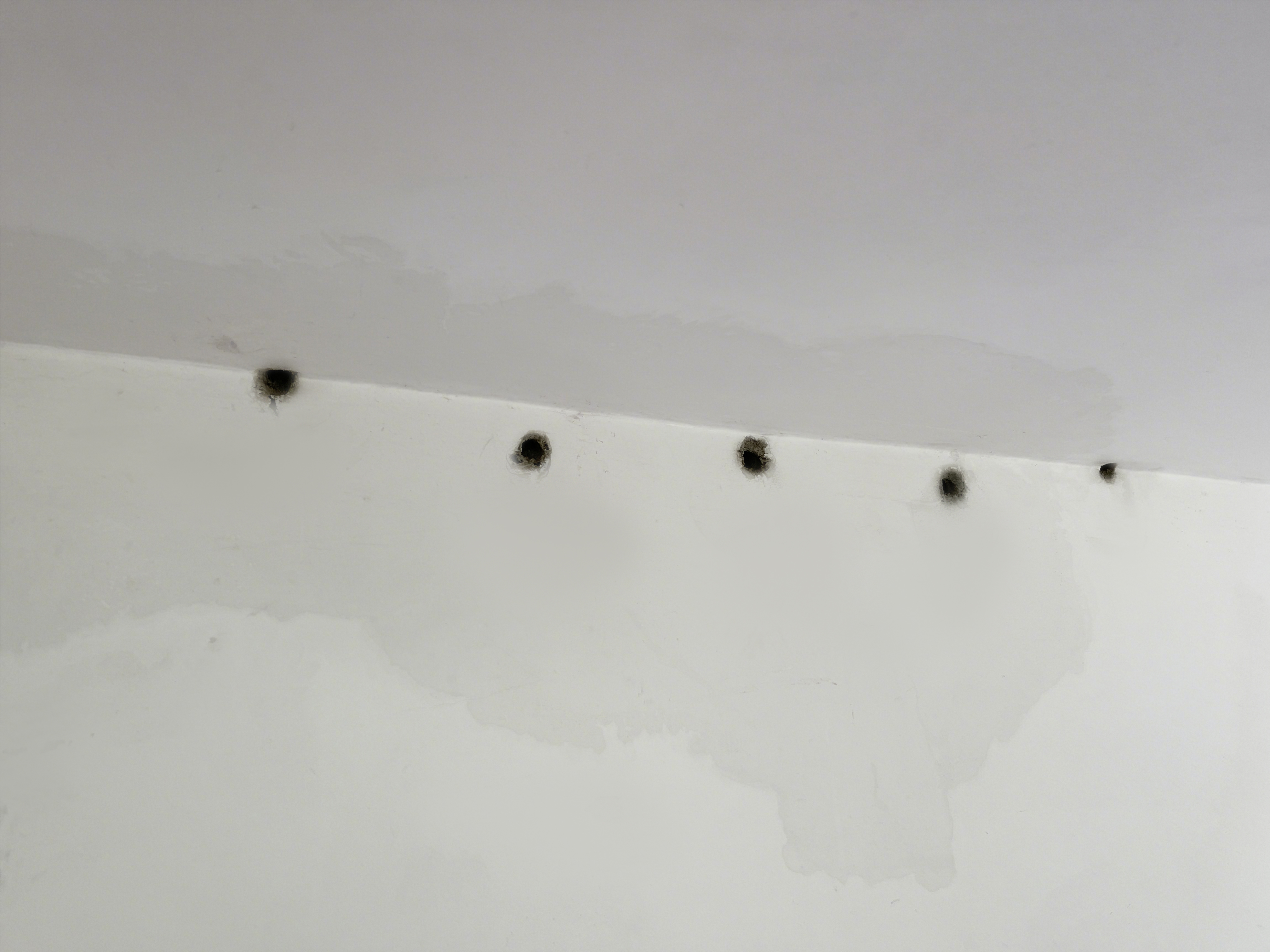
The repair team first inspected the crack line, marked the wettest points, and checked whether the water was spreading through nearby cold joints. Injection packers were installed along the crack at controlled spacing. PU resin was then injected gradually until the material travelled through the leakage path and water flow slowed down.

After curing, the packers were removed, the holes were sealed, and the wall was monitored during the next rainfall. The result was a dry wall surface at the treated crack line, with no immediate water flow returning from the same path. The project also showed why active leak repair should focus on water movement inside the concrete, not only the visible surface stain.

Why Material Quality and Injection Control Matter

PU injection performance depends on both material selection and site workmanship. If the resin reacts too fast, it may block only the front part of the crack without reaching deeper voids. If the pressure is poorly controlled, the material may not travel properly, or it may create unnecessary stress around weak concrete.

QingLong Waterproofing supports leak repair through its role as a Waterproofing Manufacturer, Waterproofing Supplier, Waterproofing Solution Provider, and Waterproofing Service team in Malaysia. This combination is useful because product knowledge and application experience must work together. In practical site work, the applicator needs to understand resin behaviour, crack condition, drilling angle, injection sequence, and curing time.

No injection system should be promised as a universal fix for every leakage problem. The best result comes from accurate diagnosis, suitable material, controlled application, and honest advice on whether additional waterproofing work is needed.

Conclusion

PU injection is an effective waterproofing solution for stopping active leaks in Petaling Jaya when water is travelling through concrete cracks, construction joints, retaining walls, pipe penetrations, or hidden structural defects. The success of the repair depends on identifying the actual water path, selecting suitable injection materials, and applying them using proper techniques and controlled pressure.

For basements, underground car parks, retaining walls, lift pits, and other concrete structures experiencing active leakage, early diagnosis can help prevent repeated temporary repairs, minimise disruption, and reduce long-term maintenance costs.

If your property in Petaling Jaya is experiencing active water leakage, recurring seepage, or unexplained damp areas, contact QingLong Waterproofing to arrange a professional site inspection. Our team will assess the root cause of the leak and recommend the most suitable waterproofing solution based on your building's actual condition.

Frequently Asked Questions (FAQs)

1. Can PU injection be carried out while water is still leaking?

Yes. One advantage of PU injection is that it can often be performed even when water is actively flowing through the concrete. The polyurethane resin reacts with moisture and seals the internal water path.

2. Will PU injection damage the concrete structure?

When carried out correctly, PU injection is designed to seal leakage paths without damaging the surrounding concrete. The drilling pattern, injection pressure, and resin type should always match the condition of the structure.

3. How long does a PU injection repair take?

The repair time depends on the number of leakage points, the size of the affected area, and site accessibility. Small repairs may be completed within a day, while larger basement or retaining wall projects may require additional time for inspection, injection, and monitoring.

4. Should PU injection be combined with other waterproofing work?

Sometimes. PU injection effectively seals active water paths inside concrete, but if the surrounding waterproofing system has failed over a larger area, additional waterproofing repairs may also be required to provide long-term protection.

Share:

Facebook
Pinterest
LinkedIn

Let Us Know How We Can Help

Simply fill out the details below and we will be in contact with you as soon as possible to discuss your needs.