Flexible concrete cracks often leak because buildings naturally expand, contract, and settle over time. As cracks and joints move, rainwater or groundwater under pressure finds the weakest path through the concrete, leading to recurring water leakage.
Why Flexible Cracks Are Different From Ordinary Cracks
Not all concrete cracks require the same repair method. A hairline shrinkage crack on a dry wall may only need surface repair, but a flexible crack that opens, closes, or leaks during rain requires a different approach. In Malaysia’s humid climate, heavy downpours and frequent temperature changes make these cracks more active, especially on basements, rooftops, car parks, retaining walls, water tanks, and concrete slabs.
What causes flexible cracks to leak?
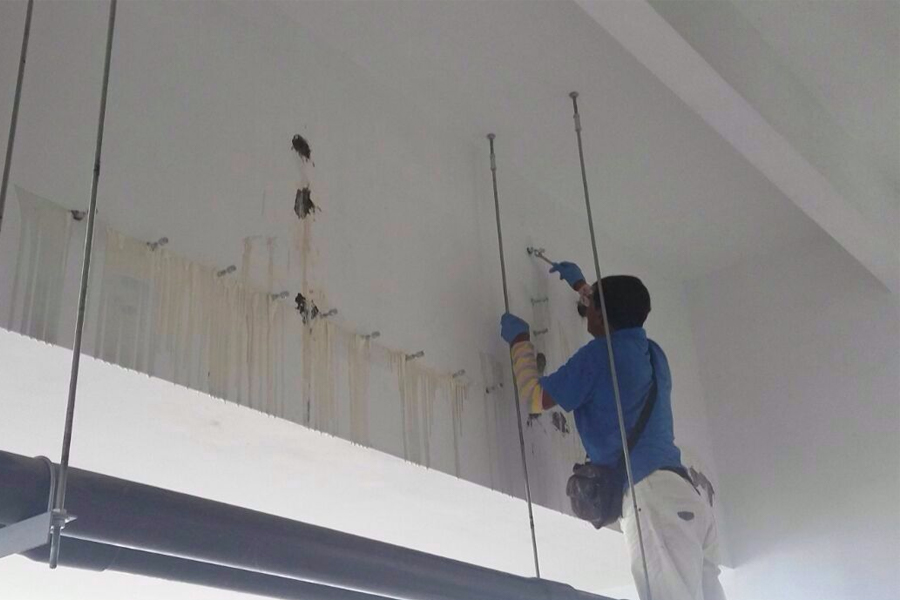
Most of the time, the crack is not only a surface defect. It may be connected to structural movement, construction joints, settlement, thermal expansion, or vibration from traffic and machinery. When rainwater, groundwater, or trapped moisture reaches the crack, water pressure pushes it through the concrete. The leak may appear as dripping water, damp patches, white mineral stains, peeling paint, or recurring wet lines along the crack.
As a Malaysia waterproofing concern, flexible crack leakage should not be solved by simply applying coating over the visible crack. Surface coating may hide the symptom for a short time, but if water is still active behind the wall or slab, pressure can force the leak to return. This is why PU injection is commonly used when the crack is live, damp, or under water pressure.
How PU Injection Stops Water Through Moving Cracks
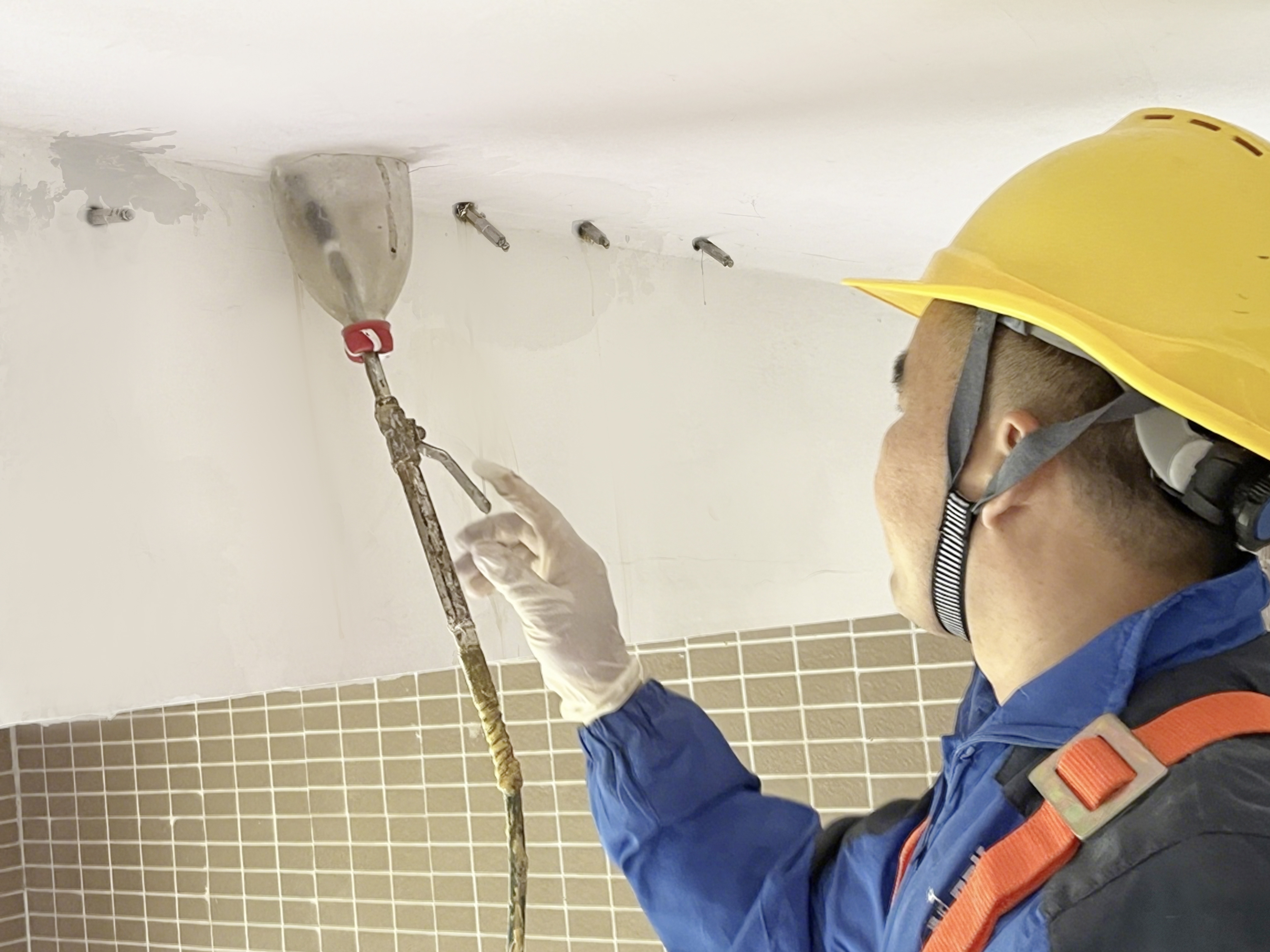
PU injection, or polyurethane injection, is a method where liquid resin is injected into the leaking crack using pressure. Once the PU resin contacts water or moisture inside the crack, it reacts and expands to fill voids, gaps, and water channels. Depending on the material type, the cured foam or gel can remain flexible enough to tolerate small movements in the concrete.
Why is flexibility important? A rigid repair material may crack again when the building moves. Flexible PU materials are designed to seal the water path while allowing limited movement. This makes them useful for active cracks, wall-slab joints, pipe penetration areas, honeycombed concrete, and wet construction joints.
However, PU injection is not a magic shortcut. If the crack is caused by serious structural movement, poor drainage, or continuous water ponding, injection alone may not solve the root problem. A professional Waterproofing Service should identify whether the leak is coming from the crack itself, an adjacent joint, roof runoff, external wall seepage, or groundwater pressure. The right diagnosis prevents unnecessary repeated repairs.
What Should Contractors Check Before PU Injection?
Before choosing PU injection, a waterproofing specialist should evaluate both the crack and the surrounding building condition. In real projects, the visible leaking point is not always the original water entry point. Water can travel behind plaster, along reinforcement bars, or through weak concrete before appearing indoors.
Before applying PU injection, check:
• The crack width, length, movement pattern, and whether it is dry, damp, or actively leaking.
• The water source, such as rainwater, roof ponding, groundwater, plumbing leakage, or external wall seepage.
• The concrete condition, including honeycombing, loose plaster, voids, or weak substrate.
• The injection material type, expansion rate, curing behavior, and flexibility after reaction.
• The need for follow-up protection, such as joint sealing, drainage improvement, or surface waterproofing.
This inspection is important because PU injection works best when the water path can be filled from within. If the surface is dirty, the crack is poorly identified, or injection ports are placed incorrectly, the resin may not travel through the full leakage channel. A good Waterproofing Solution Provider will plan port spacing, pressure control, material selection, and finishing treatment according to site conditions.
Common Areas Where Flexible Crack Leakage Happens
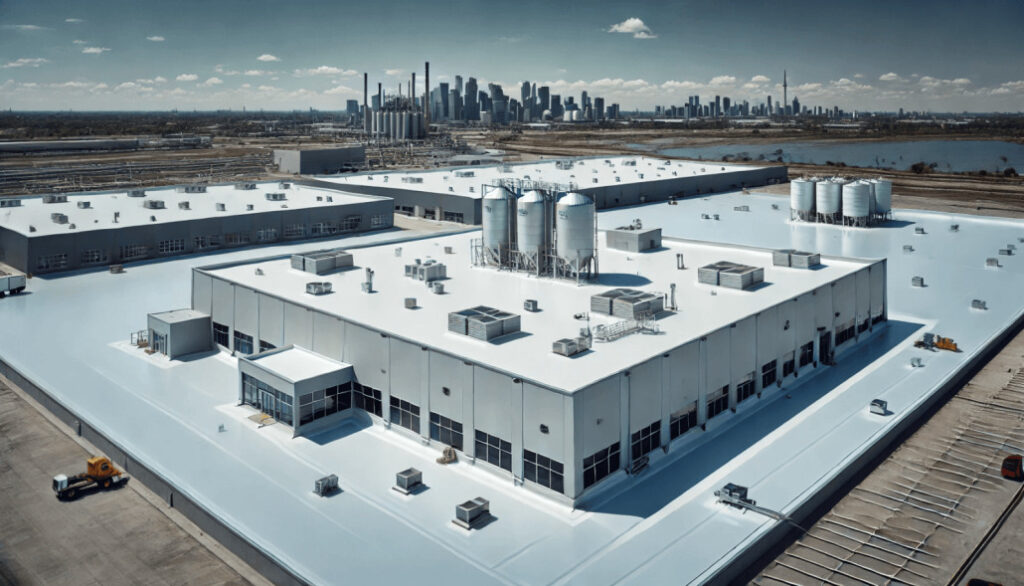
In residential buildings, PU injection is often used for basement walls, bathroom slab cracks, ceiling leaks below wet areas, balcony slab joints, and concrete roof defects. In commercial and industrial buildings, the same method is frequently needed at car park retaining walls, lift pits, water tank rooms, plant rooms, and expansion joint areas.
Malaysia’s construction environment makes this issue more common. Many buildings experience strong heat during the day and sudden rain in the afternoon. Concrete expands and contracts repeatedly. Coastal areas may also face higher humidity and salt exposure, while dense urban zones can experience vibration from traffic and nearby construction. Over time, these conditions can cause small cracks to become water paths.
For property owners, the key question is: when should you call a PU injection specialist? If the crack leaks repeatedly after surface patching, becomes wet after every rain, or shows signs of pressure such as dripping water, injection should be considered. If the crack is widening quickly or appears with structural deformation, it should first be reviewed by a qualified building professional before waterproofing repair begins.
Case Study: Basement Wall Leakage
On a commercial basement repair project in Malaysia, the main issue was recurring leakage along a vertical wall crack near a ramp area. The building management had previously applied cement patching on the surface, but water returned during heavy rain because groundwater pressure was pushing through the crack from behind the wall.
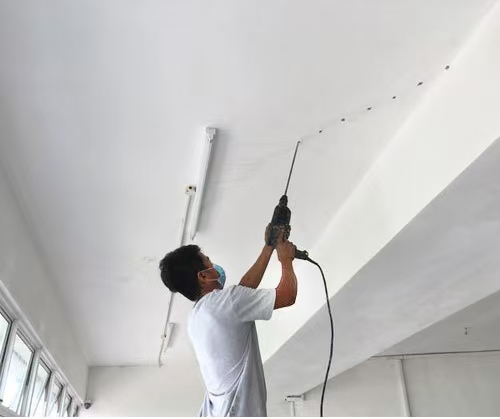
The repair team first traced the damp line and marked the active leakage points. Injection ports were installed along the crack at controlled spacing, then flexible PU resin was injected from the lower section upward. As the material reacted with moisture, water discharge reduced gradually. After curing, the surface was cleaned and finished with a compatible repair layer. The result was a dry wall during later rain events, with no need to hack the entire wall area.
This case shows why PU injection is useful when the leak path is inside the concrete. It also shows why surface patching alone often fails under pressure. The material, injection pressure, sequence, and site diagnosis all affect the final result.
Choosing the Right Waterproofing Support
A reliable Waterproofing Supplier should provide more than material delivery. For PU injection work, product performance, technical guidance, and application experience are closely connected. The resin must react correctly with moisture, expand into voids, and cure into a seal that matches the movement condition of the crack.
QingLong Waterproofing, as a Waterproofing Manufacturer and technical solution provider, focuses on waterproofing materials, application systems, and project-based support for residential, commercial, industrial, and infrastructure buildings. Established with long-term experience in waterproofing research, manufacturing, and site application, QingLong understands that crack leakage repair needs both good materials and proper workmanship.
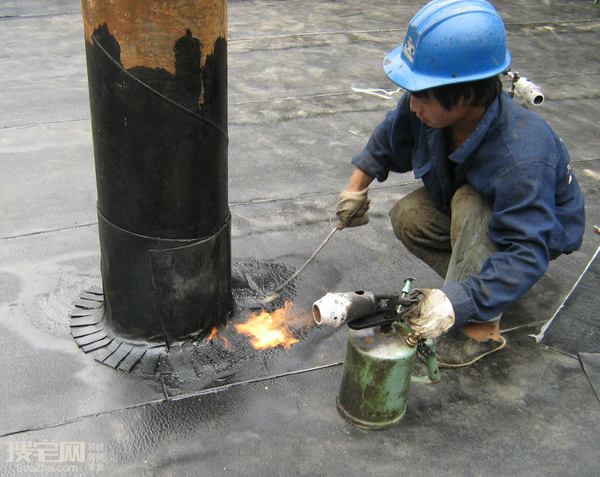
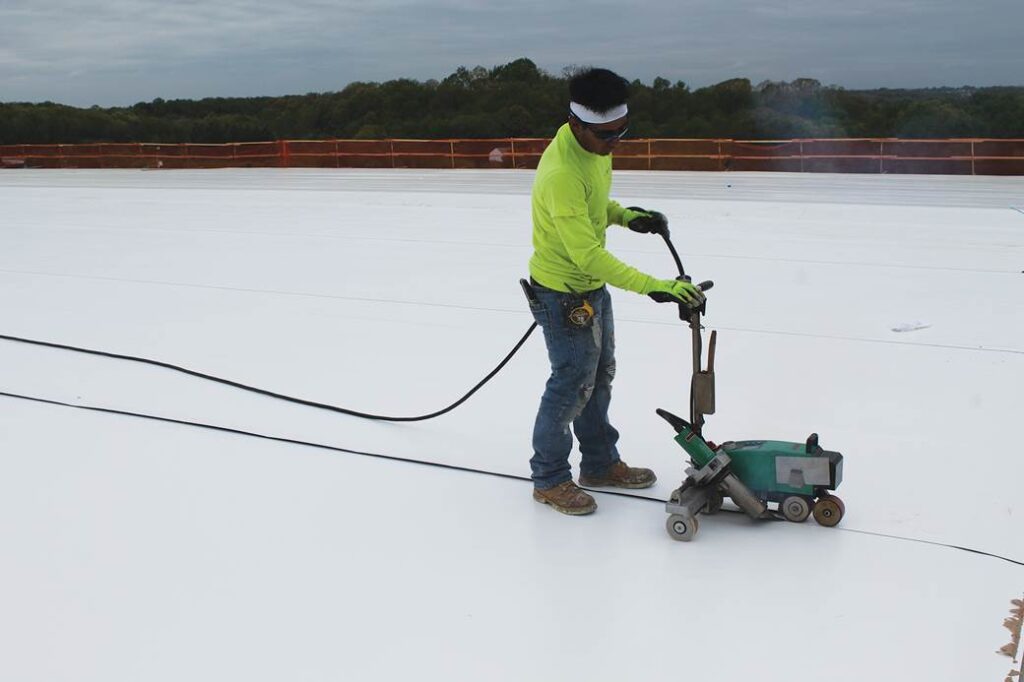
For owners and contractors, the practical approach is to treat PU injection as part of a complete waterproofing decision. If the crack is active, internal sealing may be necessary. If water is entering from a roof, façade, or failed external membrane, additional waterproofing treatment may be required at the source. Correct repair planning reduces repeat leakage and avoids unnecessary renovation damage.
Conclusion
Flexible crack leakage is usually a sign that water pressure and building movement are working together. PU injection can be an effective solution when the crack is active, damp, or difficult to access from the outside, but it must be supported by proper inspection, material selection, and application technique.
Every waterproofing project starts with understanding the building condition. Choosing the right system, installation method, and technical support can reduce future leakage problems. Contact QingLong Waterproofing for arrange a Free Site Inspection.
Frequently Asked Questions (FAQs)
1. Why do flexible cracks keep leaking after surface repair?
Surface repair often fails because water pressure remains inside or behind the concrete. If the crack moves or carries water internally, the leak path must be sealed from within.
2. Is PU injection suitable for active water leakage?
Yes, PU injection is commonly used for damp or actively leaking cracks because the resin reacts with moisture and expands to fill the water path.
3. Can PU injection repair all concrete cracks?
No. It is effective for many leaking cracks, but cracks caused by serious structural movement, poor drainage, or external waterproofing failure may need additional assessment and repair.
4. What should be checked before starting PU injection work?
The contractor should check the crack condition, water source, concrete quality, injection material, and whether follow-up waterproofing or drainage improvement is needed.