Newsletter

PU Injection Waterproofing in Kuching: 30 Years of Leak Repair Experience

Kuching PU Injection Specialist: 30 Years of Leak Repairs

In Kuching, water leakage is often more complicated than a visible ceiling stain or a damp wall patch. Frequent rainfall, high humidity, ageing concrete structures, and a mix of residential and commercial buildings can all contribute to hidden water seepage. In many cases, the visible leak is only the final point where water emerges after travelling through cracks, joints, pipe penetrations, or porous concrete. Because of this, choosing the correct repair method is more important than simply covering the affected surface.

In this article, we explain: how PU injection works, why leaks happen in Kuching buildings, when this method is suitable, what to check before repair, and how an experienced waterproofing team approaches long-term leak control.
图片

Why Water Leakage Is Common in Kuching Buildings

Kuching’s climate creates a demanding environment for waterproofing systems. Heavy rain can expose weak points quickly, while constant humidity slows drying and allows dampness to remain inside concrete, plaster, and wall cavities. In older shoplots, apartments, landed homes, and commercial buildings, leakage often appears after years of thermal movement, settlement, or repeated minor repairs.

Many property owners ask: why does a leak return even after sealing the surface? The reason is usually that the visible stain is not the real source. Water can travel through cracks, honeycombed concrete, construction joints, or pipe sleeves before appearing several metres away. Surface patching may hide the symptom temporarily, but the pressure path inside the concrete remains active.

As a Malaysia waterproofing specialist, QingLong Waterproofing often finds that recurring leakage is not caused by one single defect. It is usually a combination of water pressure, weak detailing, aging materials, and poor earlier repair methods. This is why diagnosis matters before choosing PU injection or any other waterproofing service.图片
How PU Injection Stops Active Leaks

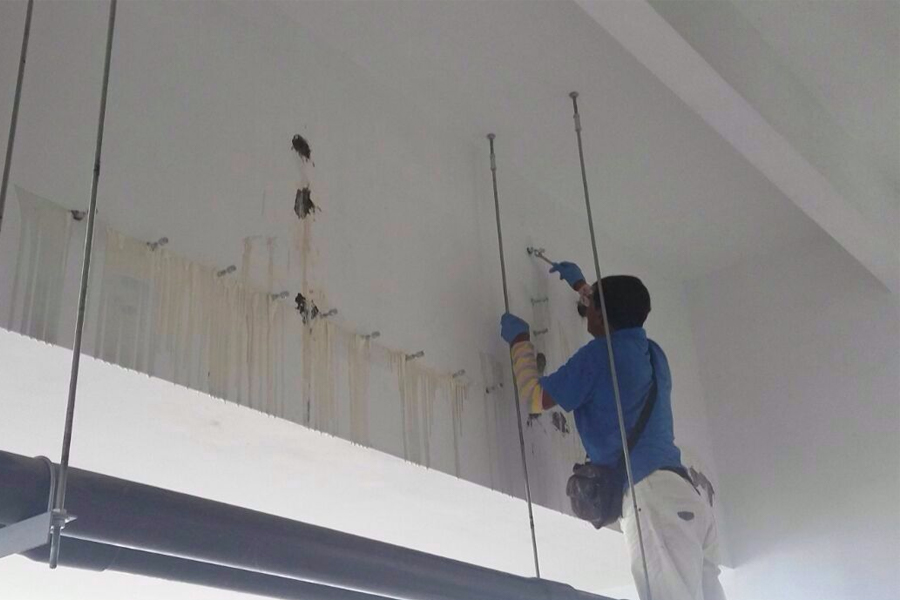
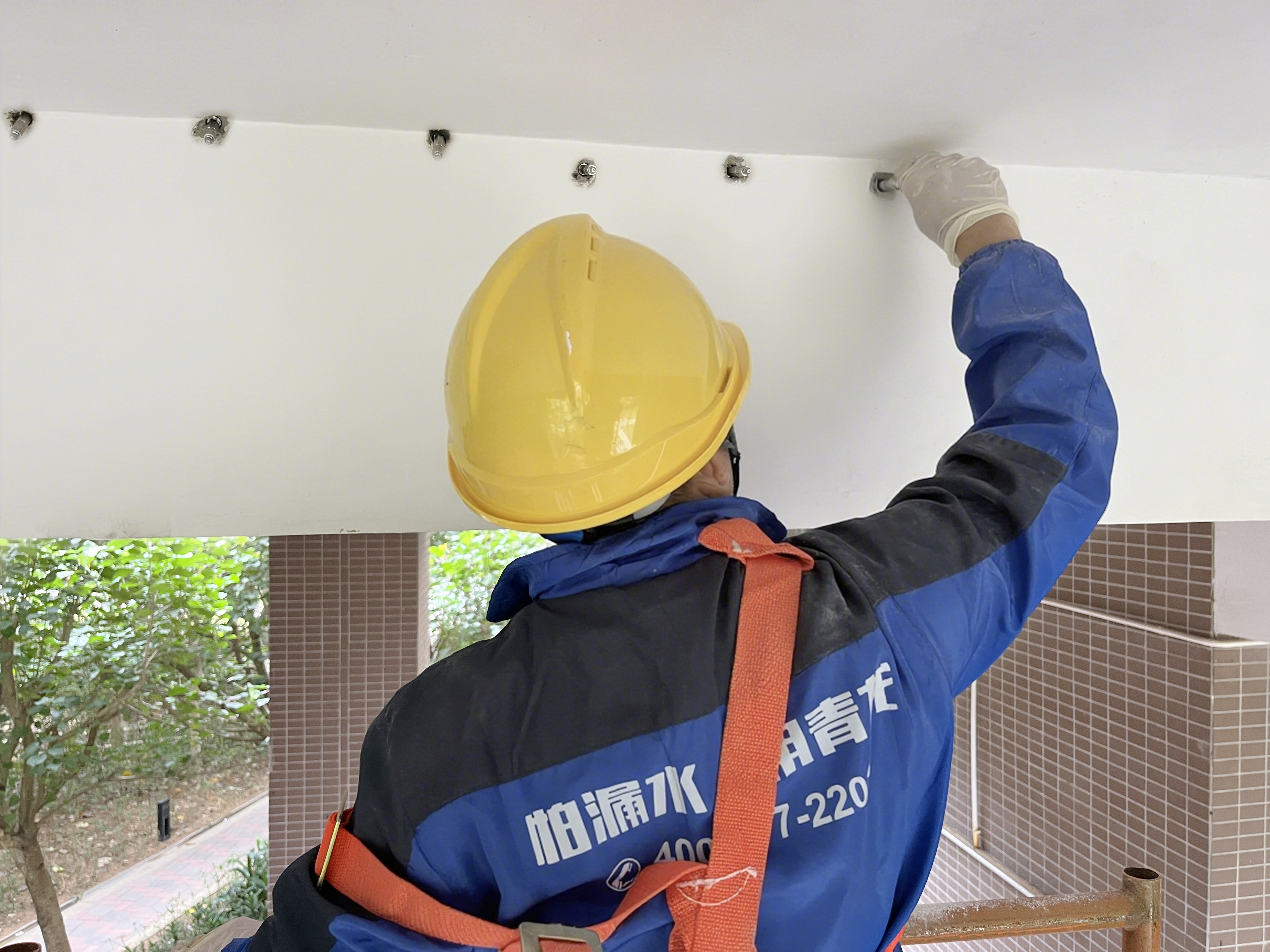
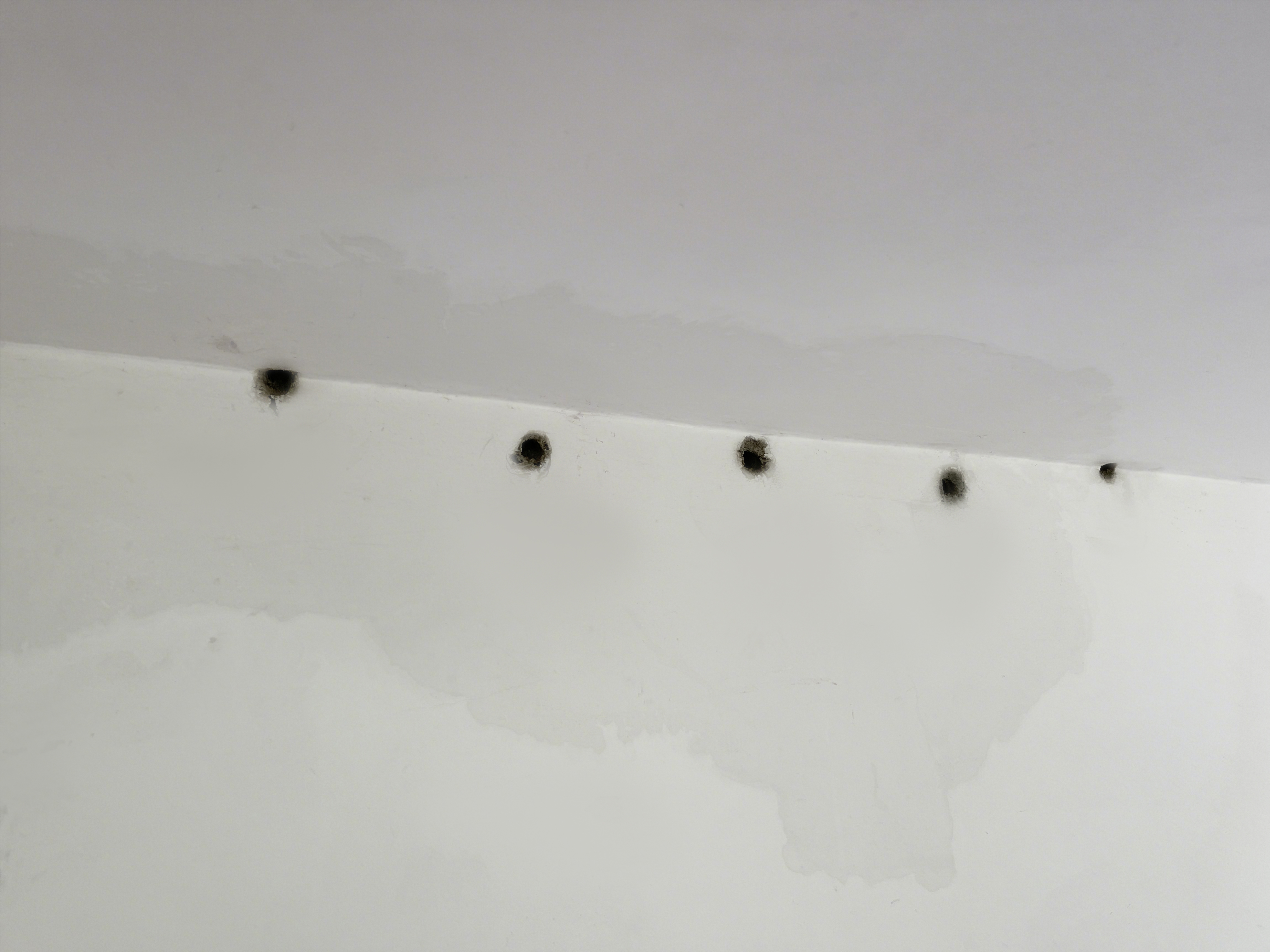
PU injection, also known as polyurethane injection, is a repair method used to seal water paths inside cracks and voids. Small injection ports are installed along the leakage line or suspected water channel. A PU resin is then injected under controlled pressure. When the material meets moisture, it reacts and expands, filling gaps where water has been passing through.

This method is especially useful for active leaks in concrete structures such as basements, retaining walls, lift pits, water tanks, car parks, bathrooms, flat roofs, and external wall cracks. In Kuching, it is often selected for buildings where hacking tiles or removing finishes would interrupt tenants, businesses, or daily household use.

Where PU Injection Works Best — and Where It Does Not

PU injection works best when water is travelling through cracks, construction joints, or voids inside concrete under pressure. It is commonly used for basement wall leakage, retaining walls, lift pits, underground water tanks, concrete slabs, pipe penetrations, and ceiling leaks where the water path is hidden within the structure. Because the polyurethane resin reacts with moisture and expands inside the concrete, it can effectively seal active water paths without extensive hacking. 

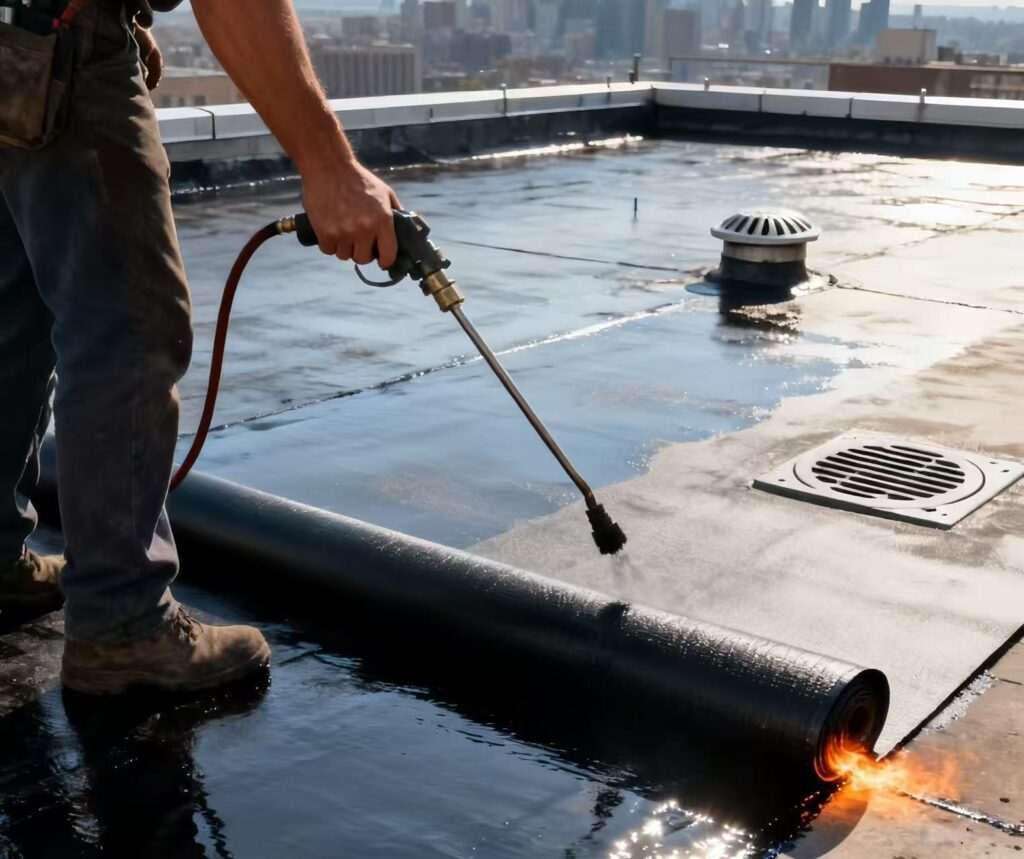
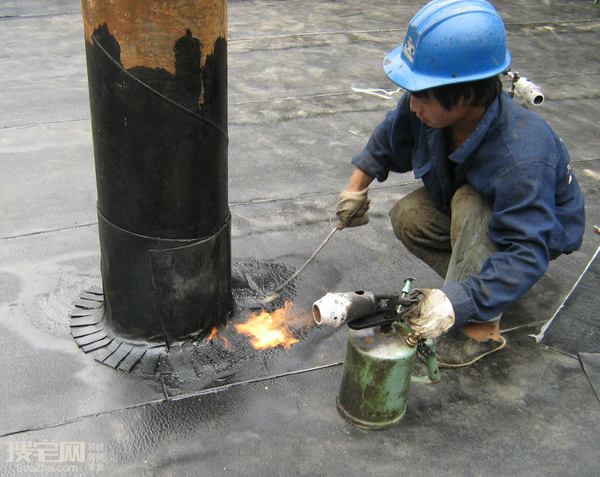
However, PU injection is not suitable for every type of waterproofing problem. If a roof has widespread waterproofing failure, severe ponding water, damaged expansion joints, deteriorated waterproof coatings, or poor drainage, injecting resin into one area may stop a specific leak while water continues to enter through other weak points. Likewise, when a bathroom waterproofing membrane has failed across the entire floor, PU injection from the ceiling below may temporarily reduce dripping, but the waterproofing system above will still require proper repair or replacement when renovation is possible. 

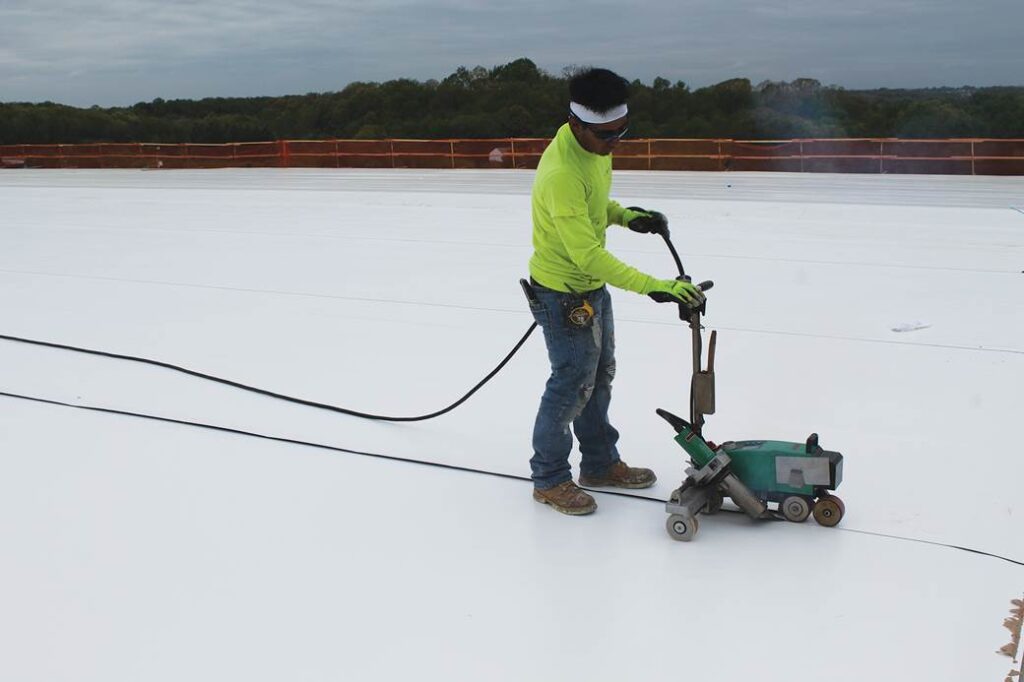
For this reason, PU injection should be viewed as one waterproofing solution rather than a universal repair method. A professional waterproofing inspection should identify the actual source of water ingress before recommending the most suitable repair approach. In some situations, PU injection may be combined with waterproof coatings, waterproof membranes, joint sealants, or other remedial waterproofing works to provide a more complete and longer-lasting solution. 

Inspection Checklist Before Choosing PU Injection

Before deciding on PU injection, property owners, facility managers, and contractors in Kuching should review the building condition carefully. A short inspection can prevent unnecessary repair costs and repeated callbacks.

•  Identify whether the leak appears during rain, after bathroom use, or continuously.
•  Check for visible cracks, construction joints, pipe penetrations, and ceiling stain patterns.
•  Look for roof ponding, blocked drainage outlets, or failed sealant above the affected area.
•  Confirm whether previous patching, cement repair, or silicone sealing has hidden the original defect.
•  Assess whether PU injection alone is enough or whether coating, slurry, or membrane repair is also needed.

Accurate diagnosis is one of the most important factors in successful waterproofing. QingLong Waterproofing has experience supporting residential, commercial, industrial, and infrastructure projects throughout Malaysia. As a Waterproofing Manufacturer and Waterproofing Supplier, the team combines practical site experience with material knowledge to recommend repair methods based on the actual source of water ingress rather than treating only the visible leak. 

Case Study: Commercial Building Leak Repair in Kuching

On a commercial property repair project in Kuching, the building management reported water dripping from a basement wall after several days of rain. The affected area was close to a construction joint and pipe penetration, but earlier surface patching had made the leak path unclear. The challenge was to stop the seepage without disrupting tenants or opening a large section of the wall.

The inspection found that rainwater was entering through an external weak point and travelling along a joint inside the concrete. QingLong’s repair team drilled injection points along the active seepage line and around the pipe penetration. PU resin was injected in stages to avoid uncontrolled spread and to ensure the water path was properly filled. After the injection cured, the area was monitored during the next rainfall, and no active dripping was observed.

The result was not simply a cleaner wall surface. The building management gained a clearer understanding of the leakage mechanism and scheduled additional maintenance for drainage and external joint sealing. This combination of immediate leak control and preventive repair is often more reliable than repeating small surface patches.

Why Experience Matters in PU Injection Work

PU injection looks simple from the outside, but the result depends heavily on diagnosis, drilling angle, injection spacing, resin selection, pressure control, and curing observation. Too little material may leave part of the water path open. Too much pressure may push material into the wrong void or damage weak concrete. Poor surface preparation around the injection area can also reduce repair quality.

With more than 30 years of waterproofing industry experience, QingLong Waterproofing combines research, manufacturing, material supply, and practical site application to support residential, commercial, industrial, and infrastructure projects across Malaysia. This combination of technical knowledge and on-site experience enables the team to recommend repair solutions based on the actual cause of leakage rather than simply treating the visible symptoms. 

Conclusion

PU injection is a valuable method for stopping active water seepage in Kuching buildings, especially when leaks come through cracks, joints, pipe penetrations, or concrete voids. However, its success depends on proper diagnosis and skilled application. In a humid, high-rainfall environment, simply covering stains or sealing the visible surface is rarely enough. A professional inspection should identify the water source, structural pathway, and suitable repair system before work begins. If you are dealing with recurring leakage in a home, shoplot, commercial property, or industrial building, contact QingLong Waterproofing to arrange a site assessment and receive practical waterproofing recommendations.

Frequently Asked Questions

1. Is PU injection suitable for Kuching homes with ceiling leaks?

PU injection may be suitable if the ceiling leak comes from cracks, joints, or concrete voids. A site inspection is needed because some ceiling leaks are caused by failed roof or bathroom waterproofing systems.

2. Why does leakage return after a surface patch?

Surface patching may cover the visible stain but does not always seal the internal water path. Water can continue travelling through cracks or weak joints until the actual source is treated.

3. Can PU injection replace roof waterproofing?

No. PU injection is mainly used to stop water paths inside concrete. If a roof has widespread coating failure, ponding water, or poor drainage, roof waterproofing repair may still be required.

4. How does QingLong Waterproofing determine whether PU injection is suitable?

QingLong Waterproofing begins with a site inspection to identify the leak pattern, source of water ingress, concrete cracks, construction joints, pipe penetrations, and any previous repair work. Based on the findings, the team recommends whether PU injection alone is sufficient or whether additional waterproofing solutions are required for a more effective and long-lasting repair. 

Share:

Facebook
Pinterest
LinkedIn

Let Us Know How We Can Help

Simply fill out the details below and we will be in contact with you as soon as possible to discuss your needs.