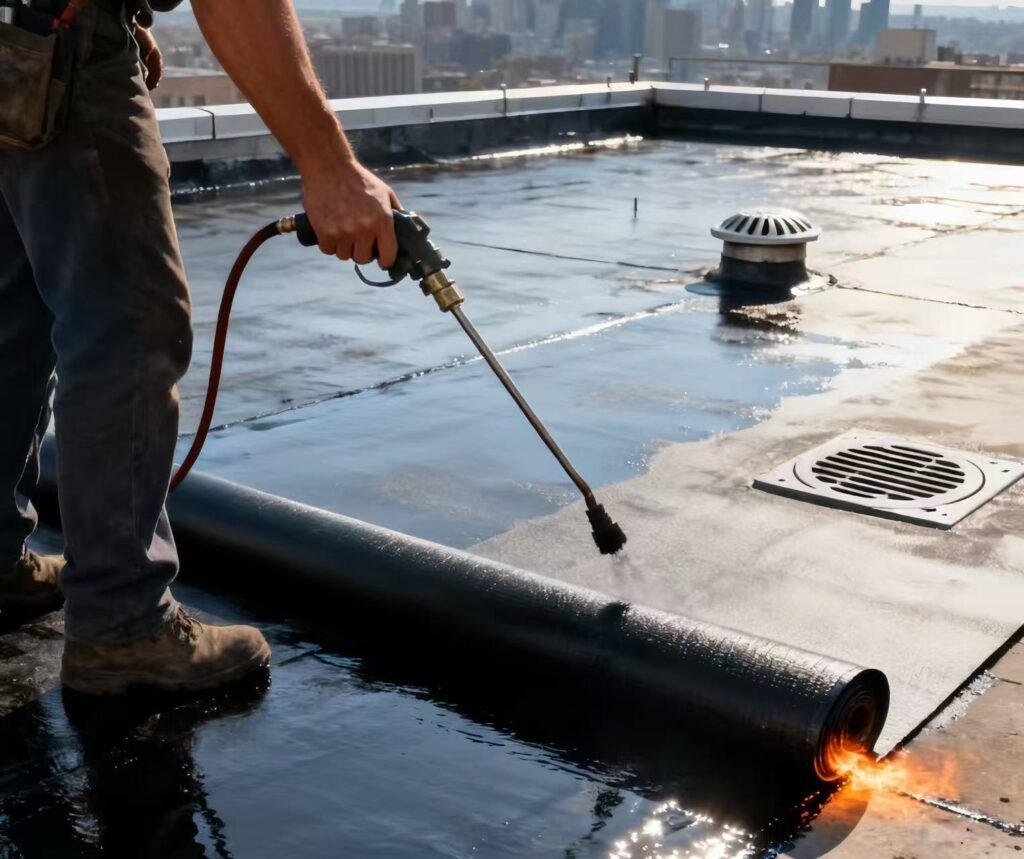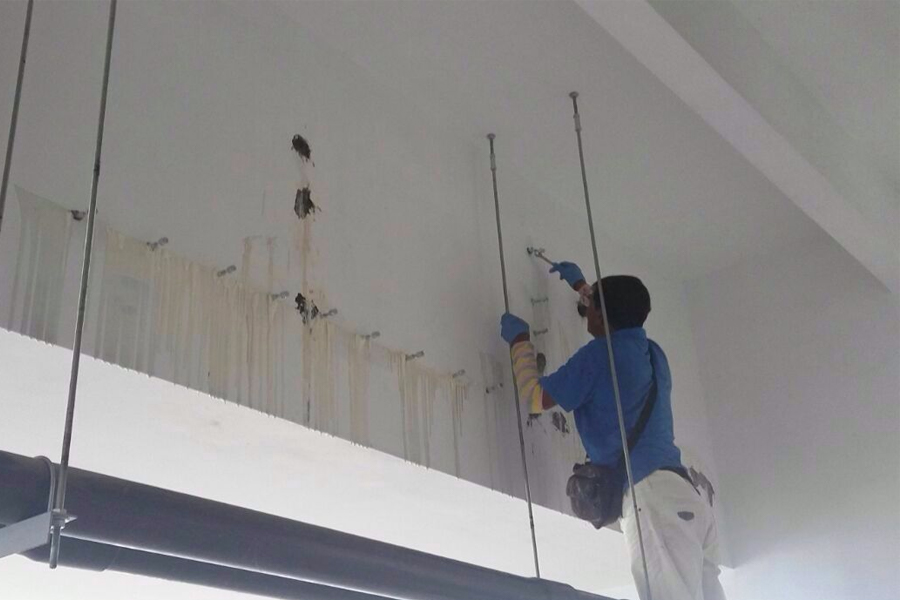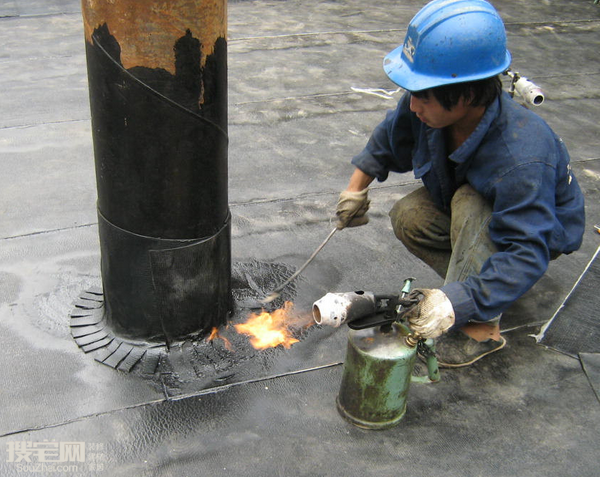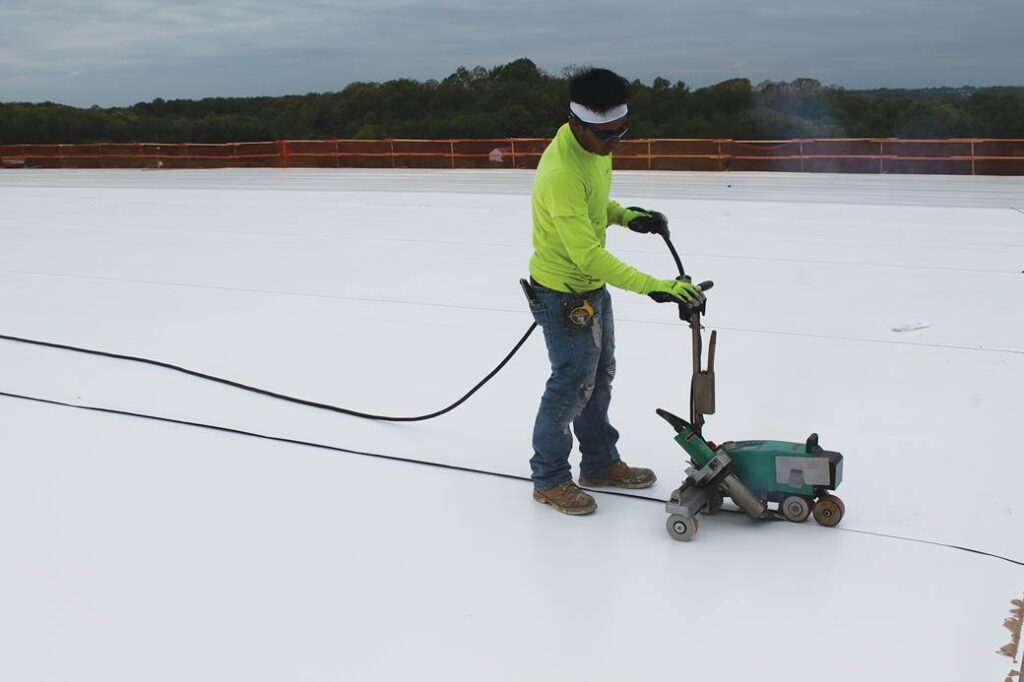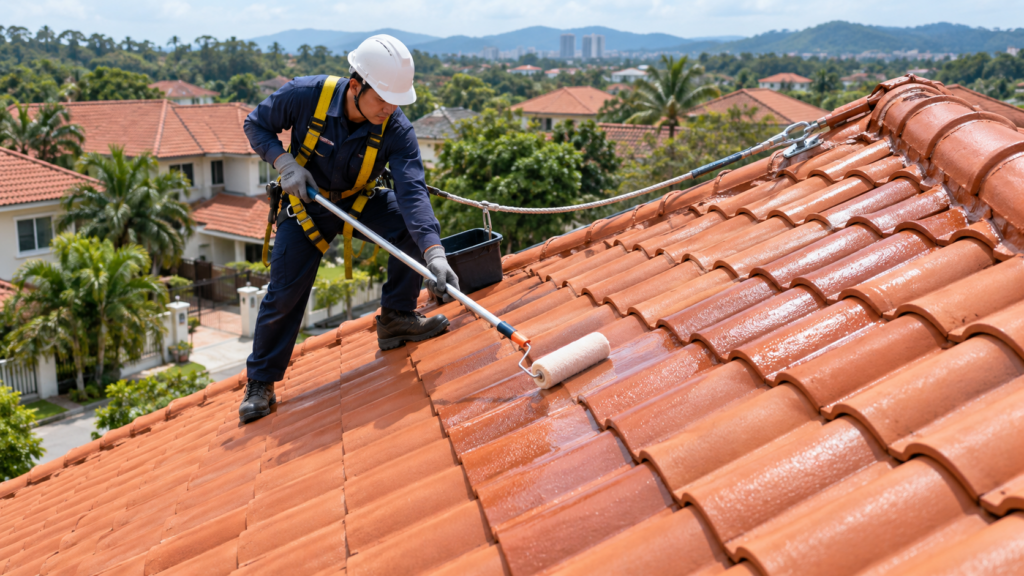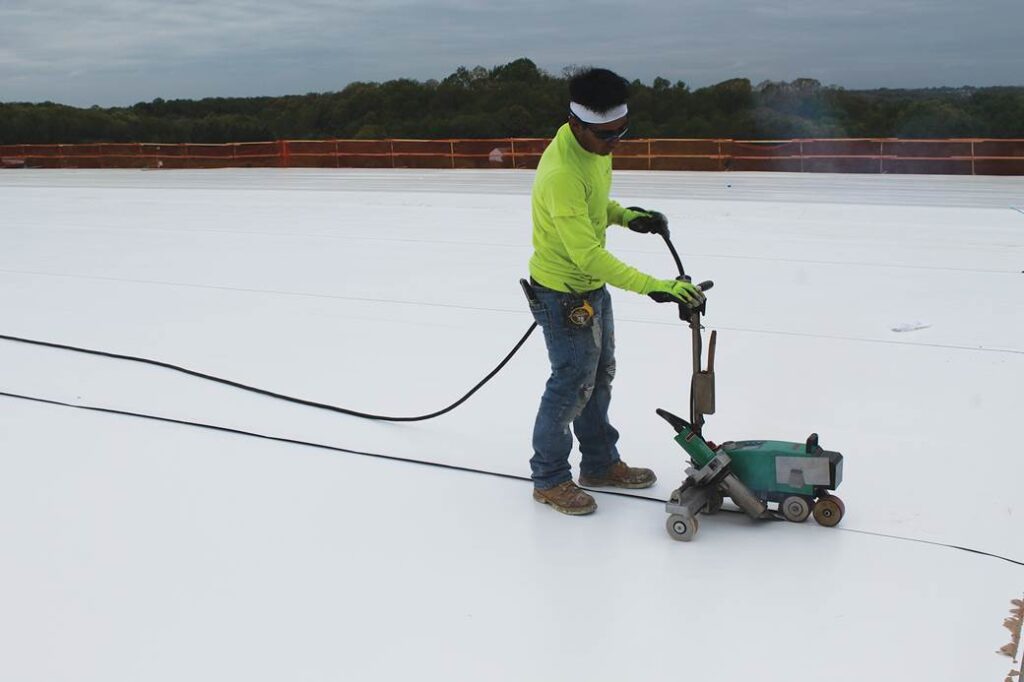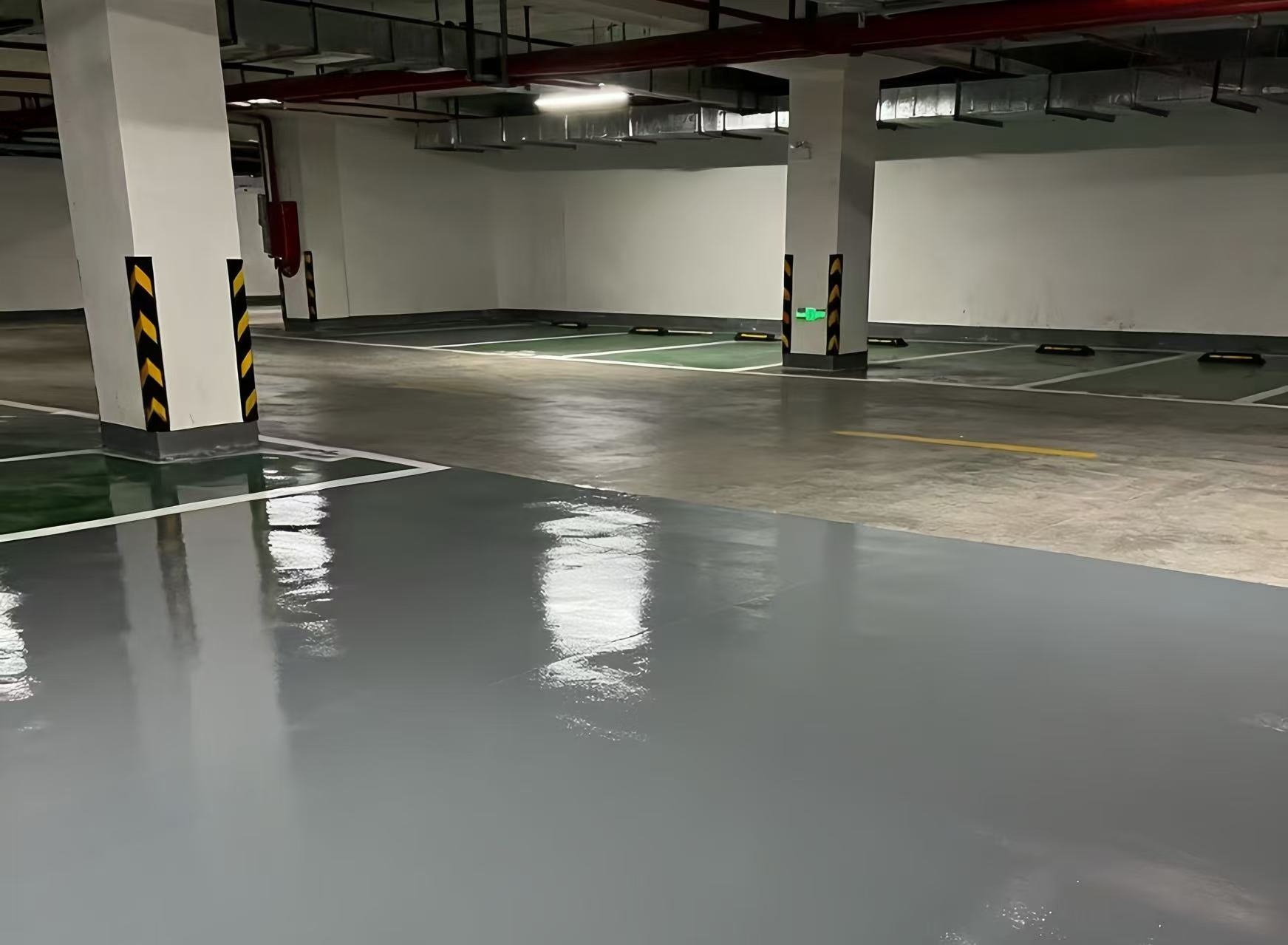
A carpark floor protection quote in Subang can look confusing when three contractors price the “same” carpark very differently. One may quote a simple coating, another may include concrete repairs, and another may allow for traffic management, crack treatment, ramps, drainage details and phased work. The difference is not always markup. Often, the quotes are based on different assumptions about what the carpark floor actually needs to resist and how much preparation is required before any protective system can perform properly.
A Carpark Floor Protection Quote Is Not Only a Square-Metre Rate
For carpark floors, the quoted area is only the starting point. The more important question is what the floor protection system is expected to do.
A basement carpark floor may need protection against abrasion, tyre marks, oil contamination, dampness from the slab, water brought in by vehicles and cleaning water. A top-deck carpark may also face direct weather exposure, ponding water, UV exposure and movement caused by temperature changes. A ramp needs more slip resistance and wear resistance than a normal parking bay because tyres accelerate, brake and turn on the same surface repeatedly.
A proper carpark floor protection quote should identify the required function of the system: wear protection, waterproofing, anti-slip performance, chemical resistance, decorative finish, line marking compatibility or a combination of these. If the quote only states a coating name and total area, the building owner may not know whether the system matches the actual traffic and exposure.
This is why a low rate per square metre may not be cheaper in practice. If the system is too light for the traffic zone, the floor may wear quickly at ramps, turning areas and drive lanes even if parking bays still look acceptable.
Existing Concrete Condition Can Change the Preparation Scope
The condition of the existing concrete or screed is one of the biggest factors affecting a carpark floor protection quote. Protective coatings and waterproofing systems rely on adhesion. If the substrate is weak, dusty, oily or damp, the system may fail even when the material itself is suitable.
In a used carpark, the floor may have accumulated tyre rubber, engine oil, cleaning chemical residue, laitance, loose cement particles or previous coating layers. These conditions usually require mechanical preparation, degreasing, removal of weak material or grinding before the new system is applied.
Cracks also affect the quote, but not all cracks are treated the same way. Hairline shrinkage cracks, active movement cracks, construction joints and structural cracks require different treatment. A quotation that simply covers the floor surface without addressing relevant cracks may leave leakage paths or future failure points beneath the coating.
Moisture is another issue. In basement or semi-basement carparks, moisture may come from the slab, wall-floor junctions or inadequate drainage. If moisture pressure is present, applying a surface coating without checking the source may lead to blistering or debonding. In this situation, the quote may need to include moisture assessment, substrate repair or a more suitable system build-up.
Traffic Zones Should Not Be Priced as If They Perform the Same Job
A carpark floor is not used evenly. Parking bays, drive lanes, ramps, turning corners, payment areas, loading zones and entrance points all experience different stress.
Parking bays mainly face static vehicle load, occasional tyre movement and minor drips from parked cars. Drive lanes experience repeated rolling traffic. Ramps face braking force, acceleration, turning movement and sometimes water carried in from outside. Loading or service areas may face heavier vehicles, pallet movement or higher impact risk.
Because of this, a single coating thickness or one uniform system may not be the best approach for every part of the carpark. Some projects may require a heavier-duty build-up at ramps and turning zones, while using a different finish at parking bays. Anti-slip texture may also vary by area. A ramp needs safe grip, but an overly rough surface in all zones may become harder to clean and maintain.
For a Subang commercial, residential or mixed-use property where the carpark remains in operation, the quote should clearly show whether high-wear areas are treated differently from low-wear areas. If all areas are priced identically, ask whether the same performance is genuinely suitable throughout the carpark.
Drainage, Joints and Edges Often Decide Whether the System Lasts
Many carpark floor problems do not begin in the middle of the floor. They begin at details.
Floor drains, movement joints, construction joints, column bases, wall-floor junctions, kerbs, ramp transitions and door thresholds can interrupt the protective layer. If these details are not treated correctly, water, oil or cleaning liquid may enter below the coating and cause local failure.
Expansion joints are especially important. A rigid coating applied across a moving joint may crack. In many carparks, joints need compatible sealant, joint treatment or detailing that allows movement rather than pretending the floor is one continuous slab. Drain outlets also need attention because water tends to collect there. If the surrounding concrete is broken, hollow or poorly sloped, coating alone may not solve ponding or edge deterioration.
A quote that includes detail treatment will usually look more expensive than a quote that only measures open floor area. But these detail allowances are often what separate a cosmetic repaint from a functional protection system.
Occupied Carparks Cost Differently Because Access and Timing Matter
In many Subang properties, the carpark cannot simply close for a week. Condominiums need resident access. Retail properties need customer parking. Offices and industrial buildings may need delivery routes and staff parking.
This affects the quote because the work may need to be phased. Phased application requires more planning, temporary traffic routes, barricades, repeated mobilisation and careful sequencing. The contractor may need to work at night, during low-traffic periods or over weekends. Each phase also needs sufficient curing time before vehicles can return.
Open-deck carparks add another scheduling issue: weather exposure. If rain is likely during preparation, application or curing, the programme may need flexibility. For enclosed basement carparks, ventilation, odour control, dust management and lighting can affect the method and productivity.
These are not minor administrative details. If the quote assumes full access but the site only allows partial closure, the actual work may become slower and more disruptive than expected.
How to Compare Carpark Floor Protection Quotes Fairly
When reviewing quotes, avoid comparing only the total price. A lower price may simply exclude substrate repair, detail treatment, heavy-traffic zones or phasing requirements.
A useful comparison should check whether each quotation states:
the area included, separated by parking bays, drive lanes, ramps or special zones where relevant;
the proposed system build-up, not only the product name;
the surface preparation method;
treatment for cracks, joints, drains, kerbs and wall-floor junctions;
assumptions about moisture, ponding water and existing coating removal;
curing time, access requirements and phased work arrangement;
line marking reinstatement, if applicable;
maintenance expectations and limitations of the system.
The most reliable quote is usually the one that makes its assumptions visible. If an item is unclear, ask whether it is included or excluded before approving the work. This reduces disputes later and helps the building owner understand what level of protection is actually being purchased.
 Conclusion
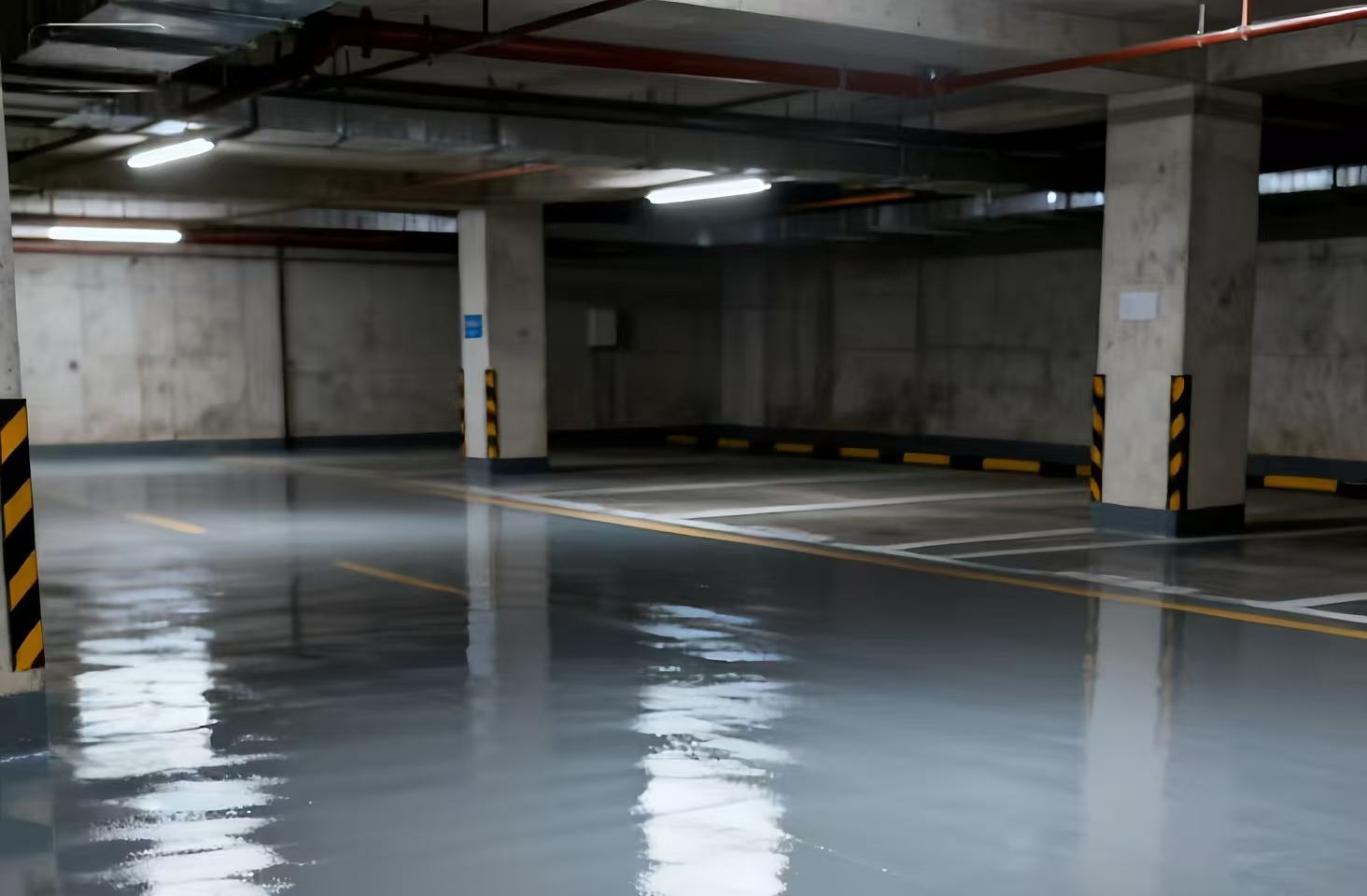
For carpark floor protection in Subang, the quotation is shaped by more than floor size. The existing substrate, traffic intensity, ramp conditions, drainage details, joints, moisture and access constraints all influence the correct system and the final price. A meaningful quote should explain the scope clearly enough for the owner or property manager to know what is being protected, where the risks are, and what assumptions have been made.
If you are comparing options for a carpark floor protection project, QingLong Waterproofing can help review the site requirements and recommend a suitable approach. You may contact QingLong Waterproofing to discuss the condition of your carpark floor and the scope needed before requesting or approving a quote.