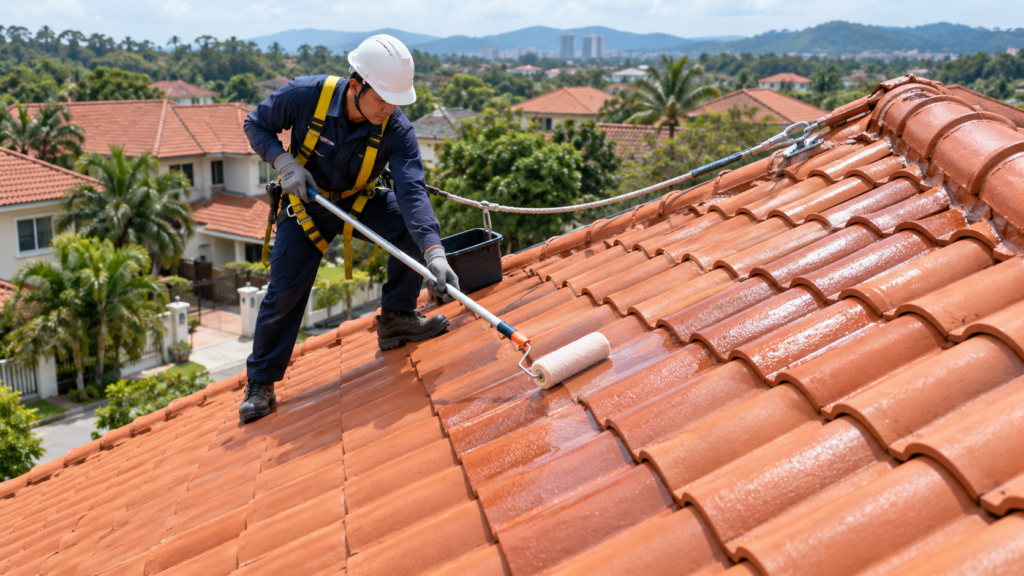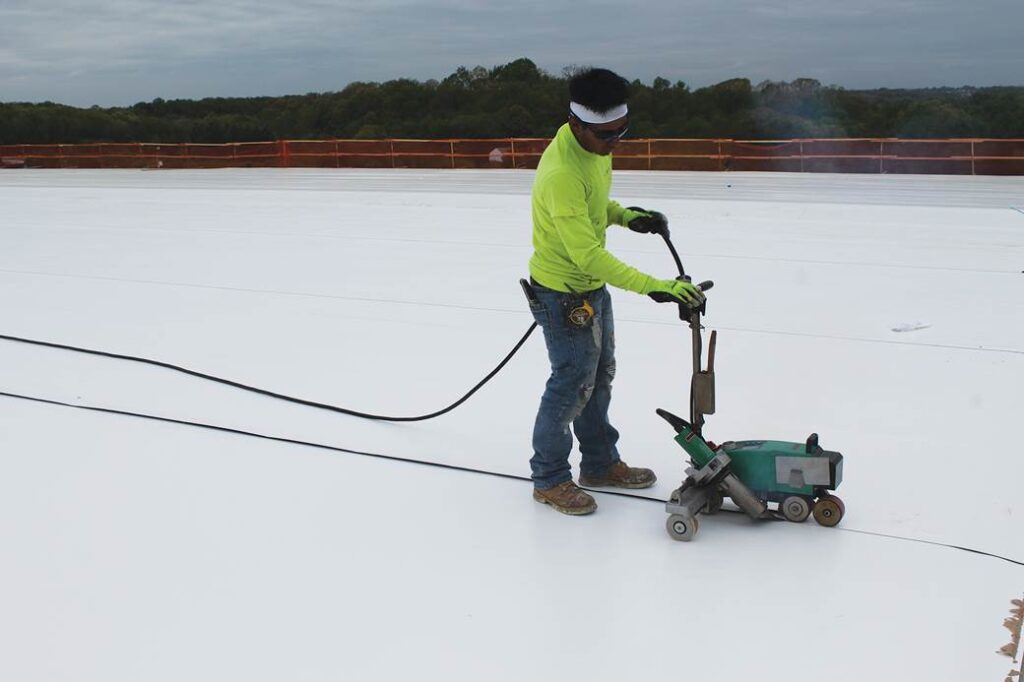
Do you notice the exterior walls of your home becoming dull, damp, stained, or even covered with mould? These can be early signs that your walls are absorbing moisture and need better protection.
Exterior walls are exposed to heavy rain, high humidity, strong sunlight and frequent temperature changes throughout the year. Over time, water can enter through cracks, porous surfaces, wall joints and other weak points, causing problems such as damp patches, peeling paint, mould growth and water seepage.
The good news is that proper exterior wall waterproofing can help reduce water penetration and protect your home from weather-related damage.
Exterior Wall Waterproofing Tips
Water may seem harmless, but repeated exposure can gradually affect the condition of your exterior walls. Once moisture enters the wall, it can travel behind paint and finishes, making the problem difficult to identify from the outside. Choosing the right waterproofing method and preparing the wall properly are therefore important for achieving better and longer-lasting results.
1. Make Sure the Wall Surface Is Clean and Properly Prepared
Before applying any waterproofing coating, the exterior wall should be properly cleaned and prepared. Remove dust, dirt, loose paint, algae, mould and other contaminants that could affect adhesion. Any cracks or damaged areas should also be repaired before waterproofing begins.
Depending on the wall condition, cleaning can be carried out using a wire brush, suitable cleaning equipment or high-pressure water. However, the surface should be allowed to dry sufficiently before applying the waterproofing system.
A waterproofing coating applied over a dirty, loose or unsuitable surface may not bond properly and can eventually peel or fail.
2. Choose a Waterproofing Product Suitable for the Wall
Different exterior wall surfaces can have different waterproofing requirements. Concrete, plastered walls and other masonry surfaces may require different preparation and coating systems depending on their condition and exposure.
When selecting an exterior wall waterproofing product, consider factors such as:
* Surface condition
* Crack movement
* Exposure to rain and sunlight
* UV resistance
* Adhesion
* Flexibility
* Expected service conditions
For homes in Malaysia, it is particularly important to choose a product designed to withstand the country's hot, humid and rainy environment. QingLong Waterproofing Malaysia provides waterproofing solutions for different building conditions, including exterior wall waterproofing applications.
3. Apply the Waterproofing Coating According to the Product Specification
More coats do not automatically mean better waterproofing. The correct number of coats, coverage rate and drying time should follow the manufacturer's technical specifications.
For coating-based waterproofing systems, achieving the recommended thickness and coverage is important. Applying the material too thinly may reduce its effectiveness, while applying the next coat before the previous layer has properly dried can affect adhesion and performance.
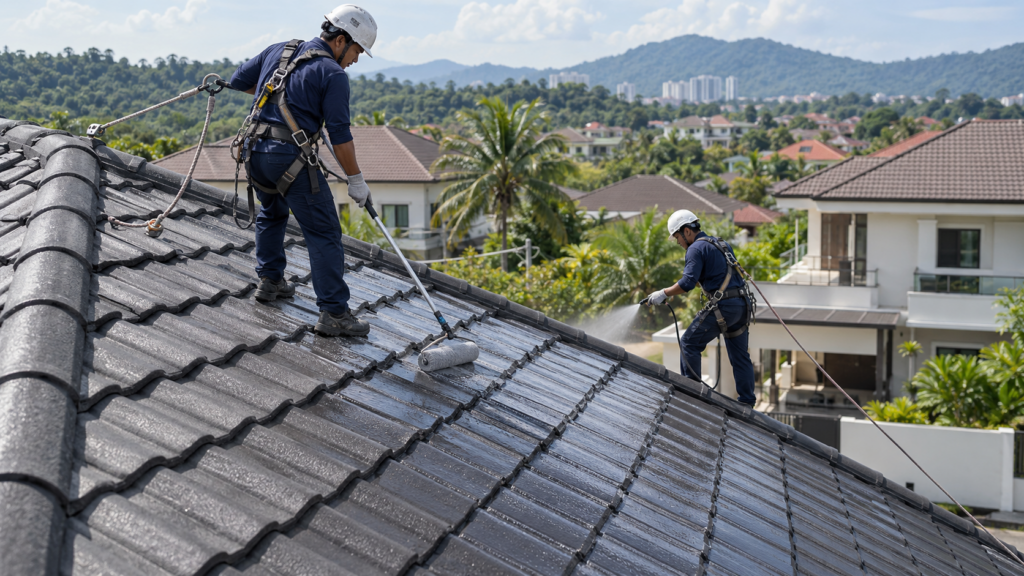
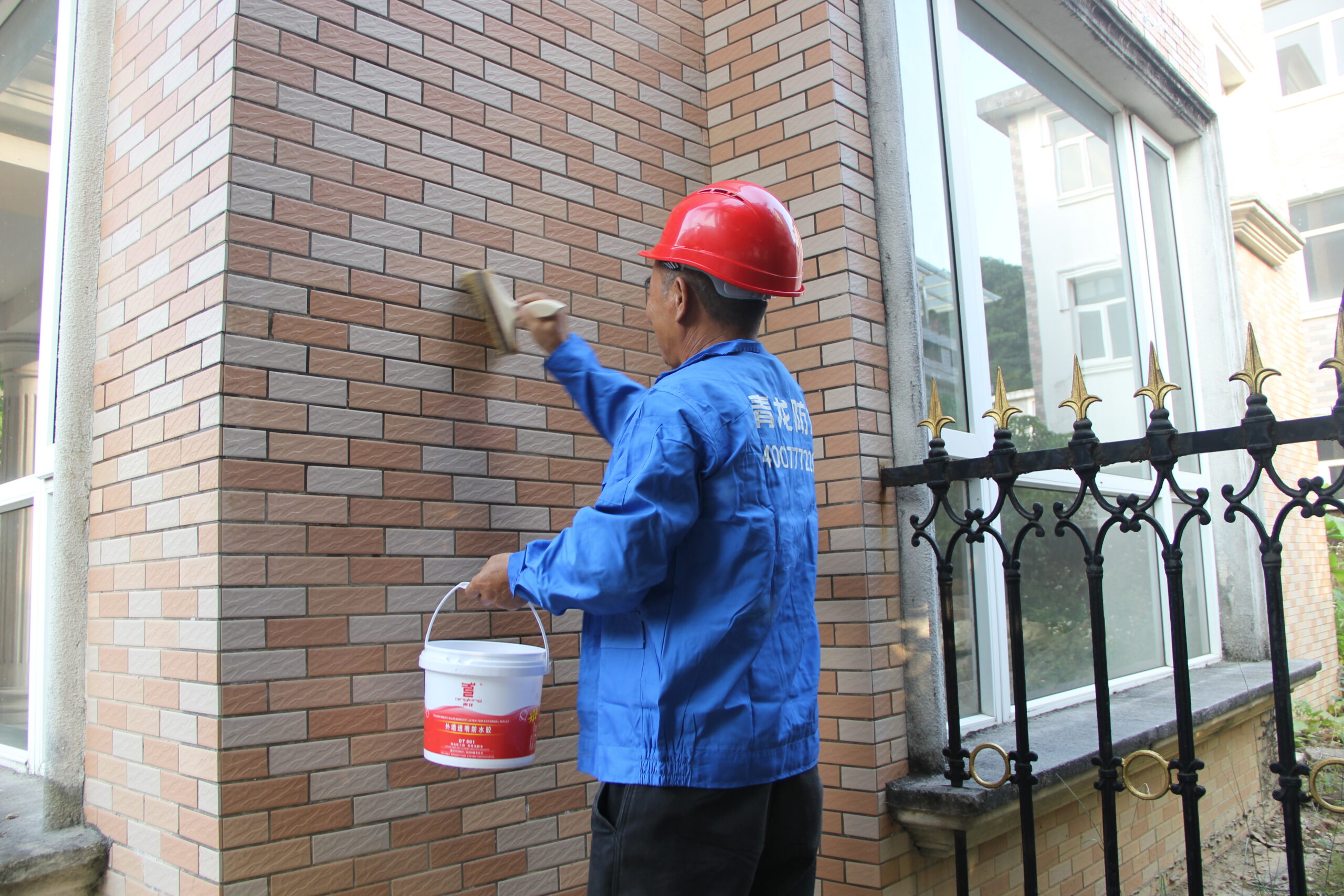
Use a suitable brush, roller or other recommended application method to achieve an even finish across the wall. Always follow the product's technical data sheet for application requirements rather than simply applying an arbitrary number of coats.
4. Pay Special Attention to Cracks, Corners and Wall Joints
Exterior walls do not only leak through the middle of the wall surface. Cracks, corners, construction joints, pipe penetrations, window frames and connections between different building elements can become potential water entry points. Before waterproofing, inspect these areas carefully.
Small cracks should be properly repaired using a suitable repair or sealing system before the waterproofing coating is applied. Larger or recurring cracks may require further investigation because simply covering them with waterproofing coating may not solve the underlying problem.
A complete waterproofing approach should address both the wall surface and its vulnerable details.
5. Inspect the Exterior Walls Regularly
Waterproofing is not a substitute for building maintenance. It is a good practice to inspect exterior walls regularly, particularly after periods of heavy rain. Look for:
* New or widening cracks
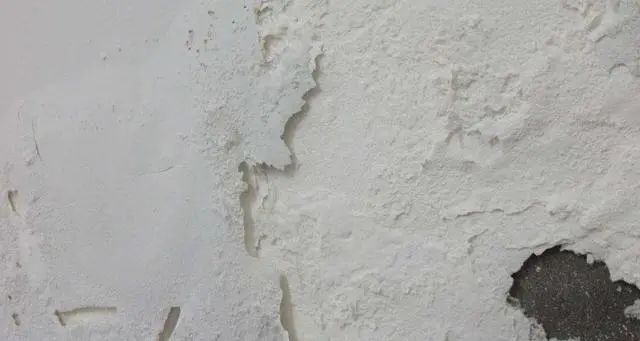
* Peeling or bubbling paint
* Damp patches
* Mould or algae growth
* Water stains
* Deteriorated sealant
* Areas where previous repairs have failed
Identifying these signs early can help prevent a small waterproofing issue from developing into a more expensive repair.
How to Choose the Right Exterior Wall Waterproofing Product
Not every waterproofing coating is suitable for every building or wall condition. Before purchasing a product, consider more than just the price.
Check the Technical Specifications
Look at the product's technical data sheet and understand its recommended applications, coverage, drying time, adhesion, flexibility and environmental resistance. For exterior walls in Malaysia, resistance to rain, humidity, UV exposure and temperature changes can be particularly important.
Consider the Actual Wall Condition
A waterproofing product should be selected based on the actual problem. For example, a wall with surface hairline cracks may require a different approach from a wall with active water seepage, structural cracking or failed construction joints.
If you are unsure which product or system is appropriate, it is better to seek technical advice before starting the waterproofing work.
Work With the Right Waterproofing Solution
Exterior wall waterproofing is not simply about applying a coating over the wall. Proper surface preparation, crack treatment, product selection and application all contribute to the overall performance of the waterproofing system.
For homeowners, contractors and building owners in Malaysia, QingLong Waterproofing Malaysia provides waterproofing products and solutions for residential and commercial applications. If you are experiencing exterior wall seepage, damp patches, peeling paint or recurring water stains, you can contact the QingLong Waterproofing Malaysia team and share photos and details of the affected area. Based on the condition, the team can recommend a suitable waterproofing solution or arrange a site inspection where necessary.
Frequently Asked Questions (FAQs)
1, How do I know if my exterior wall needs waterproofing?
Common signs include damp patches, water stains, peeling or bubbling paint, mould or algae growth, cracks and recurring seepage after rain. If the same area becomes wet repeatedly, it is worth investigating the source of the water before applying a waterproofing coating.
2. How many coats of exterior wall waterproofing are required?
The required number of coats depends on the specific waterproofing product and wall condition. Instead of simply applying more coats, follow the manufacturer's technical specifications for coverage, thickness, drying time and recoat intervals.
3. My Wall Has Hairline Cracks and Watermarks. What Should I Use to Fix It?
QingLong Transparent Waterproof Glue can help seal small gaps, prevent water seepage, and maintain the original appearance of the surface.
4. My Exterior Wall Is Peeling and Bubbling. What Should I Do?
If your exterior wall is peeling or bubbling, remove the loose paint and damaged material, clean the surface, and let it dry completely before waterproofing. QingLong Transparent Waterproof Glue can help protect suitable exterior wall surfaces from water seepage while maintaining the original appearance.