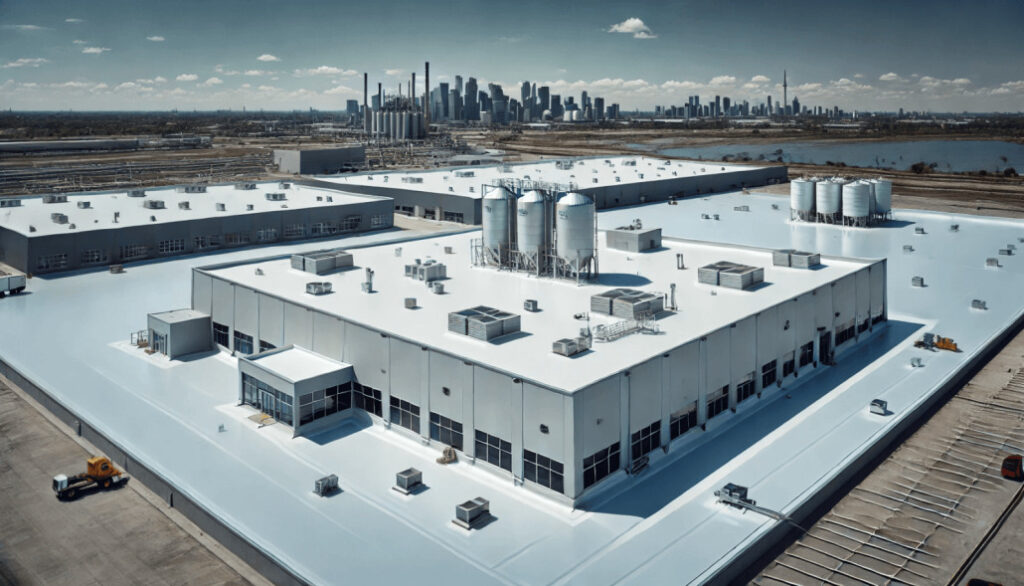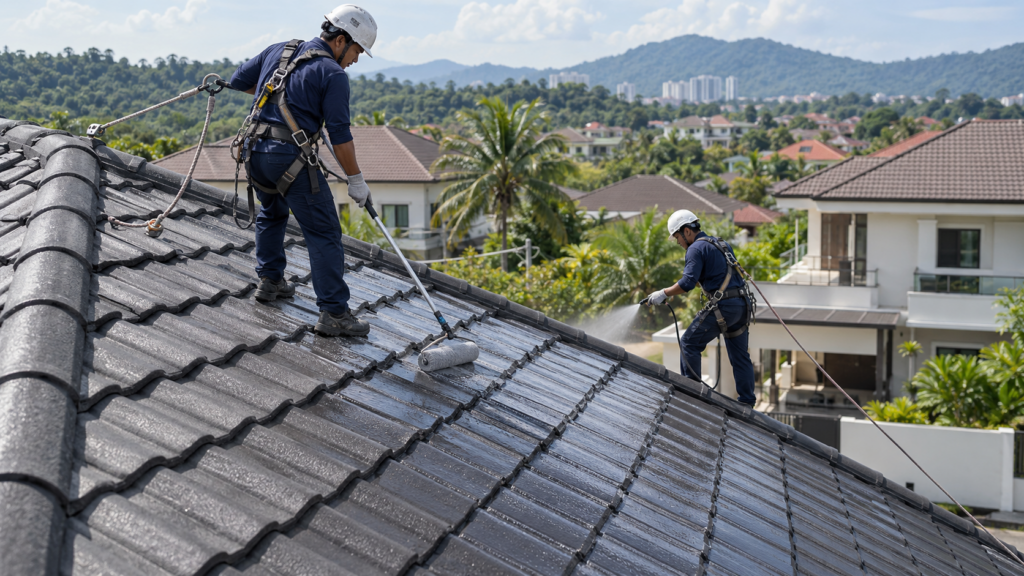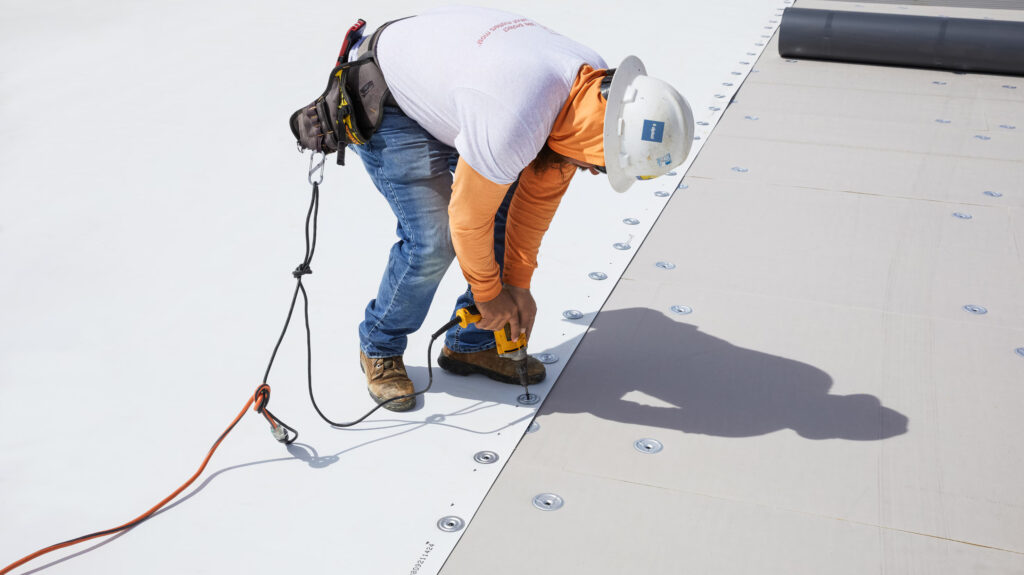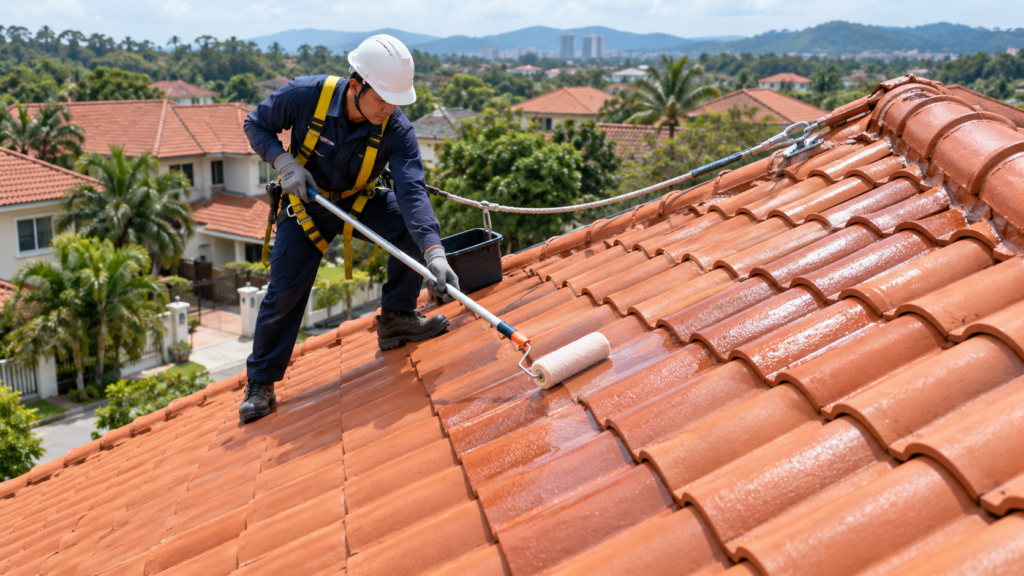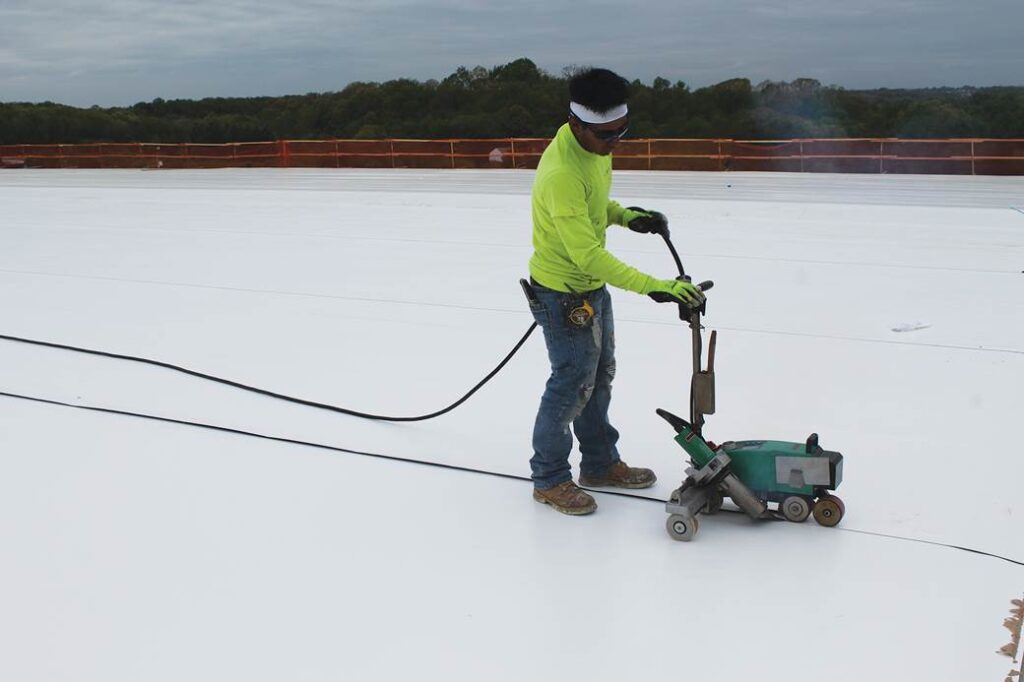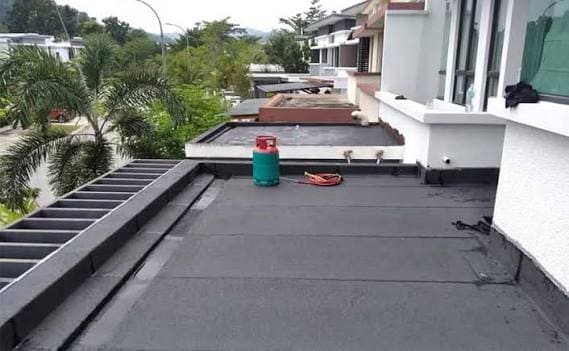
Concrete slab roofs are commonly used in Malaysian residential homes, commercial buildings, factories, warehouses, podium decks, and industrial facilities because of their strength and durability. However, concrete itself is not waterproof. Over time, constant exposure to heavy rainfall, intense sunlight, high humidity, thermal expansion, and structural movement can gradually weaken the waterproofing system. Once water penetrates through cracks, construction joints, or damaged membranes, leaks may begin to appear inside the building.
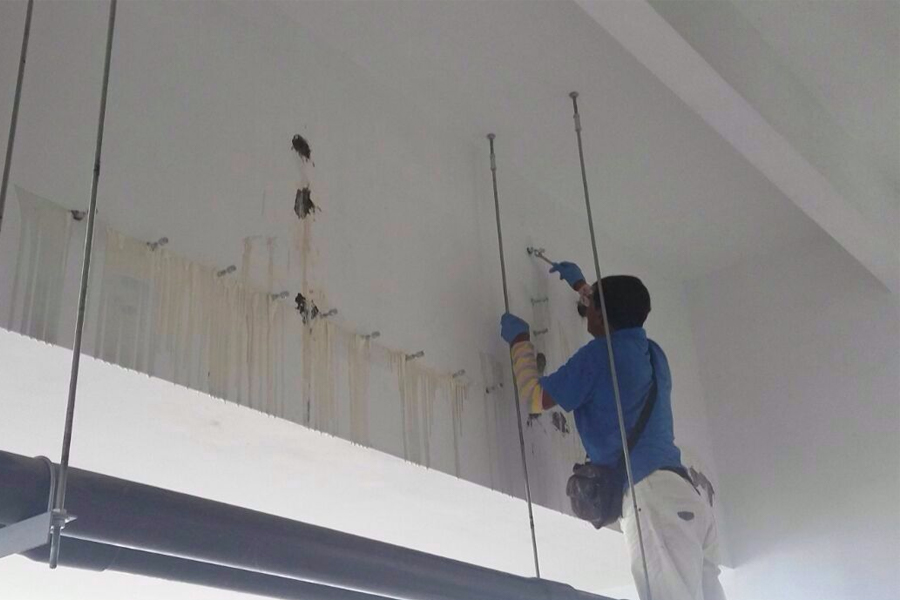
Many property owners only notice water stains on the ceiling, peeling paint, or damp walls, but these are often only symptoms rather than the actual source of the problem. Water can travel through the concrete slab before appearing elsewhere, making accurate diagnosis essential before any repair work begins.
Torch-on membrane is one of the most widely used waterproofing systems for exposed concrete slabs because it creates a continuous waterproof barrier with excellent durability and weather resistance. When properly installed by experienced waterproofing professionals, it can provide reliable long-term protection for buildings throughout Malaysia.
In this guide, we’ll explain how torch-on membrane works, why concrete slab roofs leak, when membrane repair is suitable, how professional installation is carried out, and how proper maintenance helps maximise the lifespan of your waterproofing system.
Why Do Concrete Slab Roofs Leak?
Although reinforced concrete is structurally strong, it naturally contains microscopic pores that allow moisture to penetrate over time if no effective waterproofing system is present. Malaysia’s tropical climate places continuous stress on roofing systems through frequent heavy rain, prolonged UV exposure, and repeated heating and cooling cycles.
Several factors commonly contribute to concrete slab roof leakage:
• Ageing or deteriorated waterproofing membranes
• Hairline cracks caused by thermal movement
• Ponding water due to poor roof drainage
• Failed construction joints
• Damaged flashings around pipe penetrations
• Poor workmanship during previous waterproofing installation
• Mechanical damage caused by renovation or maintenance works
Many buildings experience repeated leakage because previous repairs only covered the visible leak instead of addressing the actual path of water ingress. Surface patching may temporarily stop dripping, but water often finds another route beneath the waterproofing layer.
This is why professional waterproofing begins with identifying the root cause rather than immediately applying new materials.
What Is Torch-On Membrane?
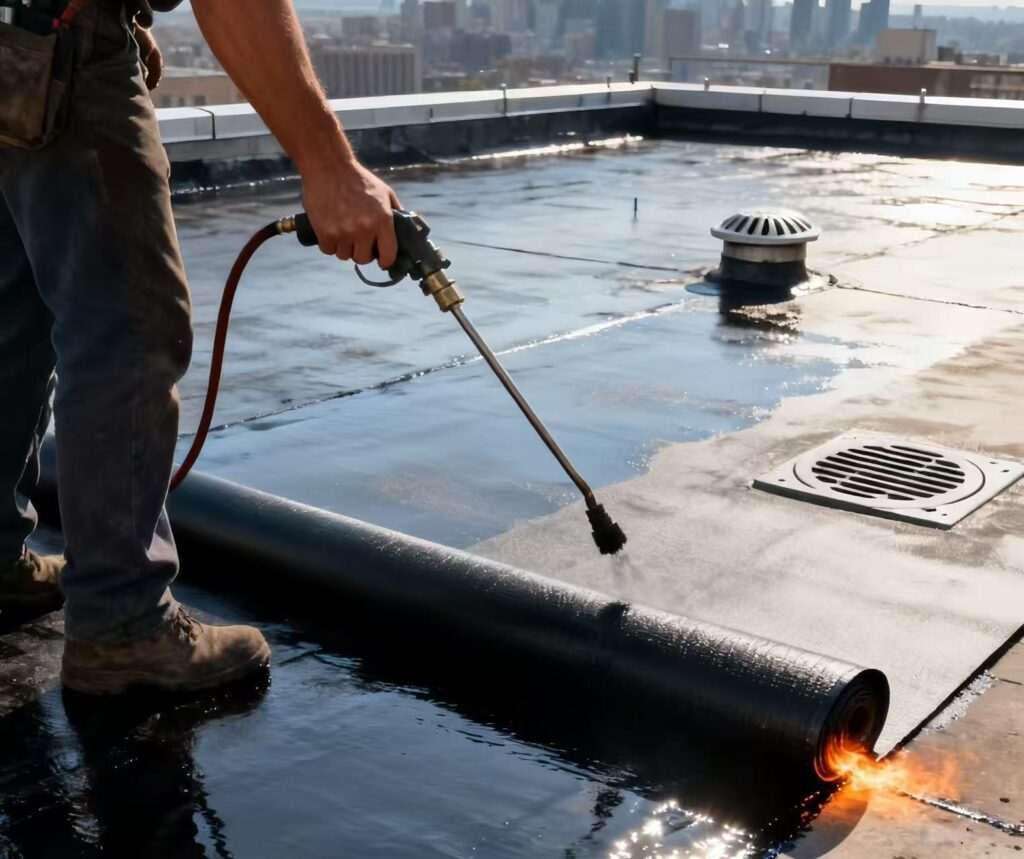
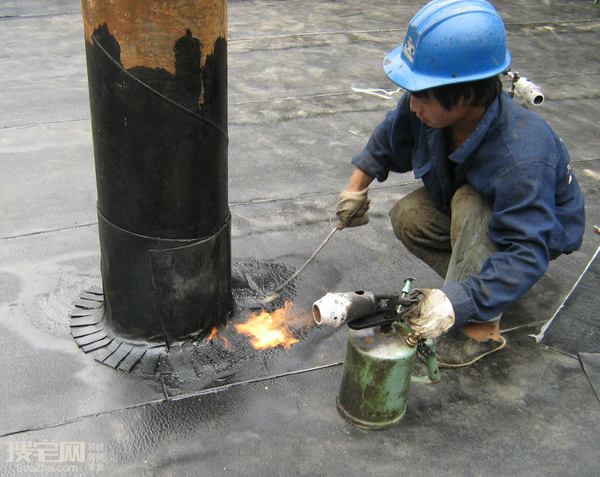
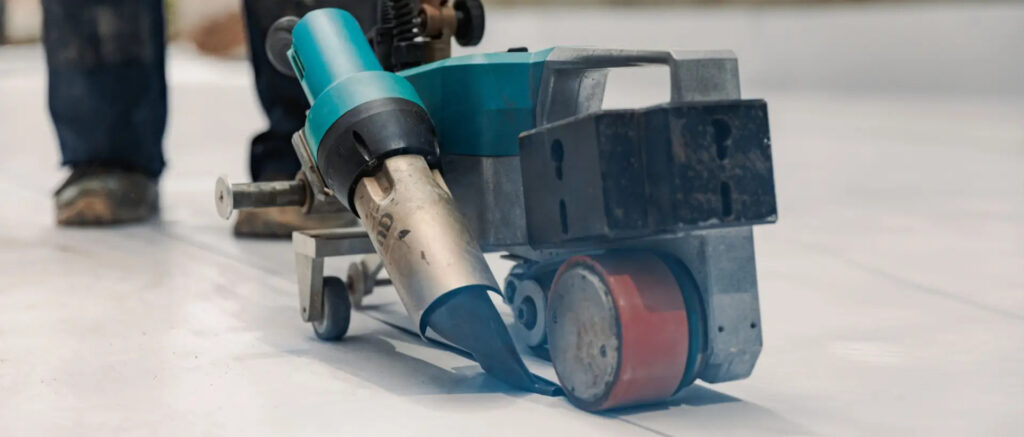
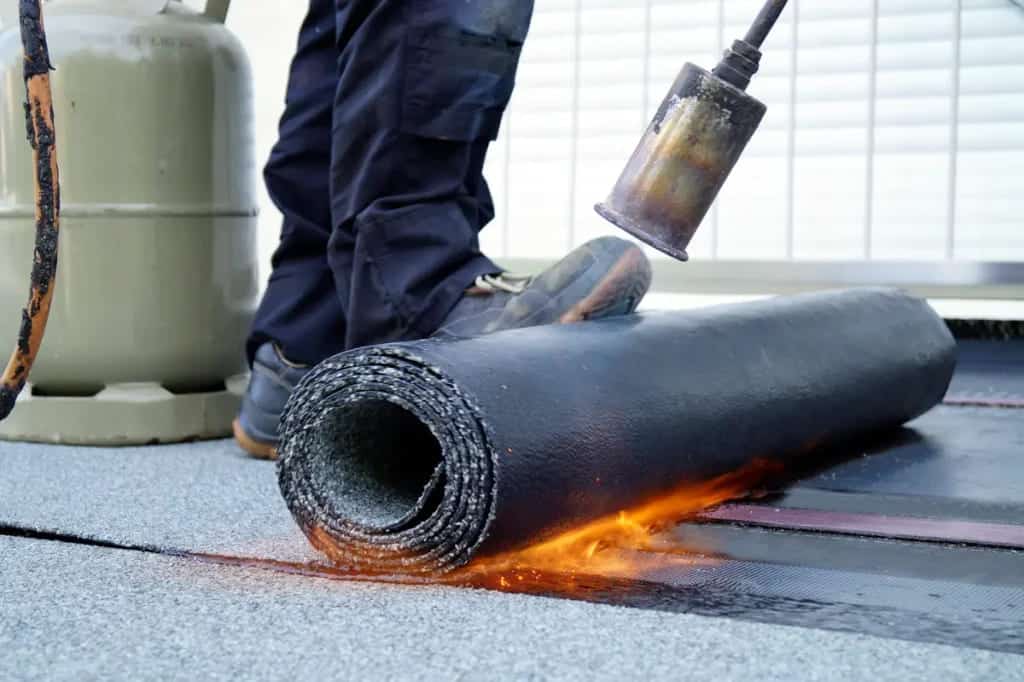
Torch-on membrane is a bitumen-based waterproofing membrane that is heat-applied onto prepared concrete surfaces using a propane torch. During installation, the underside of the membrane is heated until it bonds firmly with the concrete substrate, creating a continuous waterproof barrier.
Torch-on membrane has become one of the preferred waterproofing systems for large exposed concrete areas because it provides consistent thickness, excellent adhesion, and superior resistance against standing water compared with many liquid waterproofing products.
The two most common types of torch-on membrane are:
APP (Atactic Polypropylene) Membrane
APP membranes provide good UV resistance and are suitable for exposed roof applications where flexibility requirements are relatively low.
SBS (Styrene Butadiene Styrene) Membrane
SBS membranes offer greater flexibility and crack-bridging performance. They can better accommodate minor structural movement, making them particularly suitable for Malaysia’s climate where buildings expand and contract throughout the year.
Malaysia experiences one of the highest annual rainfall levels in Southeast Asia. Waterproofing systems must withstand not only constant rain but also extreme UV exposure, humidity, and temperature fluctuations.
Torch-on membrane offers several advantages for these conditions.
1. Excellent Waterproof Protection
Unlike thin liquid coatings, torch-on membrane forms a continuous waterproof sheet with controlled thickness, reducing the risk of weak spots and pinholes that may allow water penetration.
2. High Durability
Quality SBS membranes are designed to withstand years of weather exposure while maintaining waterproof performance when installed correctly.
3. Crack-Bridging Ability
Concrete naturally moves due to temperature changes. Flexible SBS membranes can accommodate minor movement without immediately cracking, helping extend the service life of the waterproofing system.
4. Strong Adhesion
When installed over a properly prepared surface using the correct heating method, the membrane bonds securely to the concrete slab and minimises the risk of water travelling beneath the membrane.
Waterproofing systems rarely fail overnight. Most roofs show early warning signs before serious leakage develops.
Common symptoms include:
– Water stains on ceilings
– Damp walls after rain
– Bubbling or peeling paint
– Cracked roof surfaces
– Blistered or lifted membrane
– Ponding water that remains after rainfall
– Moss or algae growth
– Water dripping from concrete joints
– Repeated leakage despite previous repairs
Ignoring these warning signs can allow moisture to penetrate deeper into the concrete, potentially causing reinforcement corrosion, concrete deterioration, and more expensive structural repairs.
How Professionals Repair a Concrete Slab Using Torch-On Membrane
Every leaking roof requires proper inspection before recommending waterproofing solutions. Not every roof simply needs another membrane layer. Existing waterproofing conditions, concrete strength, drainage, and previous repairs must all be assessed first.
A professional repair process typically includes:
Site Inspection
The waterproofing team identifies the source of leakage, evaluates drainage conditions, checks existing membranes, and determines whether moisture has entered the concrete slab.
Surface Preparation
Loose materials, dirt, dust, deteriorated waterproofing, and damaged concrete are removed to create a clean and stable substrate.
Concrete Repairs
Any cracks, honeycombs, voids, or damaged concrete are repaired before waterproofing begins.
Primer Application
A suitable primer improves adhesion between the concrete surface and the membrane.
Torch-On Membrane Installation
The SBS membrane is heated using a propane torch and bonded carefully onto the concrete surface while maintaining consistent adhesion.
Overlap Sealing
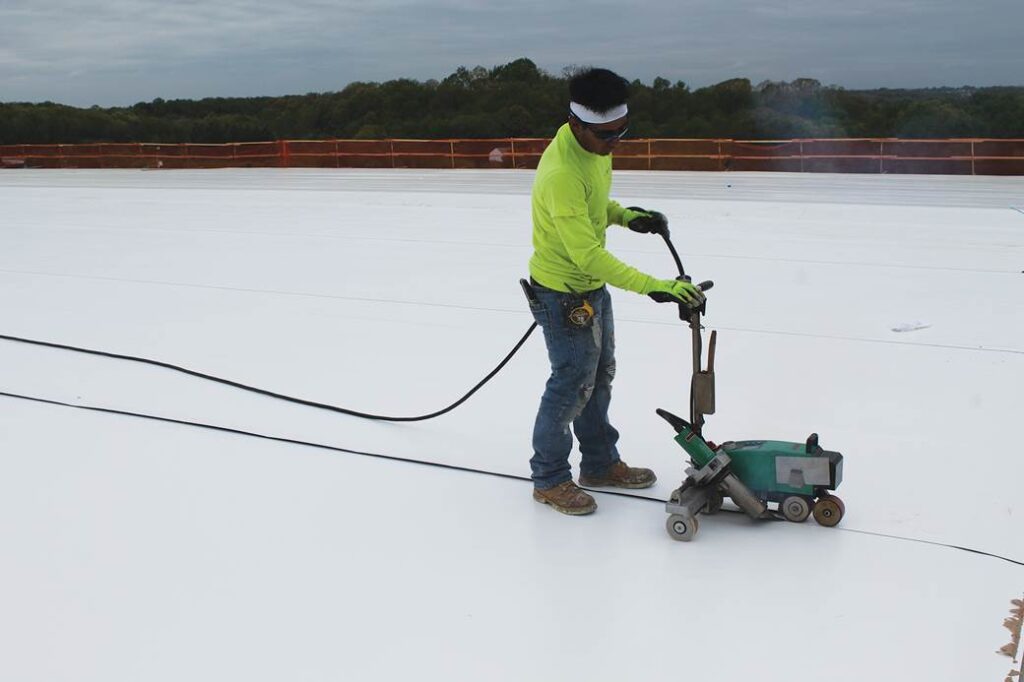
Each membrane sheet overlaps according to installation requirements to ensure a fully waterproof system.
Detailing Around Critical Areas
Extra attention is given to pipe penetrations, parapet walls, corners, movement joints, drains, and flashings because these areas are common sources of leakage.
Final Inspection
After installation, the completed waterproofing system is inspected to ensure all joints, overlaps, and details are properly sealed.
Why Some Torch-On Membrane Repairs Fail
Torch-on membrane itself is rarely the problem. Most failures are caused by incorrect installation or poor diagnosis.
Common reasons include:
• Waterproofing installed over damp surfaces
• Inadequate surface preparation
• Insufficient overlap between membrane sheets
• Poor heating during installation
• Failure to treat construction joints
• Water ponding due to poor roof slope
• Installing over unstable substrates
• Repairing only visible leaks instead of identifying the actual water path
This is why selecting an experienced waterproofing specialist is just as important as choosing the membrane itself.
Maintaining Your Torch-On Membrane System
Regular maintenance helps maximise the service life of any waterproofing system.
Property owners should:
• Inspect roof areas at least twice each year
• Remove leaves and debris from drains
• Ensure rainwater flows freely
• Avoid drilling through waterproofed surfaces
• Repair punctures or damage promptly
• Arrange periodic professional inspections for ageing roofs
Preventive maintenance is often far more cost-effective than emergency waterproofing repairs after major leakage has occurred.
Conclusion
A leaking concrete slab roof should never be ignored. Early diagnosis and timely waterproofing repairs can prevent more serious structural damage, interior deterioration, and costly future repairs.
Whether the problem involves an ageing membrane, recurring roof leakage, construction joints, or ponding water, QingLong Waterproofing provides professional waterproofing inspection, and technical assessment for residential, commercial, industrial, and infrastructure projects throughout Malaysia.
If your concrete slab roof is showing signs of leakage or waterproofing failure, contact QingLong Waterproofing to arrange a professional site inspection. Our team can identify the root cause of the problem and recommend the most suitable waterproofing solution for long-term protection.
Frequently Asked Questions (FAQs)
1. Is torch-on membrane suitable for all concrete slab roofs?
Torch-on membrane is suitable for most flat and low-slope concrete roofs, balconies, podium decks, and basements. A site inspection is recommended to confirm if it is the right waterproofing solution.
2. How long does torch-on membrane last?
Its lifespan depends on the membrane quality, workmanship, weather exposure, and maintenance. A properly installed system can provide long-lasting waterproof protection.
3. Can a new torch-on membrane be installed over an existing waterproofing layer?
In some cases, yes. However, the existing waterproofing should be inspected first to determine whether an overlay or full replacement is the better option.
4. What common issues can affect torch-on membrane?
Common issues include trapped moisture, poor installation, damaged joints, punctures, and ponding water caused by poor drainage.
5. What maintenance does torch-on membrane require?
Regularly inspect the membrane, keep drains clear, remove debris, and repair any damage promptly to maintain its waterproofing performance.