A purchaser may ask for a “SIRIM approved waterproofing manufacturer” because it sounds like a straightforward way to reduce project risk. However, the term needs to be used carefully.
SIRIM certification or testing usually applies to a specific product, standard or assessment scope. It does not automatically mean that every material produced by the same manufacturer is certified—or that one certified product is suitable for every roof, bathroom, basement or podium deck.
For contractors, developers, property managers and specifiers, the more important question is: What exactly has been certified or tested, and does it match the waterproofing system required for the project?
In this article, we explain what SIRIM-related documentation may cover, what buyers should verify and why product certification must still be supported by correct system selection and site application.
What Does "SIRIM Approval" Actually Mean?
“SIRIM approved” is a commonly used market term, but it may not accurately describe the supporting document. Depending on the product and application, the document could be:
• A SIRIM QAS product certification licence
• A product test report issued by an accredited laboratory
• A management-system certification, such as ISO certification
• Another type of inspection or conformity-assessment document
These documents serve different purposes.
According to SIRIM QAS, product certification provides written assurance from a third-party certification body that a product conforms to specified requirements. Therefore, buyers should confirm whether the submitted document is for product certification, product testing or another form of assessment. In simple terms, SIRIM certification can support a specific product claim, but it is not a blanket guarantee covering every product, project condition or application method.
Why Product Specific Certification Matters
Waterproofing products may look similar on the outside while offering very different performance characteristics. For example, two pails may both be labelled as waterproofing coatings, but their flexibility, adhesion, crack-bridging ability, UV resistance, chemical resistance and recommended application thickness could be different. The requirements also change according to the area being waterproofed.
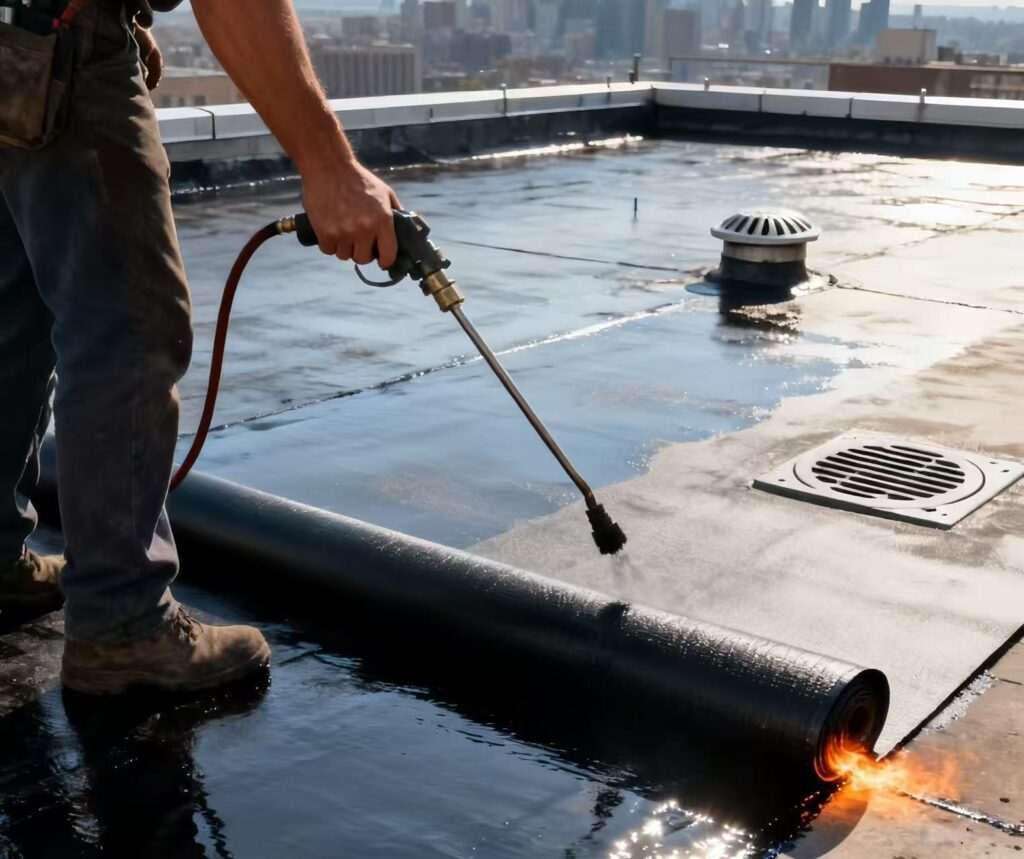
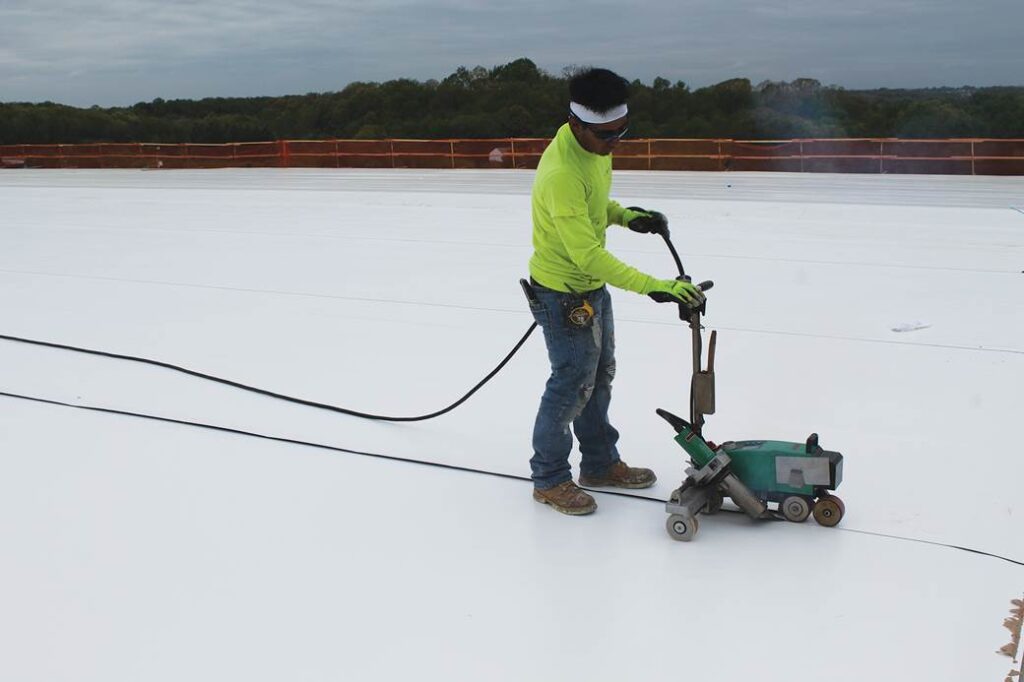
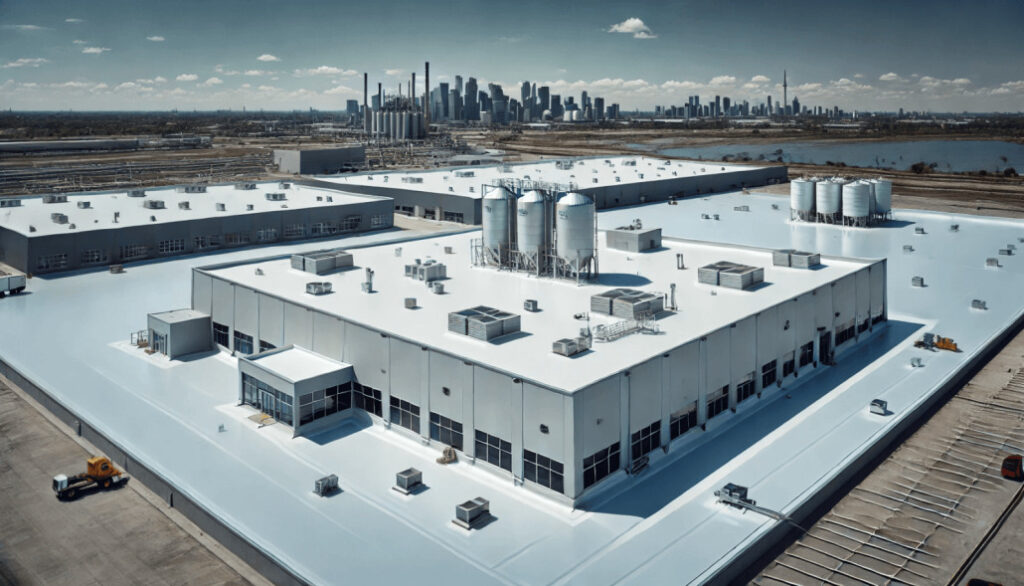
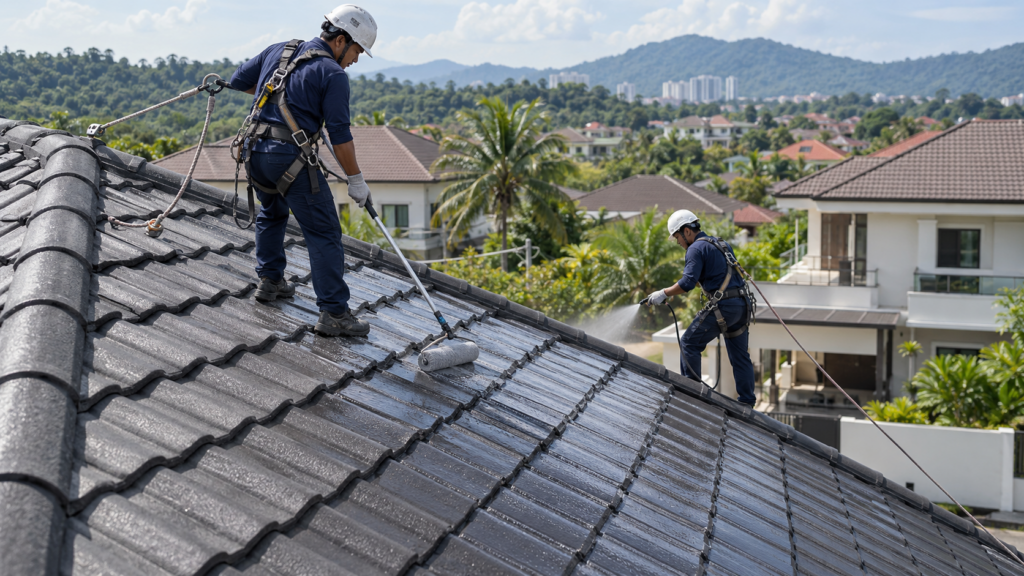
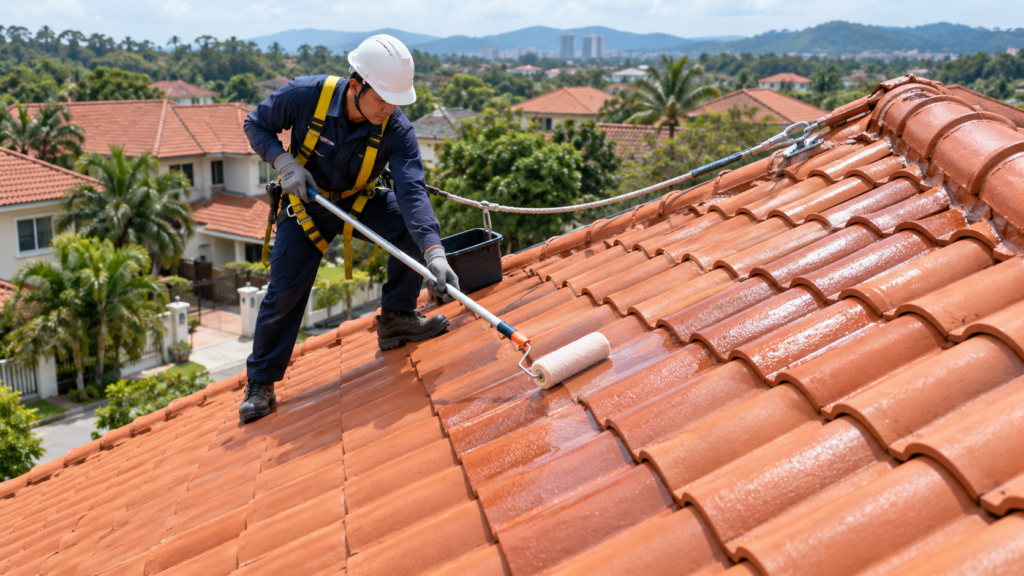
An exposed concrete roof must withstand direct sunlight, temperature changes and heavy rain. A bathroom waterproofing system is normally protected beneath tiles and must be properly detailed around floor traps, pipe penetrations and wall-floor junctions. A basement retaining wall may face water pressure and access limitations that require a completely different waterproofing approach.
Therefore, buyers should not only ask whether a product has SIRIM documentation. They should also determine whether the certified or tested product is suitable for the intended substrate, exposure and application.
Where SIRIM Approval Helps in Waterproofing Selection
SIRIM approval can be valuable because it gives buyers a more structured way to compare products. Without third-party testing or recognised documentation, decisions may depend too heavily on price, verbal claims or previous habit.
For developers and main contractors, certification helps during material submission. Consultants often need documents that can be reviewed, filed and compared against project specifications. For property managers, proper documentation may make it easier to justify a maintenance decision to a joint management body, building owner or facilities team.
For waterproofing manufacturers, certification also shows a willingness to subject products to external evaluation. This does not replace the manufacturer’s own quality control, but it can support confidence in consistency, especially where products are supplied across multiple projects or dealer channels.
That said, buyers should avoid treating certification as the only selection factor. Waterproofing failures often happen not because the product is completely wrong, but because the product is used outside its suitable condition. A coating may perform well on a sound concrete roof but fail on a dusty, hollow, contaminated or damp substrate. A sealant may be suitable for a joint only if the joint width, backing material and movement range are properly considered.
What SIRIM Approval Does Not Tell You About the Site
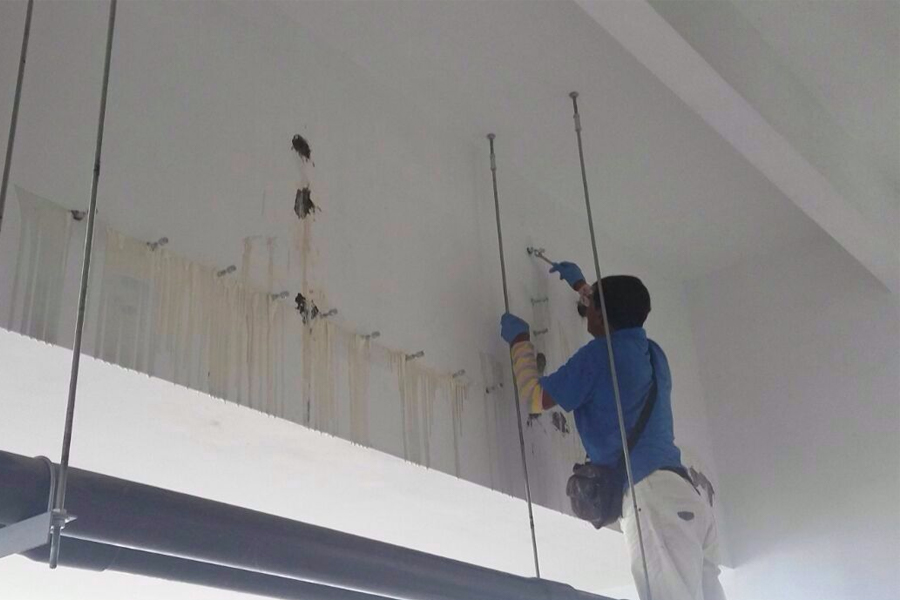
A certificate does not inspect your roof falls, tile adhesion, wall-floor junctions or pipe penetrations. It does not confirm whether an old coating is still bonded to the slab. It does not show whether ponding water will remain around a drain after heavy rain.
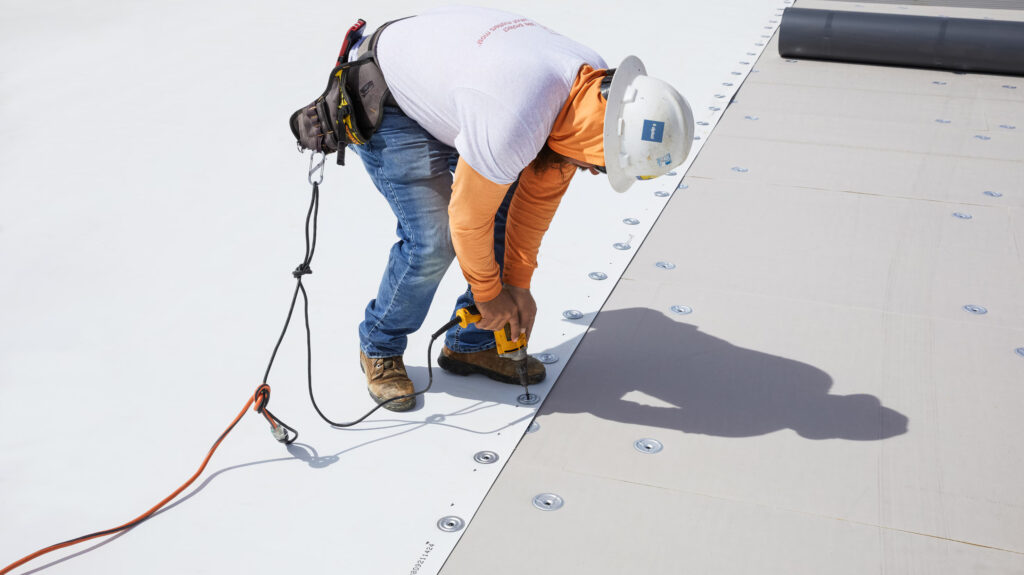
This is where many waterproofing decisions go wrong. A purchaser may select a certified product but apply it over a surface that has not been prepared correctly. The result can still be blistering, peeling, seepage or water tracking beneath the system.
A SIRIM-related document also does not automatically define the correct application thickness, reinforcement detail, curing time or protection layer. These are usually controlled by the manufacturer’s technical datasheet, method statement and site conditions.
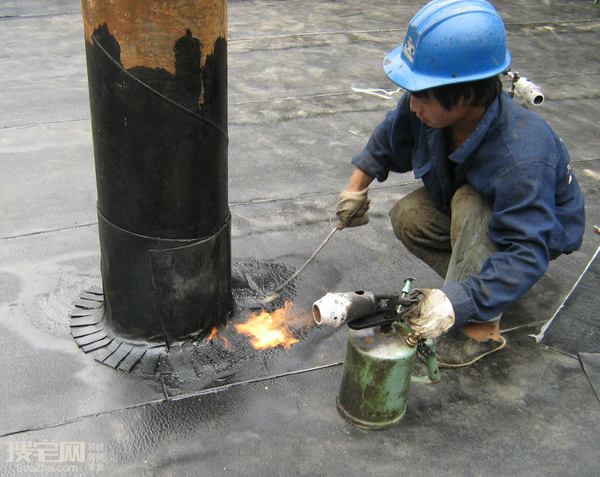
For example, on a concrete roof, the inspection should consider whether cracks are active or static, whether the screed is hollow, whether the outlet level is lower than the surrounding area, and whether previous patch repairs are compatible with the proposed coating. In a bathroom, the critical details may be pipe penetrations, floor traps, wall upturns and whether tiles are being retained or removed.
SIRIM approval helps confirm product conformity, but waterproofing performance still depends on correct system selection, surface preparation and application control. A certified material used on the wrong substrate or without proper detailing can still fail.
Choosing a Waterproofing Manufacturer Beyond the Certificate
When comparing waterproofing manufacturers in Malaysia, SIRIM approval should be one part of the evaluation, not the whole decision. A manufacturer that supports projects properly should be able to provide both documentation and practical guidance.
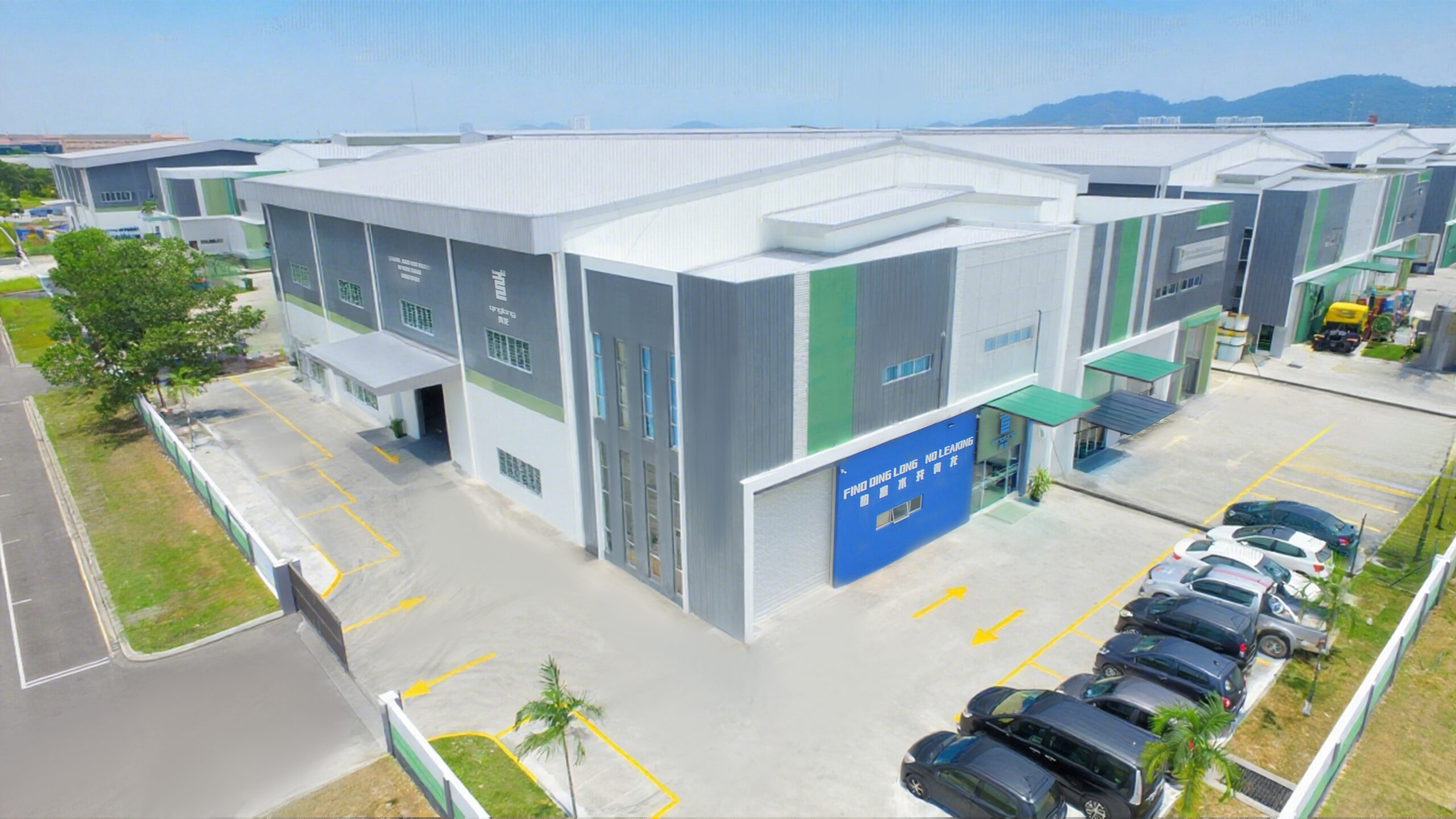
QingLong Waterproofing, for example, operates as a waterproofing manufacturer, product supplier and waterproofing service provider in Malaysia. The value of working with a manufacturer-led company is not only access to materials, but also the ability to discuss product suitability, system build-up, application sequence and common site constraints.
For contractors and purchasers, several practical questions are worth asking before confirming a supplier:
Can the Manufacturer Provide Clear Technical Documents?
A usable technical datasheet should explain substrate requirements, coverage, application procedures, curing conditions and product limitations. It should give contractors enough information to plan the work correctly.
Can the Manufacturer Explain Where a Product Should Not Be Used?
A trustworthy recommendation should include product limitations. For example, a transparent exterior coating may suit certain porous surfaces, but it may not solve structural cracks, trapped moisture or negative-side water pressure. Understanding these limitations helps prevent unsuitable product substitution.
Is there technical support when site conditions change? Waterproofing work often changes after hacking, cleaning or inspection. A manufacturer that can advise on junction treatment, penetration detailing and compatibility can help avoid incorrect substitution.
Can the Manufacturer Support Consistent Project Supply?
For larger projects, production capacity, batch consistency, stock availability and delivery lead time can affect site progress. A delay in restocking may interrupt application or force the contractor to consider an unsuitable alternative.
Does the Company Understand Both Materials and Application?
Manufacturing knowledge is important, but site experience also matters. A company familiar with waterproofing application is better positioned to advise on surface preparation, system build-up, junction treatment, penetration details and common causes of failure.
Since 1997, QingLong Waterproofing Group has been involved in the research, production, supply and application of waterproofing materials. In Malaysia, QingLong operates as a waterproofing manufacturer, product supplier, waterproofing solutions provider and service company. This combination of manufacturing and application experience allows the team to consider not only product documentation, but also substrate condition, exposure, detailing and practical site requirements.
How to Use SIRIM Requirements in a Tender or Purchase Decision
If you are preparing a tender, specification or material approval request, avoid writing only “must be SIRIM approved” without further detail. That phrase can create confusion because different documents may be submitted under the same description.
A clearer requirement should state the expected product type, relevant standard or performance requirement, submission documents, and manufacturer support documents. For example, a project may require the contractor to submit product certification where applicable, recent test reports, technical datasheets, safety data sheets and a method statement for the proposed system.
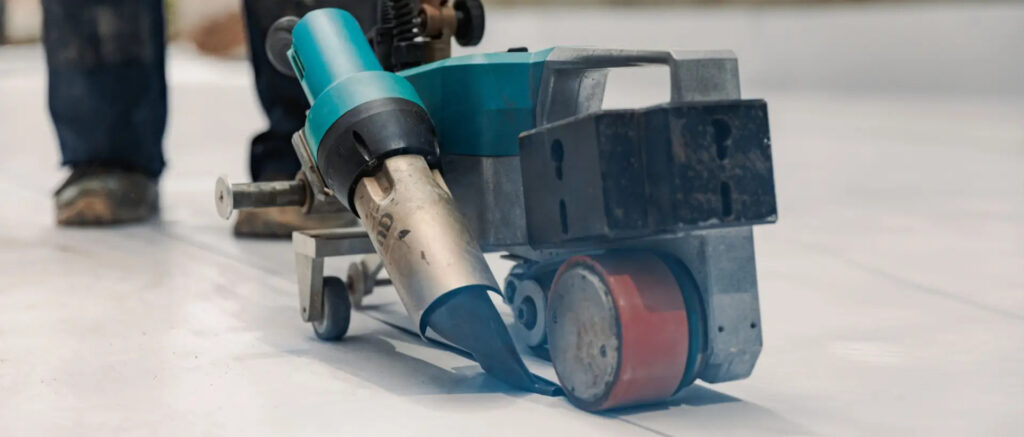
It is also useful to request samples or mock-up application for areas with difficult details. Roof corners, expansion joints, pipe penetrations and drain outlets often reveal whether the proposed system is practical. A material that looks acceptable on paper may require more curing time, surface dryness or detailing skill than the project schedule allows.
For renovation projects, the specification should also address existing surface conditions. If old waterproofing layers, hollow screed, contaminated concrete or trapped moisture are present, the manufacturer’s recommendation may change. This is one reason why site assessment should happen before finalising the product list.
Conclusion
SIRIM certification or testing can provide useful evidence when selecting a waterproofing product, but the supporting document must be reviewed carefully. Buyers should confirm which product it covers, what requirements were assessed and whether the material matches the intended substrate, exposure and application method.
The strongest waterproofing decision combines recognised documentation with appropriate system selection, thorough surface preparation and controlled site application. Certification alone cannot compensate for an unsuitable product or incomplete waterproofing detail.
If you are evaluating waterproofing materials for a tender, project submission or construction site, contact QingLong Waterproofing to discuss product specifications, supporting documents, system recommendations and supply requirements. Our team will review your project needs and recommend a suitable approach through our contact page.
Frequently Asked Questions (FAQs)
1. Does SIRIM certification guarantee that waterproofing will not fail?
No. Certification supports product conformity against specified requirements, but final performance also depends on correct product selection, substrate preparation, detailing, application thickness, curing and workmanship.
2. How can buyers confirm that a certificate covers the supplied product?
Compare the product name, model, certificate holder, validity period and certification scope with the material packaging and technical datasheet. Any mismatch should be clarified before approval or delivery.
3. Is a SIRIM test report the same as product certification?
No. A test report records the results of tests performed on a submitted sample, while product certification provides third-party assurance that a named product conforms to specified requirements within the certification scope. Buyers should check which type of document has been submitted.
4. Is a SIRIM-certified product automatically suitable for every waterproofing area?
No. A certified product must still be selected according to the substrate, moisture condition, exposure, movement and intended use. A material suitable for a tiled bathroom may not be appropriate for an exposed roof, basement or structure affected by water pressure.