A leaking ceiling, damp wall or water stain often creates pressure to arrange waterproofing repairs immediately. However, choosing a waterproofing contractor should not begin with asking which coating or membrane to use. It should begin with understanding where the water is actually entering.
The visible wet area is not always the real source of the leak. Water can travel through concrete, screed, joints, cracks or concealed building details before appearing somewhere else. This is why proper leak diagnosis is one of the most important steps before waterproofing repair begins.
A contractor who understands the water-entry point, leak path and failed building detail can recommend a repair scope that addresses the actual cause rather than simply covering the visible symptom.
A Good Contractor Does Not Start With the Product
Many waterproofing repairs fail because the repair method is selected before the actual leak source has been confirmed.
A property owner may notice water below a roof, balcony, bathroom or exterior wall, and the immediate recommendation may be to apply another waterproof coating, replace sealant or patch the visible area. In simple cases, this may work. However, many building leaks are more complicated.
For example, a ceiling stain below a balcony does not automatically mean the balcony floor is the only problem. Water may be entering through a wall-floor junction, door threshold, cracked grout, pipe penetration, floor outlet, damaged sealant, hollow tiles, parapet or another connected building detail.
Roof leaks can be equally misleading. Water entering through flashing, fasteners, construction joints or penetrations may travel along the concrete slab before appearing inside the building.
A competent waterproofing contractor should therefore determine where the water enters, how it travels and which waterproofing detail has failed before recommending a repair system.
The Visible Leak Point Is Not Always the Entry Point
One of the most common mistakes in waterproofing repair is assuming that the leak starts directly above the visible stain.
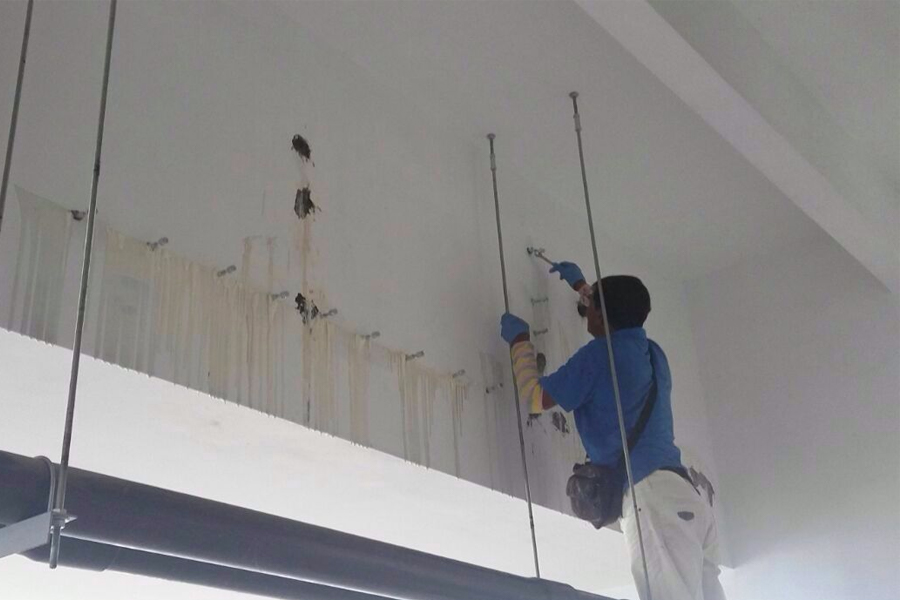
In many buildings, water moves before it becomes visible. Water entering through a balcony door threshold may travel below the screed and create a ceiling stain some distance away. A roof leak near a parapet may follow the concrete slab, beam line or an existing repair joint before dripping indoors.
Bathroom leakage can also originate from several locations, including failed floor waterproofing, pipe penetrations, wall-floor junctions or plumbing connections. The unit below may only see a general damp patch even though the actual water-entry point is located elsewhere.
This means that inspecting only the underside of the leak is often insufficient. The underside tells the contractor where water is appearing, but proper leak diagnosis should determine where the water is coming from and how it reached that location.
What a Contractor Should Check Before Quoting the Repair
A waterproofing quotation should be based on actual site conditions rather than the visible stain alone. The inspection scope should depend on the affected area and the type of leakage.
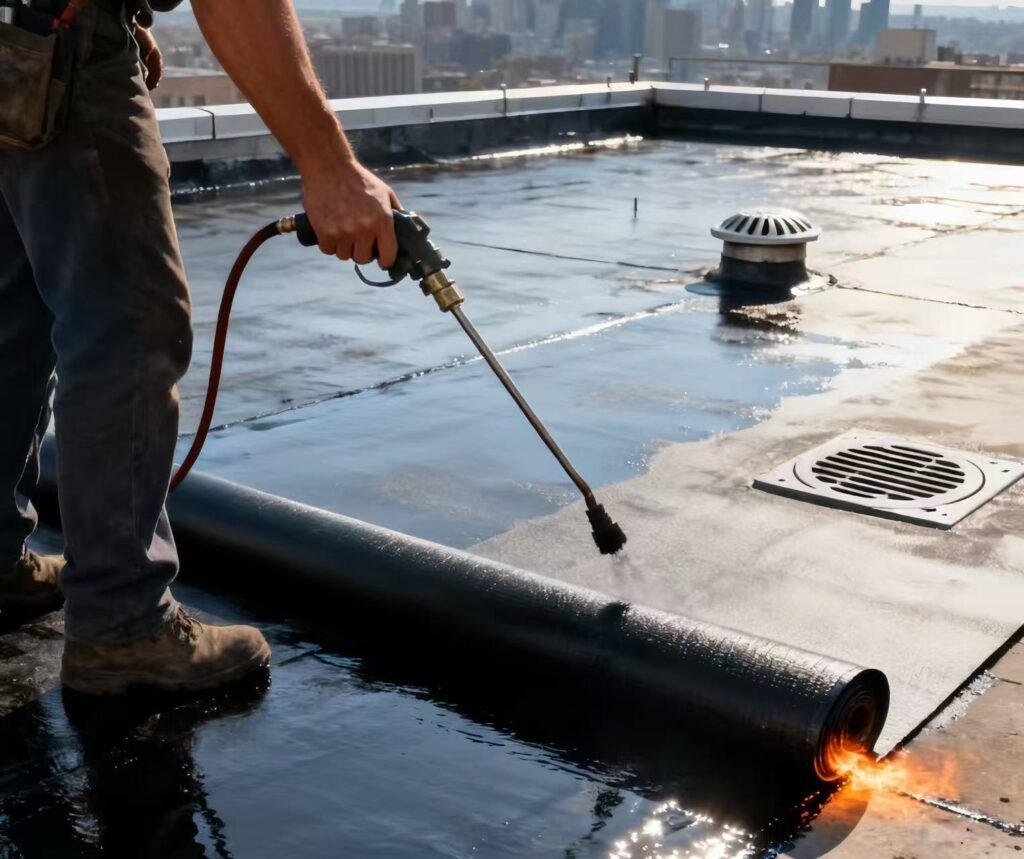
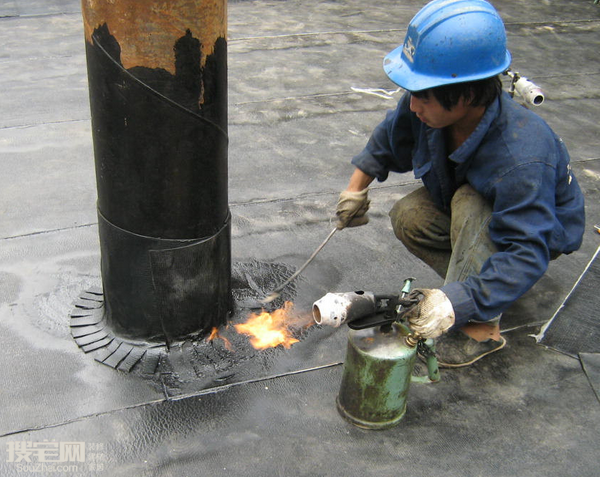
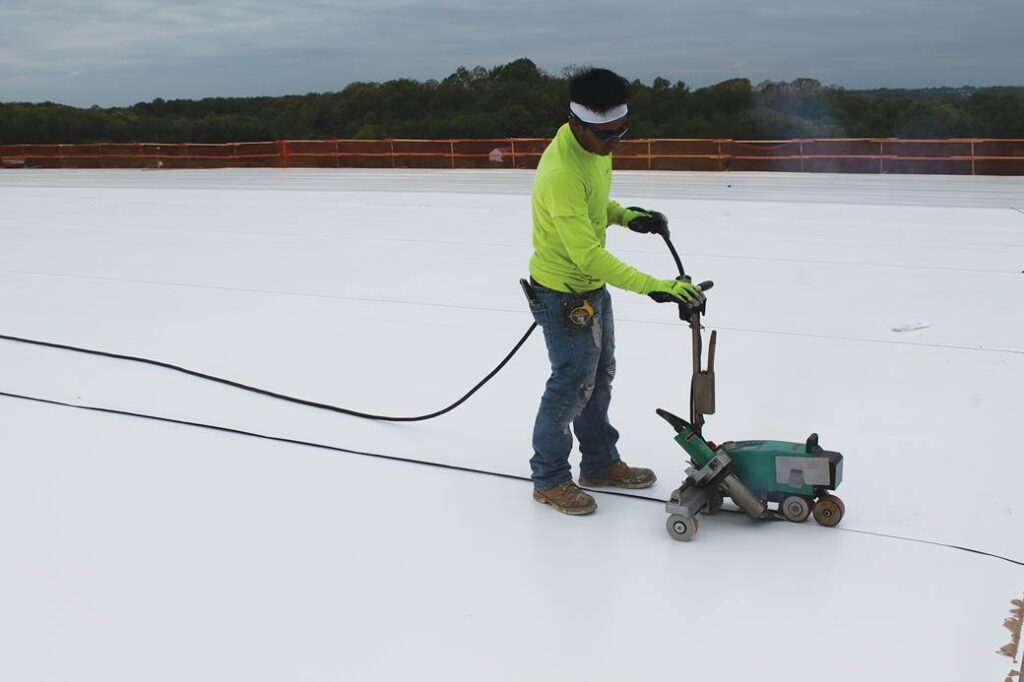
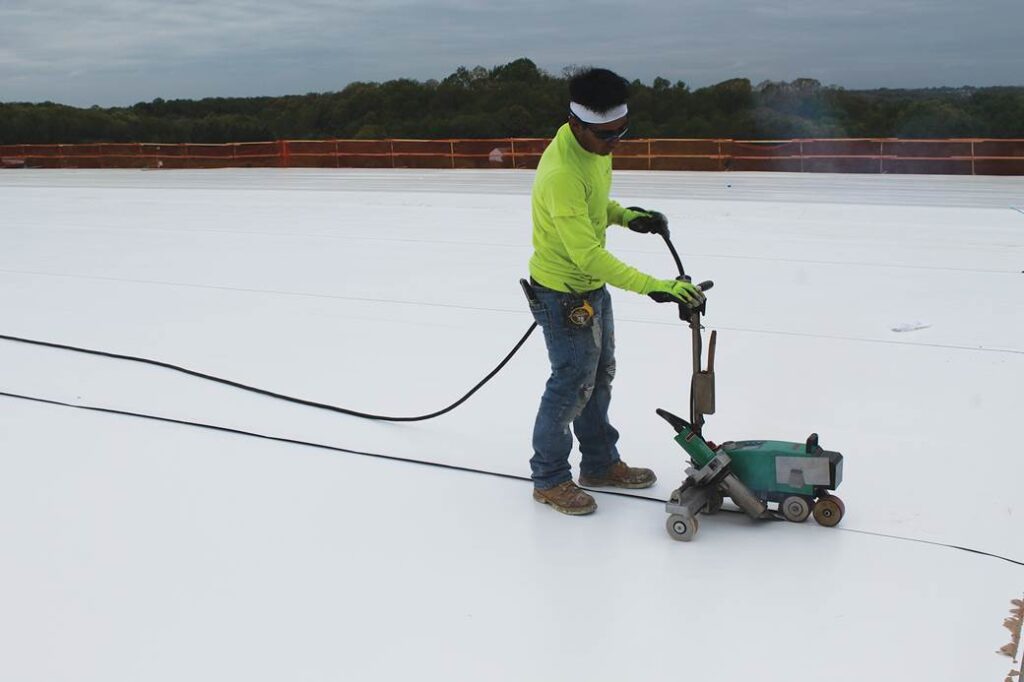
For roof leakage, the contractor may need to inspect cracks, construction joints, existing waterproofing coating, membrane laps, ponding areas, drainage falls, gutters, outlets, parapet walls, flashing, pipe penetrations and previous repair areas.
The condition of the existing waterproofing system is also important. If the coating is already peeling, blistering or losing adhesion, applying another layer directly over it may not provide a reliable long-term repair.
For balcony and bathroom leakage, the contractor should consider the condition of the tiles, grout lines, floor traps, pipe penetrations, door thresholds, wall-floor junctions, screed and signs of trapped moisture.
A transparent waterproofing coating may be suitable for certain surface conditions where the appearance needs to be maintained. However, it should not automatically be used where water is trapped below tiles, where tiles are hollow or where the substrate itself has deteriorated.
For exterior wall seepage, the inspection should consider hairline cracks, movement cracks, paint condition, window perimeter sealant, wall penetrations, façade joints and adjoining building details such as roofs or parapets.
Peeling paint alone does not confirm where water is entering. The purpose of the inspection is to identify the most probable water-entry route before deciding what should be repaired.
Diagnosis Affects Whether Local Repair or Full System Renewal Makes Sense
Not every leak requires a full waterproofing system renewal. At the same time, not every leak can be solved with a small patch. The difference depends on what the diagnosis shows.
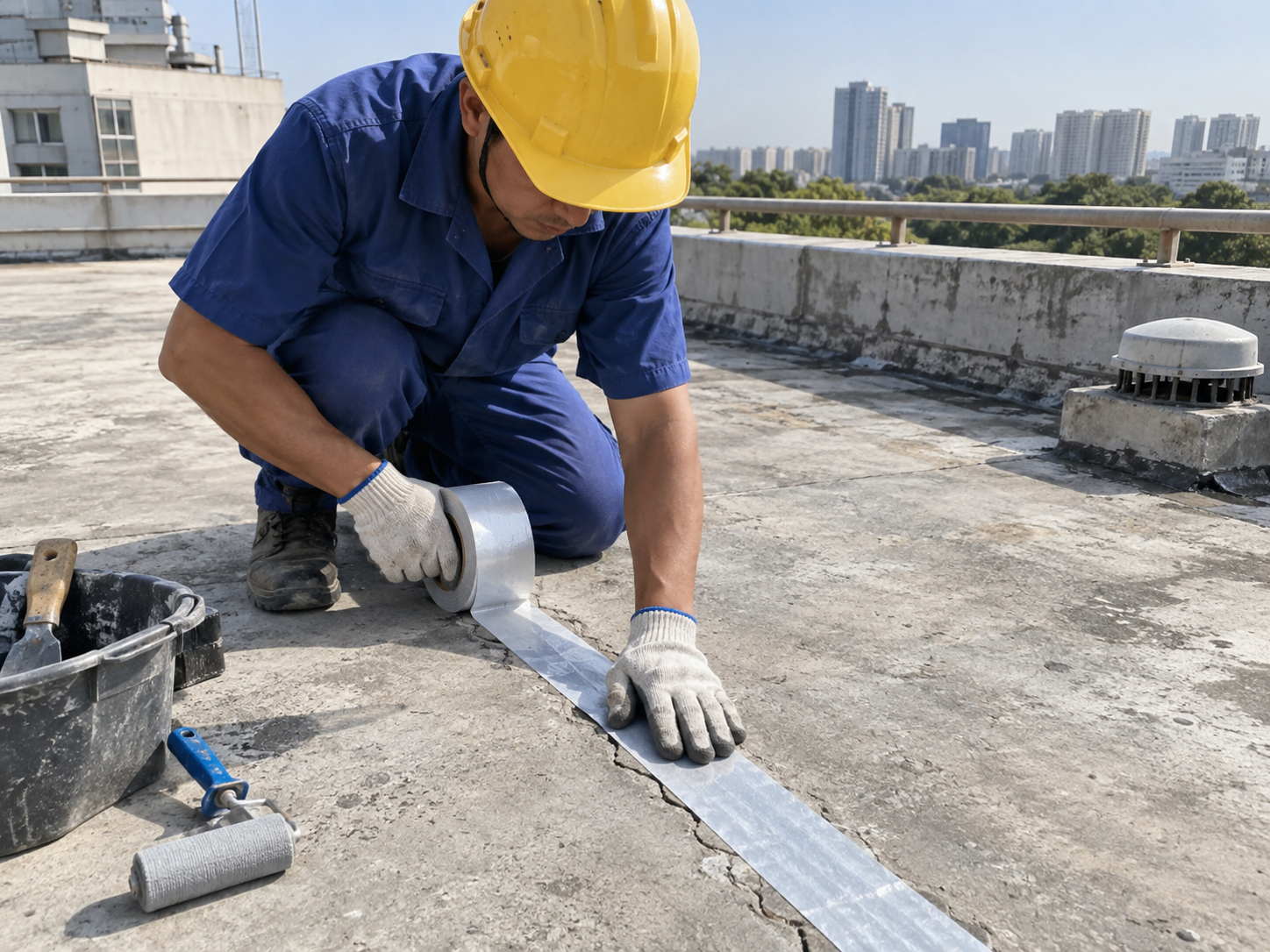
A local repair may be reasonable when the defect is isolated, accessible, and clearly connected to the leak. Examples include a failed sealant joint around a pipe penetration, a cracked flashing edge, a damaged roof sheet fastener, or a small area of coating failure with good surrounding adhesion.
A wider repair may be needed when the waterproofing system has aged generally, when water has spread below tiles or screed, when multiple cracks are active, or when the existing coating has poor adhesion across the area. In those situations, patching only the visible leak point may leave other weak details untreated.
This is an important part of choosing a waterproofing contractor. A low quotation may look attractive if it covers only a small patch, but it may not address the actual risk. A larger quotation may also be unnecessary if the leak is genuinely localised. The contractor’s diagnosis should explain the scope, not merely present a price.
A useful question to ask is:
“Is this repair treating the confirmed leak source, or only the visible water damage?”
If the contractor cannot clearly answer, the scope may need further checking before work starts.
Material Choice Should Follow the Leak Mechanism
Waterproofing materials are not interchangeable. A cementitious slurry, flexible coating, transparent coating, sealant, tape, membrane, or fast-setting leakage plug may each have a valid use, but only under the right conditions.
For example, a transparent waterproof coating may be considered for certain exterior wall or tiled surface situations where the owner wants to retain the appearance. But it should not be treated as a universal answer for trapped moisture, hollow tiles, active structural cracks, or poor substrate adhesion.
A waterproof sealant may help at joints and gaps, but sealant alone is not a full waterproofing system for a roof slab or bathroom floor. A fast leakage fix may be useful for emergency water stopping, but emergency plugging is not the same as long-term waterproofing design.
QingLong Waterproofing manufactures and supplies a range of waterproofing products such as roofing waterproof coatings, exterior wall transparent waterproof coatings, K11 waterproof slurry, waterproof sealants, interface agents, easy tape, and fast leakage repair materials. The important point is not simply choosing a product name. The material must match the substrate, exposure, movement, moisture condition, and final finish.
A waterproofing product should be selected after the leak mechanism is understood. The same visible symptom may require different materials depending on whether water is entering through a crack, joint, tile bed, pipe penetration, roof lap, or wall interface. Diagnosis protects the owner from using a good product in the wrong location.
How to Compare Waterproofing Contractors More Carefully
When comparing contractors, many owners look first at price, warranty period, and how quickly the work can start. These matters are practical, but they do not replace technical judgement.
A more useful comparison is how each contractor explains the leak.
One contractor may simply say, “We will apply coating.” Another may explain that the roof outlet has poor falls, water is ponding near a construction joint, the existing coating is debonding, and the repair must include surface preparation before a new coating can be applied. These are very different levels of diagnosis.
Before confirming a waterproofing contractor, consider whether the contractor can explain:
the likely water entry point and supporting evidence,
the affected waterproofing detail or substrate condition,
whether the repair is localised or system-wide,
what preparation is required before applying material,
what limitations remain after the repair,
and what conditions may affect curing, adhesion, or future maintenance.
This does not mean the longest explanation is always the best. The key is whether the explanation is specific to your property. If the same recommendation could be given for a roof, balcony, bathroom, and wall without changing much, it may be too generic.
 Why Previous Repairs Should Be Discussed Honestly
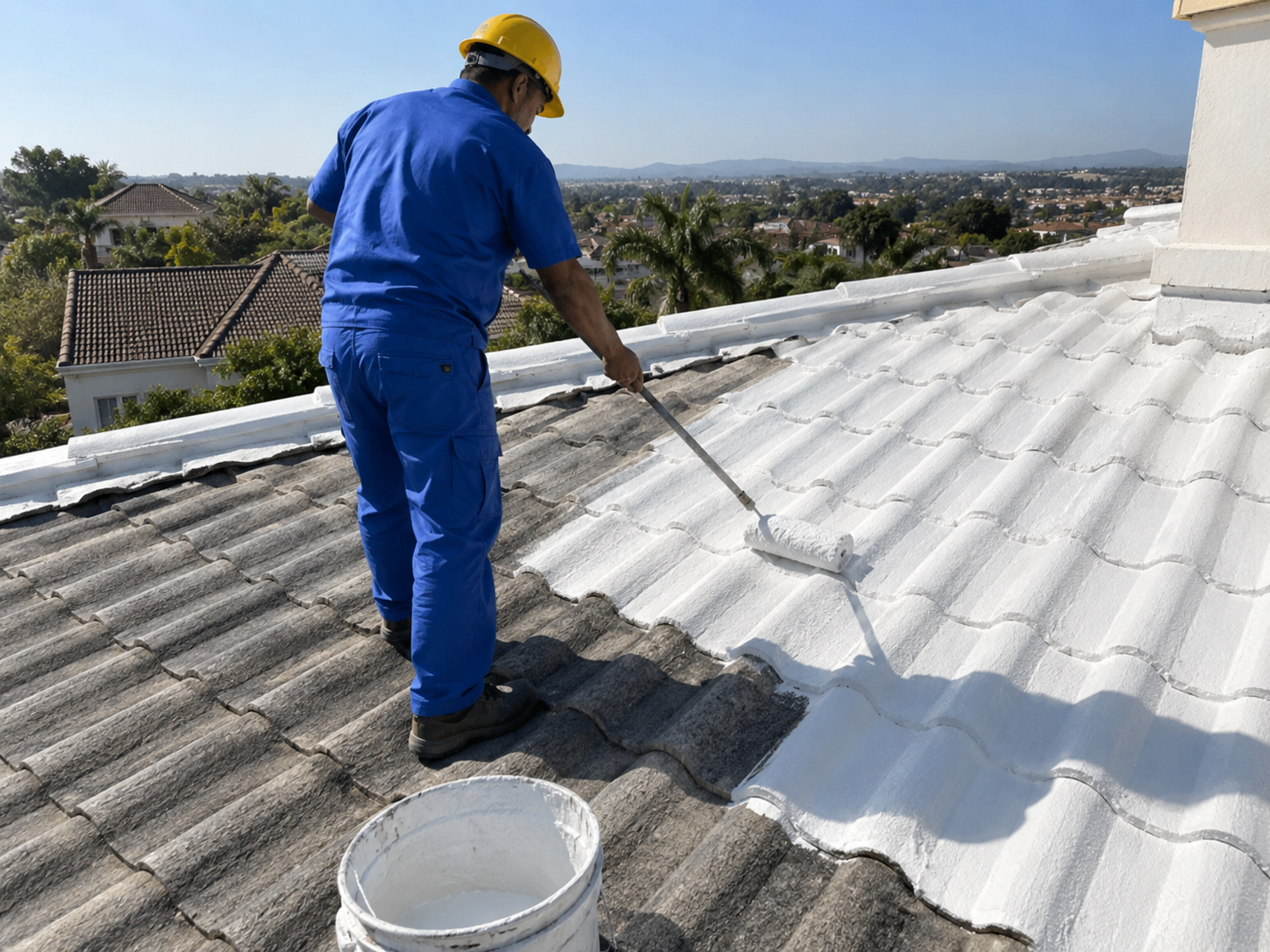
If a leak has already been repaired before, the previous work becomes part of the diagnosis. This does not mean blaming the earlier contractor. Many repairs are done under limited information, limited access, or urgent pressure.
However, repeated leakage tells you something remained unresolved. The original entry point may have been missed. The repair area may have been too small. The surface may not have been prepared properly. Movement cracks may have reopened. Water may be entering from a connected detail rather than the area that was coated.
A professional contractor should ask what was repaired previously and inspect whether that repair is still bonded, cracked, blistered, or bypassed by water. If the new quotation ignores the history of failed repairs, the owner may pay for another version of the same incomplete solution.
For recurring leakage, the best next step is often not immediate recoating. It is a more careful inspection of why the previous repair did not stop the water path.
Conclusion
A waterproofing contractor should not be judged only by the material proposed or the warranty wording offered. The more important question is whether the contractor has correctly identified the leak source, the water path, and the failed building detail.
Once the diagnosis is sound, the repair method becomes easier to evaluate. The owner can understand whether a patch is enough, whether a full system renewal is justified, and whether the selected QingLong waterproofing product or system is suitable for the actual site condition.
If you are dealing with a leak and need help understanding the right repair scope, you can contact QingLong Waterproofing for a site-specific waterproofing recommendation.