A waterproofing system that lasts does not come from coating thickness alone. It depends on correct diagnosis, suitable material selection, surface preparation, application workmanship, and long-term maintenance. In Malaysia, where buildings face heavy rain, high humidity, strong UV exposure, and frequent thermal movement, a weak waterproofing detail can fail much earlier than expected.
In this article, we’ll explain what makes a waterproofing system durable, why failures happen, how to evaluate a Malaysia waterproofing solution, and what property owners or contractors should check before choosing a Waterproofing Solution Provider.
What Makes a Waterproofing System Last?
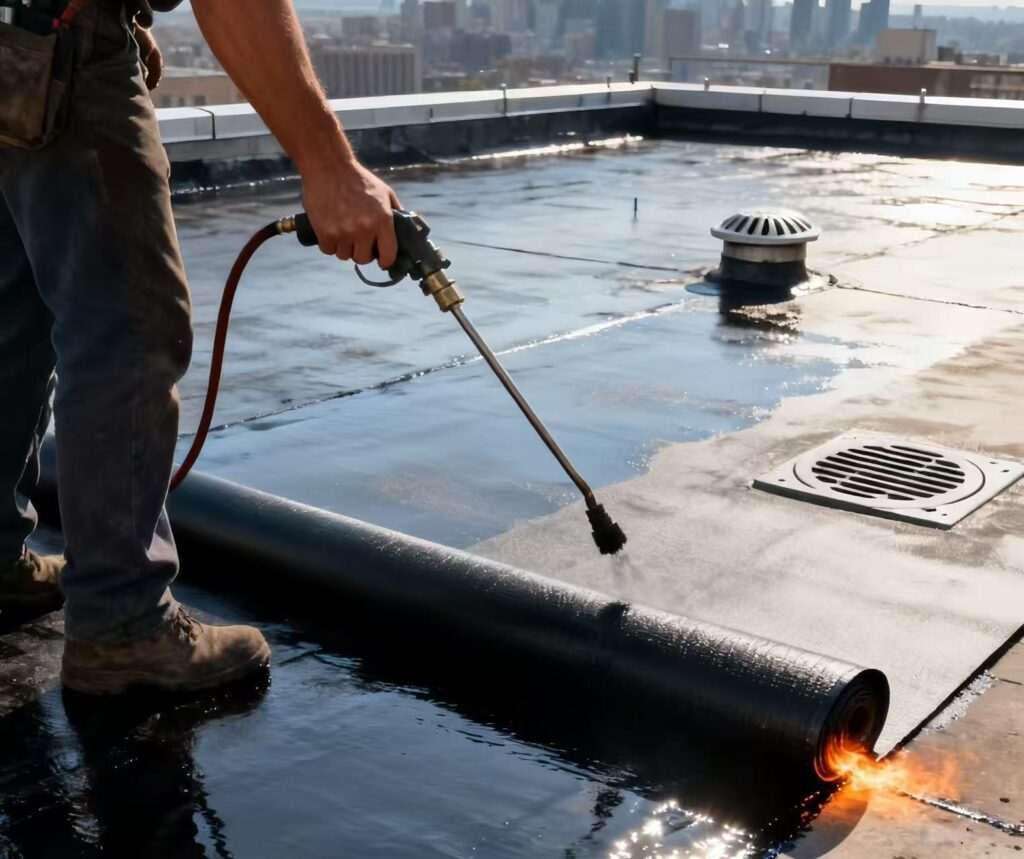
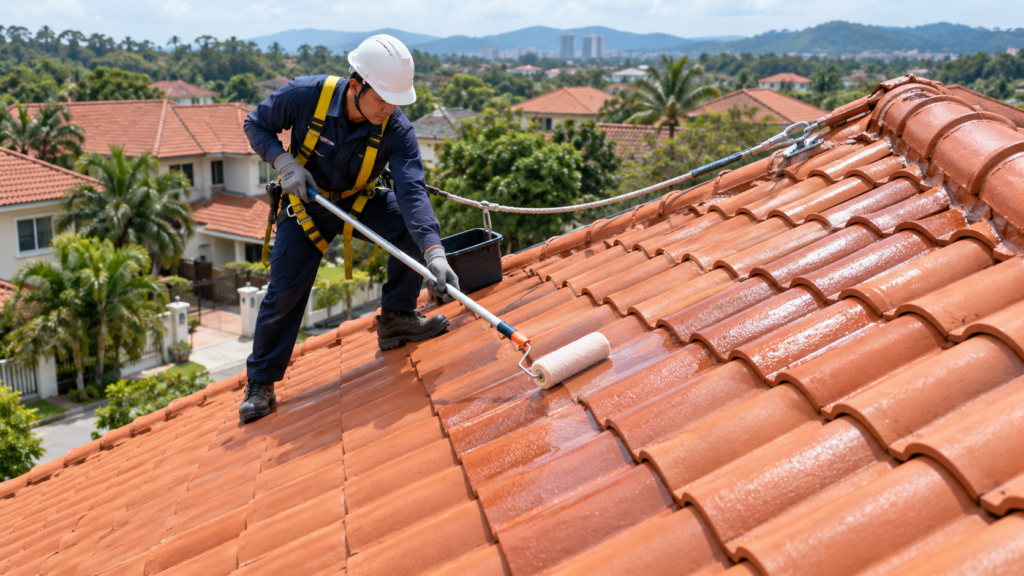
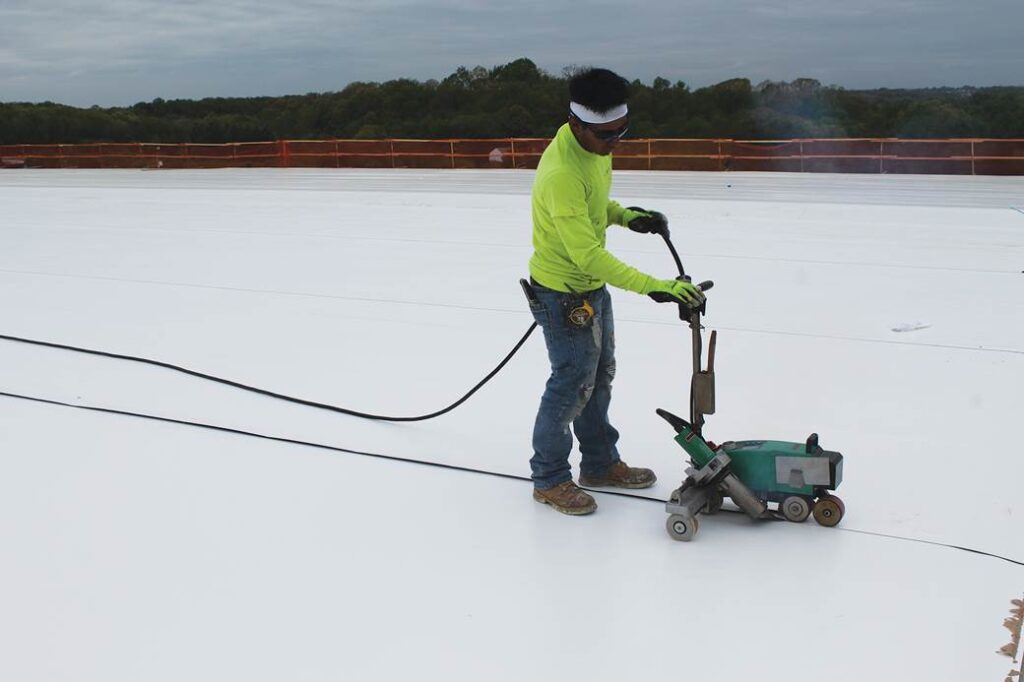
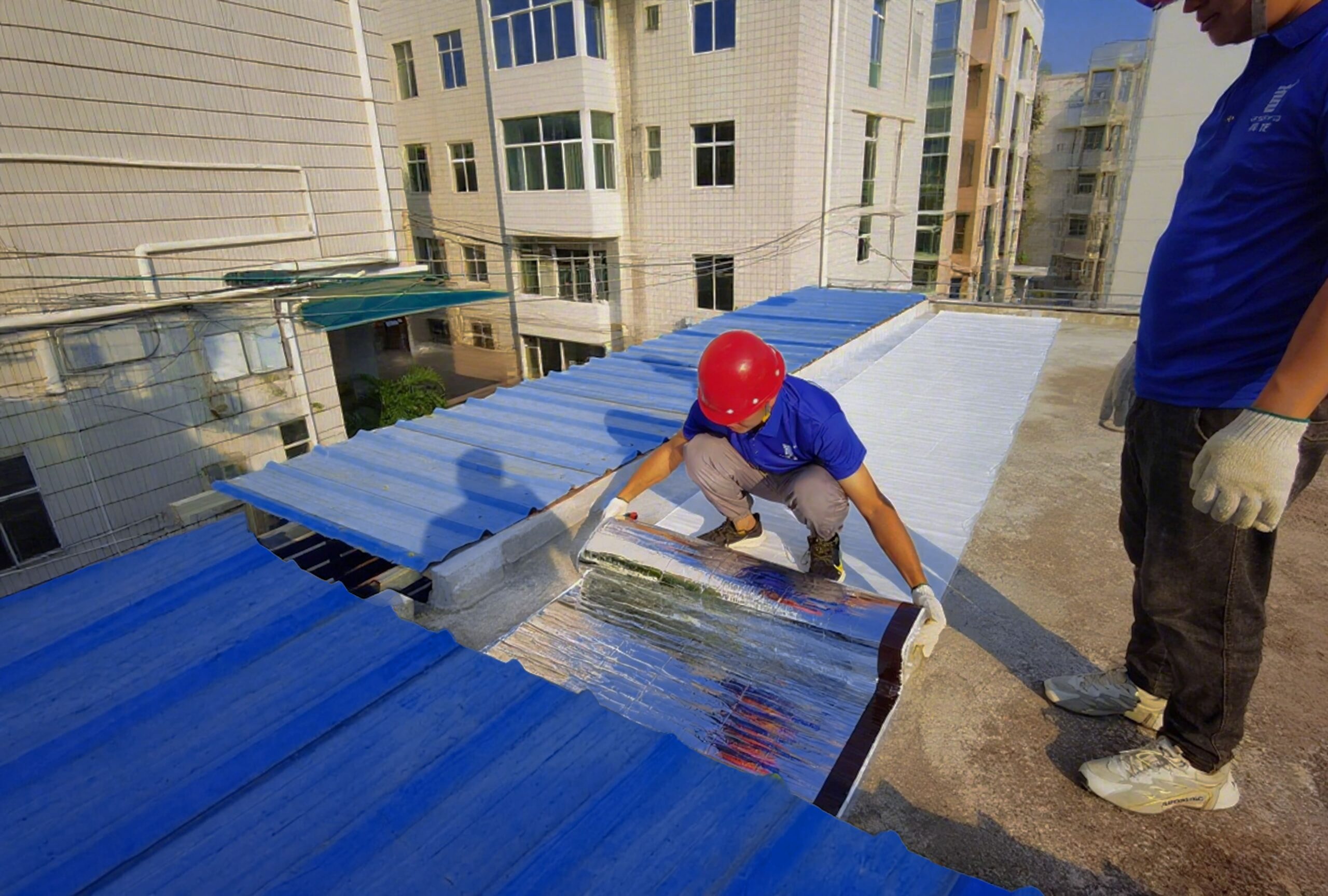
A lasting waterproofing system is built as a complete protection layer, not just a single product applied over a surface. The system must suit the area being treated, whether it is a roof, bathroom, balcony, basement, external wall, expansion joint, or pipe penetration.
For example, a flat concrete roof exposed to daily sunlight and rain needs flexibility, UV resistance, and proper drainage. A bathroom floor needs good bonding to the substrate and strong detailing around floor traps and wall corners. A basement requires resistance against continuous water pressure. When the wrong material is used in the wrong place, even a good product may perform poorly.
A reliable Waterproofing Manufacturer should be able to explain where each material is suitable, how it should be applied, and what limitations must be considered. This is important because long-term waterproofing performance depends on matching the system to real site conditions.
Why Do Waterproofing Systems Fail Earlier Than Expected?
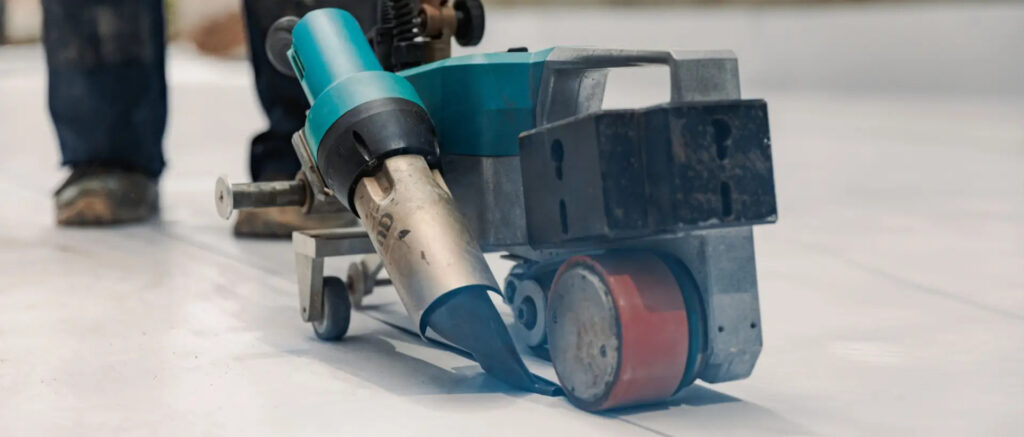
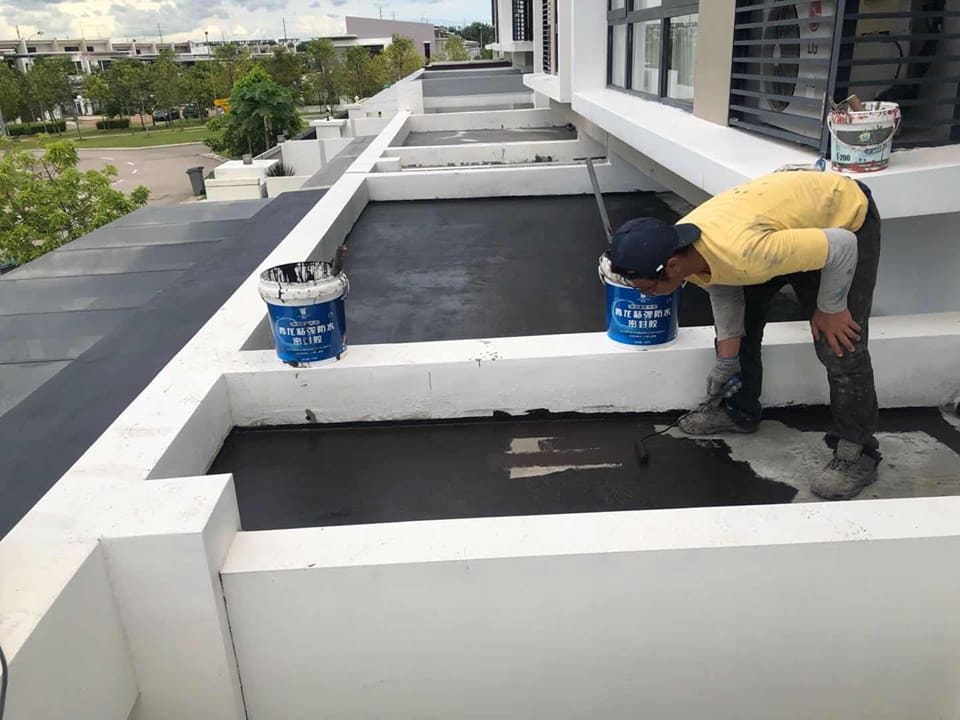
Many waterproofing failures start before the material is even applied. On site, we often see coatings installed over dusty concrete, damp surfaces, loose cement, old paint, or cracks that were not treated properly. These conditions reduce adhesion and allow water to travel underneath the waterproofing layer.
In Malaysia’s climate, another common issue is movement. Concrete expands under heat and contracts during cooler or rainy periods. If the waterproofing layer is too rigid, cracks may appear along corners, joints, and slab connections. Water then enters through the weakest point instead of spreading evenly across the surface.
Poor drainage also shortens service life. When rainwater remains on a roof or balcony for many hours, the waterproofing layer stays under constant stress. This is why ponding water should not be ignored, especially on commercial roofs, older terraces, and industrial buildings.
How Should You Evaluate a Waterproofing Supplier?
A good Waterproofing Supplier should provide more than stock availability. They should understand application conditions, product compatibility, and project requirements. This is especially important for contractors who need consistent material quality and clear technical guidance.
What should contractors check before applying waterproofing materials? They should check whether the supplier provides proper product data, recommended surface preparation, curing time, coverage rate, and application method. Without this information, installers may rely on guesswork, which increases the risk of future leakage.
Factory-direct supply can also help maintain consistency. When materials come from a source with manufacturing control, batch quality, storage conditions, and technical support are easier to manage. QingLong Waterproofing, established in 1997 and active in the Malaysian market since 2010, combines manufacturing, supply, and application experience, which helps reduce the gap between product design and actual site performance.
What Should You Check Before Choosing a Waterproofing System?
Before selecting a Waterproofing Service or material system, the building condition should be assessed carefully. A quick visual repair may stop stains temporarily, but it may not solve the actual water path.
• Identify the water source, such as roof cracks, wall seepage, pipe penetration, bathroom leakage, or drainage overflow
• Check the substrate condition, including dust, hollow areas, loose cement, dampness, and surface contamination
• Review movement areas such as expansion joints, corners, slab edges, and wall-floor connections
• Confirm whether the selected material suits UV exposure, water pressure, foot traffic, or tile installation
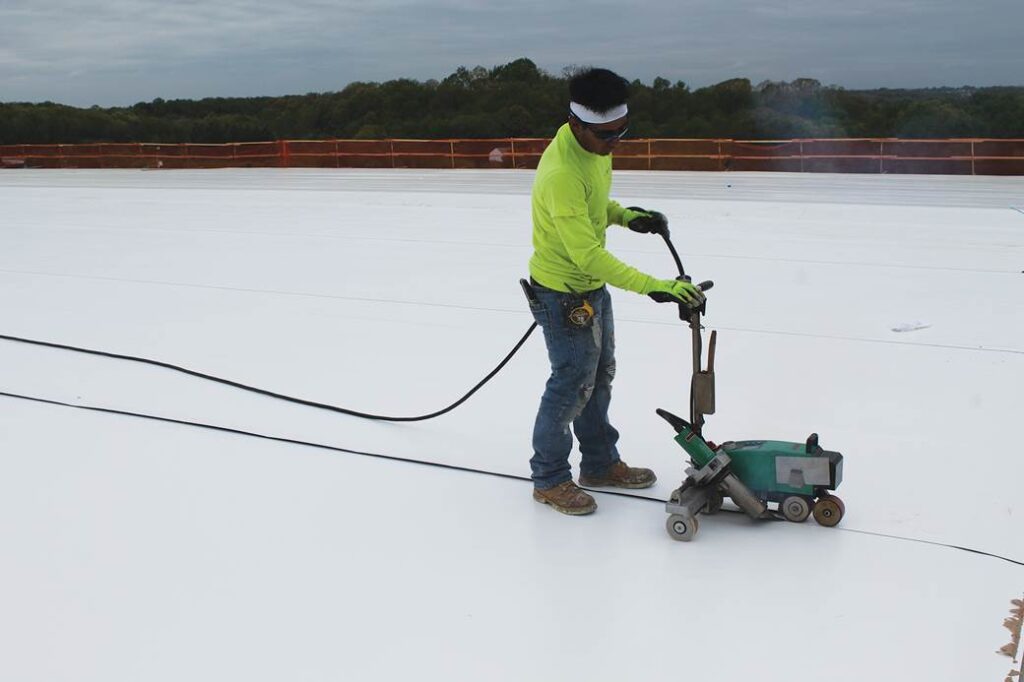
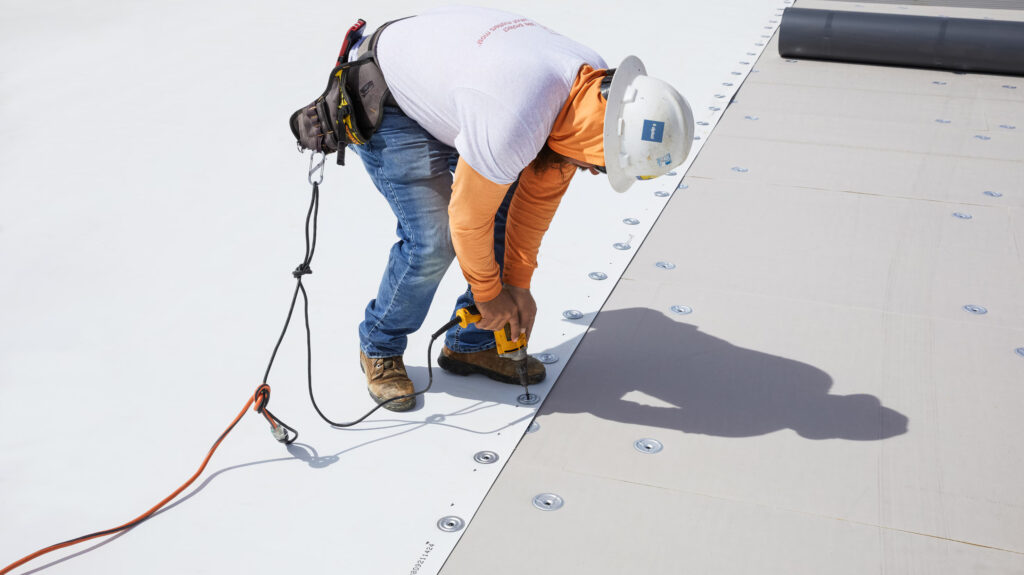
• Make sure the application method includes proper cleaning, priming, detailing, curing, and protection
• Plan simple maintenance, especially for roofs, gutters, outlets, and exposed waterproofing surfaces
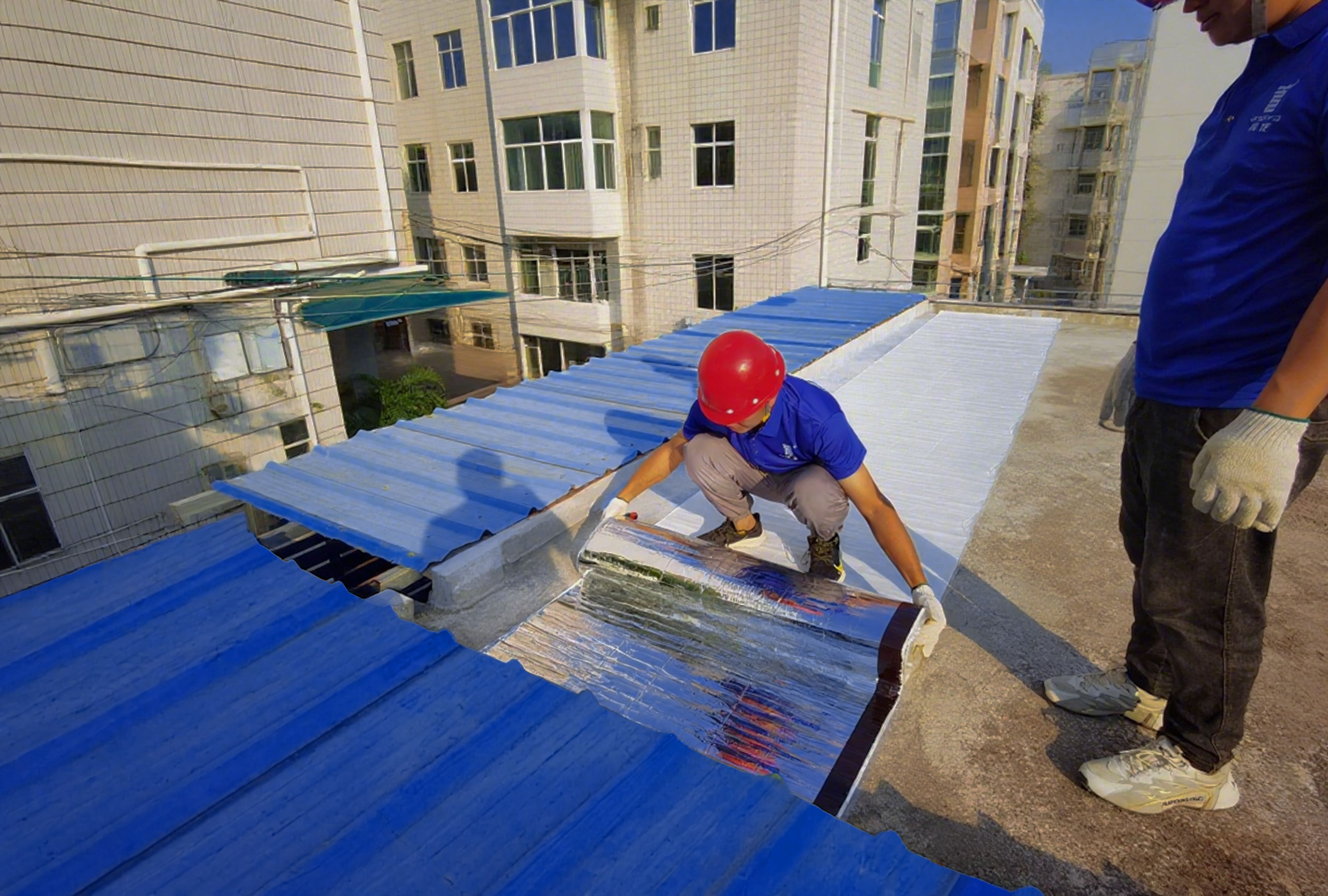
This checklist helps property owners avoid choosing based only on price. A cheaper repair can become expensive if the root cause is not treated.
Case Study: Waterproofing for a Data Centre Project in Johor Bahru
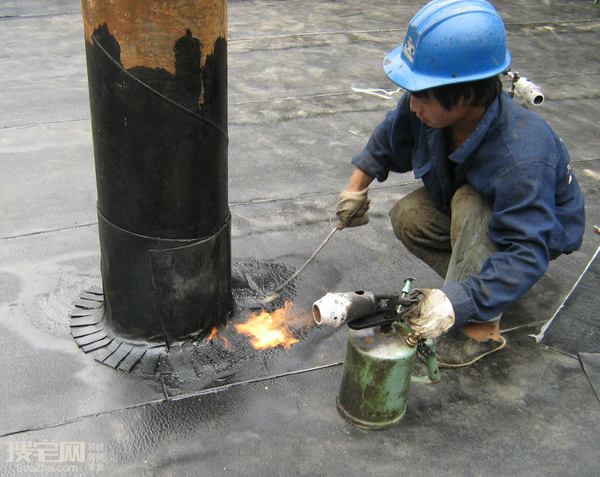
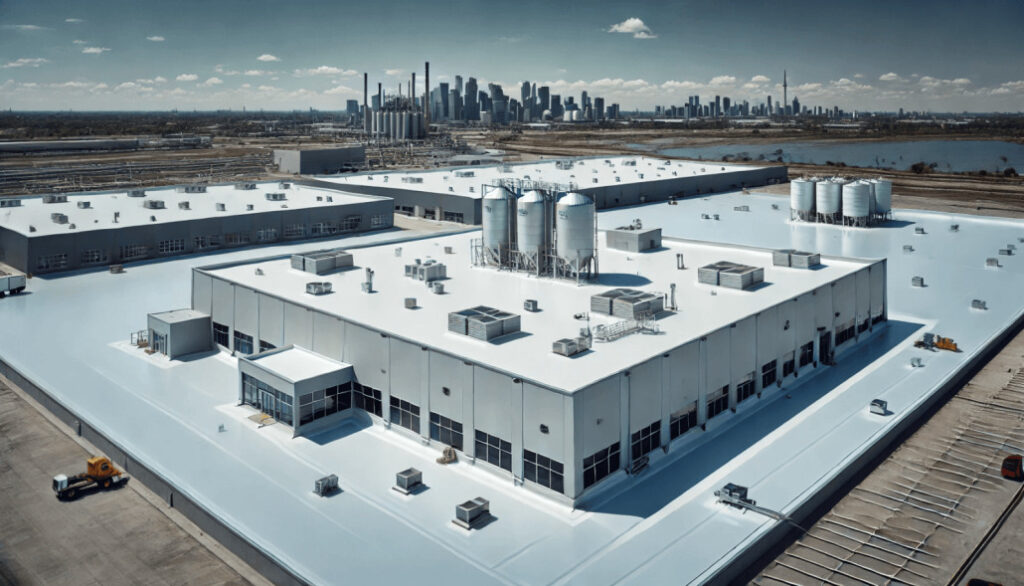
On the MY07 Data Centre Project in Johor Bahru, the waterproofing work involved several critical areas, including roofs, external walls, base slabs, pipe penetrations, internal and external corners, expansion joints, and underground structures. The project type required higher attention because water ingress could affect sensitive building operations.
The main challenge was not one single leak point, but the number of different waterproofing conditions within the same project. Roof areas needed weather resistance, underground structures required water protection from surrounding soil conditions, and pipe penetrations demanded detailed sealing.
QingLong Waterproofing supplied and applied QingLong Building Materials across these areas as a complete system. The result was a more coordinated waterproofing approach, where material selection, detailing, and application were managed under one technical direction. For complex commercial and industrial buildings, this system-based approach is usually more dependable than treating each leakage point separately.
How Can Waterproofing Performance Be Maintained?
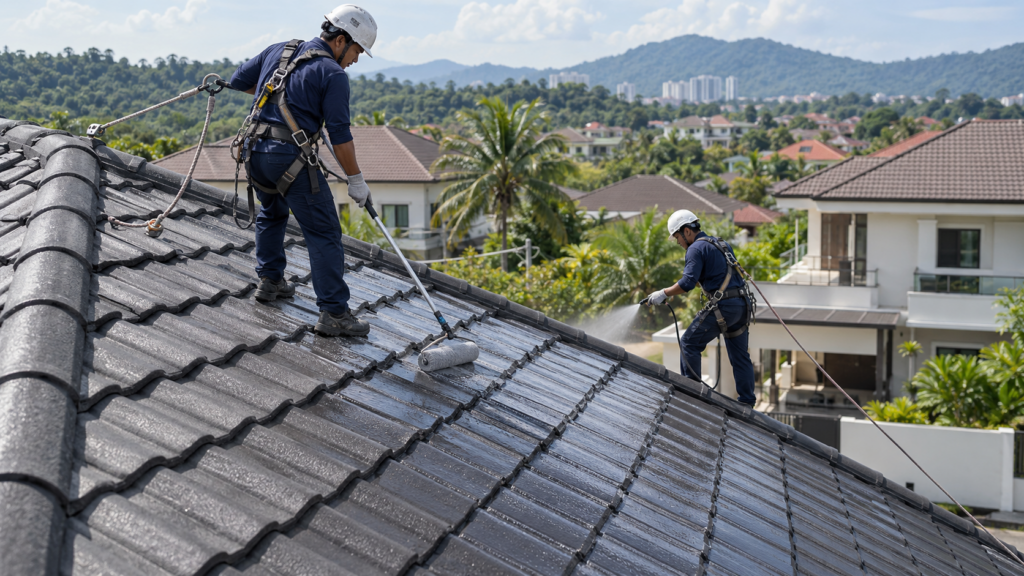
Even a well-applied waterproofing system needs basic care. Maintenance does not mean constant repair; it means preventing small issues from becoming major failures. Roof outlets should be kept clear, cracks should be inspected after long periods of heat, and exposed coatings should be checked after heavy storms.
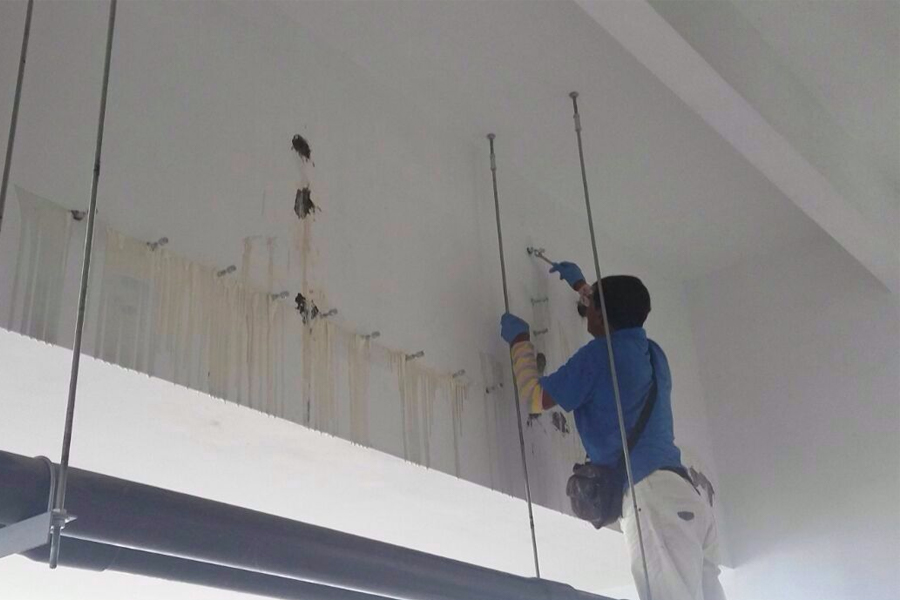
For residential properties, homeowners should pay attention to early warning signs such as peeling paint, damp corners, ceiling stains, mould smell, or repeated leaks after rain. For commercial buildings, maintenance teams should record leak locations, rainfall conditions, and affected areas. These details help technicians diagnose whether the issue comes from the roof, façade, plumbing, or structural movement.
Durability comes from both good installation and responsible upkeep. When both are handled properly, waterproofing systems can deliver better long-term value.
Conclusion
Waterproofing systems that last are found through proper diagnosis, suitable material selection, controlled product quality, and careful application. In Malaysia, buildings face demanding weather conditions, so choosing a system based only on surface appearance or low cost can lead to repeated leakage.
A dependable solution should come from a team that understands materials, site conditions, and installation details. As a Malaysian waterproofing manufacturer, supplier, and service team, QingLong Waterproofing supports residential, commercial, industrial, and infrastructure projects with complete system-based solutions.
If you are unsure which waterproofing method suits your building, you can contact QingLong Waterproofing to arrange a professional site inspection and receive practical recommendations.
Frequently Asked Questions
Where can I find waterproofing systems that last in Malaysia?
You can look for a provider that offers material manufacturing, technical support, proper site inspection, and application experience. A complete system is usually more reliable than choosing a product alone.
Why do waterproofing systems fail after a few years?
Common reasons include poor surface preparation, wrong material selection, untreated cracks, weak joint detailing, and poor drainage. Malaysia’s heat and heavy rain can make these weaknesses appear faster.
What should I check before choosing a waterproofing service?
Check the water source, substrate condition, movement areas, material suitability, application method, and maintenance plan. These factors affect how long the waterproofing system will perform.
Is one waterproofing product suitable for every area?
No. Roofs, bathrooms, balconies, basements, walls, and pipe penetrations have different waterproofing requirements. The material must match the exposure condition and building structure.