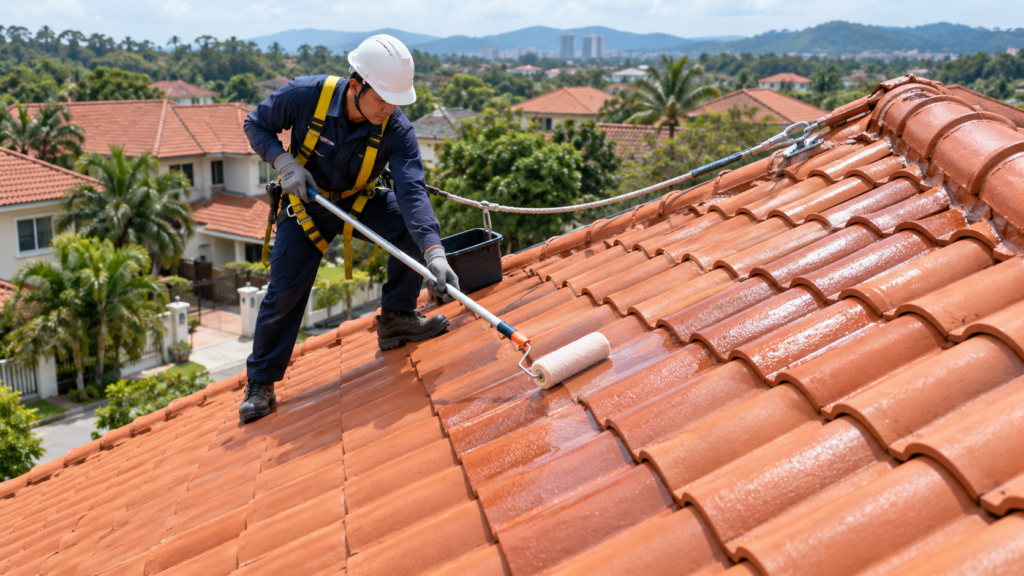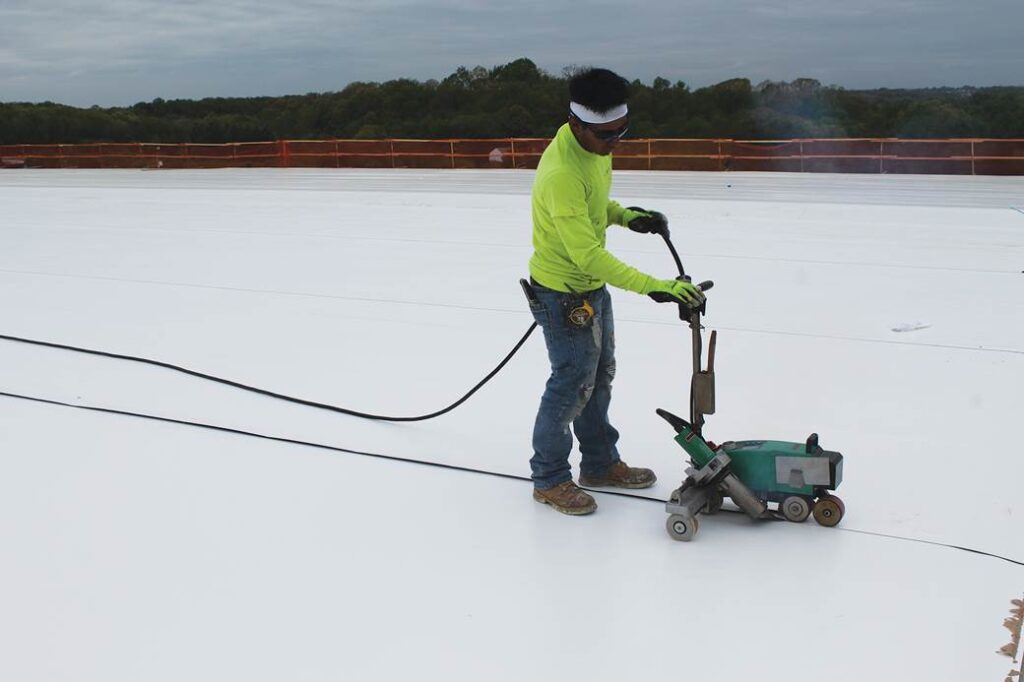
Waterproofing repairs do not usually fail because the waterproofing material is ineffective. In many cases, failure occurs because the root cause of water intrusion is never identified, the wrong waterproofing system is selected, or the repair is not carried out according to proper installation standards. Understanding these common mistakes can help homeowners, property managers, and building owners choose long-lasting waterproofing solutions instead of temporary fixes.
1. Repairs Focus Only on Visible Symptoms Instead of the Root Cause
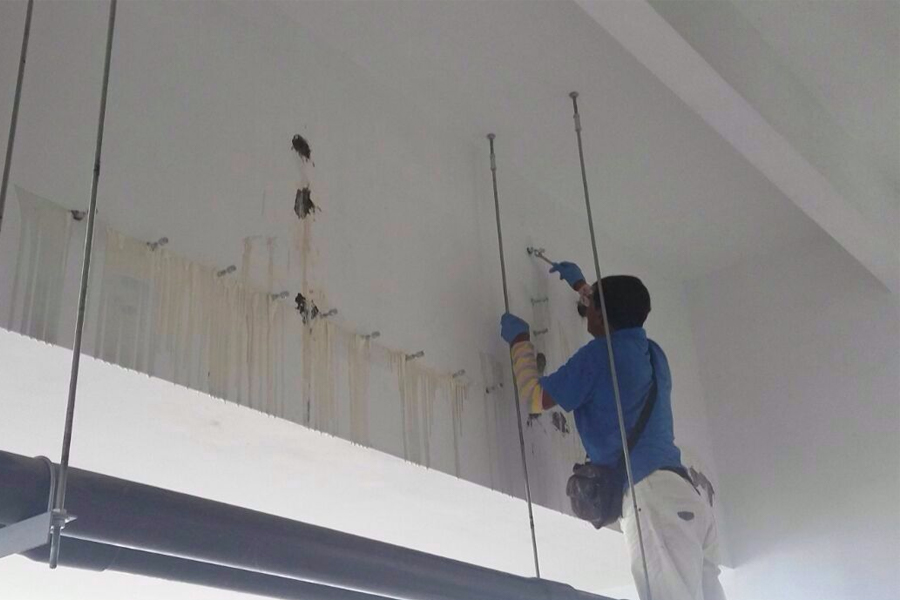
Many waterproofing repairs fail because they only address visible signs of water leakage without identifying where the water is actually entering the building. For example, applying epoxy coating, replacing tiles, or repainting a stained ceiling may temporarily hide the problem, but these repairs will not solve the issue if the waterproofing membrane beneath has already deteriorated.
Similarly, sealing visible roof cracks without investigating surrounding joints, flashings, or drainage details often leaves hidden water pathways untreated. In Malaysia’s hot, humid climate with frequent heavy rainfall, water can travel through concrete, wall cavities, or structural joints before becoming visible indoors. As a result, repairing only the visible damage rarely provides a permanent solution.
2. Misdiagnosis or Incomplete Leak Detection
Water leakage rarely appears exactly where it begins. Moisture can travel through tiny cracks, concrete slabs, structural joints, or concealed cavities before emerging as damp patches, ceiling stains, or peeling paint.
For instance, a ceiling leak may actually originate from a balcony slab on the floor above, while moisture appearing on an interior wall could be caused by failed roof flashing, deteriorated external wall waterproofing, or leaking expansion joints.
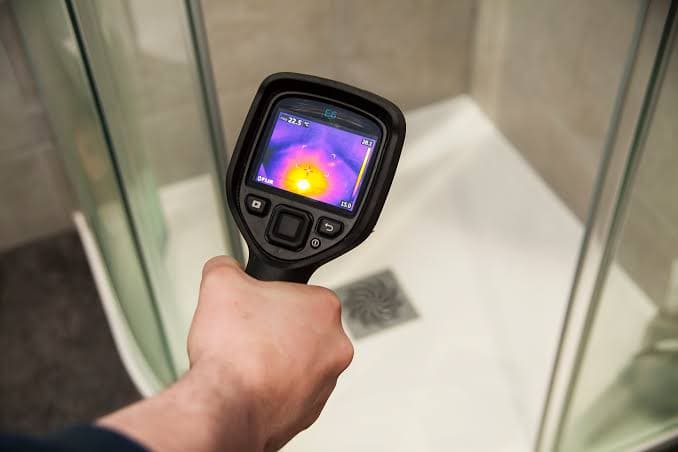
When repairs focus only on the visible symptoms instead of tracing the complete path of water intrusion, the leak is likely to return. Professional waterproofing inspections often combine visual assessments, moisture mapping, and non-destructive leak detection methods to accurately identify the source before recommending the appropriate waterproofing solution.
Buildings naturally expand, contract, and move over time due to temperature changes, structural loads, wind, and ground settlement. Areas exposed to direct sunlight, such as roofs, balconies, terraces, and exterior walls, experience continuous thermal movement throughout the day.
If the waterproofing system is too rigid or lacks sufficient flexibility, repeated expansion and contraction can cause cracks, separation, or membrane failure, allowing water to penetrate the structure again.
For this reason, waterproofing systems should always be selected based on the expected movement of the substrate, ensuring they can accommodate thermal and structural stresses without losing their protective performance.
Not every waterproofing product is suitable for every application. Using an incompatible waterproofing system is one of the most common reasons repairs fail prematurely.
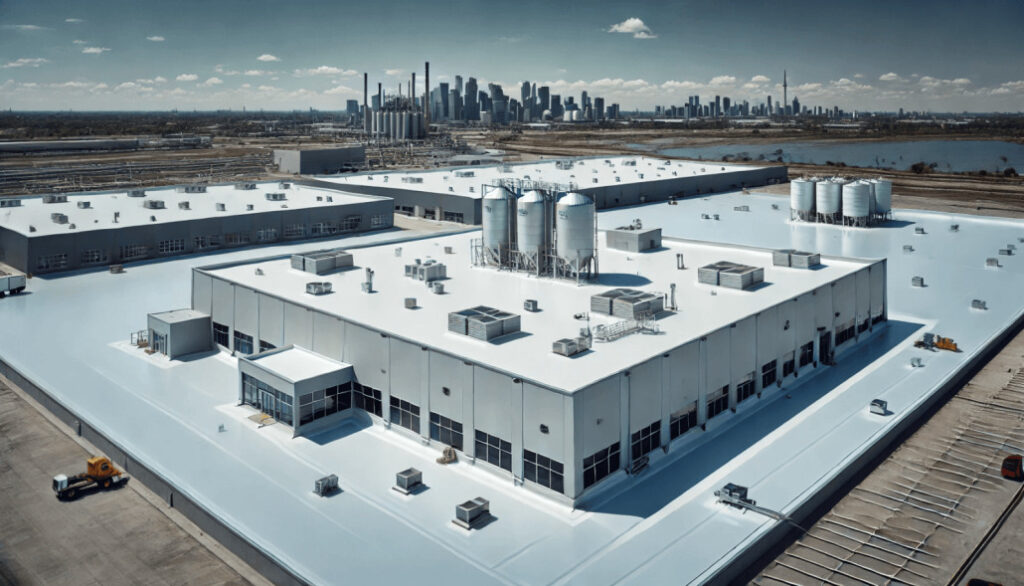
Flat concrete roofs exposed to ponding water require different protection from metal roofs subjected to extreme heat, while balconies, bathrooms, basements, and retaining walls each have unique waterproofing requirements. A waterproofing product designed for interior wet areas may deteriorate quickly when exposed to constant UV radiation, heavy rainfall, or outdoor temperature fluctuations.
In Malaysia, where annual rainfall commonly exceeds 2,500 mm and humidity remains high throughout the year, selecting a waterproofing system based on the substrate, environmental exposure, drainage conditions, and expected movement is essential for long-term performance.
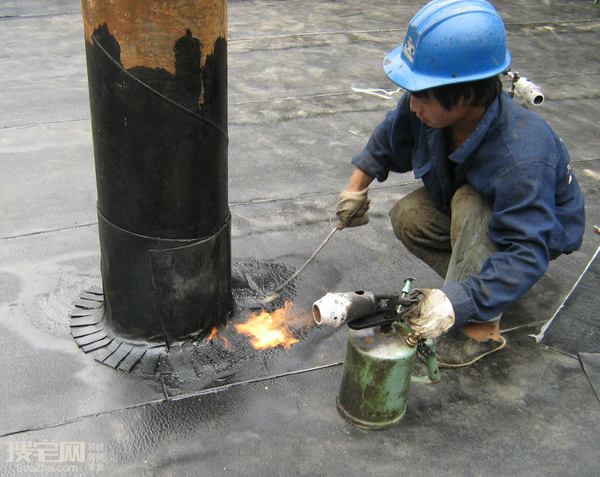
A waterproofing system is only as effective as its weakest detail. Poor drainage design and inadequate detailing around drains, corners, joints, penetrations, gutters, and parapet walls are among the most common causes of recurring water leakage.
Blocked outlets, insufficient roof slopes, or standing water place continuous pressure on waterproofing membranes. Over time, water finds its way through weak joints or poorly sealed transitions, causing leaks even when the waterproofing material itself remains intact.
Industry experience consistently shows that poor drainage, deteriorated detailing, and membrane ageing are among the leading contributors to recurring roof and wall leakage. Proper drainage design and attention to detailing are therefore essential for long-term waterproofing performance.
No waterproofing system can perform properly if the substrate has not been adequately prepared.
Waterproofing materials require clean, dry, stable, and structurally sound surfaces to achieve proper adhesion. Dust, grease, loose particles, existing coatings, moisture, or uneven substrates can significantly reduce bonding strength.
For example, installing a waterproofing membrane over a damp or contaminated concrete slab may prevent full adhesion, allowing water to migrate beneath the membrane and gradually weaken the entire waterproofing system.
Proper surface preparation is widely recognised as one of the most important factors influencing the long-term durability and effectiveness of any waterproofing installation.
Many property owners attempt to stop leaks by applying sealants, repainting affected areas, or carrying out isolated patch repairs. While these methods may temporarily reduce visible leakage, they rarely restore the integrity of the waterproofing system.
Without addressing the entire waterproofing layer, moisture continues to penetrate hidden sections of the building envelope, eventually causing further deterioration.
In Malaysia’s tropical climate, where buildings are regularly exposed to intense rainfall, high humidity, and prolonged UV exposure, temporary repairs often deteriorate quickly. Although patch repairs may appear more economical initially, repeated repairs frequently cost significantly more than implementing a comprehensive waterproofing solution correctly from the beginning.
Even the highest-quality waterproofing products cannot perform as intended if they are installed incorrectly.
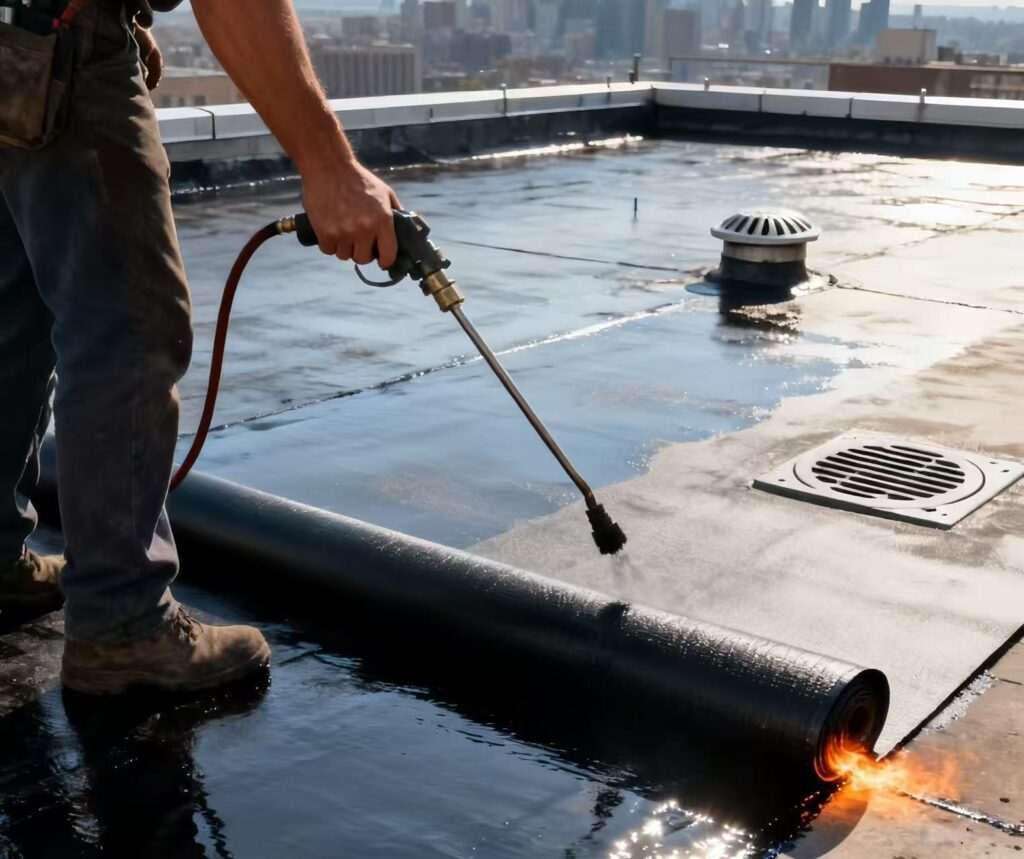
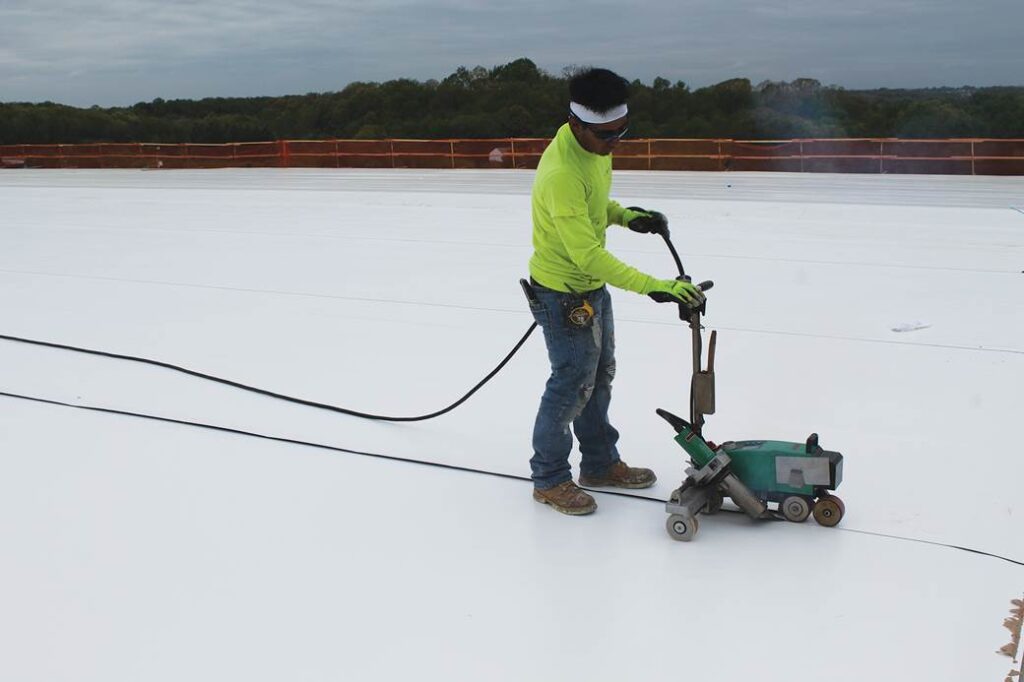
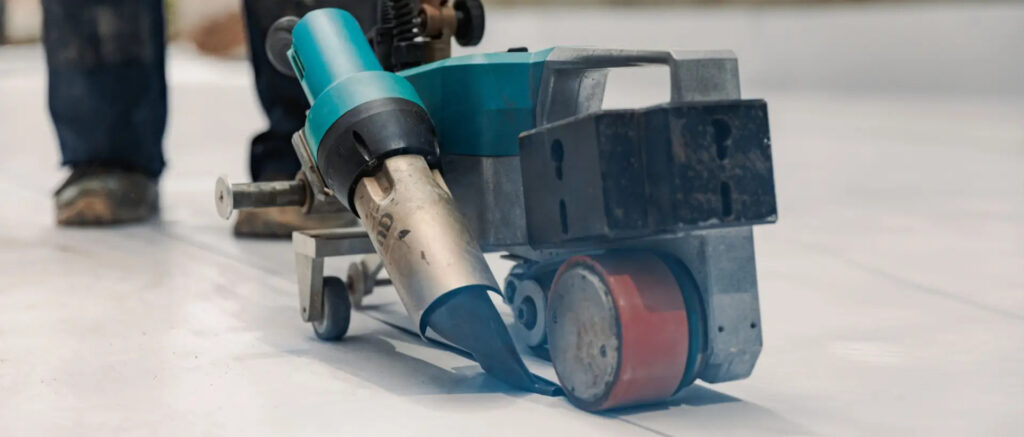
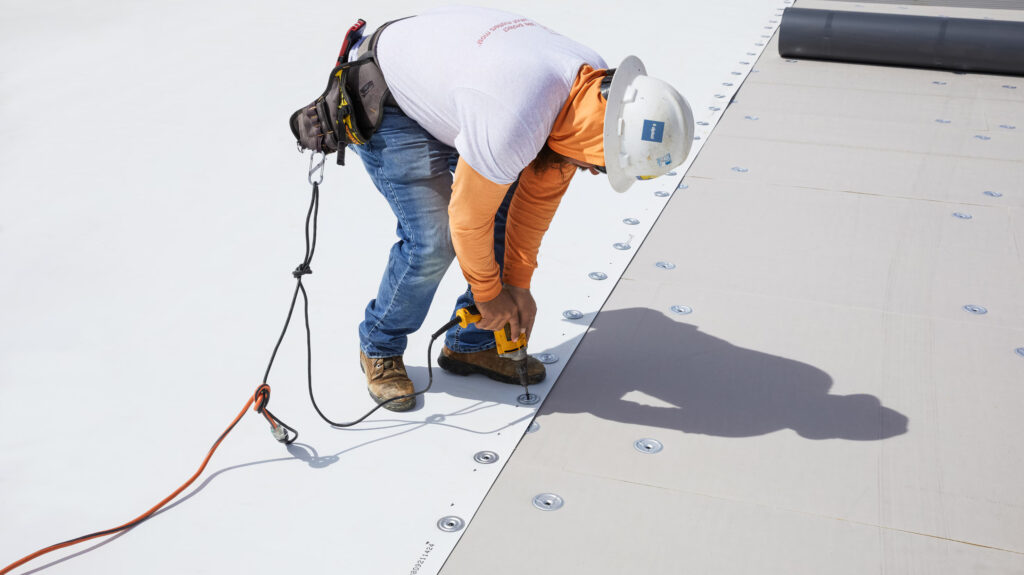
Every waterproofing system has specific installation requirements, including substrate preparation, application thickness, overlap dimensions, curing time, reinforcement details, and environmental conditions during installation. Skipping or rushing these critical steps can significantly reduce the effectiveness and lifespan of the waterproofing system.
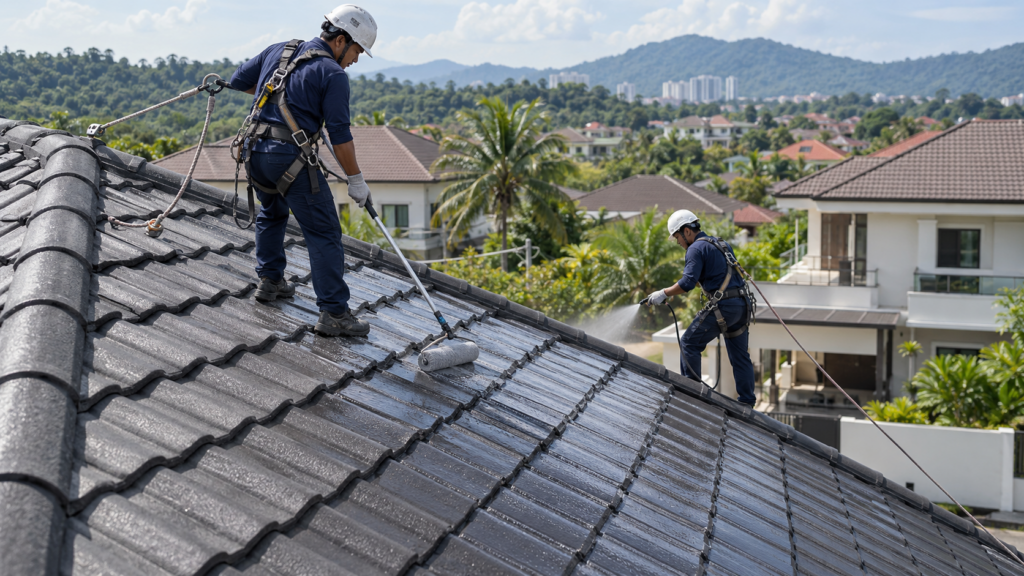
Poor workmanship remains one of the leading causes of waterproofing failure across residential, commercial, and industrial buildings. Achieving long-lasting waterproofing performance depends not only on selecting the right product but also on skilled installation, proper quality control, and strict compliance with manufacturer specifications.
Most waterproofing failures are preventable when repairs begin with accurate leak diagnosis, appropriate waterproofing system selection, thorough surface preparation, and professional installation. Instead of simply covering visible signs of water damage, an effective waterproofing solution should address the complete pathway of water intrusion to deliver long-term protection and reduce future maintenance costs.
By understanding these common causes of waterproofing failure, property owners can make more informed decisions and invest in solutions that provide reliable, long-lasting performance, especially under Malaysia’s demanding climate conditions.
Need help identifying the source of your water leak? Contact QingLong Waterproofing Malaysia today for a professional waterproofing assessment. Simply send us a photo or short video of the affected area, and our waterproofing specialists can help identify the likely cause before recommending the most suitable solution. Getting the diagnosis right from the start can help you avoid unnecessary repairs, reduce recurring leaks, and save on long-term maintenance costs.
Frequently Asked Questions (FAQ)
1. Why do my water leaks keep coming back even after repairs?
Recurring water leaks usually happen because the actual source of water intrusion has not been properly identified or repaired. Many repairs only address visible damage, such as cracks, stains, or peeling paint, without fixing hidden water pathways inside the roof, wall, ceiling, or concrete slab. Without resolving the root cause, water will eventually find another route into the building, causing the leak to return.
2. Can I just paint over water stains with waterproofing paint?
No. Waterproofing paint cannot fix an active water leak. Painting over water stains may temporarily improve the appearance of the wall or ceiling, but if moisture remains trapped behind the surface, the paint is likely to bubble, peel, or discolour again. Before applying waterproofing paint or any protective coating, the source of the water leak should be repaired and the affected surface allowed to dry completely.
3. Why is waterproofing different for a flat roof compared to a balcony?
Different areas require different waterproofing systems because they are exposed to different conditions. Flat roofs often experience ponding water and prolonged moisture exposure, so they require waterproofing systems designed to withstand continuous water contact. Balconies, on the other hand, are exposed to UV rays, foot traffic, and thermal movement, so they need flexible, UV-resistant waterproofing materials. Choosing the right waterproofing system for each area is essential to ensure long-term performance and prevent premature failure.
4. My ceiling is leaking, but I don’t know where the water is coming from. Can you help?
Yes. Water leaks often appear far from where they actually begin. Our waterproofing specialists carry out a thorough inspection of the affected area, including nearby roofs, balconies, walls, joints, and other potential entry points, to trace the water back to its true source. By identifying the root cause before recommending a solution, we help minimise unnecessary repairs and reduce the risk of recurring leaks.
5. Do you offer a warranty for your waterproofing work?
Yes. QingLong Waterproofing provides warranty-backed waterproofing solutions, with warranty coverage depending on the waterproofing system and project scope. We will explain the warranty terms before work begins, giving you confidence that your waterproofing solution is professionally installed and designed for long-term performance.