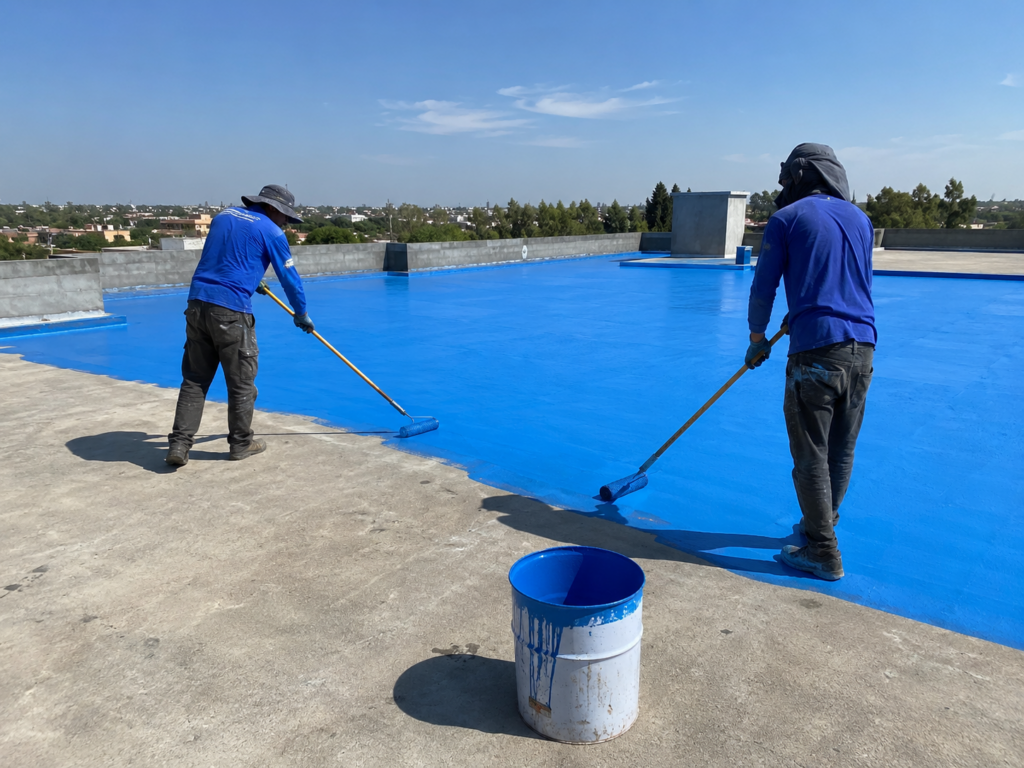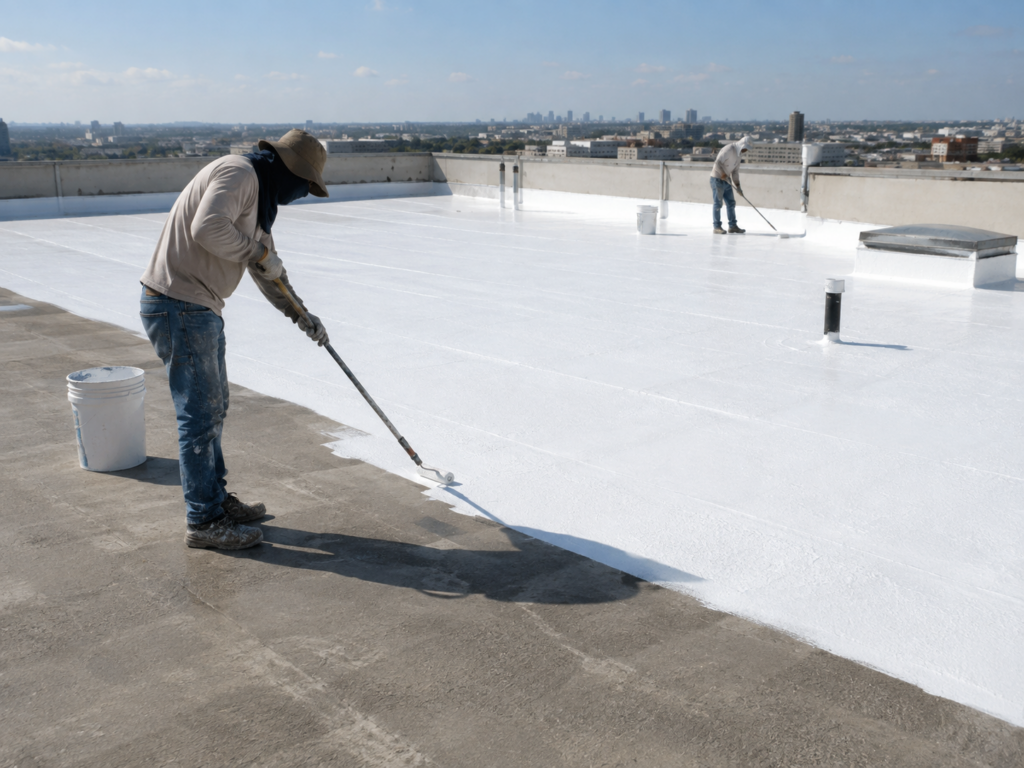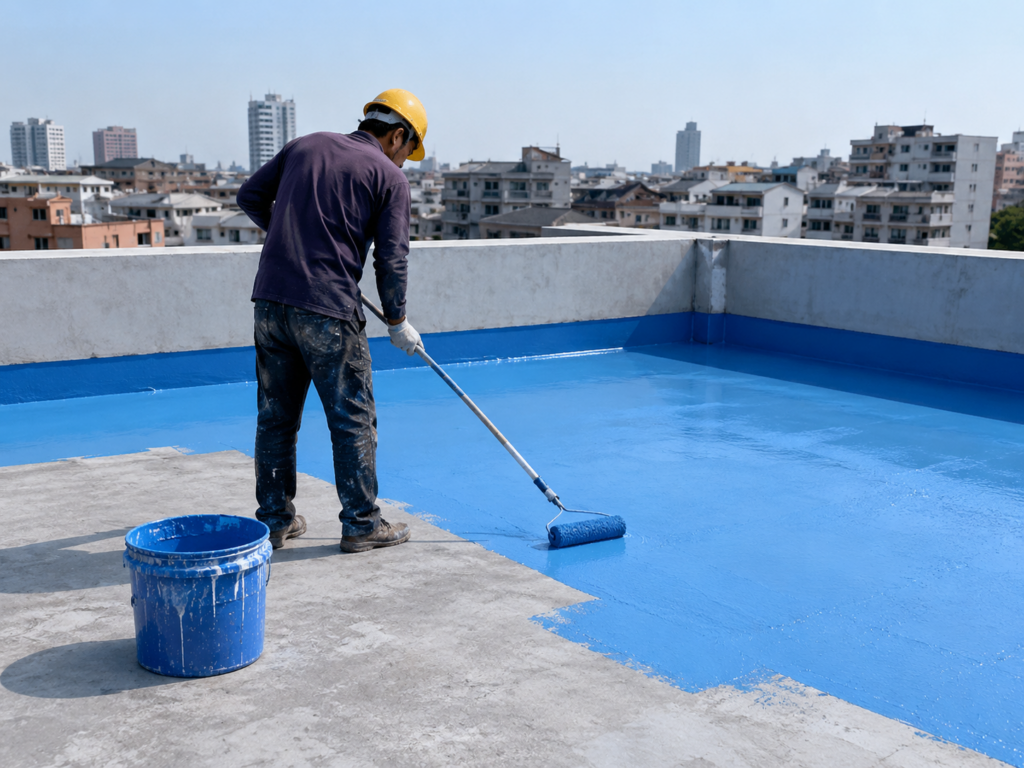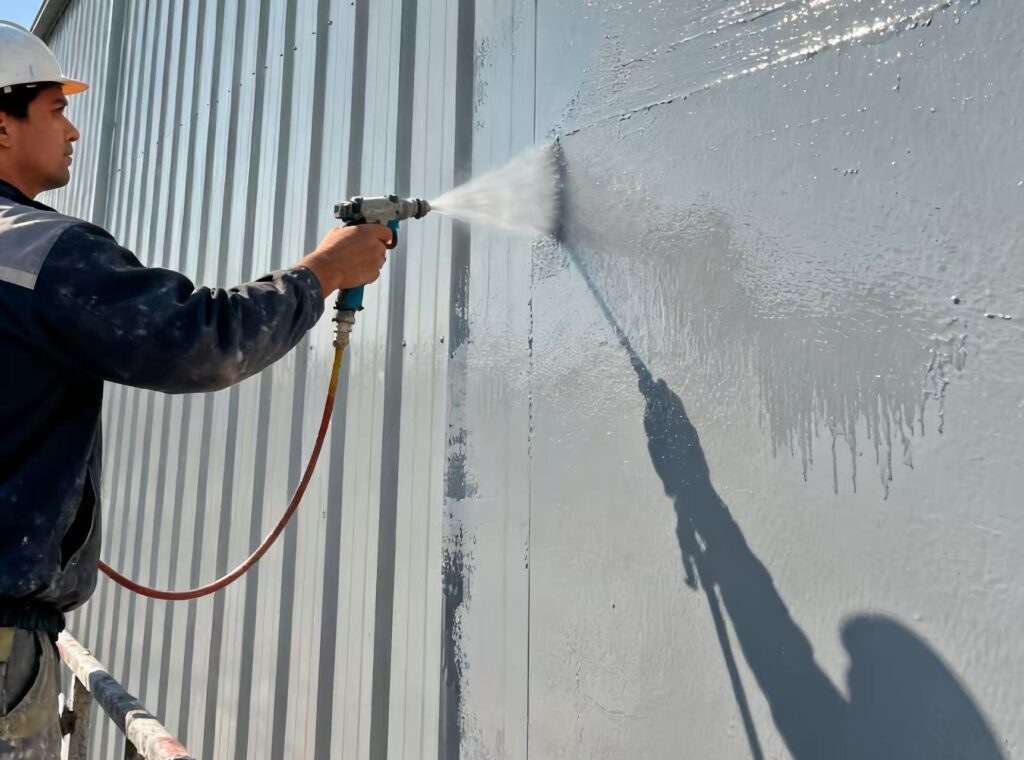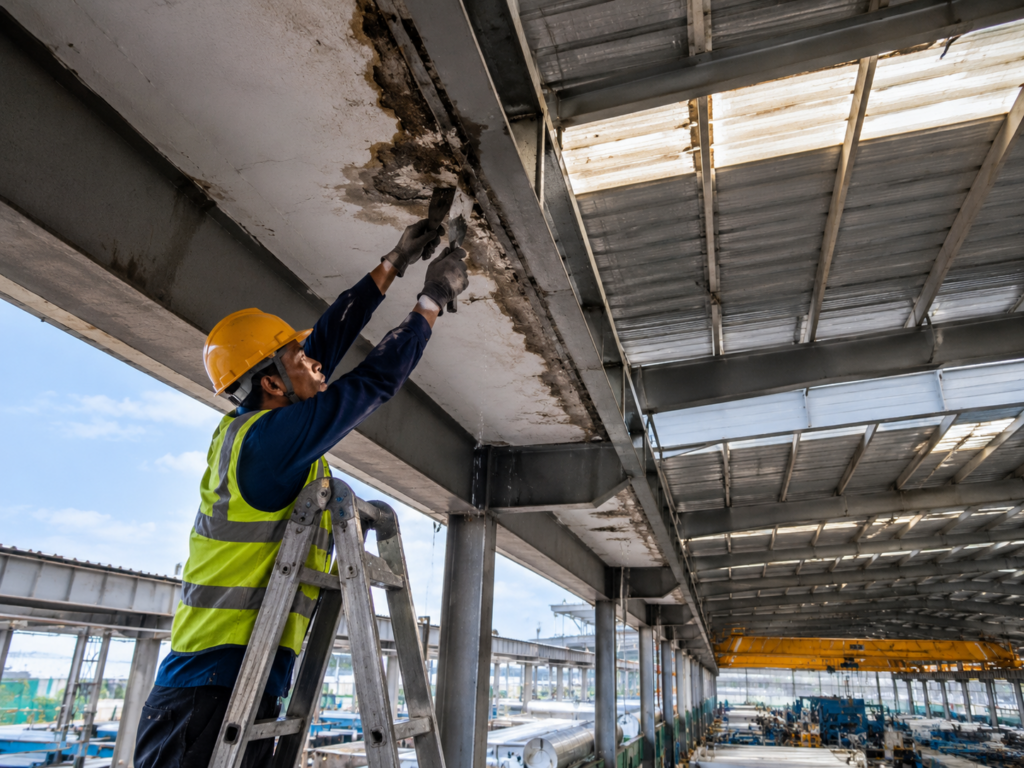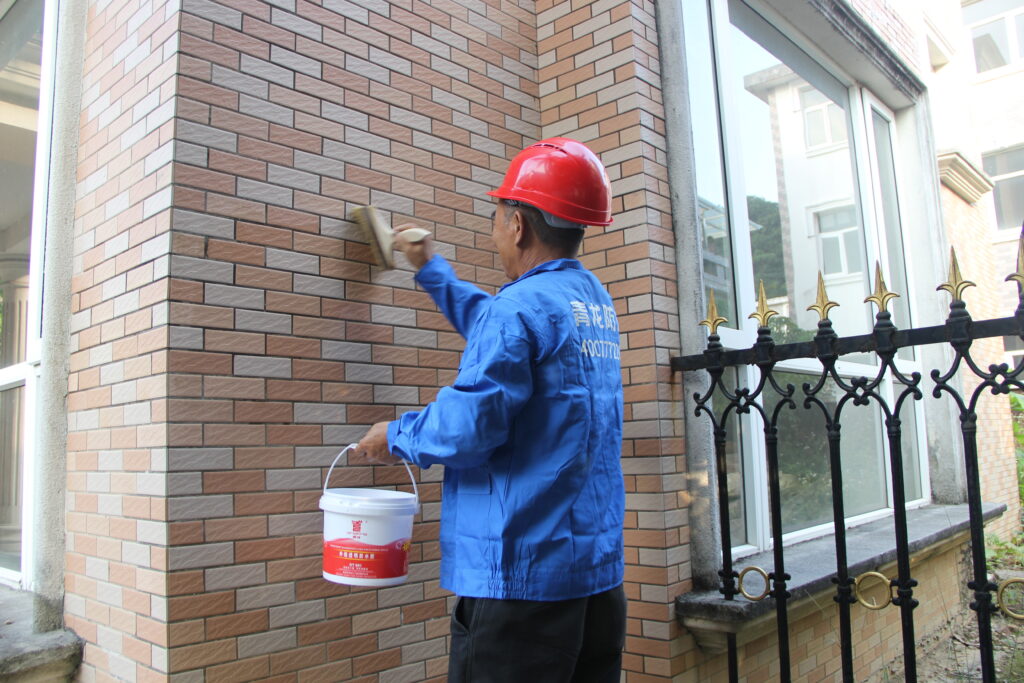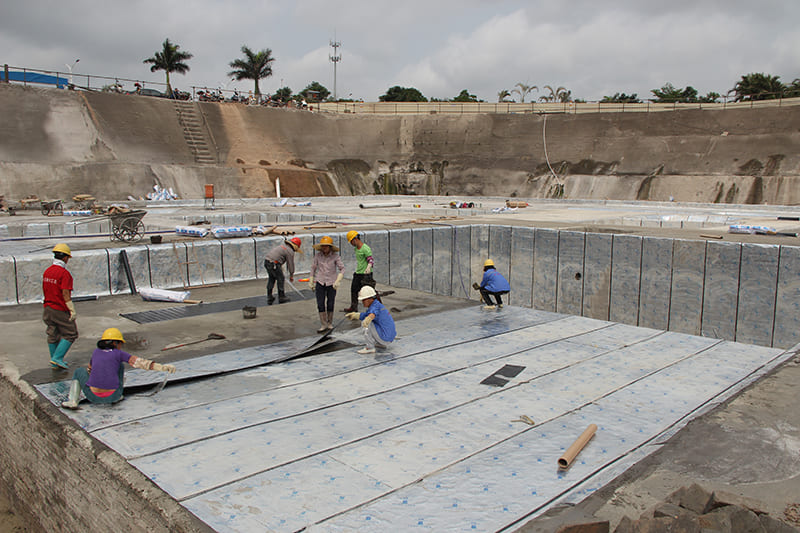
In construction and engineering, selecting the right waterproofing material is crucial to ensure the longevity, safety, and performance of structures. Two widely used options are self-adhesive waterproofing membranes and torch-on waterproofing membranes. While both provide reliable protection against water infiltration, they differ significantly in installation methods, performance characteristics, and suitability for various applications. This article compares these two materials to help you make an informed choice.
Self-Adhesive Waterproofing Membrane
A self-adhesive waterproofing membrane is a flexible roll material, typically made from modified bitumen or SBS (styrene-butadiene-styrene) rubber, with a sticky backing that allows it to bond directly to the substrate without additional adhesives or heat. Its main advantages include:
🔹Easy Installation: Self-adhesive membranes eliminate the need for open flames or heating equipment, making the construction process safer and simpler. Workers simply roll out the membrane onto the substrate and apply pressure to achieve full adhesion.
🔹Strong Bonding Performance: The self-adhesive backing ensures firm contact with the substrate, forming a reliable waterproof barrier that effectively prevents water penetration.
🔹High Adaptability: These membranes are versatile and can adhere to a variety of substrates—including concrete, metal, and wood. Their flexibility allows them to accommodate minor structural movements without cracking or peeling.
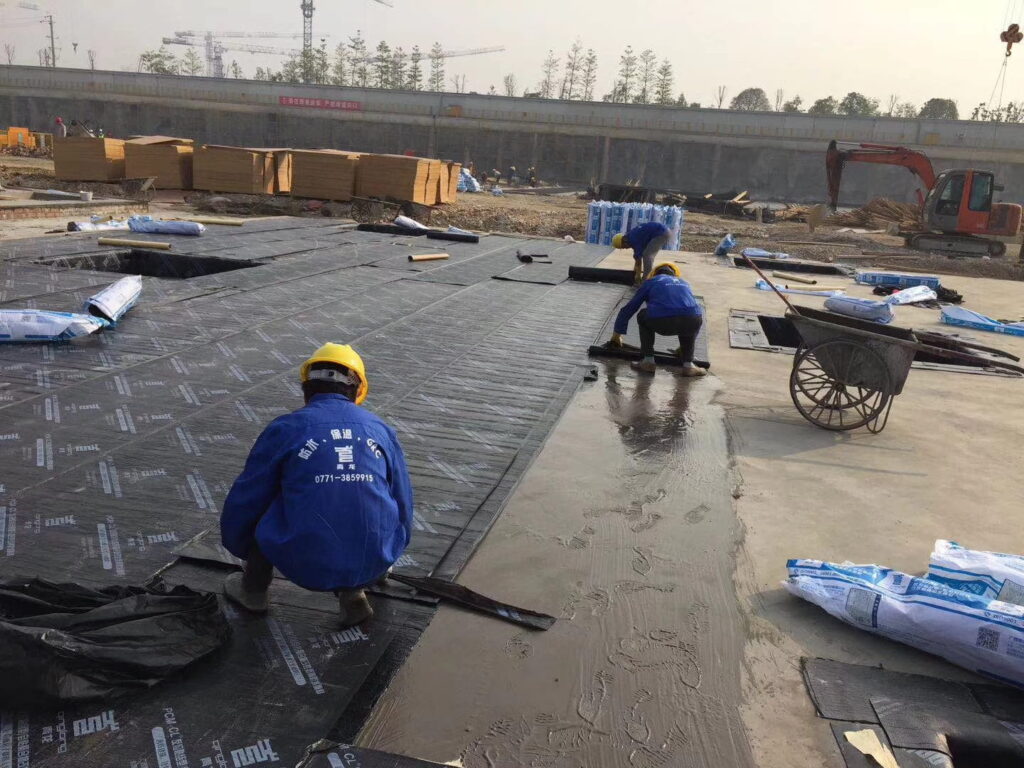
Torch-On Waterproofing Membrane
Torch-on waterproofing membranes are also roll materials, commonly made from APP (atactic polypropylene) or SBS-modified bitumen, but require heating with an open flame during installation. Key advantages include:
🔸High Temperature Resistance: The heating process allows the membrane to bond securely while providing excellent resistance to high temperatures, UV radiation, and direct sunlight exposure.
🔸Long-Term Durability: Once installed, torch-on membranes offer robust, long-lasting waterproof protection. They resist aging, chemical exposure, and mechanical damage, making them ideal for projects with extended lifespans.
🔸Adaptability to Complex Shapes: Heated torch-on membranes can be molded to fit intricate structural shapes, corners, and detailed areas, making them suitable for roofs, basements, pipes, and other non-standard constructions.
Comparing Self-Adhesive and Torch-On Membranes
Choosing the right waterproofing material depends on project requirements, construction conditions, and budget. Here’s how the two options compare:
▪️Construction Safety: Self-adhesive membranes are safer because they do not require open flames, which is ideal for sites with strict safety regulations or sensitive environments. Torch-on membranes involve fire risk and require trained personnel.
▪️Project Duration and Efficiency: Self-adhesive membranes allow faster installation, improving construction efficiency. Torch-on membranes require heating, which may extend project timelines.
▪️Project Complexity: For simple layouts and smaller-scale projects, self-adhesive membranes are a practical and cost-effective choice. For complex structures, curved surfaces, or detailed areas, torch-on membranes offer superior adaptability and performance.
▪️Budget Considerations: Self-adhesive membranes are generally less expensive and easier to install, making them attractive for budget-conscious projects. Torch-on membranes provide enhanced durability and resistance to environmental stressors, but at a higher cost.
Conclusion
Both self-adhesive and torch-on waterproofing membranes have their unique strengths:
🔺 Self-Adhesive Membrane: Best for projects prioritizing installation speed, safety, and lower costs. It is easy to apply, versatile, and reliable for simpler structures.
🔺 Torch-On Membrane: Ideal for projects demanding long-term durability, high-temperature resistance, and adaptability to complex surfaces. Although costlier and more labor-intensive, it provides superior protection and lifespan.
The ultimate choice depends on specific project needs, budget constraints, and construction conditions. Consulting with experienced architects, engineers, or waterproofing material suppliers can provide tailored recommendations. Ensuring proper installation according to relevant standards is equally critical to achieving a high-quality, durable waterproofing system.
By carefully evaluating these factors, you can select the most suitable waterproofing solution, protecting your structure against water damage while optimizing cost, safety, and performance.