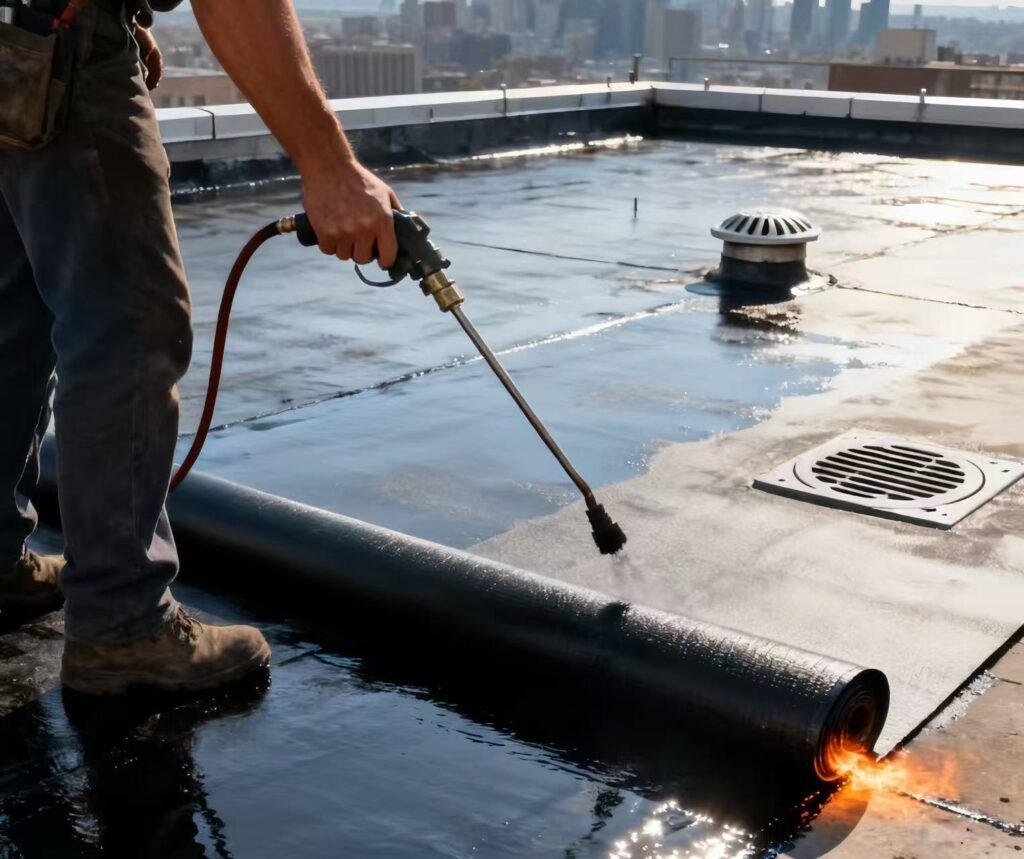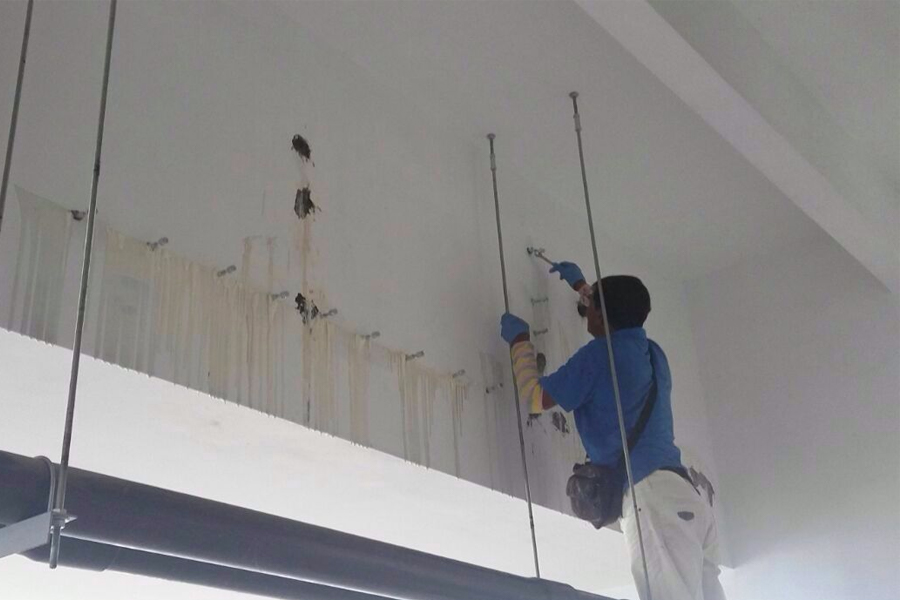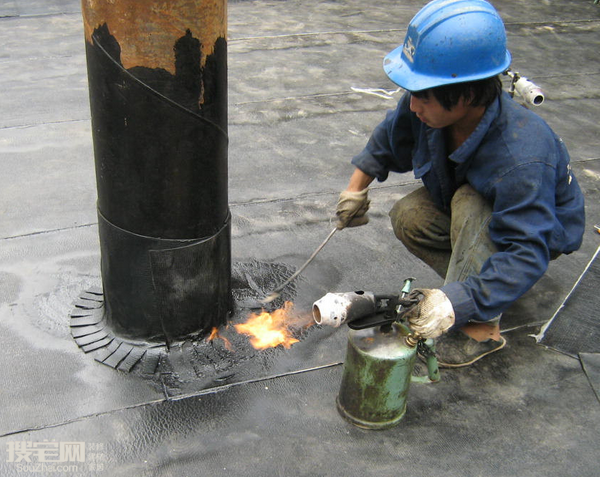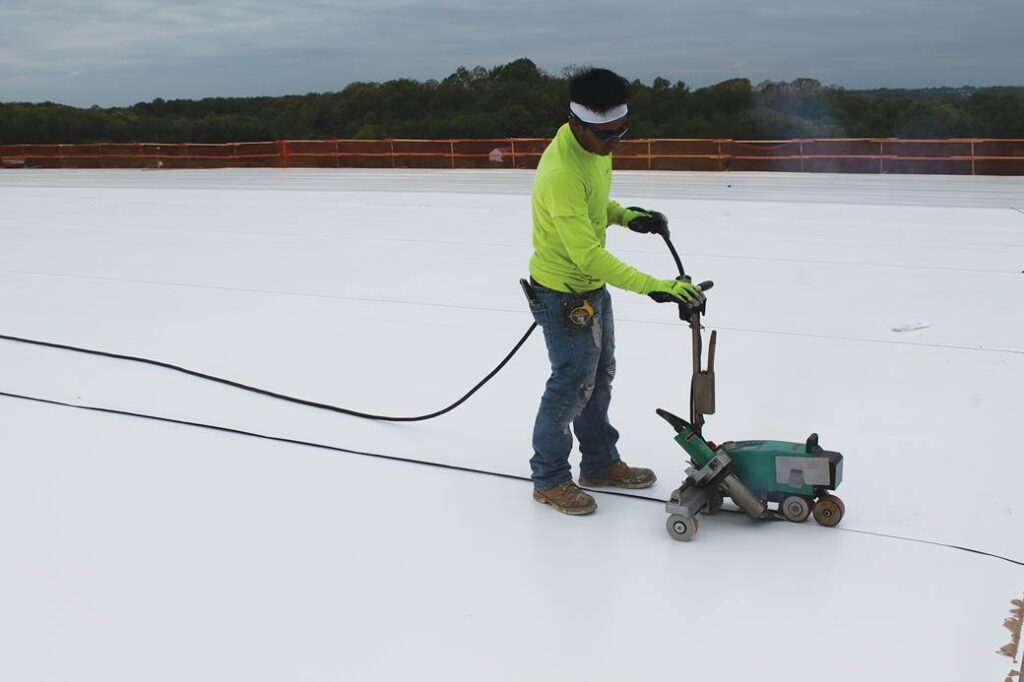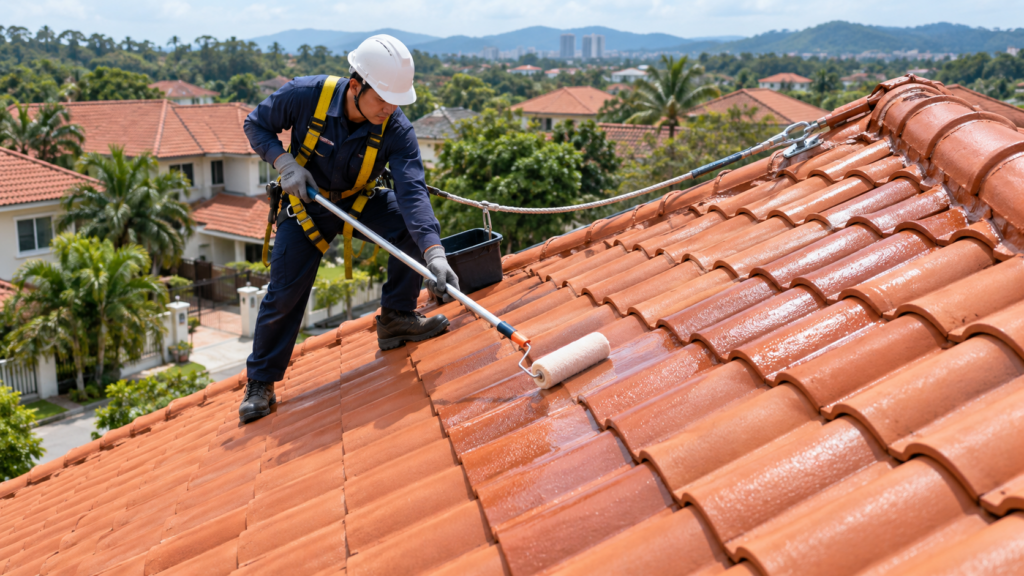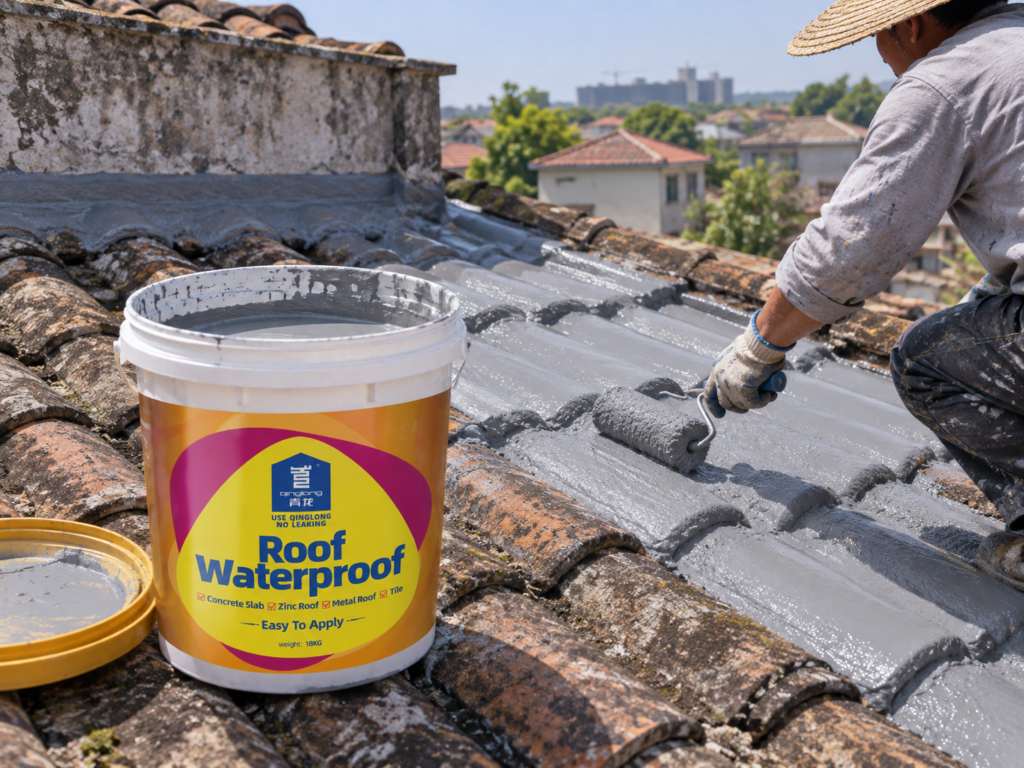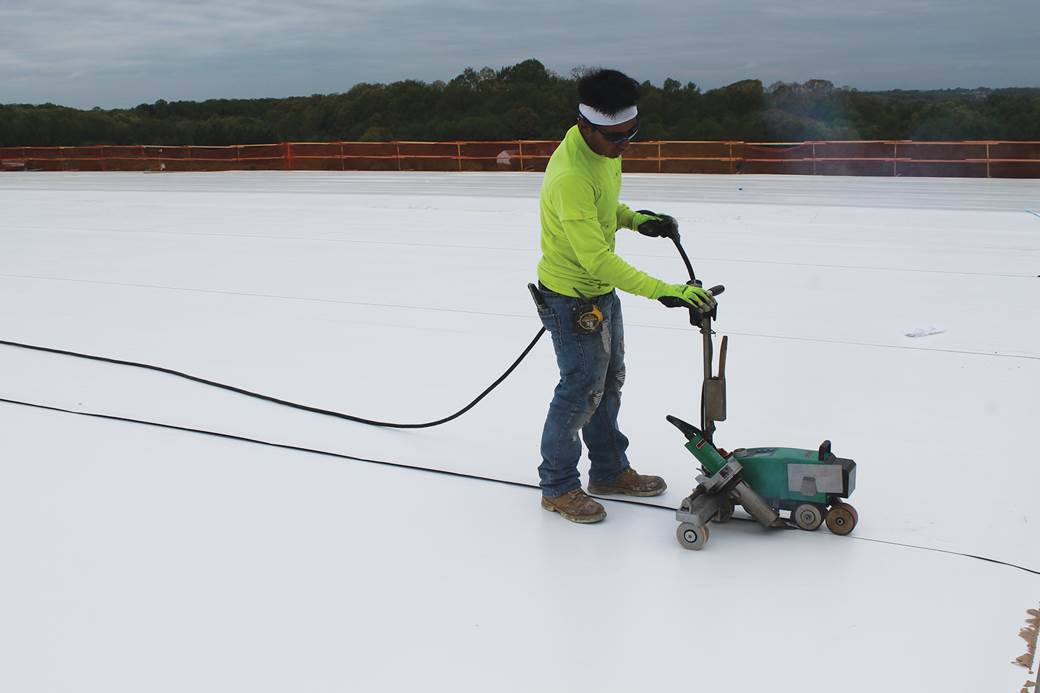
A facility manager looking at a large exposed roof in Johor Bahru usually has one practical concern: the roof must stay watertight without creating major disruption to daily operations. TPO membrane sheet often appears attractive because it is a single-ply roof waterproofing option with heat-welded seams and relatively clean installation compared with some liquid or torch-applied systems. But whether it is suitable depends less on the product name and more on the roof condition, detailing, traffic, drainage and installation control.
TPO Is a Roof System Decision, Not Just a Sheet Selection
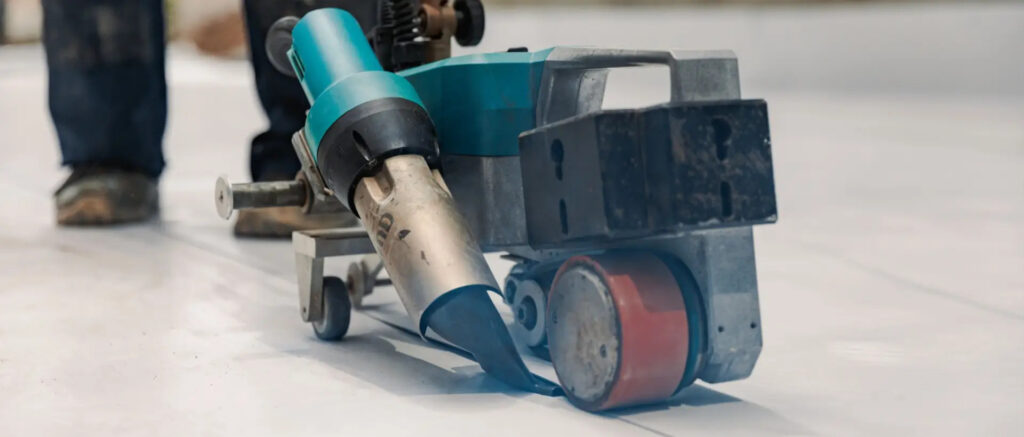
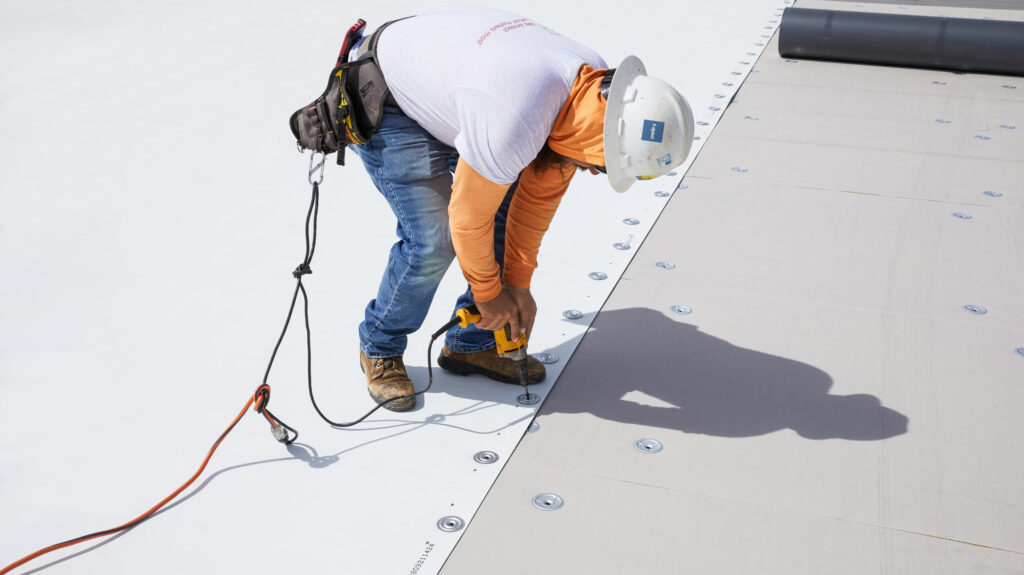
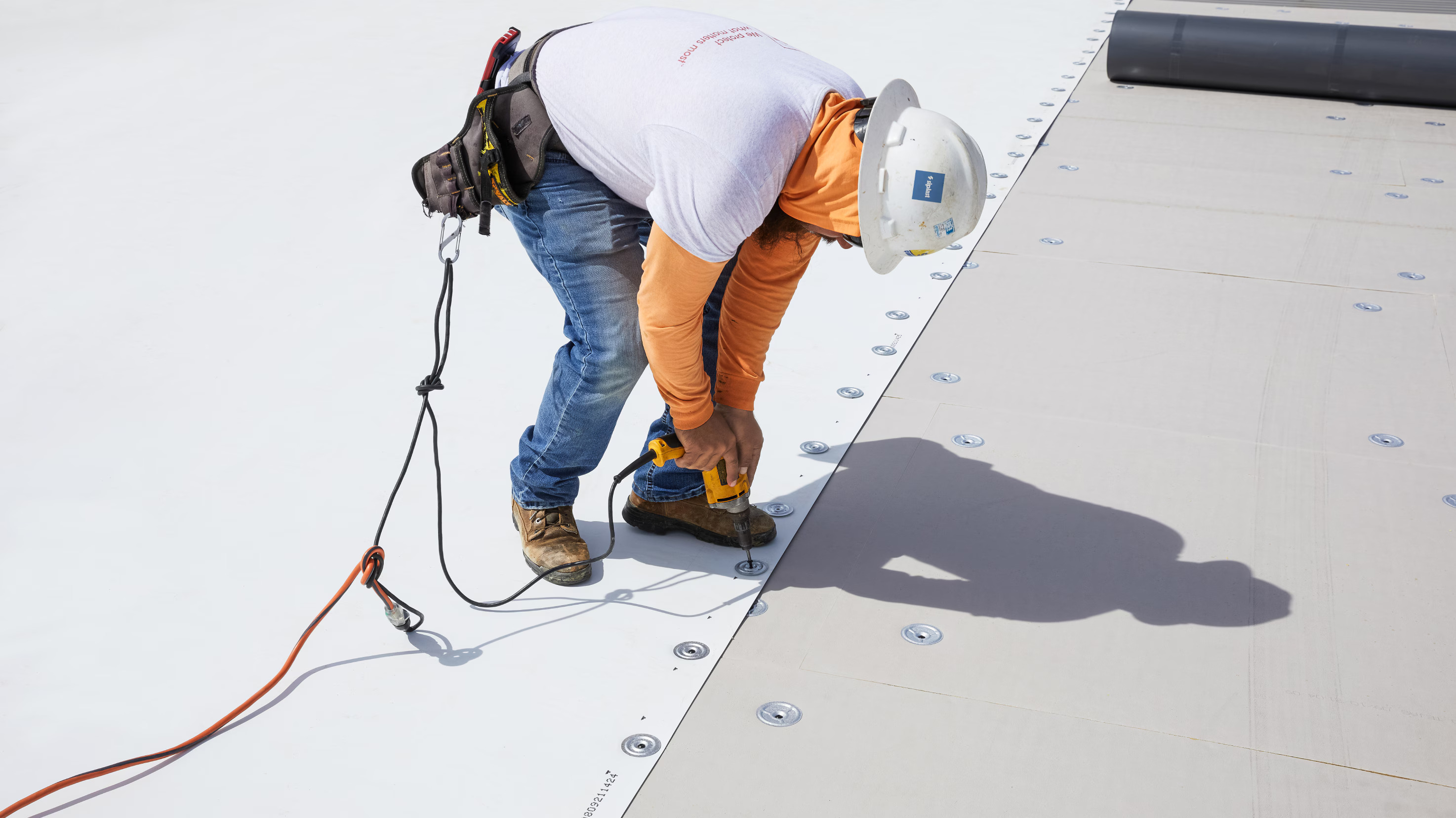
TPO, or thermoplastic polyolefin, is a single-ply membrane commonly used for flat or low-slope roofs. It is normally supplied in rolls, laid over the roof substrate or insulation layer, and joined using hot-air welding. The waterproofing reliability depends heavily on seam welding, termination details, penetrations and how the membrane is fixed or adhered.
For a TPO membrane sheet in Johor Bahru, suitability depends on the roof’s slope, drainage, substrate condition, exposure, penetrations and maintenance traffic. TPO can be a good option for large, accessible roof areas, but it should not be selected only because it is a membrane. The roof details must allow proper welding, fixing and termination.
This distinction matters because many roof failures do not happen in the middle of an open membrane field. They often occur at outlets, upstands, pipe penetrations, equipment bases, parapet terminations, expansion joints or poorly prepared existing surfaces. A technically sound TPO roof is therefore a complete system, not just a sheet laid over a slab or metal deck.
Where TPO Membrane Sheet Can Make Sense for Johor Bahru Roofs
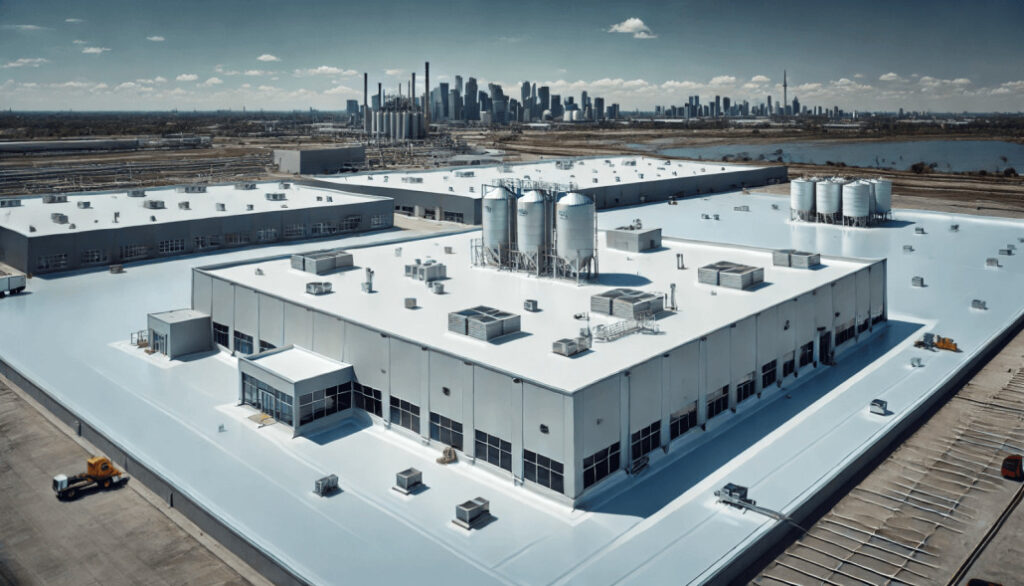
TPO membrane sheet is usually more suitable when the roof has broad open areas, controlled access and details that can be properly treated. Large commercial buildings, warehouses, logistics facilities, industrial roofs and some institutional buildings may benefit from a single-ply membrane approach because fewer wet trades are involved and the membrane can cover significant roof areas efficiently.
In Johor Bahru, this can be relevant for facilities where roof waterproofing work must be planned around business operation, tenant activity or plant access. For example, a factory or data centre roof may have limited shutdown windows and cannot tolerate repeated leakage investigations after every repair attempt. A membrane system may help when the roof layout is suitable and when detailing can be executed correctly.
TPO may be considered when:
The roof is flat or low-slope but has positive drainage to outlets.
The substrate is stable, reasonably even and suitable for the intended fixing method.
The roof has enough open working space for membrane laying and hot-air welding.
Penetrations, parapets and equipment supports can be properly detailed.
Maintenance traffic is controlled with designated walkways or protection layers.
The important word is “may”. A roof crowded with services, sharp changes in level, weak screed, trapped moisture or many irregular penetrations may require a different build-up or additional preparation before TPO becomes practical.
The Roof Details That Matter More Than the Membrane Brand
When evaluating TPO membrane sheet in Johor Bahru, the most important inspection points are often not the most visible areas. A clean open sheet area may look convincing, but the risk usually sits at transitions.
Parapet walls need reliable termination. If the membrane is not taken up and fixed correctly, water can enter behind the sheet and travel under the system. Roof outlets must be detailed so water drains into the outlet, not beneath the membrane edge. Pipe penetrations need compatible boots, collars or formed detailing, not improvised sealant alone.
Expansion joints require special attention because movement can stress the waterproofing layer. A rigid treatment over a moving joint may split even if the sheet itself is good. Equipment plinths, solar supports, air-conditioning frames and cable penetrations also change the detailing requirement because they interrupt the membrane field.
This is why roof assessment should include more than measuring the total roof area. The number and type of details can affect installation time, method selection and long-term repairability.
When TPO May Not Be the Best Roof Waterproofing Choice
TPO is not automatically the best answer for every leaking roof. If the existing roof has saturated insulation, loose screed, debonded old coating or water trapped below previous layers, covering it with a new membrane may conceal the problem rather than solve it. Moisture pressure, uneven substrate movement or hidden deterioration can later affect the new system.
Heavy foot traffic is another concern. TPO can be used on roofs requiring maintenance access, but regular traffic from technicians, tools or equipment movement should be managed with walkway pads or protection. A roof used like a working platform needs a different risk assessment from a roof accessed only occasionally.
Chemical exposure should also be checked. Some industrial roofs may be exposed to discharge, oil, grease or airborne contaminants from nearby operations. The product specification must confirm whether the selected membrane is suitable for that exposure. Do not assume all single-ply membranes perform the same way under contamination.
TPO may also be less convenient on very complex refurbishment roofs with many small details, corners and interruptions. In some cases, a compatible liquid-applied system, cementitious system, hybrid build-up or localised repair strategy may be more practical.
Technical Parameters to Review Before Approving TPO
A proper review should connect the TPO membrane specification with the roof’s actual demands. The datasheet should not be treated as a formality. It helps confirm whether the proposed membrane and accessories match the intended exposure, installation method and project requirements.
Key items to verify include:
Membrane thickness and whether the sheet is reinforced.
Tensile strength, elongation, tear resistance and puncture resistance.
UV and weathering suitability for exposed roof use.
Seam welding method and required quality control checks.
Compatibility with substrate, insulation, adhesive or fixing system.
Resistance to expected chemicals, oil or contamination.
Fire classification or project-specific compliance requirements where applicable.
Detailing accessories for corners, outlets, pipe penetrations and terminations.
Manufacturer’s installation guidelines, storage conditions and curing or commissioning requirements.
Maintenance recommendations and repair method after installation.
These parameters do not replace site judgement. A strong membrane can still fail if installed over an unsuitable substrate or terminated poorly. Likewise, a technically suitable system may underperform if drainage allows long-term ponding beyond what the specification permits.
What a Johor Bahru Roof Assessment Should Establish First
Before deciding on TPO membrane sheet, the roof assessment should answer a few practical questions. Is the leakage coming through the main roof surface, a joint, a penetration, a parapet or another building element? Is water ponding because of poor falls, blocked outlets or settlement? Is the existing waterproofing layer bonded, blistered, cracked or holding moisture beneath it?
For commercial and industrial buildings, the inspection should also look at access constraints. Can the roof be safely worked on? Can equipment or stored materials be moved? Will rain interruptions affect the programme? Are there sensitive areas below, such as electrical rooms, production areas, offices, retail units or data halls?
QingLong Waterproofing’s project experience in Johor Bahru includes waterproofing work for the MY07 Data Centre Project, where the scope covered critical areas such as roofs, external walls, base slabs, pipe penetrations, internal and external corners, and expansion joints. The useful lesson from this type of project is not that one membrane fits all areas. It is that roof waterproofing must be coordinated with junctions, penetrations and movement details across the building envelope.
A TPO roof should be selected only after confirming that the roof layout, substrate, drainage and detailing can support a single-ply membrane system. If the main risk is at penetrations, parapet terminations or movement joints, the specification must address those details directly, not only the membrane sheet area.
 Conclusion
TPO membrane sheet can be a suitable roof waterproofing option in Johor Bahru, especially for larger exposed roofs with manageable details and controlled access. The decision should not be based on the membrane name alone. The real test is whether the roof condition, drainage, penetrations, traffic exposure and installation method allow the membrane system to be properly detailed and maintained. If those conditions are uncertain, the first step is not ordering material. It is confirming what the roof actually requires.
If you are evaluating TPO membrane sheet or another roof waterproofing system for a building in Johor Bahru, you can discuss your roof condition with QingLong Waterproofing for a suitable recommendation.