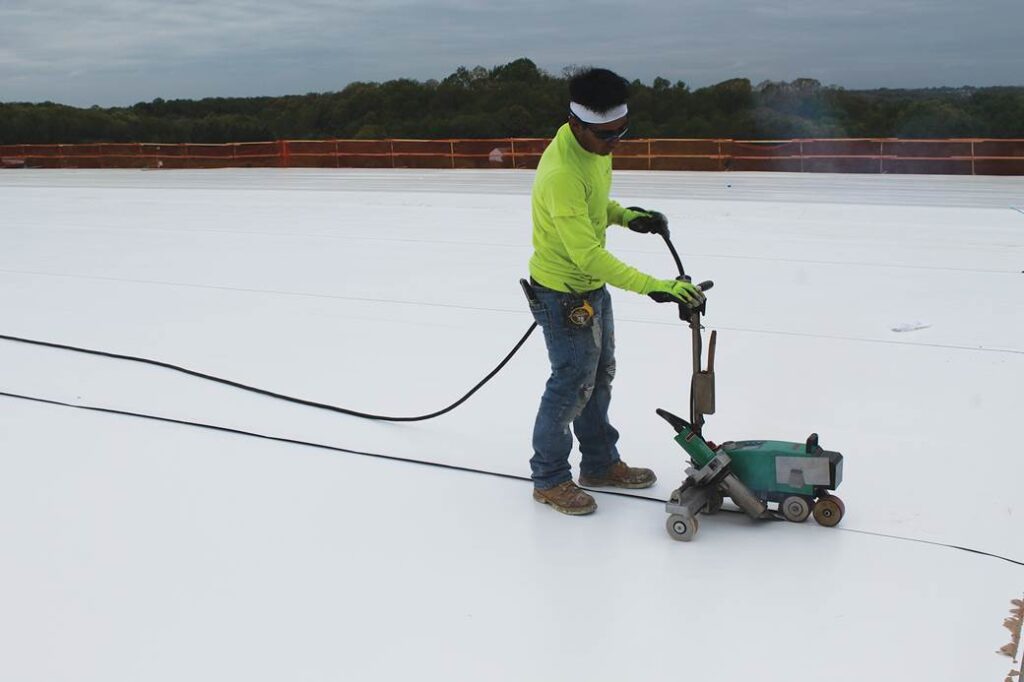
A torch-on membrane roll can look like a straightforward answer when a flat roof in Petaling Jaya starts leaking. It is thick, visible, and widely used on concrete roofs. But the important question is not whether torch-on membrane is “strong”. The better question is whether your roof condition allows the membrane to be applied safely, bonded properly, detailed correctly, and maintained after installation. On some PJ buildings, the roof layout, services, drainage and access make torch-on membrane a practical choice. On others, a liquid-applied waterproofing system may be less disruptive and easier to detail.
A Torch-On Membrane Works Best on a Stable, Accessible Concrete Roof
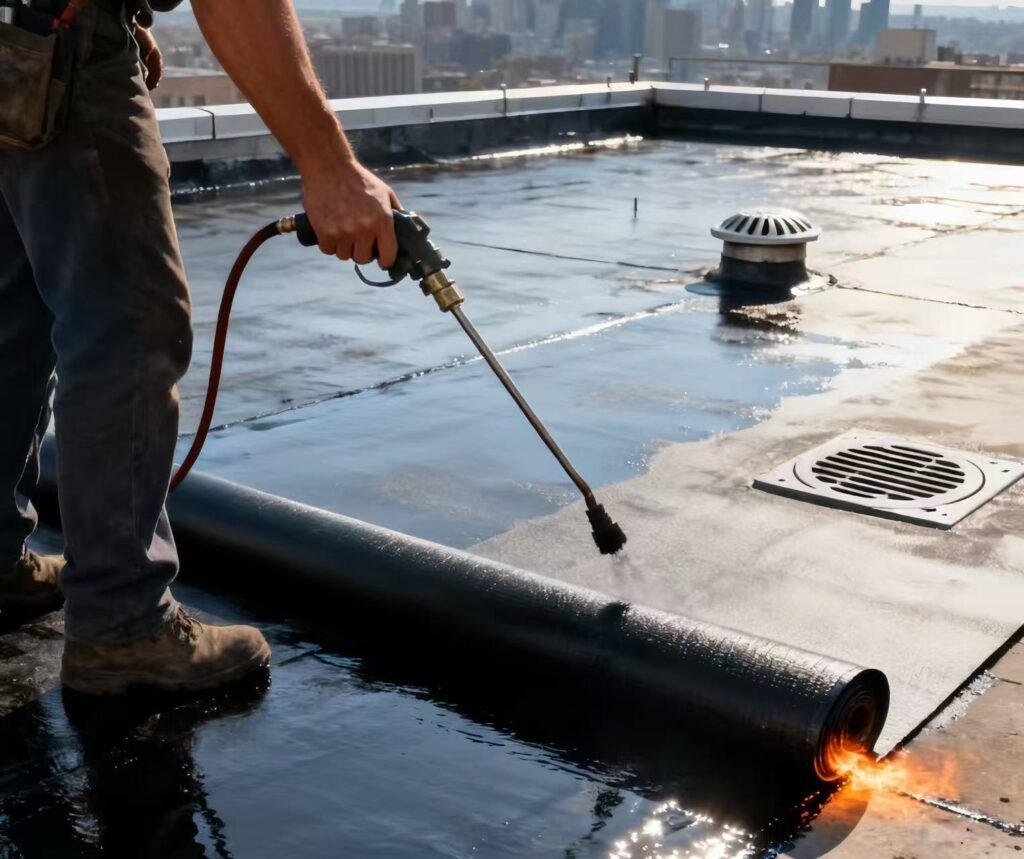
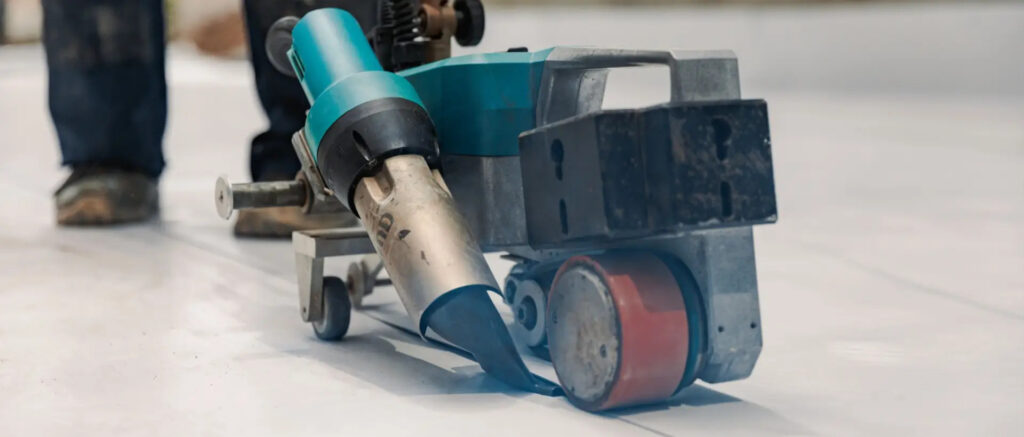
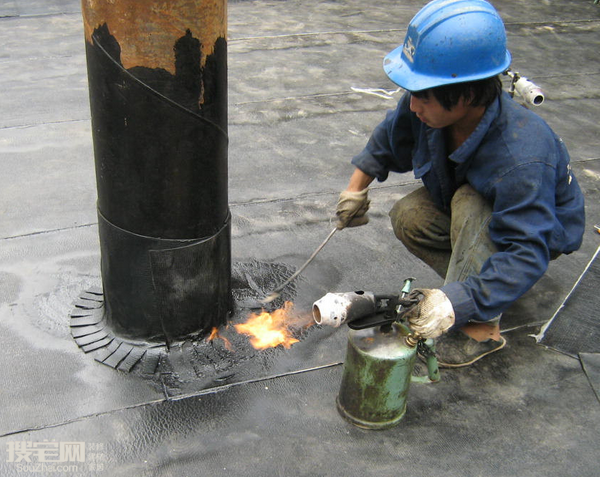
A torch-on membrane roll is usually a bituminous sheet membrane applied with heat onto a prepared substrate. For a flat concrete roof, it can provide a continuous waterproofing layer when the base is sound, dry, primed, and properly detailed at joints, corners and penetrations.
It is most suitable when the roof has:
a reasonably stable concrete slab or screed;
enough roof access for rolls, gas cylinders and installation tools;
limited complex penetrations;
proper falls towards outlets;
space to form upturns at parapet walls and kerbs;
a surface condition that allows good adhesion.
The key word is “system”. A torch-on membrane is not just a roll laid over the roof. Its performance depends on the primer, substrate preparation, laps, torching technique, termination details, outlet treatment, corner reinforcement and protection against damage.
A torch-on membrane roll is suitable for many concrete flat roofs when the substrate is dry, stable, accessible and detailed correctly. It is less suitable where the roof has poor drainage, many tight penetrations, weak screed, trapped moisture, or hot-work restrictions. The roof condition should decide the system, not the roll thickness alone.
For older Petaling Jaya properties, this matters because many roofs have been altered over time. Water tanks, air-conditioning units, cables, solar supports, antenna bases, access hatches and old patch repairs can make a roof more complicated than it first appears.
Why Petaling Jaya Roof Layouts Can Change the Decision
Petaling Jaya has many terrace houses, shop lots, commercial buildings, apartments and industrial properties with flat or low-slope concrete roof areas. The waterproofing decision is often affected less by the city name and more by the roof’s practical layout.
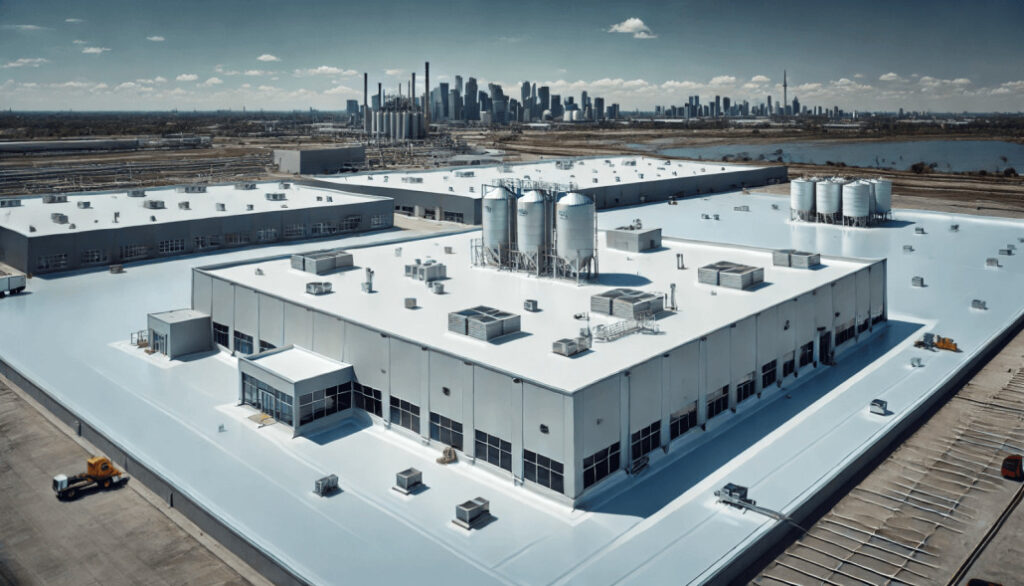
On a commercial or shop lot roof, for example, the membrane may need to pass around air-conditioning plinths, pipe supports, drainage outlets and parapet walls. Every one of these details becomes a possible weak point if the membrane is not turned up, sealed and terminated correctly.
On a residential flat roof or roof slab, access may be narrow. Carrying rolls and hot-work equipment through occupied areas can affect safety planning. If the building is closely surrounded by neighbouring properties, storage, access and installation scheduling may also need more coordination.
Torch-on application involves open flame. That does not automatically make it unsuitable, but it means hot-work safety must be considered. Roofs with combustible materials, loose insulation, timber elements, wiring congestion, exposed services or difficult supervision may require extra control. In some situations, a cold-applied liquid waterproofing system may reduce hot-work concerns.
This is where a site assessment becomes important. A roof that looks ideal in a product brochure may behave very differently when installers must work around pipe penetrations, uneven screed, old coatings and drainage outlets that sit higher than the surrounding surface.
The Roof Surface Must Be Judged Before the Membrane Is Chosen
A torch-on membrane depends heavily on the condition of the surface below it. If the existing screed is hollow, dusty, cracked, damp or contaminated, applying a new membrane over it can transfer old problems into the new system.
One common risk is covering trapped moisture. If the roof has absorbed water through previous cracks or failed coatings, heat from torching and later sun exposure may create blistering or debonding. Another risk is weak screed. The membrane may bond to the screed, but if the screed itself separates from the slab, the waterproofing layer can still fail.
Before approving a torch-on membrane roll for a roof, the following should be checked:
whether the existing coating or membrane should be removed;
whether the screed is hollow, loose or powdery;
whether cracks are active or only surface shrinkage cracks;
whether ponding water remains after rain;
whether outlets are low enough to drain properly;
whether parapet walls and upturn areas are sound;
whether pipe penetrations and equipment bases can be detailed properly.
These checks are not only contractor formalities. They directly affect whether torch-on membrane can perform as intended. If the surface is unreliable, a thicker membrane does not solve the underlying weakness.
Drainage and Ponding Water May Matter More Than the Roll Itself
Many roof leaks are blamed on the waterproofing material, but poor drainage is often the condition that keeps exposing the system to unnecessary stress. A roof waterproofing system is expected to resist rainwater, but it should not be forced to hold standing water for long periods because outlets are blocked, falls are incorrect, or the screed has settled.
For torch-on membrane, ponding can be especially important at laps, outlets, corners and termination points. If water constantly sits at a lap edge or around a drain, small defects become more serious over time. On roofs with many patch repairs, water may also travel under loose areas before appearing at a ceiling stain far away from the actual entry point.
If the roof has repeated ponding, the repair scope may need to include screed correction or drainage improvement before waterproofing. Simply installing a torch-on membrane over the same falls may stop leakage temporarily, but the roof still carries the same drainage weakness.
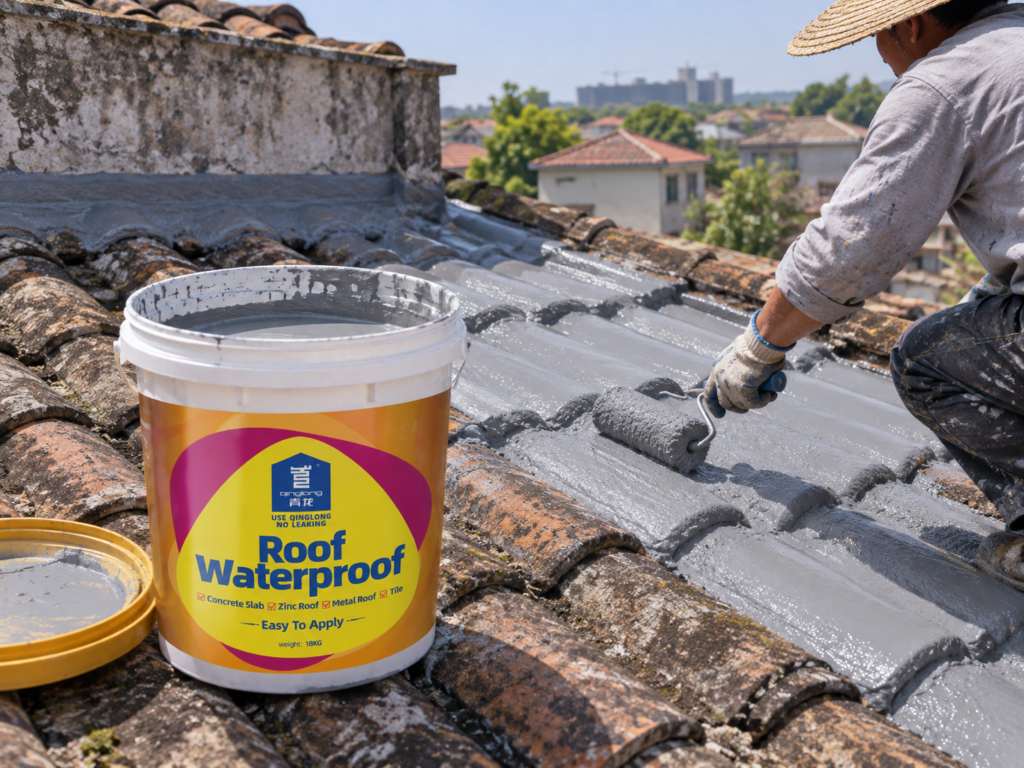
This is also where liquid-applied systems can sometimes offer practical advantages. A coating system such as a roof waterproof coating may conform more easily around irregular details, but it also needs correct thickness, preparation and curing. Neither torch-on membrane nor coating should be treated as a shortcut around bad drainage.
Torch-On Membrane Is Not Always the Easiest System to Maintain
One reason some owners like torch-on membrane is that it feels substantial. The sheet is visible and the laps can be inspected. However, maintenance still matters.
After installation, roof users may place equipment, walk over the surface, drag tools, or install new pipe supports. If the membrane is left exposed without suitable protection, it can be punctured or damaged by sharp edges, maintenance traffic or careless future works. If tiles, screed or other finishes are installed over it, future leak tracing may become more difficult because the membrane is hidden.
The maintenance approach should be decided at the same time as the waterproofing system. A roof with regular technician access may need walkway protection or controlled access paths. A roof with future solar panel installation may need proper plinth or support detailing before the membrane is installed, not after.
For building owners and property managers, the question is not only “Will this stop the leak?” It is also “Can this roof be used and maintained without damaging the waterproofing layer?”
When a Liquid-Applied System May Be More Practical
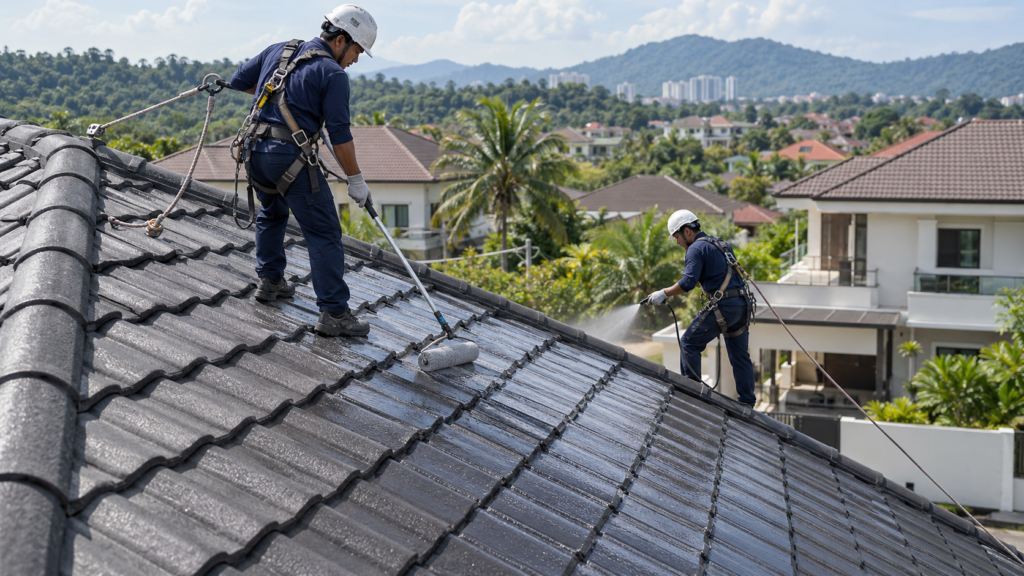
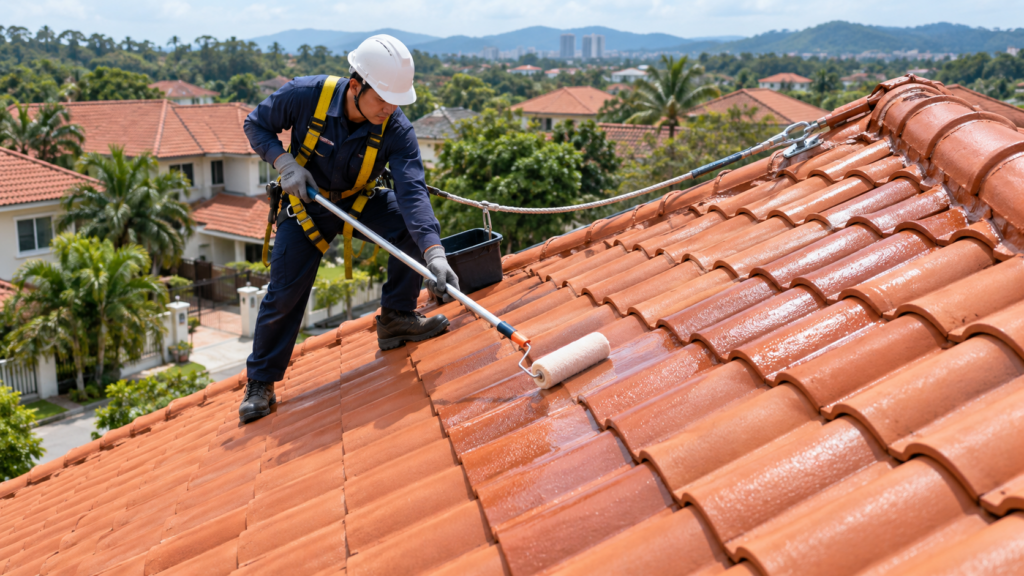
A torch-on membrane roll is not the only option for a concrete roof. In some cases, a liquid-applied waterproofing system may be more practical, especially where the roof has many small details, difficult corners, limited access, or hot-work restrictions.
QingLong Waterproofing supplies and applies different waterproofing systems for roofs, walls, wet areas and other building elements. For roof areas, options may include coating-based systems such as QL Roofing Waterproof Coating, depending on the substrate and project requirements. For joints, seams and gaps, products such as waterproof sealant or reinforcing tape may also form part of the detailing approach when suitable.
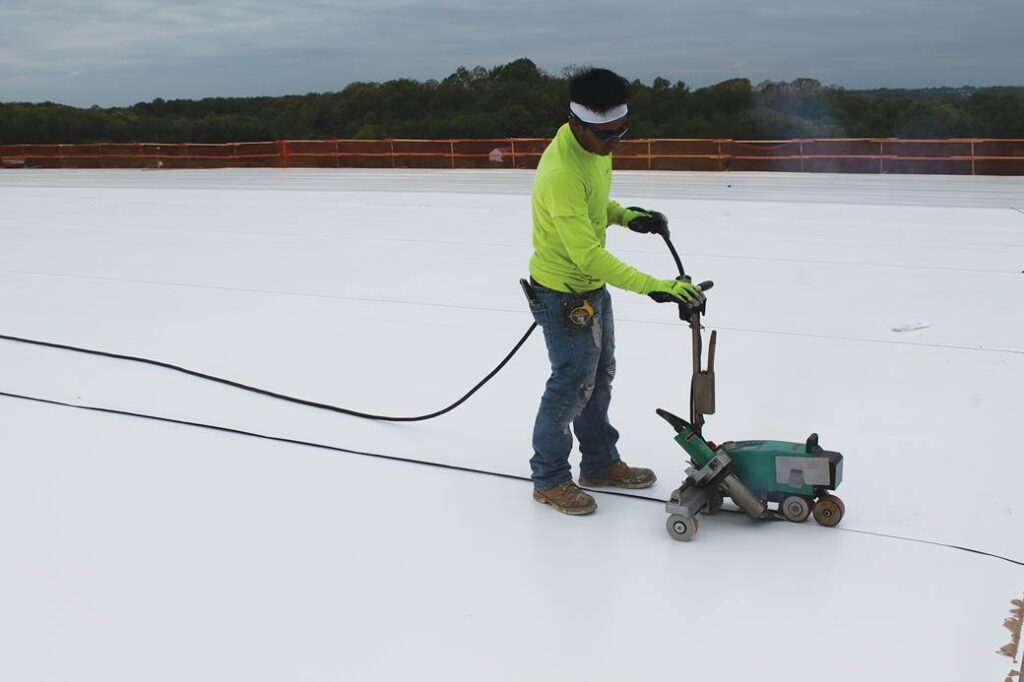
This does not mean coating is always better than torch-on membrane. A coating system also needs proper preparation, dry conditions, correct coverage, reinforcement at movement areas, and suitable curing time. If the coating is applied too thinly or over a weak surface, it can fail just like any other system.
The practical comparison is this:
Torch-on membrane may be more suitable when the roof is open, accessible, stable and can safely accommodate hot works. A liquid-applied roof coating may be more suitable when detailing flexibility, lower hot-work risk and easier application around complex roof features are more important. The right choice depends on the actual roof condition, not only the preferred product type.
What to Confirm Before Approving Torch-On Membrane for Your PJ Roof
Before choosing a Petaling Jaya torch-on membrane roll for roof waterproofing, the decision-maker should confirm three things.
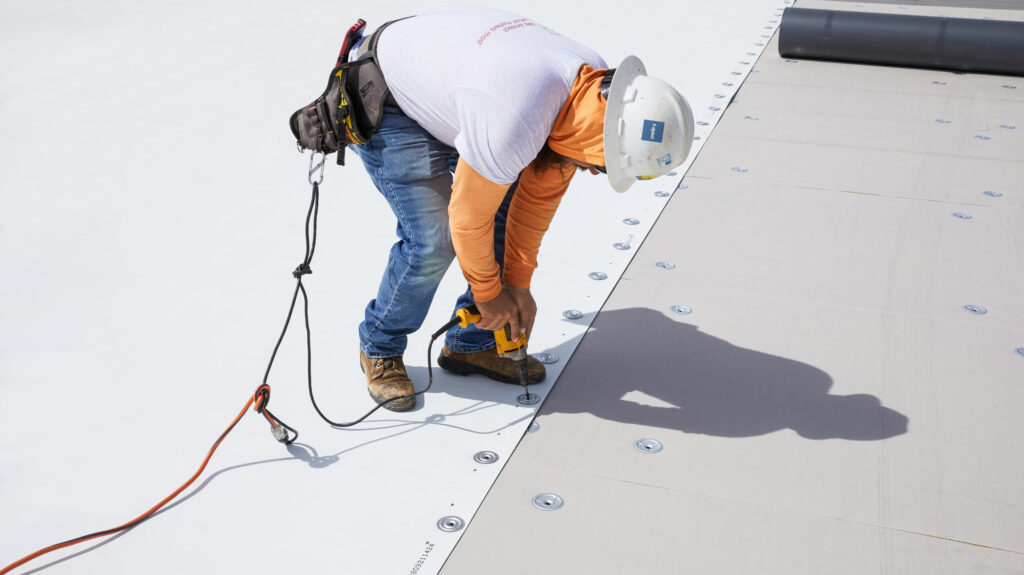
First, confirm the roof substrate. If the screed or slab is weak, damp, hollow or badly cracked, it should be repaired or corrected before membrane application. Installing over an unstable base creates uncertainty from the start.
Second, confirm the detailing. Parapet upturns, outlets, pipe penetrations, corners, construction joints and equipment bases should be included in the waterproofing scope. Many roof failures occur not at the middle of the roof but at these edges and interruptions.
Third, confirm site practicality. Torch-on application requires hot-work control, safe access, suitable weather timing, material handling space and supervision. If these cannot be managed, another waterproofing method may be safer or more practical.
A torch-on membrane roll can be the right roof waterproofing system in Petaling Jaya, but only when the roof allows the system to be installed as a complete, detailed and maintainable waterproofing layer. If the roof is congested, damp, poorly drained or unsafe for hot works, the better decision may be to redesign the repair scope rather than force the material onto the site.
If you are comparing torch-on membrane with coating-based roof waterproofing, QingLong Waterproofing can help review the roof condition and recommend a suitable system. You may contact QingLong Waterproofing for project assessment and advice.