Buying a torch-on membrane factory direct for a Sabah project can be attractive when the roof, podium, basement or wet area needs a consistent waterproofing material supply. But the buying decision should not stop at price per roll. A torch-on membrane is only suitable when its specification, substrate, installation method, logistics and detailing match the project condition. This is especially important in Sabah, where delivery planning, site storage and applicator availability can affect whether the membrane performs as intended once it reaches site.
Factory Direct Supply Helps, but It Does Not Replace Specification Checking
Factory direct purchasing can reduce unnecessary supply-chain layers and make communication with the manufacturer or supplier more direct. For contractors, developers and purchasers, this can help with product information, stock planning, technical clarification and more predictable material sourcing.
However, factory direct does not automatically mean the membrane is correct for every waterproofing area. A torch-on membrane used on an exposed flat roof has different requirements from one installed under a screed, beneath tiles or on a basement retaining structure. The purchaser still needs to verify the membrane grade, finish, thickness, reinforcement and application method before confirming the order.
A Sabah torch-on membrane should be selected based on the project area, exposure condition, substrate and installation details—not only on roll price. Factory direct supply can support better coordination, but the buyer should still request the technical data sheet, application guidance and compatibility details before purchase.
For QingLong Waterproofing, factory-direct material supply is part of a wider waterproofing system approach. The practical value is not only getting rolls delivered, but understanding whether the proposed membrane build-up suits the actual site condition.
Match the Membrane Type to the Waterproofing Area
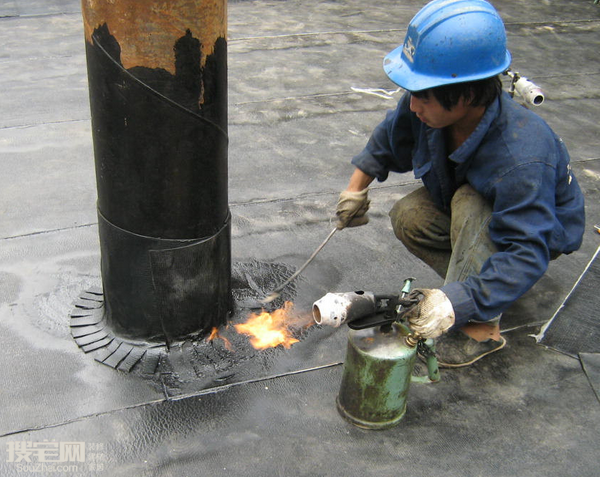
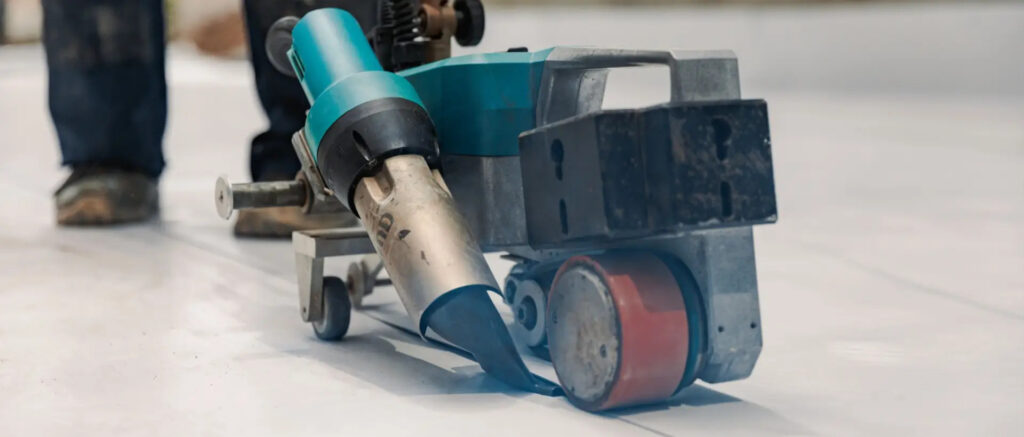
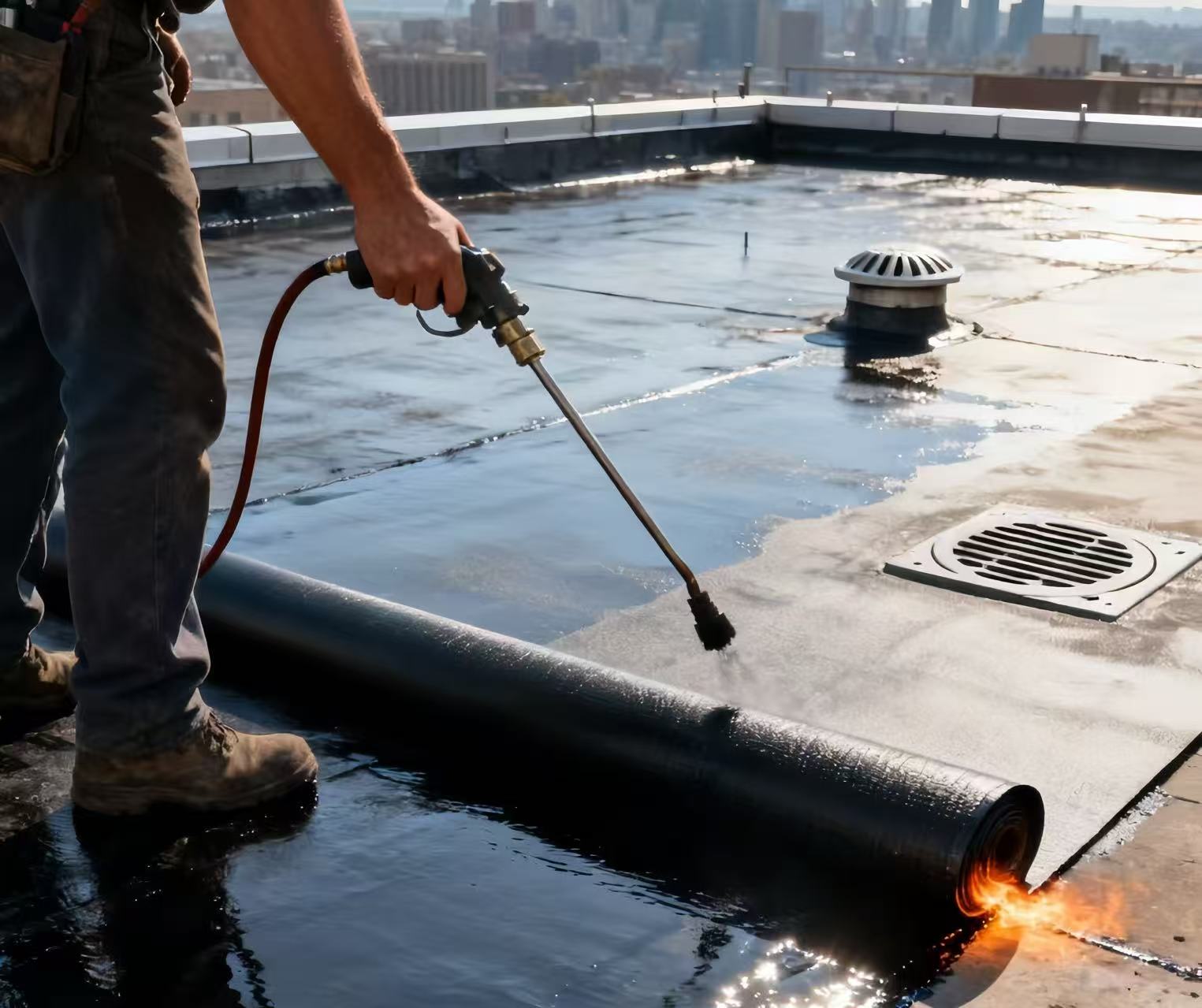
Torch-on membranes are commonly bituminous sheet membranes applied using heat. The installer heats the underside of the membrane and bonds it to a primed substrate. The system can be effective, but the membrane type and surface finish must match the final use.
For example, a membrane with a mineral finish may be selected where the surface remains exposed, depending on the product specification. A sanded or polyethylene film finish may be intended for covered applications, such as under screed or protection layers. If the wrong finish is selected, later bonding, protection or exposure performance may be affected.
Before buying, clarify where the membrane will be installed:
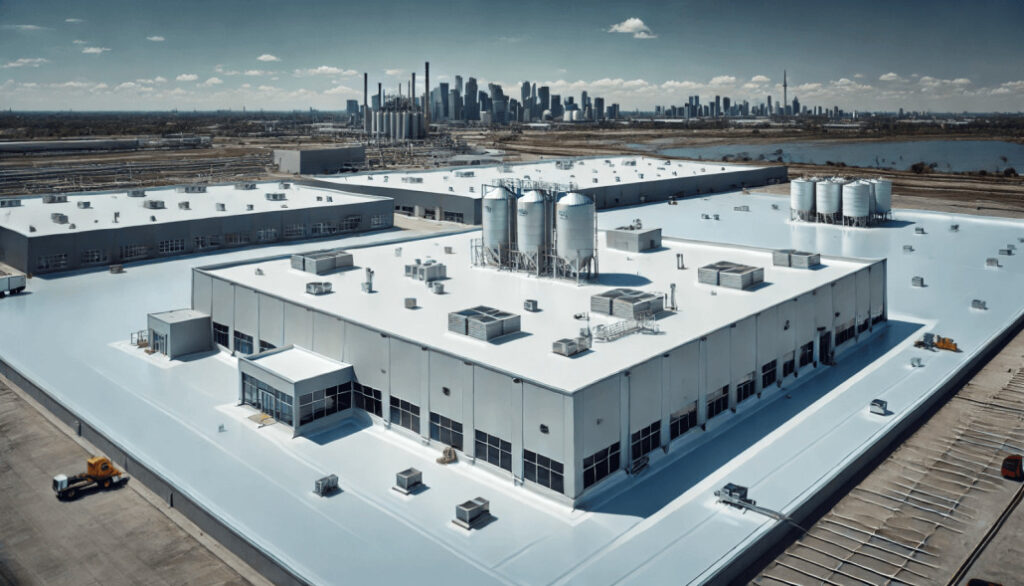
Exposed concrete roof
Roof slab under screed
Podium or car park deck
Basement slab or retaining wall
Toilet, kitchen or service area
Gutter, flashing or roof detail area
The same roll should not be assumed suitable for all of these locations. A roof exposed to sunlight, foot traffic for maintenance and ponding risk has different demands from a membrane protected below screed. For basement or below-ground areas, puncture protection, termination and water pressure considerations become more important than appearance.
Check Thickness, Reinforcement and Finish Instead of Asking for “Standard Roll”
Many waterproofing problems begin with vague purchasing. If a buyer simply asks for a “standard torch-on membrane”, the supplier may not know whether the project needs a membrane for exposed roofing, concealed waterproofing or heavy-duty protection.
The technical data sheet should clearly state the membrane thickness, reinforcement type, roll size, finish and intended application. Thickness alone is not enough. Reinforcement affects dimensional stability, tensile strength and how the membrane behaves around movement or detailing. Surface finish affects whether the membrane can be exposed, covered or bonded to another layer.
A purchaser should also check whether the project specification requires a particular membrane build-up, such as single layer, double layer or a combination with primer and protection board. If the consultant or architect has issued a specification, the product should be compared against that requirement instead of substituted based only on price.
For Sabah projects, this is also useful when coordinating with contractors across different towns or job sites. Clear specifications reduce disputes when material arrives and the applicator discovers that the finish, thickness or membrane grade does not match the work area.
Sabah Logistics Can Affect Material Condition Before Installation
For factory direct orders to Sabah, logistics should be treated as part of the waterproofing decision. Torch-on membranes are heavy rolls, and their condition during transport, unloading and storage can affect site readiness.
The buyer should confirm packaging condition, palletisation, delivery route, estimated lead time and unloading arrangement. If rolls are damaged, deformed or stored incorrectly, installation quality may suffer even if the product itself is suitable.
Site storage matters as well. Rolls should generally be kept upright or stored according to the manufacturer’s instruction, protected from standing water, excessive deformation and careless stacking. On projects with limited storage space, ordering too much material too early can create unnecessary risk. On remote or island projects, ordering too late can delay waterproofing works and expose the slab to weather before the membrane is installed.
For Sabah factory direct supply, the lowest roll price may not be the lowest project cost. Freight, unloading, storage, wastage, delivery timing and replacement lead time should be included when comparing torch-on membrane quotations. A delayed or damaged shipment can cost more than a small difference in material price.
This is where working with a supplier that can provide material planning support becomes useful. QingLong Waterproofing can assist buyers with product information and supply coordination, subject to project requirements and delivery arrangement.
Installation Skill and Hot Work Control Must Be Confirmed Early
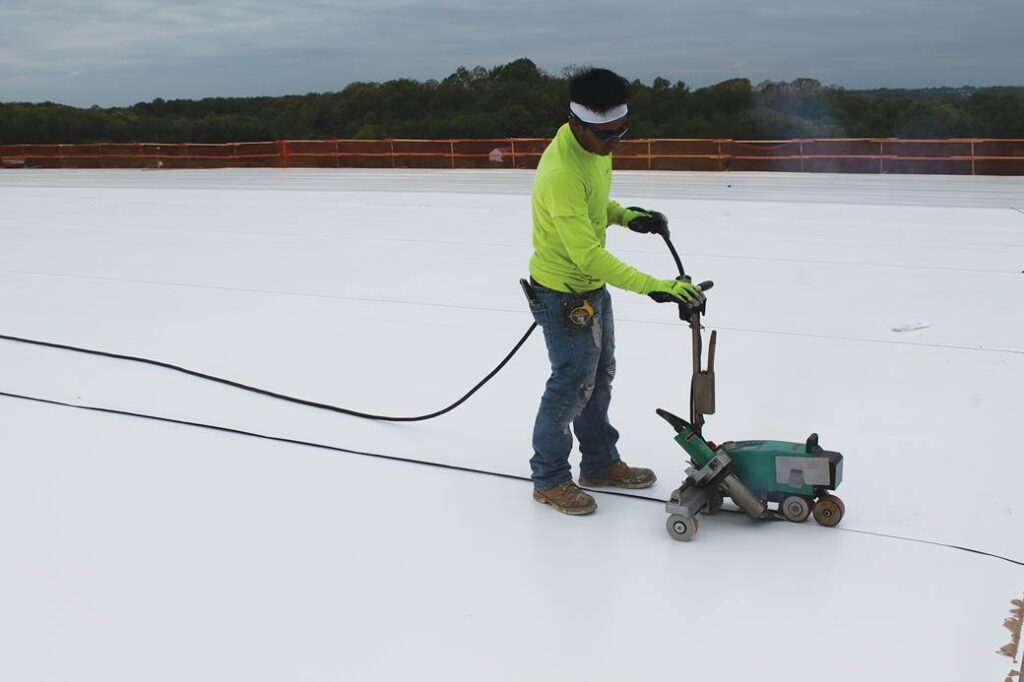
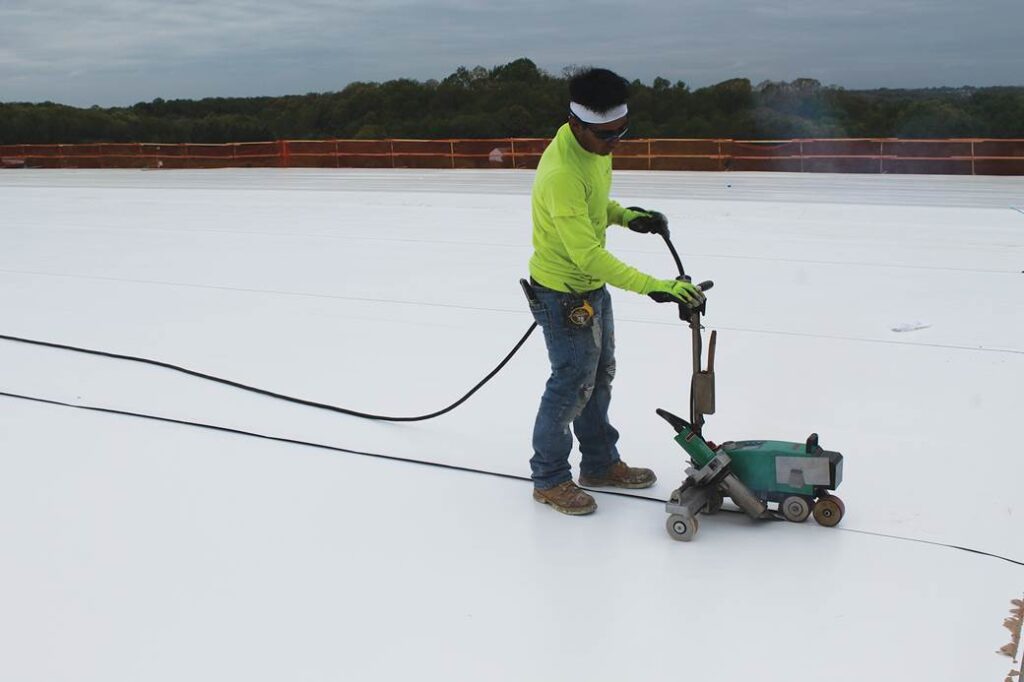
Torch-on membrane is not a peel-and-stick material. It requires heat application, correct torching technique, proper overlap treatment, attention to substrate preparation and safe hot work control. A suitable membrane can still fail if laps are poorly bonded, corners are overheated, outlets are badly detailed or the substrate contains moisture.
Before confirming a factory direct purchase, the buyer should ask who will install the membrane. If the project already has an applicator, confirm that the applicator is familiar with torch-on membrane work and the specific product requirements. If not, technical guidance or applicator coordination should be discussed before material arrives.
Important installation details include the primer condition, membrane laps, upturn height, pipe penetrations, internal and external corners, drain outlets and termination edges. These are often the areas where leakage occurs, not necessarily in the middle of the membrane sheet.
Hot work safety is also important. Torch-on application uses an open flame. On roofs with combustible materials, service penetrations, insulation, timber elements or occupied premises, the contractor may need hot work permits, fire watch procedures and proper safety controls. This should be considered before choosing a torch-applied system over another waterproofing method.
The Substrate Must Be Ready for a Torch-On System
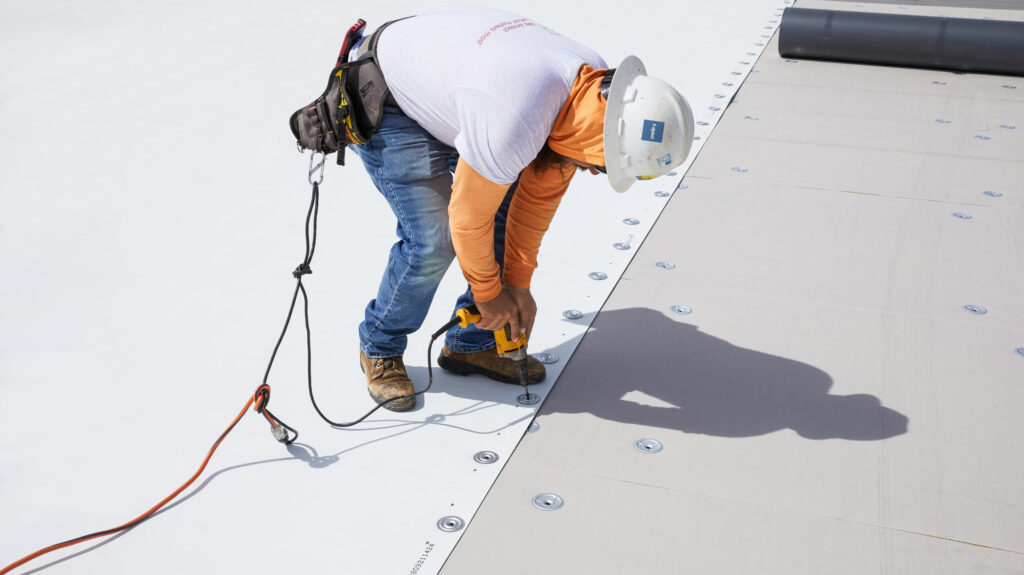
A torch-on membrane needs a suitable surface to bond properly. Concrete or screed should be sound, clean, dry enough for the specified primer and free from weak laitance, oil, dust or loose material. If the substrate is uneven, cracked, hollow or holding water, the membrane may not sit properly or may be stressed after installation.
Drainage falls are especially important on roof slabs and podium decks. Torch-on membrane can resist water entry when properly installed, but long-term ponding still increases stress on laps, terminations and detailing. If the slab has low spots, poor outlet positioning or blocked drains, waterproofing alone may not solve the maintenance problem.
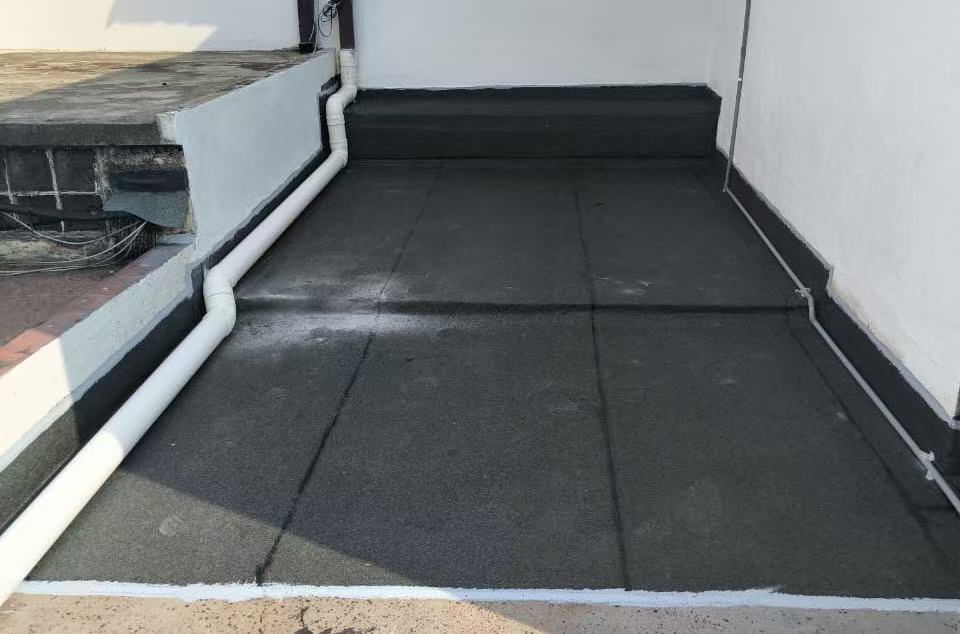
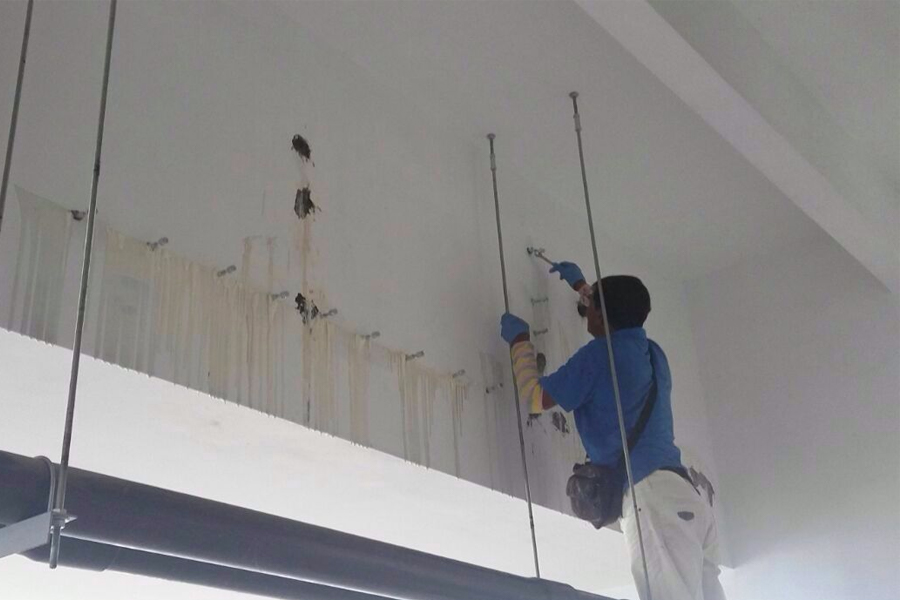
For refurbishment projects, existing coatings, old membranes or tiles need careful assessment. Installing new torch-on membrane over an unsuitable existing layer can trap moisture or create weak adhesion. In some cases, removal and surface preparation may be necessary before the new system is applied.
This is why product supply and site assessment should not be separated too far. A factory direct membrane order is more reliable when the buyer understands what the membrane will be bonded to.
Documents to Request Before Confirming the Order
For a commercial or project purchase, documentation helps the purchaser compare products properly and avoid relying only on verbal claims. The exact documents may vary by product and project requirement, but buyers commonly request:
Current technical data sheet
Application method statement or installation guideline
Safety data sheet, where applicable
Product packaging and roll information
Recommended primer and accessory details
Storage and handling instructions
Batch or delivery documentation, where required
These documents do not replace workmanship, but they help align the supplier, purchaser, consultant and applicator. They also clarify what the product is designed to do and what conditions must be met before application.
If a project requires compliance with a particular specification, the buyer should check the membrane against that specification before placing the order. Avoid assuming that two membranes are equivalent because they look similar or have the same nominal thickness.
When Factory Direct Purchase Makes the Most Sense
Buying torch-on membrane factory direct is most useful when the project has a clear scope, sufficient quantity, planned installation schedule and someone responsible for technical coordination. It is especially suitable for contractors, developers, maintenance teams and project purchasers who need consistent material supply rather than ad-hoc roll purchases.
It may be less suitable when the leak source has not been diagnosed, the substrate condition is unknown or the buyer has not confirmed who will install the membrane. In those cases, ordering material first can lead to the wrong system being delivered to site.
Factory direct supply should therefore be treated as a purchasing advantage, not a shortcut around waterproofing assessment. The best buying decision combines correct product selection, realistic logistics planning and proper installation control.
Conclusion
A Sabah torch-on membrane purchase should begin with the waterproofing area, not the roll price. The buyer needs to know whether the membrane is exposed or concealed, what substrate it will bond to, how it will be installed, and how the material will reach and be stored on site. Factory direct supply from QingLong Waterproofing can support clearer product coordination, but the right decision still depends on matching the membrane system to the actual project condition.
For product specifications, pricing or suitability advice for a Sabah project, you may contact QingLong Waterproofing via WhatsApp.
Frequently Asked Questions (FAQs)
1. Is torch-on membrane suitable for all roofs in Sabah?
No. It depends on the roof substrate, slope, exposure, drainage and detailing. Some roofs may suit torch-on membrane, while others may require a different waterproofing system or additional preparation.
2. Can torch-on membrane be installed over an old membrane?
Sometimes, but only if the existing membrane is firmly bonded, dry, compatible and suitable as a base. Loose, blistered or water-trapped layers should be assessed before overlay work is approved.
3. What should I compare besides price per roll?
Compare thickness, reinforcement, finish, intended application, primer requirement, logistics cost, delivery timing, storage condition and technical support. These factors affect the real project cost and installation risk.
4. Does factory direct supply include installation?
Factory direct supply and installation are separate matters unless clearly arranged. QingLong Waterproofing provides waterproofing products and services, but the scope should be confirmed based on the project requirement.
5. How early should I order membrane for a Sabah project?
Order timing should consider stock availability, freight schedule, site readiness and storage space. For larger or remote projects, confirm logistics early to avoid delaying waterproofing works.