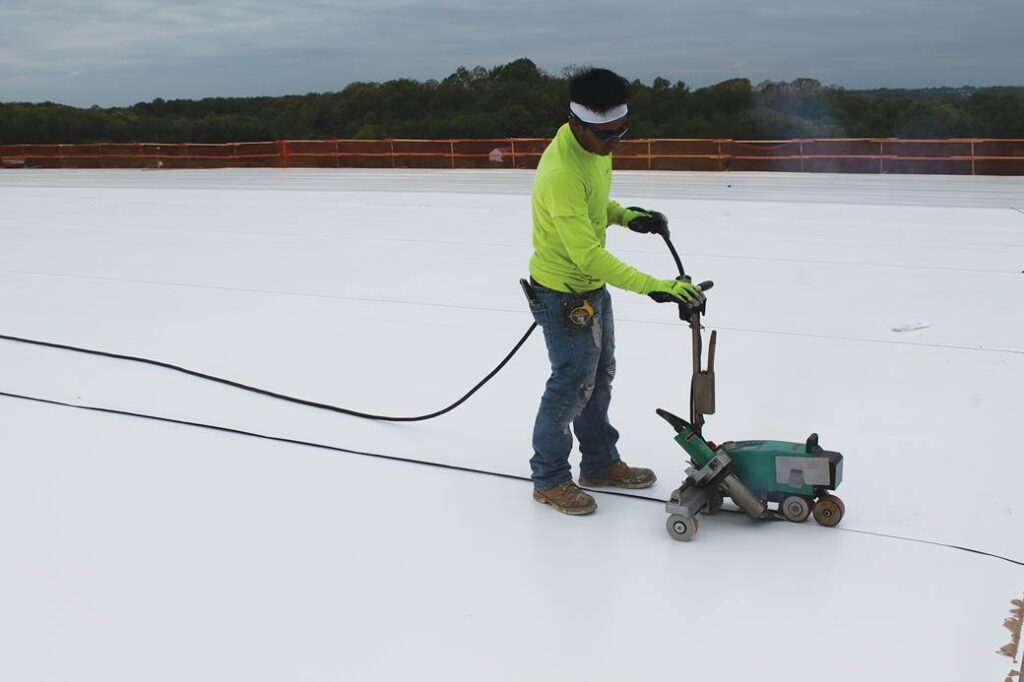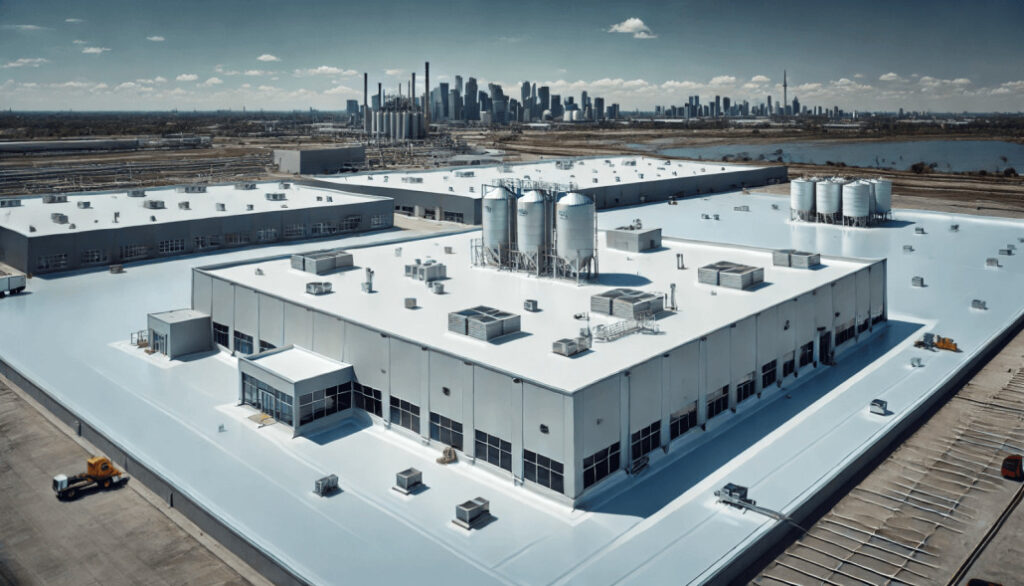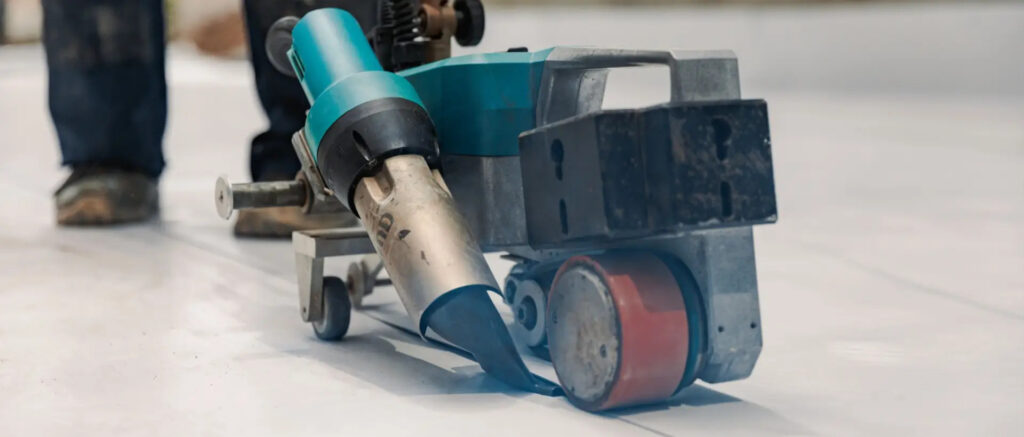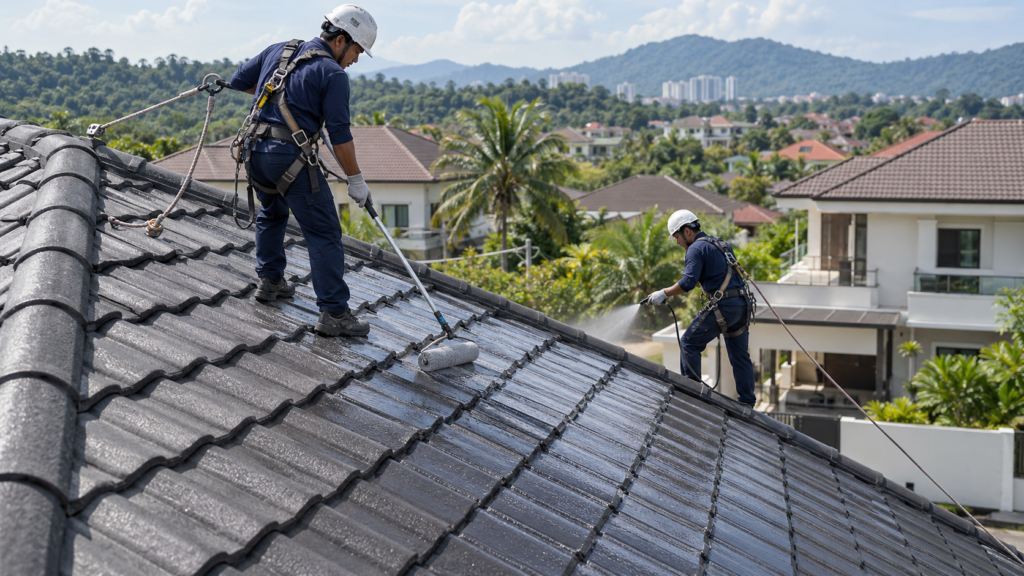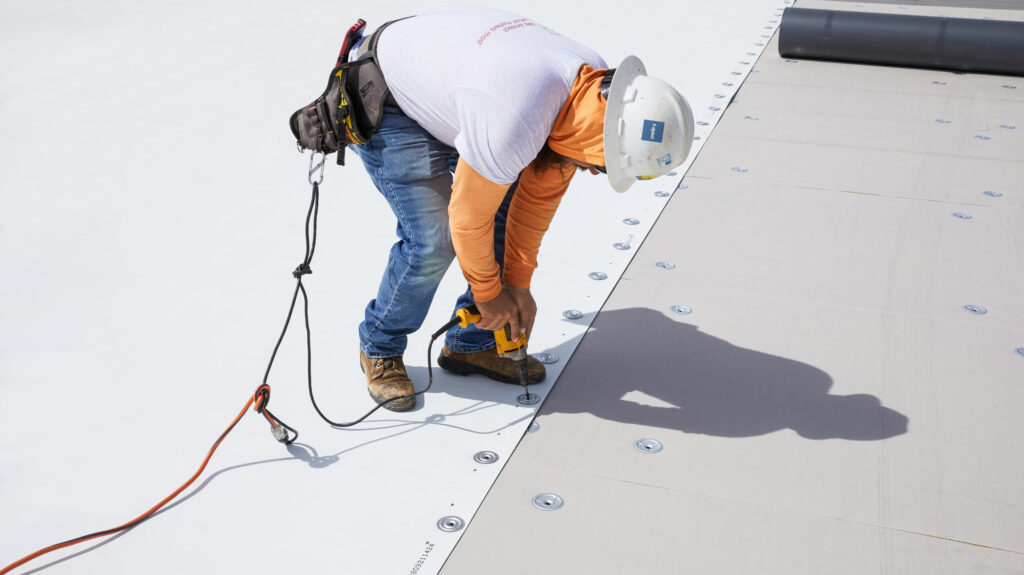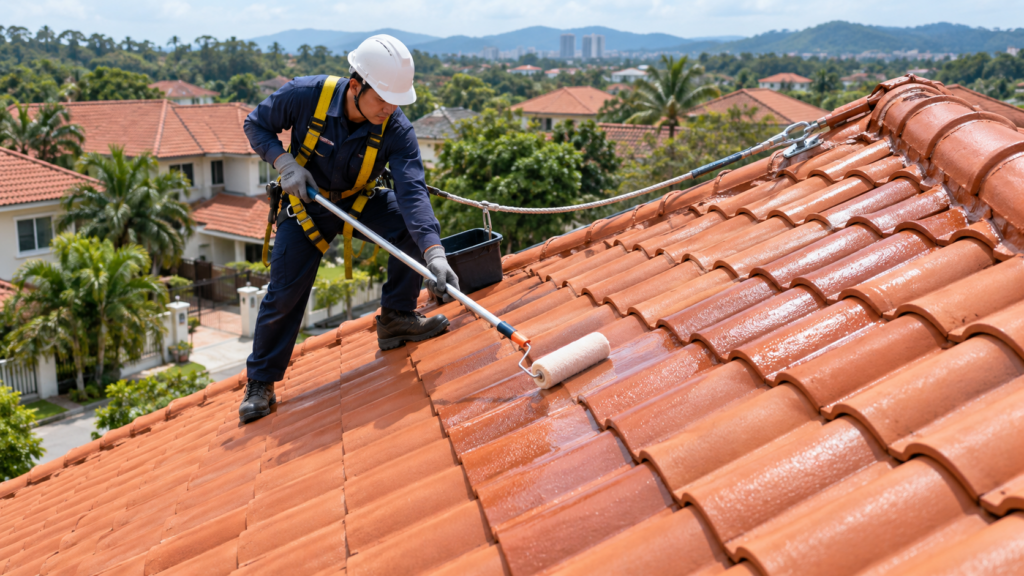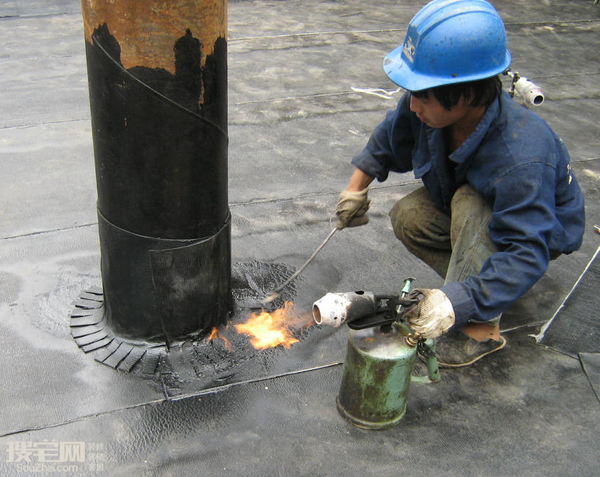
A torch-on membrane can look convincing on paper: thick rolls, bitumen-based composition, reinforcement, and a familiar installation method. But for a purchaser, consultant, or project owner, the harder question is not simply whether the membrane is “waterproof”. It is whether the product delivered to site matches the specification, has been independently assessed, and is suitable for the actual roof, podium, slab, or basement detail. This is where SIRIM certification becomes important—but it should be understood correctly. Certification helps verify the product, not the entire waterproofing outcome.
SIRIM Certification Helps Verify the Product, Not the Workmanship
For torch-on membrane waterproofing, SIRIM certification matters because it provides an independent reference point for product conformity. It helps the buyer confirm that the specific membrane model has been assessed against a stated standard or certification scope, rather than relying only on sales claims or packaging descriptions.
However, SIRIM certification does not automatically mean the installed waterproofing system will perform well. A certified membrane can still fail if the substrate is damp, the laps are poorly torched, the upturns are too low, the drainage is inadequate, or the membrane is used in the wrong exposure condition.
A useful way to think about it is this:
SIRIM certification can help confirm that a torch-on waterproofing membrane meets a defined product requirement, but it does not certify the site condition, installation quality, drainage design, detailing, or long-term maintenance. For project approval, certification should be checked together with the technical data sheet, method statement, substrate condition, and installer capability.
This distinction is important for project decision-makers. If a leak happens later, the failure may not come from the membrane roll itself. It may come from a corner detail, pipe penetration, parapet termination, cold joint, or ponding area that was never properly addressed.
What a Buyer Should Check on the SIRIM Certificate
A SIRIM reference is only useful if it matches the actual material being proposed or supplied. The certificate should not be treated as a generic brand badge.
Before approving a torch-on membrane waterproofing product, check whether the certificate clearly identifies:
The certificate holder or manufacturer
The exact product name, model, or membrane type
The relevant standard or certification scheme
The validity period or current certification status
Whether the certificate applies to the same thickness, reinforcement, or membrane grade being supplied
Whether markings on the roll or packaging correspond with the certified product
This is especially important when different membrane grades are available under the same brand or supplier. A 3 mm underlay membrane, a 4 mm mineral-finished cap sheet, and a heavy-duty reinforced membrane may serve different purposes. One certificate should not be assumed to cover every product variation unless the document clearly says so.
For larger projects, the certificate should be reviewed together with delivery records, batch identification, packaging labels, and the approved material submission. This reduces the risk of approving one product and receiving another.
Why Torch-On Membrane Performance Depends on More Than Thickness
Thickness is often the first thing people compare when evaluating torch-on membrane waterproofing. It is relevant, but it is not the whole decision.
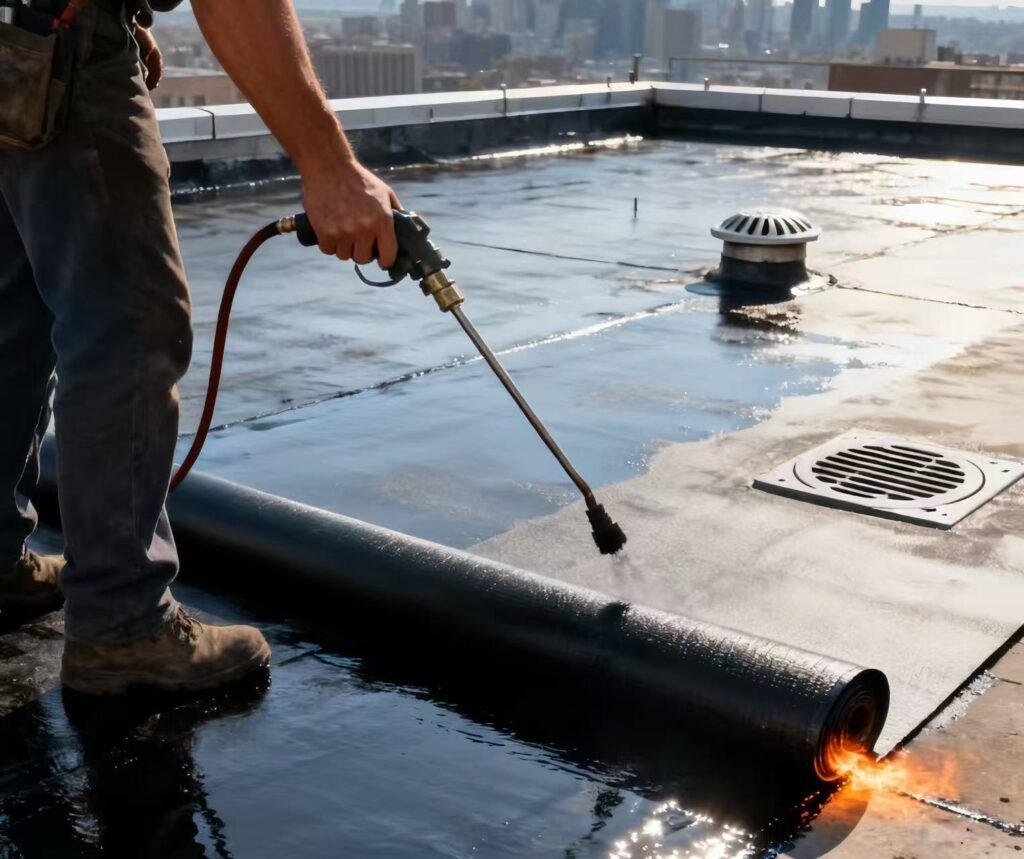
Torch-on membranes are commonly made from modified bitumen with reinforcement. Depending on the formulation and intended use, the membrane may be designed for flexibility, heat resistance, dimensional stability, or durability under protected or exposed conditions. A thicker membrane may offer more material mass, but performance also depends on reinforcement, modification type, surface finish, lap bonding, and compatibility with the substrate.
For example, a membrane used below a protective screed has different exposure demands from a membrane left exposed on a roof. A mineral-finished cap sheet may be selected for UV exposure, while another membrane may be intended as an underlayer within a multi-layer build-up. If the project requires foot traffic, maintenance access, or a tiled finish above the membrane, the total system build-up matters more than membrane thickness alone.
This is where certification and technical documentation should work together. SIRIM certification can support product verification, while the technical data sheet explains application scope, performance properties, installation requirements, and limitations.
Site Details That Can Defeat a Certified Membrane
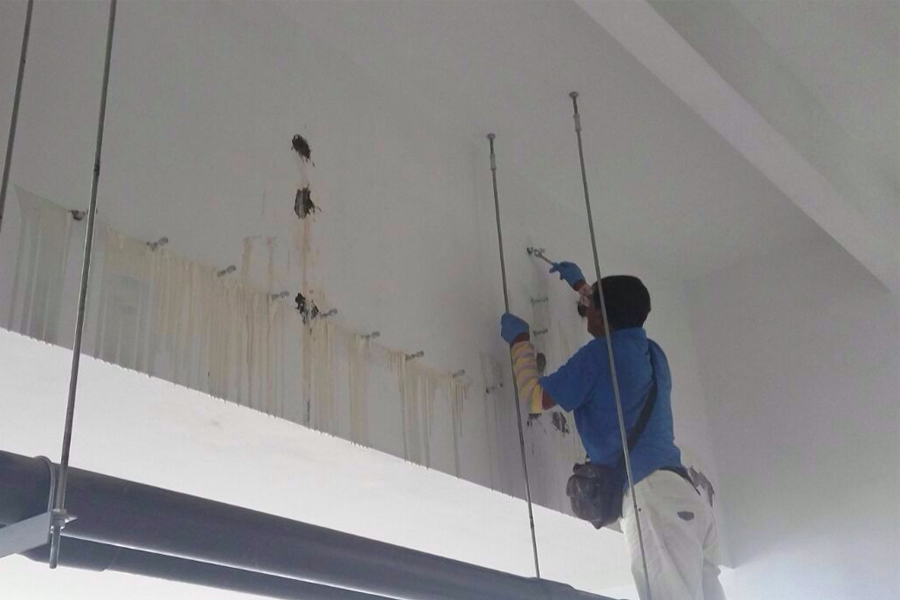
A certified torch-on membrane can still fail at weak site details. In many waterproofing projects, leakage does not occur through the middle of a properly bonded membrane sheet. It often starts at the edges, joints, and transitions.
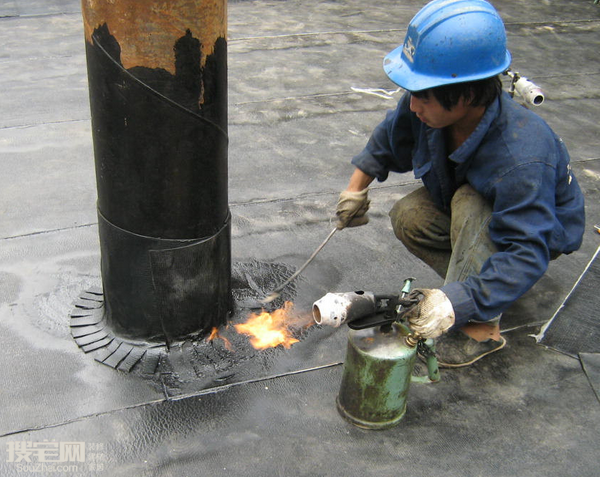
The most important details to inspect before approving torch-on membrane waterproofing include parapet upturns, internal and external corners, pipe penetrations, floor outlets, expansion joints, construction joints, and membrane terminations. These areas involve movement, changes in plane, or interruptions in the waterproofing layer.
Substrate condition is equally important. Torch-on application normally requires a sound, clean, dry, and properly prepared surface. If the concrete or screed contains trapped moisture, weak laitance, dust, oil, or loose areas, the membrane may not bond consistently. Blisters, debonding, or trapped vapour pressure can appear later, especially on exposed slabs.
Drainage is another common issue. A torch-on membrane is waterproof, but it should not be used as an excuse to ignore ponding water. Persistent standing water increases stress at laps, outlets, and low spots. If the roof or podium has poor falls, the waterproofing decision should include drainage correction, not only membrane selection.
When SIRIM Certification Becomes Especially Important
SIRIM certification is most valuable when the waterproofing decision involves formal approval, quality control, or long-term asset risk. For private homeowners, product suitability and workmanship may be the main concern. For commercial, industrial, and infrastructure projects, documentation becomes more important because multiple parties are involved.
Certification is particularly useful when:
A consultant or architect requires documented product conformity
A project owner wants stronger material control before approval
A contractor must submit waterproofing materials for review
The project involves roofs, podiums, basements, water-retaining or below-grade structures
Multiple suppliers are being compared
The waterproofing system is part of a larger construction specification
In these situations, certification helps reduce ambiguity. It gives the approving party a clearer basis for accepting or rejecting a proposed membrane.
But it should not replace project-specific review. A certified torch-on membrane may still be unsuitable if hot works are restricted, access is difficult, the substrate is not compatible, the area has active movement, or the design requires a different waterproofing system.
How QingLong Approaches Product Selection and System Suitability
QingLong Waterproofing supplies waterproofing products and systems for residential, commercial, industrial, and infrastructure projects in Malaysia. For torch-on membrane waterproofing or alternative waterproofing systems, the practical question is not only which product has the right documentation, but whether the system fits the site condition.
For example, a data centre roof, an underground structure, a generator building, and an external wall do not share the same waterproofing risk profile. In project environments, waterproofing areas such as base slabs, pipe penetrations, internal and external corners, expansion joints, roofs, and underground structures require different detailing decisions.
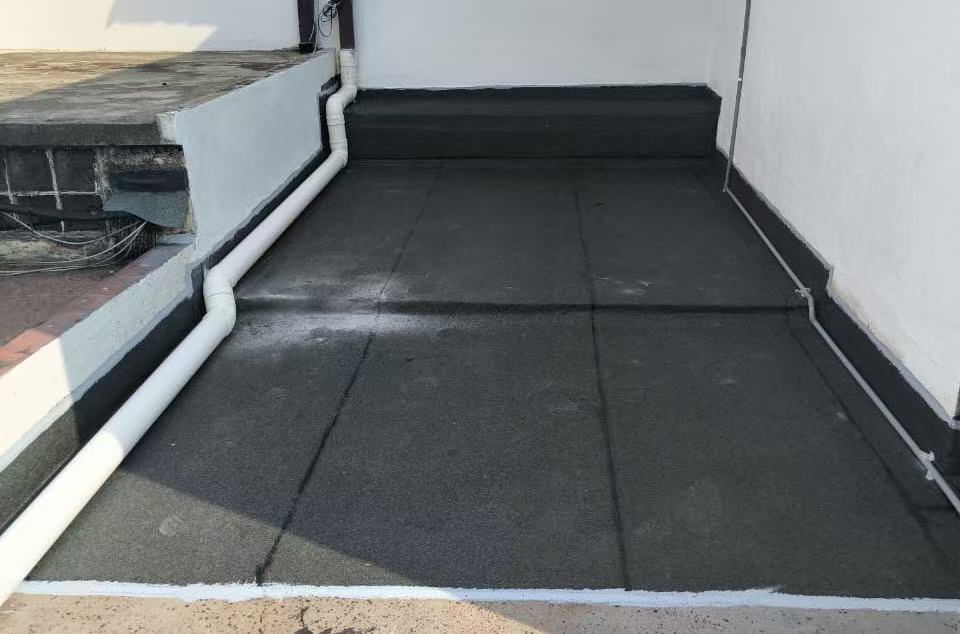
QingLong’s role as a waterproofing manufacturer, supplier, and service provider allows product selection to be considered together with application method, substrate condition, detailing, and maintenance expectations. Where SIRIM certification, technical data sheets, method statements, or product submissions are required, these documents should be reviewed against the actual project specification and site conditions before approval.
The key point is simple: documentation supports the decision, but the waterproofing system still has to be buildable on site.
Practical Approval Questions Before Using Torch-On Membrane Waterproofing
Before approving a torch-on membrane, the buyer or specifier should ask a few project-specific questions.
Is the membrane intended for exposed use, protected use, or part of a multi-layer system? Is the substrate dry, sound, and suitable for torch application? Are upturn heights, terminations, outlets, and penetrations clearly detailed? Is there proper drainage fall, or will water remain on the membrane? Are there restrictions on hot works, fire safety, or access? Does the SIRIM certificate match the exact product delivered to site?
These questions prevent a common mistake: treating waterproofing approval as a material purchase only. Torch-on membrane waterproofing is a system decision. The roll is important, but the installed performance depends on the relationship between material, substrate, details, workmanship, and exposure.
Conclusion
SIRIM certification matters because it gives project owners, consultants, and purchasers a stronger basis for verifying the torch-on membrane product being proposed. But the certificate should not be mistaken for a guarantee that every roof, podium, slab, or basement detail has been properly waterproofed. The better decision is to use certification as one part of approval: confirm the product, check the technical data, review the site condition, and make sure the detailing is suitable for the actual application.
If you need to review whether torch-on membrane waterproofing or another system is suitable for your project, you can contact QingLong Waterproofing for technical advice and project assessment.