Common Causes of Bathroom Water Leakage and How to Prevent Them
Bathroom leakage is one of the most common waterproofing problems faced by homeowners, property managers, and building owners in Malaysia. What often begins as a small damp spot or discoloured ceiling can gradually develop into peeling paint, mould growth, structural damage, and costly repairs if left untreated.
In many cases, the visible leak is not the actual source of the problem. Water can travel through tile joints, concrete slabs, wall cavities, or plumbing systems before appearing elsewhere.
Understanding the common causes of bathroom leakage allows you to identify problems early, select the appropriate repair method, and prevent further damage.
This Guide Covers
✔ Early warning signs of bathroom leakage
✔ Common causes of bathroom water seepage
✔ What each symptom indicates
✔ When waterproofing repair is necessary
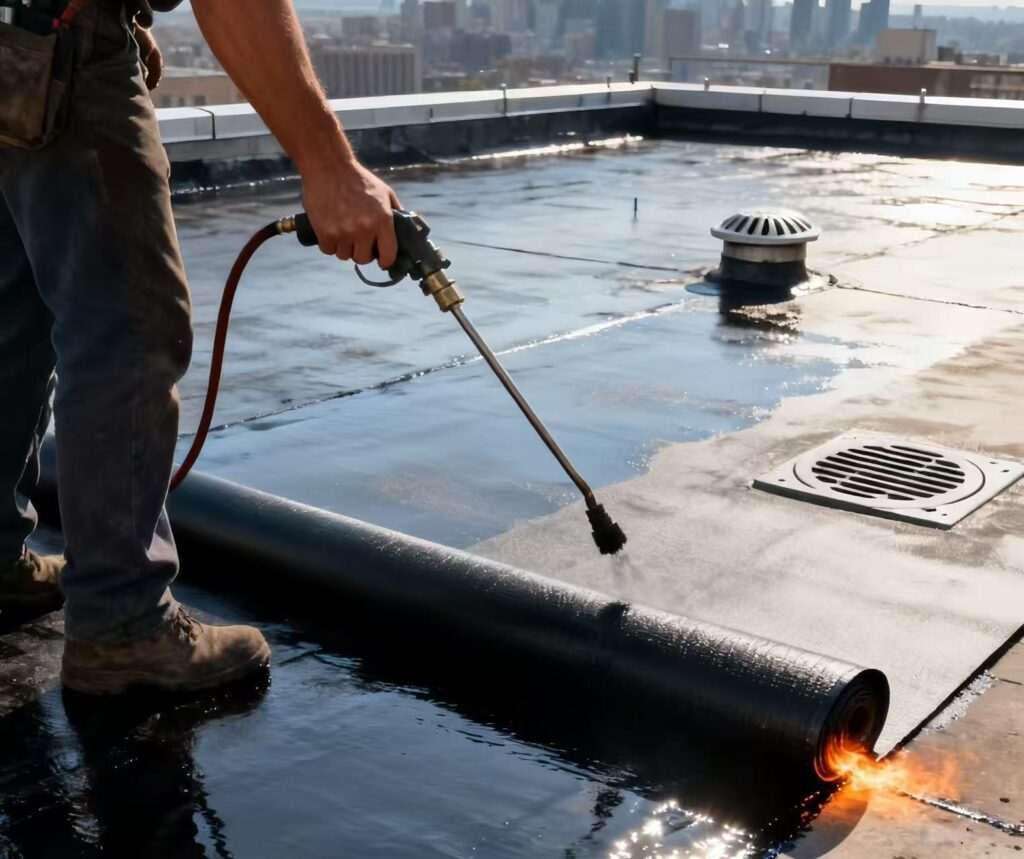
Water leaking from your toilet or bathroom floor into your neighbour’s ceiling is one of the most common waterproofing problems in apartments, condominiums, and landed homes. Traditionally, repairing a failed waterproofing system meant hacking up floor tiles, replacing the membrane, and retiling the entire area—a process that is expensive, noisy, messy, and disruptive.
Today, no hacking waterproofing technology offers a faster and cleaner alternative. Instead of removing tiles, these methods repair water leakage while preserving your existing flooring.
But not all no hacking waterproofing methods work the same way. We will be exploring three no hacking waterproofing methods: PU Injection, and QL No.3 Transparent Waterproofing Coating—to help you understand how each system works, its advantages, and its long-term performance.
Common Signs and Causes of Bathroom Leakage
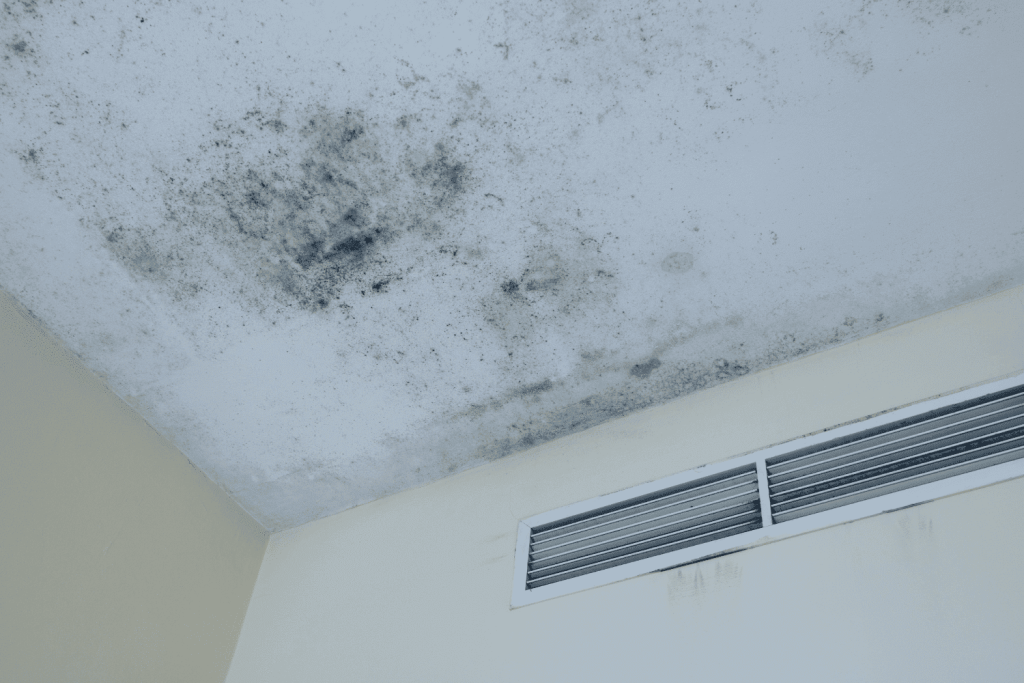
1. Black or Greenish Ceiling Spots- Early Sign of Leakage
One of the earliest signs of bathroom leakage is the appearance of black, greenish, or yellowish spots on the ceiling beneath the bathroom. These stains usually develop gradually as moisture seeps through damaged tile joints or a failed waterproofing system. Although they may seem minor at first, they often indicate an underlying waterproofing problem that should be addressed before the damage becomes more extensive.
Signs of This Problem
✔ Small dark spots on the ceiling
✔ Damp patches beneath the bathroom
✔ Spots gradually becoming larger
Common Causes
✔ Cracked, loose, or deteriorated tile grout and joints
✔ Water seeping through gaps between floor tiles
✔ Failed or aging waterproofing membrane beneath the tilesr
What It Indicates
These ceiling stains are often the first visible sign that water is penetrating through the bathroom floor and reaching the ceiling below. Early inspection can help identify the exact source of the leakage and prevent more serious damage, such as peeling paint, mould growth, or weakened ceiling plast.
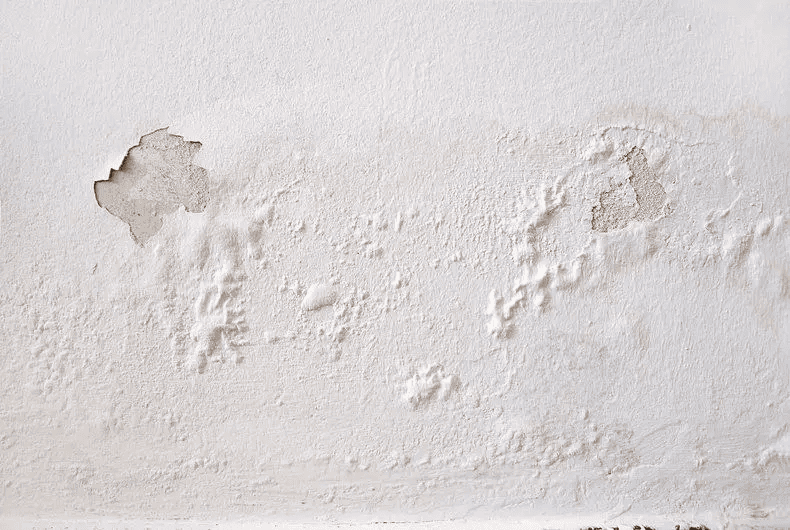
2. Stains and Peeling Paint on Walls – A Sign of Hidden Water Seepage
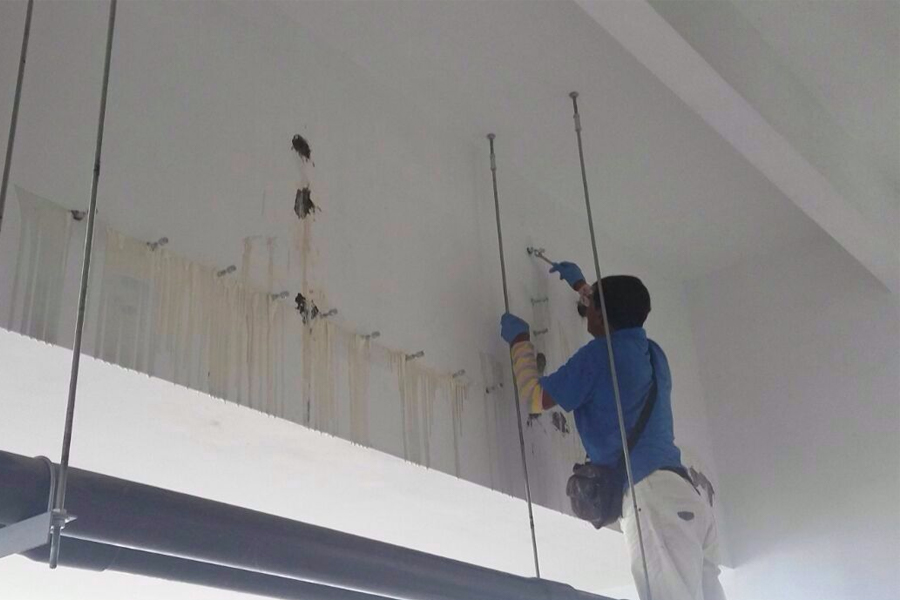
Stains, bubbling paint, or peeling wall finishes are clear signs that moisture is spreading beyond the bathroom. As water continues to penetrate the surrounding walls, the damage becomes more noticeable and can affect both the appearance and integrity of the wall. This is a strong sign of underlying Bathroom Leakage Causes.
Signs of This Problem
✔ Peeling or bubbling paint
✔ Yellow or brown water stains
✔ White powdery deposits (efflorescence)
Common Causes
✔ Moisture migrating from the bathroom into adjacent walls
✔ Cracked or deteriorated tile joints and grout
✔ Leaking concealed plumbing pipes or pipe joints
✔ Failed waterproofing behind wall tiles
What It Indicates
This sign clearly shows hidden Bathroom Leakage Causes, where water has started spreading beyond the bathroom area. A professional inspection can help determine whether the source is a waterproofing failure, damaged tile joints, or concealed plumbing, allowing the correct repair method to be applied before the damage worsens.
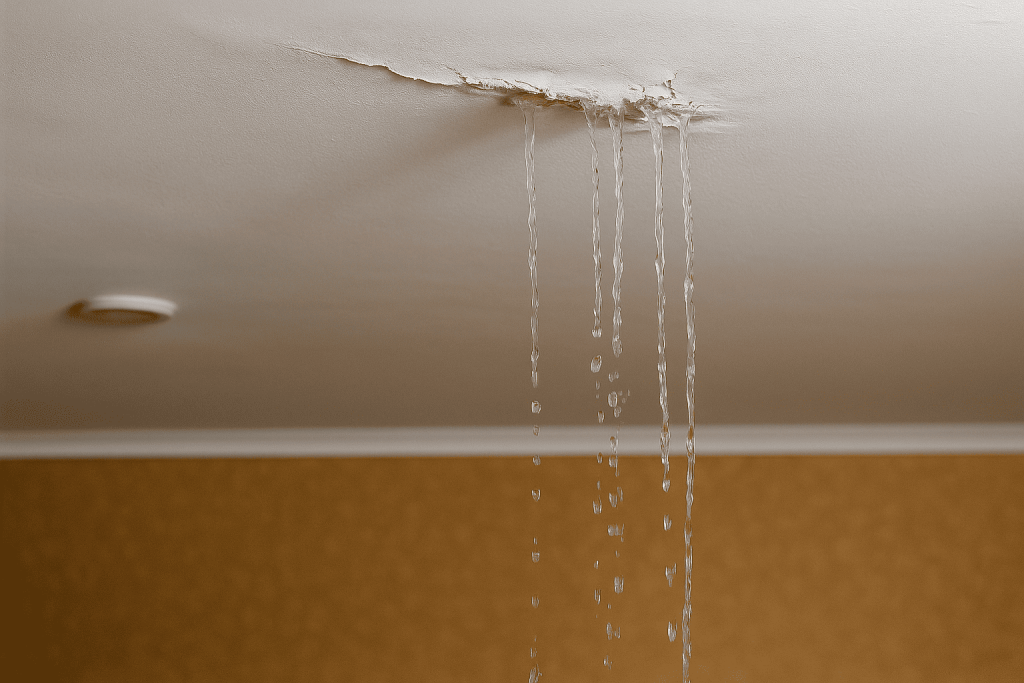
Water dripping from the ceiling is a clear indication that the leakage has progressed beyond the early stages. At this point, water is actively penetrating the building structure, and prompt inspection is essential to prevent further damage to ceilings, walls, and the surrounding structure.
Signs of This Problem
✔ Water dripping during or after bathroom use
✔ Continuous leakage from the ceiling
✔ Wet patches with active dripping
Common Causes
✔ Faulty or blocked drainage system
✔ Loose, cracked, or damaged plumbing pipe joints
✔ Failed or deteriorated waterproofing membrane
What It Indicates
It usually indicates that the waterproofing system or plumbing has failed and requires immediate attention. Delaying repairs can lead to more extensive structural damage, mould growth, ceiling deterioration, and significantly higher repair costs.
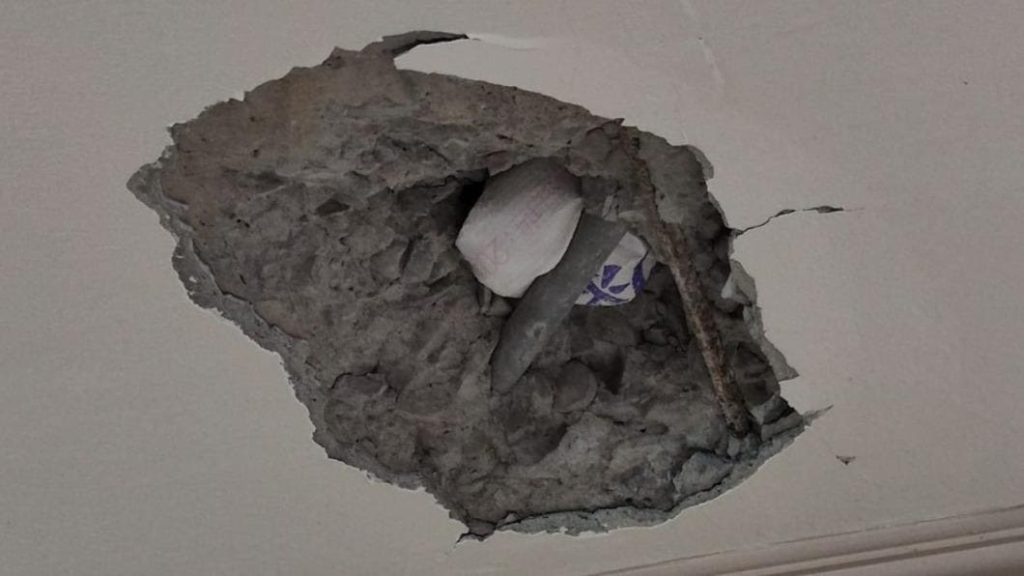
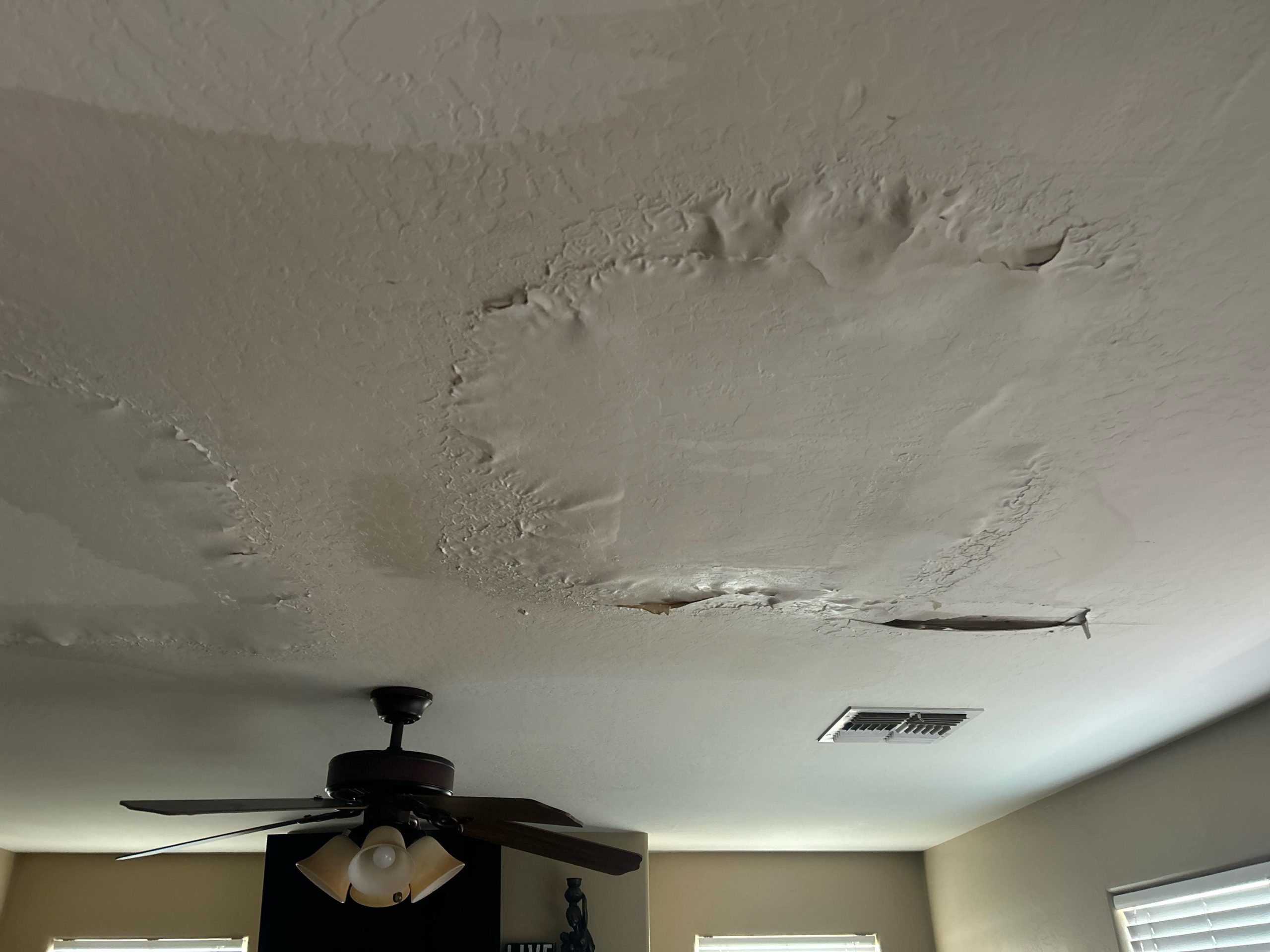
Damaged or falling ceiling plaster is one of the most advanced signs of prolonged bathroom leakage. Continuous water seepage weakens the plaster, concrete, and embedded reinforcement over time, increasing the risk of structural deterioration if left untreated.
Signs of This Problem
✔ Swollen, cracked, or sagging ceiling
✔ Plaster peeling or falling off
✔ Rust stains or exposed reinforcement bars
Common Causes
✔ Long-term water seepage through the bathroom floor
✔ Ignoring early leakage signs
✔ Continuous moisture trapped inside the concrete slab
What It Indicates
This is the most serious stage of bathroom leakage, indicating that water has been penetrating the structure for an extended period. Immediate professional inspection and repair are recommended to prevent further structural damage, ensure occupant safety, and avoid significantly higher restoration costs.
Proper bathroom waterproofing protects not only the bathroom itself but also the surrounding building structure.
A professionally installed waterproofing system helps:
✔ Prevent water seepage into neighbouring units
✔ Protect ceilings and walls from moisture damage
✔ Reduce mould and mildew growth
✔ Prevent paint peeling and efflorescence
✔ Extend the lifespan of tiles and finishes
✔ Reduce future repair and maintenance costs
Waterproofing is considerably more cost-effective than repairing extensive water damage after leakage has spread throughout the building.
Bathroom Waterproofing Solutions
The most suitable waterproofing solution depends on the actual cause of the leakage. A proper inspection should always be carried out before selecting a repair method.
At QingLong Waterproofing, common bathroom waterproofing solutions include:
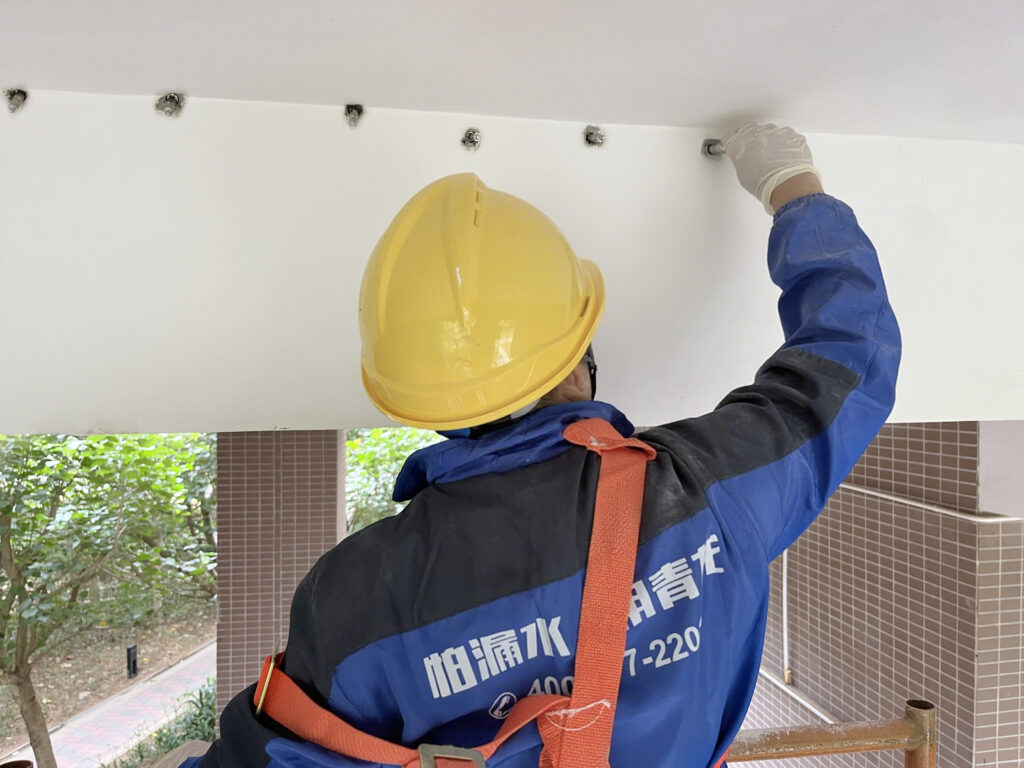
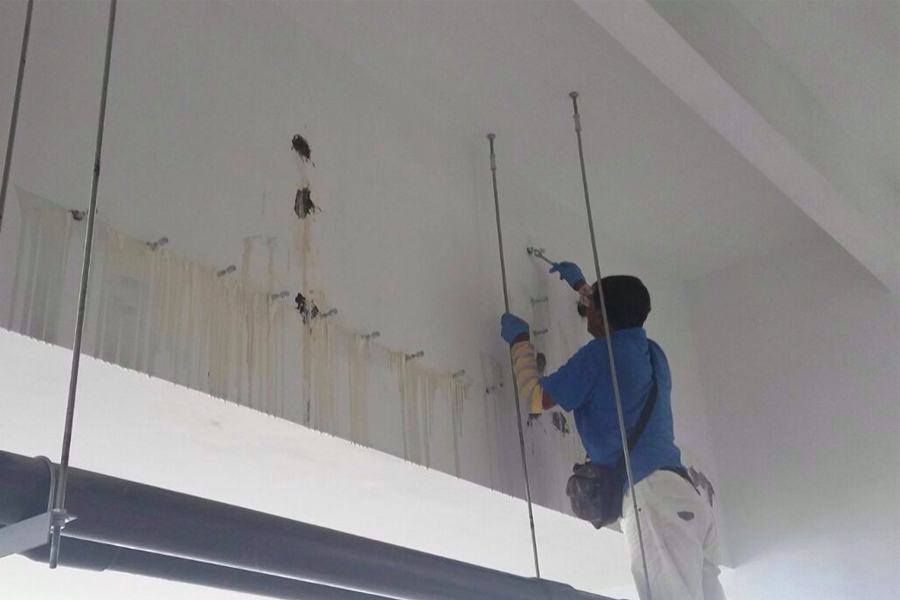
PU Injection
Suitable for sealing active cracks and voids where water is leaking through concrete. PU Injection helps stop active leakage but does not replace the original waterproofing membrane beneath the tiles.
QL No.3 Transparent Waterproofing Coating
An ideal no-hacking waterproofing solution for bathrooms with sound existing tiles. This transparent coating penetrates tile joints and creates a protective waterproof layer without changing the appearance of the tiles.
No Hacking. No Mess. Easy Application. Long-Lasting Surface Protection.
Why Choose QingLong Waterproofing?
With over 30 years of waterproofing expertise, QingLong Waterproofing delivers reliable waterproofing solutions for residential, commercial, industrial, and infrastructure projects across Malaysia.
Rather than simply treating visible symptoms, our team identifies the actual source of water leakage before recommending the most suitable repair solution. This diagnostic approach helps property owners avoid unnecessary repairs while achieving longer-lasting waterproofing performance.
We Provide
✔ Professional waterproofing inspections and leak diagnosis
✔ No-hacking bathroom waterproofing solutions
✔ Experienced CIDB-certified waterproofing teams
Frequently Asked Questions (FAQs)
1. What is the most common cause of bathroom leakage?
The most common causes include failed waterproofing membranes, cracked tile grout, damaged sealant, leaking plumbing pipes, and drainage defects.
2. Can bathroom leakage be repaired without hacking tiles?
Yes. In many cases, no-hacking waterproofing systems such as QL No.3 Transparent Waterproofing Coating No Hacking Waterproofing System can effectively resolve leakage while preserving existing floor tiles.
3. How do I know if the leak is from plumbing or waterproofing?
A professional inspection can determine whether the leakage originates from concealed plumbing pipes, drainage systems, or a failed waterproofing layer. Correct diagnosis is essential before repairs begin.
4. How can I identify early signs of bathroom leakage?
Early signs include black spots on ceilings, peeling wall paint, damp patches, and a musty smell. These signs indicate hidden Bathroom Leakage Causes that should be fixed quickly.
5.What is the best solution to fix bathroom leakage?
The best solution is proper waterproofing after identifying the exact Bathroom Leakage Causes. This may include crack filling, tile joint sealing, and applying waterproof coatings.