A torch-on membrane can look like a strong, finished waterproofing layer on a flat roof. Once installed, the surface appears continuous, thick and tough. But if that membrane is left exposed, one question becomes important before approval: is the top surface designed to withstand direct sunlight? For a Johor Bahru building owner or facility manager comparing roof waterproofing options, UV resistance is not just a product feature. It affects whether the membrane can remain exposed, whether it needs protection, and how vulnerable the roof becomes at laps, edges, outlets and maintenance traffic areas.
UV Resistance Matters Most When the Torch-On Membrane Is Exposed
For an exposed roof, UV resistance matters because sunlight gradually ages bituminous waterproofing materials. A torch-on membrane that is intended to be covered by screed, tiles or another protective layer should not automatically be treated as a final exposed roof surface. The practical question is not whether torch-on membrane is “good” or “bad”, but whether that specific membrane build-up is suitable for direct weather exposure.
A torch-on membrane installed below a protective screed faces a different environment from one left open on a roof slab. When covered, the waterproofing layer is shielded from direct sunlight, although drainage, screed cracking and trapped moisture still need attention. When exposed, the membrane surface receives direct heat, UV radiation, rainwater impact and occasional foot traffic during inspection or maintenance.
That difference changes the specification. A plain or non-exposed-grade bituminous membrane may rely on another layer for protection. A mineral-surfaced, slate-surfaced or aluminium-finished torch-on membrane may be designed to tolerate exposed conditions, subject to the manufacturer’s technical data sheet and correct installation.
The main decision is simple: if the torch-on membrane will be the final exposed waterproofing surface, UV resistance should be verified before installation, not assumed after leakage appears.
Torch-On Membrane Surface Finish Is Not Just Cosmetic
The top finish of a torch-on membrane is part of its protection strategy. On exposed roofs, the surface finish helps slow down ageing of the bitumen layer underneath. This is why two membranes that look similar in thickness can perform differently under sunlight.
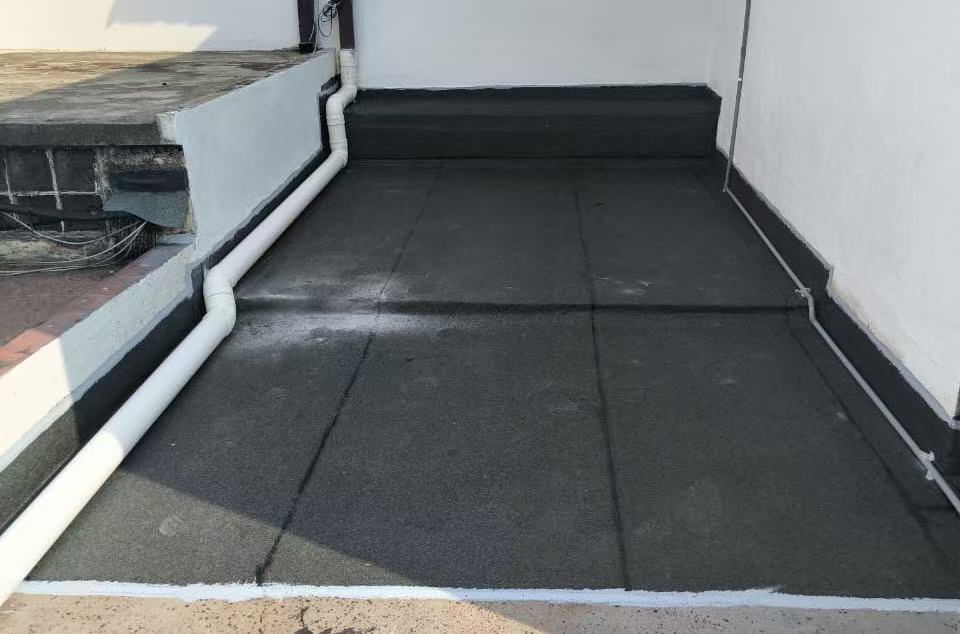
A mineral-surfaced membrane uses granules to shield the bitumen surface from direct UV exposure. Aluminium foil or reflective finishes may be used in some systems to reduce direct solar impact, depending on the product design. Other membranes may have sanded, film-faced or smooth surfaces intended for bonding, overlapping or protection under another roof build-up rather than long-term exposure.
This matters because the failure may not begin as an obvious tear. UV ageing can show up as surface hardening, brittleness, cracking, loss of flexibility or deterioration around stressed details. Once the membrane loses flexibility, normal roof movement becomes harder for the system to accommodate. Laps, upturns and terminations may then become more vulnerable.
A suitable exposed torch-on membrane should be checked for:
exposed-use classification or manufacturer approval for open weathering;
top surface protection such as mineral, slate or compatible reflective finish;
reinforcement type and dimensional stability;
compatibility between primer, membrane, lap treatment and detailing materials;
required protection at high-traffic maintenance paths.
Thickness alone does not answer these points. A thicker membrane without the right exposed surface may still be unsuitable as the final layer on a roof.
Johor Bahru Roof Conditions Can Make Surface Exposure More Demanding
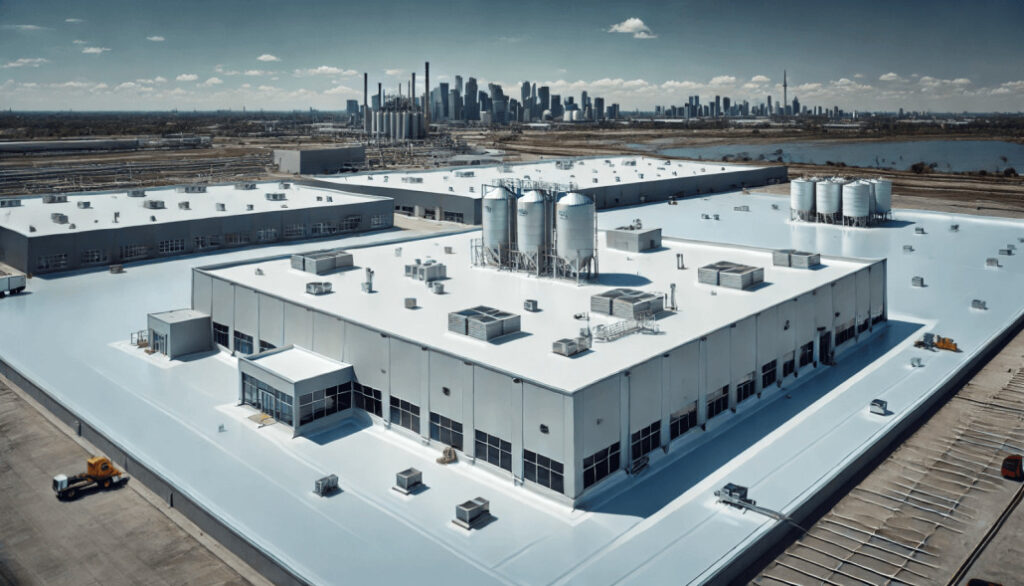
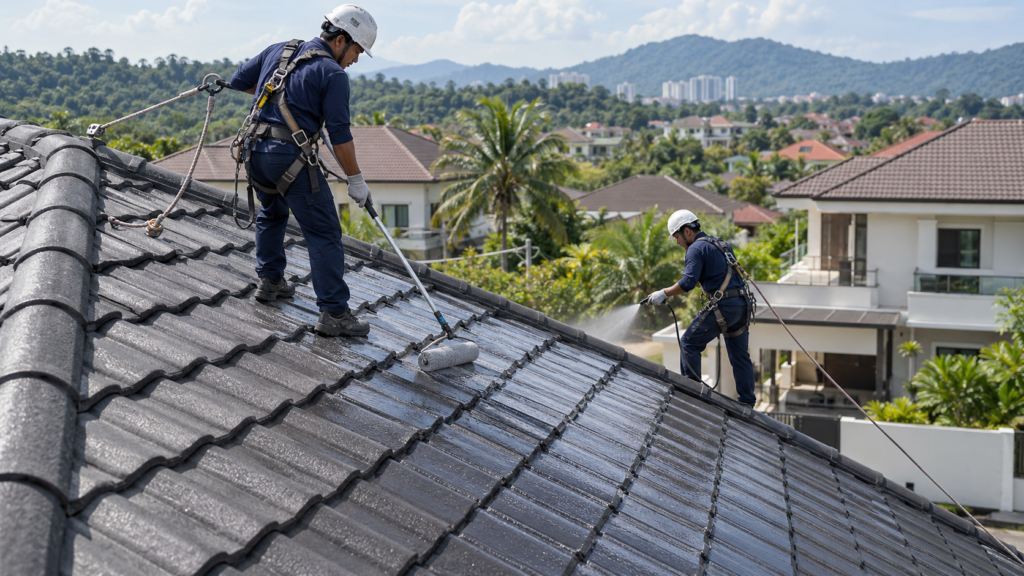
Johor Bahru should not be used as a generic keyword in a waterproofing decision. The local relevance is practical: many commercial, industrial and residential buildings in Johor Bahru rely on exposed flat roofs, rooftop equipment areas, water tanks, service penetrations and maintenance access. If the roof membrane is open to the weather, UV resistance becomes part of the roof’s service condition.
Direct sunlight is only one part of the exposure. A roof in service may also face repeated heating and cooling, sudden rain after heat build-up, localised ponding near outlets, and movement around upturns or penetrations. These conditions do not mean torch-on membrane cannot be used. They mean the selected torch-on membrane system must match the roof layout and maintenance pattern.
For example, a large open roof with few obstructions may be easier to detail and inspect. A roof with many pipe penetrations, plinths, air-conditioning supports and cable trays has more weak points. UV resistance helps protect the field membrane, but it does not compensate for poor detailing around these interruptions.
This is where a roof assessment should separate two questions. First, is the membrane surface suitable for exposed weathering? Second, are the roof details designed so that water cannot enter behind or under the membrane system? Both questions matter.
UV Resistance Cannot Rescue Poor Drainage or Weak Detailing
A UV-resistant torch-on membrane can still fail if the roof holds water, has weak lap bonding, or terminates badly at parapet walls. UV resistance protects against one ageing mechanism. It does not turn an unsuitable roof detail into a reliable one.
Ponding is a common example. If water remains on the membrane for long periods, the roof should be checked for drainage falls, blocked outlets, depressed slab areas or poor screed levels. Some membranes tolerate occasional wetting as part of normal roof exposure, but long-term standing water can stress laps, surface finishes and termination points. Product suitability for ponding should be checked in the technical data, not guessed from appearance.
Edges are another important detail. A torch-on membrane must be properly terminated at parapets, walls, kerbs and vertical upturns. If the membrane edge is left exposed without secure termination, water may track behind the sheet. Once water enters below the membrane, the roof may leak even if the main membrane surface is still intact.
Penetrations also deserve attention. Pipes, roof drains, brackets and equipment bases interrupt the membrane layer. These areas require compatible detailing, reinforcement and sealing. On a hot exposed roof, movement between different materials can stress the waterproofing connection. UV resistance on the main sheet does not solve incompatible sealant, loose collars or unsupported upturns.
How to Verify a Torch-On Membrane Before Approving It
A building owner or facility manager does not need to become a membrane specialist, but several checks should be made before approving a Johor Bahru torch-on membrane system for an exposed roof.
Start with the manufacturer’s technical data sheet. It should state the membrane type, thickness, reinforcement, surface finish, application method and suitable exposure conditions. If the roof will remain exposed, the document should support exposed use. If the system requires a protective screed, coating or topping, that requirement should be included in the project scope.
Next, check the roof build-up. Is the membrane being applied directly over concrete, over an existing membrane, over screed or over another substrate? Each condition changes the preparation requirement. Loose screed, trapped moisture, dusty surfaces, oil contamination or poorly bonded existing coatings can affect adhesion and long-term performance.
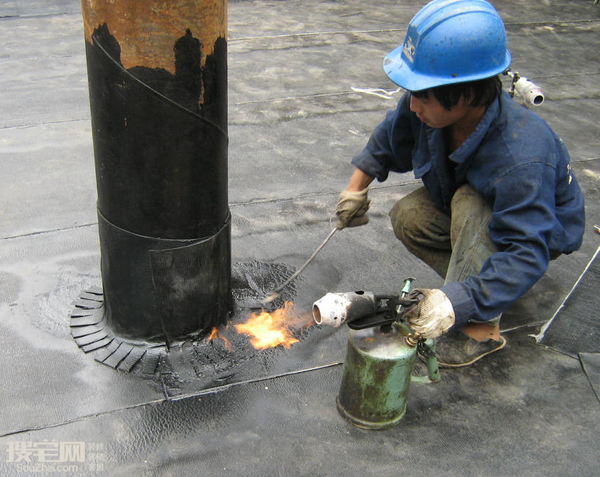
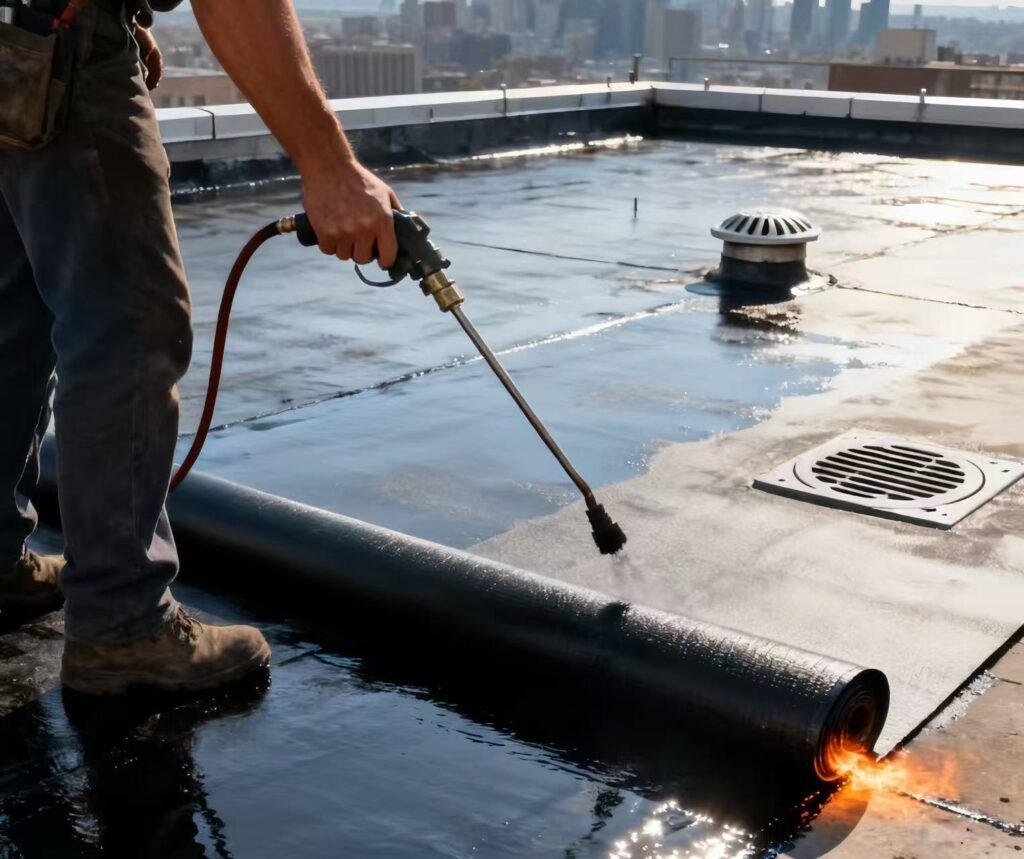
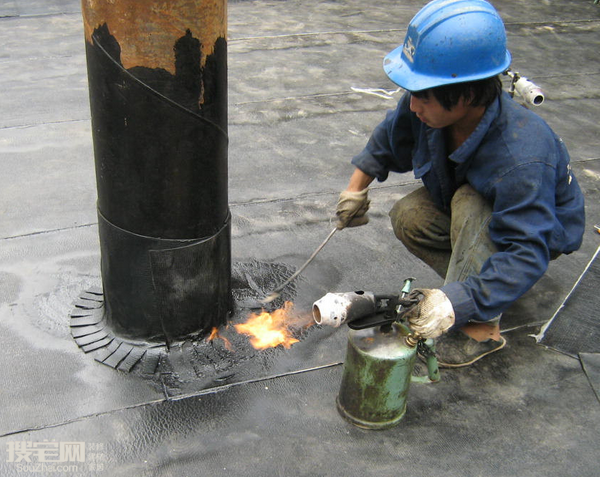
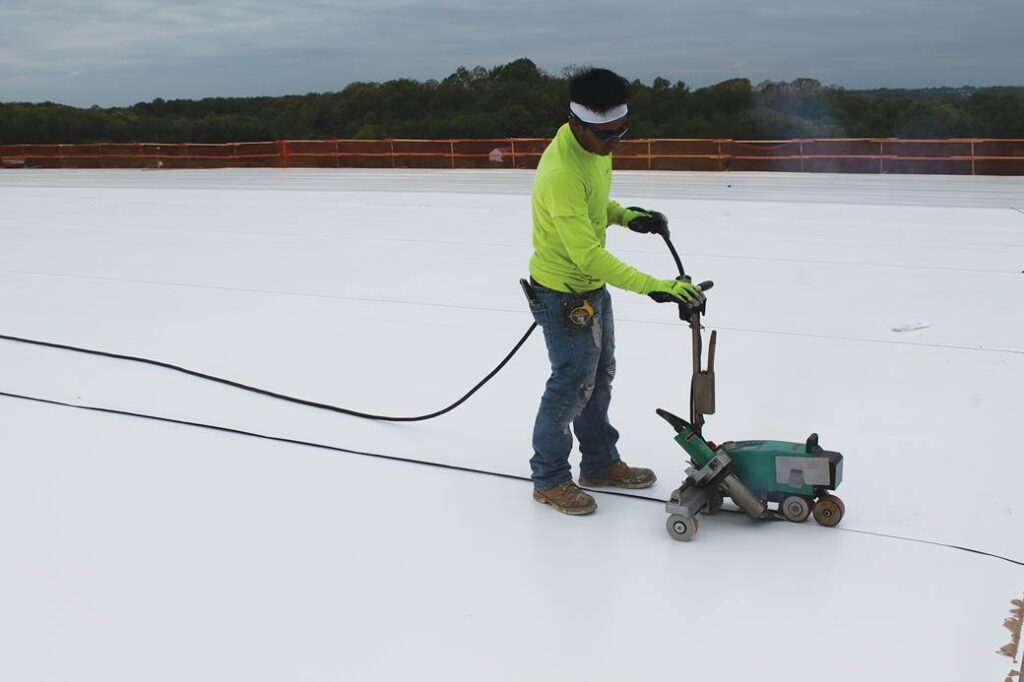
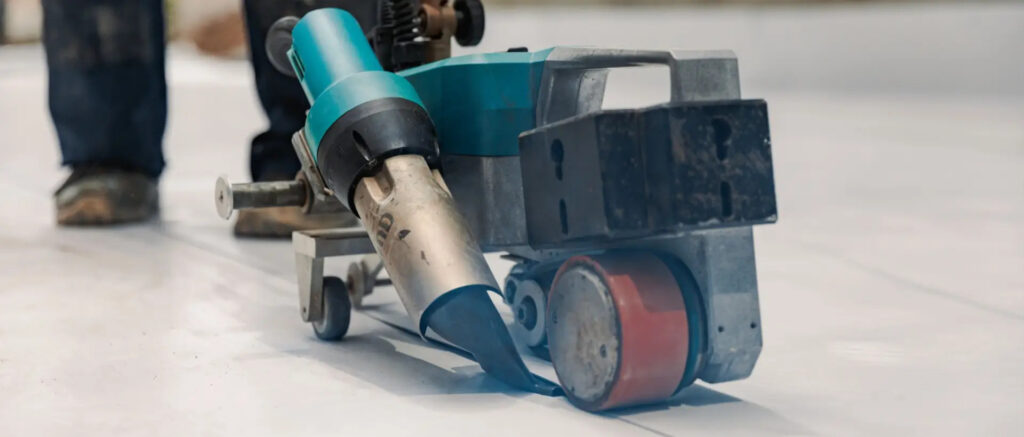
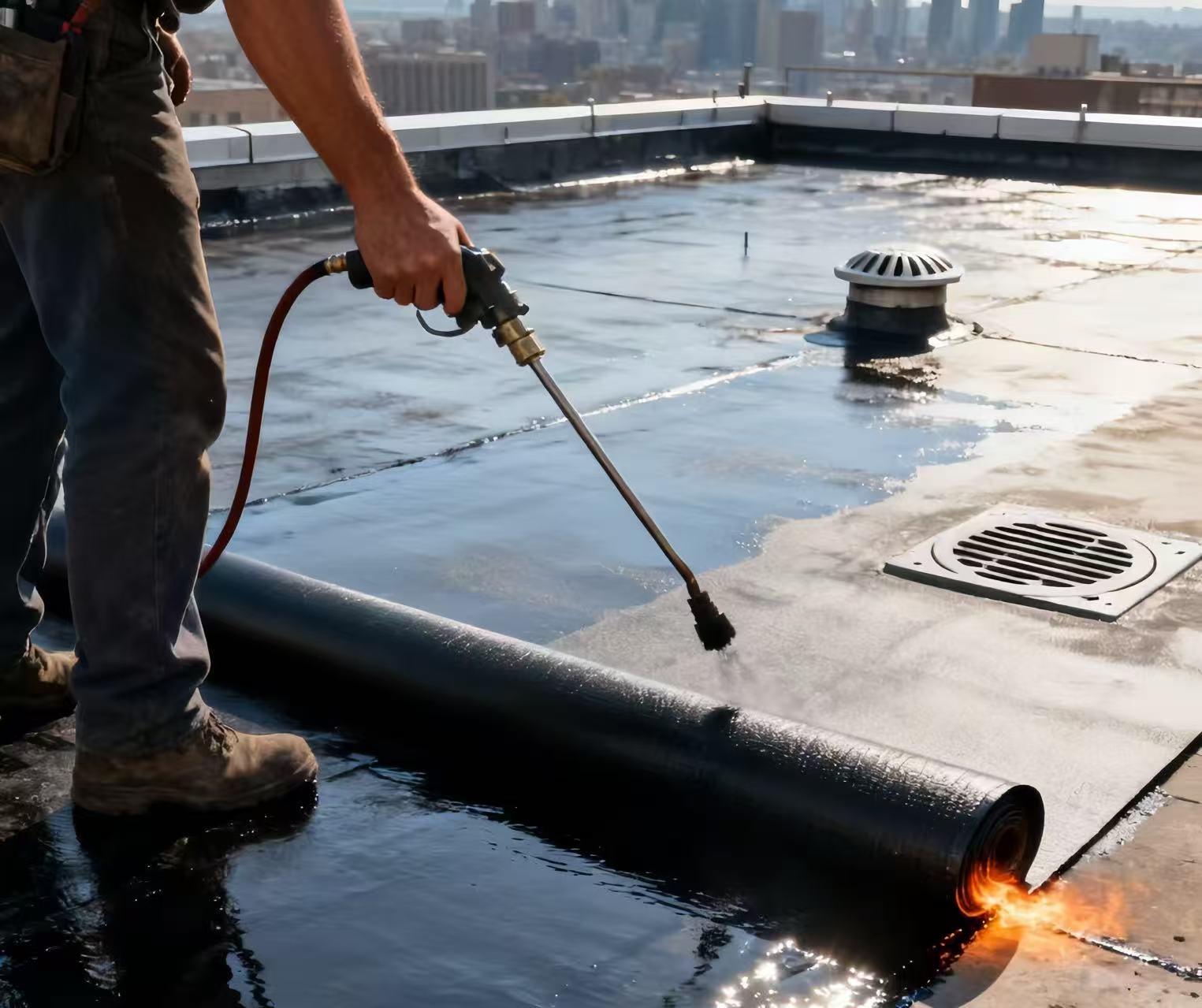
Application quality also matters. Torch-on membranes depend on proper heat application, lap formation and bonding. Overheating may damage the sheet. Underheating may leave weak adhesion. Laps must be fully bonded, and detailing should be completed with compatible materials. A membrane that is technically suitable for UV exposure can still perform poorly if installed over an unsuitable surface or applied incorrectly.
Before approval, the key verification points are:
whether the membrane is designed for exposed or protected use;
whether the roof has adequate falls and working outlets;
whether parapets, upturns, penetrations and drains have proper detailing;
whether the substrate is dry, clean, stable and suitable for bonding;
whether maintenance access will damage the finished membrane surface.
These checks help avoid a common mistake: selecting the membrane by brand name or thickness only, while ignoring how the roof will actually be used.
 When a Protective Layer or Another Waterproofing System May Be Better
An exposed torch-on membrane is not always the best answer. If the roof has frequent service access, heavy maintenance traffic or equipment work, a protective topping or walkway system may be needed to reduce surface damage. UV resistance protects against sunlight; it does not prevent puncture from tools, sharp edges or repeated foot traffic.
If the roof is to be tiled, screeded or covered, the membrane selection should suit that build-up. The waterproofing layer may need protection from mechanical damage during subsequent works. The connection between waterproofing, screed, tile adhesive, falls and outlets must be considered as one system rather than separate trades.
In some projects, a liquid-applied coating system may be considered where the roof has many small details, irregular shapes or difficult penetrations. In other cases, torch-on membrane remains practical because it provides a factory-formed sheet with controlled thickness and defined laps. The right choice depends on the roof condition, exposure, detailing complexity, access and intended finish.
QingLong Waterproofing supplies and applies waterproofing systems for residential, commercial and industrial projects in Malaysia. For a roof where UV exposure, existing substrate condition or detailing is uncertain, the useful next step is not to choose a product name first, but to confirm the roof’s exposure and protection requirements.
Conclusion
For a Johor Bahru torch-on membrane roof, UV resistance matters when the membrane is left exposed as the final waterproofing surface. If the membrane will be protected by screed, tiles or another suitable layer, direct UV exposure becomes less central, but drainage and build-up compatibility still matter. The safest decision is to verify the membrane’s intended exposure, surface finish, detailing method and substrate condition before work starts. If you are unsure whether torch-on membrane is suitable for your roof, you can contact QingLong Waterproofing for project-specific waterproofing advice.