In this article, we’ll explain how PU injection works, why active leaks develop, what property owners should check before repair, and how a proper waterproofing service can reduce repeat leakage.
Why Active Leaks Happen in Central Melaka Buildings
Central Melaka has a unique building environment. Some properties are old masonry or reinforced concrete structures that have gone through many rounds of renovation. Others are newer commercial units where air-conditioning pipes, drainage outlets, rooftop equipment, or internal partitions have been added after construction. Every change creates possible weak points if waterproofing details are not treated correctly.
Why do active leaks appear suddenly during heavy rain? In many cases, water has already found a path behind tiles, inside concrete cracks, or along a pipe sleeve. During normal weather, the area may only look damp. When rain is continuous, water pressure increases and pushes through the weakest opening. This is why a ceiling stain can become dripping water within minutes during a storm.
Another common issue is hidden water movement. A leak seen on a ground floor ceiling may not come directly from the room above. Water can travel along beams, conduits, wall cavities, or slab joints before appearing at the easiest exit point. This is one reason experienced diagnosis matters in Malaysia waterproofing projects. Repairing only the visible stain often leads to the same complaint after the next rainfall.
How PU Injection Stops Water Under Pressure
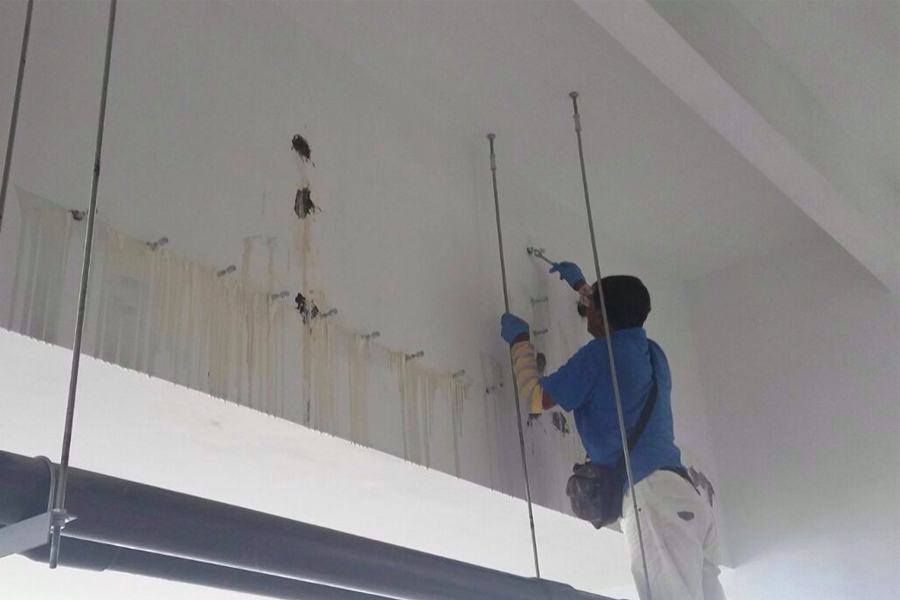
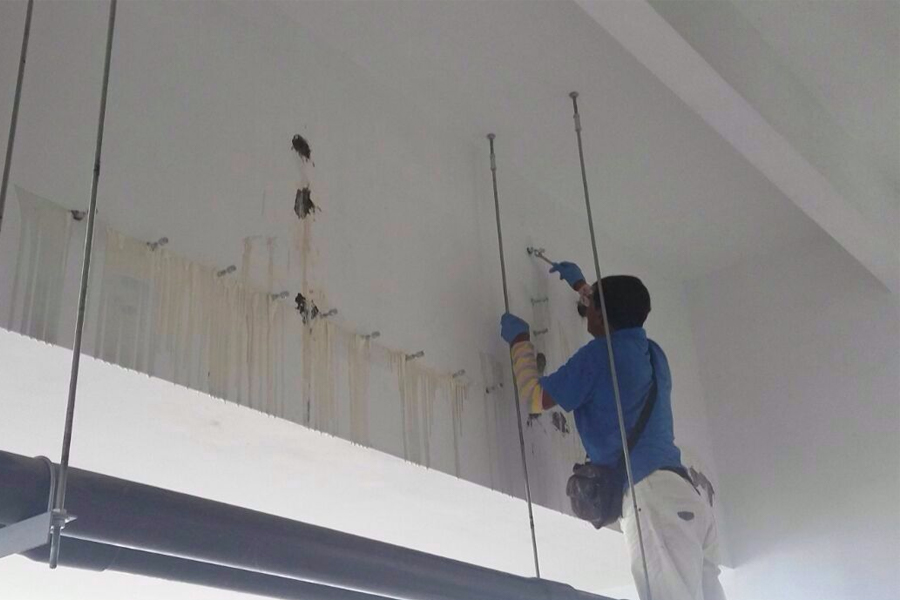
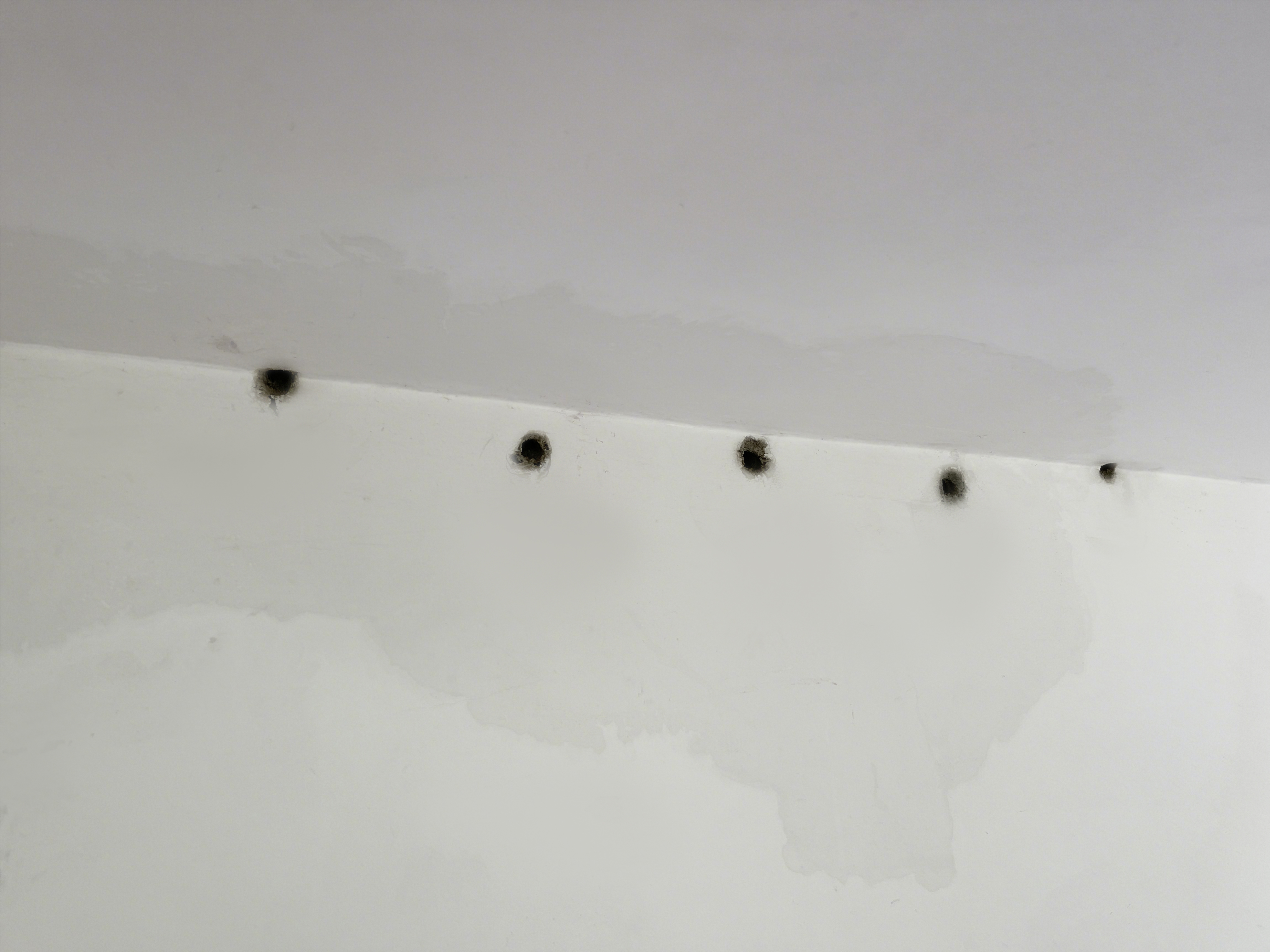
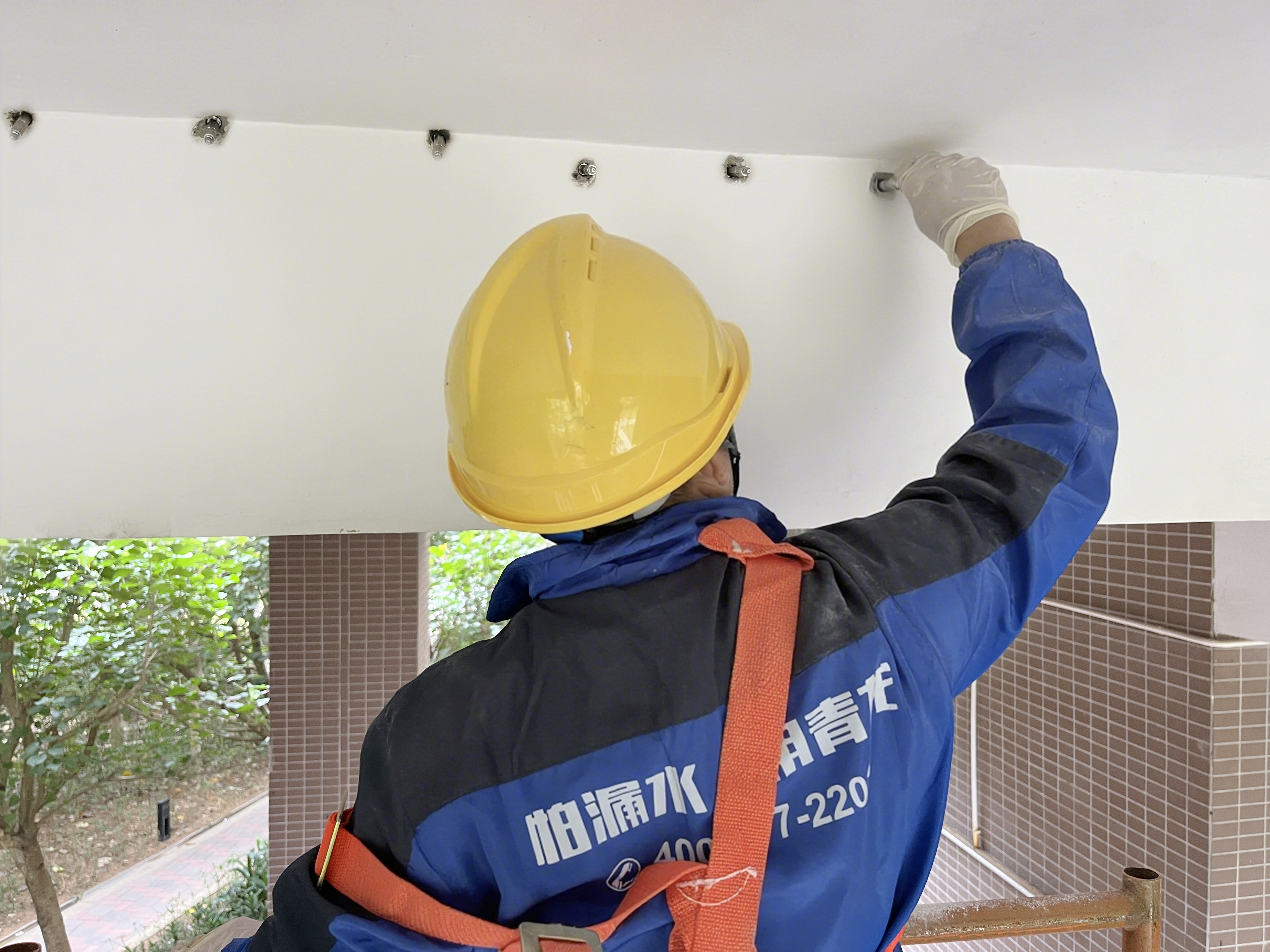
PU injection, also known as polyurethane injection grouting, is commonly used to stop active leaks in concrete cracks, wall joints, basement areas, lift pits, water-retaining structures, and pipe penetration zones. The method involves drilling small ports along the leaking crack or joint, then injecting PU resin under controlled pressure. When the material contacts water, it reacts and expands into a flexible foam or gel-like seal, depending on the product type used.
The main advantage of PU injection is that it can work where water is actively entering. Instead of waiting for the surface to dry completely, the resin uses moisture as part of the reaction process. This makes it useful for urgent leak control in commercial properties, car parks, service rooms, and occupied buildings where shutting down operations is difficult.
However, PU injection is not a magic cure for every waterproofing failure. It is best for sealing water paths inside cracks, joints, and voids. If the main problem is a damaged roof membrane, poor balcony slope, failed bathroom waterproofing layer, or large surface deterioration, injection may stop one symptom but not solve the full water source. A responsible waterproofing solution provider should explain these limits before starting work.
What Should Be Checked Before PU Injection?
Before choosing injection repair, the site condition should be reviewed carefully. In Central Melaka, where many buildings have limited access and shared structural walls, the inspection should not only focus on the leaking point. It should also consider surrounding drainage, roof condition, wall cracks, renovation history, and whether the leak appears only during rain or even during dry weather.
Leak pattern: Check whether water appears during rain, after plumbing use, or continuously.
Substrate condition: Identify whether the crack is in concrete, masonry, tile joints, or pipe sleeves.
Water pressure: Active flowing leaks may require staged injection rather than one-time sealing.
Access area: Confirm whether drilling can be done safely without damaging services or finishes.
Root cause: Inspect roof drainage, external walls, balcony outlets, and previous repair areas.
Follow-up protection: Decide whether additional coating, joint sealing, or drainage improvement is needed.
When PU Injection Is Suitable — and When It Is Not
PU injection is suitable when leakage comes through structural cracks, construction joints, cold joints, basement walls, lift pits, retaining walls, and localized pipe penetrations. It is also useful when water is entering from behind a wall and external access is limited, which is common in tightly built commercial rows in Melaka town.
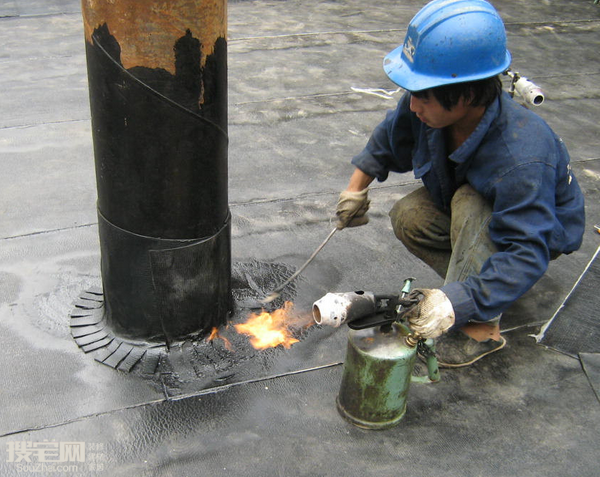
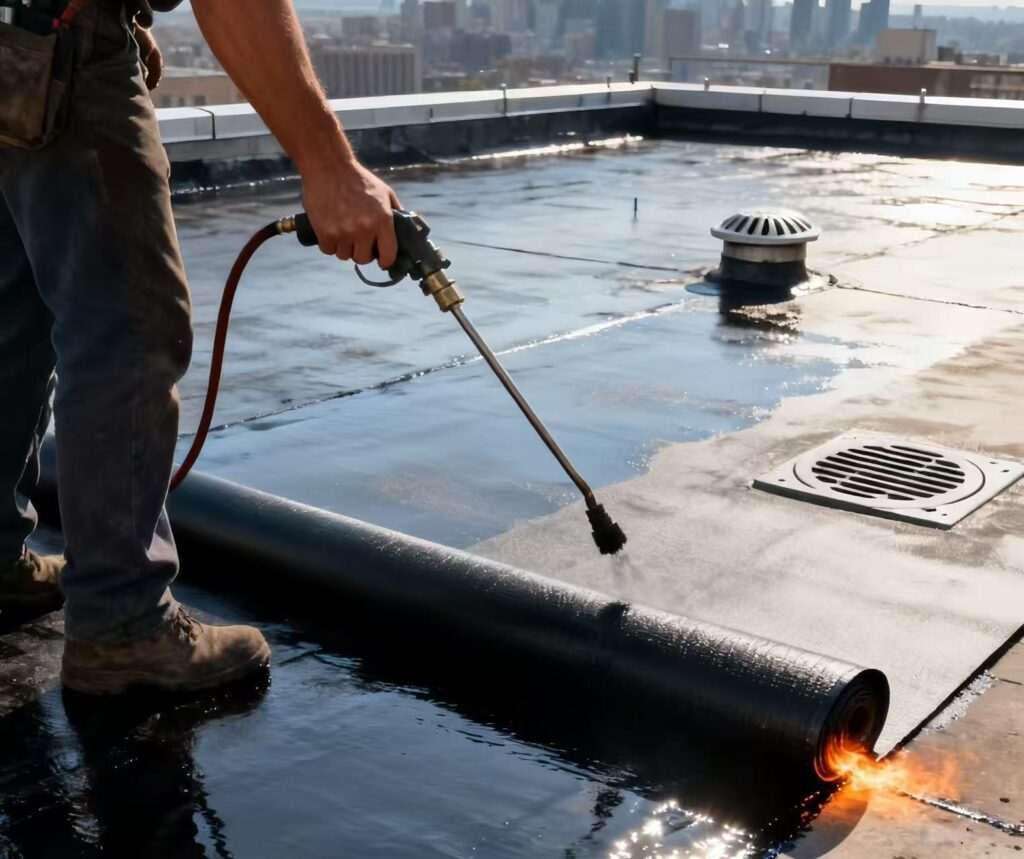
It may not be the best primary solution when the entire waterproofing layer has failed over a wide area. For example, if a flat roof has ponding water, cracked screed, and an aging membrane, injection at the ceiling below may only stop one leak path. The better approach may include drainage correction, surface waterproofing, and detailing around outlets and upturns.
As a Waterproofing Manufacturer and Waterproofing Supplier, QingLong develops materials for different conditions, but material selection must still match the site. A fast-reacting injection resin may be suitable for active seepage, while a coating system may be needed on exposed roof or wall surfaces. The repair decision should be based on building condition, not simply on one product.
Case Study: Commercial Unit Leak Near Central Melaka
On a renovated commercial unit near Central Melaka, the tenant reported water dripping from a ceiling corner during afternoon storms. The first assumption was a roof leak, but inspection showed that water was entering through a vertical construction joint beside an external wall. The building had been extended years earlier, and the joint between old and new concrete had become a water path.
The challenge was that the business remained open during the day, and external access was limited because of adjacent buildings. The repair team drilled injection ports from the internal side, controlled the water flow with staged PU injection, and monitored the joint during the next rainfall. After the active leak stopped, the external wall crack and nearby sealant gaps were treated to reduce future water entry.
The result was not just a dry ceiling. More importantly, the owner understood that injection solved the active water path, while external detailing helped reduce recurrence. This kind of combined thinking is often necessary for long-term waterproofing in dense urban areas.
Choosing the Right Waterproofing Support
QingLong Waterproofing provides practical inspection and repair recommendations for residential, commercial, industrial, and infrastructure projects. As a local waterproofing expert with manufacturing and application experience, QingLong focuses on matching the repair method to the actual water path instead of treating only the visible damage.
Conclusion
PU injection is a useful method for stopping active leaks in Central Melaka, especially where water enters through cracks, joints, basements, or pipe penetration areas. The key is correct diagnosis. If the water source is not understood, even a good injection job may only provide short-term relief. For lasting results, property owners should look at the leak pattern, building age, drainage condition, and surrounding waterproofing details before deciding on repair.
If your property is facing active leakage or recurring dampness, contact QingLong Waterproofing to arrange a professional site inspection and receive suitable repair recommendations for your building condition.
Frequently Asked Questions
1. What is PU injection used for in waterproofing?
PU injection is used to stop active water leaks through concrete cracks, joints, basement walls, lift pits, and pipe penetration areas. The resin reacts with water and expands to seal the leakage path.
2. Is PU injection suitable for all roof leaks?
No. PU injection is suitable for cracks and internal water paths, but large roof membrane failure or ponding water may need surface waterproofing and drainage correction.
3. Why do leaks return after a previous repair?
Leaks often return when only the visible stain is repaired without identifying the original water source. Water may travel through hidden cracks, joints, or wall cavities before appearing indoors.
4. Does PU Injection permanently stop water leaks?
PU injection can provide a long-lasting solution when leakage is caused by localized concrete cracks, construction joints, or pipe penetrations. However, if the building has widespread waterproofing failure, poor drainage, or deteriorated roof membranes, additional waterproofing repairs may be necessary to achieve long-term protection.