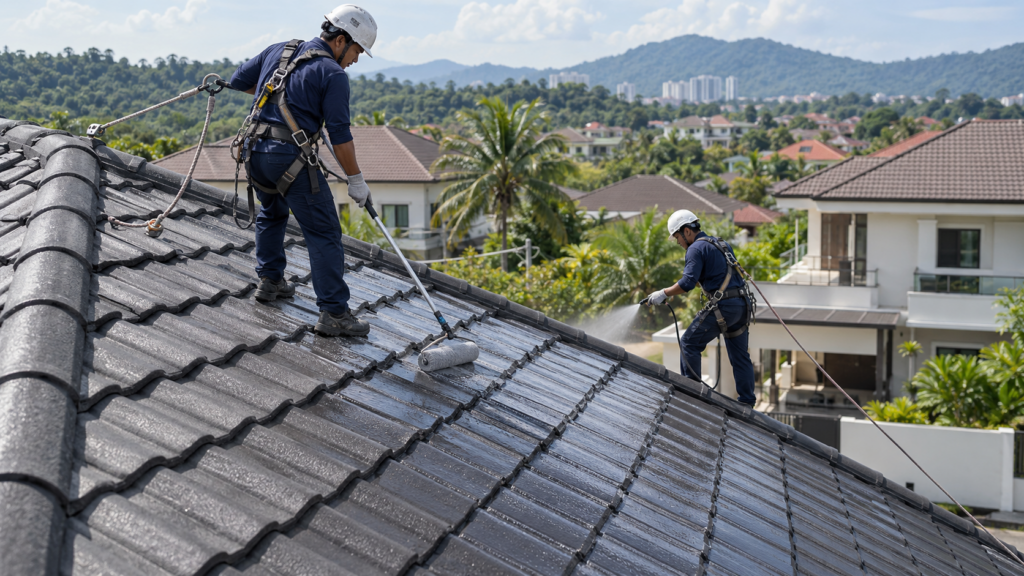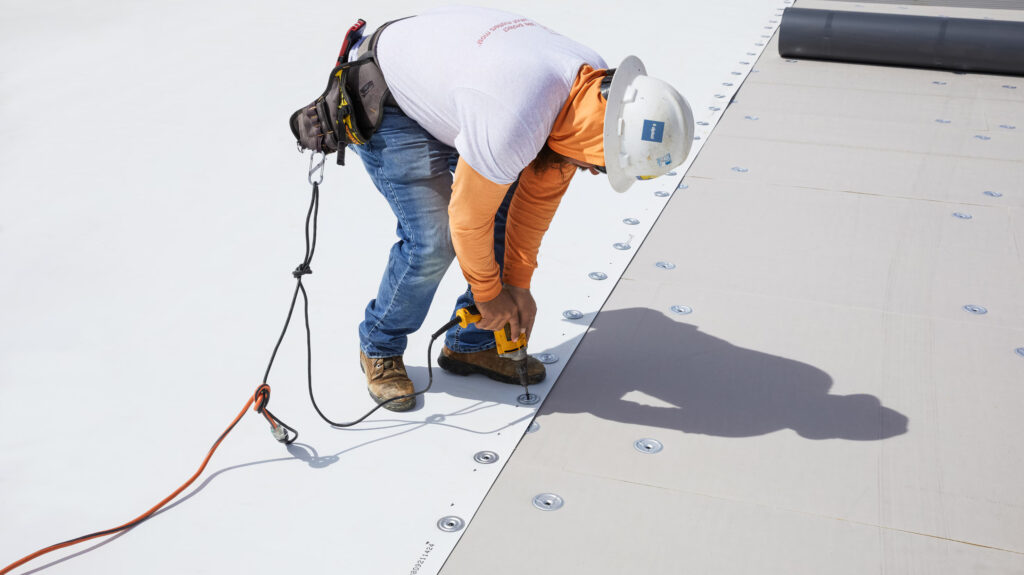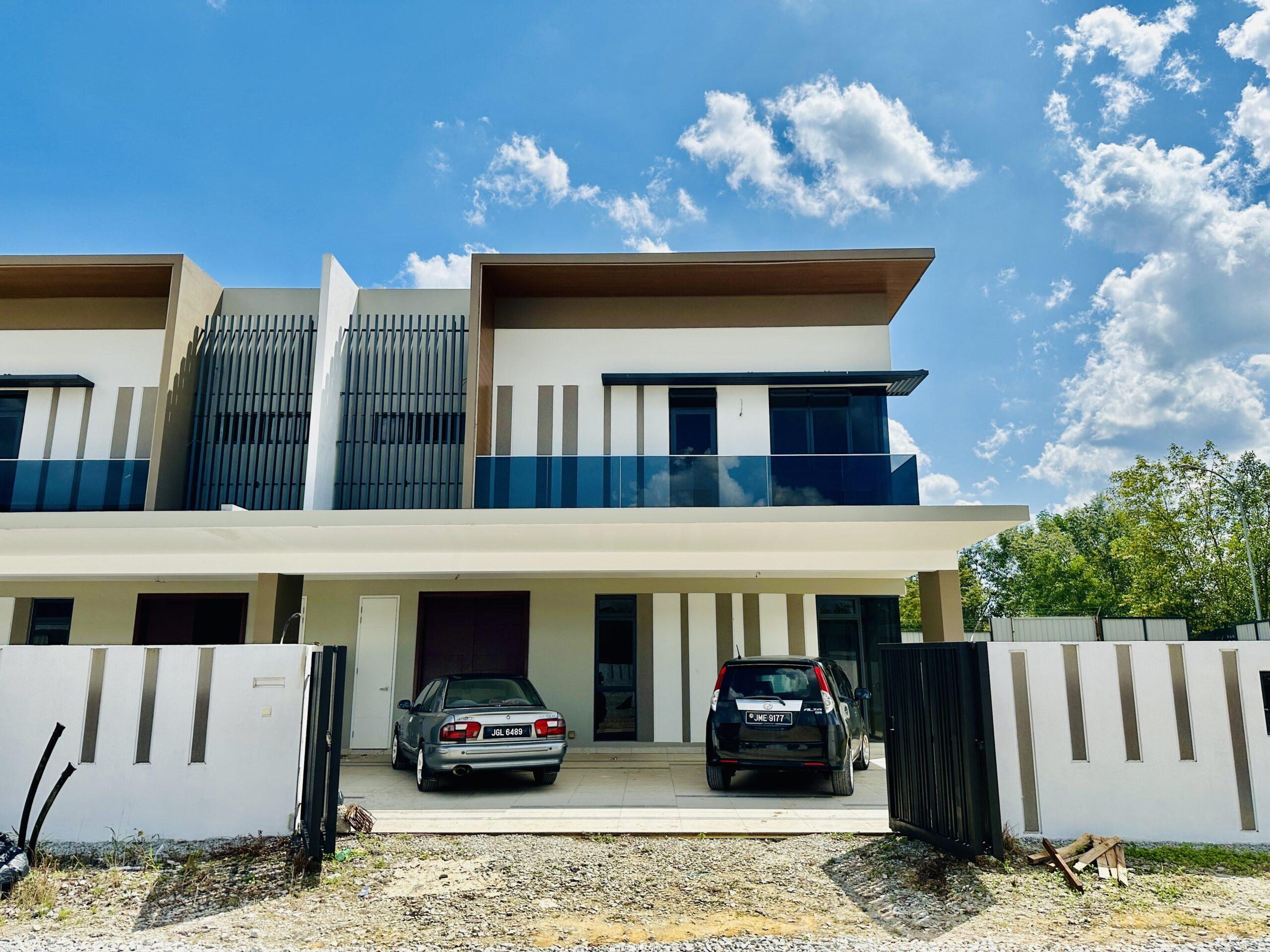
Car porch waterproofing in Subang must handle more than rainwater. Homes in USJ, SS15, SS18 and surrounding Subang areas often have exposed concrete or tiled porches affected by afternoon heat, sudden storms, vehicle movement and occasional oil drips.
When the wrong waterproofing material is used—or the surface is not prepared correctly—the coating may peel, blister or lose adhesion. Homeowners may then notice ponding water, hollow tiles, damp patches or leakage affecting the ceiling below.
In this article, we explain why car porch waterproofing fails, how oil affects the system, what should be inspected before repair and how to choose a longer-lasting solution for your Subang property.
Why Car Porch Waterproofing Fails in Subang
Subang’s weather is tough on exposed car porches. The surface heats up quickly during the day, then cools down after heavy rain. This repeated expansion and contraction can open small cracks in concrete, tile joints, corners, and drain areas. Once water enters these weak points, it slowly travels beneath the finish layer.
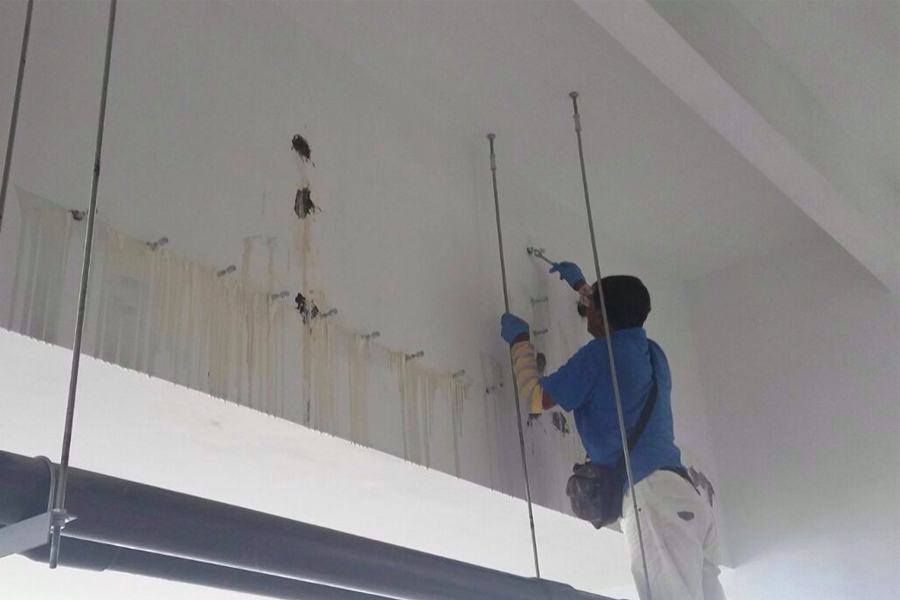
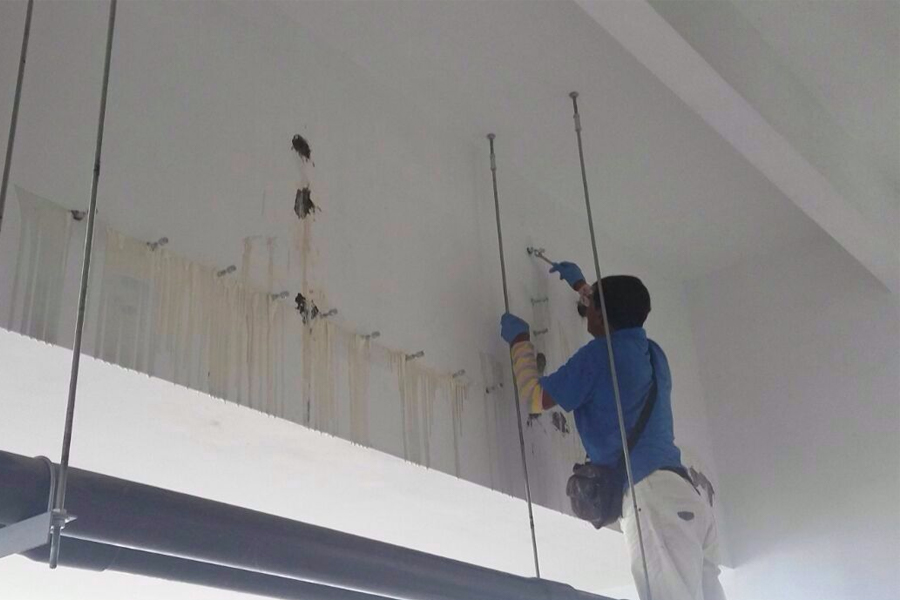
In many terrace and semi-detached homes, the car porch is built over a store room, utility area, or extended indoor space. That means waterproofing failure is not just a surface issue; it can lead to ceiling stains, damp walls, or mould below. Some older porches also have poor falls, causing water to pond near columns, gate tracks, or drainage outlets.
A common mistake is applying a new coating directly over an old oily or dusty surface. Even good waterproofing materials cannot perform well if the base is weak. For any Malaysia waterproofing project involving a driveway or porch, surface preparation is often more important than the coating thickness alone.
How Oil Damages a Waterproofing Layer
Oil contamination is one of the main differences between waterproofing a car porch and waterproofing a bathroom or balcony.
Engine oil, lubricant residue and tyre grime can penetrate porous concrete or collect along tile joints. If waterproofing is applied directly over the contaminated surface, the oil may prevent the primer or membrane from bonding properly.
The coating might look fine after installation but later develop bubbles, peeling sections or soft areas. In some cases, the waterproofing layer detaches from the concrete when tyres move across the surface.
Oily concrete should not simply be washed and recoated. Depending on how deeply the oil has penetrated, proper degreasing and mechanical surface preparation may be required before waterproofing begins.
Oil-resistant waterproofing also does not mean the surface is maintenance-free. A residential car porch system may tolerate occasional oil exposure, but spills should still be cleaned promptly before they soak into the finish.
Why Ordinary Waterproofing Coatings May Not Last
A car porch functions as both a wet area and a traffic area. Its waterproofing system must resist rainwater while tolerating tyre movement, light abrasion, surface heat and occasional oil exposure.
Some waterproofing membranes are designed to remain beneath tiles or protective cement screed. They may not be suitable as an exposed final surface where vehicles turn, brake and remain parked every day.
Repeated tyre contact can gradually damage an unprotected membrane. Hot tyres may also affect certain coatings, especially when a vehicle is parked immediately after a long journey.
For better protection, the waterproofing membrane may require a compatible wearing finish. This layer protects the membrane from daily vehicle use and can provide a non-slip surface for sloped areas near the entrance.
What Waterproofing System Is Suitable for Car Porch
There is no single waterproofing product suitable for every car porch. The correct solution depends on whether the existing surface is tiled or concrete, how much oil contamination is present, whether water ponds after rain and how the porch is used.
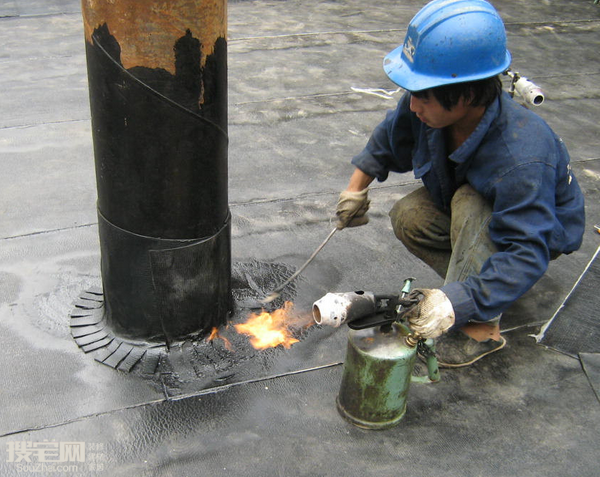
A durable system normally begins with thorough surface preparation. Dust, oil, tyre marks, loose coatings and weak concrete must be removed. Cracks, wall-floor junctions, column bases and drain edges should then be properly treated.
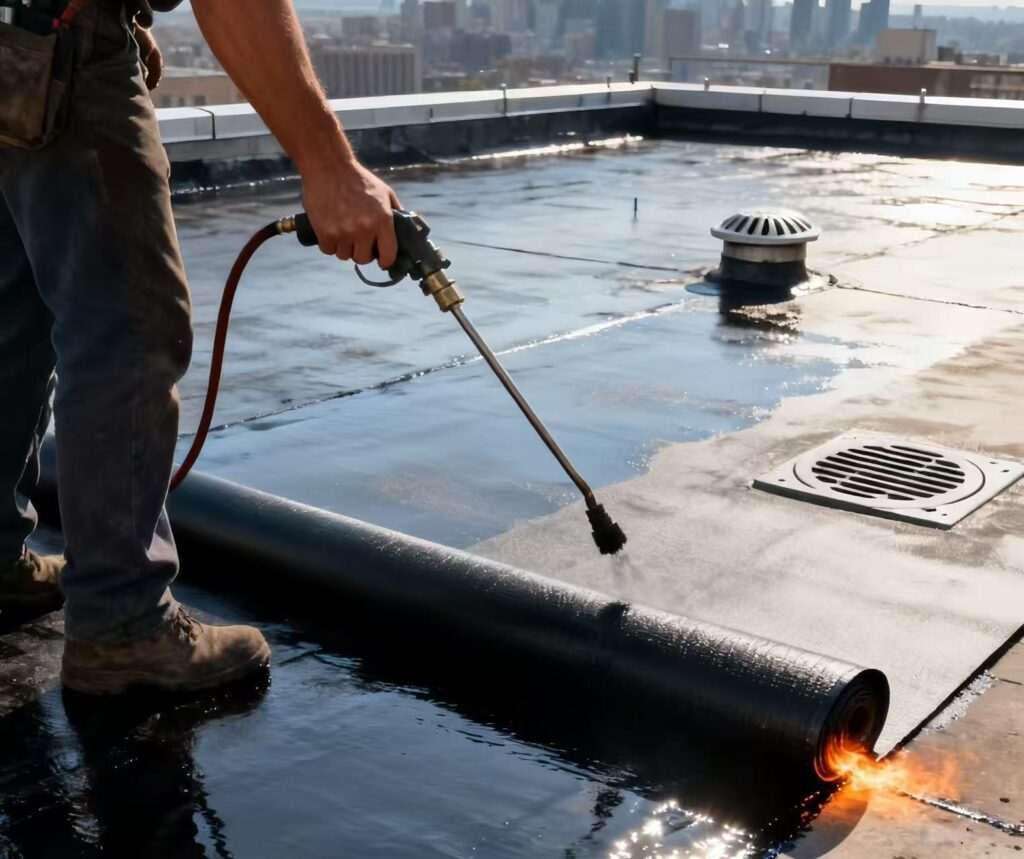
A compatible primer can be applied to improve adhesion before installing the waterproofing membrane. Special attention should be given to corners, drains and pipe penetrations because these areas commonly allow water to enter.
The waterproofing membrane should then be covered with a protective finish suitable for light residential vehicle traffic. If the porch is sloped or frequently wet, an anti-slip texture may also be necessary.
As a Waterproofing Solution Provider, QingLong Waterproofing assesses the overall porch condition before recommending a system. Choosing a material based only on one visible crack may overlook drainage, contamination or substrate problems.
Can Waterproofing Be Applied Over Existing Tiles?
Waterproofing may sometimes be applied over existing tiles, but only when the tiles are clean, stable and properly bonded to the substrate.
Applying a coating over hollow, loose or oil-contaminated tiles is risky. Movement beneath the coating may cause cracks, while oil and dirt can prevent proper adhesion.
Before proceeding, the contractor should tap the tiles to identify hollow areas, check whether any tiles move under pressure and inspect the grout joints for cracks. If water is trapped beneath the tiles or large areas are hollow, removing the existing finish may provide a more reliable foundation.
How to Maintain an Oil-Resistant Car Porch Surface
Oil drips should be cleaned promptly using a method suitable for the protective finish. Harsh solvents should be avoided unless recommended because certain chemicals can soften or damage waterproofing coatings.
Drainage outlets should be kept clear of leaves, dirt and debris. After heavy rain, homeowners should check whether water remains near columns, gate tracks or drain edges.
Small cracks, peeling areas and damaged joints should be repaired early. Waiting until water reaches the ceiling below may lead to a larger and more expensive repair.
Conclusion
Car porch waterproofing in Subang requires a complete system that can manage rain, heat, occasional oil exposure and daily tyre traffic. Applying another coating over oily concrete, hollow tiles or unresolved drainage problems is unlikely to produce a lasting result.
A reliable solution starts with finding the water entry point, checking the substrate, removing contamination and treating weak areas. The waterproofing membrane should then be protected with a suitable wearing finish.
If your car porch has recurring leakage, oil stains, ponding water or damp areas below, contact QingLong Waterproofing to arrange a professional site inspection.
Frequently Asked Questions (FAQs)
1. Can waterproofing be applied directly over oily concrete?
No. Oil can prevent proper adhesion. The concrete must be cleaned and prepared before waterproofing is installed.
2. Does oil-resistant car porch waterproofing require maintenance?
Yes. Oil spills should be cleaned promptly, drains should remain clear, and cracks or damaged joints should be repaired early.
3. Why does my car porch leak even though the tiles look fine?
Water can enter through tile joints, hairline cracks, hollow areas, drain edges, or wall corners. The visible tile surface may not show the full leakage path.
4. How long does car porch waterproofing last?
The lifespan depends on the waterproofing system, surface preparation, drainage, workmanship, vehicle use and maintenance. A site inspection is needed before any realistic service life or warranty can be provided.