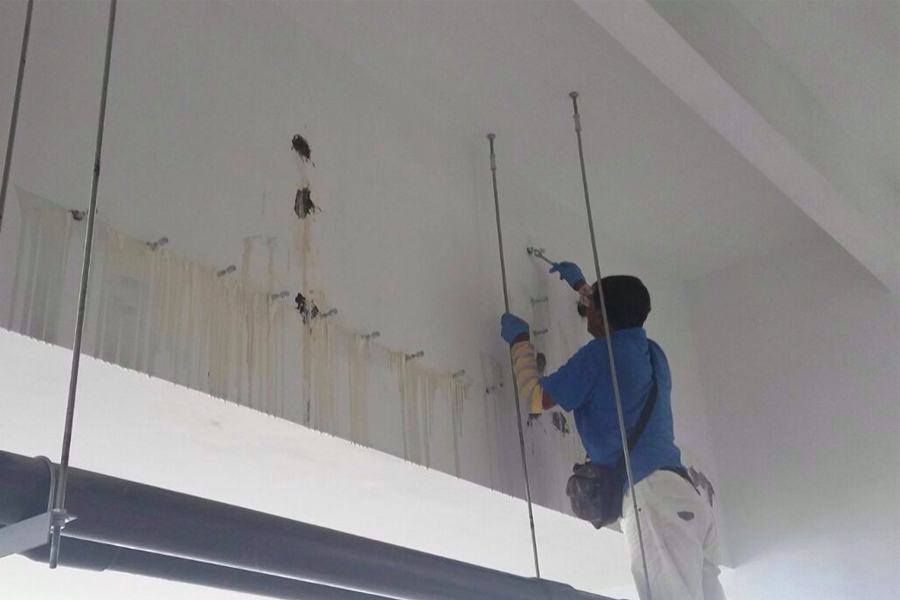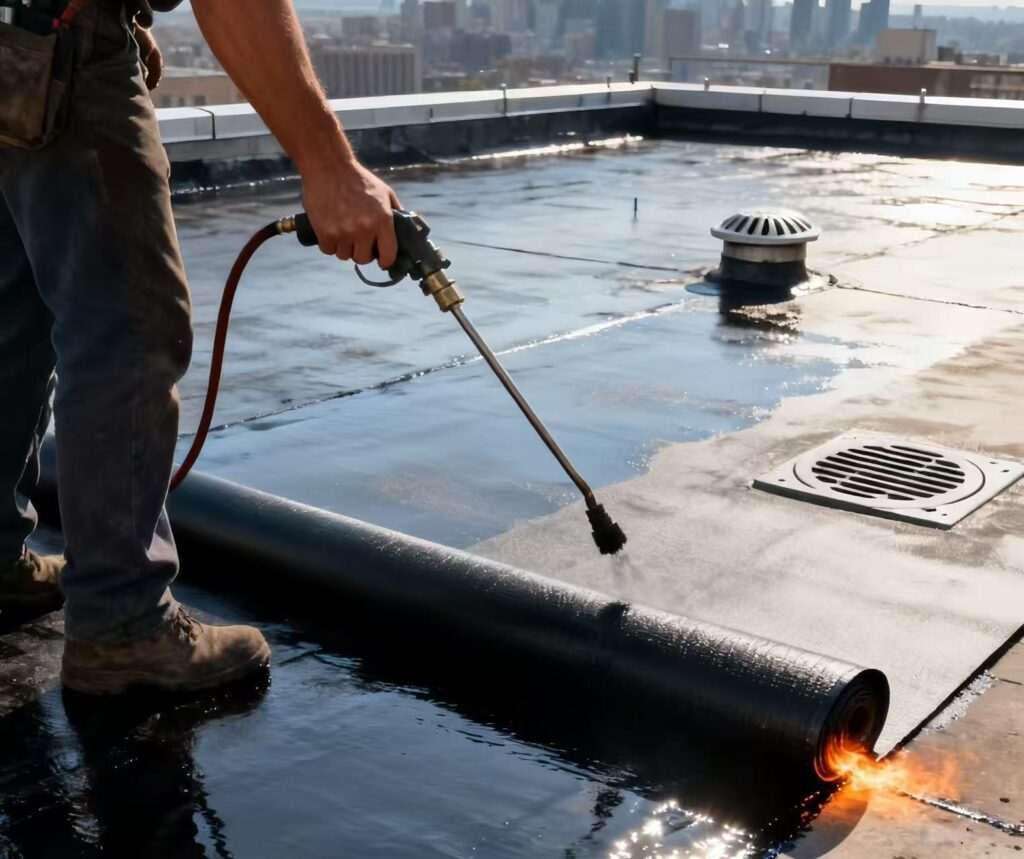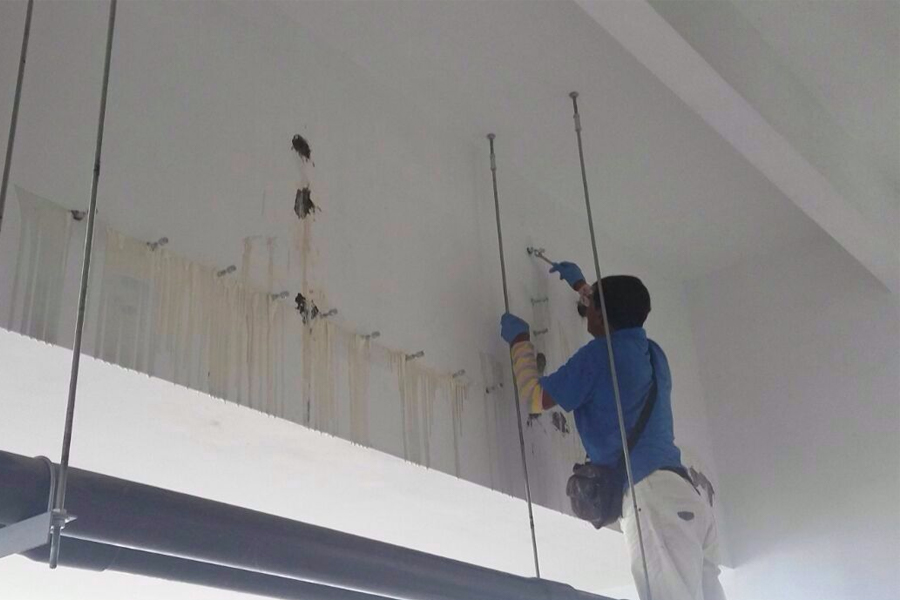
When comparing quotations for Kota Kinabalu concrete roof waterproofing maintenance, it is easy to focus on the price per square metre. One contractor may quote for cleaning, crack repair, and waterproof coating, while another appears to offer almost the same work at a lower price. The problem is that the two quotations may not cover the same roof conditions.
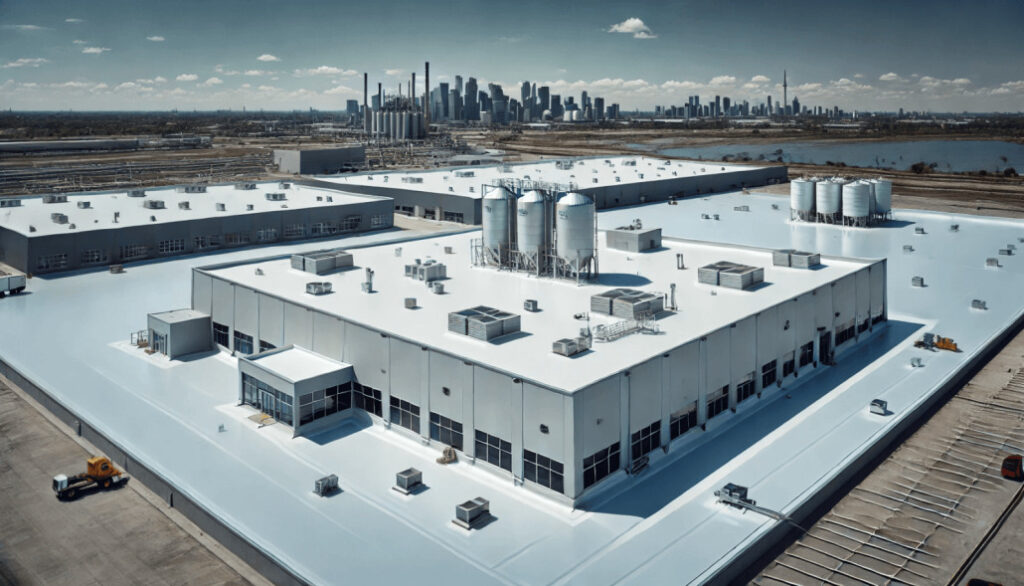
Concrete roof leakage often develops around drainage outlets, parapet junctions, penetrations, equipment bases, cracks, and old waterproofing edges rather than across the middle of the slab. A quotation that mainly measures the open roof area can therefore look competitive while leaving important leak-risk details outside the scope.
A Waterproofing Quote Should Cover More Than The Roof Area
The open concrete surface is only one part of a waterproofing system. A proper maintenance assessment should also consider parapet walls, internal corners, drainage outlets, pipe penetrations, construction joints, equipment plinths, existing repair patches, and waterproofing termination points.
These areas experience more movement and contain more joints than the main roof slab. They are also locations where water can collect or enter beneath an existing waterproofing layer.
If a quotation only states “apply waterproof coating to roof slab”, ask what happens around these details. Otherwise, reinforcement, sealing, or additional repair work may later be treated as a variation.
Drainage and Ponding Can Completely Change the Scope
Applying a new waterproof coating does not automatically solve ponding water. If water remains on a concrete roof after rain, the contractor should first determine why. The cause may be a blocked outlet, damaged outlet surround, inadequate roof fall, or a local low spot in the screed.
Maintenance does not always require rebuilding the entire roof slope. However, the quotation should identify ponding areas and explain whether drainage correction is included.
A coating applied directly over a persistent low spot may protect the surface temporarily, but the waterproofing will continue to experience prolonged water exposure. Drainage outlets deserve particular attention because a relatively small defect around an outlet can affect a much larger roof area.
Existing Waterproofing Must Be Checked Before Recoating
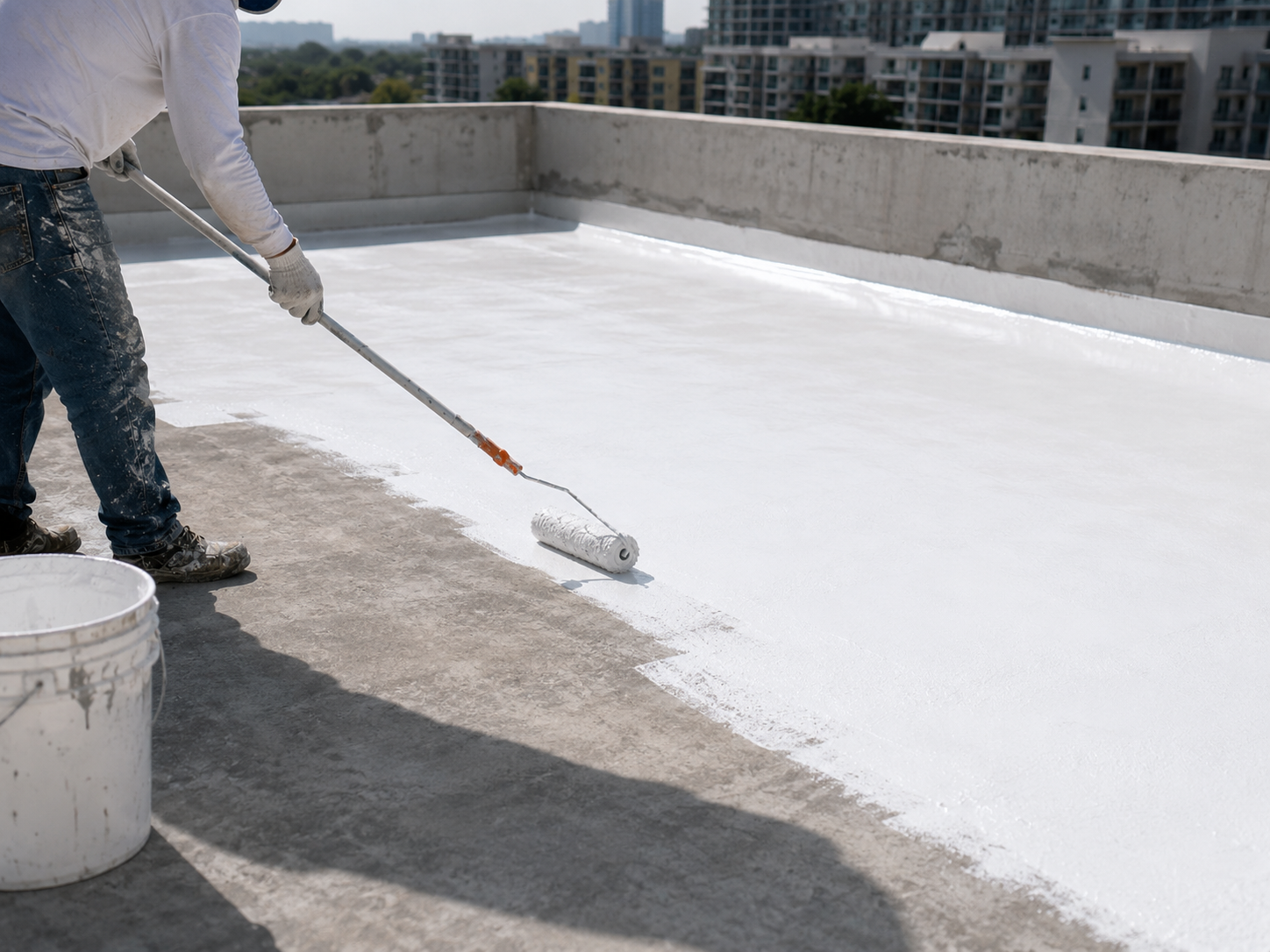
Many concrete roofs already have at least one old waterproofing layer. Some coatings remain well bonded and can be maintained after cleaning and compatible preparation. Others are chalky, blistered, debonded, cracked, or holding moisture below the surface.
This difference matters because a new waterproofing layer depends on the substrate beneath it. If a new coating is applied over a poorly bonded old coating, both layers may eventually detach together. The failure is then related to substrate preparation rather than simply the quality of the new waterproofing product.
A more responsible quote should state what preparation is included. For example, it may include removal of loose or flaking coating, cleaning, priming where required, repair of hollow or weak areas, and compatibility checks against the proposed waterproofing product. If the quote says “surface preparation included” but does not describe what that means, the owner should ask for clarification.
This is especially important on exposed concrete roofs where UV, heat cycling, foot traffic from maintenance teams, and standing water can age coatings unevenly. The roof may look acceptable from a distance, while specific patches have already lost bond.
Penetrations, Plinths and Services Are Often More Important Than Cracks
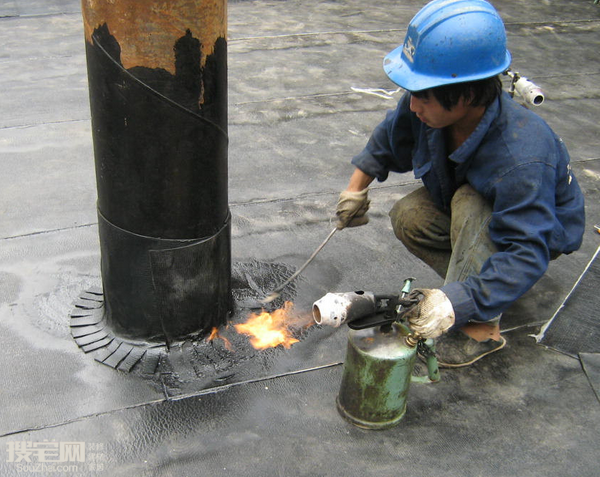
Visible cracks usually attract attention, but service penetrations can be equally important. Air-conditioning pipes, electrical conduits, water pipes, antenna bases, solar supports, tank plinths, and equipment frames all interrupt the waterproofing surface.
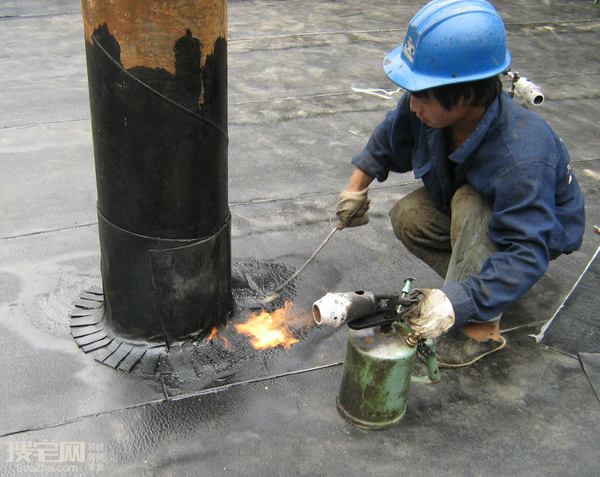
These details are difficult because they involve movement, corners, sealant edges, and different materials meeting the concrete roof. A rigid patch around a pipe may crack again if the pipe vibrates or moves slightly. A coating applied too thinly around a sharp corner may split earlier than the flat roof area.
A maintenance quote should explain how penetrations and upstands will be treated. It may involve cleaning around the penetration, sealing gaps, reinforcing corners, applying waterproofing up the vertical surface, and properly terminating the system. Where existing sealants are aged or debonded, simply coating over them may not be enough.
For building owners comparing quotes, this is one of the easiest differences to miss. Two quotations may both say “waterproof roof”, but only one may include reinforcement at pipe penetrations, internal corners, and plinth bases. That difference affects performance more than a small price difference per square metre.
Coastal Exposure Can Affect Metal Fixtures and Termination Details
Kota Kinabalu’s coastal environment can make roof detailing more demanding, especially where metal fixtures, fasteners, brackets, roof equipment, and exposed sealants are involved. The concrete slab may be the main waterproofing area, but metal components often create local weaknesses when corrosion, movement, or sealant ageing affects the joint.
This does not mean every roof requires a special coastal-grade system. It means the quote should not ignore the interfaces between the waterproofing and roof accessories. Rust stains near brackets, loose pipe clamps, deteriorated sealant around metal sleeves, or movement around equipment supports should be considered before coating begins.
If waterproofing is terminated against a weak or corroding component, the membrane edge may become vulnerable even if the main coating is still sound. A practical maintenance quote should therefore identify whether these fixtures are excluded, included, or require coordination with another trade.
This is where a detail-led inspection gives the owner better information than a simple surface measurement. The roof may only need maintenance, but the quote should show that the contractor has looked at the conditions that can shorten the maintenance cycle.
Comparing Quote Types: Patch, Recoat or Detail-Led Maintenance
Not all waterproofing quotes are trying to solve the same problem. Before choosing based on price, the owner should understand what type of scope is being offered.
A patch repair quote usually targets visible defects or known leak points. It may be suitable when the roof system is generally healthy and one isolated defect has been confirmed. It is less suitable when the existing waterproofing has widespread ageing.
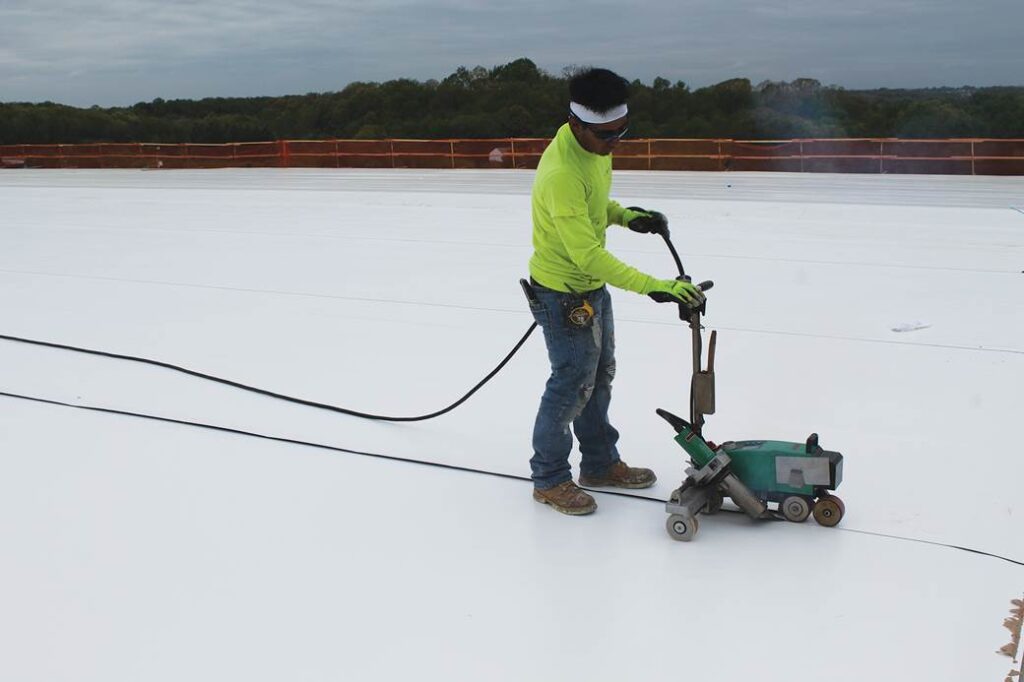
A recoat quote focuses on applying a new coating over a broad area. It may make sense when the existing surface is compatible and well bonded. However, it can become risky if substrate preparation, drainage, and detail reinforcement are not properly included.
A detail-led maintenance quote starts by identifying the weak points of the concrete roof system. It may include selective crack treatment, outlet detailing, reinforcement at corners, penetration sealing, surface preparation, and coating renewal where needed. This type of quote may not always be the cheapest, but it gives the owner a clearer view of what is being maintained.
QingLong Waterproofing’s role in a maintenance discussion is not simply to recommend coating the whole roof. As a waterproofing manufacturer, product supplier, and service provider, QingLong can help evaluate whether the existing concrete roof condition suits a coating maintenance approach, a more detailed repair scope, or a fuller system renewal subject to site inspection.
Questions to Ask Before Approving a Concrete Roof Maintenance Quote
A quote does not need to be overly complicated, but it should answer the main technical uncertainties. Before approving Kota Kinabalu concrete roof waterproofing maintenance work, ask whether the quotation clearly covers:
• Existing coating condition and whether loose areas will be removed
• Treatment around outlets, parapets, pipe penetrations, corners, and plinths
• Crack repair method, including whether reinforcement is required
• Ponding areas and whether drainage problems are included or excluded
• Surface preparation, primer requirements, and compatibility with the proposed product
• Access, curing time, weather interruption, and protection from foot traffic during work
These questions help separate a maintenance quote from a coating-only price. They also reduce disagreement later, because the owner and contractor have a clearer understanding of what the quoted work is intended to solve.
Conclusion
The best waterproofing maintenance quote is not necessarily the longest or most expensive. It is the one that makes the roof condition visible enough for a proper decision. If the concrete roof is mostly sound, maintenance may be straightforward. If the roof has trapped moisture, poor falls, weak coating adhesion, or many penetrations, the quote should not hide those risks behind a simple square metre rate.
For Kota Kinabalu building owners and property managers, the key is to compare scope before comparing price. If two quotes do not include the same roof details, they are not really quoting the same work. To review your roof condition and discuss a suitable maintenance approach, you can contact QingLong Waterproofing for project-specific advice.
Frequently Asked Questions (FAQs)
1. Is waterproof coating alone enough for a leaking concrete roof?
Not always. Waterproof coating can be effective when the substrate and existing waterproofing are suitable, but cracks, drainage defects, penetrations, loose coatings, and weak termination details may need repair first.
2. Why are some concrete roof waterproofing quotations much cheaper?
The difference may come from product selection, preparation requirements, workmanship, or simply the amount of detailing included. One quotation may cover only the main roof surface while another includes outlets, parapets, penetrations, crack treatment, and reinforcement.
3. Can an old waterproofing coating be recoated?
It may be possible if the existing coating remains compatible and properly bonded. Loose, blistered, chalky, or debonded areas normally require additional preparation before a new waterproofing layer is applied.
4. Does ponding water need to be repaired before waterproofing?
The cause should at least be assessed. Persistent ponding may indicate blocked drainage, low spots, or inadequate falls. The suitable repair depends on the condition of the roof.