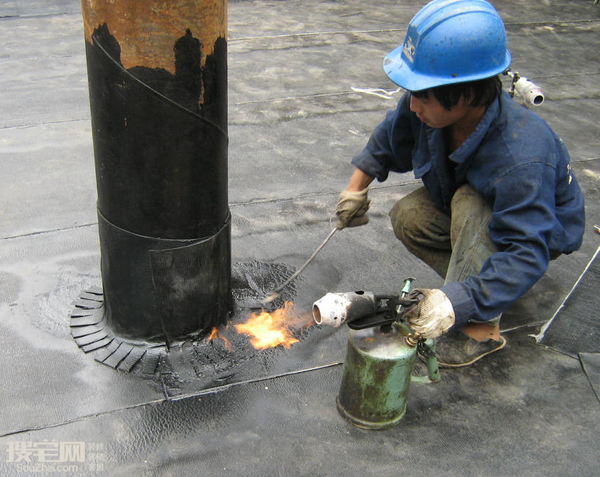
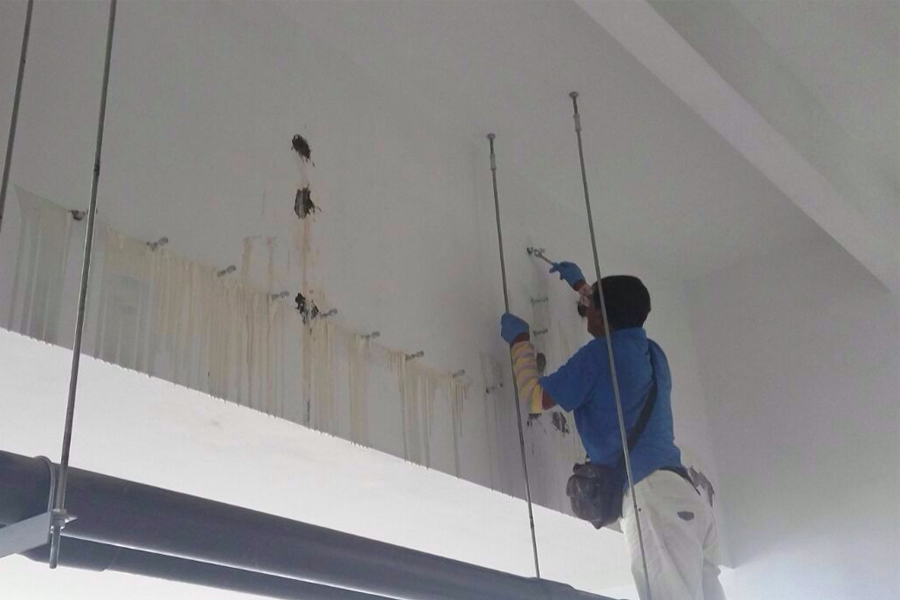
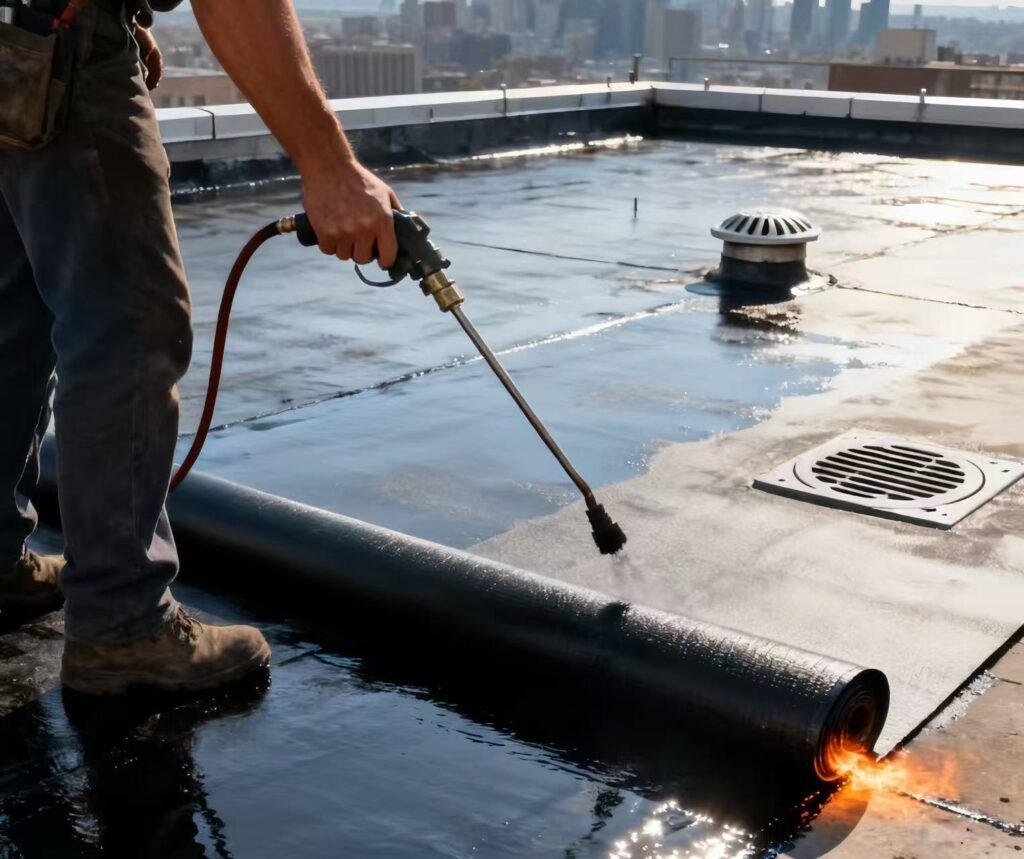
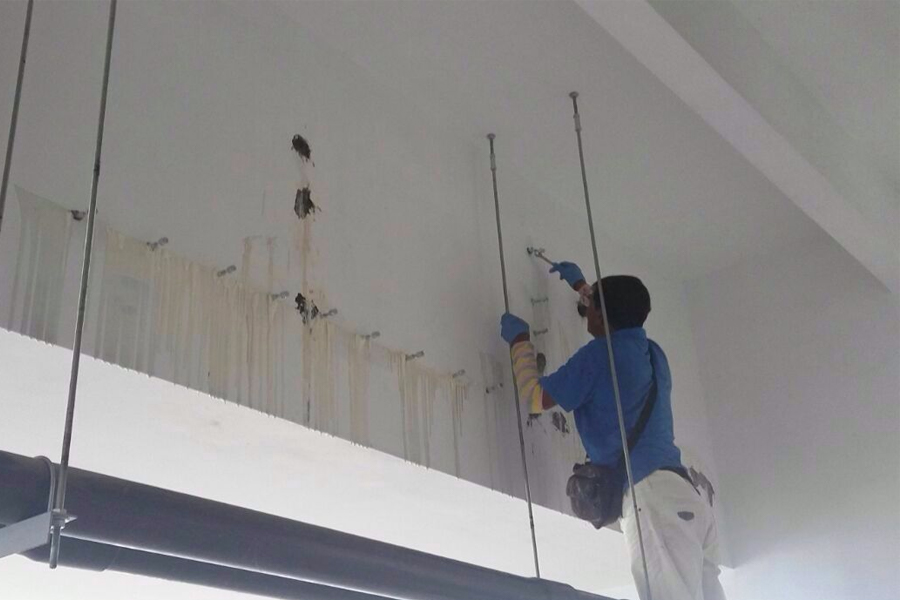
A wet basement wall or underground car park stain can look simple from the outside: water appears at one point, so the repair should happen there. Underground waterproofing rarely works that neatly. In Subang, many basement and retaining-wall leaks are found in occupied buildings, car parks, shoplots, service rooms or lift pits where excavation and shutdown time may be limited. A Subang underground waterproofing specialist should not begin by choosing a coating. The first job is to identify how water is entering, what pressure is behind it, and which details are actually carrying the leak.
The First Inspection Should Separate the Wet Spot from the Entry Point
For underground waterproofing, the visible damp patch is not always the water entry point. Water may travel along a construction joint, behind plaster, through a honeycombed concrete area, along a pipe sleeve or at the slab-wall interface before appearing somewhere easier to see.
A proper first inspection should therefore follow the water path, not just the stain. If water marks are seen on a basement wall, the specialist should check whether the source is above the mark, behind the wall, at the wall-floor junction, or connected to another detail such as a drain, pipe penetration or expansion joint.
Short answer: A Subang underground waterproofing specialist should first inspect the leak path, not only the visible wet area. The key items are wall-floor joints, construction joints, pipe penetrations, expansion joints, active seepage points, previous repair patches, drainage condition and signs of water pressure behind the structure.
This matters because the repair method changes depending on the entry point. A surface coating may reduce dampness where water pressure is low, but it will not perform the same way as joint injection, crack sealing, drainage correction or external membrane repair when water is actively pushing through a weak detail.
Check Whether the Problem Is Dampness, Seepage or Active Water Pressure
Before recommending a waterproofing material, the specialist needs to understand the severity of water movement. Underground structures are affected by soil moisture and, in some cases, hydrostatic pressure. These are not the same condition.
Dampness may appear as dark patches, mild efflorescence or paint blistering. Seepage may show as slow water trails, wet floor edges or recurring moisture after rain. Active pressure is more serious; water may come through cracks, joints or holes continuously, especially after heavy rain or when the surrounding ground is saturated.
Useful inspection questions include:
1. Does water appear only after rain, or even during dry periods?
2. Is the leak at a joint, crack, pipe sleeve, wall surface or floor junction?
3. Are there white salt deposits, rust marks or repeated paint failure?
4. Is there standing water outside, blocked drainage or poor discharge from pumps?
5. Has the same spot been patched before?
This distinction helps prevent over-simple repairs. For example, applying a cementitious slurry over an actively leaking joint without first stopping the water path may lead to debonding, blistering or leakage around the treated area. Emergency leak-stopping products may help control active points, but the wider waterproofing strategy still needs to address the joint or pressure condition.
Wall-Floor Junctions, Construction Joints and Pipe Penetrations Deserve Early Attention
In many underground leak inspections, the most important areas are not the large wall surfaces but the details where materials, pours or services meet. These locations often move, shrink, crack or remain imperfectly compacted compared with the main concrete body.
The wall-floor junction is a common priority because the retaining wall and base slab meet there. If the original waterstop, joint treatment or concrete compaction is weak, water may appear as a wet line along the floor edge. Simply coating the wall face may not stop water that is entering from the joint itself.
Construction joints also need careful checking. Basement walls and slabs are often cast in stages. If the joint was not properly prepared, treated or compacted, it can become a pathway for seepage. The leak may not look dramatic at first, but it can recur whenever external water pressure rises.
Pipe penetrations are another high-risk detail. Water can track around the outside of a pipe sleeve, through gaps in grout, or along poorly sealed annular spaces. In service rooms, pump rooms and underground car parks, penetrations are sometimes hidden behind equipment or finishes, so access may affect inspection accuracy.
Expansion joints should be treated separately from static cracks. They are designed to accommodate movement, so rigid patching is usually unsuitable. A specialist should check the joint condition, sealant flexibility, backing material, joint cover and whether water is entering through the joint body or nearby concrete.
Previous Patches Can Hide the Real Repair Scope
If an underground area has leaked before, old repair marks are important evidence. A previous patch does not automatically mean the earlier work was poor. It may mean the visible point was treated, but the pressure or entry path shifted to a nearby weakness.
Common signs include patch mortar over cracks, multiple injection ports, peeling coatings, swollen paint, brittle sealant or wet edges around an old repair. These details tell the specialist that water has already tested the structure and found more than one path.
The inspection should ask what the previous repair was trying to do. Was it stopping active water? Sealing a crack? Waterproofing a surface? Improving adhesion before a coating? Repairing a pipe penetration? Each objective needs a different method and preparation.
This is where product choice must follow diagnosis. QingLong Waterproofing supplies and applies a range of waterproofing materials, including cement-based slurry, sealants, joint tapes and fast leakage repair products, but the suitable build-up depends on the substrate, pressure condition and detail being repaired. A product used correctly in one underground detail may be unsuitable if used as a general patch over an unresolved moving joint.
Internal Repair or External Waterproofing Depends on Access and Risk
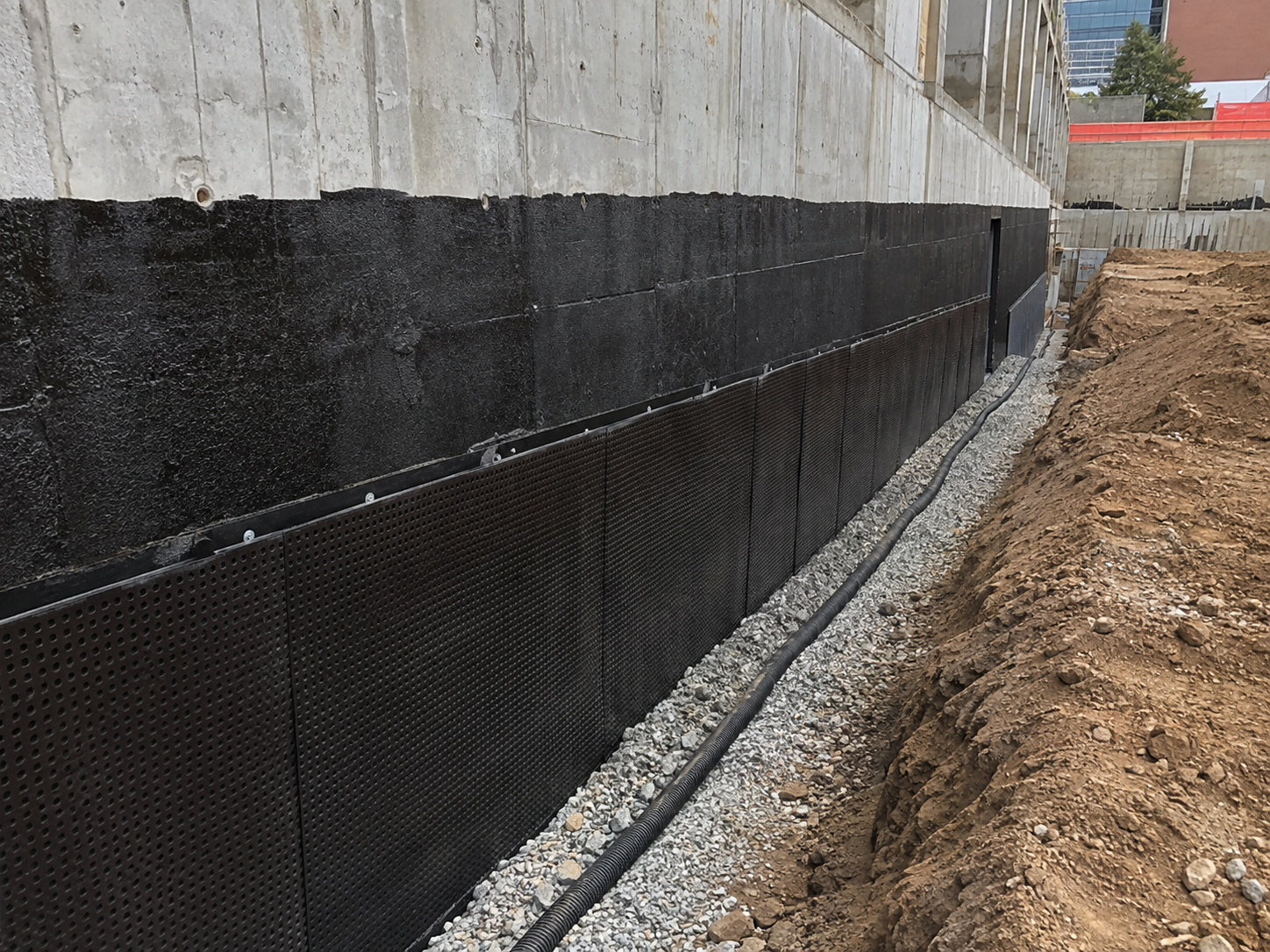
The best technical solution is not always the most practical solution. For underground waterproofing, external treatment is often more direct because it addresses water before it enters the structure. However, external access may require excavation, road or walkway disruption, temporary protection works, or coordination with neighbouring areas.
In Subang commercial and residential properties, many basement leaks must be assessed from the inside because the external face of the retaining wall is not accessible without major disruption. In such cases, the specialist may consider internal joint injection, negative-side waterproofing, crack repair, localised leak stopping, drainage improvement or a combined system.
Practical answer: External waterproofing is usually preferable when the outside face of an underground wall is accessible and the original membrane can be repaired properly. When external access is not practical, internal repair may still be possible, but the method must suit water pressure, joint movement and substrate condition rather than relying on a surface coating alone.
The decision should also consider how the area is used. A leaking lift pit, electrical room or basement car park ramp may have different urgency and safety requirements. Repair timing, curing time, ventilation, access for workers and disruption to users can influence the recommended method.
What to Ask Before Approving an Underground Waterproofing Proposal
A useful proposal should explain the inspection findings, not just list a material and price. Before approving underground waterproofing work, ask the specialist to clarify the reasoning behind the repair scope.
Key questions include:
Where is the suspected water entry point, and what evidence supports it?
Is the leak caused by surface dampness, joint seepage, crack leakage or hydrostatic pressure?
Are wall-floor junctions, construction joints and pipe penetrations included in the inspection?
Will active leaks be stopped before applying any coating or slurry?
Is the proposed system suitable for negative-side waterproofing, if applied internally?
What substrate preparation is required before application?
Are previous patches, hollow areas, loose plaster or contamination being removed?
What limitations remain if external access is not available?
These questions help separate a proper underground waterproofing assessment from a quick visual quotation. The issue is not whether one material is “stronger” than another. The issue is whether the selected repair method matches the actual water path and site constraint.
Conclusion
The first inspection for underground waterproofing should not begin with the question, “Which product should we apply?” It should begin with, “Where is water entering, how much pressure is involved, and which detail has failed?” Once those points are clear, the repair method becomes easier to judge.
If you need a Subang underground waterproofing specialist to assess a basement, retaining wall, lift pit or underground car park leak, QingLong Waterproofing can review the site condition and recommend a suitable repair approach. You may contact QingLong Waterproofing for an assessment.
Freqently Asked Questions (FAQs)
1. Can an underground leak be repaired only from inside the basement?
Sometimes, yes. Internal repair may be practical when external excavation is not possible, but the method must be suitable for the water pressure, crack or joint condition. Not every internal coating can resist active seepage.
2. Why does water still appear after a basement wall has been coated?
The coating may not have addressed the real entry point. Water can bypass a treated surface through joints, cracks, pipe sleeves or weak concrete areas, especially when pressure builds behind the wall.
3. Should the whole basement wall be waterproofed if only one area is leaking?
Not always. A specialist should first inspect whether the leak is localised or part of a wider joint, drainage or membrane failure. Local repair may be enough in some cases, while repeated seepage along several details may require a broader scope.
4. What is the most important detail to inspect in an underground car park leak?
The most important details are usually wall-floor junctions, construction joints, expansion joints, drainage points and pipe penetrations. Large wall stains are visible, but these smaller details often explain how water is entering.