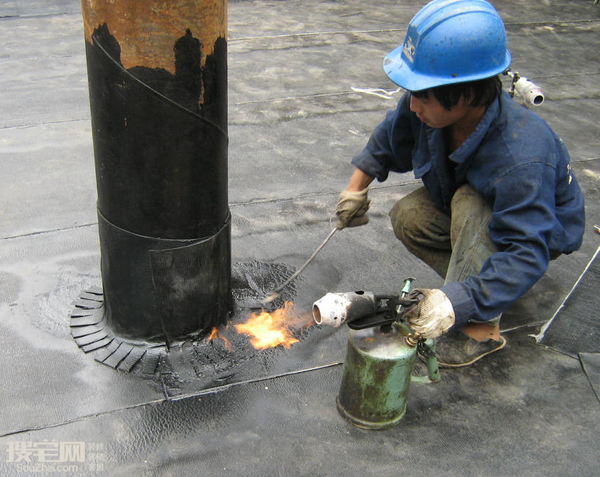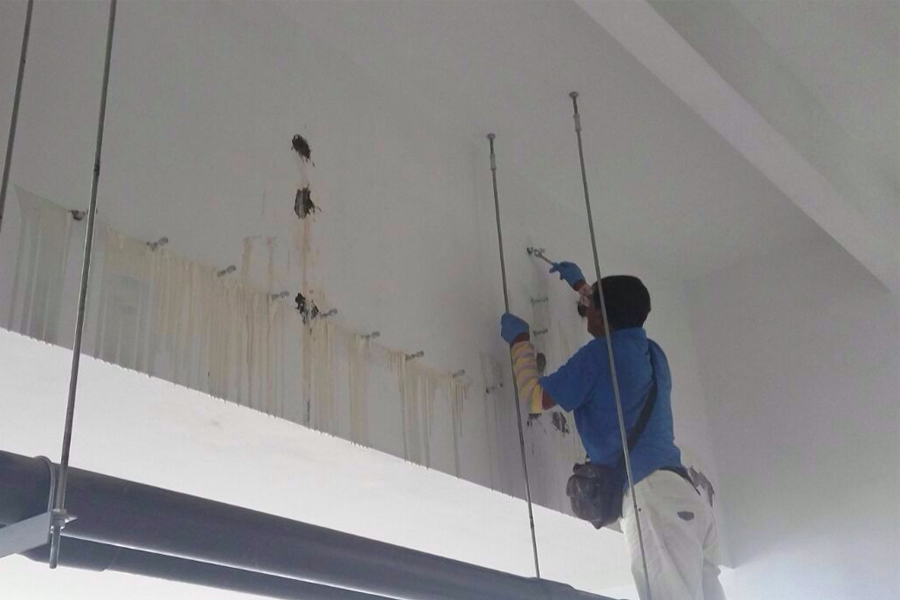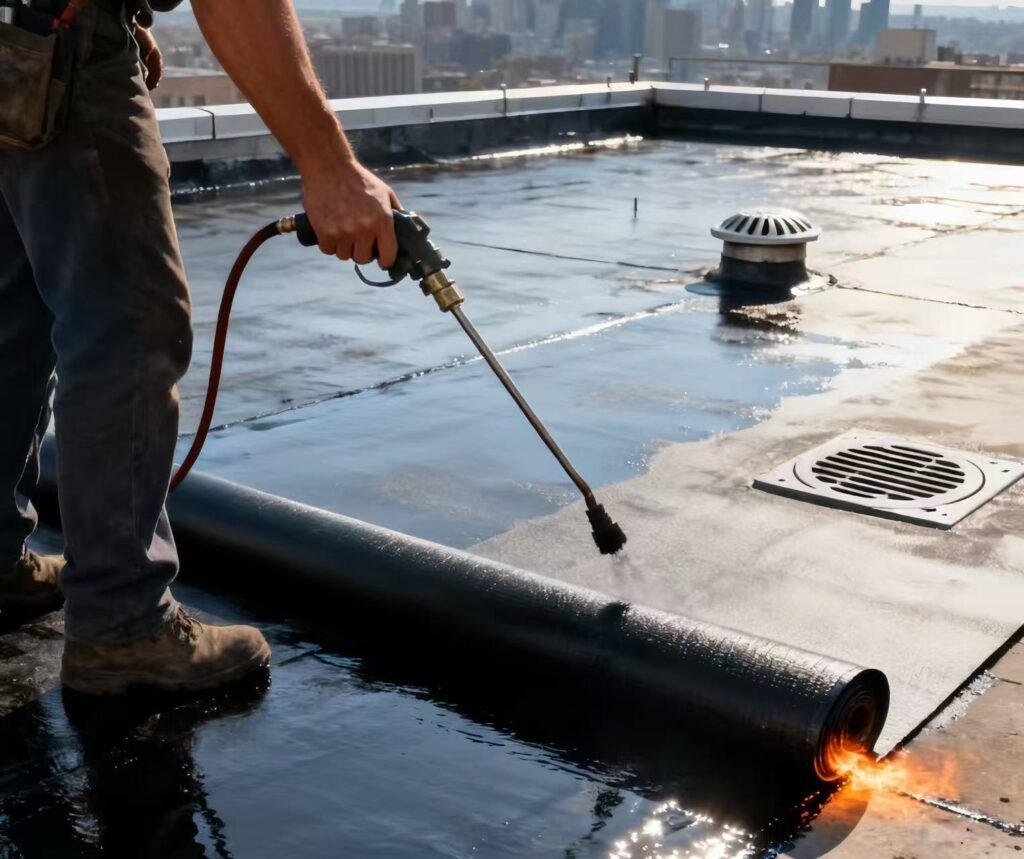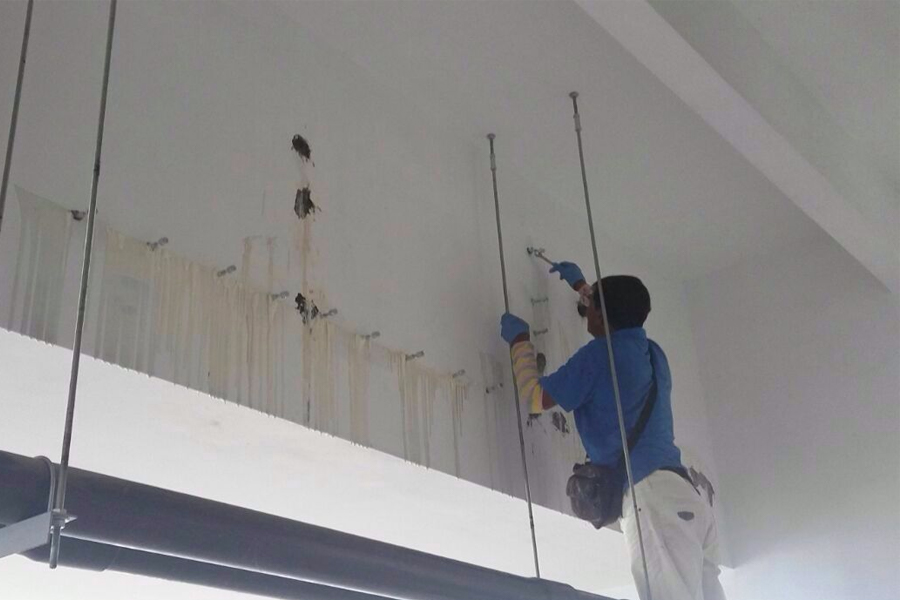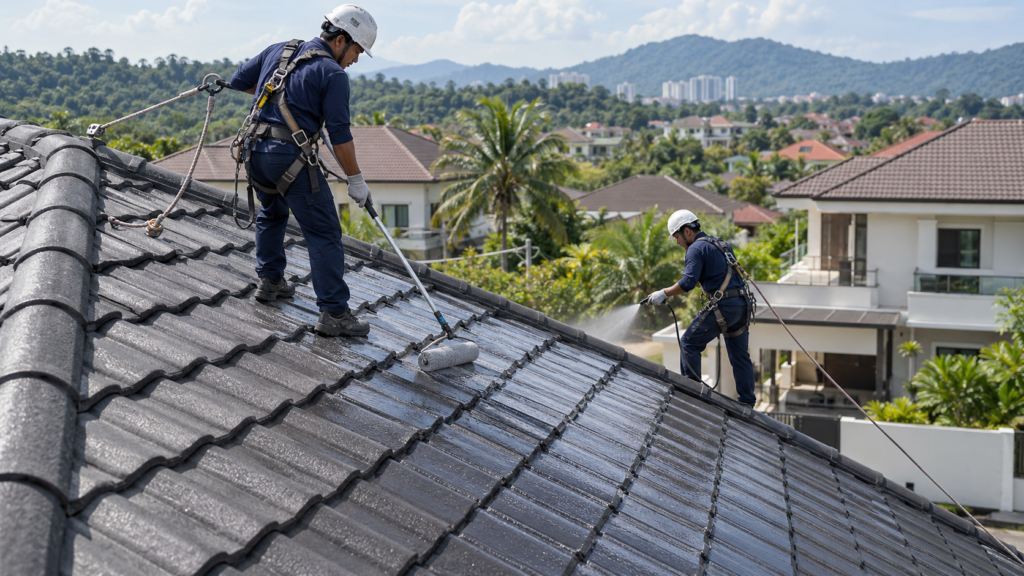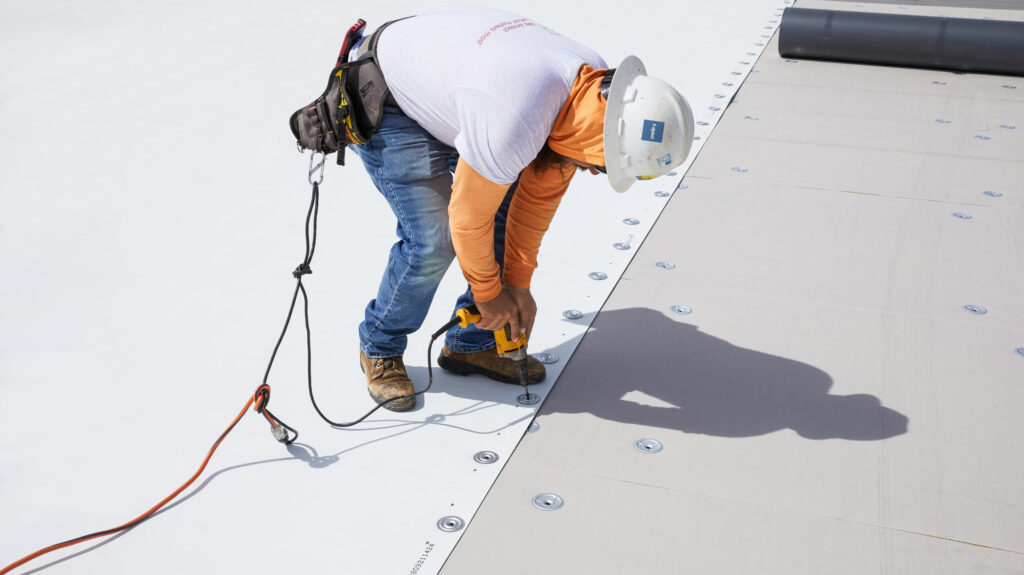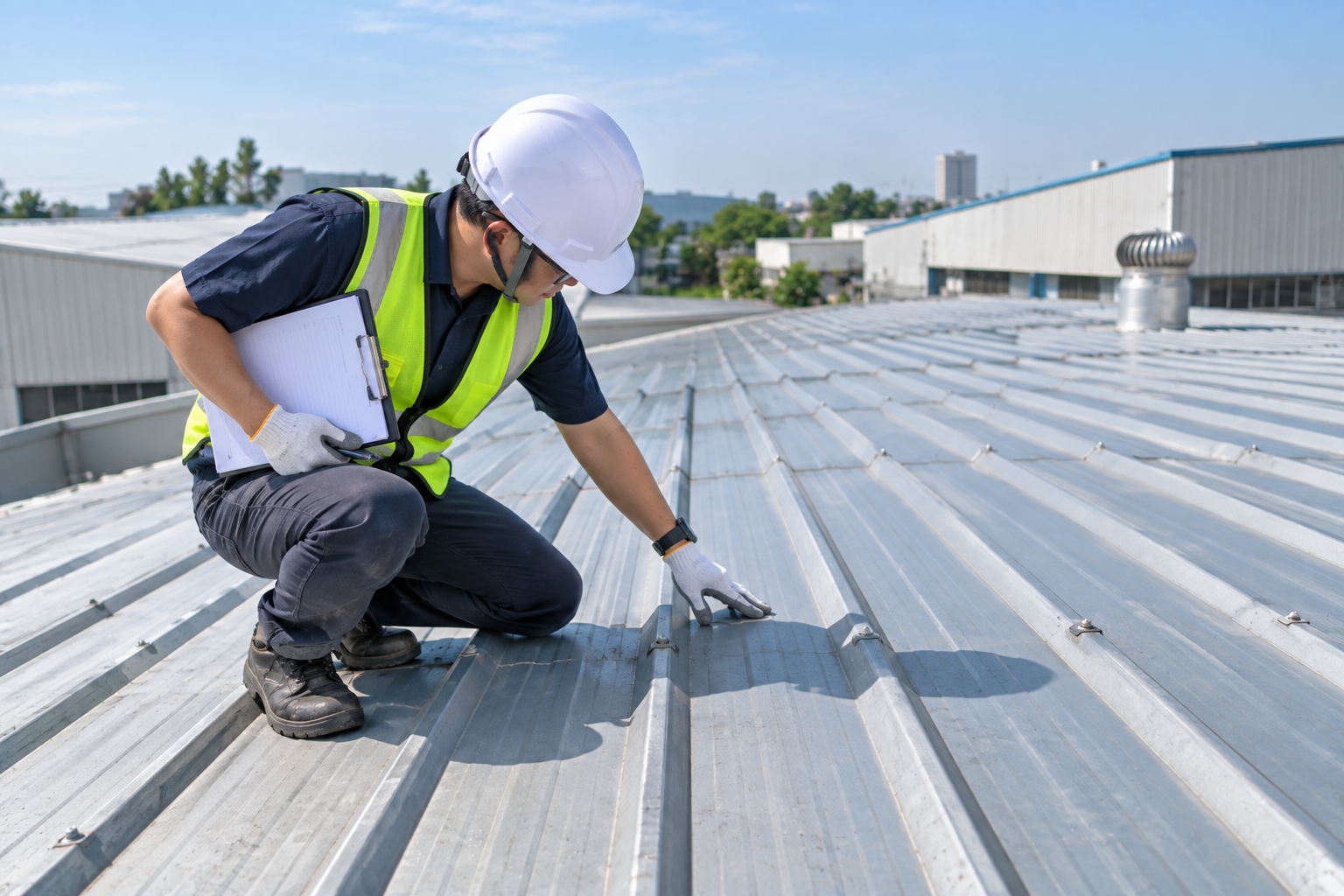
A roof stain in a Kuantan shoplot, seepage at a terrace house balcony, and dampness around a factory wall may all be described as “waterproofing problems”. But they should not be repaired in the same way. After decades of waterproofing work, one lesson becomes clear: most failed leak repairs are not caused only by “bad material”. They often start with a rushed assumption about where water entered, what surface can accept a coating, or how much of the system actually needs to be renewed.
For anyone looking for a Pahang waterproofing contractor, the better question is not simply “Who can stop the leak?” It is “Who can explain what must be checked before deciding the repair method?”
A Leak Location Is Not Always the Water Entry Point
One common repair mistake is treating the visible stain as the exact leak source. This feels logical because water marks appear on a ceiling, wall, beam, or corner. However, water can travel along the slab surface, inside screed layers, through wall-floor junctions, around pipe penetrations, or beneath tiles before it becomes visible indoors.
This is especially important for buildings with balconies, flat roofs, bathrooms above occupied rooms, or shoplots with shared walls. A ceiling stain below a balcony may come from the balcony floor, but it may also come from the door threshold, outlet area, parapet joint, cracked skirting, or failed sealant at a pipe sleeve.
A proper waterproofing repair in Pahang should begin with leak-path reasoning, not only surface coating. The contractor needs to identify how water enters, where it travels, and which construction detail allows it to appear indoors. Without that step, even a good waterproofing product may be applied to the wrong area.
This is why a site assessment should include more than a quick look at the stain. The important observations are often at edges, corners, terminations, drains, joints, and changes in level.
What a Pahang Waterproofing Contractor Should Establish Before Repair
Before recommending a coating, membrane, slurry, sealant, or hacking work, the contractor should first establish the repair context. A car porch slab, a tiled balcony, an exposed RC flat roof, and an external wall each fail in different ways.
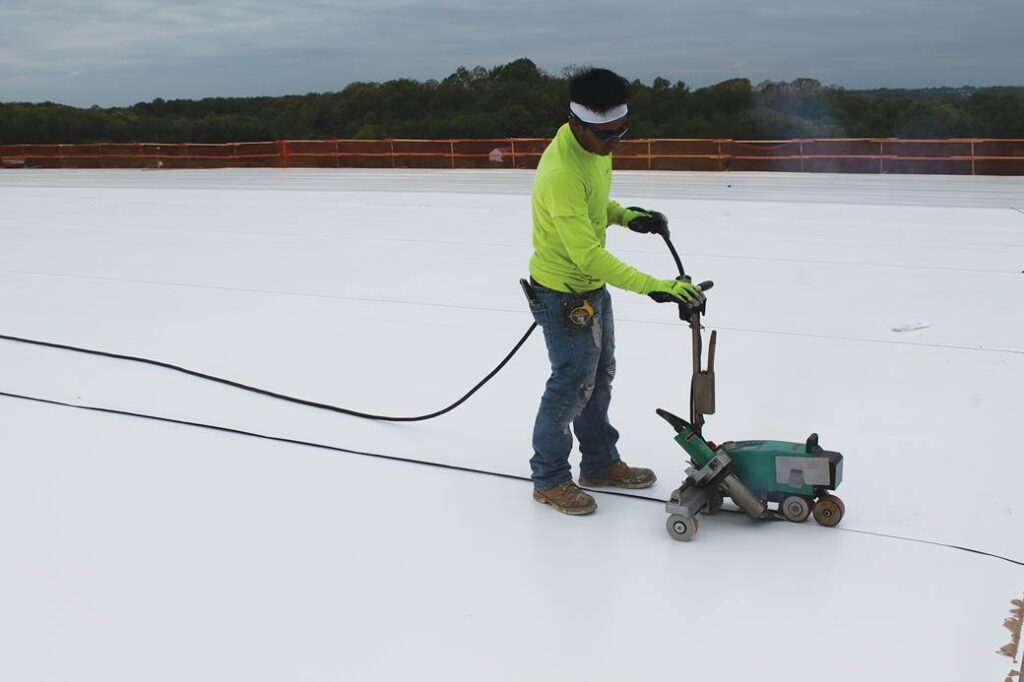
For example, an exposed roof needs attention to UV exposure, ponding water, outlet capacity, parapet junctions, cracks, and previous coating adhesion. A bathroom repair may depend more on floor-wall junctions, pipe penetrations, tile condition, screed moisture, and whether the waterproofing layer under the tiles has failed. An exterior wall may require checking cracks, hollow plaster, window frames, paint adhesion, and rain-facing elevation.
Useful questions before approving work include:
• Is the leak active only during rain, after rain, or even during dry periods?
• Is there ponding water, blocked drainage, or insufficient fall?
• Are tiles hollow, cracked, loose, or still well bonded?
• Is the existing coating firmly bonded or peeling?
• Are joints, pipe sleeves, outlets, corners, and terminations included in the scope?
• Will the repaired area be exposed, tiled over, trafficked, or protected?
These checks change the repair method. They also help avoid under-scoping the job. A small visible defect may be only one symptom of a wider waterproofing breakdown, while in other cases, a targeted detail repair may be more reasonable than recoating the whole area.
Why Previous Repairs Often Fail Too Soon
Many owners only call a waterproofing contractor after several attempts have already failed. The previous repair may have looked sensible at the time: apply sealant to a crack, coat over a roof, patch around a pipe, or brush a transparent layer over tiles. The problem is that these repairs can be incomplete if the underlying condition is not addressed.
A crack, for instance, is not just an opening. It may be static, moving, hairline, structural, or located at a junction that expands and contracts differently from the surrounding surface. Applying a rigid material over a moving crack may stop water temporarily, then reopen when movement continues.
Similarly, coating over an old surface can fail if the substrate is dusty, damp, oily, hollow, chalky, or already delaminating. On tiled areas, the tiles may look visually acceptable, but hollow spots, failed grout, cracked skirting, or moisture trapped under the surface can affect the repair.
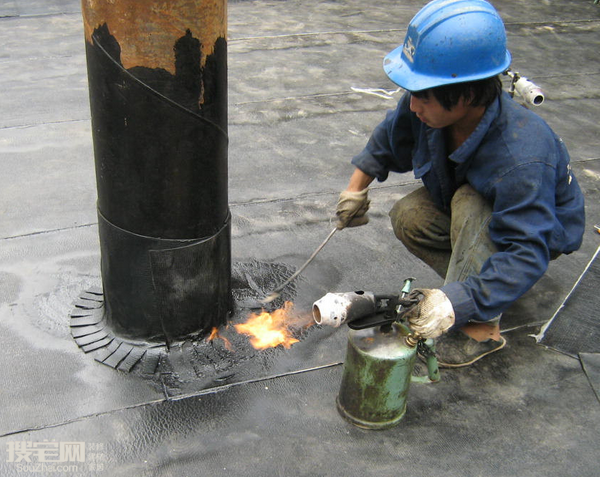
Another common issue is untreated detail work. A roof surface may be coated, but the membrane termination at the parapet, rainwater outlet, pipe penetration, or corner remains weak. Water does not need the largest surface to fail; it only needs one vulnerable path.
The lesson is simple: a repair should not only cover the leak area. It should close the actual water-entry route and match the movement, exposure, and finish of the site.
Pahang Sites Can Have Different Waterproofing Demands
Using the word “Pahang” does not mean every project has the same waterproofing requirement. A coastal building around Kuantan may face different wall exposure and wind-driven rain conditions compared with an inland residential property. A high-rise façade, landed terrace roof, industrial facility, and hill-area property may also place different demands on access, drying time, surface preparation, and detailing.
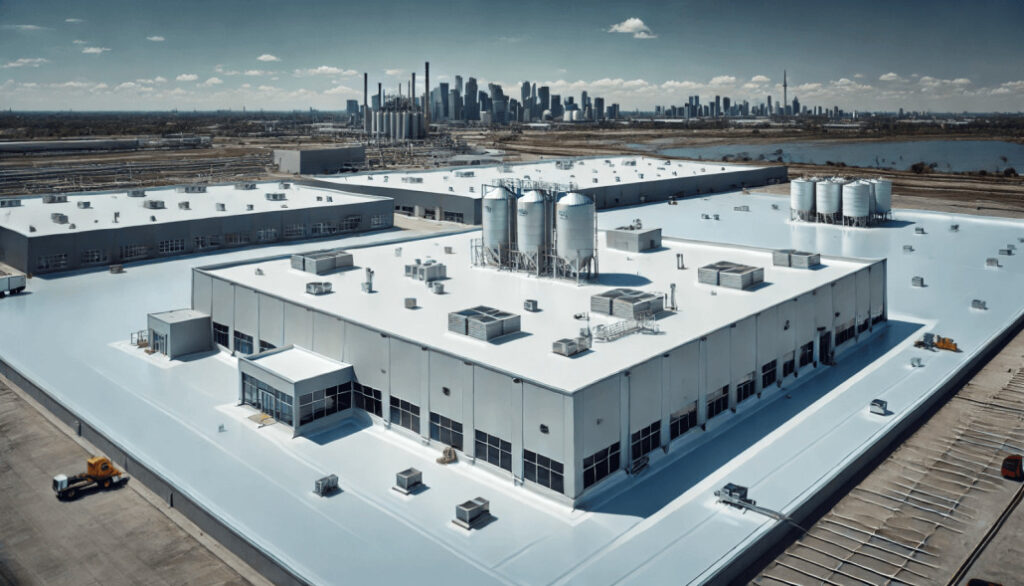
For exposed concrete roofs, repeated wetting and drying makes drainage and ponding areas important. For exterior walls, the issue may not be the whole wall surface but cracks around window frames, plaster defects, construction joints, or weak paint adhesion. For factories or commercial buildings, operational disruption may matter as much as the material choice because some areas cannot be closed for long.
This is where a contractor’s recommendation should be site-specific. A waterproofing system designed to sit below tiles should not automatically be used as a final exposed walking or driving surface. A transparent coating over tiles may help in certain surface-seepage situations, but it cannot correct loose tiles, moving cracks, failed screed, or water entering from another detail.
The best repair method is the one that fits the actual substrate, exposure, access, and expected use of the area.
Product Choice Matters, But System Fit Matters More
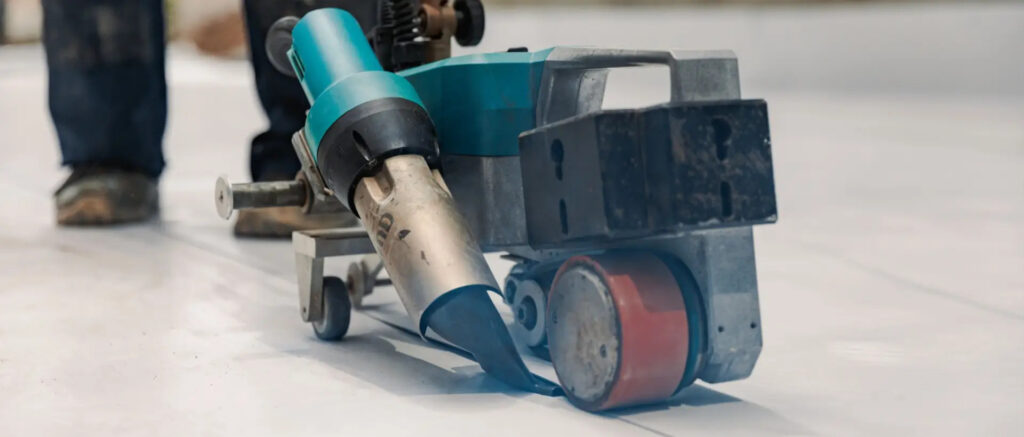
Waterproofing products are not interchangeable. Cementitious slurry, flexible coatings, roof coatings, transparent coatings, sealants, tapes, and leakage plugging materials each have different roles. A product that performs well in one area may be unsuitable if used outside its intended condition.
For example, a cement-based waterproofing slurry such as a K11-type system may be used in suitable wet-area or masonry-related applications, subject to substrate preparation and specification. A roofing waterproof coating should be assessed against roof exposure, slope, ponding areas, existing coating condition, and detailing. A waterproof sealant is useful at selected joints and gaps, but it should not be treated as a full waterproofing system for a failed slab.
QingLong Waterproofing manufactures and supplies a range of waterproofing materials, including roofing coatings, exterior wall transparent waterproof coatings, K11 waterproof slurry, waterproof sealants, tapes, and leakage repair products. The important point is not to choose a product by name alone. The product must be matched to the substrate, repair objective, and final build-up.
Before confirming any material, the current technical data sheet, surface preparation requirement, application thickness or coverage guidance, curing condition, and compatibility with the existing surface should be checked. This protects both the owner and the applicator from unrealistic expectations.
The Repair Scope Should Be Clear Before Work Starts
A waterproofing quotation should make the repair scope understandable. It does not need to be overly complicated, but it should state what area is included, what preparation will be done, which details are treated, what product or system is proposed, and what limitations remain.
For example, if existing balcony tiles are retained, the quotation should clarify that the repair depends on tile adhesion, grout condition, crack condition, and whether water is entering from surface defects rather than from a hidden failed layer below. If an old roof coating remains, the contractor should state whether it will be cleaned, removed in weak areas, primed if required, or treated only where adhesion is acceptable.
A vague scope creates disputes later because “waterproof the roof” can mean very different things. It may mean a local patch, a full coating system, joint treatment, outlet detailing, crack repair, or membrane renewal. These are not the same in cost, durability, or disruption.
A good contractor explains the trade-off. Sometimes the practical choice is a targeted repair because the defect is localised. Sometimes a wider renewal is more sensible because many details have aged together. The decision should be based on evidence, not pressure.
Choosing a Waterproofing Contractor Is Really Choosing a Diagnosis Process
For property owners and managers, the strongest lesson from long-term leak repair work is that waterproofing success begins before application. The contractor’s first value is not the brush, roller, membrane, or sealant gun. It is the ability to interpret the building condition correctly and design a repair scope that fits the site.
QingLong Waterproofing has been involved in waterproofing product development, manufacturing, supply, and application since 1997, with operations serving residential, commercial, industrial, and infrastructure needs. For Pahang projects, that experience is most useful when it is applied to the actual site condition rather than used as a generic promise.
If you are assessing a leak, planning a repair, or comparing waterproofing options for a property in Pahang, you can discuss your site condition with QingLong Waterproofing and request a suitable recommendation based on the area, substrate, exposure, and repair objective.
The right waterproofing decision is not always the biggest repair or the cheapest patch. It is the repair that correctly identifies the water path, treats the vulnerable details, and uses a system suitable for how the building is actually exposed.