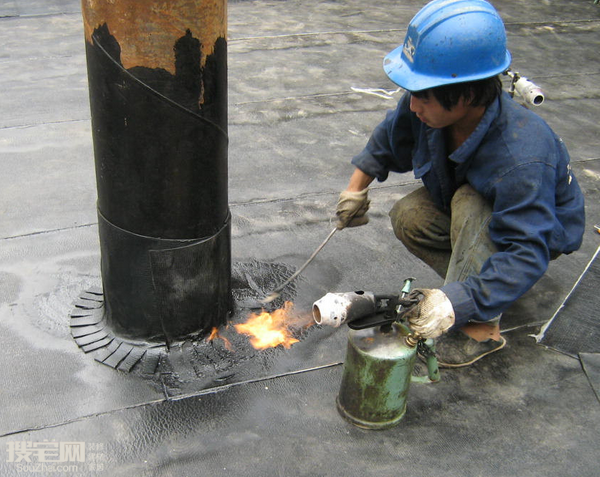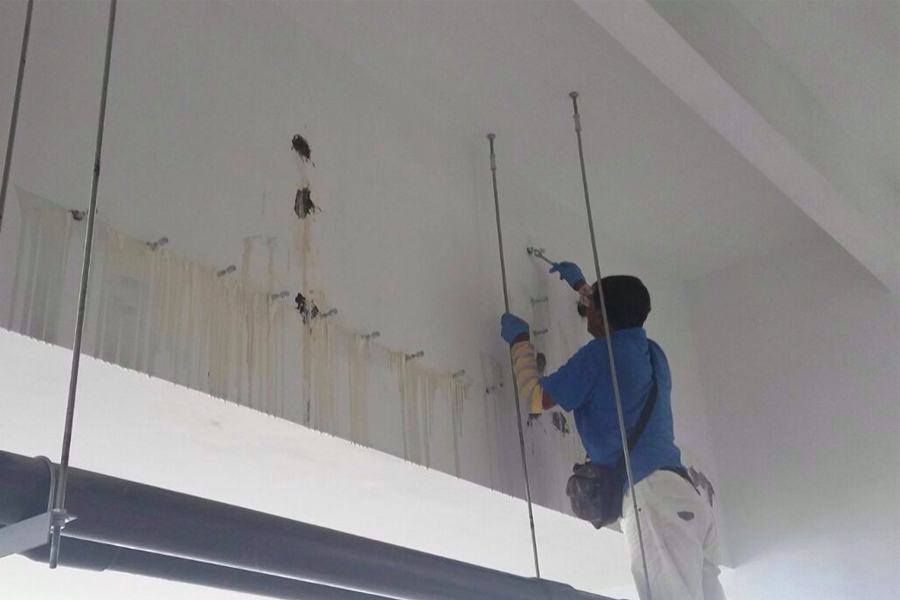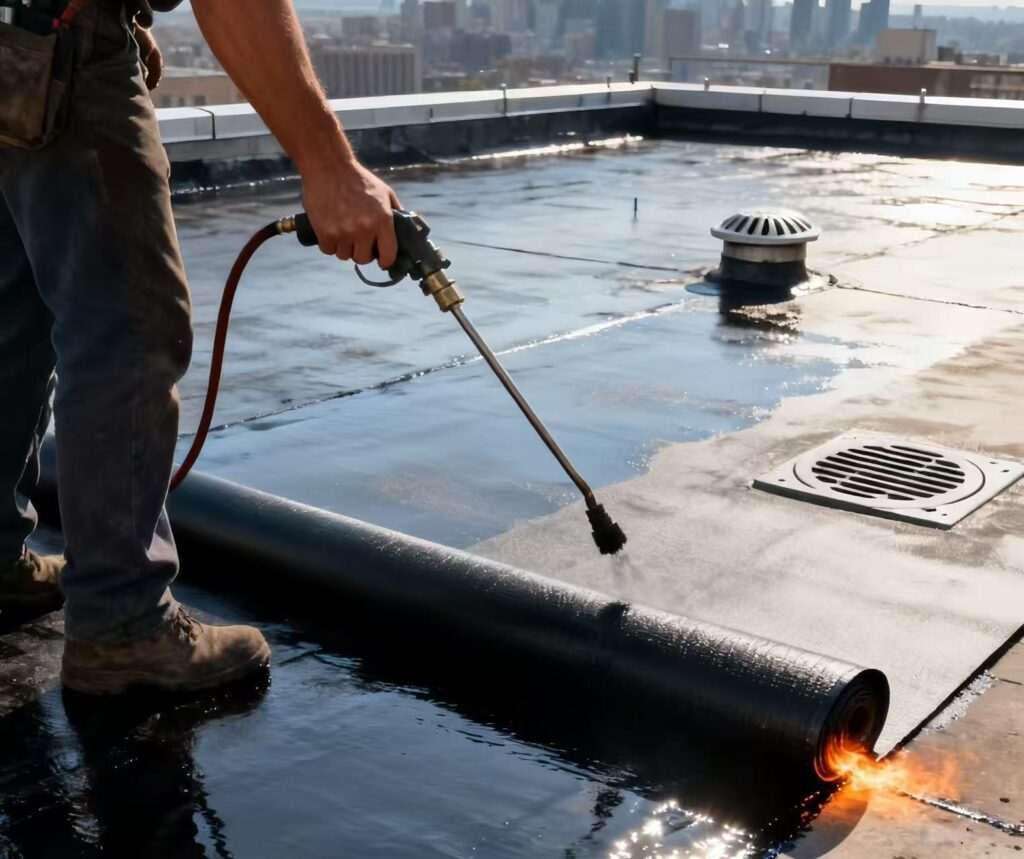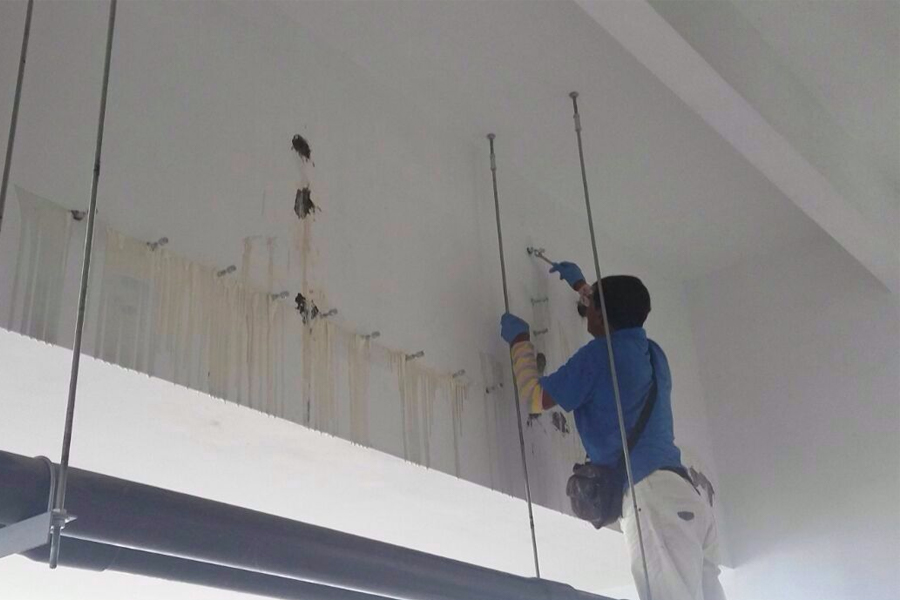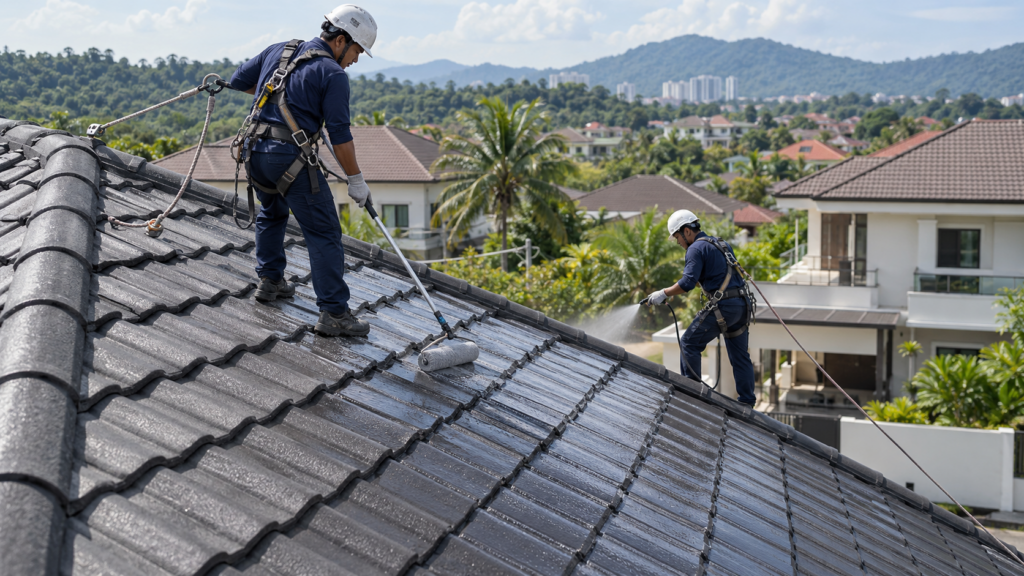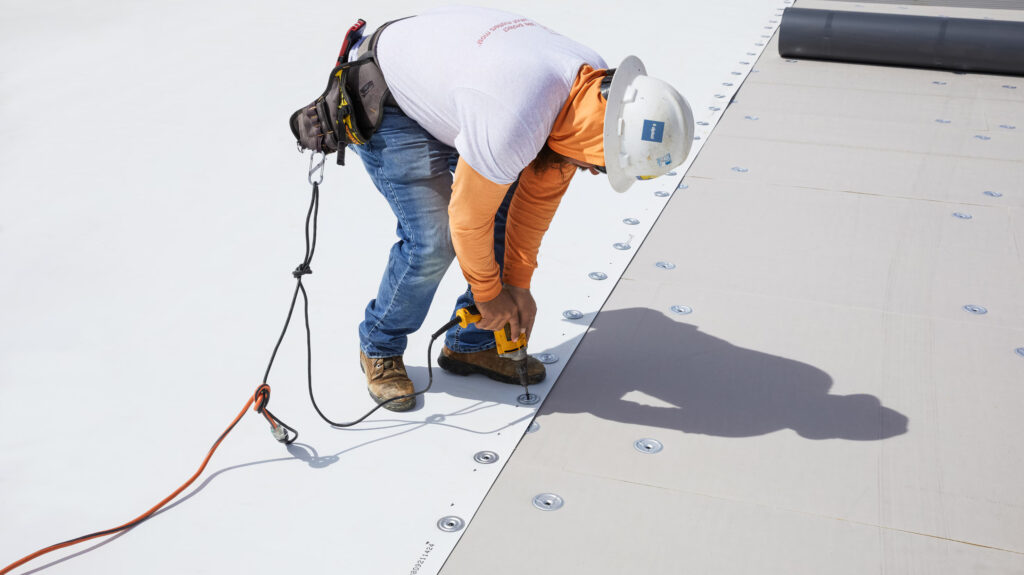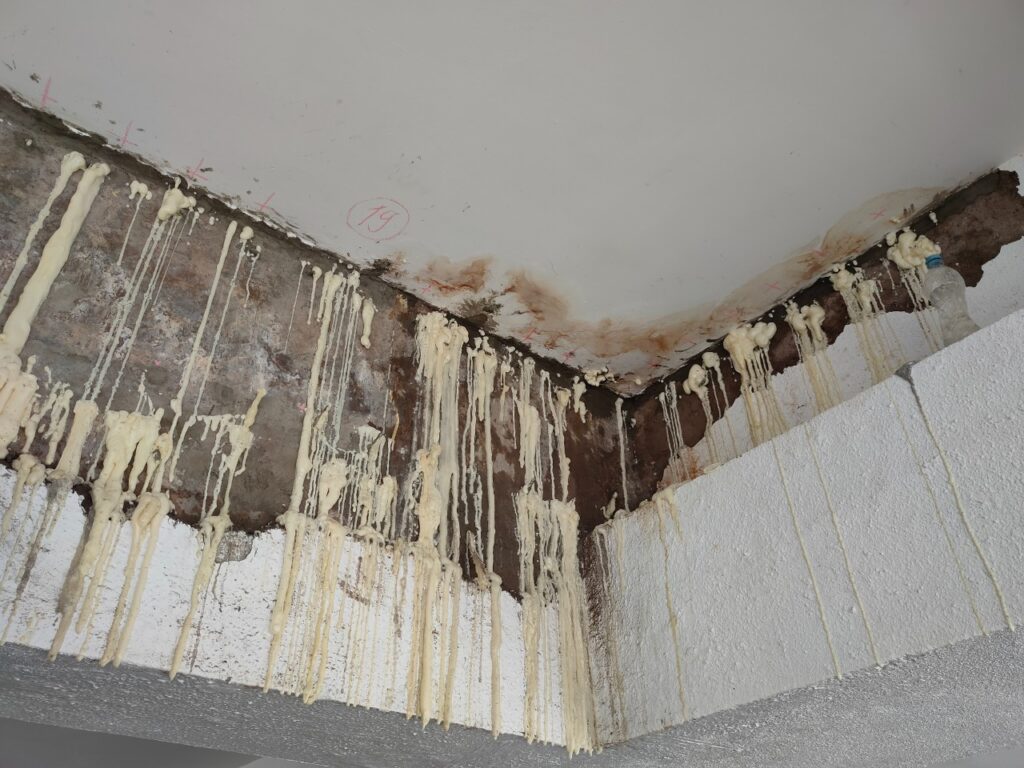
Active water leakage in Central Melaka buildings often requires immediate attention because water can quickly spread through concrete cracks, construction joints, and hidden voids. Whether the leakage appears in an older shoplot, apartment, hotel, commercial building, basement, or lift pit, the visible damp area is not always where the water first enters the structure. Left untreated, active leaks can damage finishes, encourage mould growth, interrupt business operations, and gradually affect the building's condition.
PU injection is widely used to stop active water leakage inside concrete structures without extensive hacking. However, successful PU injection depends on identifying the actual water path rather than simply treating the visible wet area. Correct diagnosis remains the most important step before any waterproofing repair begins.
In this article, we’ll explain how PU injection works, why active leaks happen in Melaka’s building conditions, what should be checked before injection, and how a proper waterproofing service can reduce recurring leakage.
Why Active Leaks Happen in Central Melaka Buildings
Central Melaka contains a mixture of heritage buildings, renovated shoplots, hotels, residential apartments, offices, and modern commercial developments. These buildings experience Malaysia's year-round tropical climate, where heavy rainfall, high humidity, strong sunlight, and frequent temperature changes continually place stress on concrete structures and waterproofing systems.
Over time, concrete naturally expands and contracts. Small cracks may gradually develop around construction joints, wall-floor junctions, pipe penetrations, lift pits, retaining walls, and basement structures. As waterproofing systems age or deteriorate, these weak points become pathways for water to enter the building.
Why does a small crack sometimes leak only during heavy rain?
Water always follows the path of least resistance. During prolonged rainfall, blocked drains, roof ponding, saturated soil, or groundwater pressure increase the force acting against vulnerable parts of the structure. Once water finds even a tiny opening, it can travel inside the concrete before appearing several metres away from its actual entry point.
This explains why a ceiling stain or damp wall is often only the visible symptom rather than the true source of the leak.
In many Malaysia waterproofing projects, successful repair depends on determining whether the water originates from rainfall, groundwater pressure, plumbing leaks, failed waterproofing membranes, or hidden moisture trapped behind finishes before selecting the appropriate repair method.
How PU Injection Stops Water Leakage
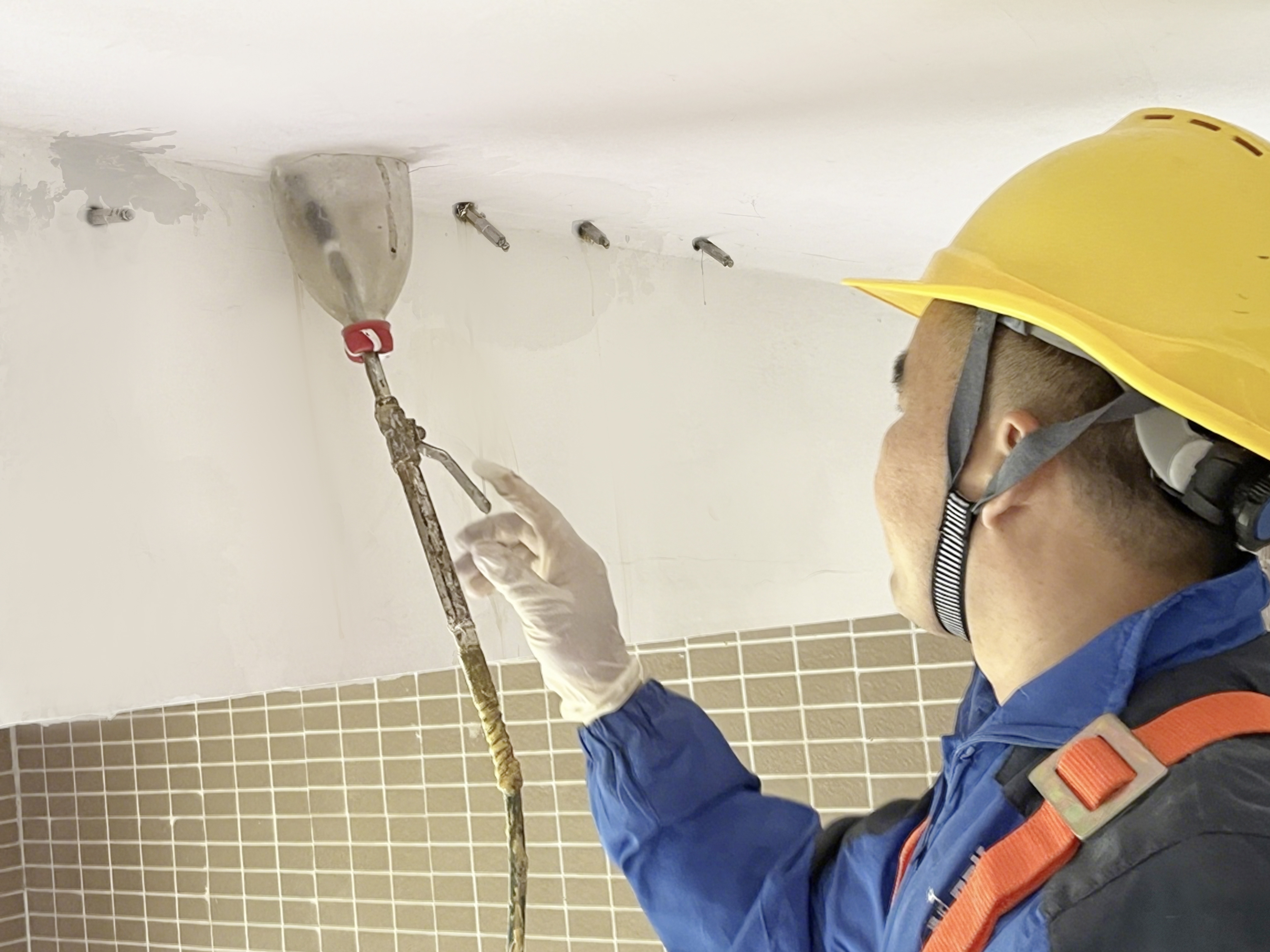
PU injection uses polyurethane resin that is injected into cracks, joints, or voids under pressure. When the resin comes into contact with water, it reacts and expands into a foam or flexible seal, depending on the product type. This expansion helps fill the water path and blocks active seepage from inside the concrete.
The method is useful for active leaks because it can often be applied from the interior side without hacking large external areas. For example, a basement wall leak, lift pit seepage, or concrete joint leakage may be treated by drilling injection ports along the crack line, flushing or checking the water path, and pumping PU material into the affected area until the leakage slows and stops.
However, PU injection is not a magic solution for every waterproofing problem. It is mainly a leak-stopping method for cracks, joints, and voids. If the root problem is poor roof drainage, failed external waterproofing membrane, or serious structural movement, injection may stop the immediate leak but additional repair may still be needed to prevent future water pressure from attacking nearby weak points.
What Should Contractors Check Before PU Injection?
Before choosing PU injection, the contractor should inspect the leak pattern carefully. Rushing into injection without checking the water source may seal the wrong path and allow water to reappear at another point. On site, experienced applicators usually observe the leak during or after rain, check surrounding cracks, inspect drainage conditions, and study building details such as pipe sleeves, expansion joints, wall-floor junctions, and previous repair marks.
Before confirming a PU injection waterproofing solution, check:
• Whether the leakage is active, intermittent, or only moisture staining
• Whether the source is rainwater, groundwater, plumbing, or roof ponding
• Whether the crack or joint is stable enough for injection sealing
• Whether there are nearby weak points that may leak after pressure changes
• Whether follow-up waterproofing coating, drainage improvement, or joint repair is required
This evaluation is especially important in Central Melaka, where some buildings have been renovated several times. New tiles, ceilings, or wall finishes may hide old waterproofing failures, making diagnosis more important than simply treating the visible wet area.
When PU Injection Is Suitable and When It Is Not
PU injection is suitable when water is entering through concrete cracks, construction joints, cold joints, pipe penetrations, basement walls, retaining walls, lift pits, and certain slab leakage points. It is often selected when the external side is difficult to access or when immediate leak control is needed to protect interiors, equipment, tenants, or business operations.
What should property owners understand before requesting injection service?
The result depends on correct diagnosis, proper drilling angle, injection pressure, resin selection, and site condition. A waterproofing supplier may provide good materials, but poor injection technique can still cause incomplete sealing. Likewise, a skilled applicator needs the right product type to match active water flow and crack behaviour.
PU injection is less suitable when the surface is leaking because of large open gaps, severely damaged concrete, constant structural movement, or widespread membrane failure on roofs and balconies. In these cases, injection may be part of the repair plan, but it should not replace proper surface waterproofing or drainage correction.
Case Study: Commercial Basement Leak Near Central Melaka
On a commercial basement repair project near Central Melaka, water was entering through the wall-floor joint after several days of rain. The building management had previously applied surface patching, but the water pressure behind the wall pushed moisture through new points. The challenge was that the external retaining wall could not be excavated because of surrounding access limitations and ongoing business operations.
The repair team inspected the wet areas, marked the active seepage line, and drilled injection ports along the joint at controlled spacing. PU resin was injected gradually to allow the material to react with water and fill the hidden voids behind the joint. After the active leakage was stopped, the area was monitored during the next rainfall cycle. Minor seepage at an adjacent pipe sleeve was then treated separately instead of over-injecting the original joint.
The result was a dry basement wall-floor junction and reduced maintenance complaints from the tenant. This type of project shows why leak repair is not only about injecting material, but also about reading how water pressure moves through the building.
How QingLong Waterproofing Approaches PU Injection Work
QingLong Waterproofing supports leak repair projects as a Waterproofing Manufacturer, Waterproofing Supplier, Waterproofing Solution Provider, and Waterproofing Service Company in Malaysia. With experience across residential, commercial, industrial, and infrastructure projects, the focus is always on matching the repair method to the actual site condition rather than applying the same solution to every leak.
For PU injection projects, the process typically begins with assessing the leakage behaviour, identifying the likely water pathway, selecting the appropriate injection material, and determining whether additional waterproofing work is necessary after the active leak has been stopped.
Depending on the building condition, further repairs may include joint sealing, roof waterproofing, waterproofing coating, drainage improvement, external wall waterproofing, or other surface waterproofing systems designed to reduce future water intrusion.
For property owners and facility managers, this diagnostic-first approach helps minimise repeated repairs by addressing both the immediate water entry point and the conditions that allow water pressure to return over time.
Conclusion
PU injection is an effective solution for stopping active water leaks in Central Melaka buildings when water enters through concrete cracks, construction joints, pipe penetrations, basement walls, retaining walls, or lift pits. Its effectiveness depends on accurate diagnosis, proper injection techniques, suitable resin selection, and understanding the actual source of the water rather than simply repairing the visible damp area.
Every leakage problem is different, and the most appropriate repair method depends on the building condition, water source, and surrounding waterproofing system. If your property in Central Melaka is experiencing active water leakage, contact QingLong Waterproofing to arrange a professional site inspection. Our team can assess the root cause of the leakage and recommend a suitable waterproofing solution based on your building's actual condition.
Frequently Asked Questions (FAQs)
1. Can PU injection stop active water leaks immediately?
PU injection can stop many active water leaks that travel through concrete cracks, construction joints, and internal voids. The polyurethane resin reacts with moisture and expands to seal the water pathway from within the concrete. However, the effectiveness depends on accurate diagnosis, correct drilling locations, suitable injection pressure, resin selection, and the overall condition of the concrete.
2. Is PU injection suitable for old shoplots in Central Melaka?
Yes, PU injection can be an effective solution for older shoplots if the leakage originates from concrete cracks, construction joints, wall-floor junctions, or pipe penetrations. Since many older buildings have undergone multiple renovations, ceilings, wall finishes, or tiles may conceal the original leak source. A professional site inspection is recommended to identify the actual water pathway before selecting the appropriate repair method.
3. Why does leakage return after previous waterproofing repairs?
Recurring leakage often happens when only the visible damp area is repaired without addressing the actual water entry point. Water can continue travelling through hidden cracks, joints, or voids inside the concrete before emerging at a different location. A proper leak diagnosis is essential to identify the root cause and prevent water pressure from finding another weak point.
4. Do I still need waterproofing after PU injection?
In some cases, yes. PU injection is designed to stop active water paths inside concrete, but it does not repair every type of waterproofing failure. If the leakage is caused by deteriorated roof waterproofing, failed external wall systems, poor drainage, or damaged expansion joints, additional waterproofing work such as roof coating, joint sealing, drainage improvement, or surface waterproofing may still be required for a long-term solution.