Buying a factory direct torch-on membrane sheet in Kota Kinabalu can look straightforward: choose a thickness, confirm the roll quantity, compare price per square metre, and arrange delivery. In practice, the risk is not only whether the membrane is “good”. The bigger question is whether the membrane, accessories, installer method, delivery condition, and roof details all match the actual site. For flat concrete roofs, podium slabs, plant rooms, gutters, and exposed roof areas, the wrong purchase decision can create problems before the torching work even begins.
Factory Direct Supply Helps Only If the Membrane Matches the Roof
Factory direct purchasing can reduce layers in the supply chain and make technical clarification easier, but it does not automatically make every torch-on membrane suitable for every roof.
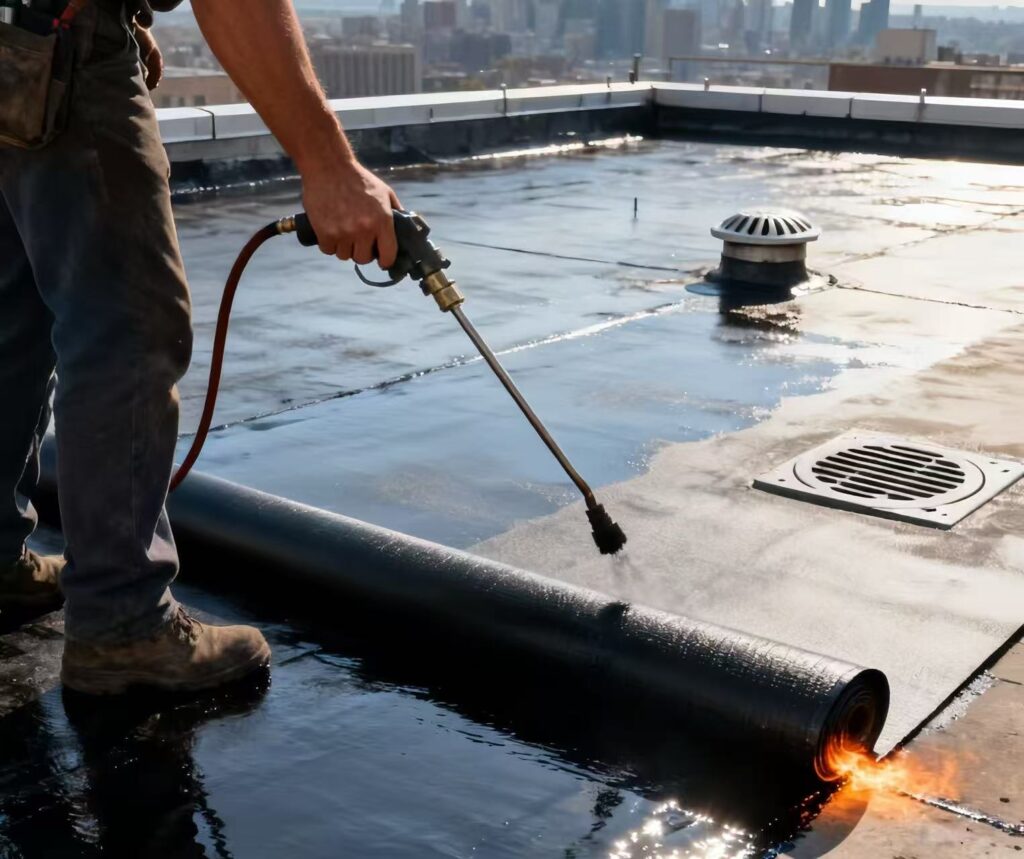
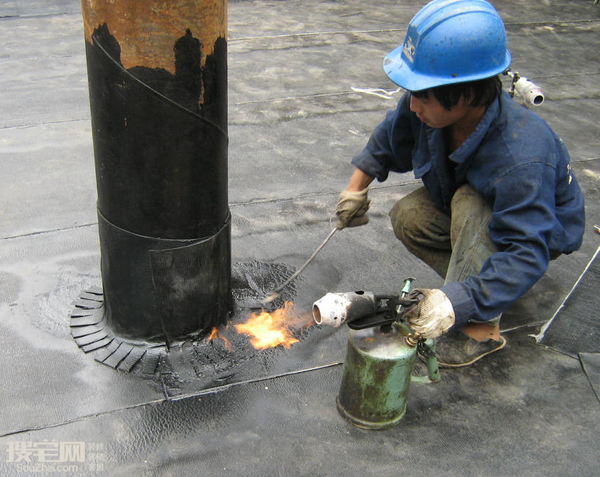
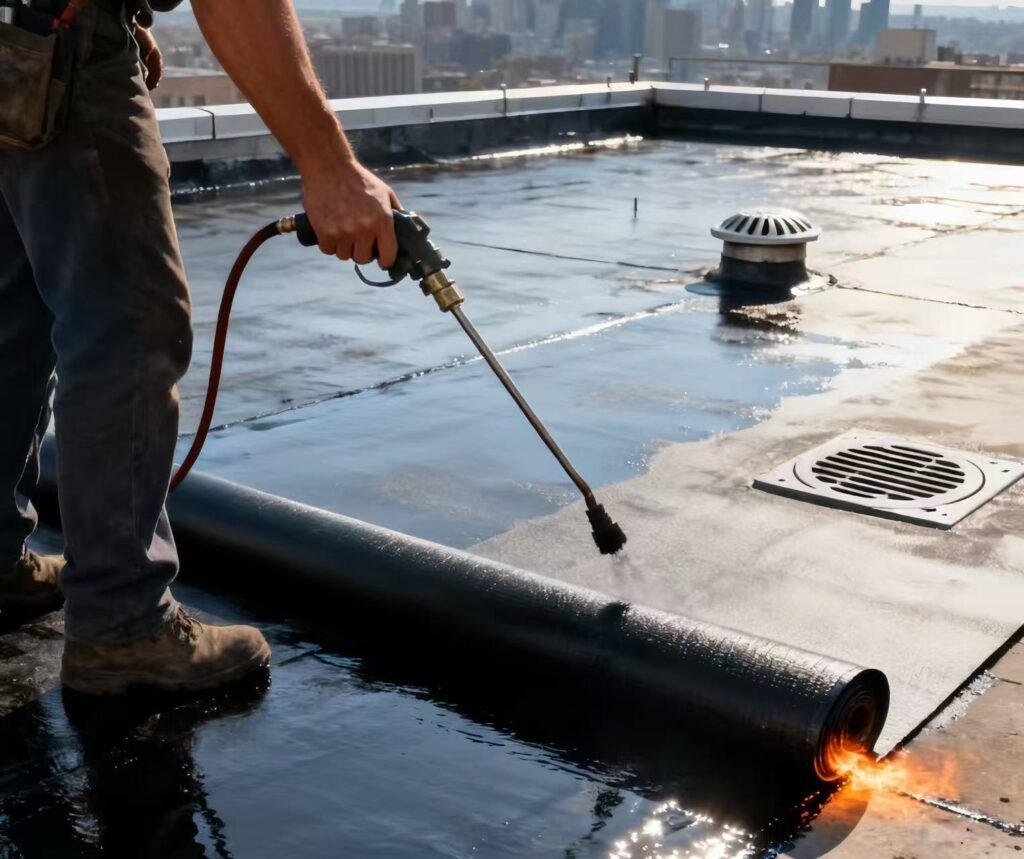
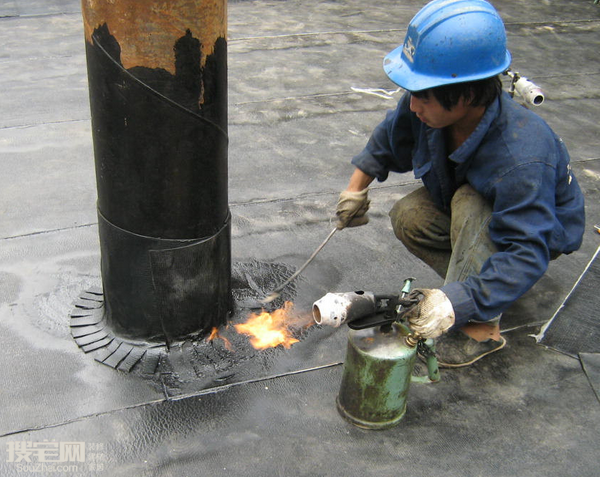
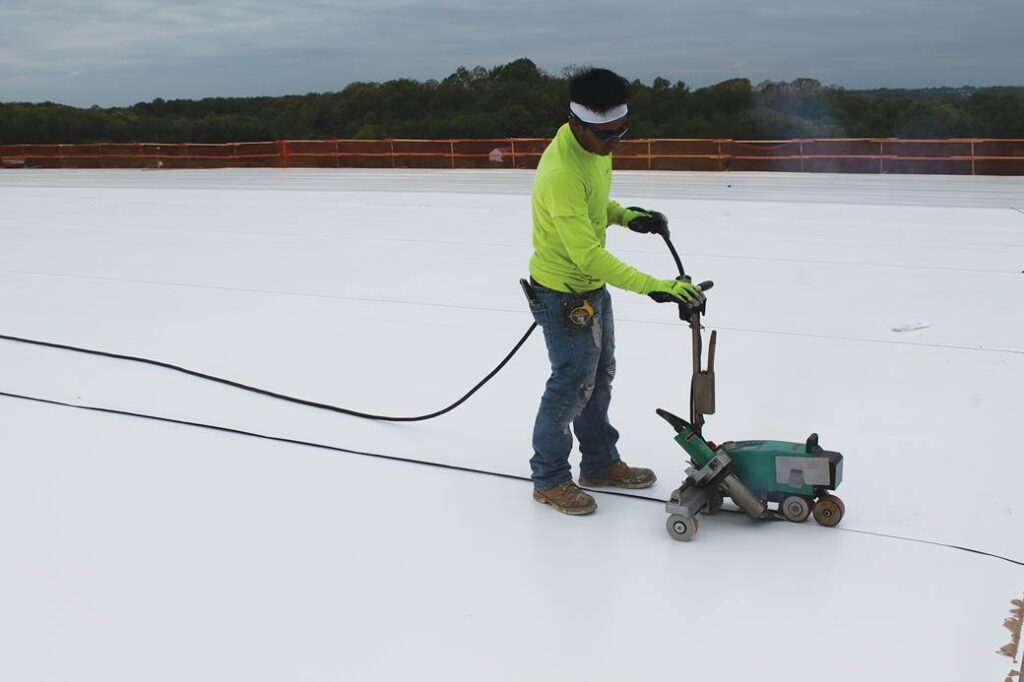
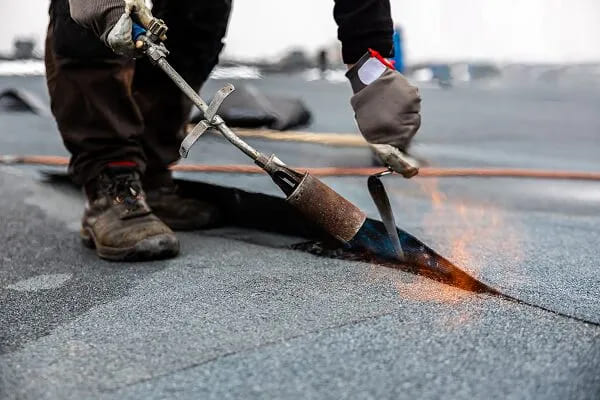
A torch-on membrane sheet is normally selected for waterproofing concrete roof slabs, podium decks, gutters, or other areas where a bituminous sheet membrane can be heat-bonded to a prepared substrate. It needs a stable surface, proper primer, sufficient laps, correct torching, and well-treated details at corners, outlets, penetrations, and terminations.
A factory direct torch-on membrane sheet should be checked for more than price and thickness. The buyer should verify membrane type, reinforcement, surface finish, application method, substrate suitability, accessory requirements, delivery condition, and whether the roof details can be properly torched and terminated. A cheaper roll is not a saving if it does not match the site build-up or installation constraints.
For a Kota Kinabalu project, this matters because material may need to be planned with freight timing, site storage, weather windows, and installer availability. If the membrane arrives before the roof is ready, is stored poorly, or is installed on a damp or dusty surface, factory direct supply alone will not protect the waterproofing outcome.
Do Not Treat “Torch-On Membrane” as One Product Category
Many purchase enquiries start with a simple request: “Need torch-on membrane, how much per roll?” That is too vague for a proper buying decision.
A torch-on membrane sheet may differ by bitumen modification, reinforcement, thickness, top surface, underside film, flexibility, heat resistance, and intended exposure condition. Some membranes are intended to be covered by screed, tiles, insulation board, or protection layer. Others may have a mineral surface for exposed applications, subject to the manufacturer’s specification.
Before confirming an order, check the current technical data sheet for:
membrane thickness and roll size;
reinforcement type;
top surface finish, such as sanded, film-faced, or mineral finish;
underside torching surface;
recommended primer;
lap width and application requirements;
whether the membrane is suitable for exposed or covered use;
storage requirements and shelf condition;
compatibility with protection screed, tiles, coating, or other finishing layers.
Thickness is important, but it should not be the only decision point. A thicker membrane with poor detailing can fail earlier than a correctly selected membrane installed with proper laps, upturns, protection, and drainage treatment.

Kota Kinabalu Buyers Should Plan Logistics Before Site Work Starts
For projects in Kota Kinabalu, procurement planning is part of waterproofing risk control. Torch-on membrane rolls are heavy, bulky, and sensitive to rough handling and poor storage. If the rolls are damaged during transport, stored under direct heat without protection, or left exposed to rain before installation, the site team may face delays or quality concerns.
Factory direct supply should be discussed together with delivery lead time, roll quantity, packaging condition, unloading method, and site storage space. This is especially important for commercial roofs, shoplot roofs, industrial facilities, and larger slab areas where work may be scheduled around other trades.
Rain timing also affects application. Torch-on membrane should not be installed over a wet substrate. After rain, the surface may look dry but still hold moisture in screed cracks, porous concrete, corners, or around outlets. If the contractor torches over trapped moisture, blistering or poor bonding may occur later.
The buying decision should therefore include a realistic installation window, not just a delivery date. A good purchase plan asks: when will the roof be ready, who will inspect the substrate, how will materials be stored, and what happens if rain delays surface preparation?
Roof Details Decide the Accessories and Quantity You Actually Need
The membrane roll quantity is usually calculated from the roof area plus wastage. That is only a starting point. Torch-on membrane usage can increase significantly when the roof has many upturns, corners, pipe penetrations, RC plinths, parapet walls, drainage outlets, gutters, or equipment supports.
A flat roof with clean open area is very different from a plant room roof with air-conditioning bases, cable trays, pipes, and multiple floor traps. The more details the membrane must turn, cut, lap, reinforce, and terminate around, the more accessories and labour control are required.
Important details to identify before purchase include:
parapet upturn height and termination method;
roof outlets, scuppers, and gutter connections;
pipe penetrations and sleeves;
internal and external corners;
construction joints or movement cracks;
equipment plinths and support bases;
areas requiring protection screed or topping;
access path for maintenance traffic.
These details affect whether additional membrane strips, corner reinforcement, primer, sealant, termination bars, protection boards, or compatible coatings are needed. Buying only the main membrane rolls may leave the installer improvising on site, which is rarely the best way to handle vulnerable waterproofing points.
Factory Direct Versus Local Trading Supply: The Real Trade-Off
Factory direct supply and local trading supply can both be useful, but they serve different priorities.
Buying directly from a manufacturer or principal supplier such as QingLong Waterproofing can be useful when the buyer needs clearer product information, consistent batch supply, technical guidance, and support for system selection. This is helpful for contractors, developers, facility managers, and purchasers who need more than a roll price.
A local trader or hardware supplier may be convenient when the quantity is small, the product is already in stock, and the buyer needs immediate collection. However, the buyer should still verify whether the membrane is suitable for the intended application, whether the stock condition is acceptable, and whether the seller can provide updated product documentation.
The better choice depends on the project risk. For a small non-critical repair, immediate availability may matter most. For a roof slab above occupied space, a commercial building, or a larger waterproofing scope, technical clarity and system compatibility are usually more important than saving a small amount per roll.
What to Verify Before Confirming a Torch-On Membrane Order
Before buying a factory direct torch-on membrane sheet for a Kota Kinabalu project, the purchaser should confirm both product and site information. This helps avoid ordering a membrane that looks correct on paper but does not suit the actual roof.
At minimum, clarify the roof area, substrate condition, whether the membrane will be exposed or covered, drainage falls, existing coating or membrane condition, and whether the installer is experienced with torch-applied sheet systems. If the roof has existing waterproofing, the old layer may need removal, repair, or compatibility checking before a new system is installed.
The buyer should also request the latest technical data sheet and application guidance. If a project specification requires particular performance criteria, documentation should be checked before ordering rather than after the material reaches site.
For QingLong Waterproofing, the useful discussion is not simply “how much per roll?” It should include the intended roof use, final finish, installation method, accessory requirements, and delivery planning to Kota Kinabalu. This gives the supplier enough information to recommend a more suitable waterproofing approach instead of quoting blindly.
Conclusion
A torch-on membrane sheet is only one part of the waterproofing decision. The membrane must match the roof substrate, exposure, detailing, protection layer, installation method, and project logistics. In Kota Kinabalu, buyers should also plan freight, storage, rain delays, and site readiness before confirming factory direct supply.
If you are comparing torch-on membrane sheets or planning a roof waterproofing purchase, QingLong Waterproofing can help review the project requirements and recommend a suitable product or system. You may contact QingLong Waterproofing to discuss your site condition and material requirements.
Frequenlty Asked Questions (FAQs)
1. Is torch-on membrane suitable for every flat concrete roof?
No. Torch-on membrane can be suitable for many concrete roof applications, but the substrate must be stable, clean, dry, and properly prepared. Roof details, exposure, drainage, and final protection layer should be checked before selection.
2. Can torch-on membrane be left exposed to sunlight?
Only if the selected membrane is specified for exposed use, such as with a suitable mineral surface or approved protective finish. Some torch-on membranes are designed to be covered by screed, tiles, or other protection layers.
3. What is the main risk when buying cheap torch-on membrane?
The risk is not only material quality. A low-cost membrane may be unsuitable for the roof exposure, may lack proper documentation, or may require accessories and preparation that were not included in the purchase calculation.
4. How much extra membrane should be ordered for laps and details?
The extra quantity depends on roof shape, lap requirements, upturns, penetrations, outlets, and wastage. A simple open roof needs less allowance than a roof with many plinths, corners, and pipe penetrations.