A concrete leak does not always mean the whole surface needs to be hacked, coated or rebuilt. In many Kota Kinabalu buildings, the practical question is narrower: water is entering through a crack, joint or weak concrete detail, but access to the outside face is difficult. That is where PU injection is often considered.
PU injection in Kota Kinabalu can be useful for certain active concrete leaks, especially where water is passing through cracks or voids inside the concrete. But it is not a universal repair for every damp patch, roof leak or tiled-area seepage. The key is identifying whether the leak path is injectable.
PU Injection Works Inside the Leak Path, Not on the Surface
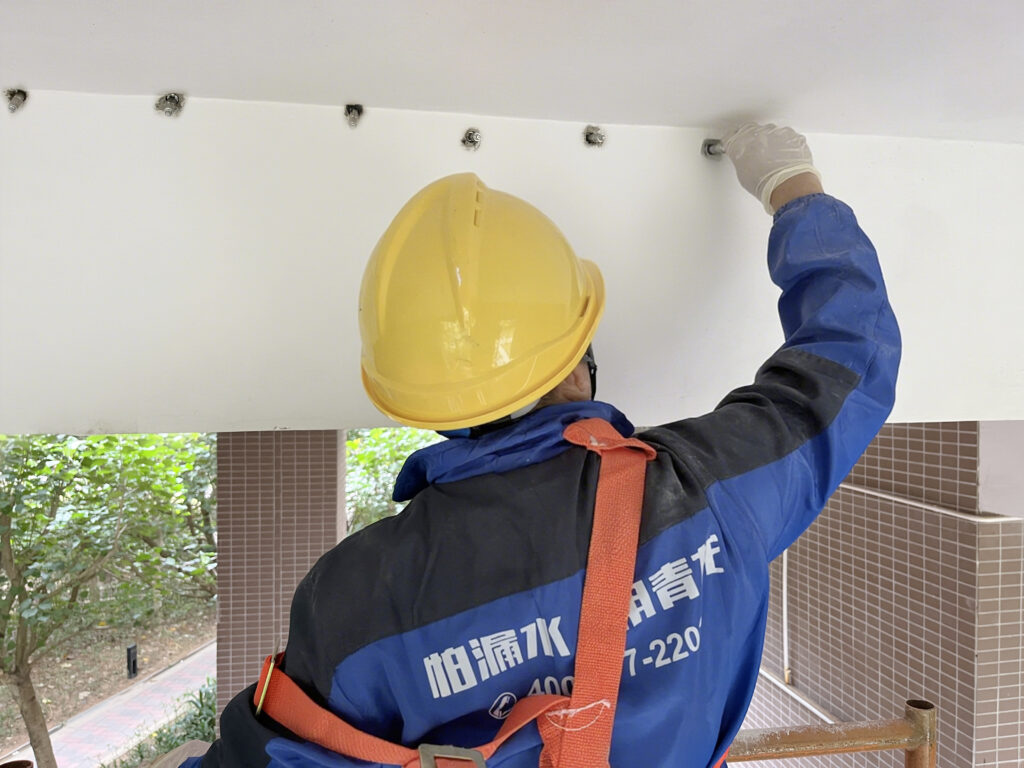
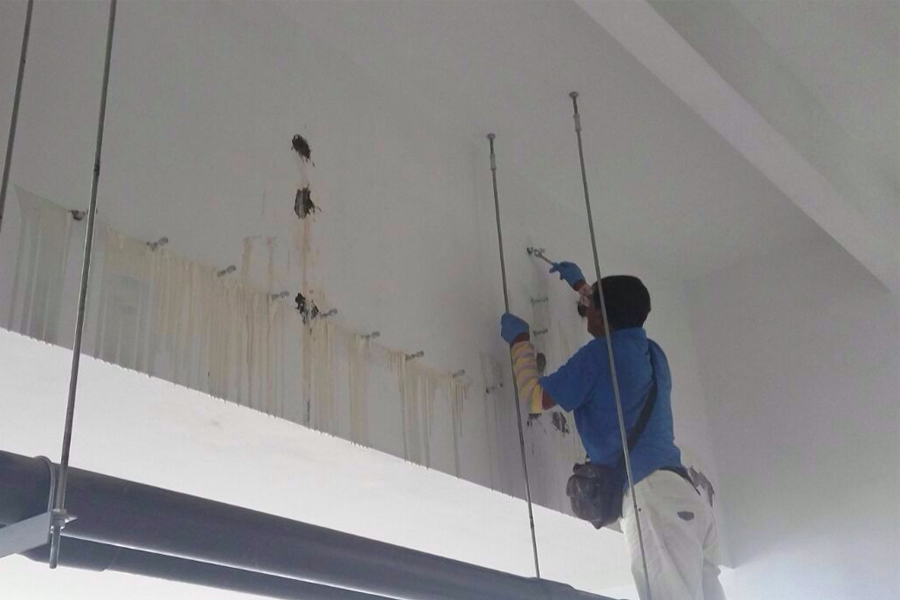
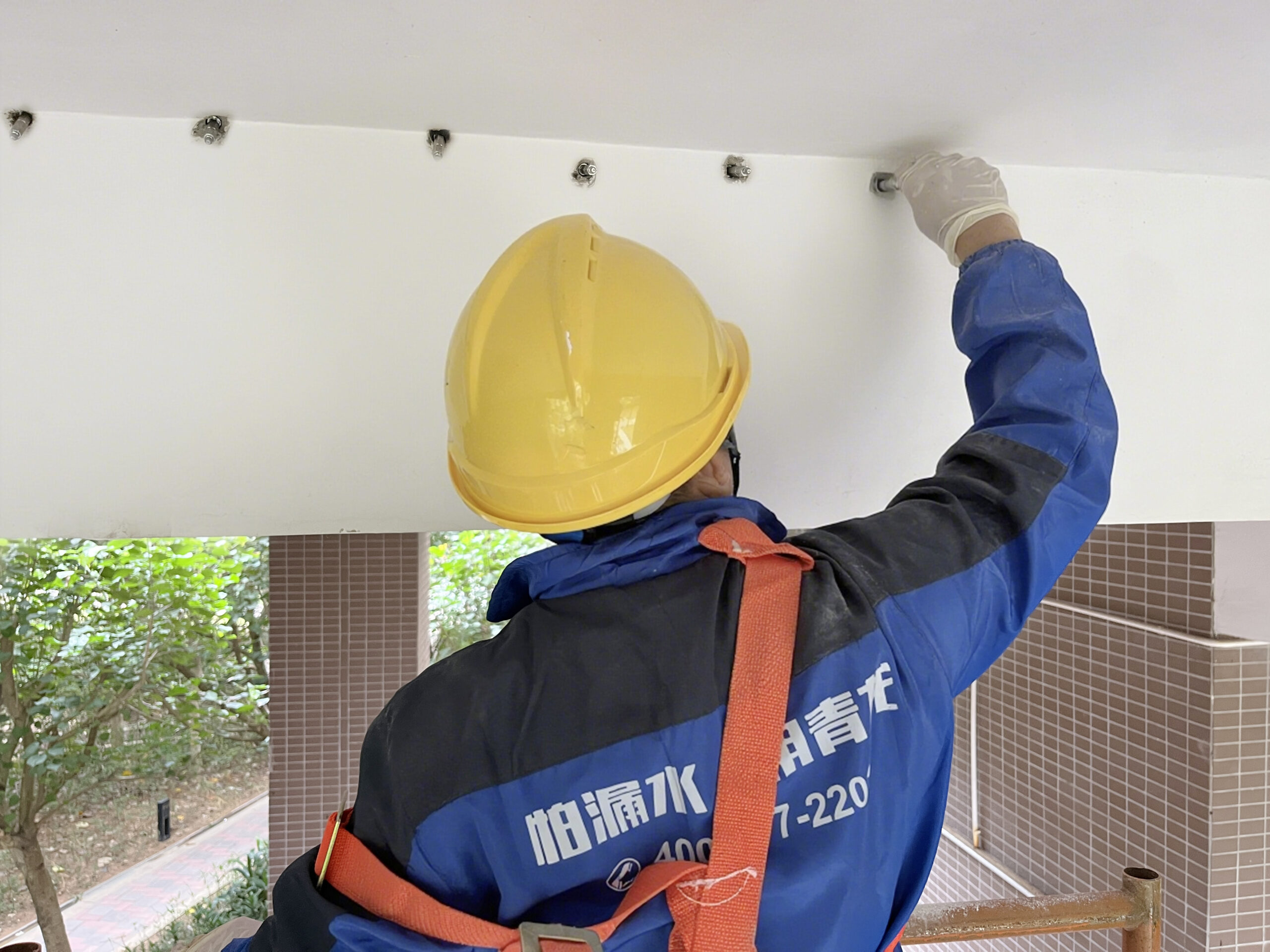
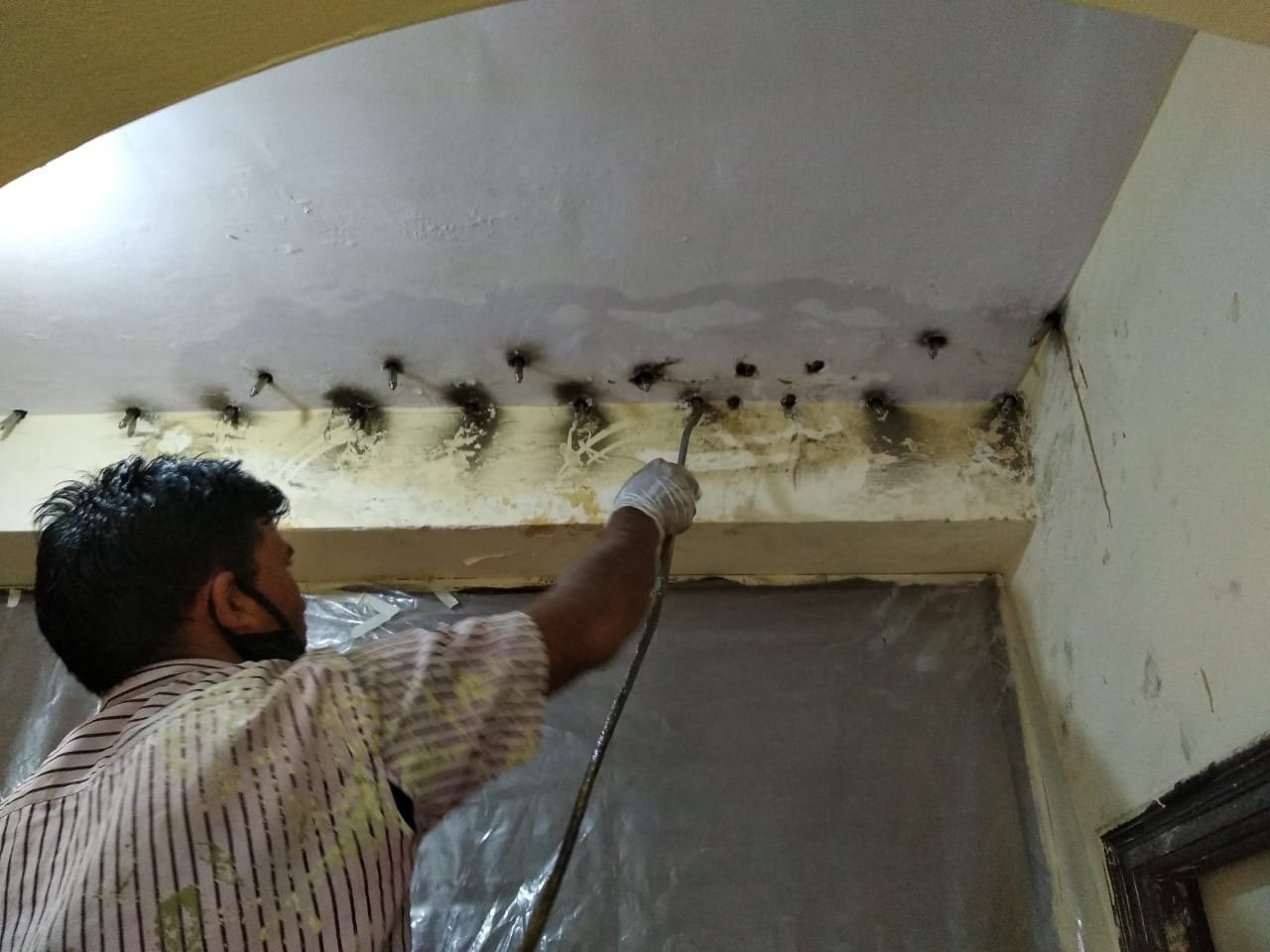
PU injection, or polyurethane injection, is a pressure-injection method used to seal water paths inside concrete. Small holes are drilled near the leaking crack or joint, injection packers are installed, and polyurethane resin is injected under controlled pressure. When the resin meets water, it reacts and expands to fill cracks, gaps or voids where water is moving.
This makes PU injection different from a surface coating. A coating tries to stop water before it enters the structure. PU injection deals with water that has already found a path through the concrete.
PU injection is suitable when the leak path is inside concrete and can be reached by drilling and pressure injection. It is commonly used for active cracks, construction joints, honeycombed concrete and certain pipe penetration leaks. It is less suitable when water is entering from a failed roof membrane, loose tiles, poor drainage or a moving structural joint that needs a proper joint system.
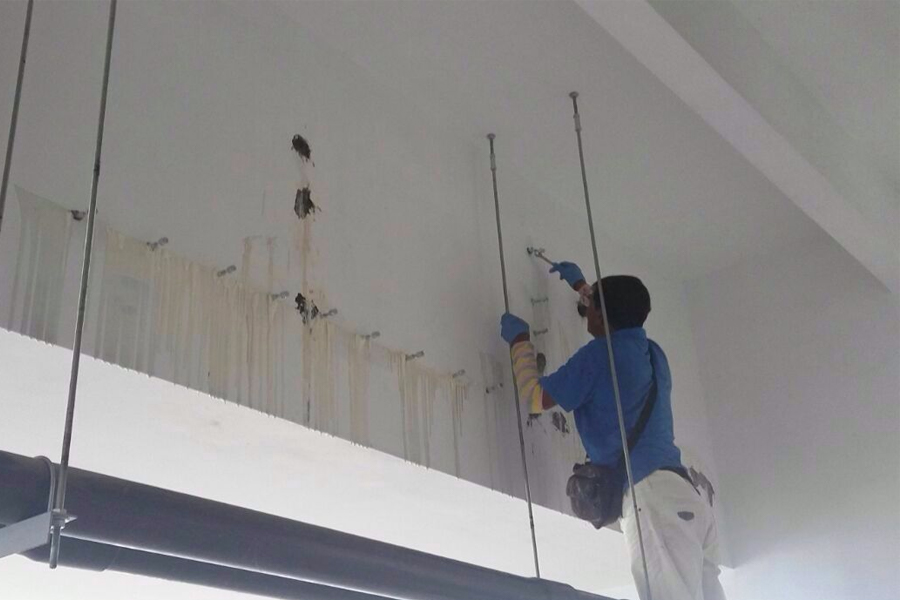
This distinction matters because many visible leaks are only symptoms. A ceiling stain below a slab, for example, does not prove that the visible wet area is the actual entry point. Water may travel through screed, along reinforcement, through a construction joint, or behind a wall before appearing indoors.
Concrete Cracks That PU Injection Can Usually Address
PU injection is commonly considered when water is visibly passing through a crack in a concrete wall, slab, basement area, water tank wall, retaining wall or car park structure. The crack may be fine, but if it forms a continuous path through the concrete, water can use it.
For this type of leak, the suitability depends on several observations. Is the crack active with water seepage? Does the crack appear stable, or is there ongoing movement? Can both ends or the likely direction of the crack be traced? Is the concrete strong enough to hold injection packers under pressure?
PU injection can be effective where the crack is mainly a leakage path rather than a major structural defect. The resin fills the water channel and reduces or stops water movement through that path. However, if the crack is still widening due to settlement, structural movement or thermal movement, injection alone may not solve the cause. The leak may return along the same line or develop beside the repaired area.
For building owners in Kota Kinabalu, this is especially relevant in basement walls, lift pits, car park retaining walls and concrete structures where external excavation is costly or disruptive. PU injection may allow repair from the accessible internal side, provided the leak path is suitable.
Construction Joints, Honeycombs and Cold Joints Need Careful Reading
Not all concrete leaks appear as neat cracks. Some water comes through construction joints, honeycombed concrete or cold joints where the concrete was not properly compacted or bonded during casting.
A construction joint is a planned or unavoidable stopping point between concrete pours. If the joint was not properly treated, water may track along the interface. PU injection can sometimes seal this pathway by filling voids along the joint. But the injection pattern must follow the joint, not just the wettest visible spot.
Honeycombed concrete is different. It contains voids caused by poor compaction, congested reinforcement or segregation during concrete placement. Water may spread through a wider porous zone instead of one clean crack. PU injection may reduce leakage if the void network is injectable, but large honeycombed areas may also require breakout, repair mortar, surface reinstatement or additional waterproofing treatment.
Cold joints can be more unpredictable because the bond between two concrete pours may be weak across a larger area. If water is entering from behind the joint under pressure, injection may need to be staged and monitored. A quick single-point injection may only push water to the next weak point.
Pipe Penetrations Can Be Injectable, but the Detail Must Be Identified
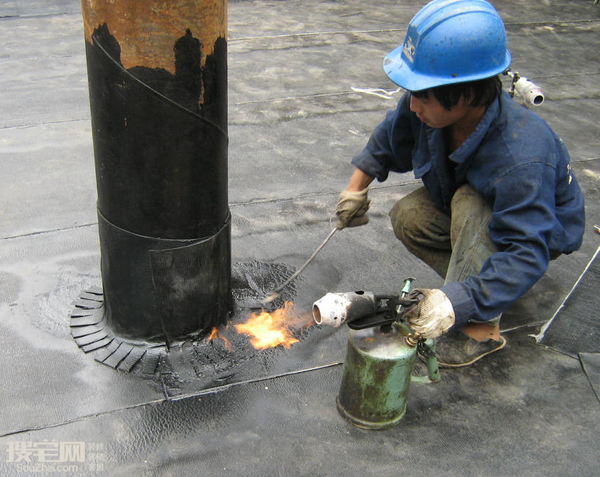
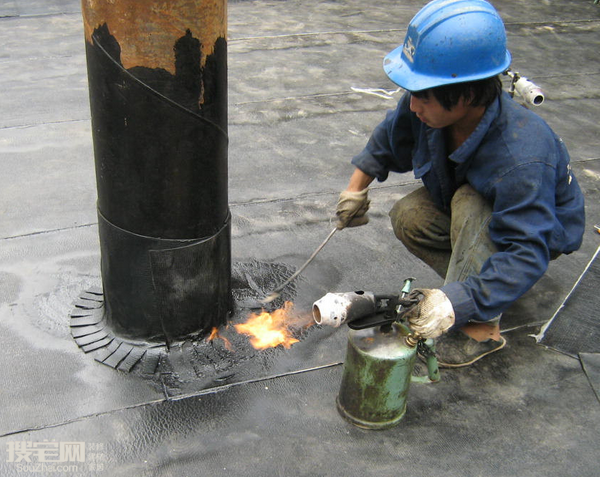
Pipe penetrations are a common source of concrete leakage in pump rooms, basements, plant rooms, water tanks and service areas. Water may pass around the outside of the pipe sleeve, through a gap between concrete and pipe, or along a poorly sealed annulus.
PU injection can sometimes repair pipe penetration leaks when the water path is around the penetration and the surrounding concrete can hold injection pressure. The repair may involve injecting around the pipe perimeter so the resin fills the gap where water is travelling.
However, not every pipe leak is a concrete waterproofing problem. If the pipe itself is cracked, a plumbing joint is leaking, or condensation is forming on a cold pipe, PU injection into concrete will not address the source. The first inspection should separate plumbing leakage from water ingress through the concrete penetration.
This is where site diagnosis matters. A wet ring around a pipe sleeve, water appearing only during rain, or seepage from behind a wall may suggest external ingress. Continuous dripping regardless of weather or water pressure changes may point toward plumbing instead.
 When PU Injection Is the Wrong Repair Method
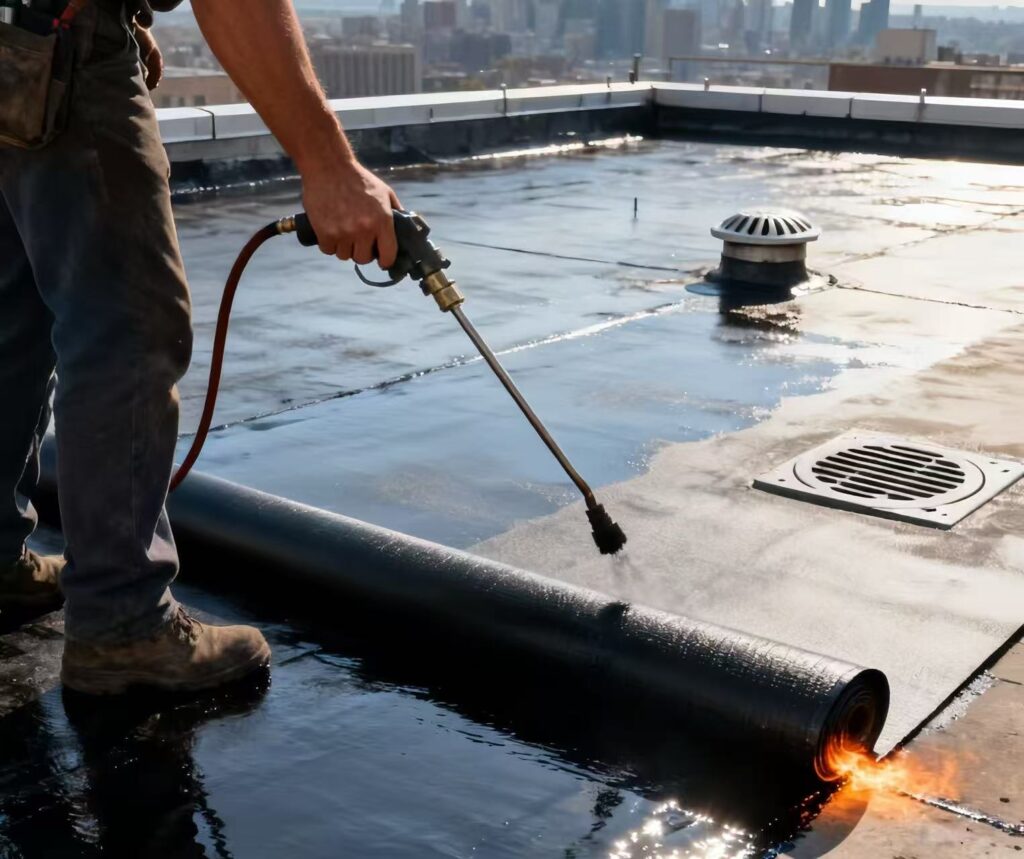
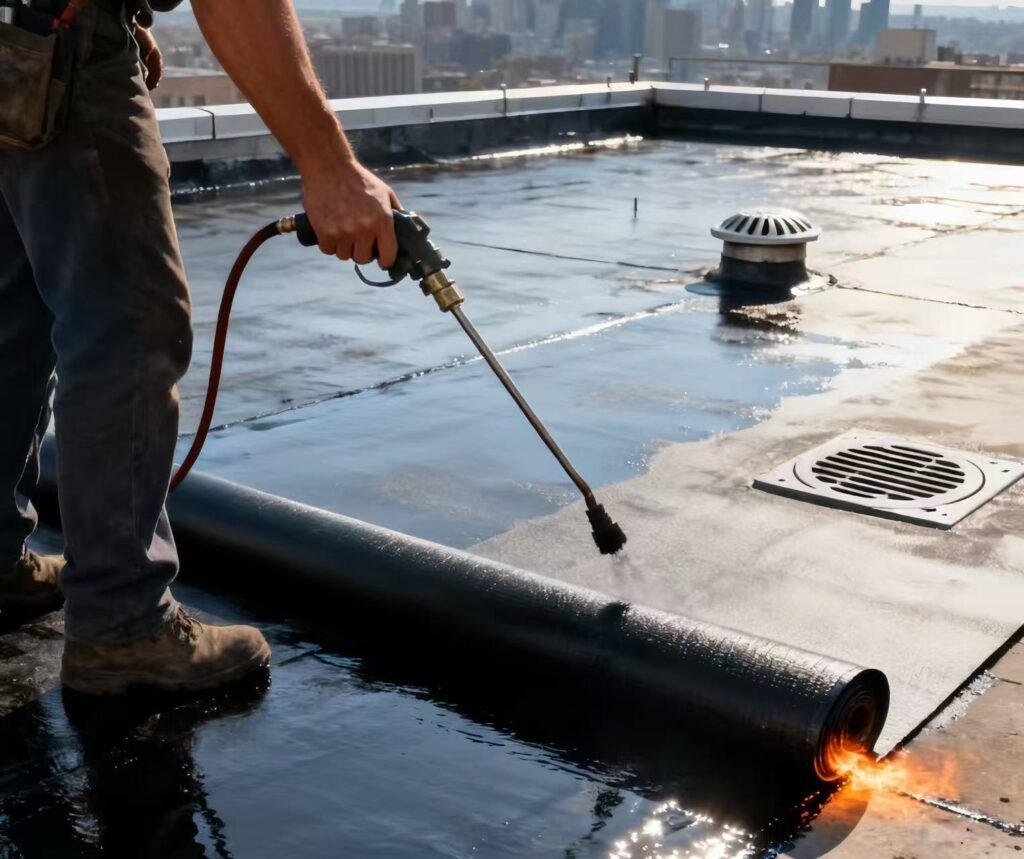
PU injection is often misused when the visible water is coming from a surface waterproofing failure rather than an injectable concrete path. This can happen when a tiled balcony leaks into the room below, a roof slab has a failed membrane, or an external wall coating has deteriorated.
In these cases, injection from below may stop one visible drip temporarily, but water may still remain above the slab, inside the screed or beneath tiles. The trapped moisture may later appear elsewhere. The owner may feel the repair “failed”, when the real issue is that the water entry point was never treated.
PU injection is usually not the main repair when the problem involves:
failed roof or balcony waterproofing above the slab
loose tiles, cracked grout or saturated screed
poor drainage falls causing ponding above the structure
expansion joints that require a designed joint system
structural cracks with ongoing movement
widespread dampness without a clear injection path
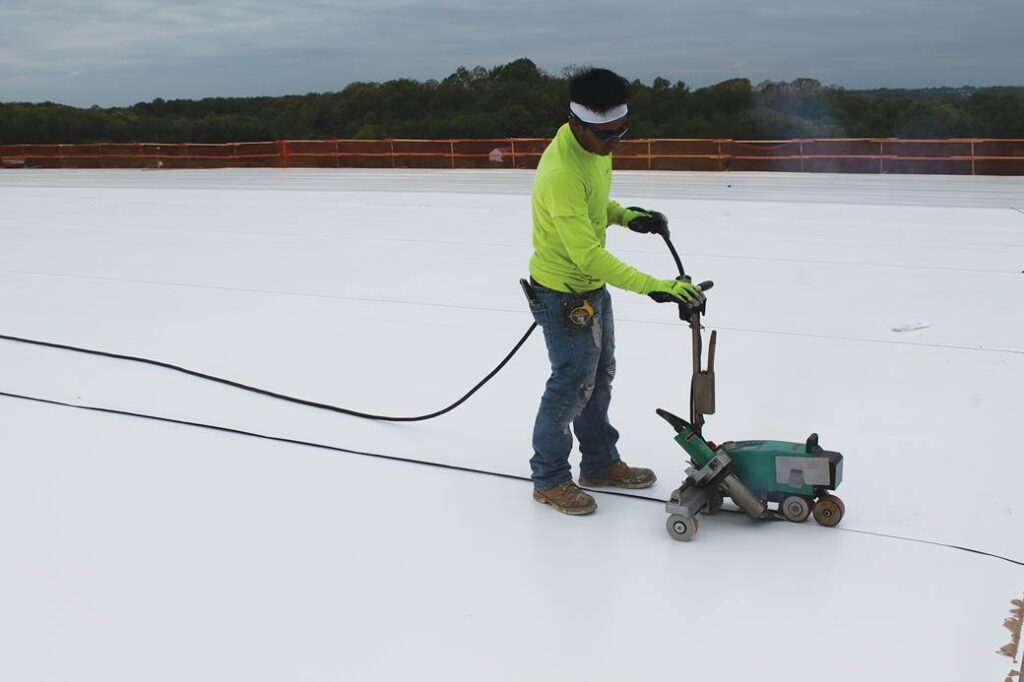
For these situations, the repair may need surface waterproofing, membrane renewal, tile removal, drainage correction, joint replacement or concrete repair before injection is considered. PU injection can still be part of the repair, but it should not replace the actual waterproofing system where one is required.
Why Kota Kinabalu Projects Often Need a Practical Repair Strategy
For occupied condominiums, shoplots, hotels, car parks and commercial buildings in Kota Kinabalu, access often influences the repair decision. External excavation, hacking from above or shutting down an area may be difficult. PU injection is attractive because it can sometimes be carried out from the leaking side with less disturbance than full surface removal.
But convenience should not be confused with suitability. If the leak is caused by water entering through an exposed roof slab, injecting from below treats the escape route, not the entry route. If a basement wall leak comes through a construction joint, injection may be more logical because the joint itself is the water path.
A useful inspection should establish three things before PU injection is approved: where water is entering, how it travels through the concrete, and whether the suspected path can be sealed by injection. Without that reasoning, injection points may be chosen only by following visible stains, which can be misleading.
The best use of PU injection is targeted leak sealing, not general waterproofing. It performs best when the contractor can identify a defined crack, joint, void or penetration that carries water through concrete. If the water source is above a tiled finish, behind a failed membrane or across a saturated screed, the waterproofing scope should be reconsidered before injection is selected.
What to Check Before Approving PU Injection Work
Before proceeding with PU injection in Kota Kinabalu, the building owner or property manager should ask for an explanation of the leak path, not only a price per injection point. The number of points alone does not confirm whether the repair is technically correct.
The inspection should consider whether the concrete is sound enough for drilling, whether water pressure is active, whether the leak is localised or widespread, and whether nearby joints or penetrations may continue leaking after the first area is sealed. The repair method should also account for reinstatement after drilling, especially in finished internal areas.
For commercial or strata properties, documentation can also help. Marking the leak location, photographing the injection points and recording the suspected source makes future maintenance easier if another area leaks later. This is particularly useful where several water paths exist in the same basement, car park or service room.
QingLong Waterproofing can assess concrete leakage conditions and recommend whether PU injection, surface waterproofing, joint treatment or another repair method is more suitable for the site condition. If you are unsure whether your concrete leak is injectable, you can contact QingLong Waterproofing for a site discussion.
Conclusion
PU injection is most useful when the leak is a defined water path through concrete. It is not a shortcut for every wet ceiling, tiled-area seepage or roof waterproofing failure. Before selecting PU injection in Kota Kinabalu, the important decision is whether the leak can actually be intercepted inside the concrete. If the inspection confirms a crack, joint, honeycomb or penetration leak, injection may be a practical repair. If the water is entering from a failed surface system, the correct repair should address that system instead.
Frequently Asked Questions (FAQs)
1. Can PU injection stop an active water leak immediately?
PU injection can often reduce or stop active water flow through a defined concrete crack, joint or void. The result depends on the leak path, water pressure, concrete condition and whether the injected resin reaches the full water channel.
2. Is PU injection suitable for balcony leaks?
Only in limited cases. If the balcony leak is caused by failed waterproofing below tiles or saturated screed, PU injection from below may not solve the source. The balcony surface build-up and drainage details should be checked first.
3. Can PU injection repair structural cracks?
PU injection is mainly a leak-sealing method. If the crack is structural or still moving, structural assessment and crack stabilisation may be required before or alongside waterproofing repair.
4. Will PU injection work from the inside of a basement wall?
It can work when the water is travelling through injectable cracks, joints or voids in the basement concrete. If the wall has widespread defects or external waterproofing failure, injection may need to be combined with other repair measures.