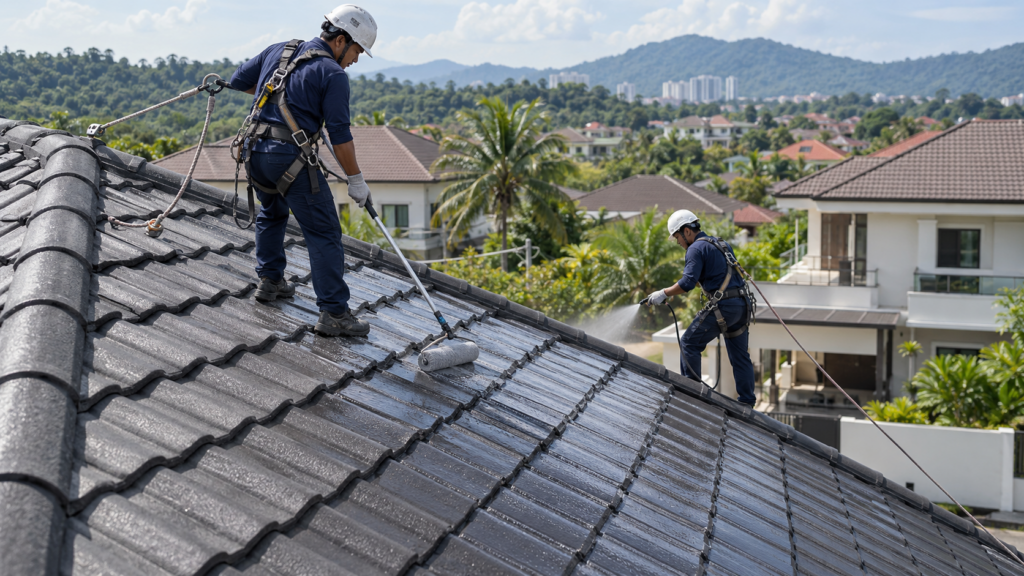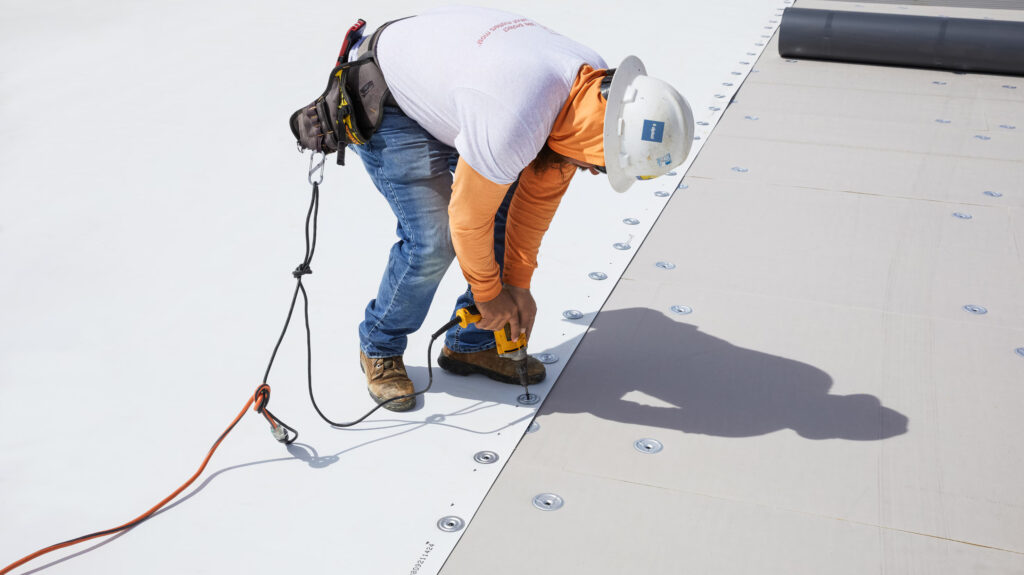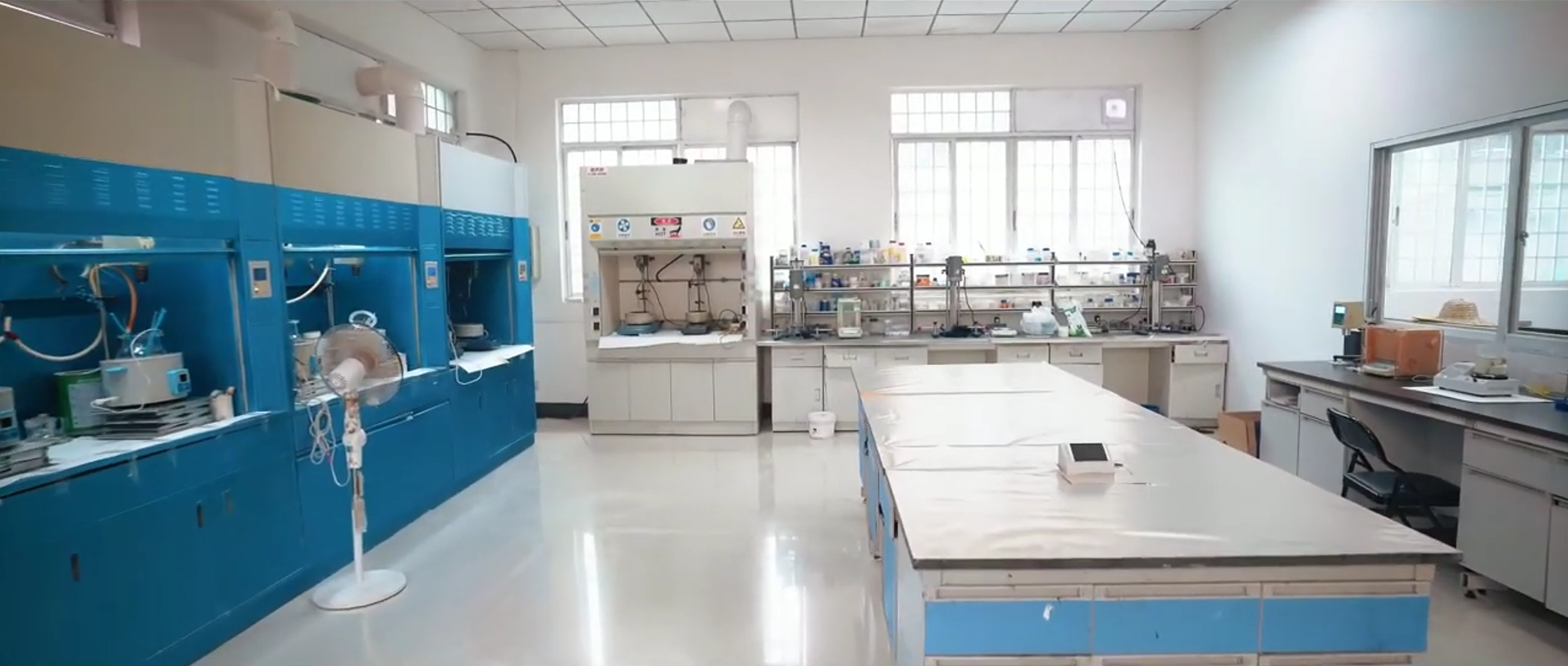
“The real quality of a waterproofing system is determined in the factory long before it is applied on a roof, wall, or basement.”
When contractors, developers, and property owners compare waterproofing products, they often focus on price, brand, or application method. Yet the waterproofing production process is the factor that most directly influences durability, adhesion, crack resistance, and long-term leak protection.
Understanding how waterproofing materials are manufactured helps buyers distinguish between products that merely look similar and products that are engineered, tested, and produced to perform under Malaysia’s tropical climate conditions.
As a manufacturer with local operations in Malaysia and project experience across residential, commercial, industrial, and infrastructure developments, QingLong Waterproofing follows a structured manufacturing system that combines research, production control, laboratory testing, and quality assurance.
Raw Materials: The Foundation of Waterproofing Performance
Every reliable waterproofing product begins with carefully selected raw materials. The choice of ingredients determines whether a coating remains flexible, whether a membrane resists puncture, and whether a waterproofing system can survive years of rain, heat, and structural movement.
Depending on the application, modern waterproofing materials may contain:
• Acrylic polymer emulsions
• Polyurethane resins
• Modified asphalt compounds
• Cementitious waterproofing additives
• Waterproof latex polymers
• UV-resistant and anti-aging additives
• Mineral fillers and performance modifiers
For tropical environments such as Malaysia, raw materials must be selected not only for waterproofing capability, but also for UV resistance, humidity tolerance, flexibility, and long-term weather durability.
Before entering production, incoming materials are inspected to verify consistency and compliance with manufacturing specifications. This first checkpoint is critical because variations in raw material quality can affect the performance of every batch that follows.
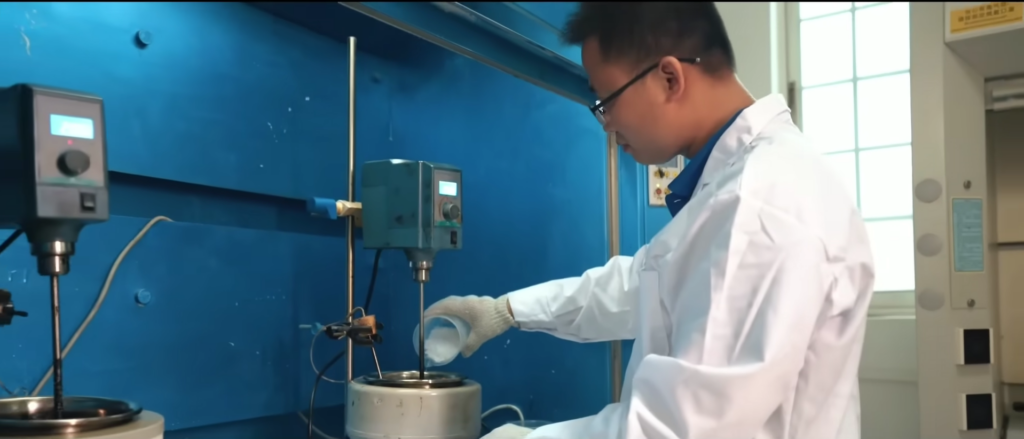
Mixing and Formulation: Where Waterproofing Systems Are Engineered
Waterproofing products are not created by simply blending chemicals together. The mixing and formulation stage is where performance characteristics are engineered for specific applications.
Different Applications Require Different Formulations
1️⃣Roof waterproofing requires UV resistance, thermal stability, and ponding water resistance.
2️⃣Exterior wall waterproofing requires breathability, crack resistance, and long-term adhesion.
3️⃣Basement waterproofing requires resistance to hydrostatic pressure and groundwater penetration.
4️⃣Industrial waterproofing requires chemical resistance and heavy-duty durability.
The Mixing Process
Manufacturing typically involves several controlled steps:
Precise Material Weighing – Every ingredient is measured according to strict production specifications.
High-Speed Mixing – Industrial mixers ensure uniform dispersion of all components.
Homogenization – Creates a consistent material structure that improves application performance.
Process Monitoring – Technicians continuously monitor viscosity, density, temperature, and mixing time.
Even small deviations during this stage can affect the final product’s waterproofing performance, which is why manufacturing control is essential.
Manufacturing does not end when the mixing process is complete. Every professional waterproofing materials manufacturer must verify performance through laboratory testing before products are released for distribution.
Common waterproofing tests include:
Adhesion testing — measures bonding strength to concrete, metal, or masonry substrates.
Water resistance testing — evaluates performance under continuous water exposure.
Crack-bridging and flexibility testing — assesses the ability to accommodate structural movement.
Tensile strength testing — verifies durability under stress.
UV and accelerated weathering tests — simulate long-term outdoor exposure in tropical conditions.
Chemical resistance test — Verifies performance in industrial environments
These tests help confirm that the product can withstand real-world conditions before it is supplied to contractors, distributors, and project sites.
Quality control is not a single inspection at the end of production. It is a continuous process integrated throughout manufacturing. Key Quality Control Stages:
Incoming Raw Material Inspection – Verifies the quality of all ingredients before production.
In-Process Monitoring – Checks production parameters during manufacturing.
Finished Product Inspection – Confirms performance specifications before packaging.
Batch Traceability – Records production data so every batch can be tracked and audited if required.
This multi-stage QC approach helps reduce variation, improve consistency, and provide greater confidence for large-scale construction projects.
After passing quality inspections, waterproofing materials move to packaging, storage, and distribution.
Proper packaging serves several important functions:
🛡️Protect products during transportation
🛡️ Maintain material stability during storage
🛡️ Prevent contamination and moisture ingress
🛡️ Support inventory tracking and batch identification
For large-scale construction projects, reliable warehousing and logistics are equally important. Consistent supply helps contractors avoid project delays and maintain construction schedules.
Factory Authority: Why Manufacturing Capability Matters
Many waterproofing products in the market are sourced through multiple intermediaries. When manufacturing is outsourced and quality control is fragmented, product consistency becomes harder to maintain.
A manufacturer with integrated capabilities offers significant advantages:
• In-house R&D and formulation development
• Controlled production and quality assurance
• Consistent batch performance
Technical support and system recommendations
• Stable supply capacity for large projects
• Continuous formulation improvement
QingLong Waterproofing Malaysia: Manufacturing Capability Backed by Project Experience
QingLong Waterproofing is a trusted Malaysia waterproofing manufacturer, supplier, and solutions provider with over 30 years of industry experience. We specialize in factory-direct waterproofing materials and systems designed for residential, commercial, and industrial construction projects across Malaysia. Our solutions are engineered for durability, strong adhesion, and long-term leak protection, supporting modern building performance standards.
As a leading waterproofing manufacturer in Malaysia, QingLong systems are widely used in major developments including data centres, industrial facilities, commercial buildings, and residential townships. Our projects span across key regions such as Kuala Lumpur, Johor, Melaka, and other construction hubs nationwide, reflecting strong adoption in both public and private sector developments.
Our manufacturing and quality systems are supported by certifications including CIDB Malaysia, SIRIM QAS International, Malaysian Standards (MS), MATRADE, MalaysiaGBC, and Green Label Singapore. These recognitions reinforce our commitment to quality assurance, compliance, and sustainable construction practices in the Malaysia waterproofing industry.
Conclusion
The waterproofing production process involves far more than mixing chemicals in a tank. It begins with raw material selection, continues through formulation engineering and controlled manufacturing, and is validated by laboratory testing, quality control, and secure packaging before products reach the market.
For Malaysia’s construction industry, where buildings must withstand intense rainfall, heat, and humidity, manufacturing capability is a critical indicator of waterproofing reliability.
From a professional standpoint, the most trustworthy waterproofing products are usually those backed by integrated R&D, controlled factory production, documented QC systems, and proven project experience. In waterproofing, long-term performance is rarely an accident—it is the result of disciplined manufacturing and quality management from the very beginning.
Frequently Asked Questions (FAQ)
How are waterproofing materials manufactured in a factory?
Waterproofing materials are produced through controlled mixing, formulation, and testing to ensure consistent quality and performance. QingLong Waterproofing develops and adjusts formulations based on Malaysia’s hot, humid, and high-rainfall climate to improve durability and long-term protection.
Why is manufacturing quality important for waterproofing?
Manufacturing quality directly affects durability, adhesion, flexibility, and water resistance. A well-controlled process ensures consistent performance and reduces the risk of leaks or early material failure. QingLong Waterproofing maintains strict production and testing control to ensure consistent product quality and performance for Malaysia’s tropical climate conditions.
Why is waterproofing designed differently for Malaysia’s climate?
Malaysia’s hot, humid, and high-rainfall weather requires waterproofing materials with strong water resistance, UV stability, and long-term flexibility to ensure lasting protection in tropical conditions.
Does QingLong Waterproofing manufacture locally in Malaysia?
QingLong Waterproofing is a Malaysia-based waterproofing manufacturer involved in product development, formulation, and quality control, supporting construction needs across different regions in the country.
What should buyers look for in a waterproofing manufacturer?
Buyers should consider manufacturing consistency, testing standards, technical support, and suitability for local climate conditions. In Malaysia, manufacturers like QingLong Waterproofing focus on aligning product performance with real construction requirements and tropical weather conditions.
Looking for a trusted Malaysia waterproofing manufacturer with factory-direct solutions? Contact QingLong Waterproofing for technical consultation, system recommendation, and project support.