A factory leak is not only a building defect. It can interrupt production, affect stock, create electrical risk and trigger repeated complaints from the same roof bay or wall line. For many factories in Kuching, the practical question is not simply “Which waterproofing system is best?” It is: can waterproofing be carried out while the factory continues operating, and what conditions make that realistic?
The answer depends less on the brand of coating alone and more on access, leakage location, substrate condition, curing time, weather exposure and how work areas can be isolated from production.
Waterproofing During Operation Is Possible Only When the Leak Source Is Properly Narrowed Down
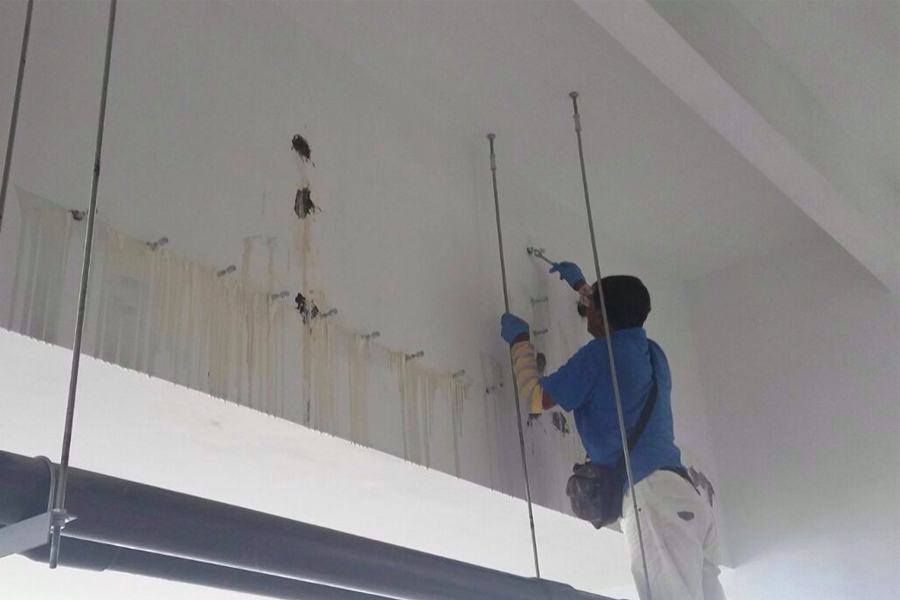
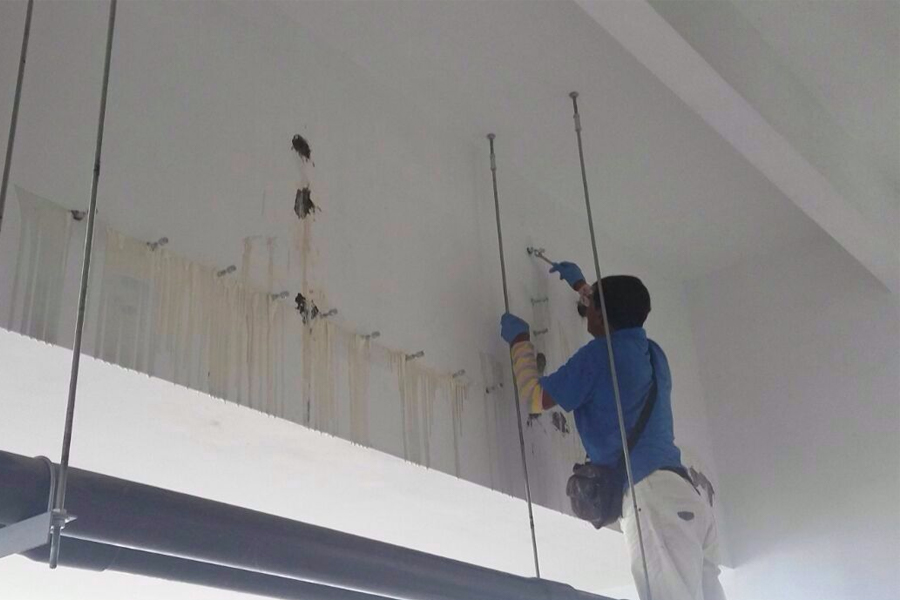
For an operating factory, the most expensive mistake is starting wide-area waterproofing before confirming where water is likely entering. A roof stain above a machine, packing line or storage rack does not always mean the defect is directly above that point. Water may travel along roof sheets, purlins, insulation layers, concrete interfaces, pipe supports or cable penetrations before dripping indoors.
This matters because an active factory usually cannot afford unnecessary disruption. If the defect is at a roof penetration, gutter joint or failed fastener line, a targeted repair may be planned with less interference than recoating the whole roof. If the waterproofing failure is caused by widespread coating delamination, corroded metal roofing, ponding water or cracked concrete roof screed, then local patching may only delay the next leak.
A practical inspection for factory waterproofing should separate three issues:
where water is entering,
how far the defect has spread,
and whether the repair area can be accessed safely without stopping production below.
For factories in Kuching, weather windows also affect this decision. If the roof is exposed and rain can return quickly, the contractor must avoid opening too large an area at once unless temporary protection and drainage control are already planned.
The Main Constraint Is Not Always the Waterproofing Material
Factory managers often ask for a fast-drying or low-disruption waterproofing product. That is understandable, but material selection is only one part of the decision. A waterproofing system still needs suitable substrate preparation, correct detailing and enough curing time before it is exposed to rain, traffic or ponding water.
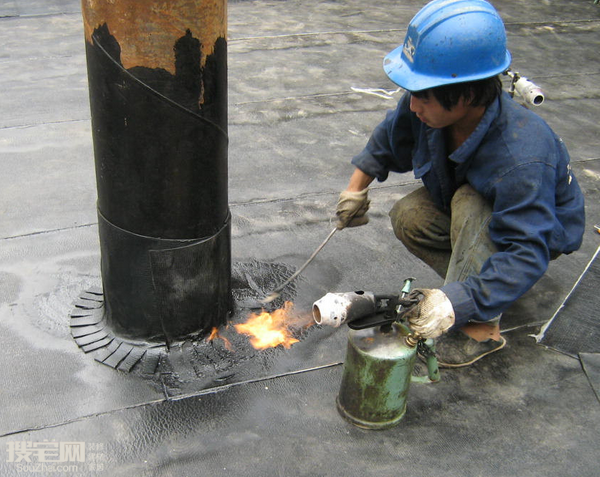
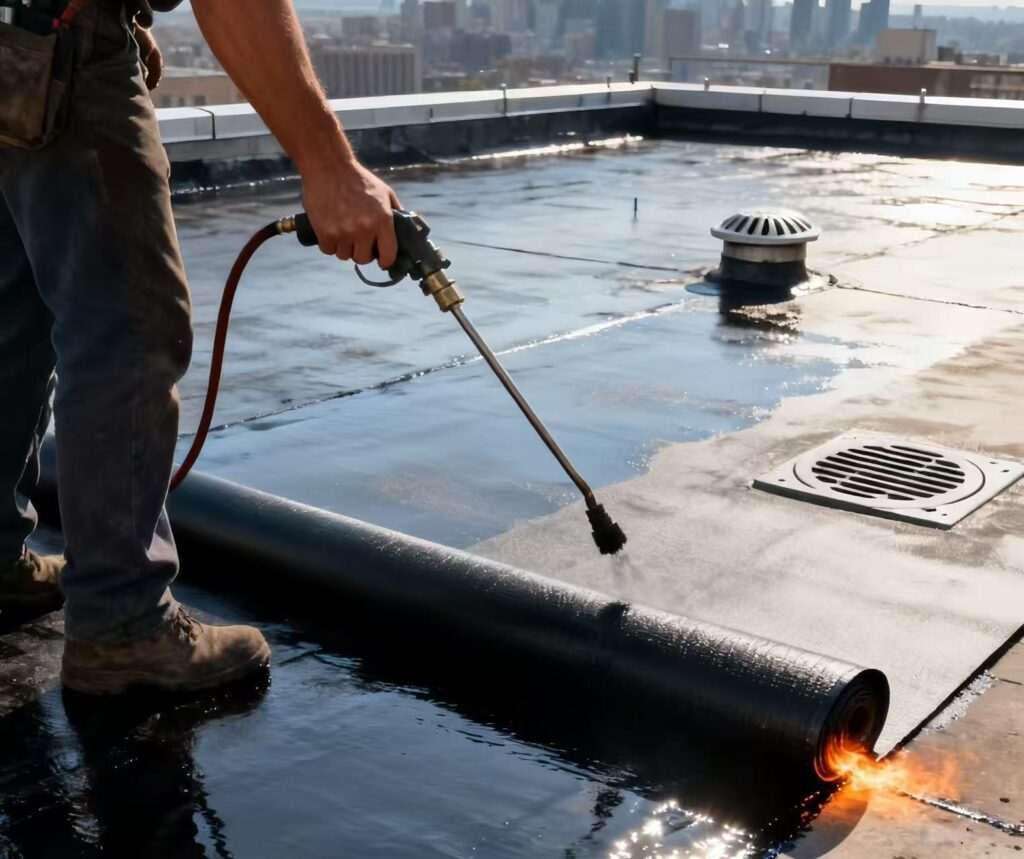
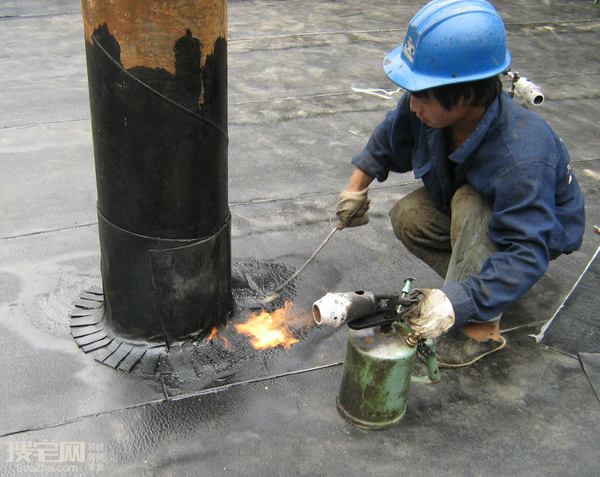
For example, a cold-applied roof coating may reduce disruption compared with torch-on or hot-applied methods, especially where hot works are restricted. However, if the existing roof surface has oil contamination, rust, loose coating, trapped moisture or poor adhesion, applying a new layer over it can lead to early failure. The site condition decides whether the system can bond properly.
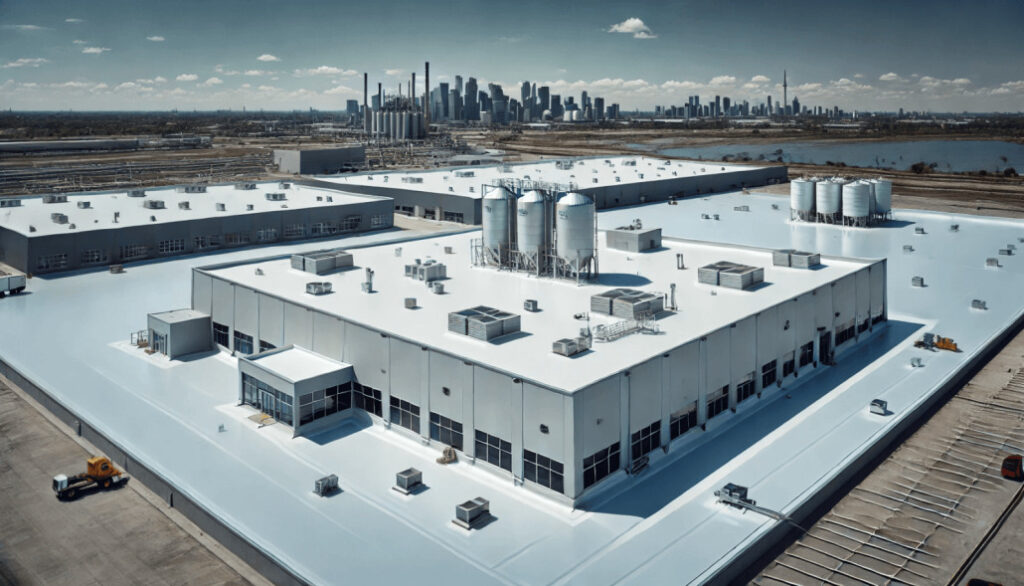
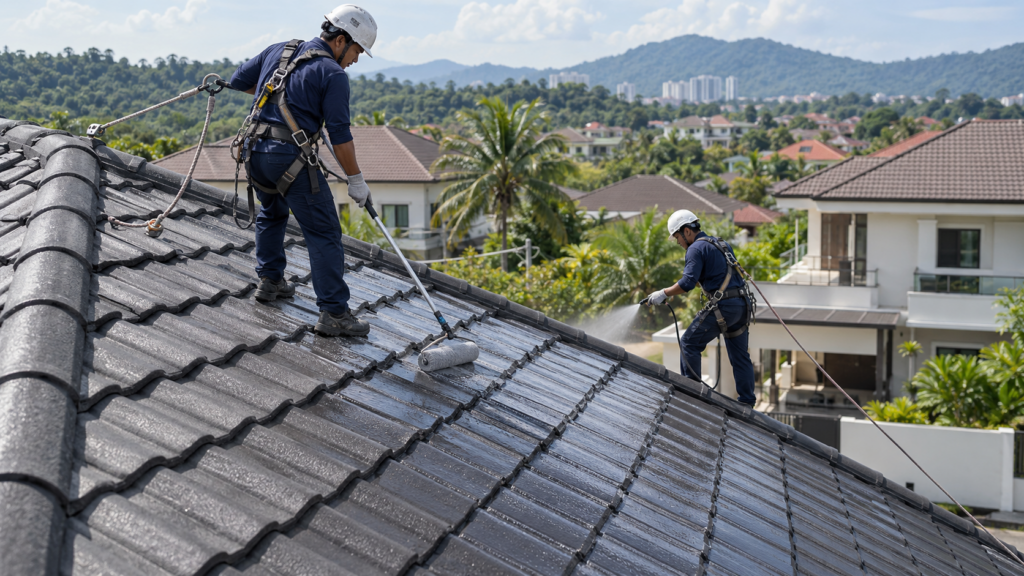
For factory waterproofing without stopping production, the work should be planned by zones, not treated as one open work area. Each zone must be inspected, prepared, waterproofed, protected during curing and handed back before the next area is opened. This reduces operational exposure but requires disciplined sequencing and realistic weather planning.
This is especially important when waterproofing is above production lines, electrical rooms, finished goods storage or sensitive equipment. The waterproofing method must suit both the building and the operation below.
Roof Details Usually Decide Whether Work Can Be Zoned Safely
On many factories, the main roof surface receives attention first, but leakage often starts at details. These include fasteners, sheet laps, ridge caps, gutters, roof-to-wall junctions, skylight edges, vents, exhaust penetrations and pipe supports. If these details are not treated correctly, coating the larger field area may not stop the leak.
Zoned waterproofing works best when the defect areas can be controlled. A roof bay with accessible fastener lines and penetrations may be repaired progressively. A concrete flat roof with severe ponding, failed screed and saturated layers may be harder to divide because water can migrate below the surface. A box gutter running above production areas may need temporary diversion or controlled shutdown of the affected line during critical repair stages.
The inspection should also check whether rainwater discharge is part of the problem. A blocked outlet, undersized gutter, backfall or overflow point can overload the waterproofing detail during heavy rain. In that case, applying more waterproofing material without correcting drainage may leave the factory exposed to repeat leakage.
For metal roofs, movement is another issue. Roof sheets expand and contract, while fasteners and sealant joints age at different rates. The waterproofing system must accommodate this movement at laps and fixings. For concrete roofs, crack movement, construction joints and parapet upturns may be more important than the open slab area.
Work Sequencing Must Protect Production, Not Just the Roof
A factory waterproofing plan should show how production will be protected before workers go onto the roof or open a repair area. This is where a service plan differs from a simple material quotation.
Important planning items include access routes, worker movement, material storage, noise, odour, dust, debris control, temporary covers, rain response and communication with the factory team. If roof access crosses active loading areas, forklift routes or delivery bays, the waterproofing schedule must avoid creating safety conflict.
Inside the factory, the area below the repair zone may need temporary protection even if the work is done from above. This can include covering goods, isolating electrical panels, moving stock away from drip paths or scheduling work when the process below is less sensitive. In some cases, only a small section of production needs to be paused temporarily, rather than stopping the whole factory.
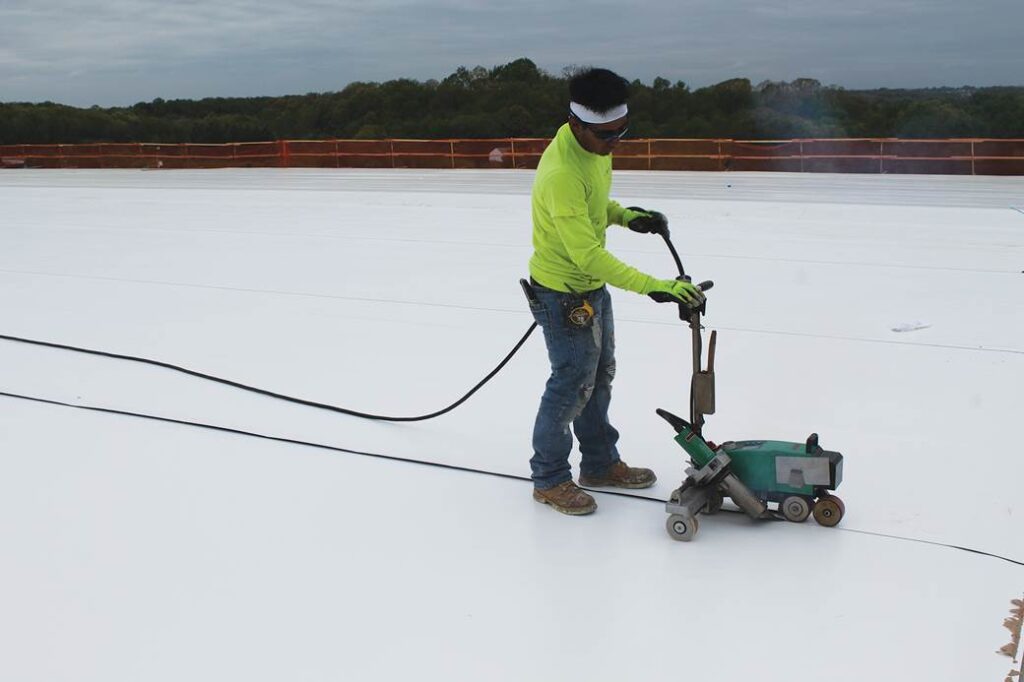
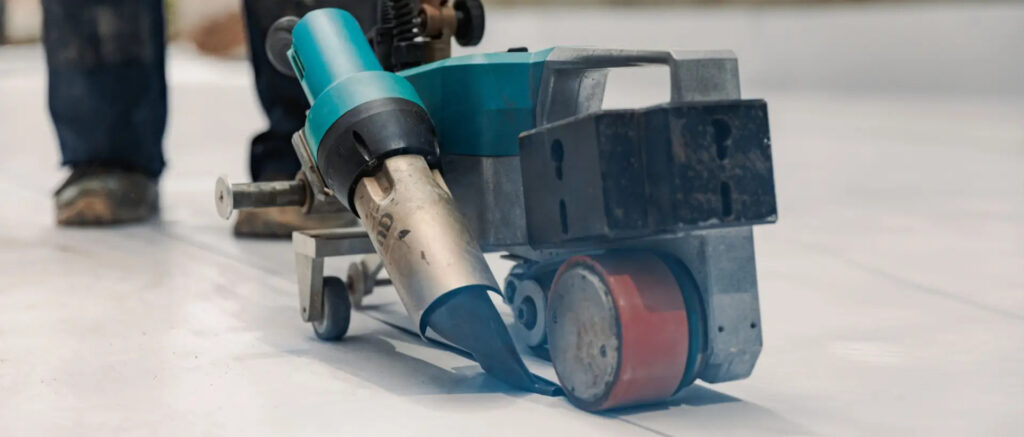
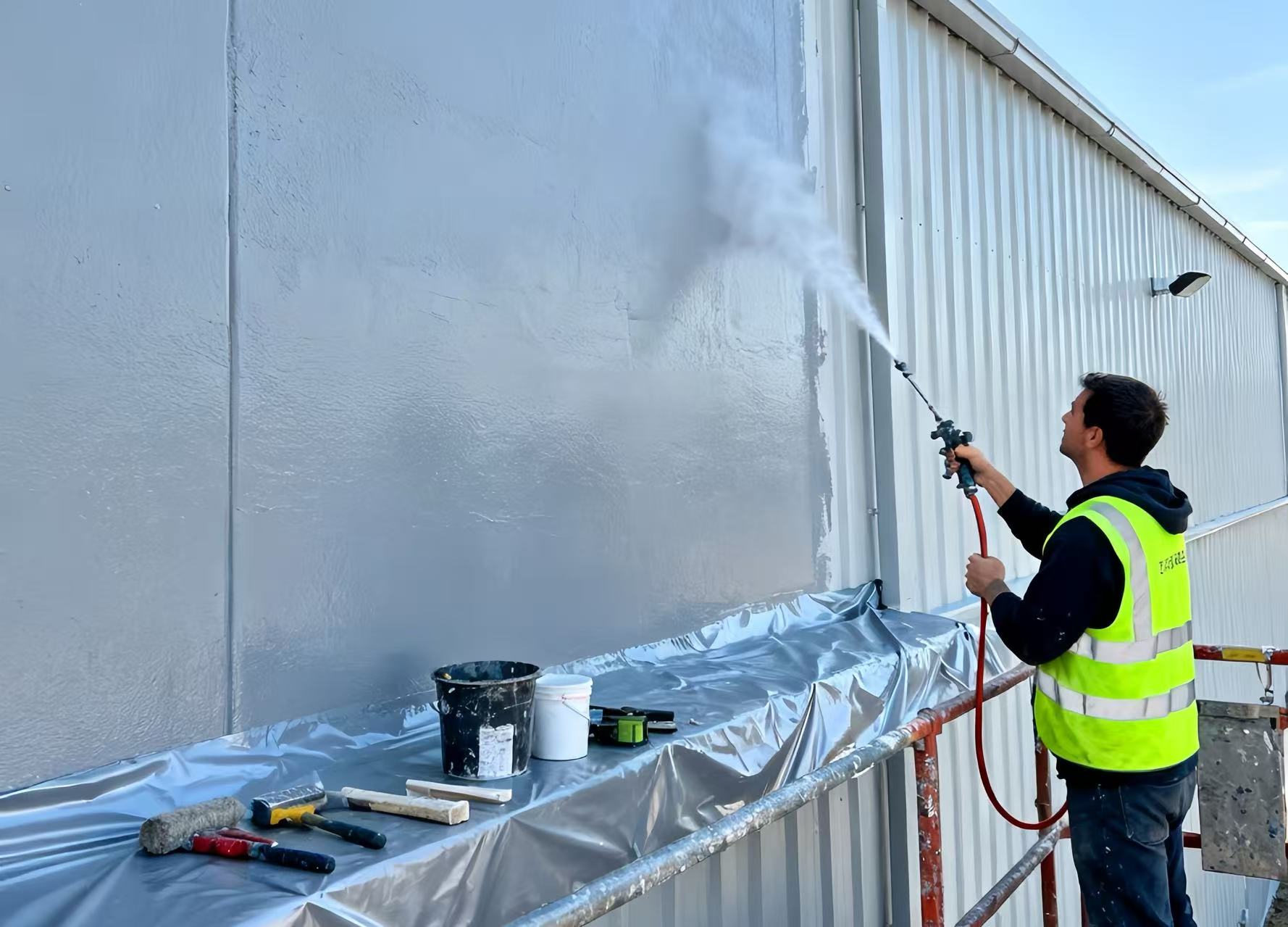
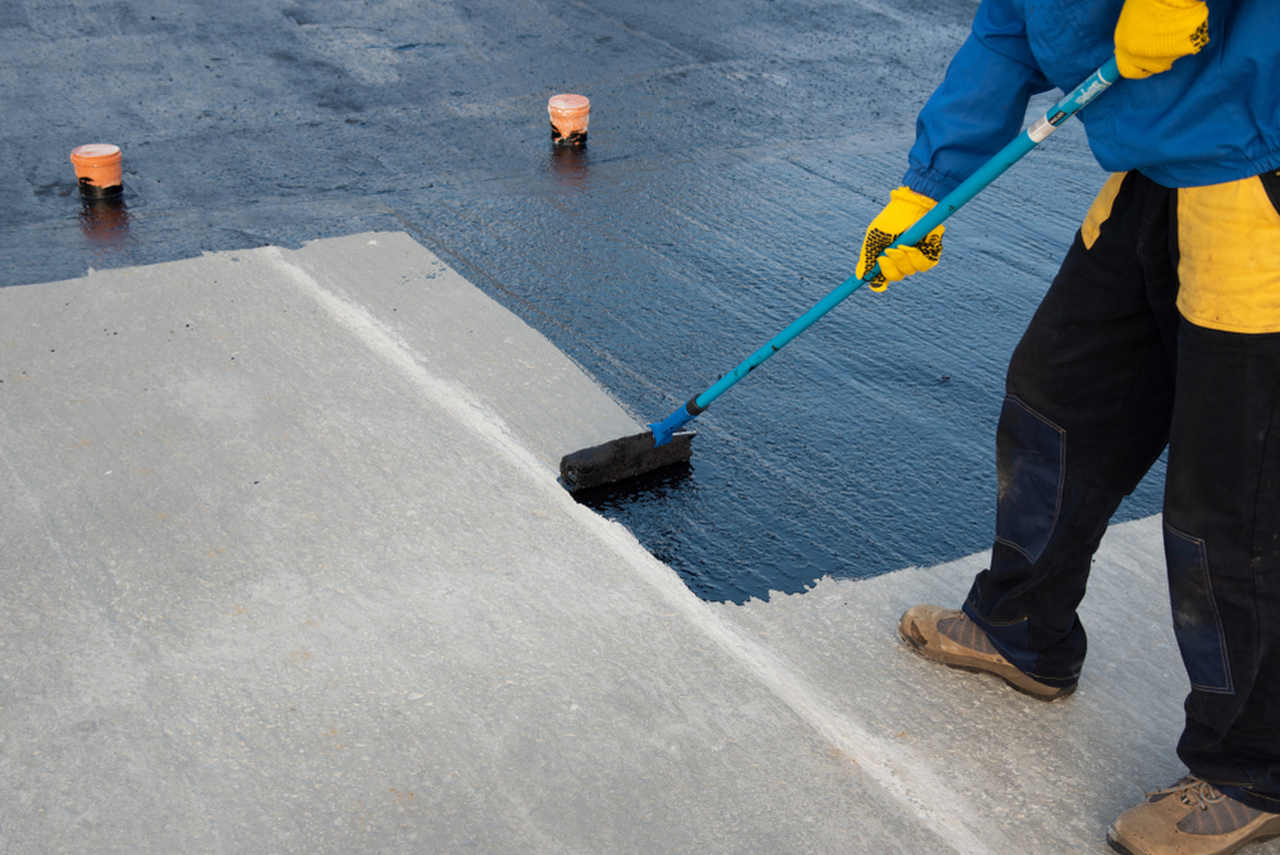
The method also matters. Cold-applied waterproofing coatings, compatible sealants, reinforcement tapes and detail treatments can often be more suitable for occupied or operating sites than methods involving flame, heavy hacking or long wet works. QingLong Waterproofing supplies and applies different waterproofing materials, including roof coatings, waterproof sealants, joint tapes and cementitious waterproofing systems, but the suitable build-up should be matched to the roof type, substrate and exposure.
The key point is simple: a low-disruption system still needs controlled application. If surface preparation is skipped to keep production moving, the repair may fail and create a larger disruption later.
When a Factory Should Not Avoid Shutdown Completely
Not every waterproofing repair can be done safely while production continues. Some conditions make full or partial shutdown more responsible.
If water is entering near electrical systems, a temporary operational pause may be needed for safety. If the roof structure is unsafe, corroded or unable to carry workers and materials, access must be resolved before waterproofing starts. If the existing waterproofing layer is saturated and must be removed over a large area, the process may expose the building to rain risk during work. If food, pharmaceutical, electronics or clean-process manufacturing is involved, odour, dust or airborne contamination controls may require stricter isolation.
A partial shutdown may also be necessary when replacing damaged gutters, opening concrete screed, repairing expansion joints or treating areas above critical equipment. Trying to avoid every interruption can lead to rushed detailing, poor curing or unsafe work conditions.
The more practical goal is usually not “zero disruption at all cost.” It is to reduce unnecessary disruption while protecting safety, quality and production continuity.
How to Evaluate a Waterproofing Proposal for an Operating Factory
A useful proposal for Kuching factory waterproofing should explain the method, not only name the product. Factory managers should be able to see how the contractor intends to work around production and what assumptions the quotation is based on.
Before approving the work, check whether the proposal addresses:
roof or wall defect locations identified during inspection,
substrate preparation requirements,
treatment of joints, fasteners, penetrations, gutters and terminations,
zoning sequence and expected work duration per area,
curing time and rain protection plan,
safety controls for workers and production areas below,
product compatibility with existing coating, metal roof, concrete or masonry,
and limitations if hidden defects are found after work starts.
A proposal that only states “apply waterproofing coating to roof area” may be too vague for an active factory. It does not show whether the critical leakage details are included, whether the surface can receive the new system, or how the contractor will manage the risk of rain during application.
For QingLong Waterproofing projects, the practical recommendation would normally start with identifying the affected building element and operational constraints first. Product selection comes after the site demand is clear, because a roof coating, sealant, reinforcement tape or cementitious slurry serves different functions in a complete waterproofing system.
The Real Decision Is How Much Risk Can Be Controlled While the Factory Keeps Running
Factory waterproofing without stopping production is possible when the defect can be isolated, the substrate can be prepared properly, the application area can be protected, and the work can be sequenced safely. It becomes risky when hidden moisture, unsafe access, severe roof deterioration or critical production exposure is ignored just to keep operations moving.
For factory owners and facility managers in Kuching, the better approach is to plan the waterproofing around production realities from the beginning. If the leak location, roof details and work zones are understood clearly, the repair can often be managed with limited interruption instead of a full shutdown.
If you need to assess whether your factory roof, wall or gutter leakage can be repaired while operations continue, you can contact QingLong Waterproofing for a site-specific recommendation.
Frequently Asked Questions (FAQs)
1. Can factory waterproofing be done without stopping production?
Yes, in many cases. Factory waterproofing can be carried out in controlled zones while production continues, provided the affected areas can be safely isolated and the waterproofing method, access and curing requirements are properly planned. However, electrical hazards, unsafe roof conditions or contamination-sensitive production may require a partial or temporary shutdown.
2. How can waterproofing be carried out while a factory is operating?
The work can be divided into smaller zones so that only one section is being repaired at a time. Each zone can be inspected, prepared, waterproofed, protected during curing and handed back before work moves to the next area. This approach can help reduce disruption to production, workers and stored goods.
3. Is waterproofing coating enough to repair a leaking factory roof?
Not always. A waterproofing coating may be suitable for certain roof conditions, but it cannot compensate for severely damaged roof sheets, structural problems, blocked drainage or failed joints that require separate repairs. The waterproofing system should be selected after assessing the existing roof and substrate.
4. When does a factory need to stop production for waterproofing?
A full or partial shutdown may be necessary when waterproofing work creates a significant safety risk, especially near electrical equipment, sensitive machinery or contamination-controlled production areas. Major roof repairs, extensive hacking, removal of saturated materials or hazardous access conditions may also require temporary operational restrictions.
5. How long does factory waterproofing take?
The duration depends on the size of the affected area, number of leakage points, roof condition, preparation requirements, waterproofing system, access arrangements and weather. Smaller targeted repairs may be completed faster, while extensive roof rehabilitation requires more time and careful sequencing.