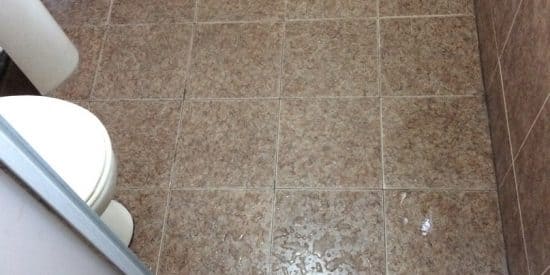
Water leaking from your toilet or bathroom floor into your neighbour’s ceiling is one of the most common waterproofing problems in apartments, condominiums, and landed homes. Traditionally, repairing a failed waterproofing system meant hacking up floor tiles, replacing the membrane, and retiling the entire area—a process that is expensive, noisy, messy, and disruptive.
Today, no hacking waterproofing technology offers a faster and cleaner alternative. Instead of removing tiles, these methods repair water leakage while preserving your existing flooring.
But not all no hacking waterproofing methods work the same way. We will be exploring three no hacking waterproofing methods: PU Injection, and QL No.3 Transparent Waterproofing Coating—to help you understand how each system works, its advantages, and its long-term performance.
1. PU Injection Method
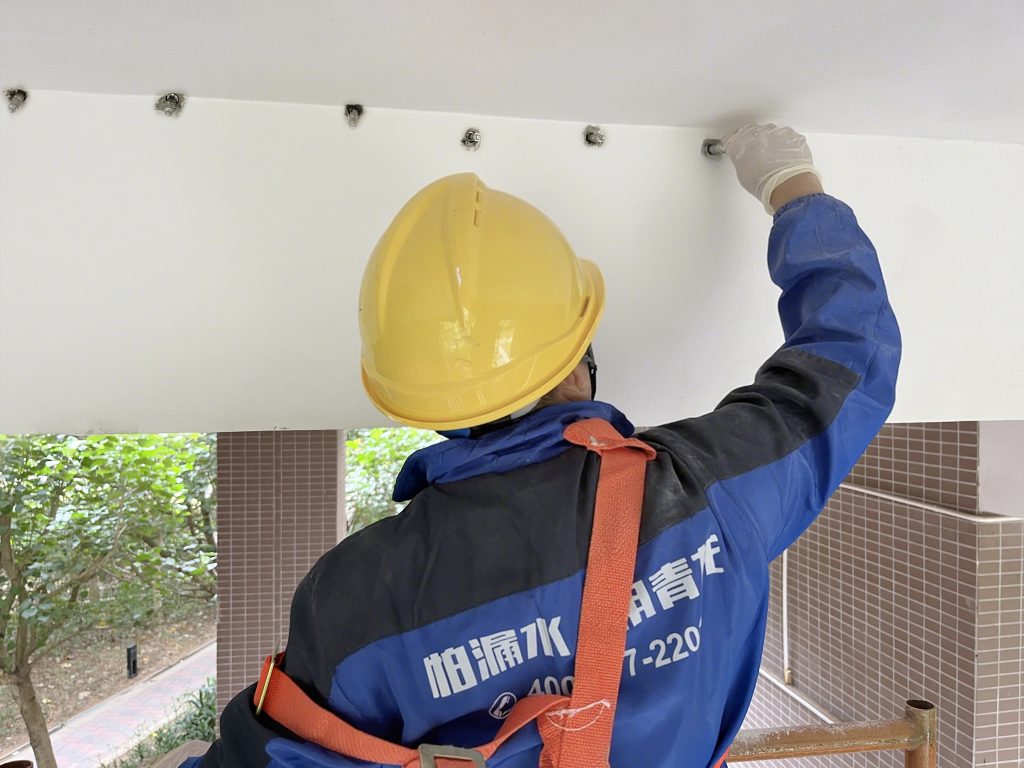
PU (Polyurethane) Injection is one of the most commonly used no hacking waterproofing methods for repairing toilet, bathroom, and wet area leaks without removing existing tiles.
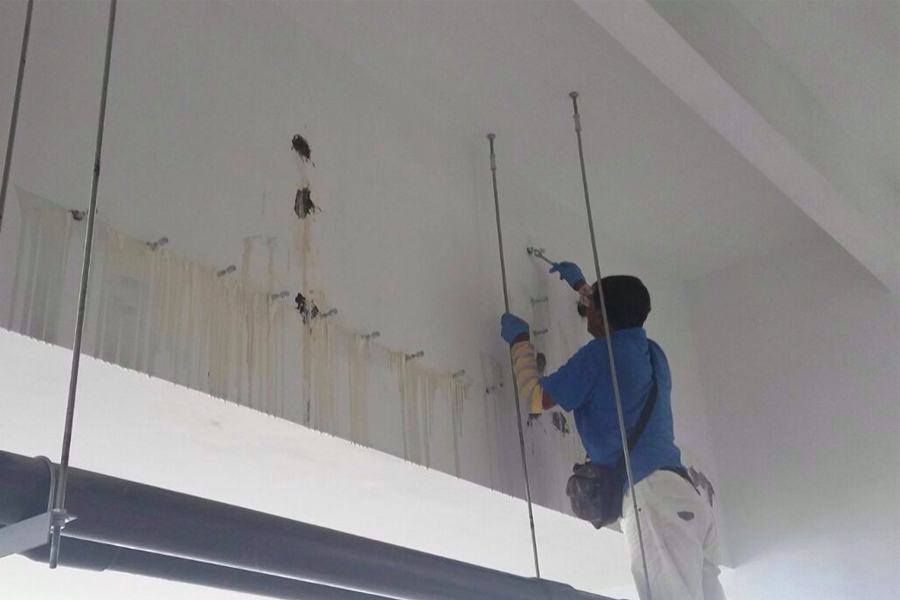
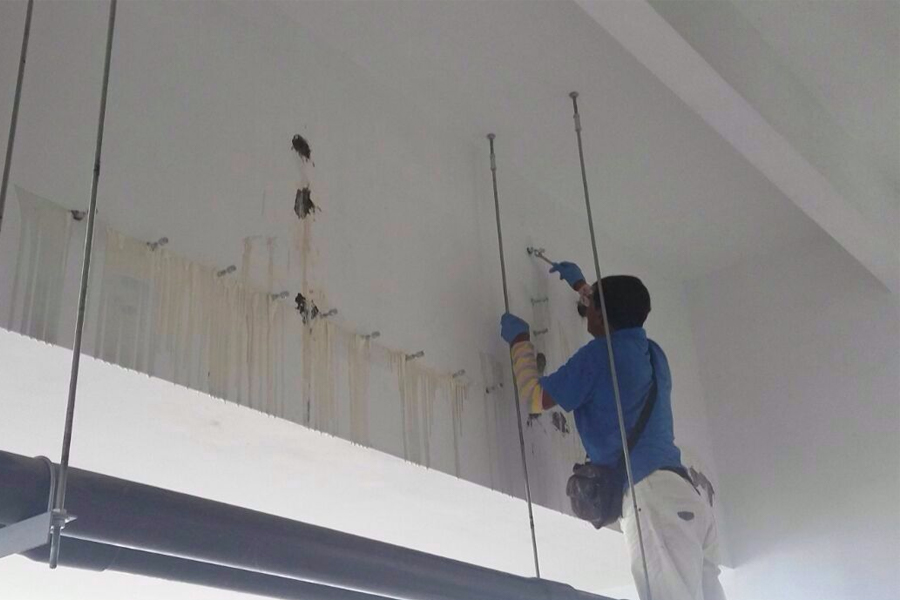
The process begins with a detailed inspection to identify visible cracks, damp areas, failed grout joints, hollow spots, water trails, and other potential water entry points. Once the affected areas are identified, contractors drill small holes into the floor or wall and inject polyurethane (PU) resin under pressure. The resin expands as it reacts with moisture, filling cracks and voids before hardening to help reduce water movement through those identified pathways.
PU Injection is widely used because it offers several practical advantages. It is relatively fast to install, causes minimal disruption, has a lower initial repair cost than hacking and replacing tiles, and is suitable for localized leakage where the source can be accurately identified.
Advantages
• Fast installation
• No tile hacking required
• Minimal disruption to occupants
• Lower initial repair cost
• Suitable for localized leakage repairs
Limitations
Although PU Injection can effectively seal identified cracks and voids, it does not restore or replace the original waterproofing membrane beneath the tiles. If water is entering through other hidden cracks, porous concrete, deteriorated grout, or new pathways outside the treated area, leakage may eventually reappear in a different location.
Because bathroom floors often contain multiple hidden water migration paths, PU Injection is generally considered a targeted leak repair rather than a complete waterproofing solution. For older bathrooms with widespread waterproofing failure, additional waterproofing methods or a more comprehensive waterproofing system may be required to achieve longer-lasting protection.
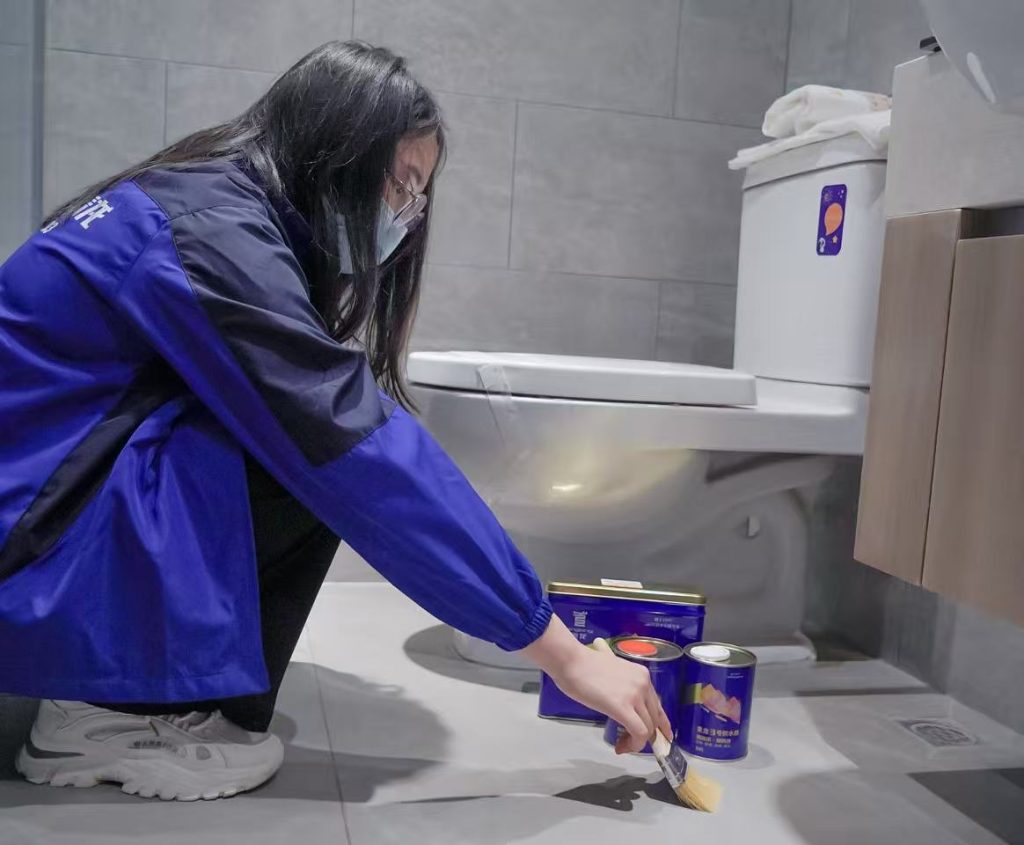
2. QL No.3 Transparent Waterproofing Coating
Transparent Waterproofing Coating is a no hacking waterproofing solution designed to protect bathrooms, balconies, and other tiled wet areas without changing the original appearance of the surface. Unlike PU Injection, which seals only identified cracks, this solution forms a clear protective waterproof layer over the tiles and grout lines to help reduce water penetration while preserving the existing tile finish.
The coating is colourless and transparent, allowing the natural look of your bathroom or balcony tiles to remain unchanged after application. It is also non-slip, making it suitable for areas with regular foot traffic. Once applied, it creates a durable waterproof barrier that helps resist water penetration, UV exposure, weathering, and daily moisture, making it ideal for both indoor and outdoor tiled surfaces.
Advantages
• No hacking or tile removal
• Colourless and transparent finish
• Strong surface protection
• Non-slip after application
• Eco-friendly & non-toxic
• Easy to apply with minimal disruption
Many property owners prefer no hacking waterproofing because it avoids major renovation work.
• No demolition or tile replacement
• Faster completion with minimal downtime
• Cleaner installation with less dust and noise
• Lower repair costs than complete bathroom reconstruction
For occupied homes, condominiums, apartments, and commercial properties, these advantages make no hacking waterproofing an increasingly popular repair option.
No hacking waterproofing methods provide a smarter, faster, and less disruptive alternative to traditional tile hacking for repairing toilet, bathroom, and balcony leaks. Each solution has its own strengths—PU Injection is suitable for localized crack repairs, while Transparent Waterproofing Coating helps protect tiled surfaces from water penetration without affecting their appearance. If you are facing stubborn bathroom water leakage, consider these options for a hassle free, effective, and long lasting fix to your toilet waterproofing issue with no hacking required!
Ready to Stop Toilet Water Leaks Without Hacking?
Protect your bathroom, balcony, and other tiled wet areas without the mess, noise, or cost of tile hacking. QingLong Waterproofing provides professional inspections and QL No.3 Transparent Waterproofing Coating, a no hacking solution that helps prevent water penetration while preserving the original look of your tiles.
No Hacking. No Mess. Easy Application. Long-Lasting Surface Protection.
Frequently Asked Questions (FAQs)
1. Does no hacking waterproofing really work?
Yes. When the correct waterproofing method is selected based on the actual source of water ingress and applied correctly, no hacking waterproofing can effectively reduce water leakage without removing existing tiles. A professional inspection is recommended to determine the most suitable solution.
2. Is PU Injection a permanent waterproofing solution?
PU Injection seals identified cracks and voids but does not replace the original waterproofing membrane beneath the tiles. It is best suited for localized leakage, and its long-term effectiveness depends on the overall condition of the existing waterproofing system.
3. Can QL No.3 Transparent Waterproofing Coating be applied over existing tiles?
Yes. QL No.3 Transparent Waterproofing Coating is specifically designed for application over existing tiled surfaces. Its colourless and transparent finish preserves the original appearance of the tiles while providing a durable waterproof barrier. No hacking or tile removal is required.
4. Where can QL No.3 Transparent Waterproofing Coating be used?
QL No.3 Transparent Waterproofing Coating is suitable for a variety of tiled surfaces, including: Bathrooms, Toilets, Balconies, Shower areas, and Other tiled wet areas.
5. Does QL No.3 Transparent Waterproofing Coating make tiles slippery?
No. QL No.3 Transparent Waterproofing Coating is formulated with a non-slip finish, allowing it to maintain the safety of tiled surfaces while providing waterproof protection.
6. Will the coating change the colour or appearance of my tiles?
No. The coating dries colourless and transparent, allowing the natural colour and texture of your existing tiles to remain visible while adding a protective waterproof layer.