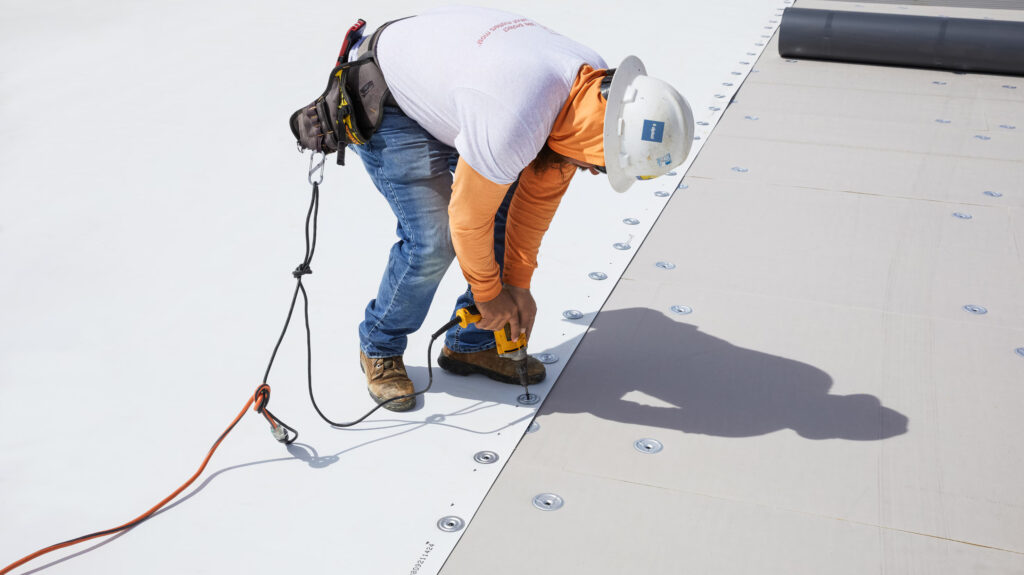
A toilet leak that returns after resealing is frustrating because the repair often looked logical at first. The visible gaps were filled, the silicone was renewed, the tile joints looked cleaner, and the bathroom may even have stayed dry for a short while. Then the ceiling stain below reappears, or dampness comes back near the wall. In many Kuching homes and commercial units, this usually means the resealing work treated the visible surface, while the actual waterproofing path remained unresolved.
A Failed Reseal Usually Means the Leak Is Not Only at the Visible Gap
If toilet waterproofing fails after resealing, the problem is often below the tile surface or around a hidden detail such as the floor trap, pipe penetration, wall-floor junction, or damaged waterproofing layer. Resealing grout lines or silicone joints may slow surface water entry, but it cannot restore a failed membrane beneath the tiles.
This is the key difference many owners miss. Resealing is a surface repair. Toilet waterproofing is a system below or behind the visible finish.
A toilet floor is constantly exposed to water from showering, washing, splashing and cleaning. Water may enter through cracked grout, open tile joints, poorly sealed corners or gaps around fittings. But once water has passed the tile surface, it may travel through the screed layer until it finds a weak point in the waterproofing membrane.
That weak point may be some distance away from the visible damp patch. This is why simply resealing the nearest crack or the edge of the floor trap may not solve the actual leak.
What Resealing Can Fix, and What It Cannot Fix
Resealing has a proper place in toilet maintenance. It can help when the issue is limited to deteriorated silicone around sanitary fittings, minor gaps at tile edges, or surface joints that allow small amounts of water to enter.
For example, resealing may be useful around:
basin edges, WC base edges and shower screen tracks;
wall corners where old sealant has shrunk or detached;
tile joints that are still stable but need surface protection;
small gaps around fittings that are not part of the main floor waterproofing.
However, resealing cannot rebuild the waterproofing layer beneath the tiles. It also cannot correct poor waterproofing upturns at the wall, loose tiles, hollow screed, cracks that continue moving, or defective treatment around pipe penetrations.
In a toilet, the most important waterproofing areas are often not the large flat tile surface. The critical points are the junctions and interruptions: the floor trap, pipe sleeves, internal corners, door threshold, wall-floor joint and any area where the membrane was cut, stopped or poorly bonded.
If the original waterproofing layer has debonded, cracked or was not properly detailed, new sealant on top may only delay the next leak.
The Second Inspection Should Follow the Water Path, Not the Stain
After a failed reseal, the next step should not be another round of sealing every visible joint. The inspection should ask where water is entering, where it is travelling, and where the waterproofing system is no longer holding.
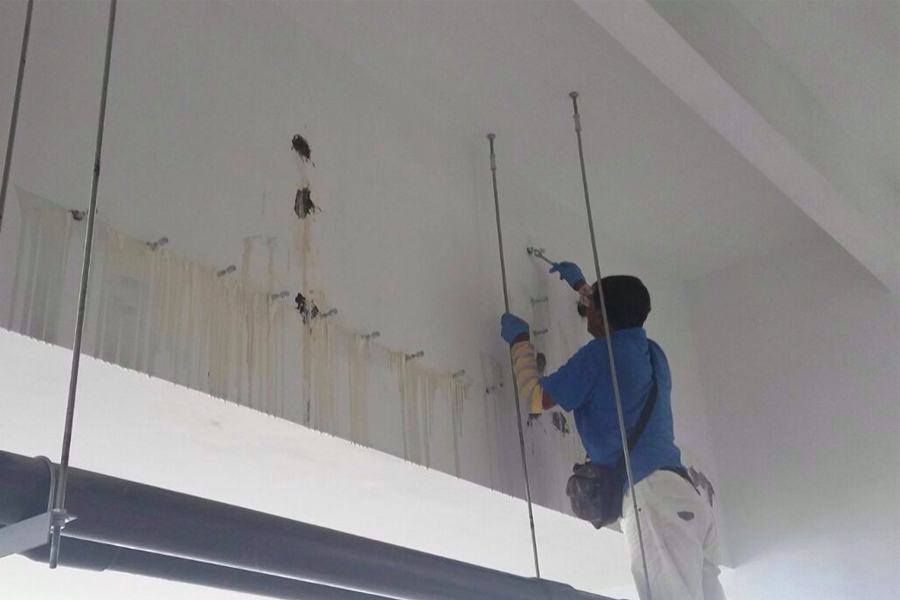
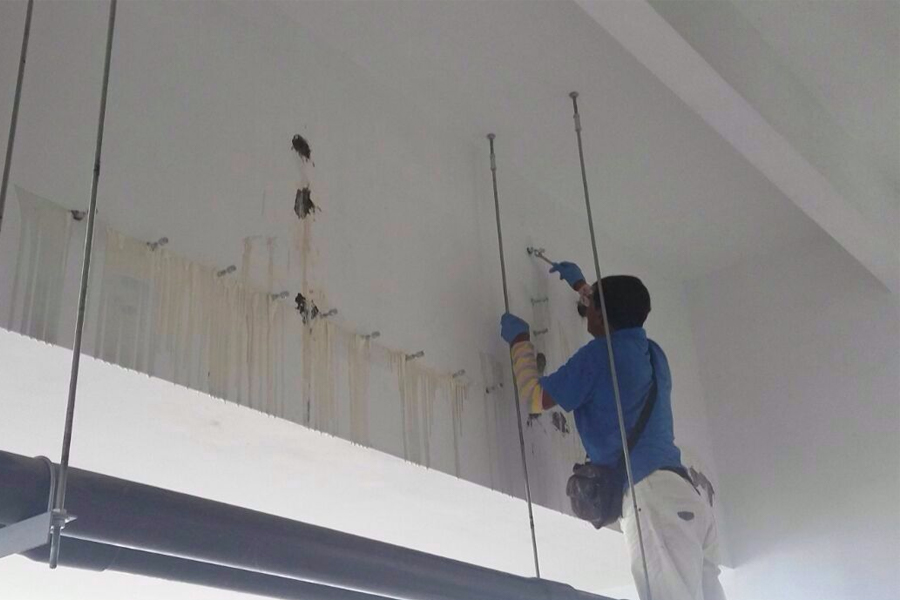
A ceiling stain below the toilet does not prove the leak is directly above that stain. Water may travel along the slab surface, through the screed, around pipe sleeves or along a construction joint before becoming visible below.
A useful inspection should consider:
whether the leak appears only after shower use or also when the toilet is dry;
whether the floor trap area holds water or drains slowly;
whether tiles sound hollow when tapped;
whether grout cracks return after repair;
whether the wall base shows swelling, damp marks or peeling paint;
whether pipe penetrations are properly sealed;
whether water can pond near corners, thresholds or the floor outlet.
This matters because each observation points to a different repair scope. A leaking pipe connection is not solved by floor coating. A failed membrane below hollow tiles is not solved by renewing silicone. A poorly sealed floor trap detail may require opening that area, not resealing the whole toilet surface.
Why the Leak May Return Only After Showering or Ponding
Many toilet leaks do not appear immediately. The floor may seem dry after a short test, but leakage returns after repeated shower use. This happens because water takes time to penetrate through joints, collect in the screed, and reach the failed waterproofing detail.
A common situation is a toilet floor with poor falls. If water sits near the wall-floor junction or around the floor trap, the waterproofing system is exposed for longer. Even a small defect becomes more serious when water is allowed to pond repeatedly.
In enclosed bathrooms, drying conditions also matter. Kuching’s generally humid environment can make poorly ventilated toilets slower to dry before resealing or coating work. If sealant or coating is applied onto damp, contaminated or soap-stained surfaces, adhesion may be weak from the beginning.
This does not mean humidity alone causes the waterproofing failure. It means surface preparation, drying time and curing conditions should be treated seriously before applying any new waterproofing or sealant material.
Deciding Whether Local Repair Is Enough or Tiles Must Be Removed
The most important decision after a failed reseal is whether the repair can remain local, or whether the toilet waterproofing system needs to be renewed more thoroughly.
A local repair may be reasonable when the leak source is clearly isolated. For example, if water testing confirms leakage only around a pipe penetration or floor trap edge, opening and treating that detail may be enough, subject to the surrounding tile and screed condition.
Full or partial tile removal becomes more likely when there are several signs of system failure. These include widespread hollow tiles, repeated grout cracking, dampness at multiple wall bases, water trapped below tiles, or leakage that continues even after the visible joints have been resealed.
For a toilet above an occupied room, shoplot ceiling, apartment unit or commercial area, the risk of repeated failure should be weighed carefully. Keeping the tiles may reduce short-term disruption, but it can also leave uncertainty if the membrane below cannot be inspected or properly connected to new waterproofing details.
A sound toilet waterproofing repair should create a continuous waterproof layer at the floor, corners, wall upturns, floor trap and penetrations. If the existing tile finish prevents that continuity, surface resealing alone is unlikely to be a reliable long-term answer.
What a Proper Repair Scope Should Confirm Before Work Starts
Before approving another repair, the owner should ask for more than a general promise to “seal the toilet again”. The repair scope should clearly identify what will be treated and why.
For toilet waterproofing, the scope should confirm the substrate condition, whether tiles will remain or be removed, how corners will be reinforced, how pipe penetrations and floor traps will be detailed, and how the waterproofing layer will terminate at the wall and doorway.
If a cementitious waterproofing system such as QingLong K11 Waterproof Slurry is considered, the substrate must be suitable and properly prepared. If joint or corner reinforcement is required, compatible sealing accessories such as waterproof tape or sealant may form part of the system. The exact build-up should follow the product specification and the site condition, not simply the easiest surface to coat.
Flood testing may also be required where practical. A controlled water test helps separate surface wetting from actual waterproofing performance. However, testing should be planned carefully, especially in occupied buildings, because uncontrolled testing can worsen water damage below.
The Real Lesson From a Failed Reseal
A failed reseal does not always mean the previous repair was careless. Sometimes resealing was attempted because it was less disruptive, cheaper and visually sensible. The problem is that a toilet leak can come from hidden waterproofing details, not just from the joints the owner can see.
The next repair should be based on evidence: where water is entering, how it travels, whether the existing tiles and screed are stable, and whether a continuous waterproofing system can still be formed. Without that, another reseal may only restart the same cycle.
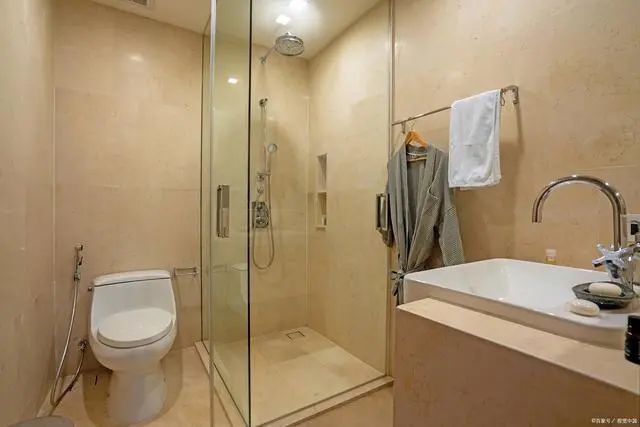
If your toilet waterproofing in Kuching has failed after resealing, QingLong Waterproofing can help review the site condition and recommend a repair approach based on the actual leak path and substrate condition. You may contact QingLong Waterproofing for a suitable assessment.
Frequently Asked Questions (FAQs)
1. Why does my toilet still leak after resealing?
If the leak returns after resealing, the problem may be below the tile surface rather than at the visible joint. Water can travel through the screed and enter through a damaged waterproofing membrane, floor trap detail, pipe penetration or wall-floor junction.
2. Can resealing grout or silicone stop a toilet leak?
Resealing can help when the problem is limited to deteriorated silicone, minor gaps or surface joints. However, it cannot repair a failed waterproofing membrane underneath the tiles or correct problems such as hollow screed, cracked upturns or poorly detailed floor traps.
3. Can a leaking floor trap cause water damage below the toilet?
Yes. The connection between the waterproofing membrane and floor trap is a critical detail. If the membrane does not terminate or seal properly around the outlet, water can enter beneath the waterproofing system and appear on the ceiling below.
4. What should be checked before repairing a leaking toilet in Kuching?
The inspection should check the floor trap, pipe penetrations, wall-floor junctions, doorway threshold, tile condition, screed stability, drainage falls and existing waterproofing condition. The repair scope should then be based on the actual water path rather than only the visible stain or cracked joint.
5. When is resealing no longer enough for a leaking toilet?
Resealing is usually no longer enough when leakage repeatedly returns, several areas are affected, tiles or screed are unstable, or the waterproofing membrane cannot be repaired from the surface. In these situations, a more complete waterproofing repair may be required.