A metal roof leak often appears simple from inside the building: water drips from one purlin, stains one ceiling board, or runs down one wall line. But on a metal roof, the actual entry point may be several metres away. In Johor Bahru factories, warehouses, workshops and commercial buildings, two details are especially easy to confuse: leaking roof screws and leaking sheet seams. Both can drip during rain, both can leave rust marks, and both may disappear when the rain stops. The repair decision should start by identifying which detail is failing, not by coating the whole roof immediately.
Why the Drip Location Does Not Confirm the Leak Point
On a metal roof, water rarely travels in a straight vertical line from outside to inside. Once water enters around a screw hole, under a side lap, or through an end lap, it can run along the underside of the sheet, follow a rib, move across a purlin, or drip at the nearest low point.
This is why an internal stain below one roof bay does not prove that the defect is directly above it. The roof pitch, sheet profile, insulation layer, purlin direction and internal ceiling layout can all change where the water finally becomes visible.
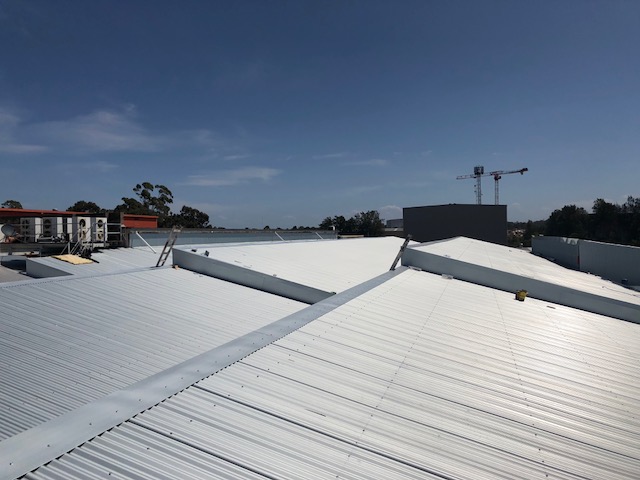
For Johor Bahru metal roof waterproofing, this matters because many commercial and industrial roofs are large-span systems. A small leak at a ridge flashing, lap joint or roof penetration may show up far away from the entry point. If the repair only seals the visible drip area, the real defect may remain active.
A useful inspection starts from the external roof condition, not only from the ceiling stain. The technician should check the roof area uphill from the drip point, the nearest laps, rows of fasteners, penetrations, ridge details and gutter-side terminations before deciding the repair scope.
When Roof Screws Are the More Likely Leak Source
Roof screws are common leak points because each fastener creates a penetration through the metal sheet. The screw itself is not usually the problem; the failure often comes from the washer, screw tension, corrosion, or movement around the hole.
A screw-related leak becomes more likely when the roof shows repeated small leaks across many fastening rows rather than one continuous seam line. The pattern may follow the purlin layout. In some cases, rust staining forms around the screw head, or the washer looks flattened, cracked, displaced or hardened.
A roof screw may leak when it is under-tightened, over-tightened, installed at an angle, or fixed into a weakened substrate. Over-tightening can deform the washer or metal sheet. Under-tightening may leave a small gap under the washer. If the roof has gone through years of thermal movement, the screw hole may become enlarged, allowing water to bypass the washer even when the screw still looks present.
A metal roof screw leak is likely when water entry follows fastener rows, washers are cracked or compressed, screw heads show corrosion, or the sheet around the screw has become enlarged. Sealing the screw head alone may not be enough if the fastener has lost grip or the hole has widened.
For this reason, screw repairs may involve more than brushing sealant over the head. Depending on site condition, the fastener may need replacement, the washer may need renewal, the hole may need proper sealing, and any corroded sheet area may need treatment before applying a compatible waterproofing material.
 When Seams, Laps and Flashings Should Be Suspected
Seam leakage behaves differently. Instead of appearing around isolated fastener points, it often follows the direction of the roof sheet overlap. On metal roofing, this may involve side laps, end laps, ridge caps, wall flashings, apron flashings, valleys or junctions around penetrations.
Seam leakage is more likely when rain is wind-driven, when water backs up near gutters, or when the lap detail has insufficient sealant, poor overlap, loose fixing or capillary water movement. A side lap may look closed from above but still allow water to track underneath during certain rain directions.
End laps deserve particular attention on lower-pitched roofs. If the overlap is too short, poorly sealed, contaminated, or affected by standing water, rainwater may be pushed back under the sheet. This is especially relevant where the roof has long runs discharging into undersized or partially blocked gutters.
Flashings can also be mistaken for seam leaks. A wall flashing that has lifted, cracked sealant at a termination, or poor fixing into a parapet wall may allow water behind the metal sheet. The leak may then appear inside as if the main roof sheet has failed.
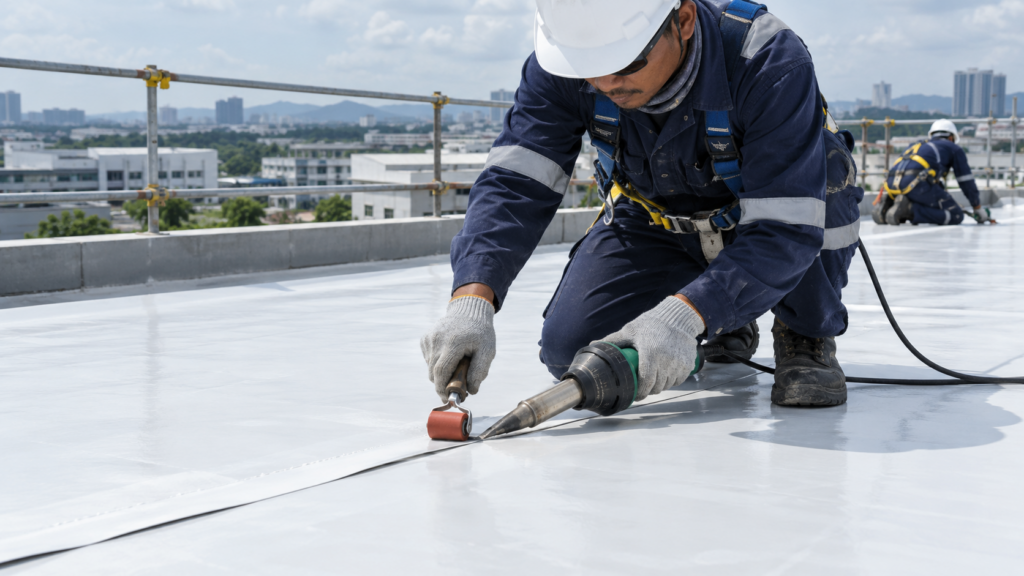
The key difference is that seam repairs usually require continuity. Treating one visible pinhole is not enough if the lap detail allows water to move along the joint. A seam repair may need cleaning, re-sealing, reinforcement tape, compatible coating build-up, and correct termination at both ends of the joint.
Inspection Clues That Separate Screw Leaks from Seam Leaks
A proper inspection compares the internal leak pattern with the external roof details. The goal is not to guess one cause, but to see which explanation matches the evidence.
Useful inspection clues include:
Leak pattern inside the building: isolated drips under fastening rows may suggest screw issues; longer damp lines may point to seams or laps.
Condition of washers and screw heads: cracked washers, rusted screws or loose fasteners increase the likelihood of screw leakage.
Lap and flashing condition: lifted laps, failed sealant, open end laps or poor flashing terminations point towards seam-related water entry.
Rain behaviour: leaks that occur only during wind-driven rain may involve laps, ridge caps or wall flashings rather than simple screw holes.
Roof slope and drainage: slow drainage or water backing up near gutters can expose weaknesses at end laps and lower roof joints.
Corrosion and contamination: rust, oil residue, dust or old coating failure can affect whether a new waterproofing layer will bond properly.
This inspection should also consider previous repair work. If many screw heads have been patched but the leak continues, the untreated seam may be the issue. If seams have been coated but water still appears across multiple purlin lines, ageing fasteners may be allowing water in at many points.
Why Coating the Whole Metal Roof May Not Be the First Decision
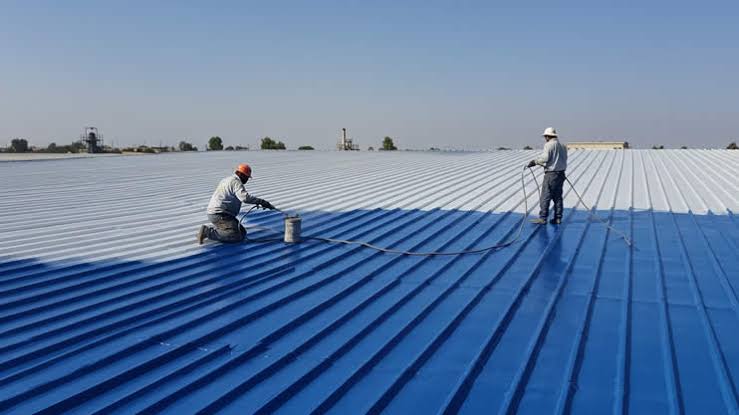
Recoating an entire metal roof can be appropriate when the existing roof surface is ageing, multiple details are vulnerable, or the owner wants a broader maintenance system. But it should not be the automatic first answer to every metal roof leak.
If the main issue is a group of failed screws, the priority may be fastener treatment and localised waterproofing. If the issue is a long side lap or end lap, the repair must focus on joint continuity and reinforcement. If the problem is poor drainage, coating alone may not solve water backup at the gutter edge. If corrosion is active, surface preparation becomes critical before any coating system is applied.
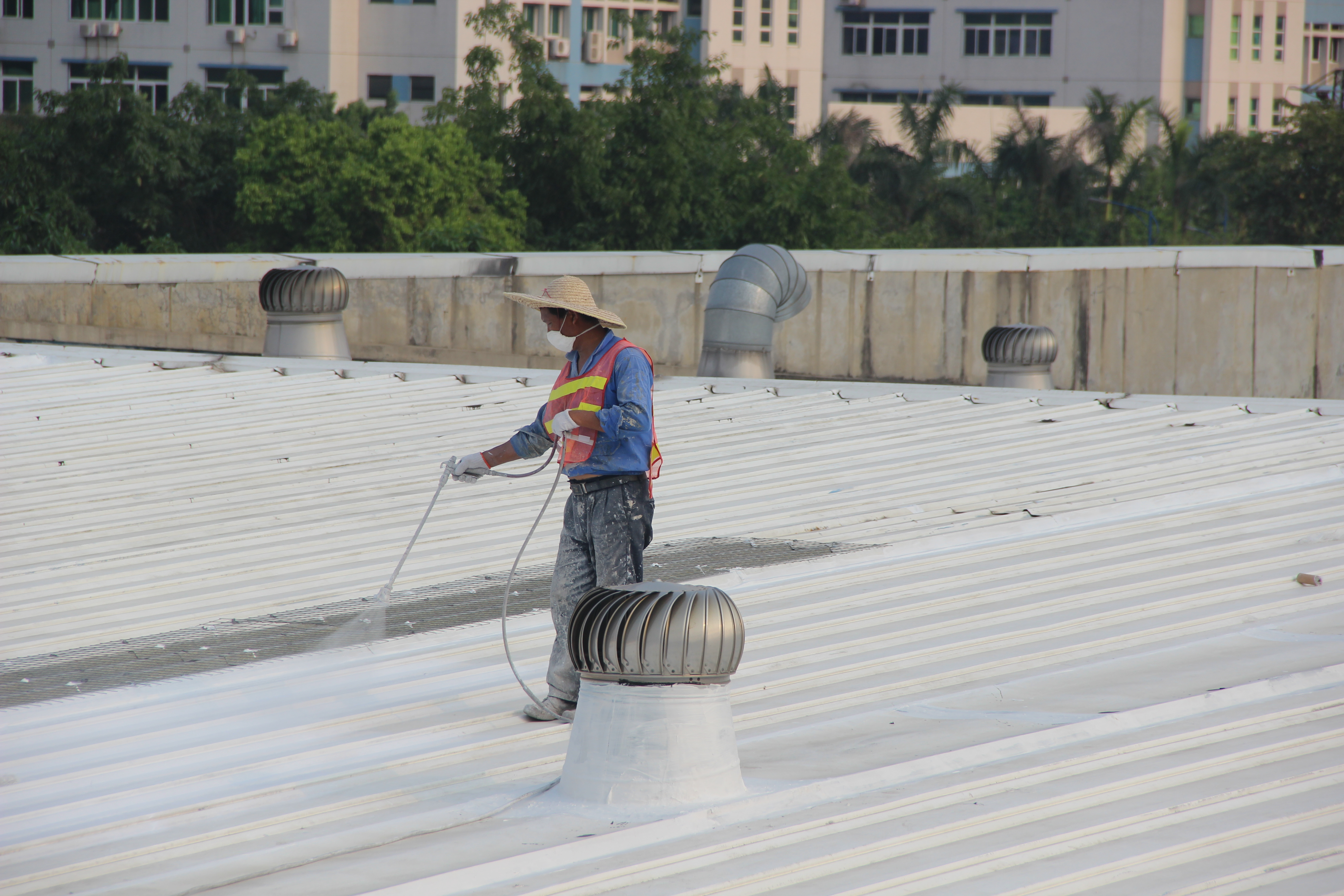
A coating applied over loose screws, dirty seams, chalking paint, rust, trapped moisture or failed old sealant may look complete but remain weak at the actual leak details. Metal roof waterproofing depends heavily on preparation because the system must bond to a moving, exposed substrate.
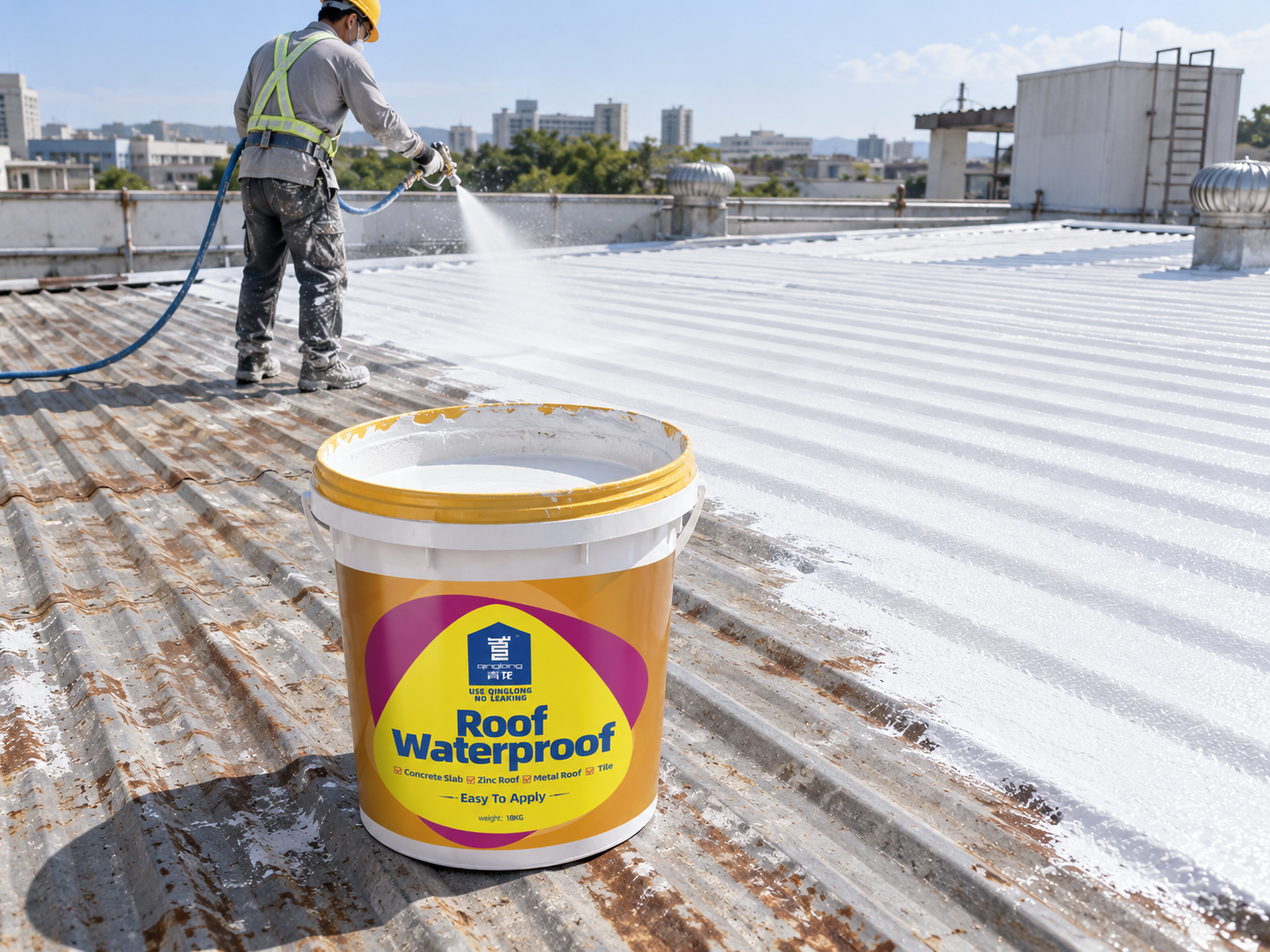
QingLong Waterproofing supplies and applies waterproofing systems for roof leakage and maintenance projects, but the appropriate method still depends on what the inspection confirms. For metal roofs, the important decision is whether the roof needs targeted screw treatment, seam reinforcement, flashing repair, broader recoating, or a combination of these works.
What a Practical Repair Scope Should Confirm Before Work Starts
Before approving metal roof waterproofing in Johor Bahru, the building owner or facility manager should ask for a repair scope that identifies the likely entry details. A quotation that only states “waterproof roof” may not explain whether the screws, seams, flashings or drainage details are being treated.
A clearer scope should confirm which roof areas are included, how loose or corroded fasteners will be handled, whether seams will be reinforced, how penetrations and flashings will be sealed, and what surface preparation is required before coating. It should also clarify whether the work is a local leak repair or a wider roof maintenance system.
This distinction affects cost, downtime, access planning and future maintenance. A factory roof over active production may need staged work. A warehouse with high internal stock value may prioritise leak containment at critical bays first. A commercial building may need work planned around tenant access and weather windows.
The best repair scope is not always the largest one. It is the one that matches the roof condition and addresses the actual water entry path.
Conclusion
For metal roof leakage, the important question is not simply whether the roof needs waterproofing. The first decision is whether water is entering through screws, seams, flashings, penetrations or drainage-related weak points. Screw leaks usually relate to fastener and washer condition. Seam leaks usually relate to lap continuity, movement, sealant failure or water being driven under the joint. Once that distinction is clear, the repair can be targeted properly instead of relying on guesswork.
If you are dealing with recurring roof leakage on a factory, warehouse or commercial metal roof, you can contact QingLong Waterproofing to discuss the roof condition and suitable repair approach.